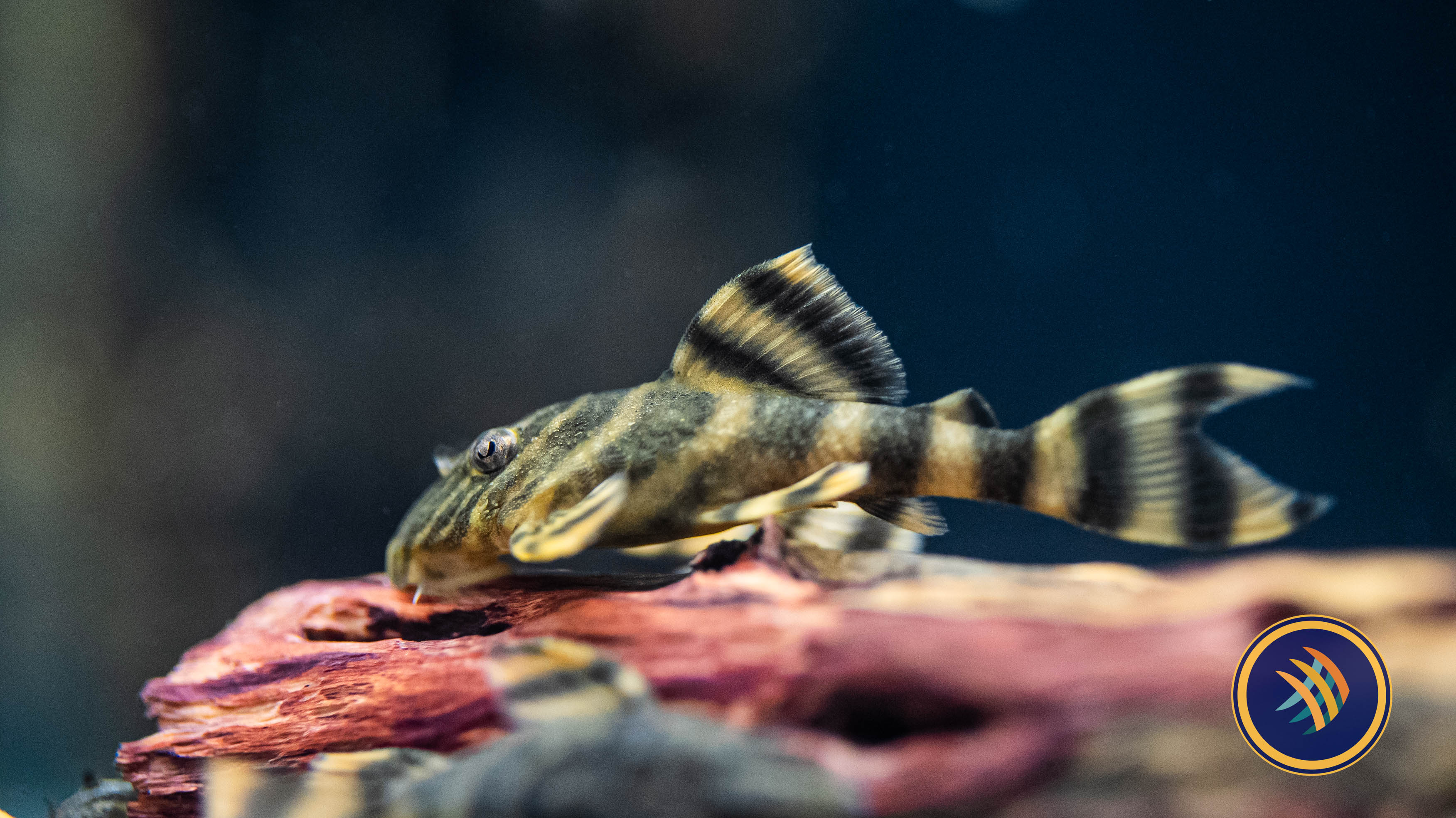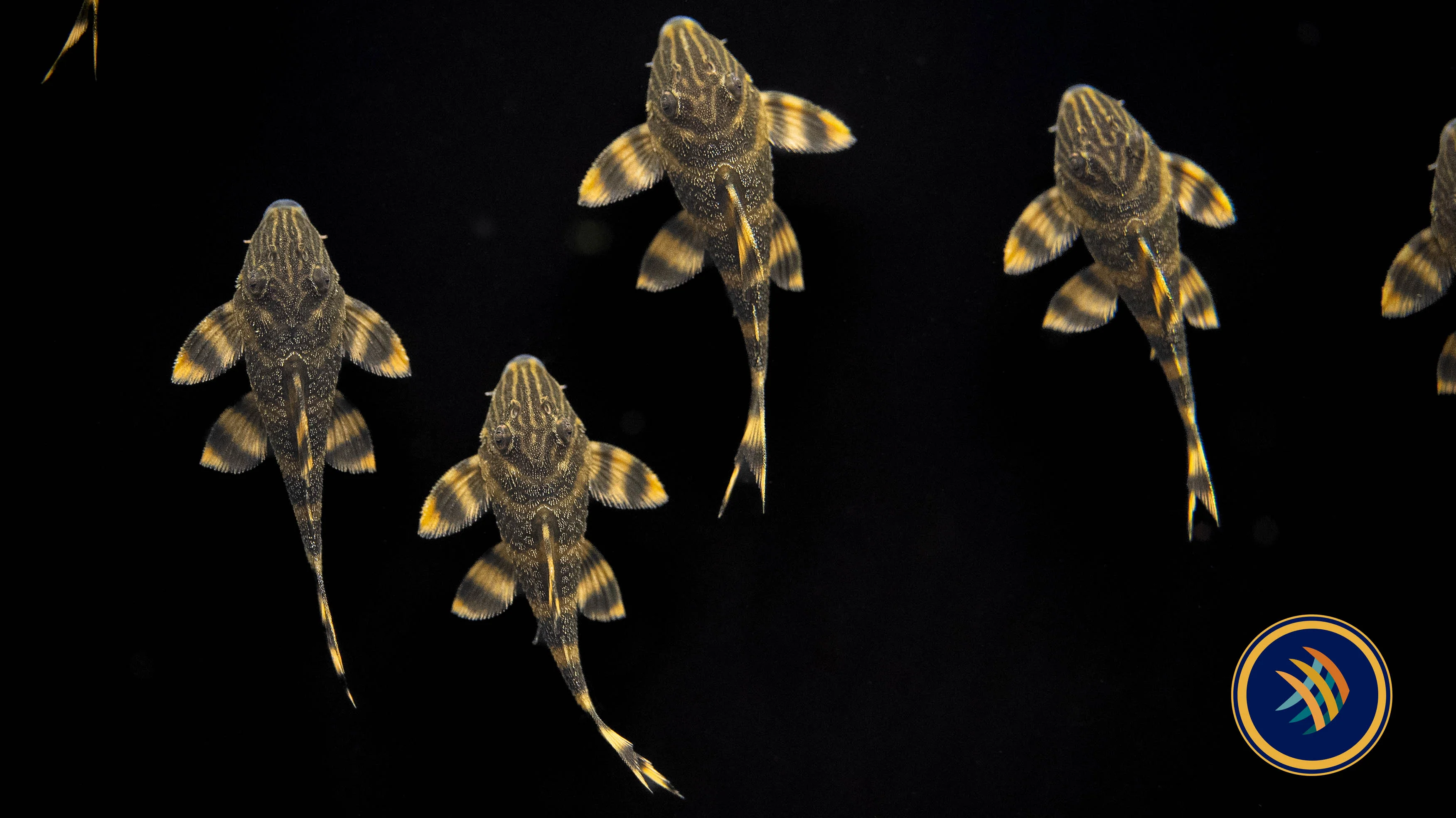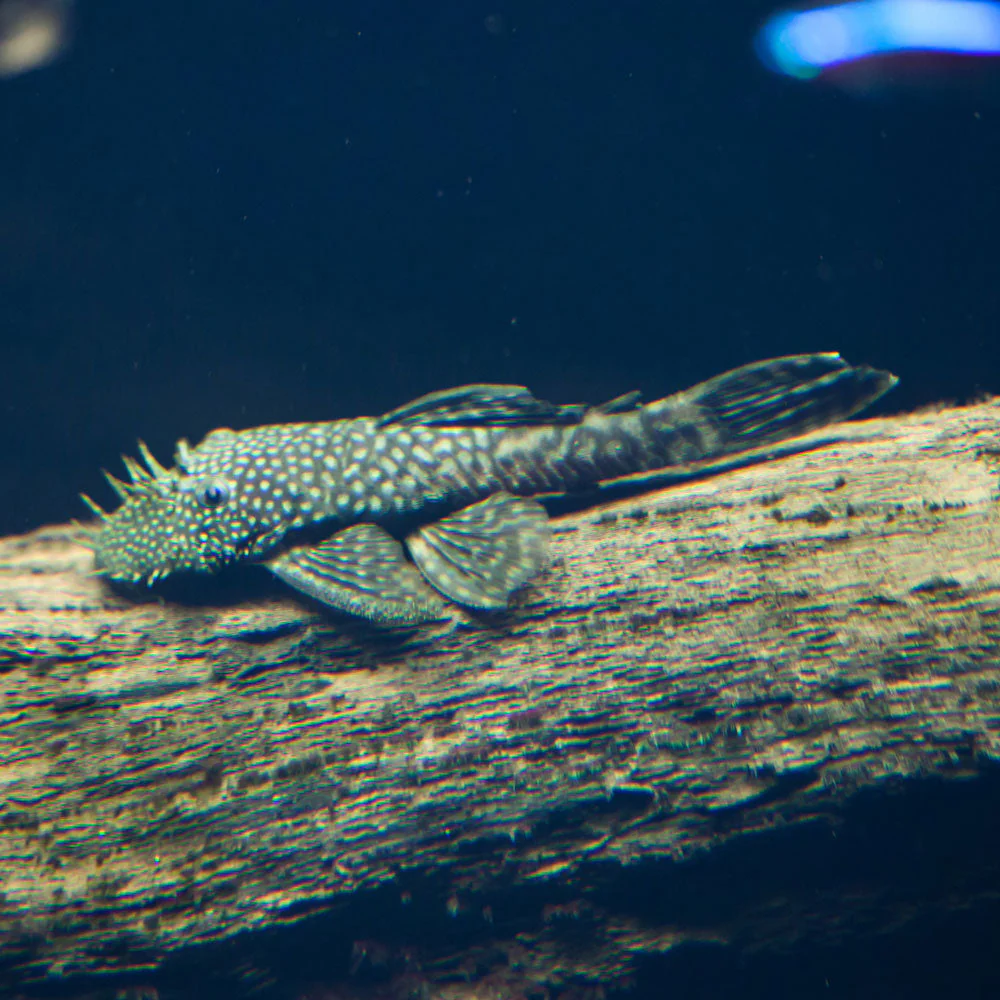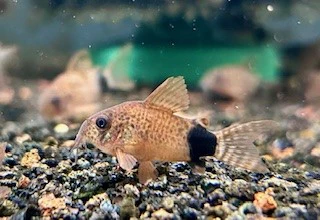
Corydoras caudimaculatus
Corydoras caudimaculatus
Overview & Origin
- Scientific Name: Corydoras caudimaculatus (Hoplisoma caudimaculatum)
- Size: Typically 4–5 cm (1.6–2″), maxing out at ~4.2 cm SL
- Habitat: Native to the Guaporé River basin in Brazil and Bolivia
- Lifespan: Around 5 years, occasionally up to 8–10 in ideal conditions
Water Parameters
- Temperature: 22–27 °C (72–80 °F), optimal 22–26 °C
- pH: 6.0–8.0; recommended range 6.3–7.3
- Hardness: 2–25 °dGH (4–17°N)
- Oxygen: Moderate flow + ability to gulp air; ensure surface access
Tank Setup
- Size: Minimum 20 gal for a school of 6; need at least 57 L (15 gal)
- Substrate: Soft sand or fine gravel to protect delicate barbels
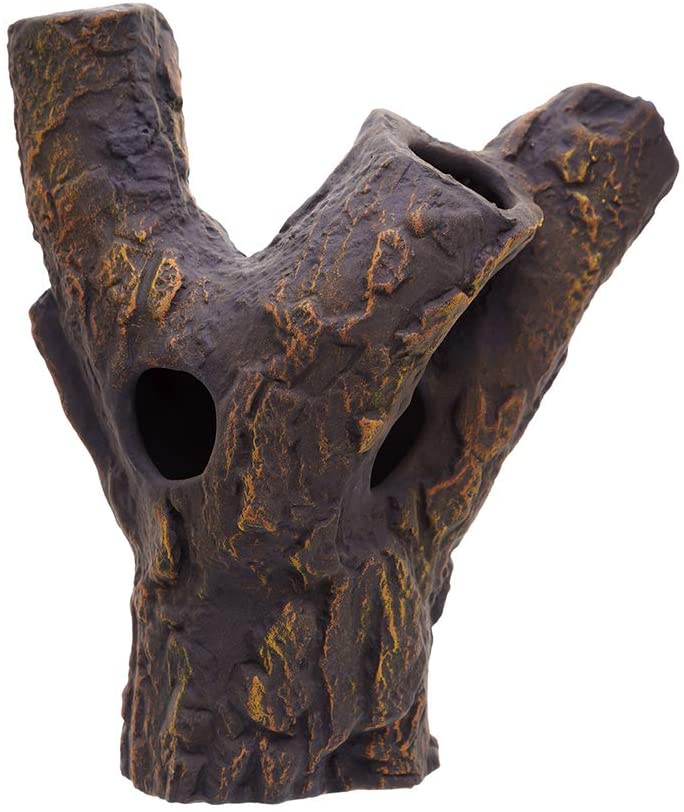
- Decor: Include hiding spots—driftwood, rocks, caves—and live plants
- Flow & Lighting: Gentle filtration and moderate lighting emulate natural conditions
Diet & Feeding
- Feeding Behavior: Bottom-dwellers that forage—most active at dusk
- Diet Type: Omnivores with a strong meat preference
-
Staple Foods:
- Good quality sinking pellets or wafers
- Occasionally flake foods that sink
- Supplements: Regular live or frozen treats: bloodworms, brine shrimp, daphnia, tubifex
-
Feeding Tips:
- Ensure food reaches the bottom before drifting away
- Feed 1× daily (evening), allow 30 minutes for foraging
Temperament & Tankmates
- Behavior: Peaceful, social schooling fish—best in groups of 6 or more
- Tankmates: Compatible with small, peaceful community fish (e.g., tetras, small rasboras, other Corys)
- Avoid: Aggressive, large, or fin-nipping species
Breeding
- Trigger Conditions: Simulate rainy season with cooler water changes (20–26 °C), pH 6–7.5
-
Spawning Behavior:
- “T-Position” mating; female carries 2–4 eggs in pelvic fins, attaches on plants or glass
-
Egg Care:
- Remove adults post-spawning to prevent egg predation
- Eggs hatch in ~3–5 days, feed fry with infusoria → microworms → crushed flakes
Common Challenges
- Barbel damage: Sharp substrate can injure barbels—risk of infection
- Water quality: Sensitive to ammonia/nitrite/nitrate spikes—requires regular water changes
- Salt sensitivity: Avoid using salt; Corys are scaleless and vulnerable
Corydoras caudimaculatus are delightful, hardy catfish when kept in a soft-substrate, clean, well-planted community tank with peaceful companions. Their endearing bottom-foraging behavior and ease of care make them excellent choice for both beginners and experienced aquarists.
$7.67
Original: $21.92
-65%Corydoras caudimaculatus—
$21.92
$7.67Product Information
Product Information
Shipping & Returns
Shipping & Returns
Description
Corydoras caudimaculatus
Overview & Origin
- Scientific Name: Corydoras caudimaculatus (Hoplisoma caudimaculatum)
- Size: Typically 4–5 cm (1.6–2″), maxing out at ~4.2 cm SL
- Habitat: Native to the Guaporé River basin in Brazil and Bolivia
- Lifespan: Around 5 years, occasionally up to 8–10 in ideal conditions
Water Parameters
- Temperature: 22–27 °C (72–80 °F), optimal 22–26 °C
- pH: 6.0–8.0; recommended range 6.3–7.3
- Hardness: 2–25 °dGH (4–17°N)
- Oxygen: Moderate flow + ability to gulp air; ensure surface access
Tank Setup
- Size: Minimum 20 gal for a school of 6; need at least 57 L (15 gal)
- Substrate: Soft sand or fine gravel to protect delicate barbels
- Decor: Include hiding spots—driftwood, rocks, caves—and live plants
- Flow & Lighting: Gentle filtration and moderate lighting emulate natural conditions
Diet & Feeding
- Feeding Behavior: Bottom-dwellers that forage—most active at dusk
- Diet Type: Omnivores with a strong meat preference
-
Staple Foods:
- Good quality sinking pellets or wafers
- Occasionally flake foods that sink
- Supplements: Regular live or frozen treats: bloodworms, brine shrimp, daphnia, tubifex
-
Feeding Tips:
- Ensure food reaches the bottom before drifting away
- Feed 1× daily (evening), allow 30 minutes for foraging
Temperament & Tankmates
- Behavior: Peaceful, social schooling fish—best in groups of 6 or more
- Tankmates: Compatible with small, peaceful community fish (e.g., tetras, small rasboras, other Corys)
- Avoid: Aggressive, large, or fin-nipping species
Breeding
- Trigger Conditions: Simulate rainy season with cooler water changes (20–26 °C), pH 6–7.5
-
Spawning Behavior:
- “T-Position” mating; female carries 2–4 eggs in pelvic fins, attaches on plants or glass
-
Egg Care:
- Remove adults post-spawning to prevent egg predation
- Eggs hatch in ~3–5 days, feed fry with infusoria → microworms → crushed flakes
Common Challenges
- Barbel damage: Sharp substrate can injure barbels—risk of infection
- Water quality: Sensitive to ammonia/nitrite/nitrate spikes—requires regular water changes
- Salt sensitivity: Avoid using salt; Corys are scaleless and vulnerable
Corydoras caudimaculatus are delightful, hardy catfish when kept in a soft-substrate, clean, well-planted community tank with peaceful companions. Their endearing bottom-foraging behavior and ease of care make them excellent choice for both beginners and experienced aquarists.