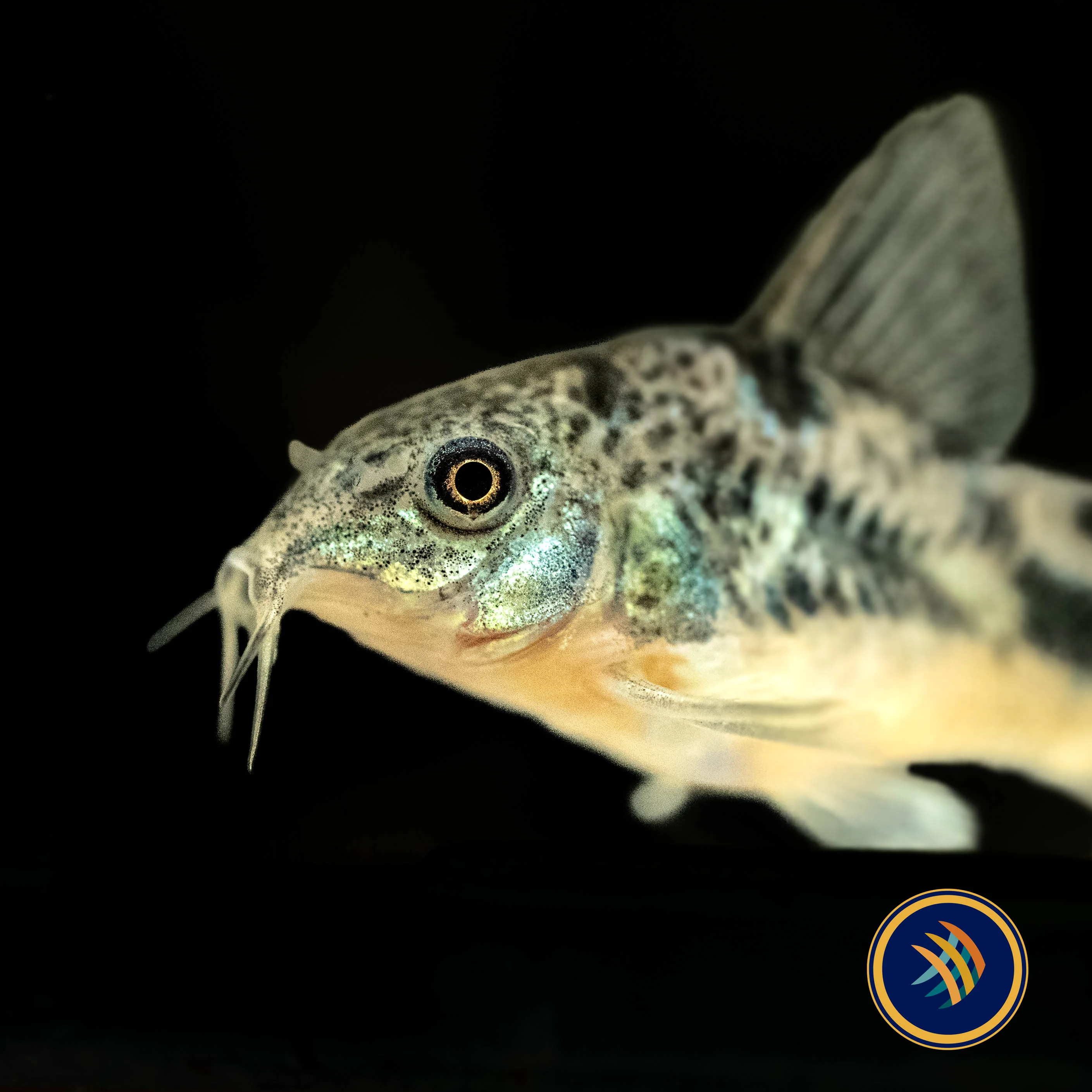
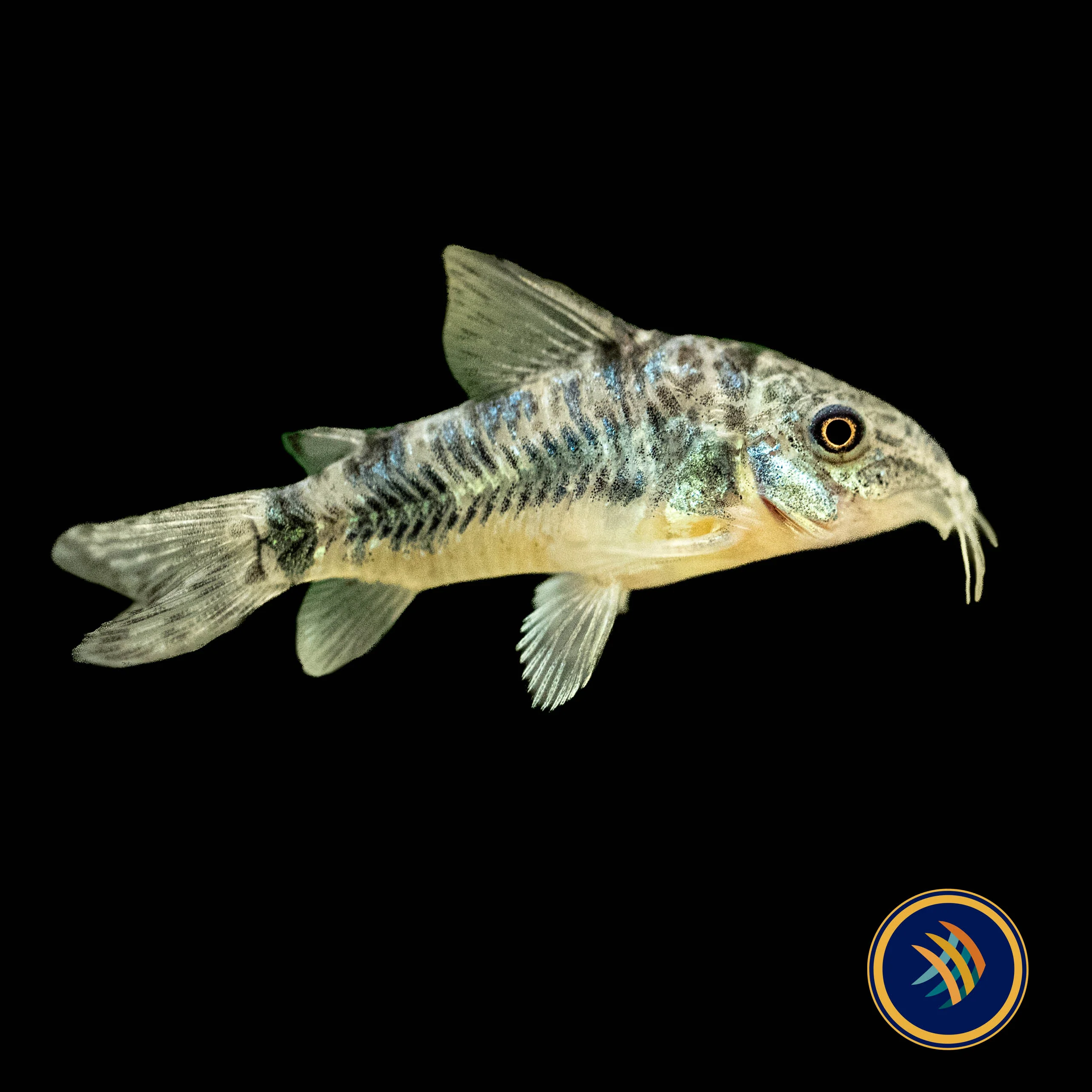
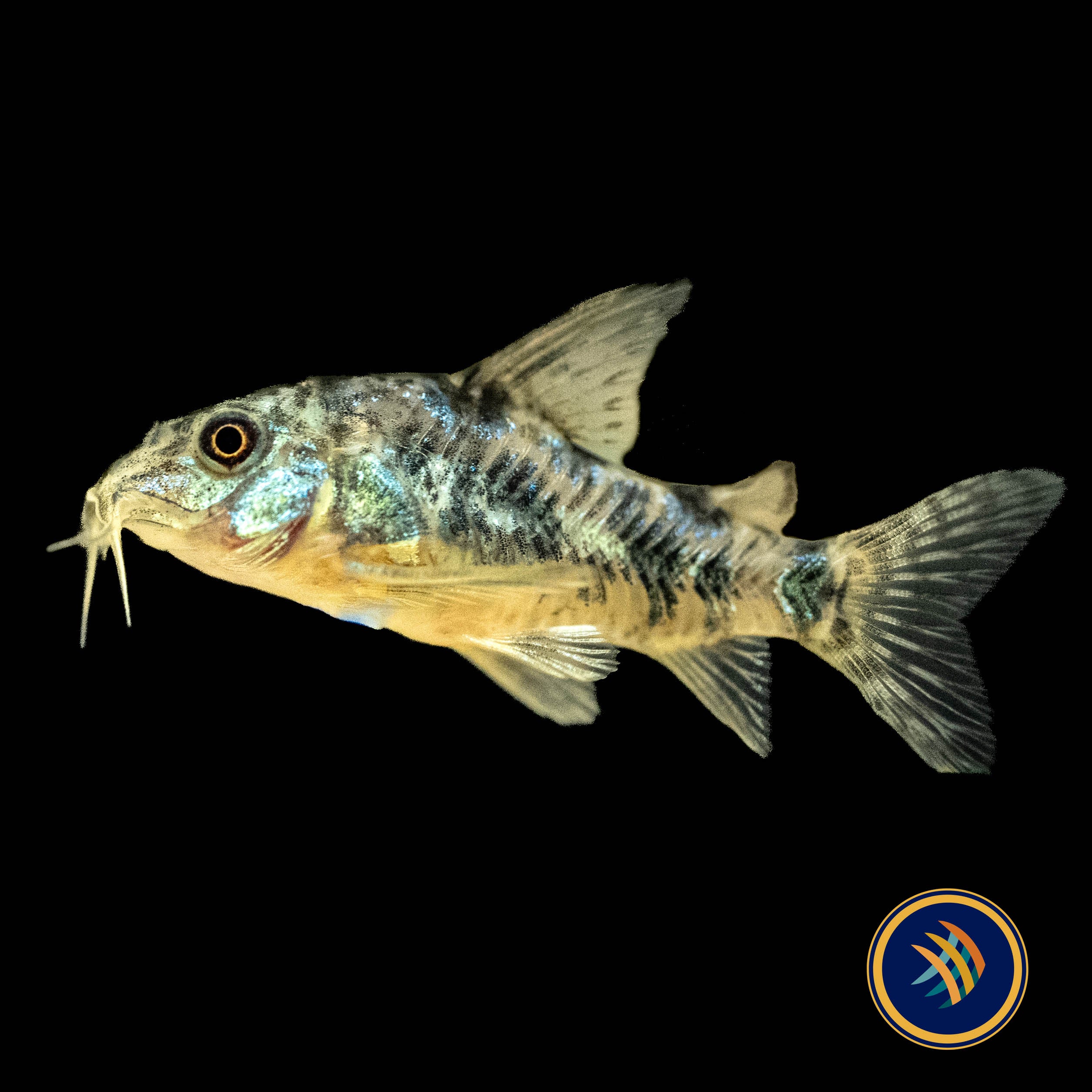
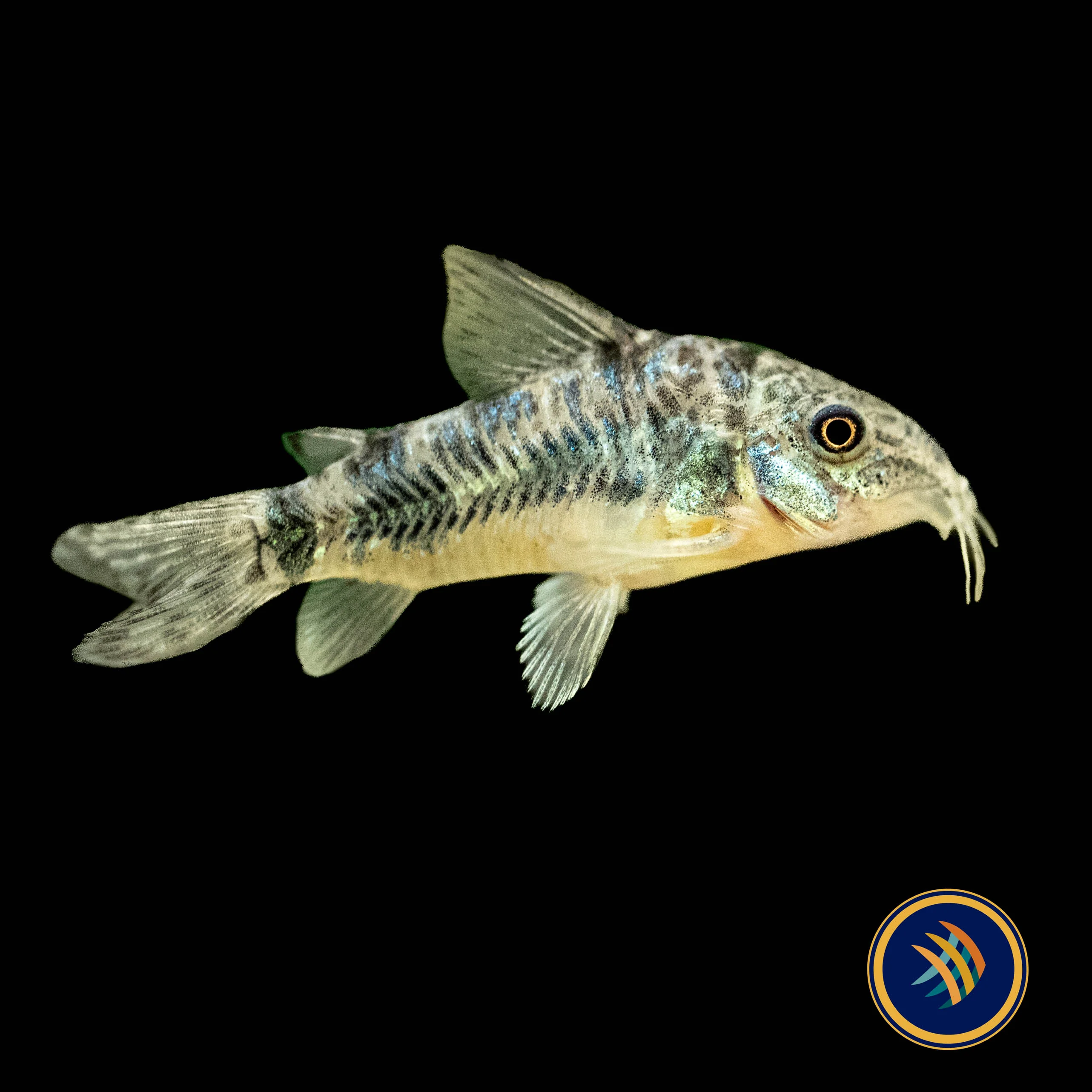
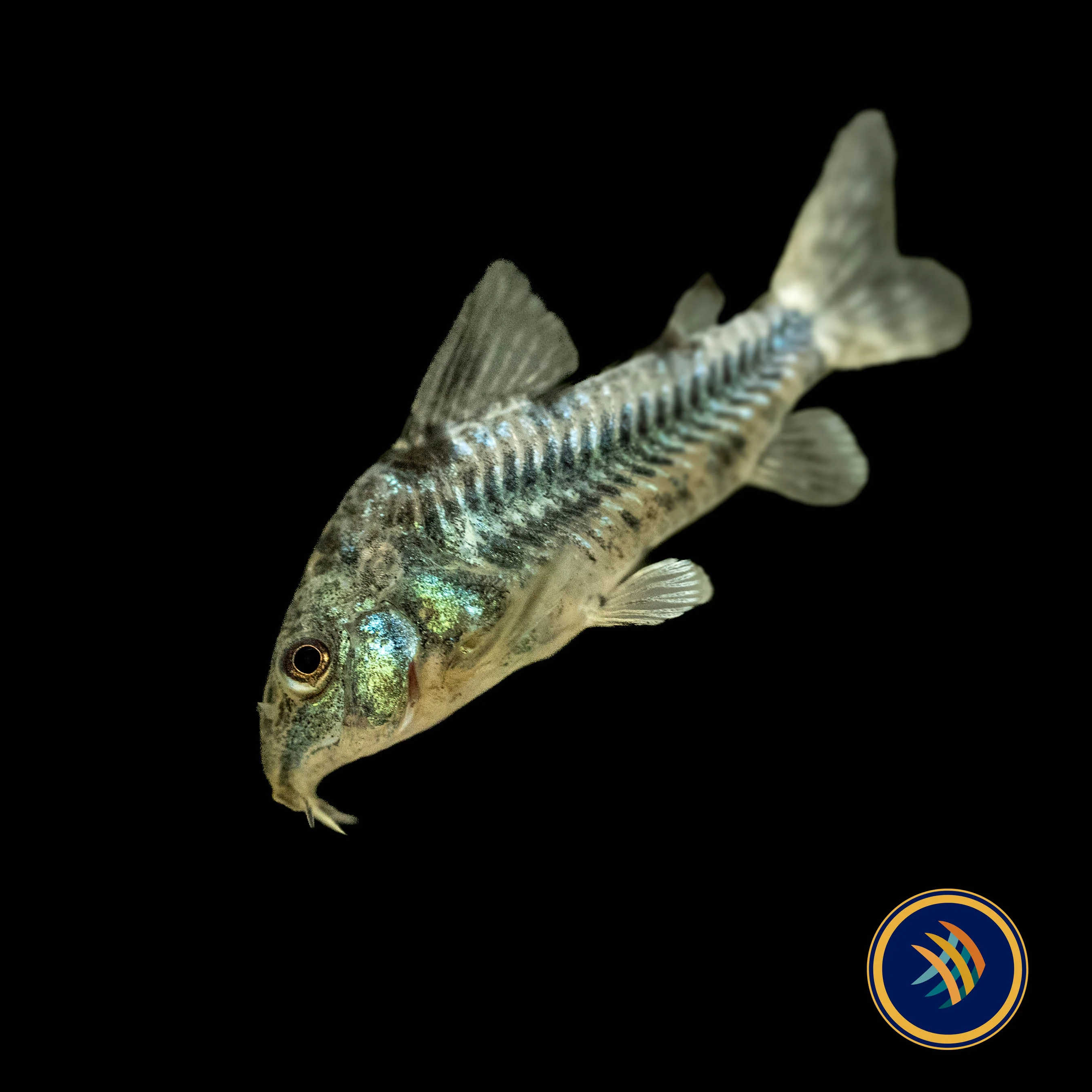
Peppered Cory (Corydoras paleatus)
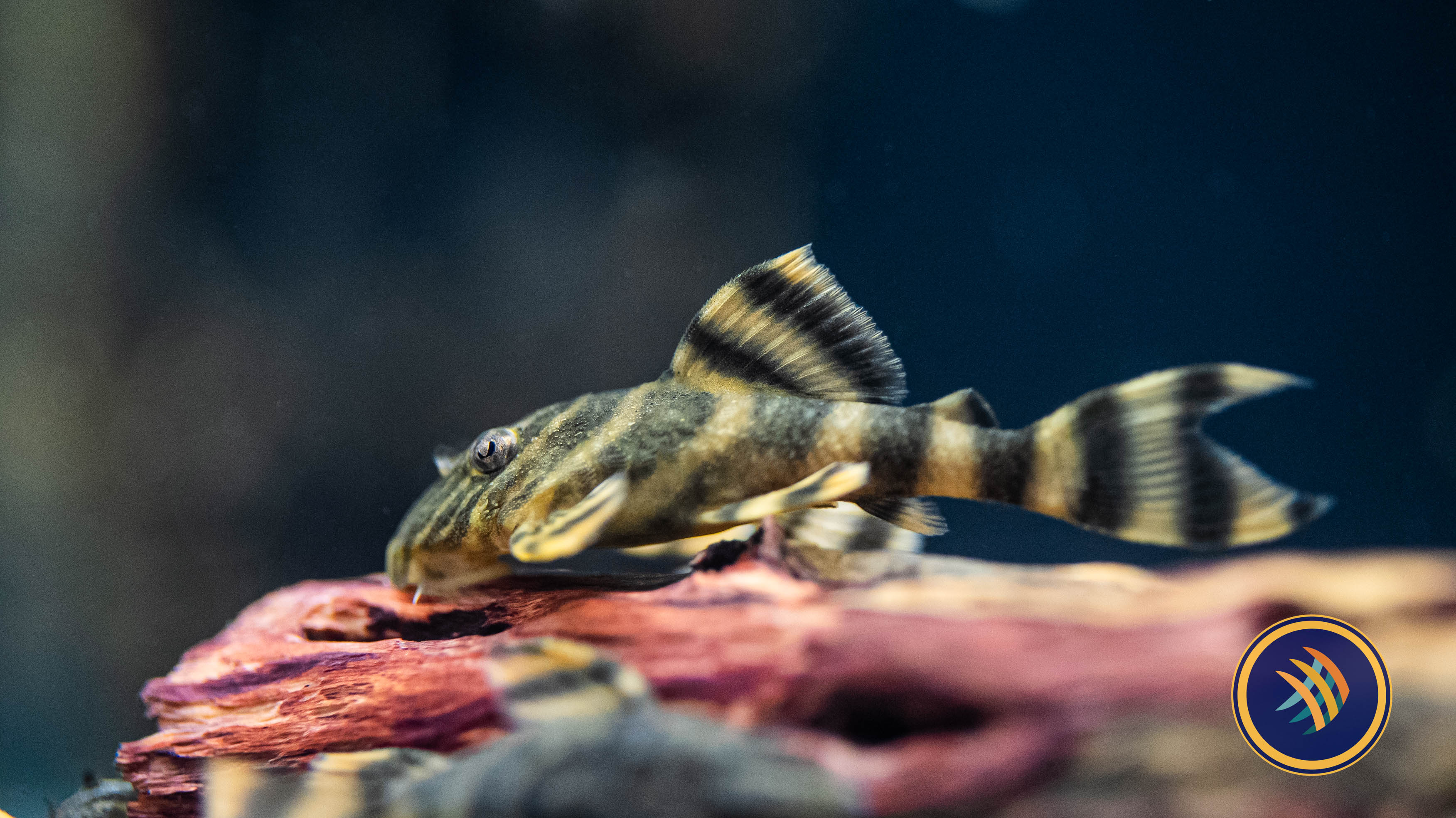
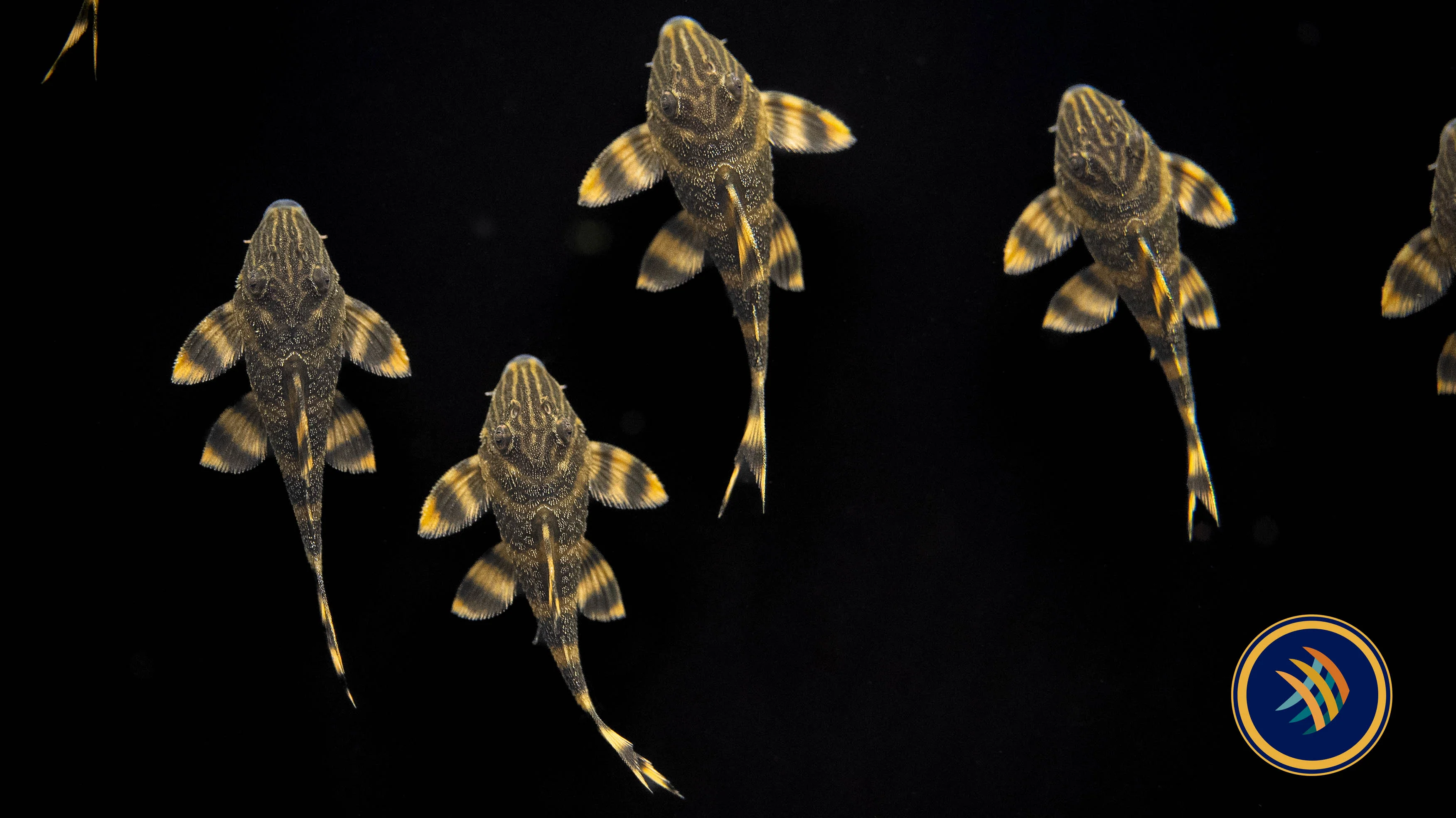
Peppered Cory (Corydoras paleatus) is a popular freshwater aquarium fish known for its peaceful nature and distinctive appearance.
Basic Information
- Common Name: Peppered Cory
- Scientific Name: Corydoras paleatus
- Family: Callichthyidae
- Origin: South America (mainly Argentina, Uruguay, and Brazil)
Appearance
- Coloration: Mottled or "peppered" pattern of dark spots on a silvery-gray or olive body.
- Size: Typically grows to about 2.5 inches (6.5 cm).
- Body Shape: Stocky with a slightly arched back and two pairs of barbels near the mouth.
Behavior and Care
- Temperament: Peaceful and social; best kept in groups of 5 or more.
- Tank Size: Minimum 20 gallons for a small group.
-
Water Conditions:
- Temperature: 72–78°F (22–26°C)
- pH: 6.0–7.5
- Soft to moderately hard water
- Diet: Omnivorous—accepts sinking pellets, flakes, frozen or live foods like bloodworms and brine shrimp.
Breeding
- Fairly easy to breed in captivity.
- Spawning is often triggered by a drop in temperature and water changes.
- Females lay eggs on tank surfaces; adults should be separated afterward to prevent egg predation.
$2.55
Original: $7.30
-65%Peppered Cory (Corydoras paleatus)—
$7.30
$2.55Product Information
Product Information
Shipping & Returns
Shipping & Returns
Description
Peppered Cory (Corydoras paleatus) is a popular freshwater aquarium fish known for its peaceful nature and distinctive appearance.
Basic Information
- Common Name: Peppered Cory
- Scientific Name: Corydoras paleatus
- Family: Callichthyidae
- Origin: South America (mainly Argentina, Uruguay, and Brazil)
Appearance
- Coloration: Mottled or "peppered" pattern of dark spots on a silvery-gray or olive body.
- Size: Typically grows to about 2.5 inches (6.5 cm).
- Body Shape: Stocky with a slightly arched back and two pairs of barbels near the mouth.
Behavior and Care
- Temperament: Peaceful and social; best kept in groups of 5 or more.
- Tank Size: Minimum 20 gallons for a small group.
-
Water Conditions:
- Temperature: 72–78°F (22–26°C)
- pH: 6.0–7.5
- Soft to moderately hard water
- Diet: Omnivorous—accepts sinking pellets, flakes, frozen or live foods like bloodworms and brine shrimp.
Breeding
- Fairly easy to breed in captivity.
- Spawning is often triggered by a drop in temperature and water changes.
- Females lay eggs on tank surfaces; adults should be separated afterward to prevent egg predation.