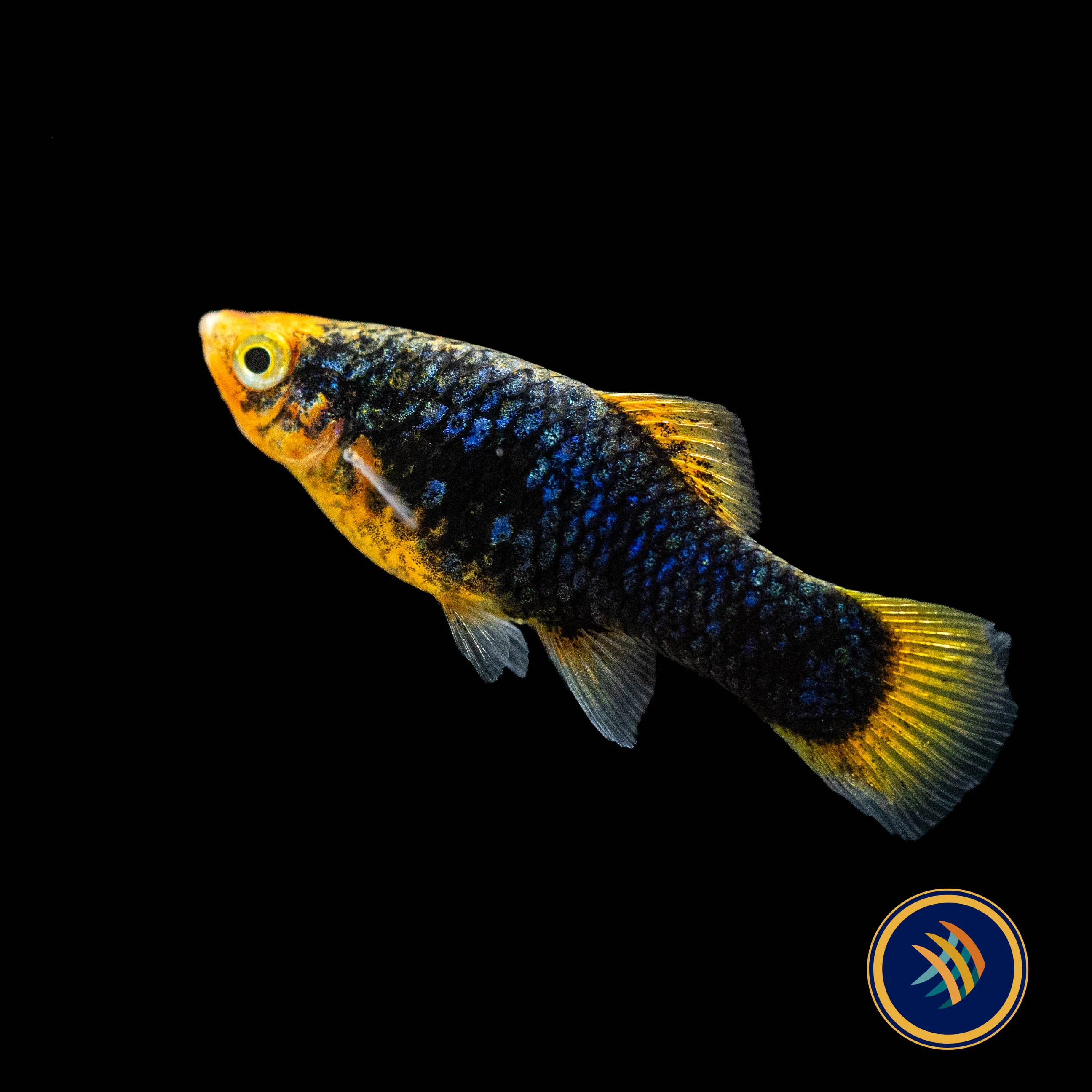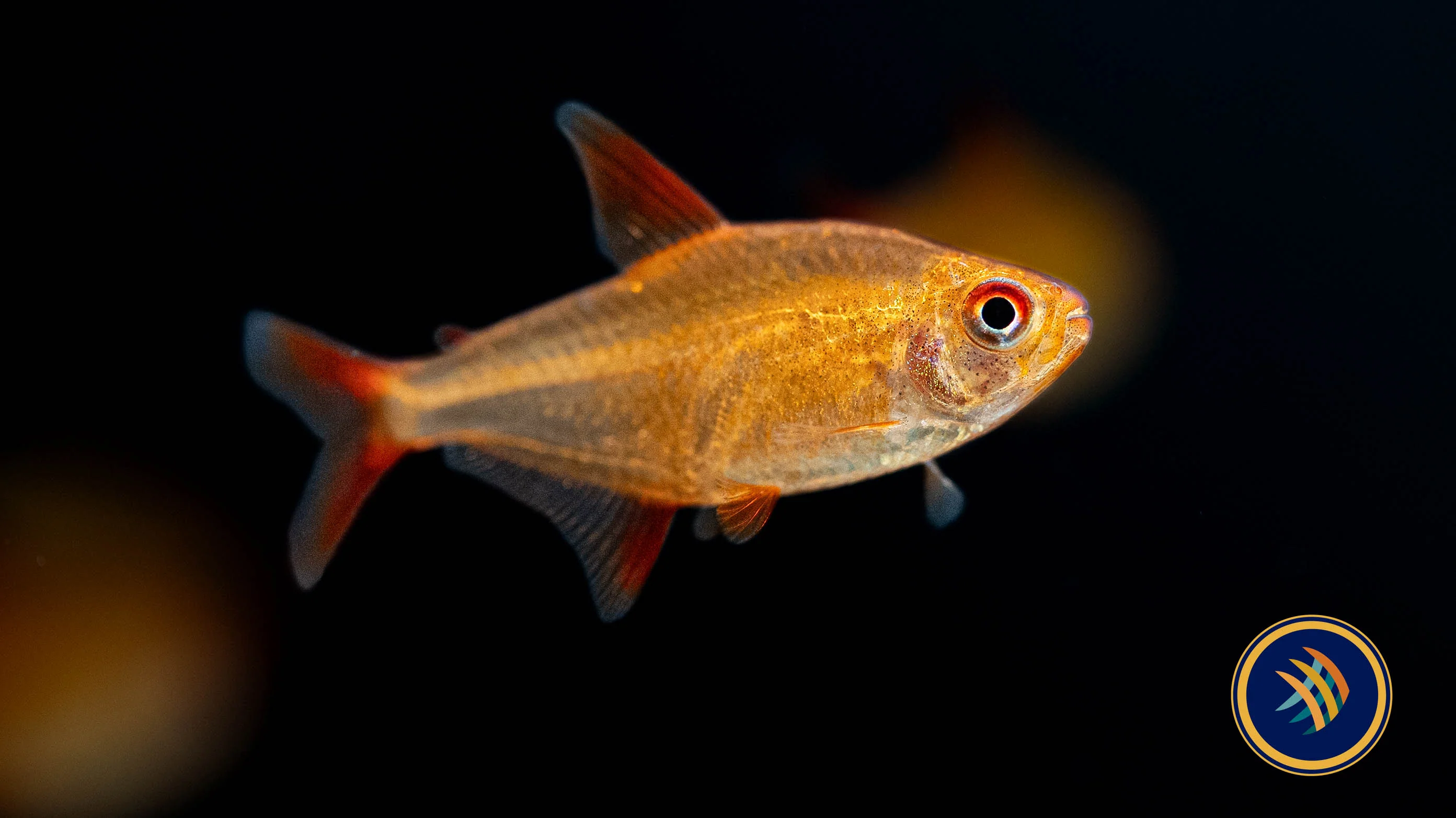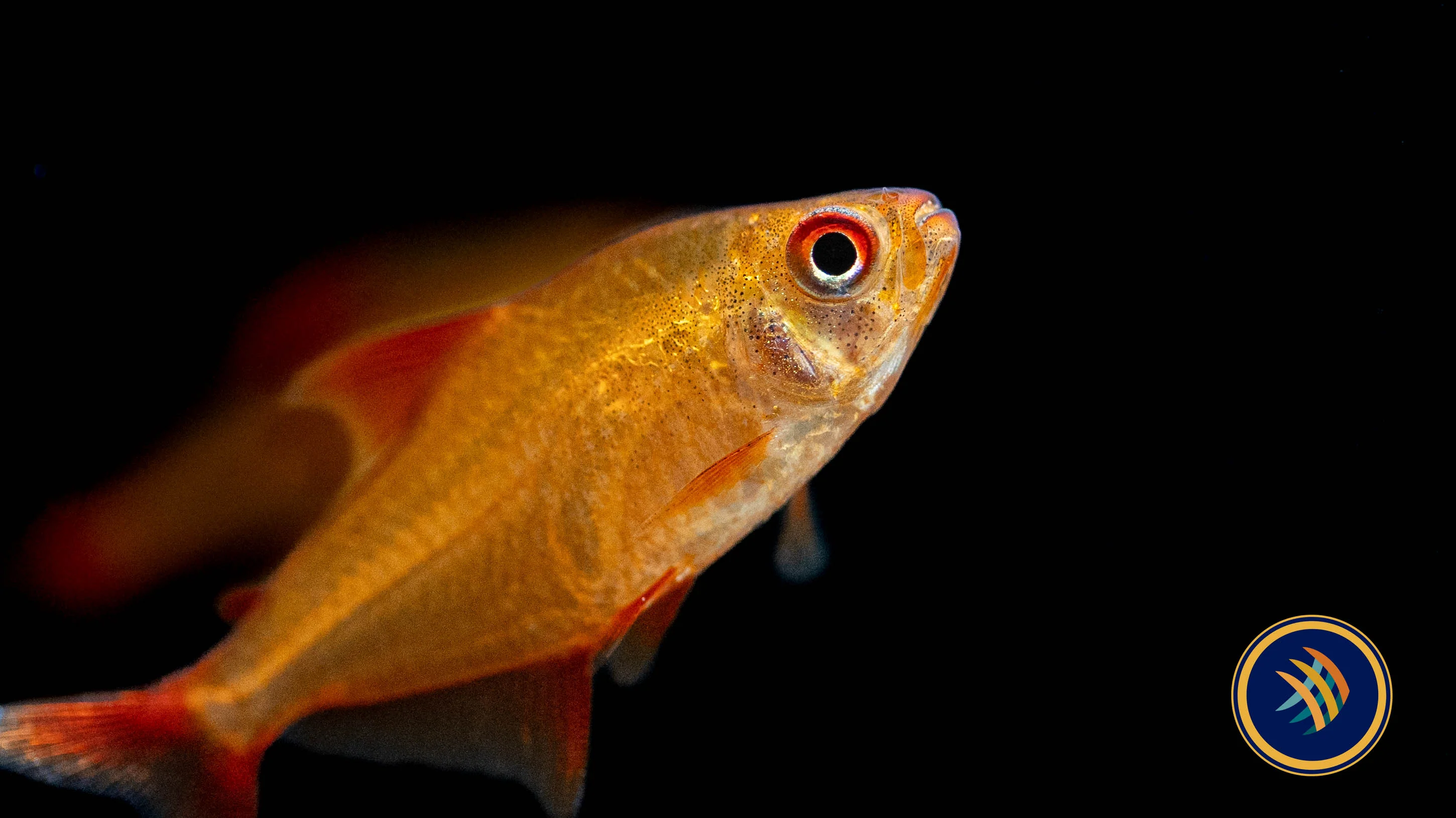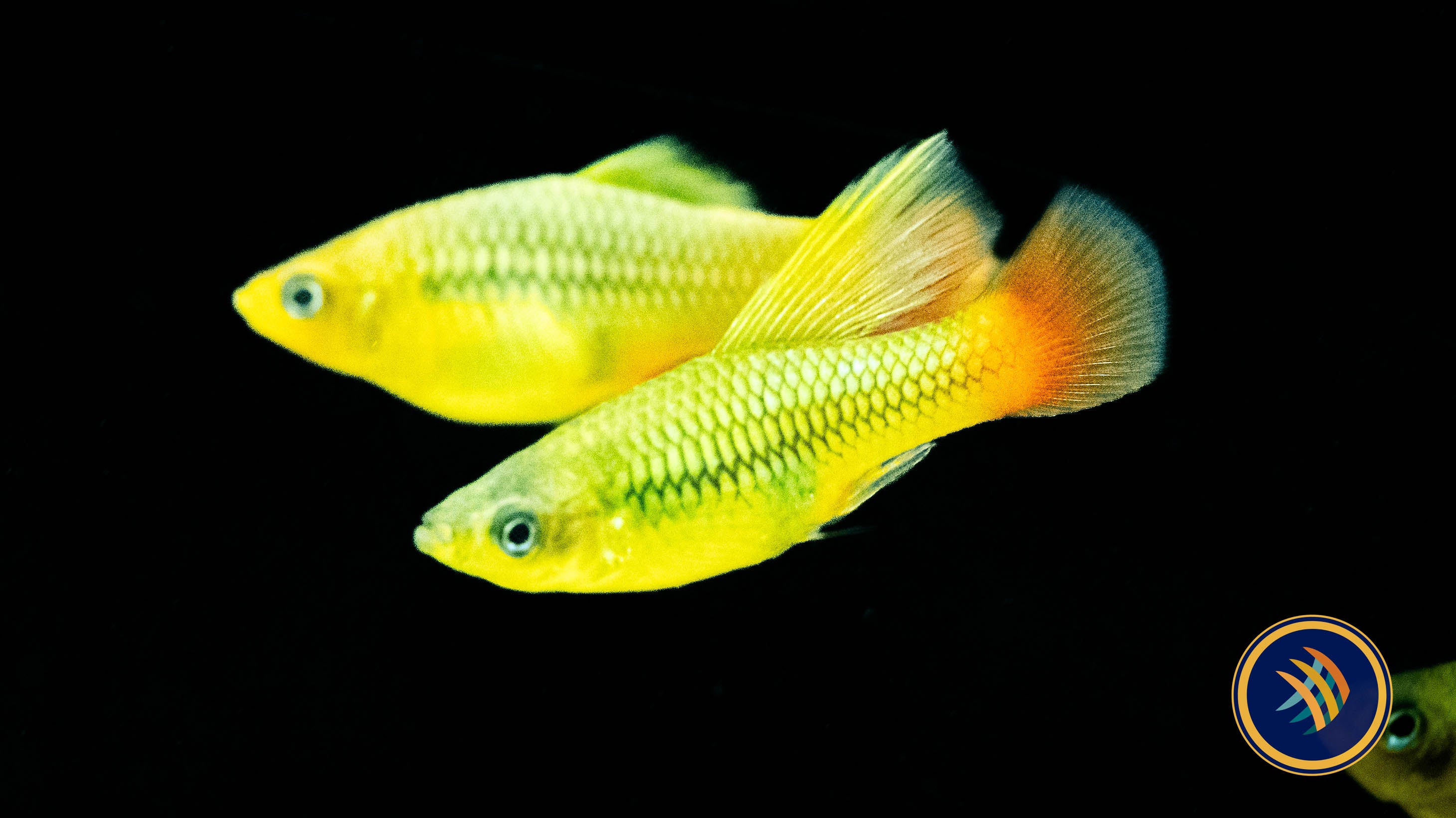

Spotted Dwarf Rasbora (Boraras maculatus)
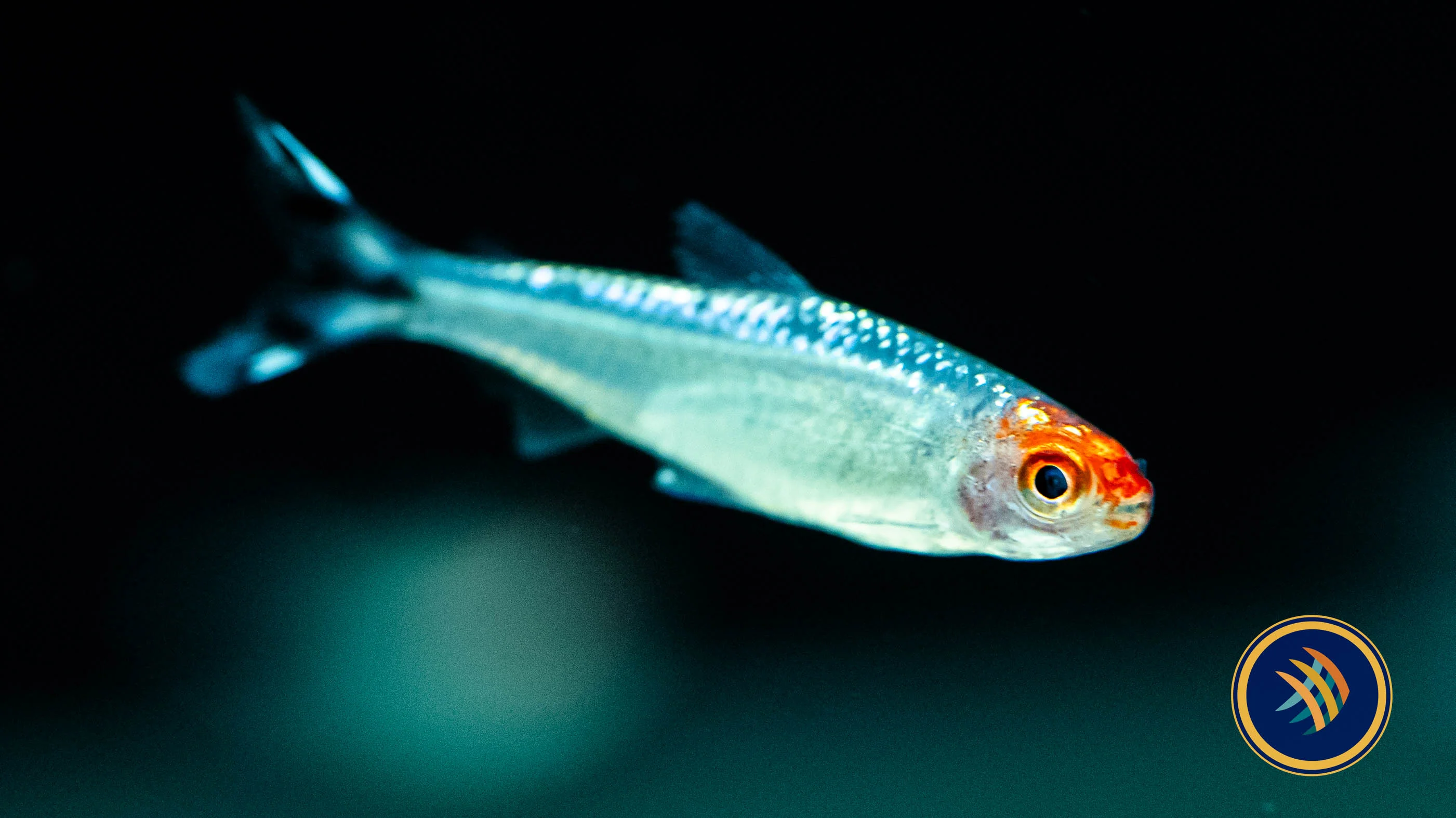
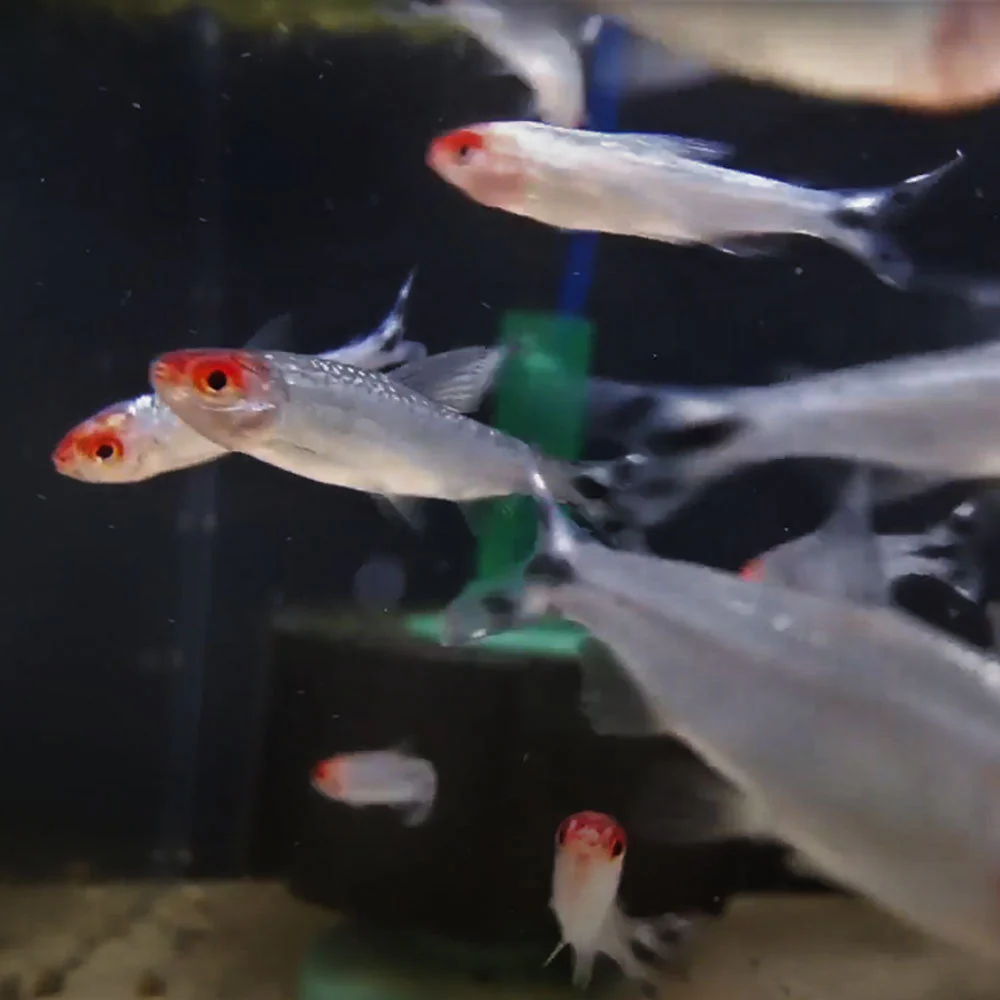
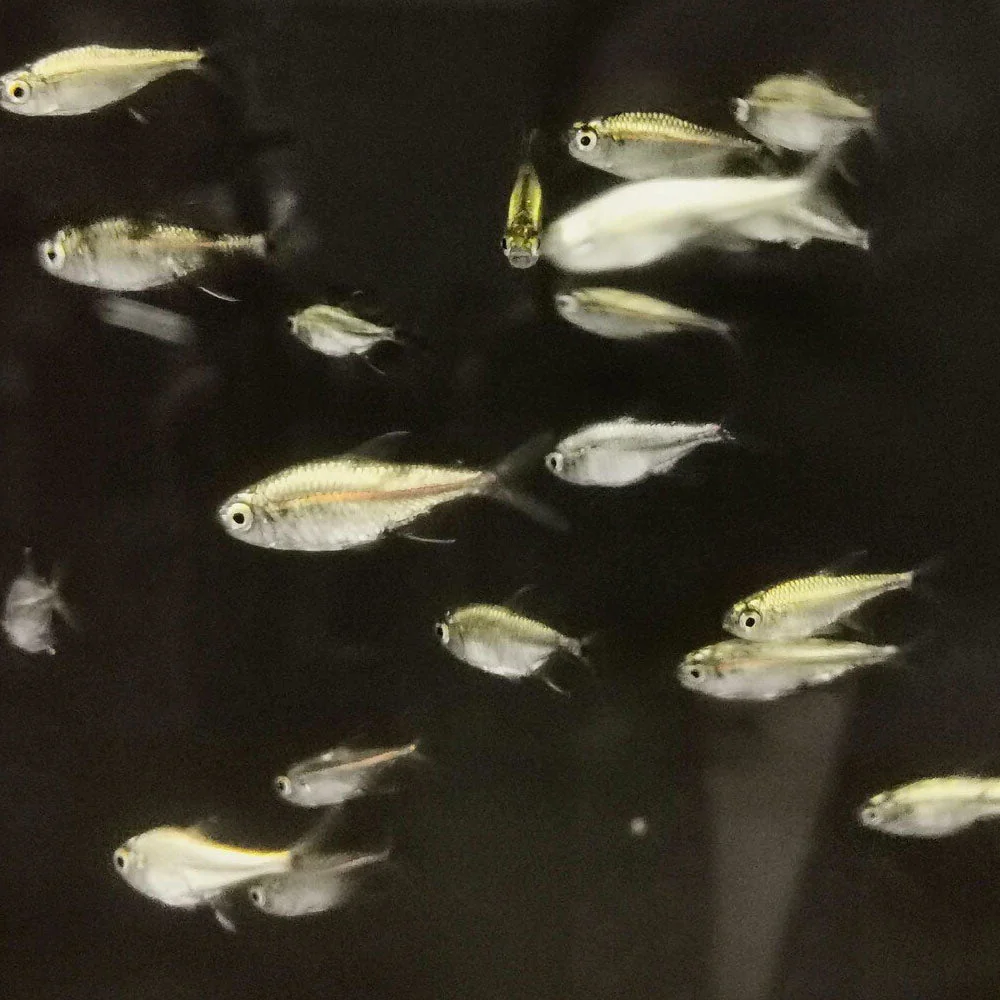
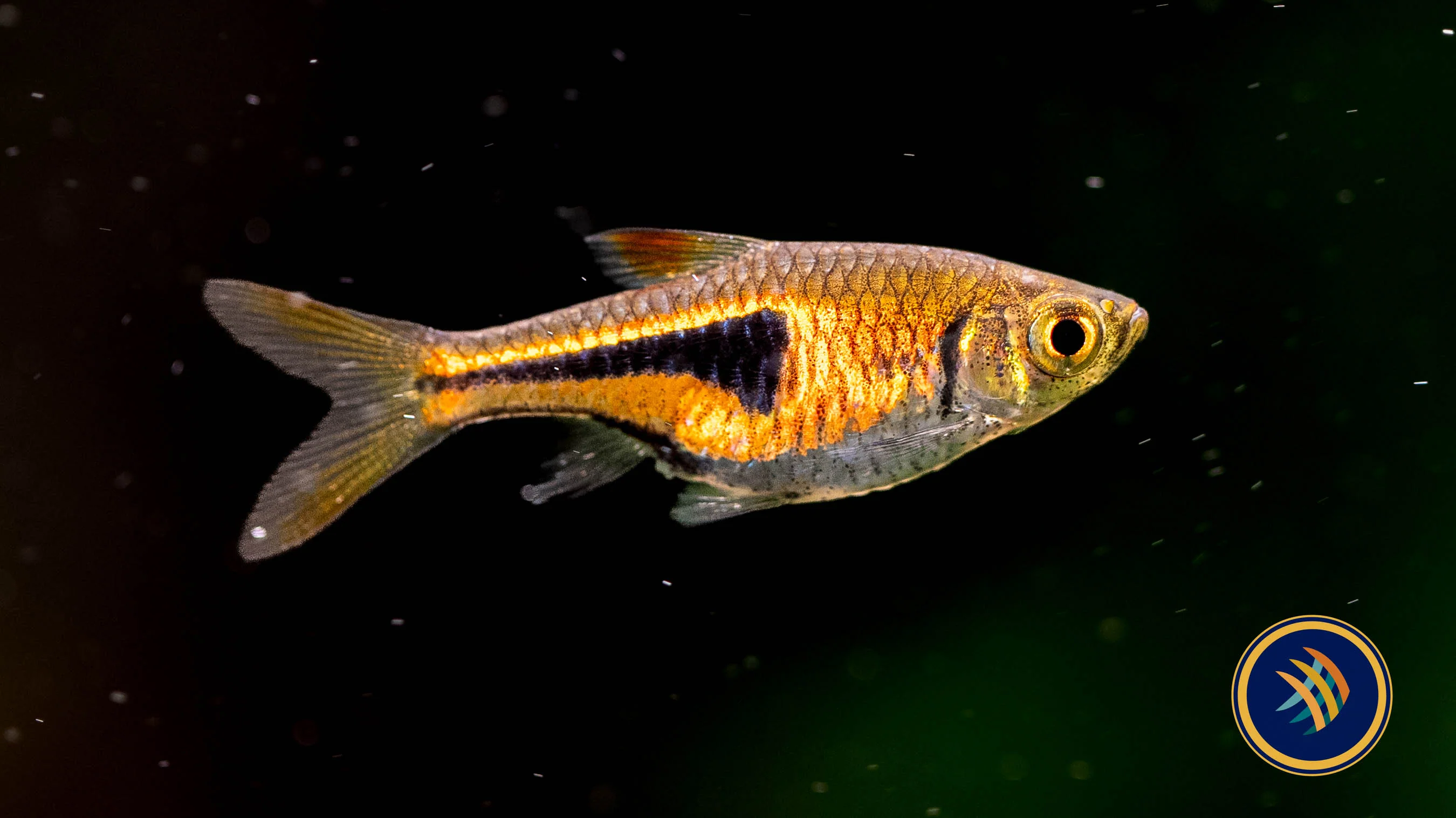
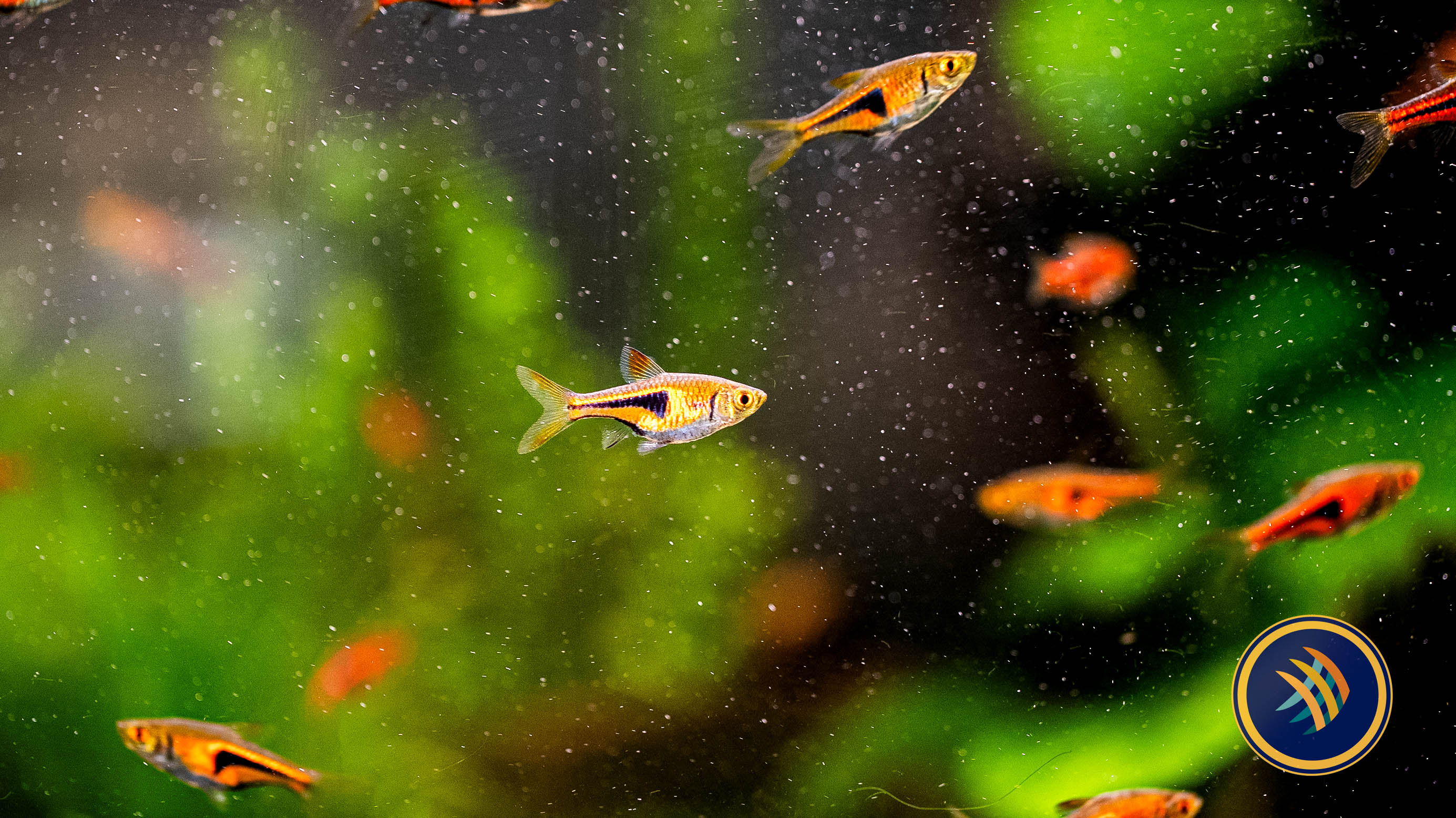
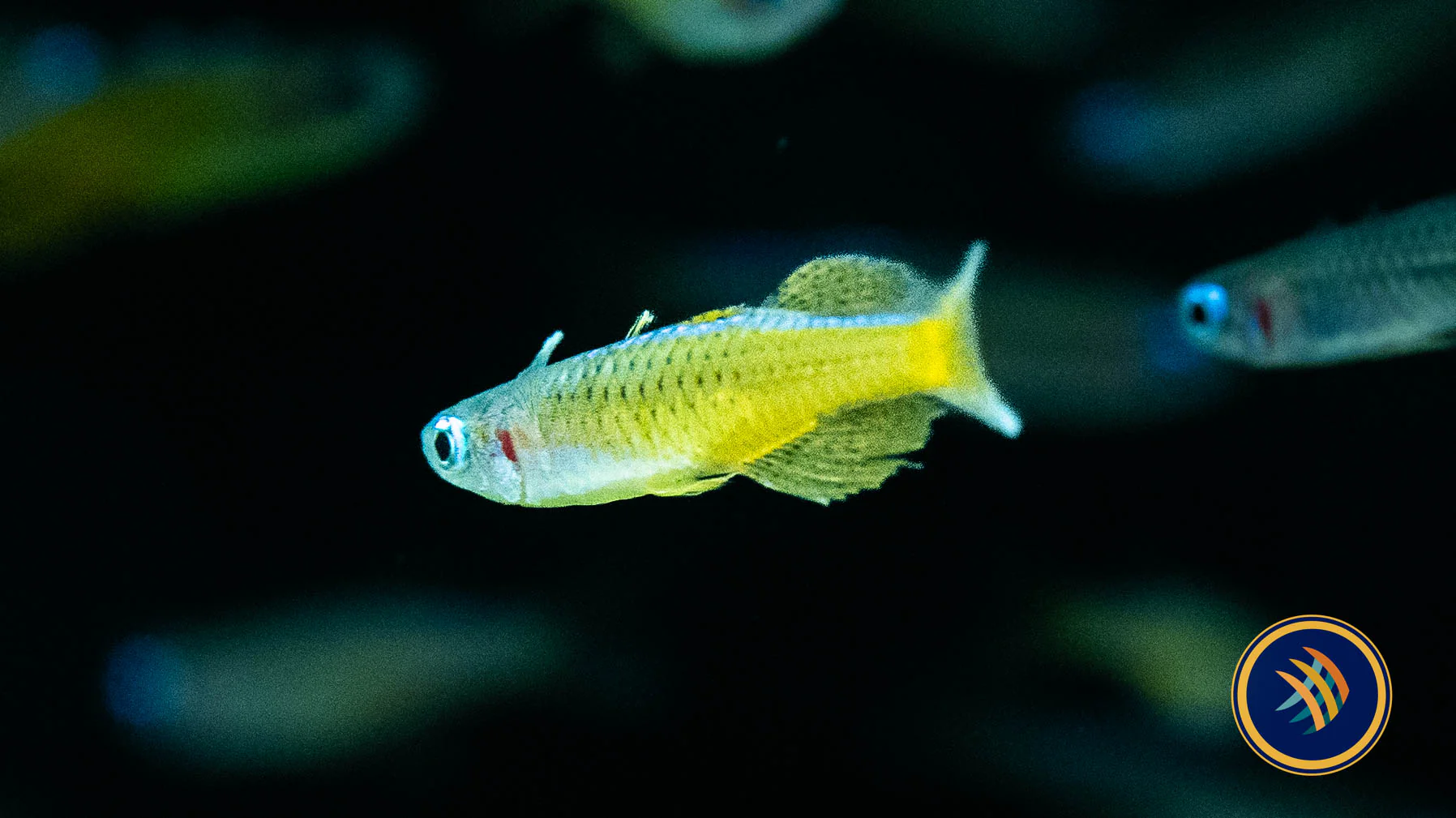
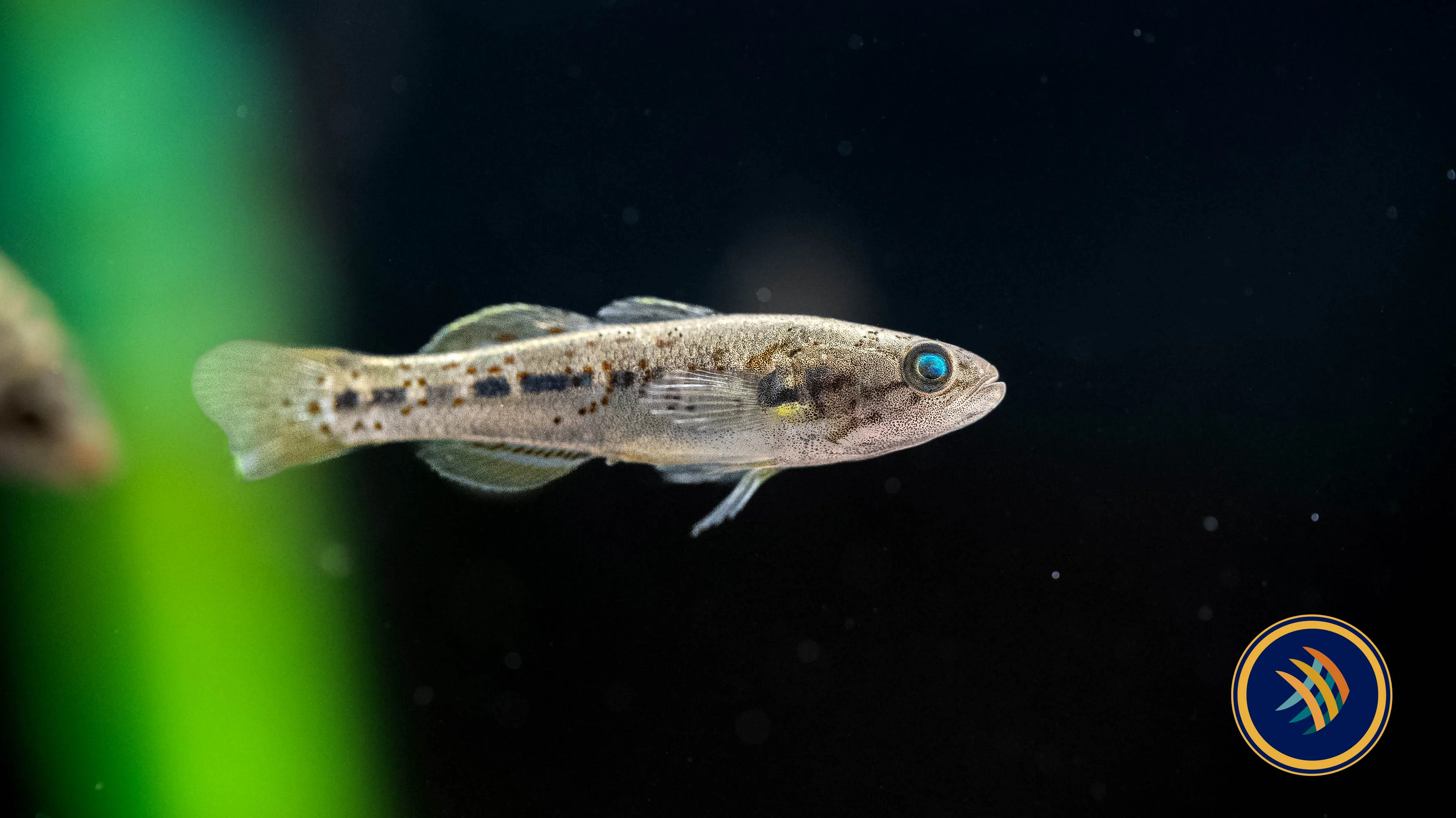
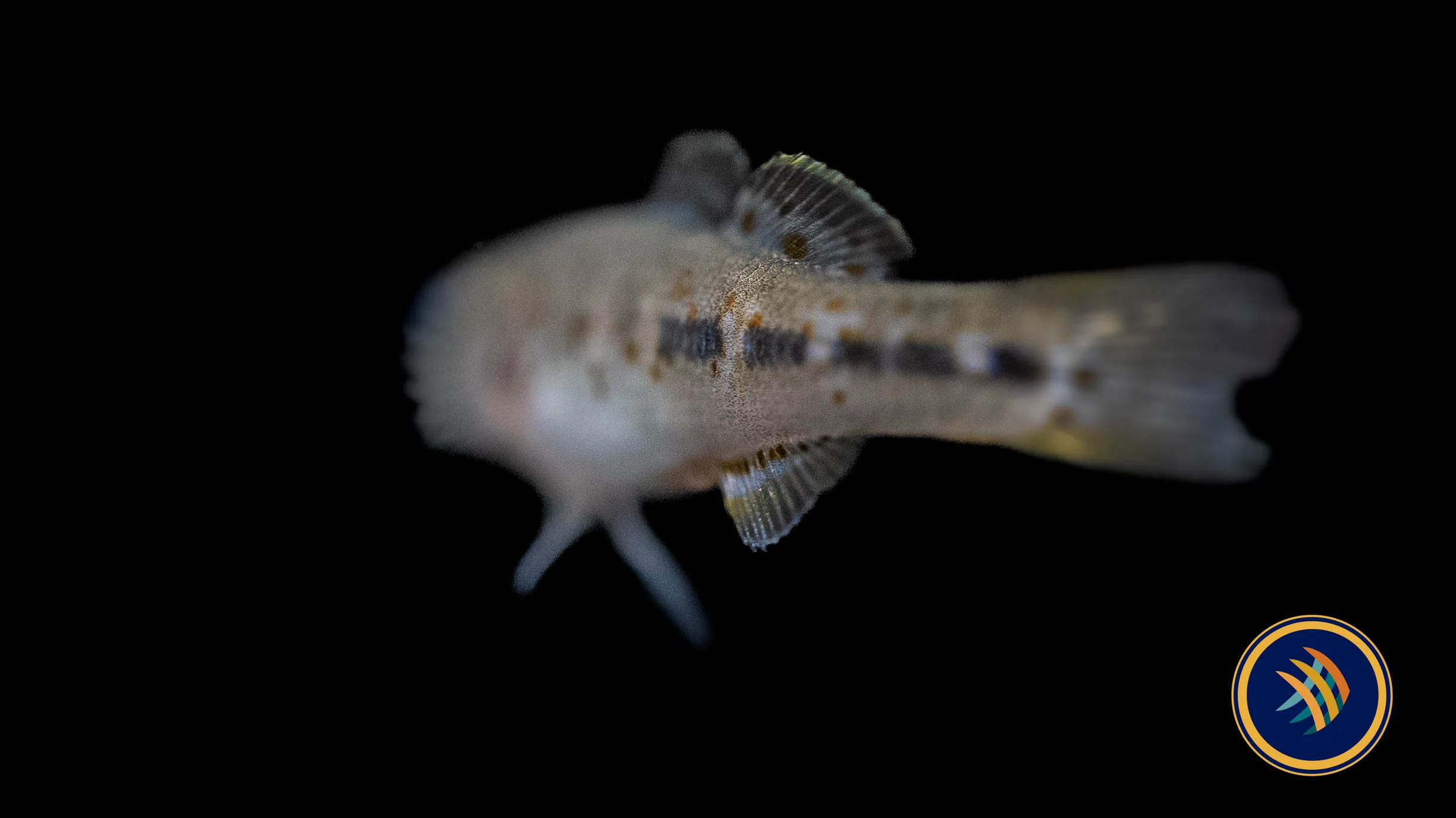
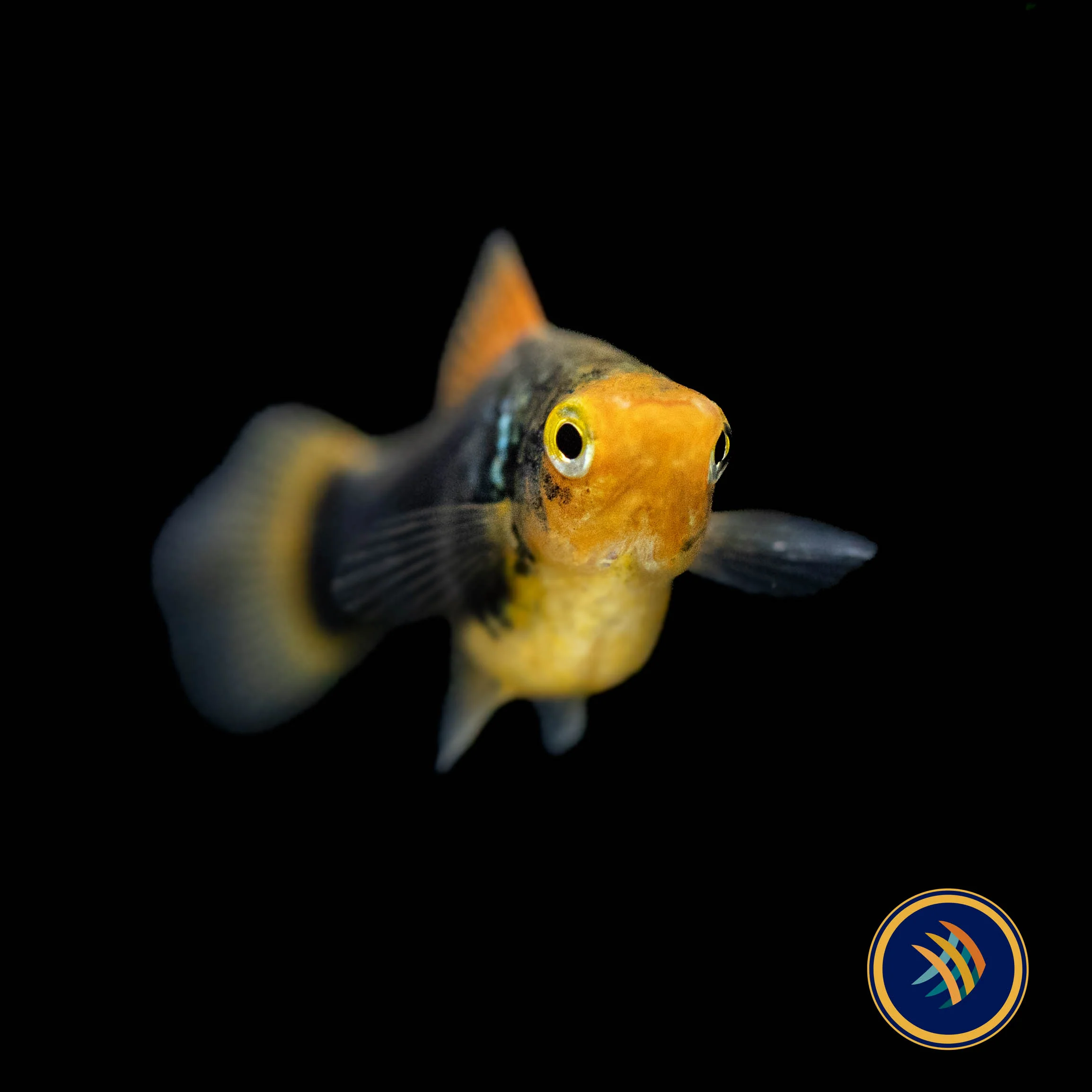
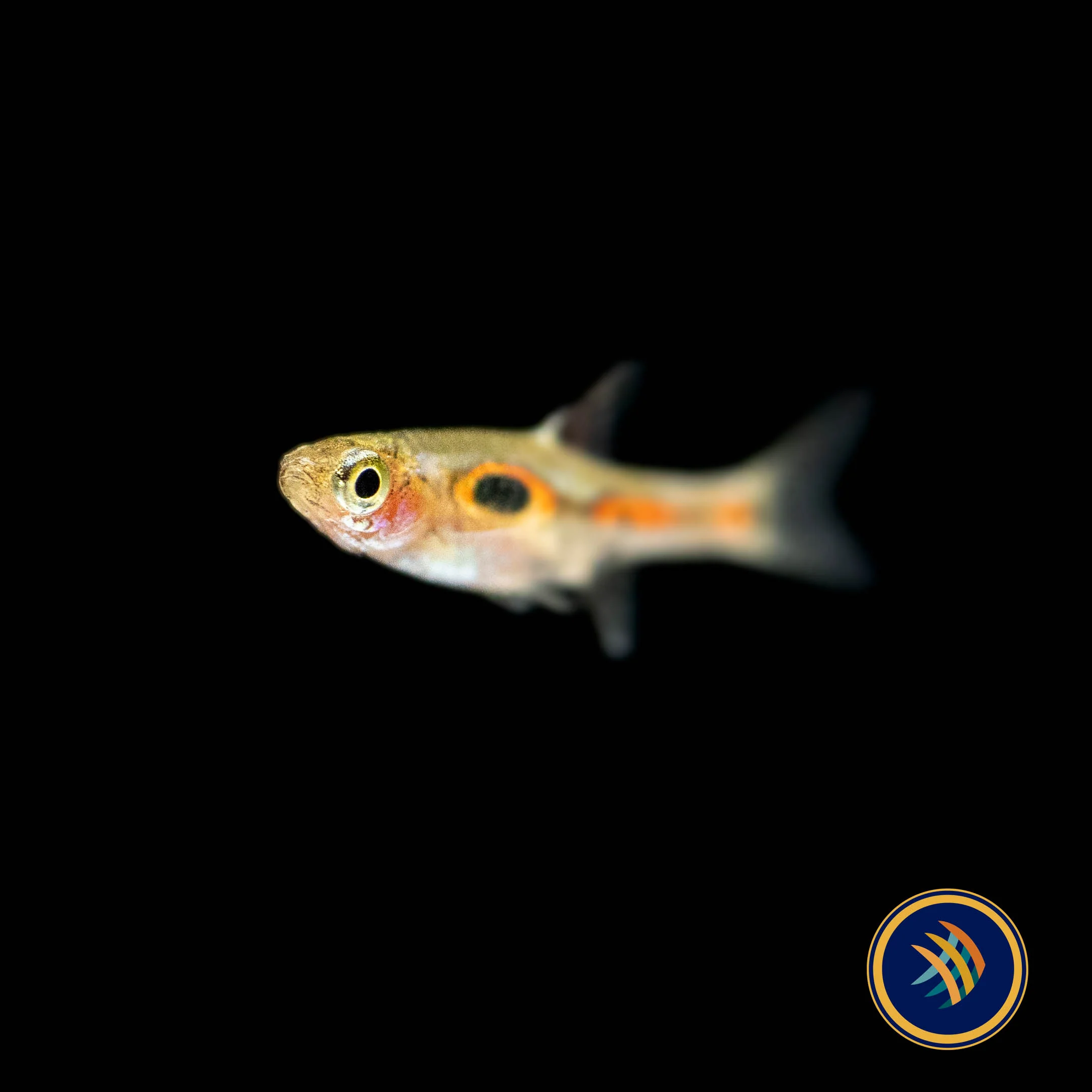
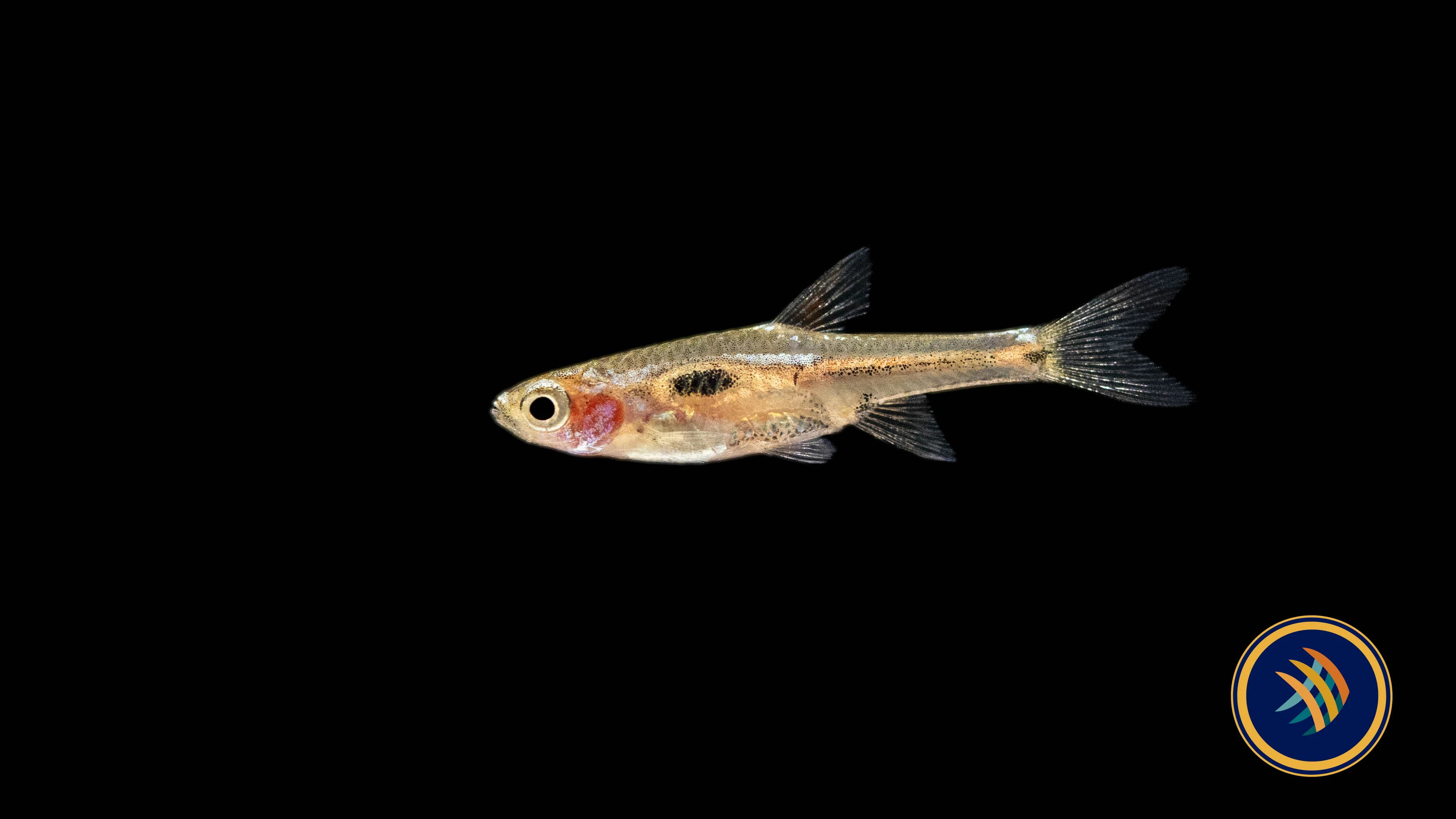
Spotted Dwarf Rasbora (Boraras maculatus) is a tiny, vibrant freshwater fish popular in nano aquariums.
Appearance
- Size: Around 1.5–2 cm (0.6–0.8 inches).
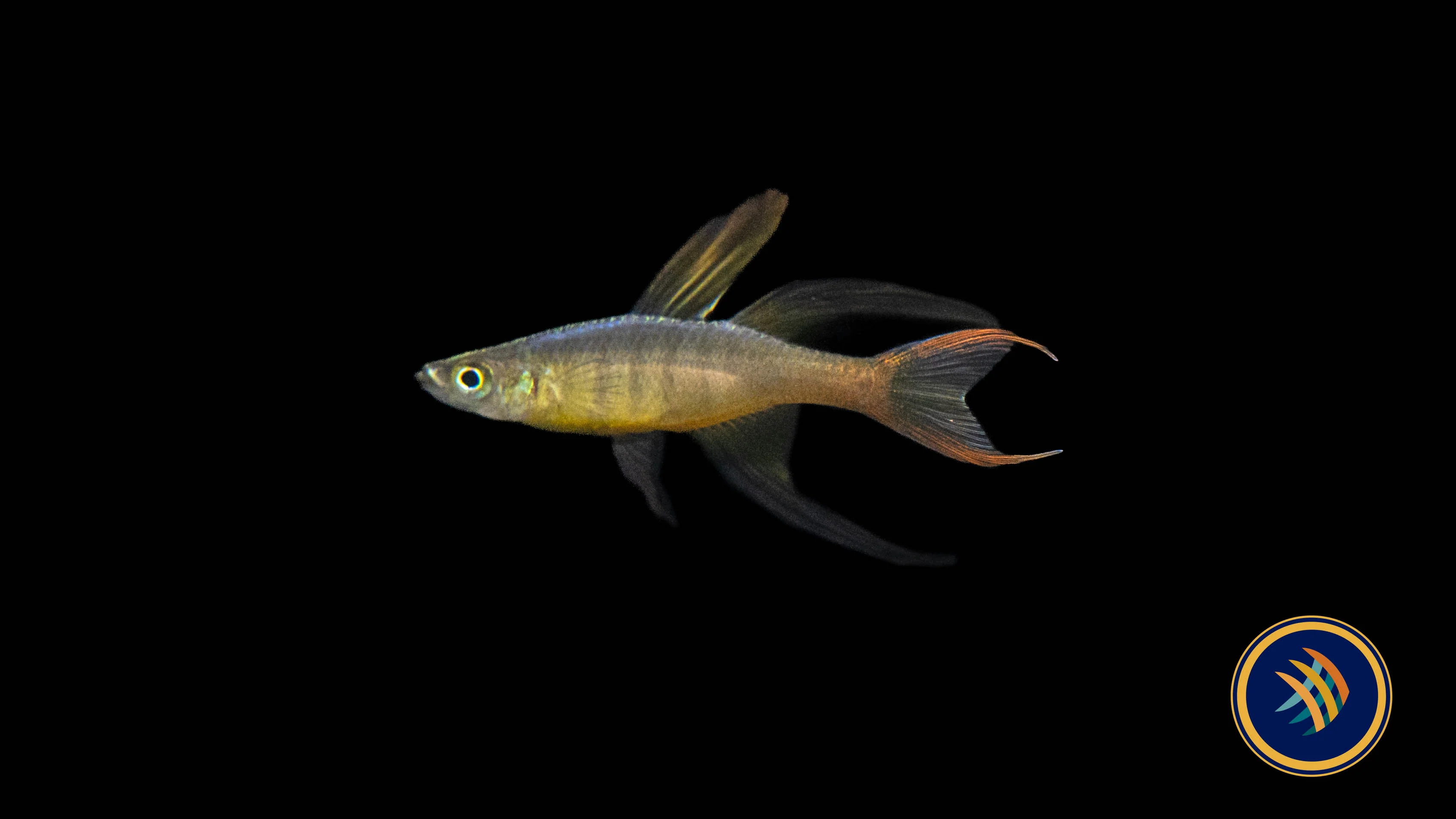
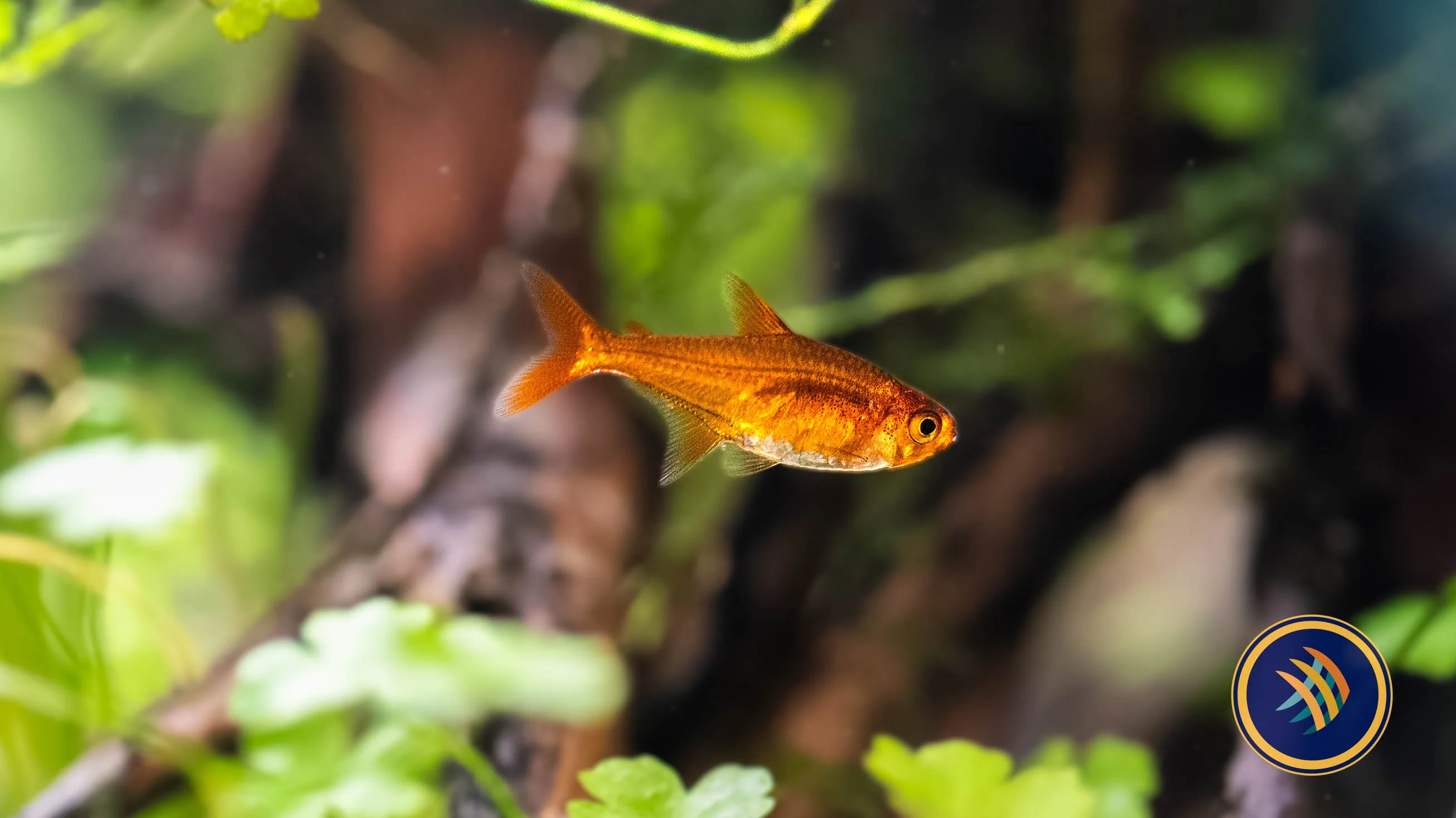
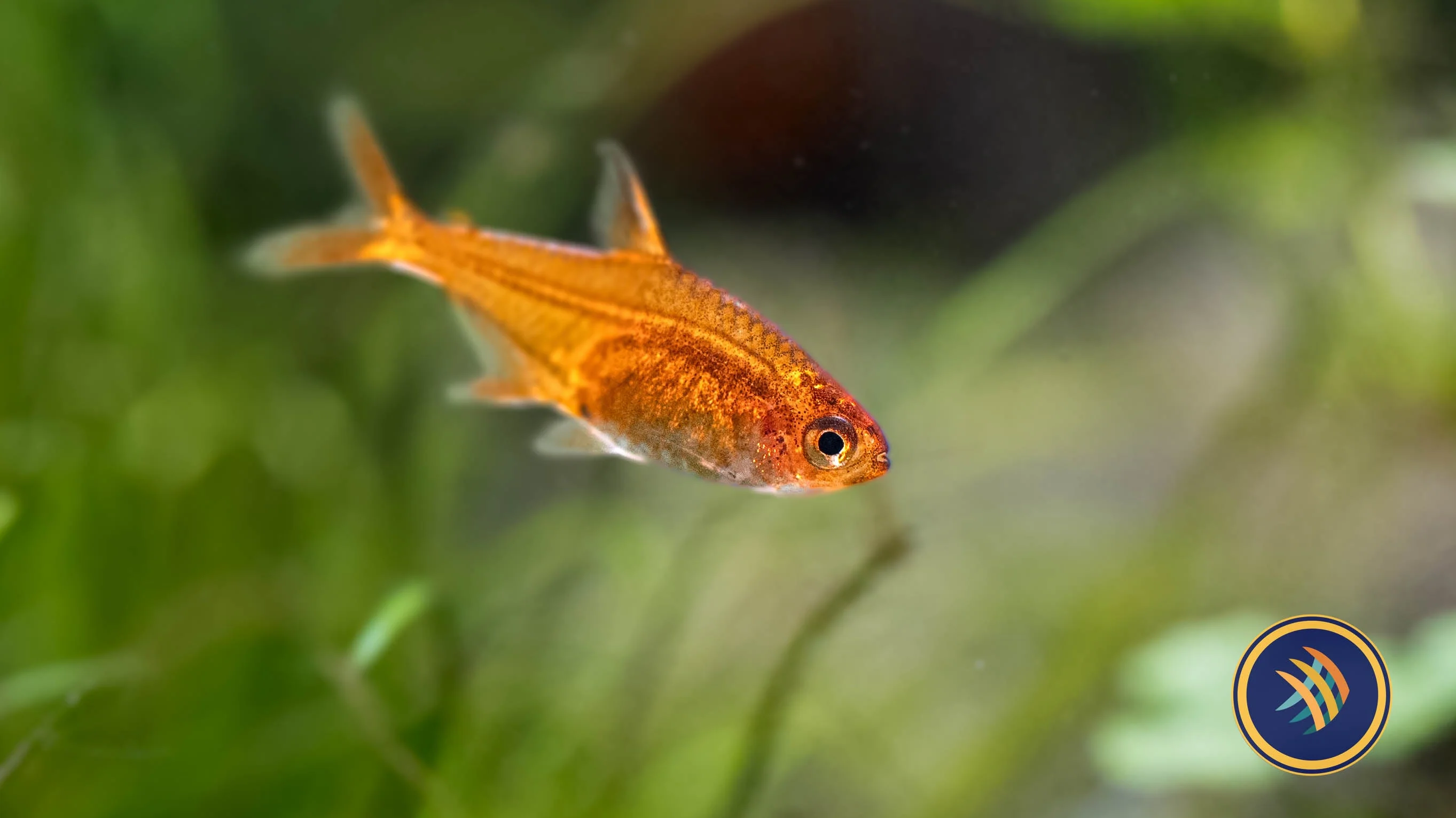
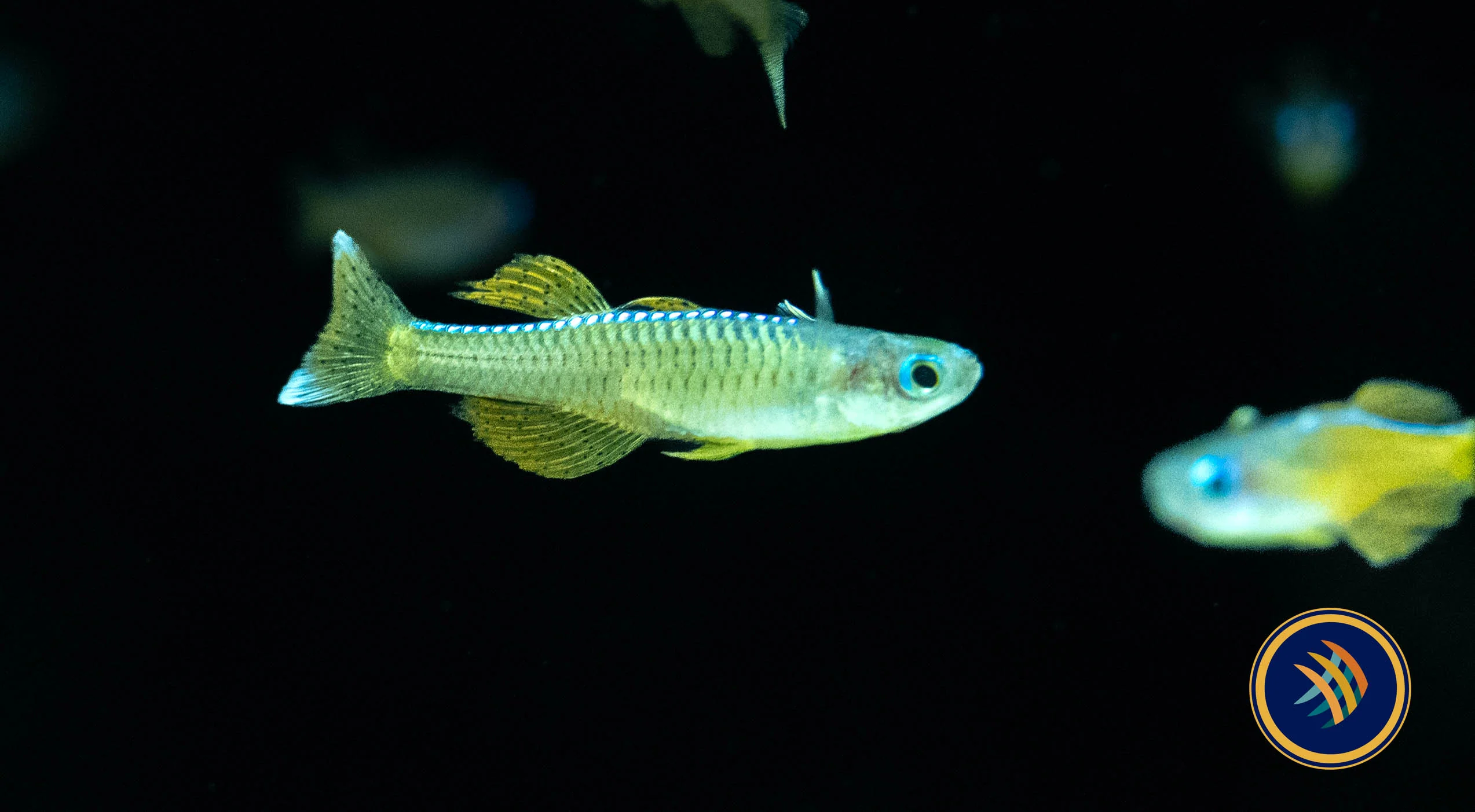
- Coloration: Reddish-orange body with distinct black spots along the lateral line.
- Sexual Dimorphism: Males are more intensely colored; females are rounder, especially when gravid.
Natural Habitat
- Native to Southeast Asia, particularly in Thailand, Malaysia, and Indonesia.
- Found in slow-moving, tannin-rich blackwater streams and peat swamps with dense vegetation and leaf litter.
Aquarium Care
- Tank Size: Minimum 5–10 gallons for a small group.
-
Water Parameters:
- Temperature: 22–28°C (72–82°F)
- pH: 4.0–7.0 (prefers acidic)
- Soft water with low mineral content
- Diet: Micro-pellets, crushed flakes, and live/frozen foods like daphnia, baby brine shrimp, and microworms.
- Behavior: Peaceful and schooling; best kept in groups of 8 or more for comfort and color enhancement.
Breeding
- Egg scatterers; no parental care.
- Spawning can occur in a well-maintained tank with fine-leaved plants or moss.
- Separate breeding tank recommended to protect eggs from being eaten.
$5.84
Spotted Dwarf Rasbora (Boraras maculatus)—
$5.84
Product Information
Product Information
Shipping & Returns
Shipping & Returns
Description
Spotted Dwarf Rasbora (Boraras maculatus) is a tiny, vibrant freshwater fish popular in nano aquariums.
Appearance
- Size: Around 1.5–2 cm (0.6–0.8 inches).
- Coloration: Reddish-orange body with distinct black spots along the lateral line.
- Sexual Dimorphism: Males are more intensely colored; females are rounder, especially when gravid.
Natural Habitat
- Native to Southeast Asia, particularly in Thailand, Malaysia, and Indonesia.
- Found in slow-moving, tannin-rich blackwater streams and peat swamps with dense vegetation and leaf litter.
Aquarium Care
- Tank Size: Minimum 5–10 gallons for a small group.
-
Water Parameters:
- Temperature: 22–28°C (72–82°F)
- pH: 4.0–7.0 (prefers acidic)
- Soft water with low mineral content
- Diet: Micro-pellets, crushed flakes, and live/frozen foods like daphnia, baby brine shrimp, and microworms.
- Behavior: Peaceful and schooling; best kept in groups of 8 or more for comfort and color enhancement.
Breeding
- Egg scatterers; no parental care.
- Spawning can occur in a well-maintained tank with fine-leaved plants or moss.
- Separate breeding tank recommended to protect eggs from being eaten.