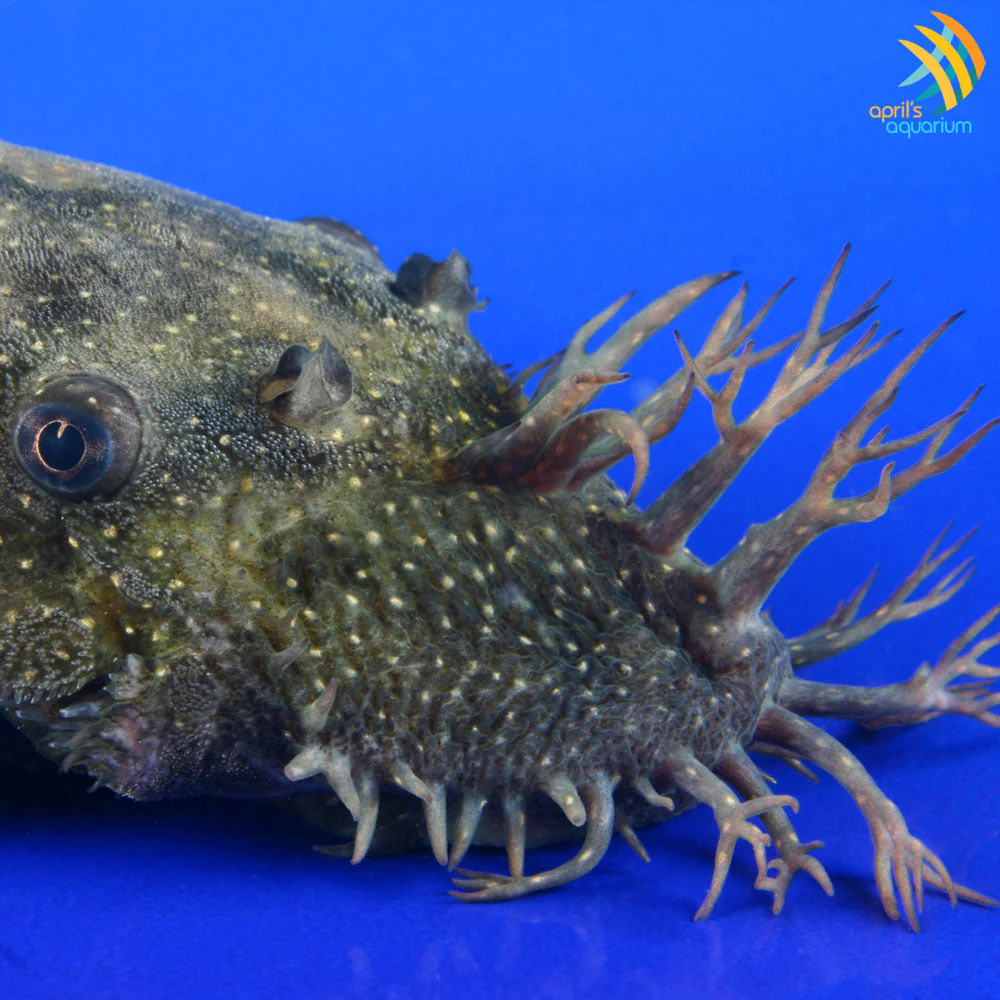
L397 – Alenquer Tiger Pleco (Panaqolus sp. “L397”)
L397 – Alenquer Tiger Pleco (Panaqolus sp. “L397”)
Species Overview
- Scientific Name: Panaqolus sp. L397 (commonly known as Alenquer Tiger Pleco, Red‑striped Alenquer Pleco)
- Origin: Native to the Lower Amazon near Alenquer, Brazil
- Size: Typically grows to about 4–5 inches (10–12 cm) SL
Appearance & Sexual Dimorphism
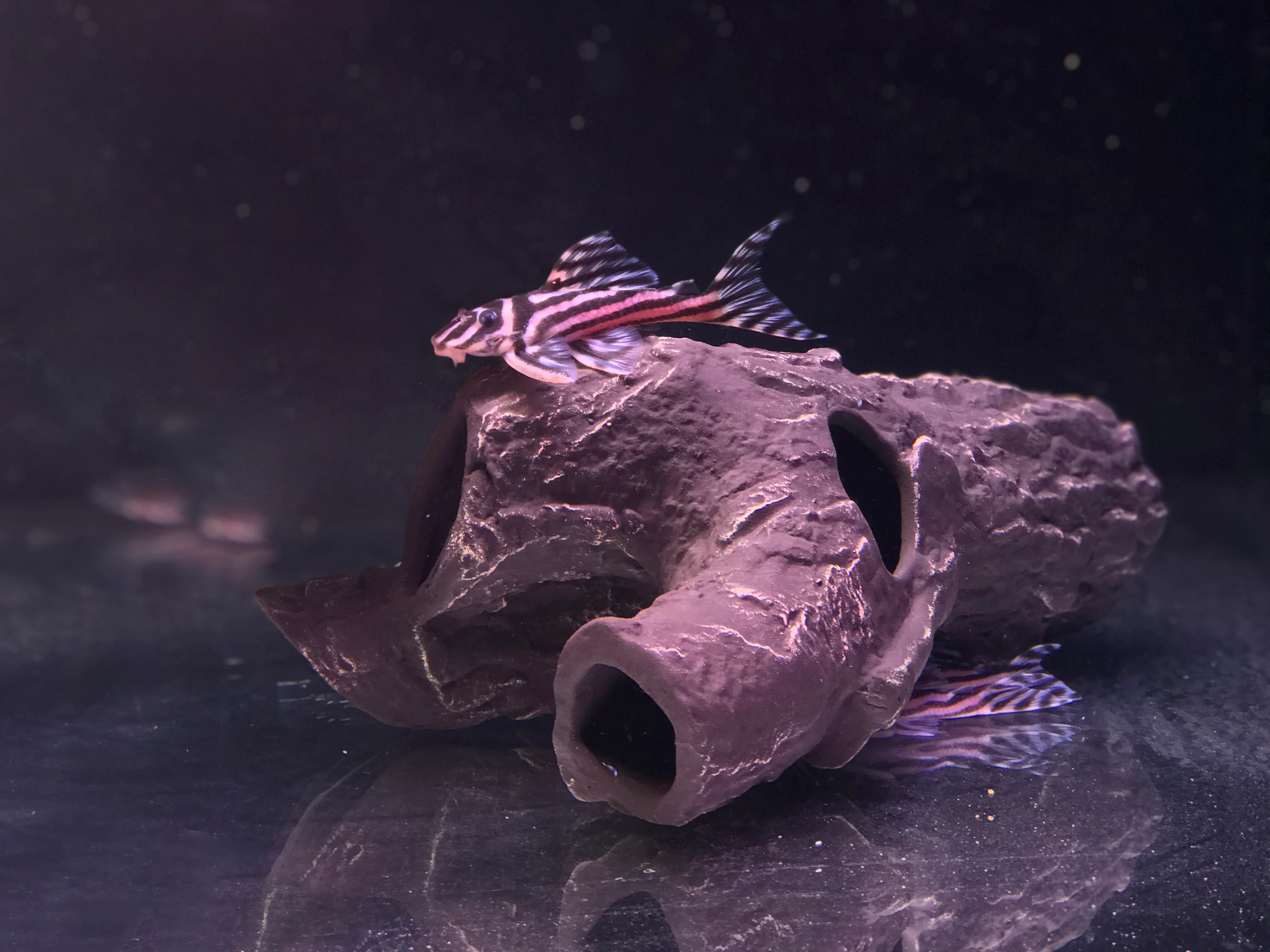
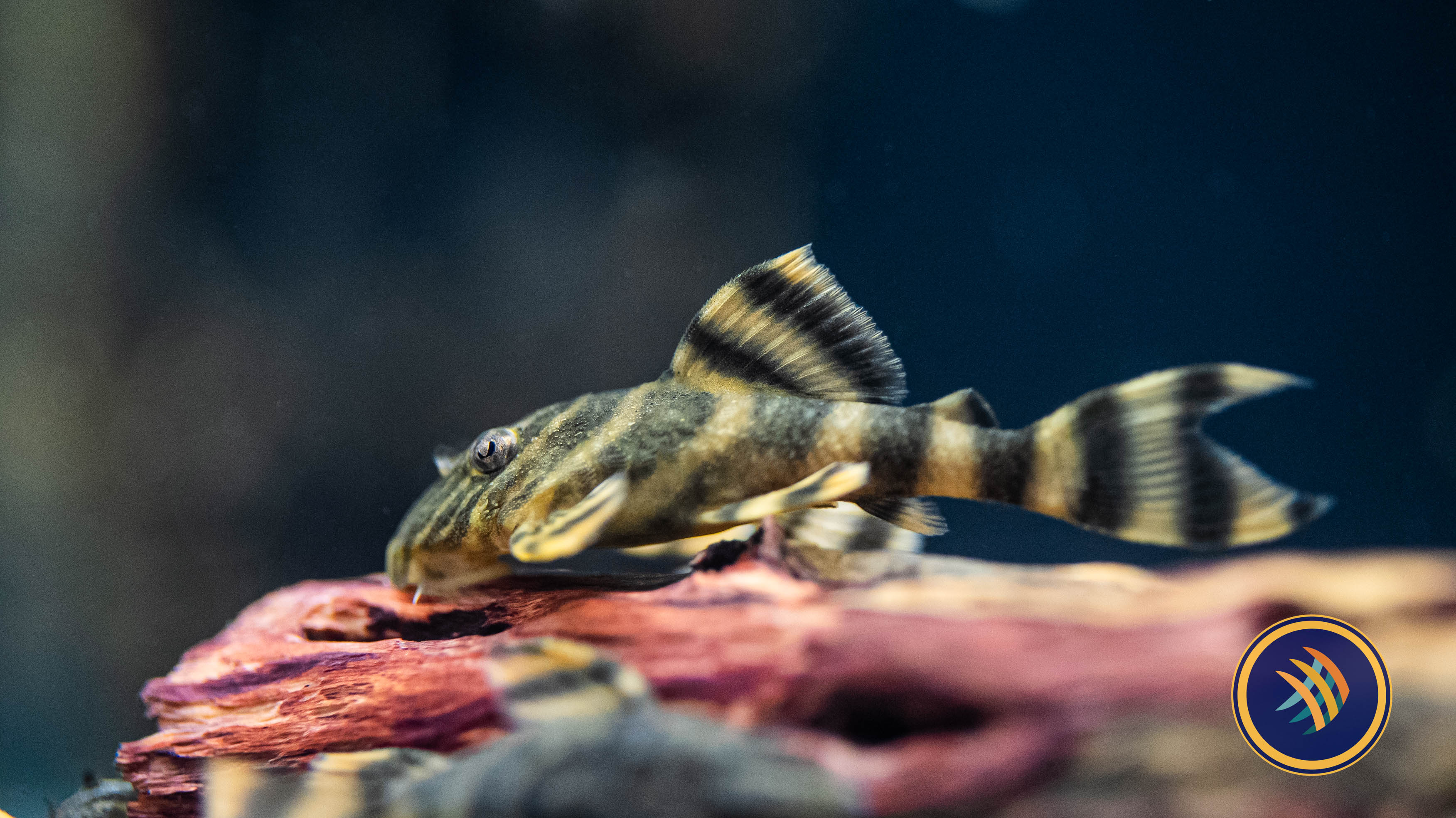
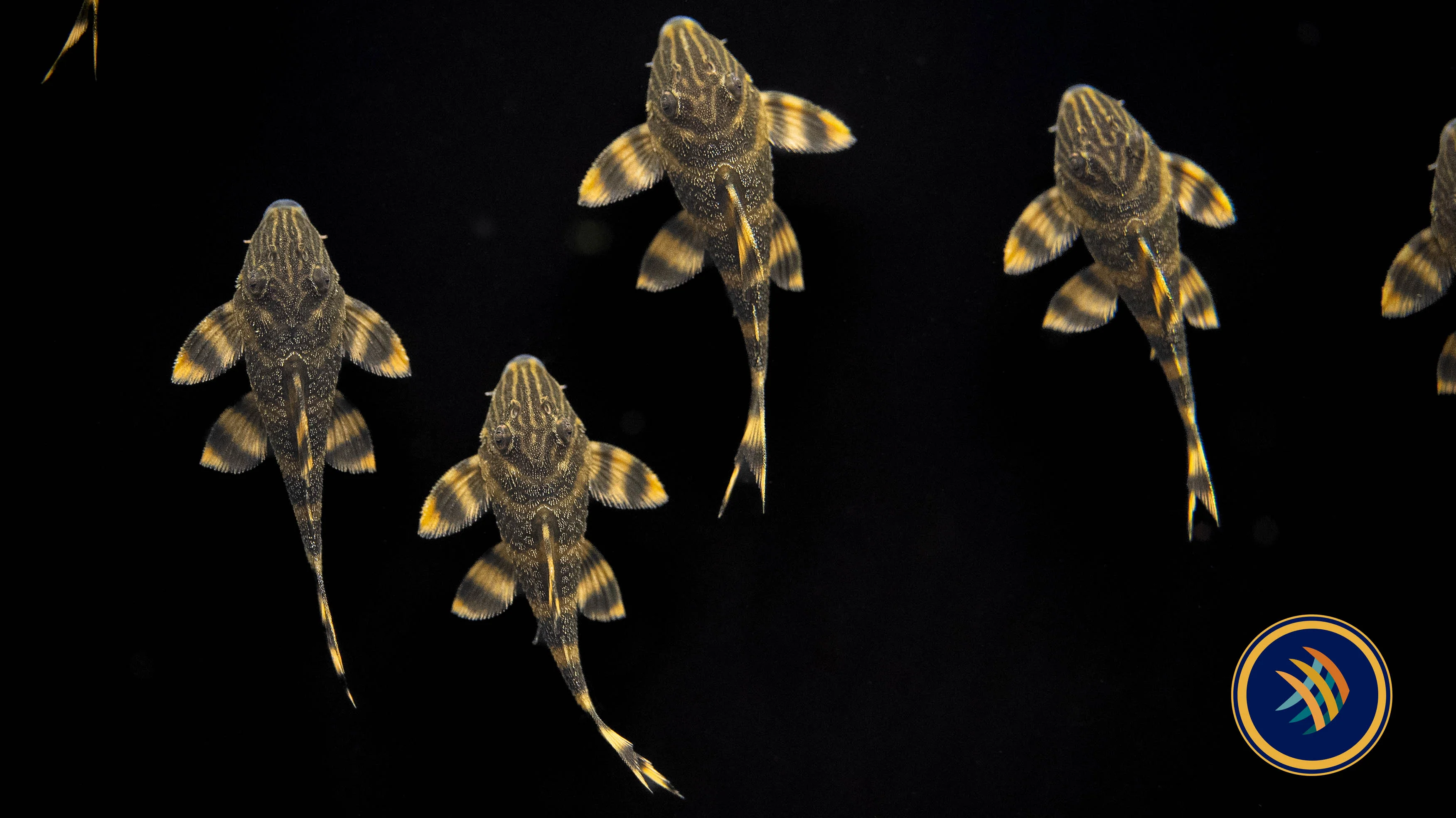
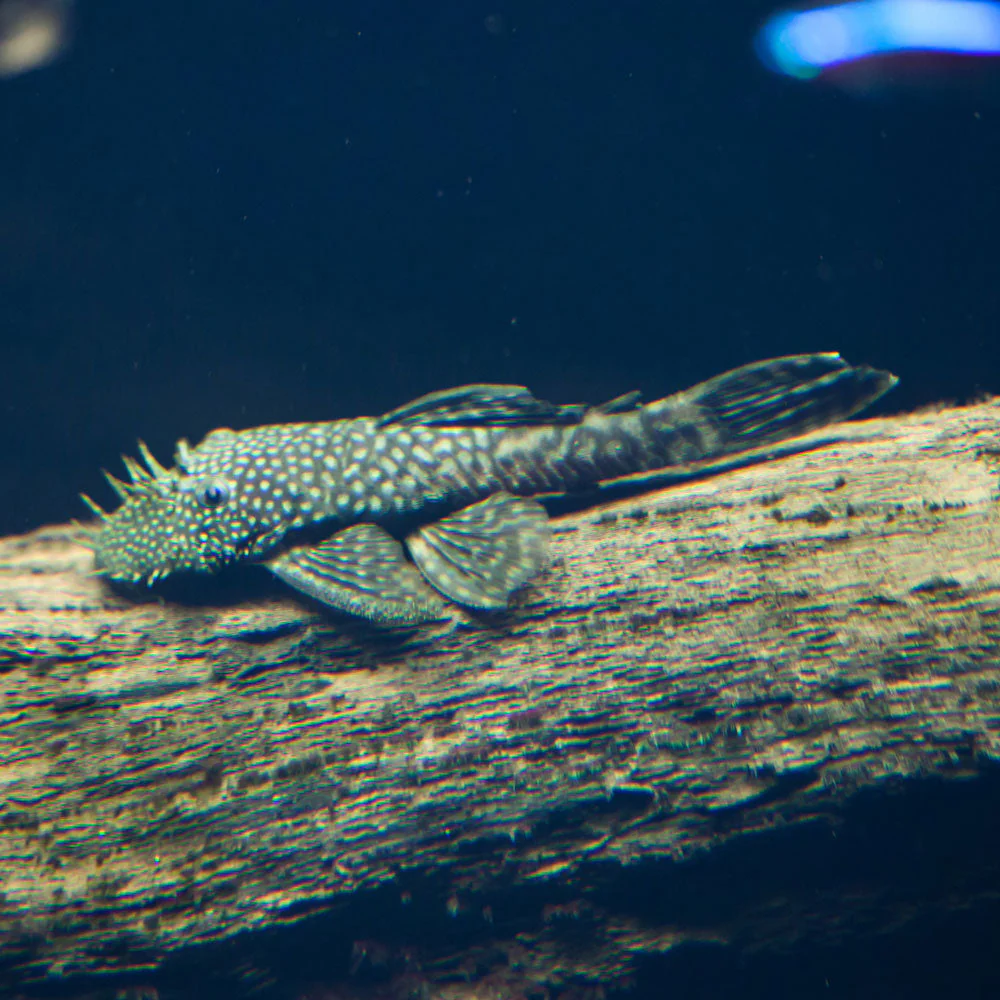
- Bold orange to red stripes alternating with black, sometimes separated by transparent bands
- Juveniles may display more distinct fin striping; adults retain fin vibrancy even if body color fades slightly
- Males develop odontodes (bristle-like projections) on the caudal peduncle and along pectorals; females appear broader when gravid
Water Parameters & Habitat
- Temperature: 75–86 °F (24–30 °C), ideally 78–82 °F
- pH: Optimal range 6.4–7.5 (tolerates 5.5–7.7)
- Hardness: KH 2–10°, some sources note tolerance up to KH 20°
- Prefers well-oxygenated, moderate current environments typical of its native driftwood‑filled streams
Diet & Feeding
- A natural wood‑eater (xylophage): requires driftwood in the tank to rasp for fiber and biofilm
- Supplement with:
- Algae wafers, sinking pellets (vegetable-based)
- Blanched vegetables (zucchini, cucumber, sweet potato, yams, Brussels sprouts)
- Occasional meaty treats (blackworms, clams, shrimp) 1–3 times weekly
Tank Setup & Compatibility
- Minimum tank size: 30 gallons is recommended for a single adult, with adequate space for driftwood and caves
- Substrate: Fine sand or smooth gravel
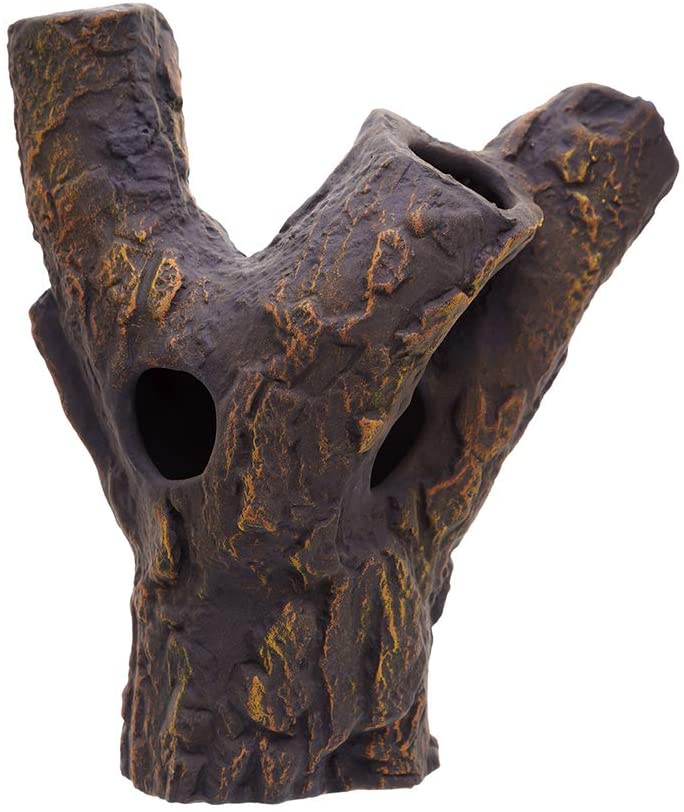
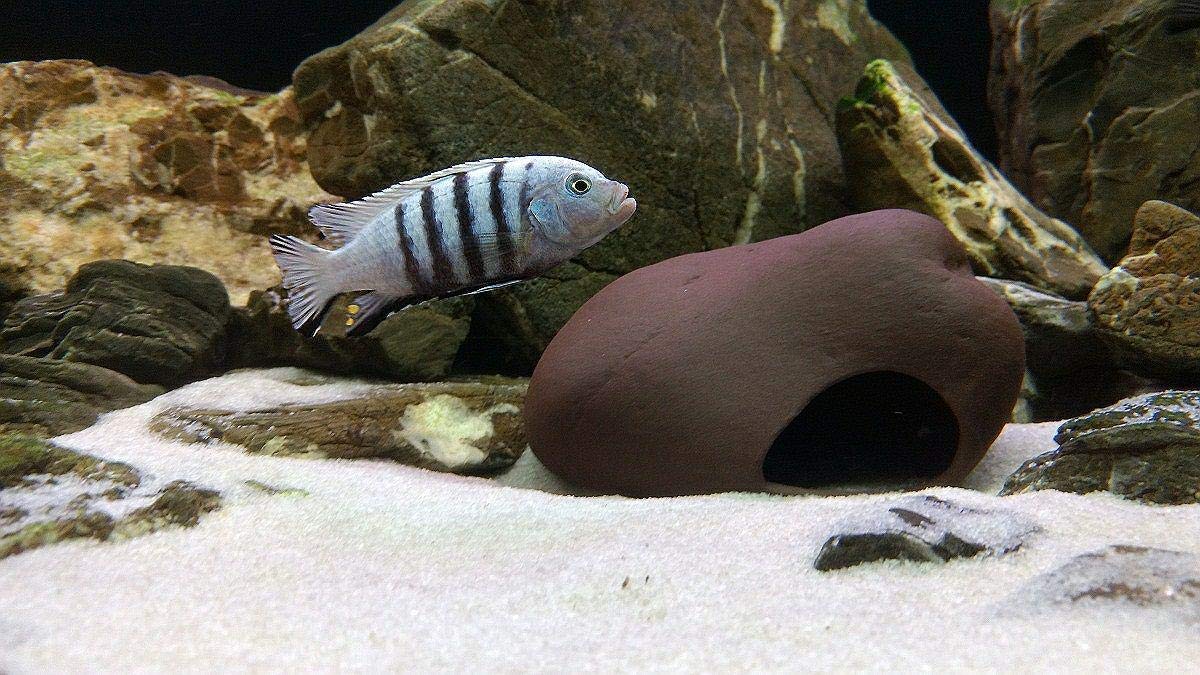
- Decor: Multiple pieces of driftwood, caves, rockwork; floating plants optional but helpful for shaded retreats
- Filtration: Strong filtration with moderate current and high oxygenation
- Behavior: Generally peaceful; may show territory over caves with conspecifics
- Tankmates: Compatible with tetras, corydoras, community cichlids; avoid delicate shrimps and plants that may be rasped
Breeding & Lifespan
-
Spawning:
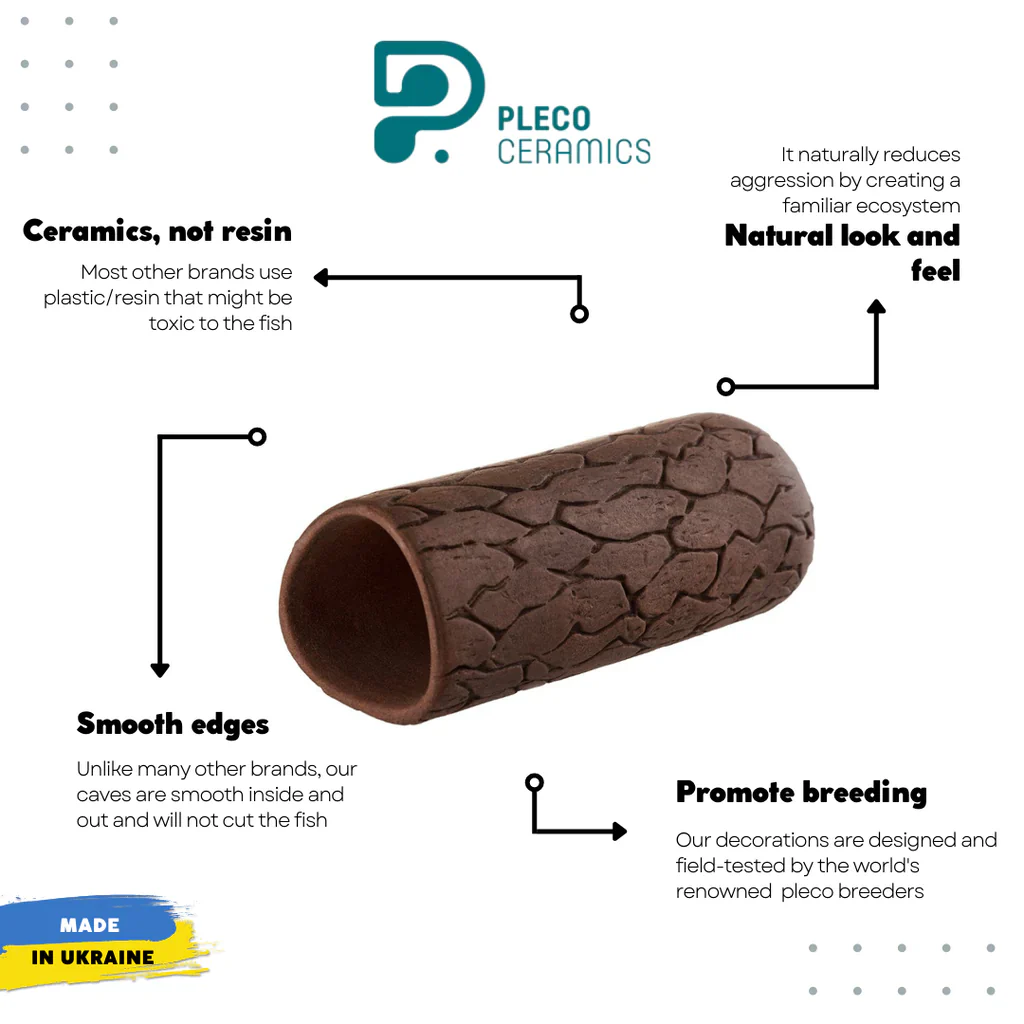
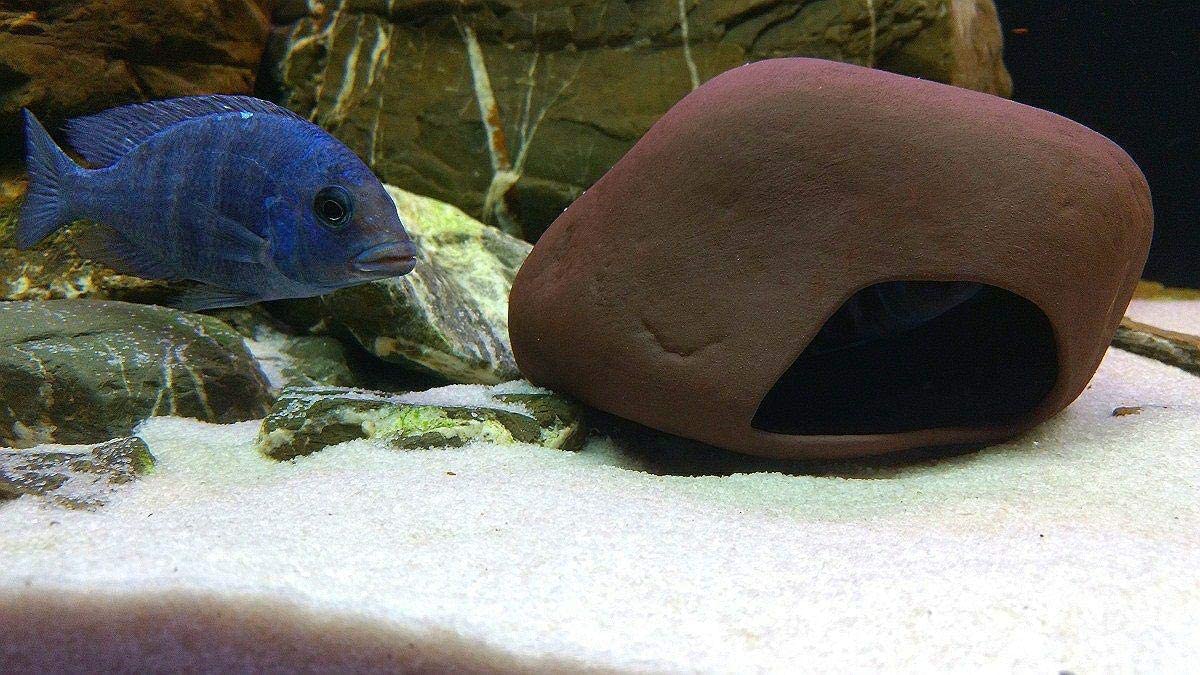
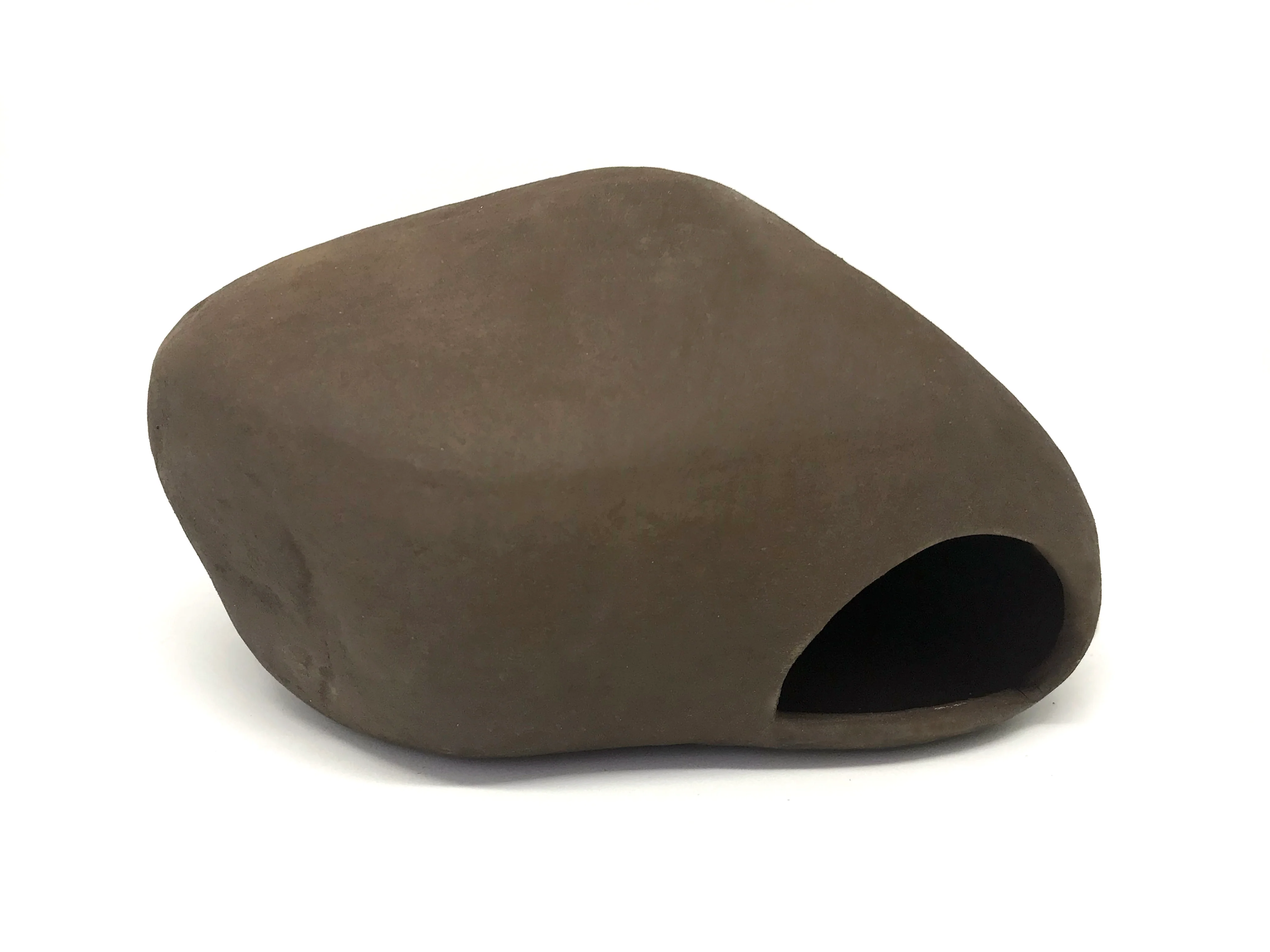
- Breeds in caves, often bamboo or ceramic; males guard eggs (~25–40 per spawn)
- Water specs during breeding: 24–30 °C, conductivity 200–700 µS/cm
- Fry dependent on wood and high-protein/vegetable diet; reach sexual maturity ~1 year
- Lifespan: Typically 8–10 years in well-maintained conditions
Common Challenges & Care Tips
- Not efficient algae eaters—primarily wood grazers; algae growth should be managed separately
- Requires plenty of driftwood to prevent malnutrition and maintain digestive health
- High water quality and regular maintenance are key, as wood breakdown can elevate waste levels
- Prone to territorial disputes only in inadequate cave setups—provide multiple hiding spots for multiple plecos
$73.09
L397 – Alenquer Tiger Pleco (Panaqolus sp. “L397”)—
$73.09
Product Information
Product Information
Shipping & Returns
Shipping & Returns
Description
L397 – Alenquer Tiger Pleco (Panaqolus sp. “L397”)
Species Overview
- Scientific Name: Panaqolus sp. L397 (commonly known as Alenquer Tiger Pleco, Red‑striped Alenquer Pleco)
- Origin: Native to the Lower Amazon near Alenquer, Brazil
- Size: Typically grows to about 4–5 inches (10–12 cm) SL
Appearance & Sexual Dimorphism
- Bold orange to red stripes alternating with black, sometimes separated by transparent bands
- Juveniles may display more distinct fin striping; adults retain fin vibrancy even if body color fades slightly
- Males develop odontodes (bristle-like projections) on the caudal peduncle and along pectorals; females appear broader when gravid
Water Parameters & Habitat
- Temperature: 75–86 °F (24–30 °C), ideally 78–82 °F
- pH: Optimal range 6.4–7.5 (tolerates 5.5–7.7)
- Hardness: KH 2–10°, some sources note tolerance up to KH 20°
- Prefers well-oxygenated, moderate current environments typical of its native driftwood‑filled streams
Diet & Feeding
- A natural wood‑eater (xylophage): requires driftwood in the tank to rasp for fiber and biofilm
- Supplement with:
- Algae wafers, sinking pellets (vegetable-based)
- Blanched vegetables (zucchini, cucumber, sweet potato, yams, Brussels sprouts)
- Occasional meaty treats (blackworms, clams, shrimp) 1–3 times weekly
Tank Setup & Compatibility
- Minimum tank size: 30 gallons is recommended for a single adult, with adequate space for driftwood and caves
- Substrate: Fine sand or smooth gravel
- Decor: Multiple pieces of driftwood, caves, rockwork; floating plants optional but helpful for shaded retreats
- Filtration: Strong filtration with moderate current and high oxygenation
- Behavior: Generally peaceful; may show territory over caves with conspecifics
- Tankmates: Compatible with tetras, corydoras, community cichlids; avoid delicate shrimps and plants that may be rasped
Breeding & Lifespan
-
Spawning:
- Breeds in caves, often bamboo or ceramic; males guard eggs (~25–40 per spawn)
- Water specs during breeding: 24–30 °C, conductivity 200–700 µS/cm
- Fry dependent on wood and high-protein/vegetable diet; reach sexual maturity ~1 year
- Lifespan: Typically 8–10 years in well-maintained conditions
Common Challenges & Care Tips
- Not efficient algae eaters—primarily wood grazers; algae growth should be managed separately
- Requires plenty of driftwood to prevent malnutrition and maintain digestive health
- High water quality and regular maintenance are key, as wood breakdown can elevate waste levels
- Prone to territorial disputes only in inadequate cave setups—provide multiple hiding spots for multiple plecos