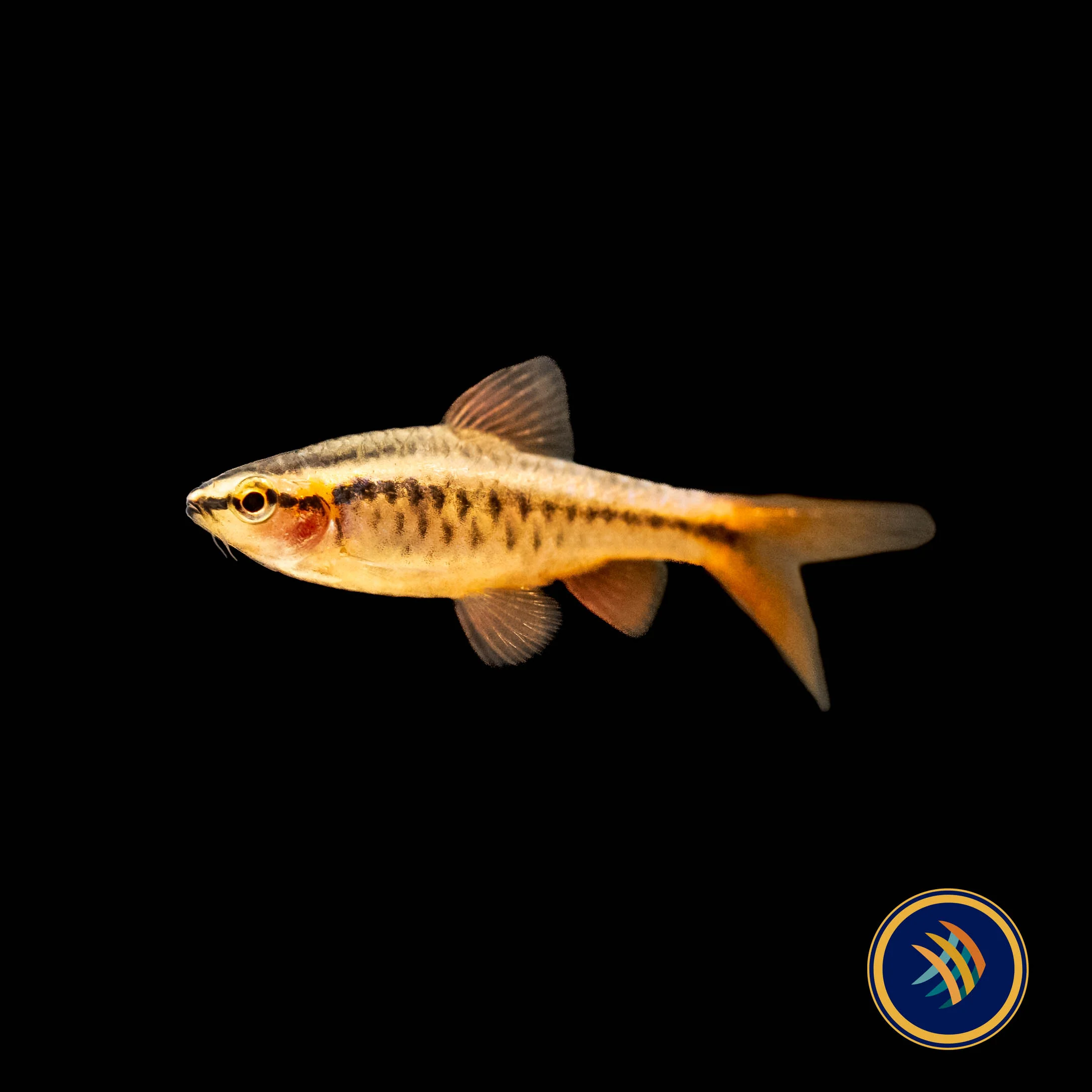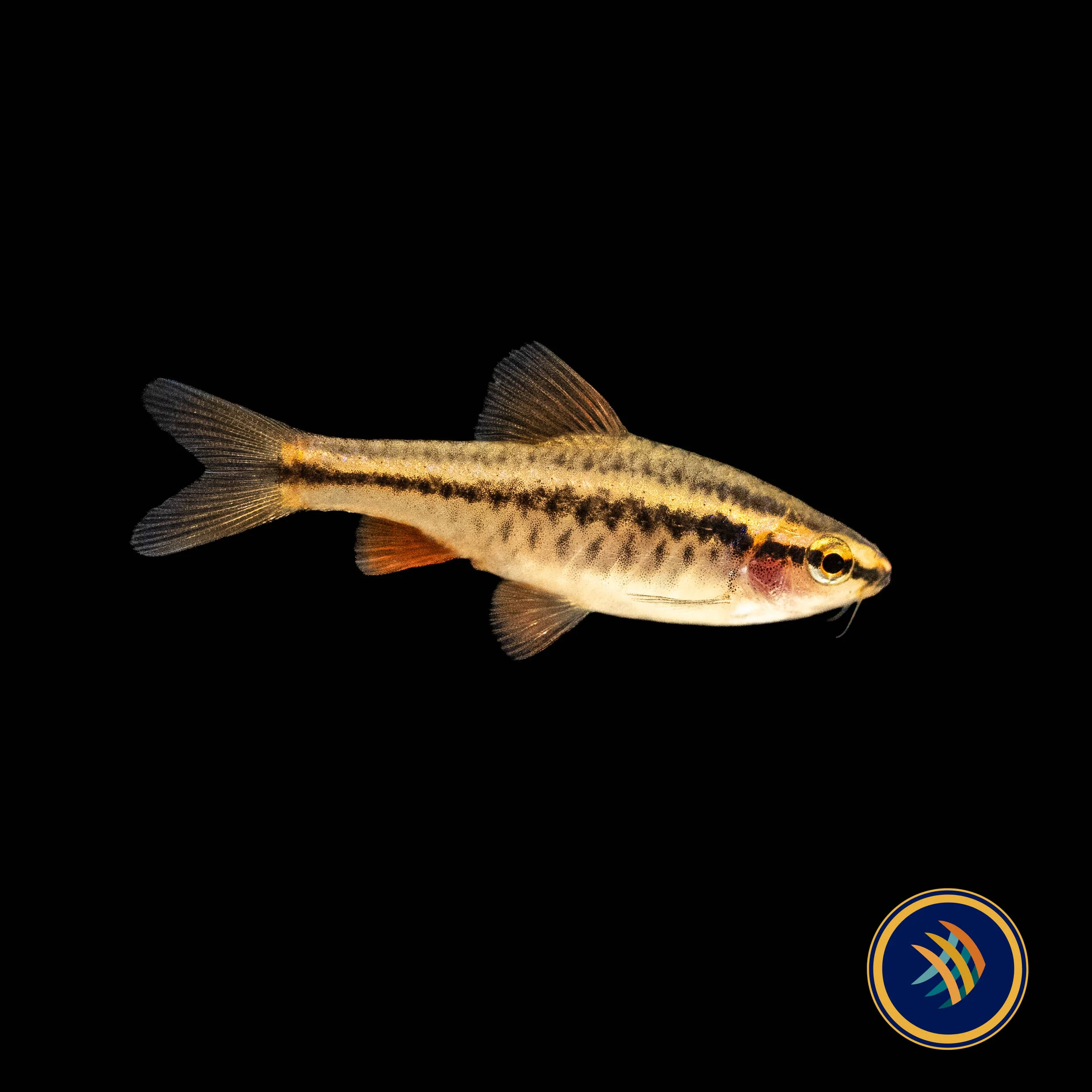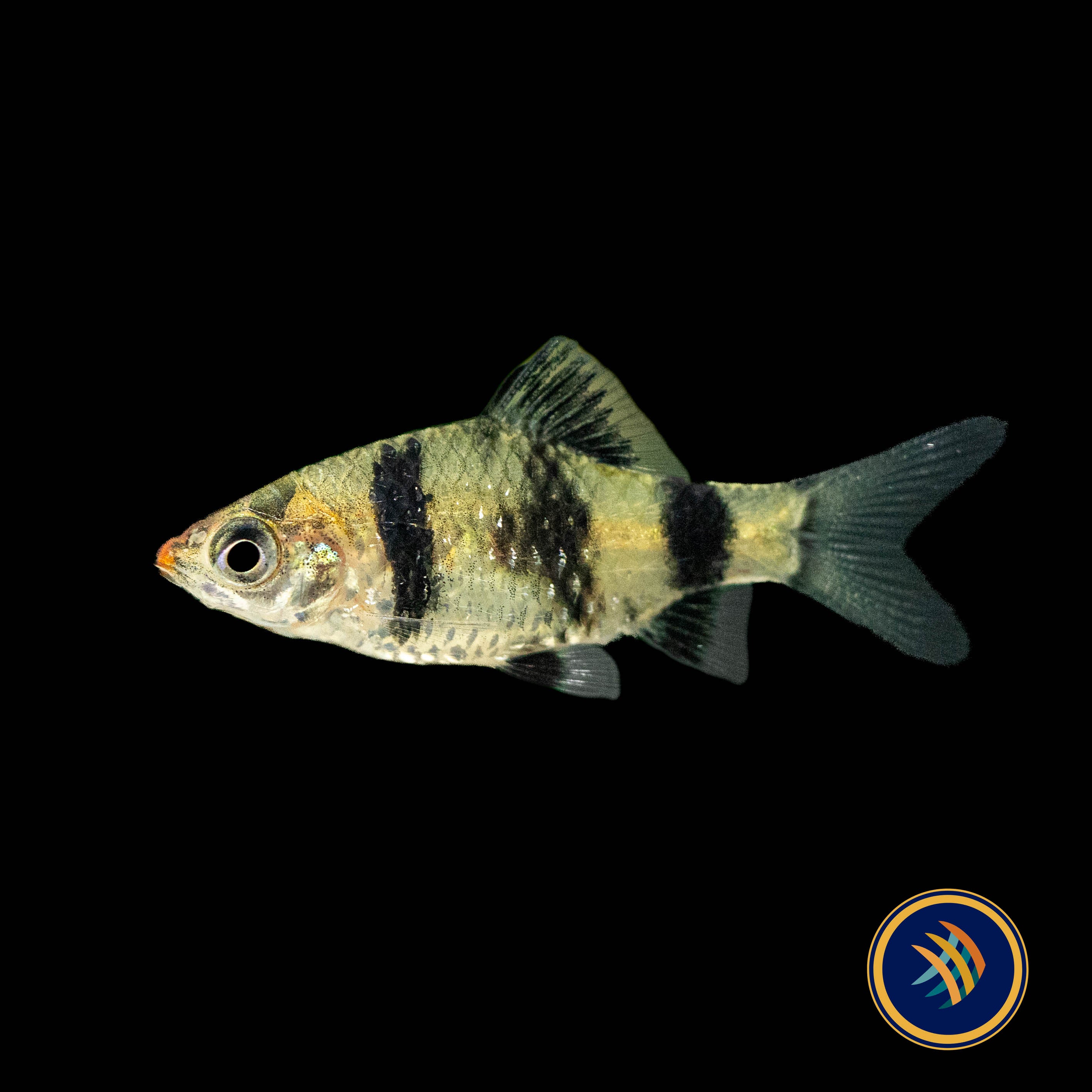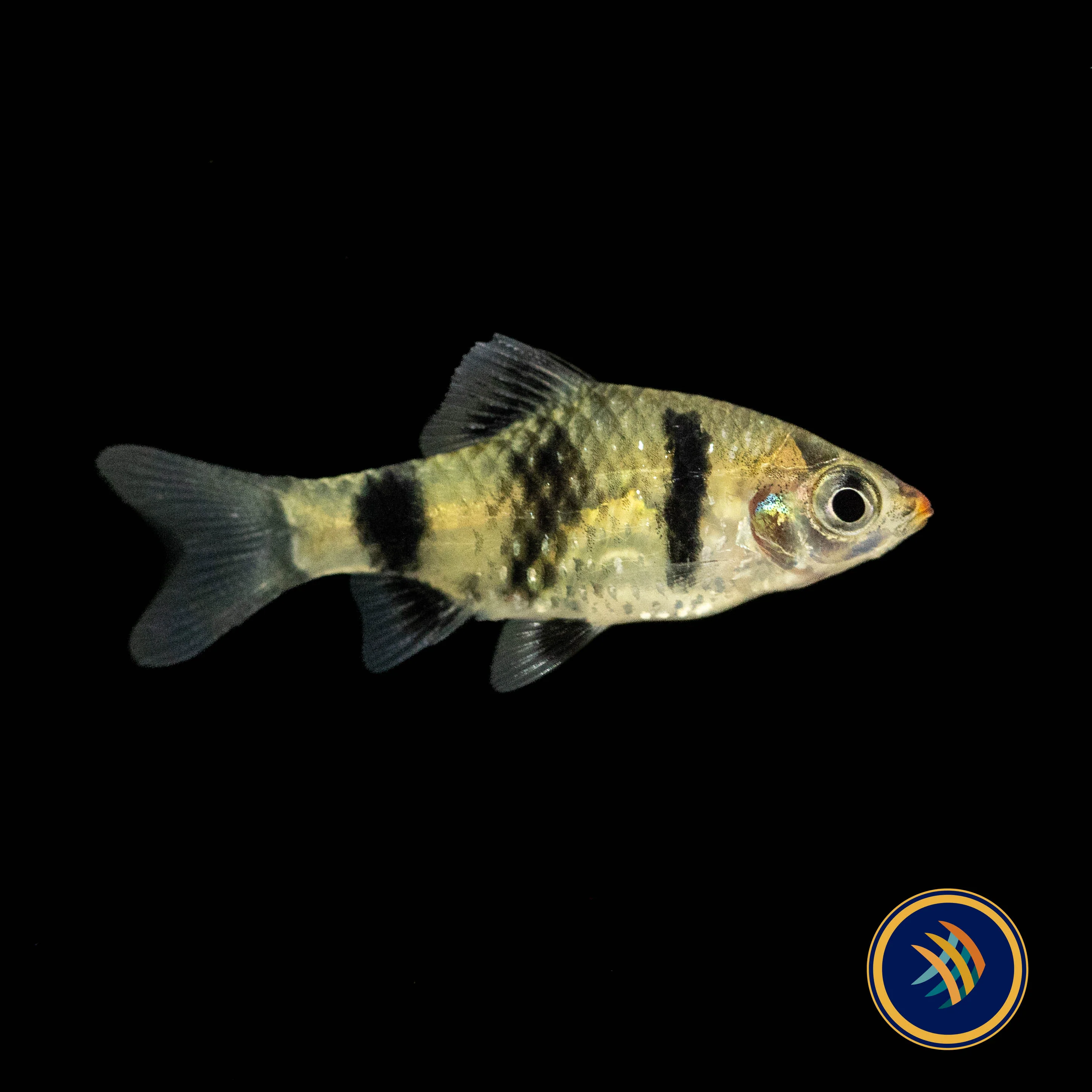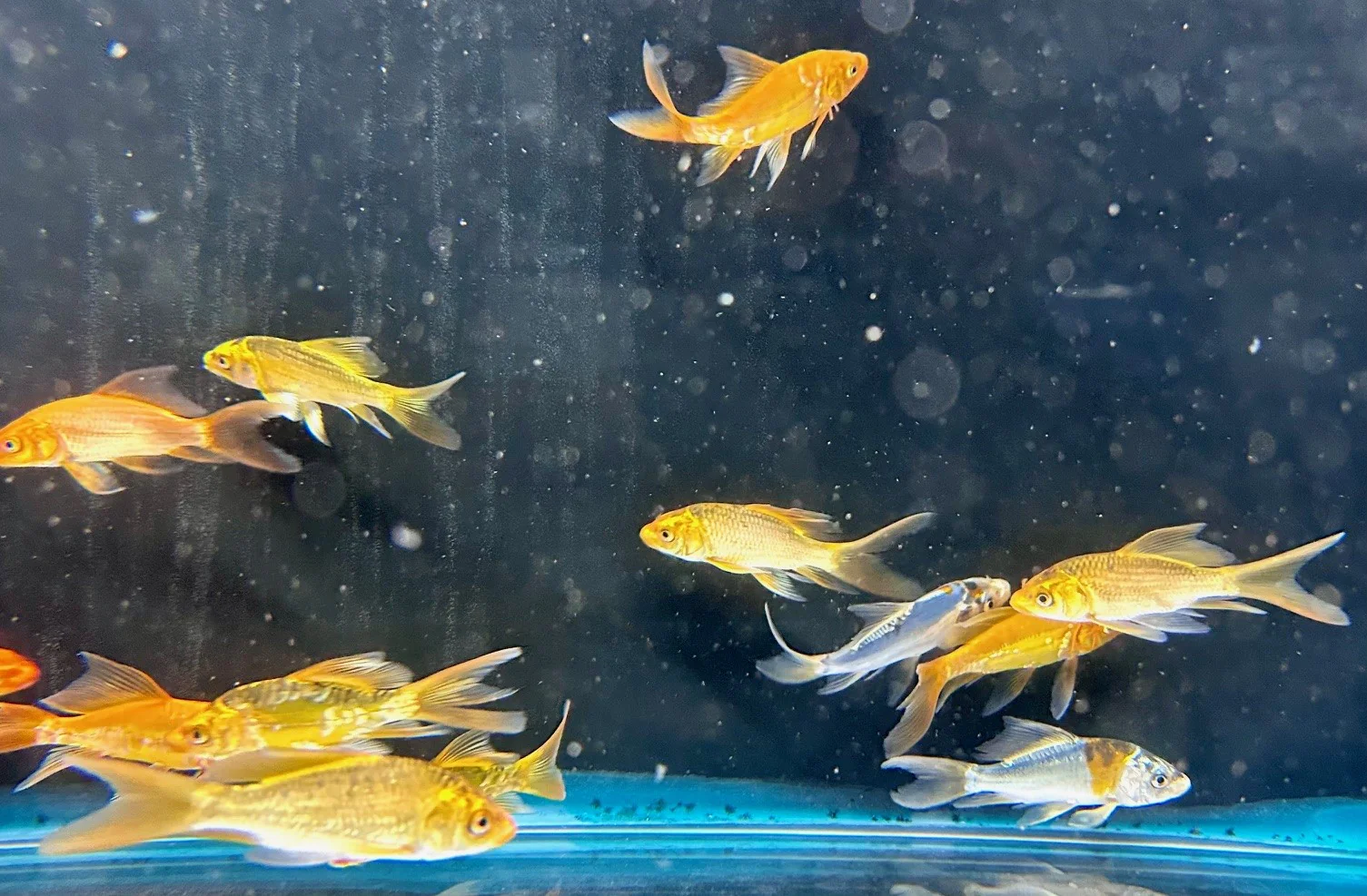
Assorted Oranda Goldfish 5cm
Oranda Goldfish is a striking and elegant variety of fancy goldfish, admired for its bold coloration and signature head growth called a wen. Here's a complete care guide tailored to this beautiful breed:
Appearance
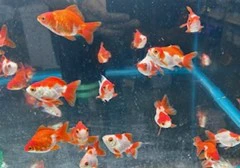
- Coloration: A mix of deep red and velvety black, often with a red wen and black body or vice versa. The contrast makes them stand out dramatically in aquariums
- Body Shape: Rounded, egg-shaped body with flowing double tail fins.
- Wen: The fleshy, raspberry-like growth on the head becomes more pronounced with age
Size & Lifespan
- Size: Typically grows to 8–12 inches in length
- Lifespan: Can live 15–30 years with proper care
Tank Setup
- Tank Size: Minimum 30 gallons for one Oranda; add 10 gallons per additional fish
- Water Temperature: 65–72°F (18–22°C).
- pH Range: 7.0–8.0.
- Substrate: Fine sand is preferred to protect their belly and wen.
- Decorations: Use smooth, rounded items; avoid sharp edges to prevent injury
Plants & Tank Mates
- Plants: Hardy species like Anubias, Java Fern, or floating plants.
- Tank Mates: Other fancy goldfish (e.g., Ryukin, Black Moor, Lionhead), Corydoras, Zebra Danios, and Dojo Loaches
- Avoid: Fast or aggressive fish that may outcompete Orandas for food or nip fins.
Diet
- Type: Omnivorous.
- Staple Foods: High-quality goldfish pellets (better than flakes for adults).
- Treats: Brine shrimp, bloodworms, daphnia, blanched spinach, peas.
- Feeding Frequency: 2–3 times daily in small portions
Temperament
- Behavior: Peaceful, slow-moving, and social.
- Interaction: Can recognize owners and enjoy gentle interaction
Health & Maintenance
-
Common Issues:
- Swim bladder disorder
- Fin rot
- Ich
- Wen overgrowth
- Prevention: Maintain clean water, stable temperature, and a balanced diet. Avoid overfeeding
Breeding
- Method: Egg-layers; spawning triggered by gradual temperature increase.
- Setup: Use spawning mops or fine-leaved plants; remove adults post-spawning.
- Fry Care: Feed infusoria or powdered fry food; maintain pristine water
$8.95
Original: $25.58
-65%Assorted Oranda Goldfish 5cm—
$25.58
$8.95Product Information
Product Information
Shipping & Returns
Shipping & Returns
Description
Oranda Goldfish is a striking and elegant variety of fancy goldfish, admired for its bold coloration and signature head growth called a wen. Here's a complete care guide tailored to this beautiful breed:
Appearance
- Coloration: A mix of deep red and velvety black, often with a red wen and black body or vice versa. The contrast makes them stand out dramatically in aquariums
- Body Shape: Rounded, egg-shaped body with flowing double tail fins.
- Wen: The fleshy, raspberry-like growth on the head becomes more pronounced with age
Size & Lifespan
- Size: Typically grows to 8–12 inches in length
- Lifespan: Can live 15–30 years with proper care
Tank Setup
- Tank Size: Minimum 30 gallons for one Oranda; add 10 gallons per additional fish
- Water Temperature: 65–72°F (18–22°C).
- pH Range: 7.0–8.0.
- Substrate: Fine sand is preferred to protect their belly and wen.
- Decorations: Use smooth, rounded items; avoid sharp edges to prevent injury
Plants & Tank Mates
- Plants: Hardy species like Anubias, Java Fern, or floating plants.
- Tank Mates: Other fancy goldfish (e.g., Ryukin, Black Moor, Lionhead), Corydoras, Zebra Danios, and Dojo Loaches
- Avoid: Fast or aggressive fish that may outcompete Orandas for food or nip fins.
Diet
- Type: Omnivorous.
- Staple Foods: High-quality goldfish pellets (better than flakes for adults).
- Treats: Brine shrimp, bloodworms, daphnia, blanched spinach, peas.
- Feeding Frequency: 2–3 times daily in small portions
Temperament
- Behavior: Peaceful, slow-moving, and social.
- Interaction: Can recognize owners and enjoy gentle interaction
Health & Maintenance
-
Common Issues:
- Swim bladder disorder
- Fin rot
- Ich
- Wen overgrowth
- Prevention: Maintain clean water, stable temperature, and a balanced diet. Avoid overfeeding
Breeding
- Method: Egg-layers; spawning triggered by gradual temperature increase.
- Setup: Use spawning mops or fine-leaved plants; remove adults post-spawning.
- Fry Care: Feed infusoria or powdered fry food; maintain pristine water