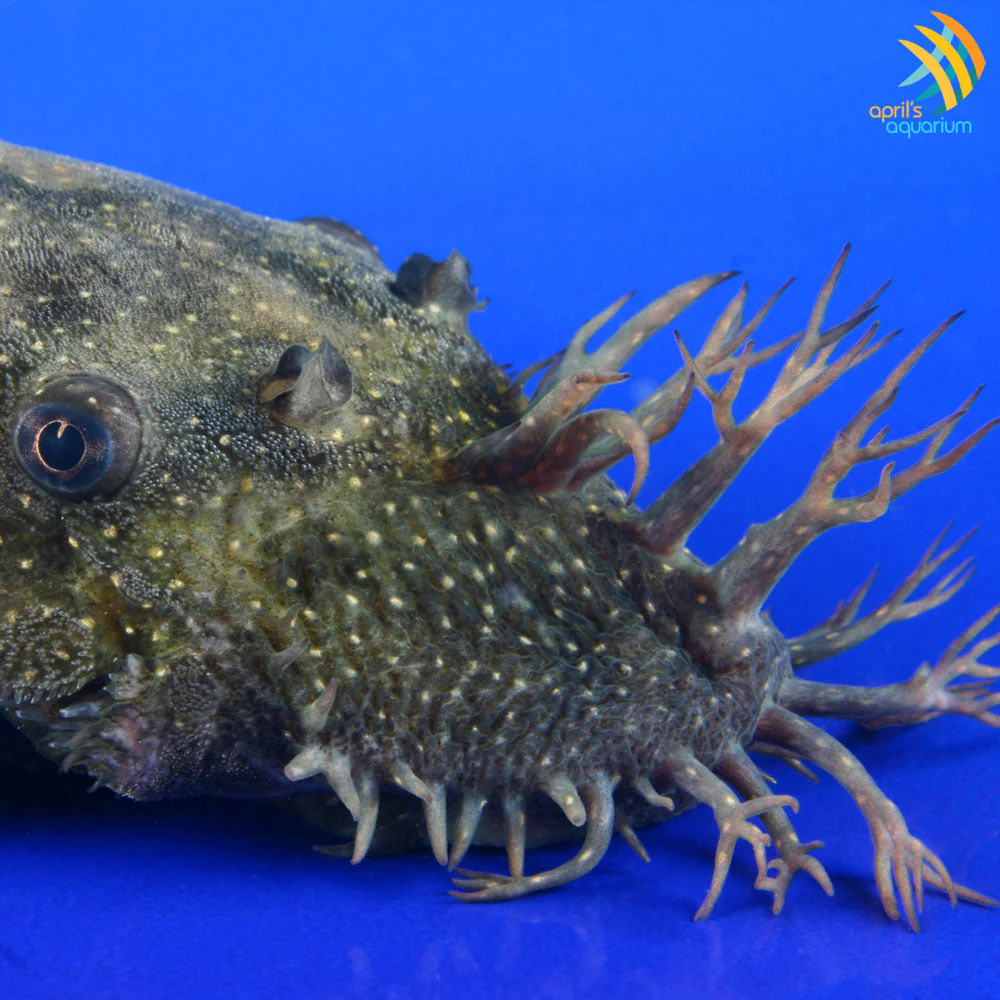
Upside Down Catfish (Synodontis nigriventris) 2-3cm Aquarium Glaser
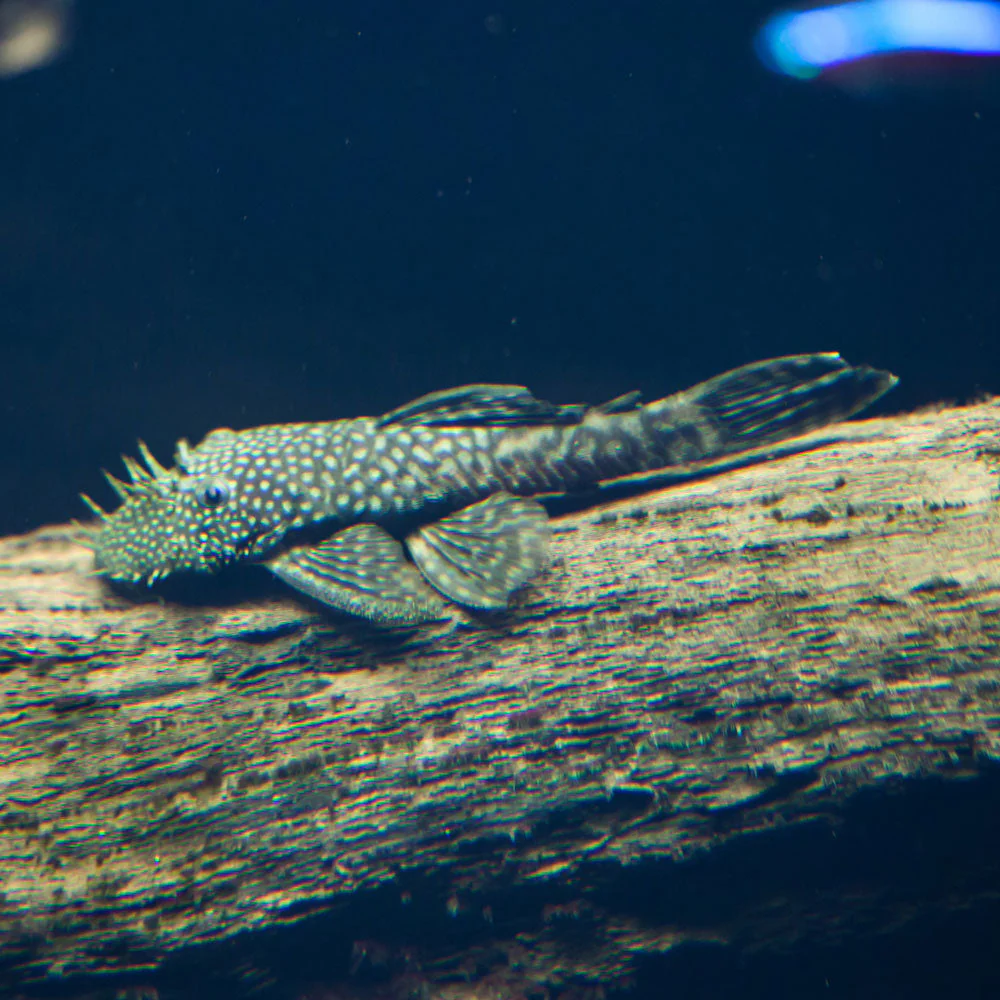
Upside Down Catfish is one of the most distinctive and entertaining African freshwater fishes in the hobby. Its habit of swimming and resting belly‑up is completely natural and is an evolutionary adaptation for feeding and camouflage.
Identification & Classification
- Scientific name: Synodontis nigriventris
- Common names: Upside‑Down Catfish, Blotched Upside‑Down Catfish
- Family: Mochokidae (African upside‑down catfishes)
- Described by: David, 1936
- Conservation status: Least Concern
The species name nigriventris means “black belly,” referring to its reversed coloration—darker underside and lighter back—which provides camouflage when swimming upside down.
Natural Distribution & Habitat
- Range: Central Africa
- River systems: Congo Basin (Democratic Republic of the Congo, Republic of the Congo, Cameroon)
-
Habitat:
- Slow‑moving rivers and backwaters
- Densely vegetated margins
- Submerged roots, branches, and leaf litter
- Dimly lit, tannin‑rich water
These shaded environments explain the fish’s large eyes and preference for low light in aquariums.
Appearance & Behavior
- Adult size: 8–10 cm (3–4 in)
- Body: Compact, slightly laterally compressed
- Barbels: Three pairs (typical of Synodontis)
- Color pattern: Light brown to gray with dark blotches
-
Signature trait:
- Swims and rests upside down
- Feeds from the underside of leaves, wood, and the water’s surface
They are nocturnal to crepuscular, becoming more active at dusk and nighttime, though well‑settled specimens often appear during the day.
Aquarium Care Overview
Difficulty: Easy → Moderate
Temperament: Peaceful
Best kept: Small groups
Tank Requirements
- Minimum tank size: 75 L / 20 gal (larger preferred for groups)
- Ideal group size: 3–6 individuals (more confident and active in groups)
-
Décor:
- Driftwood and branches (critical)
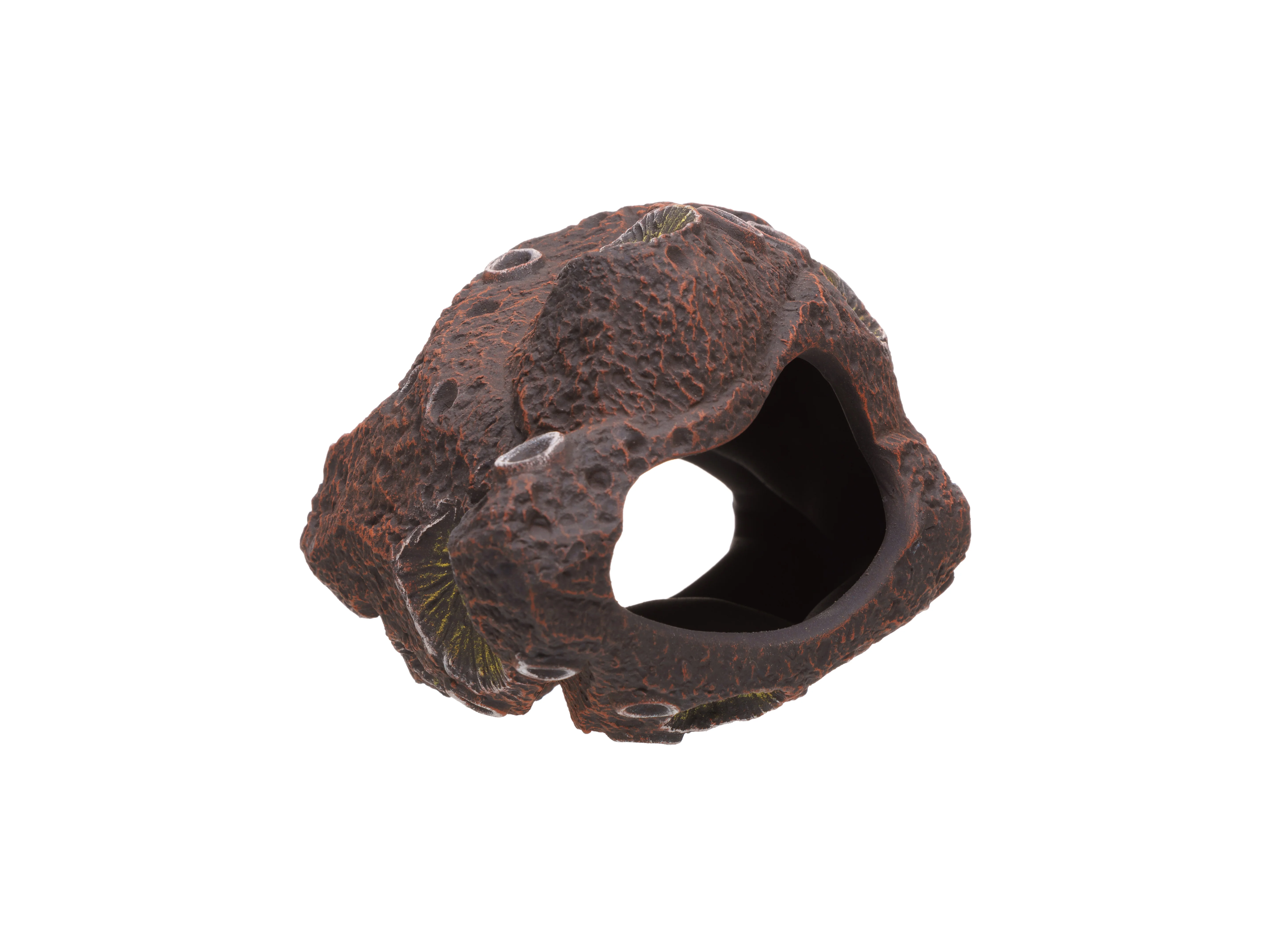
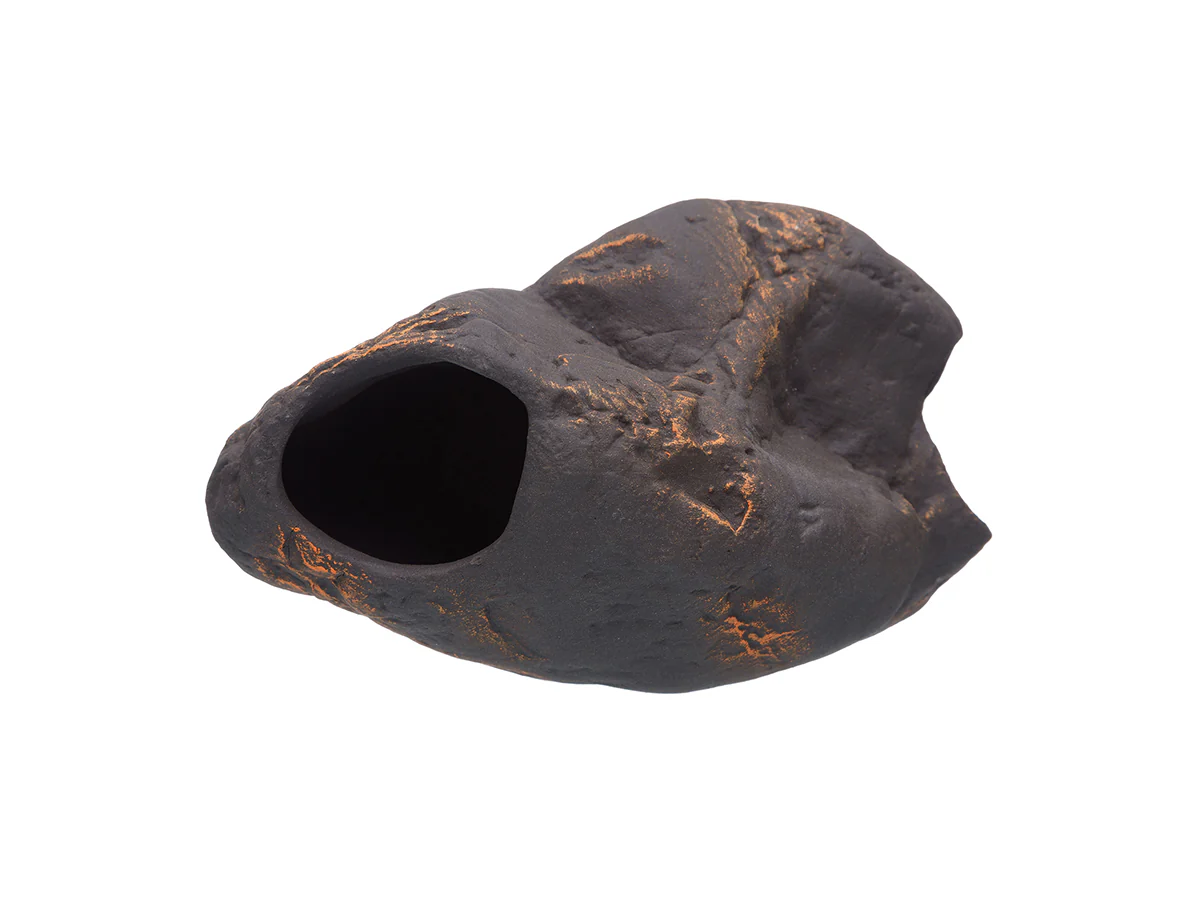
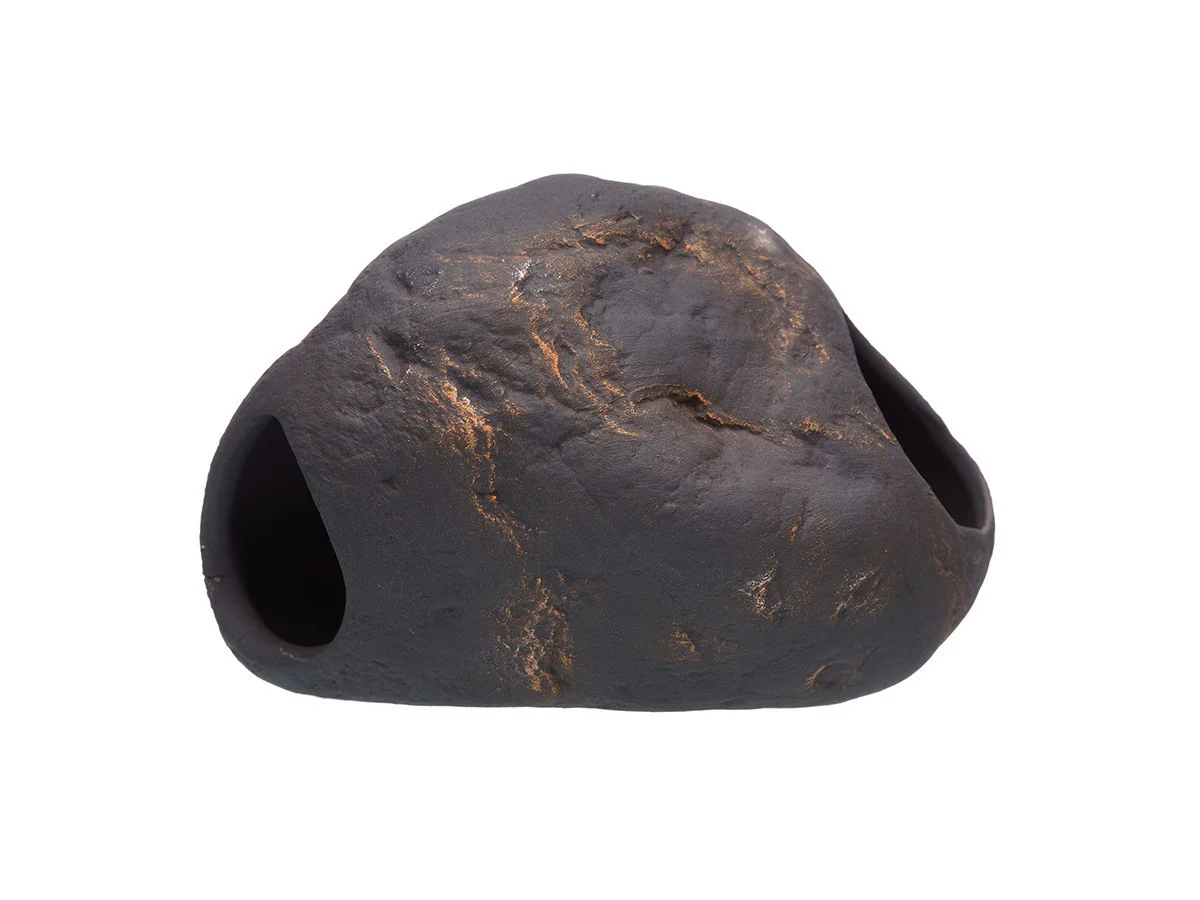
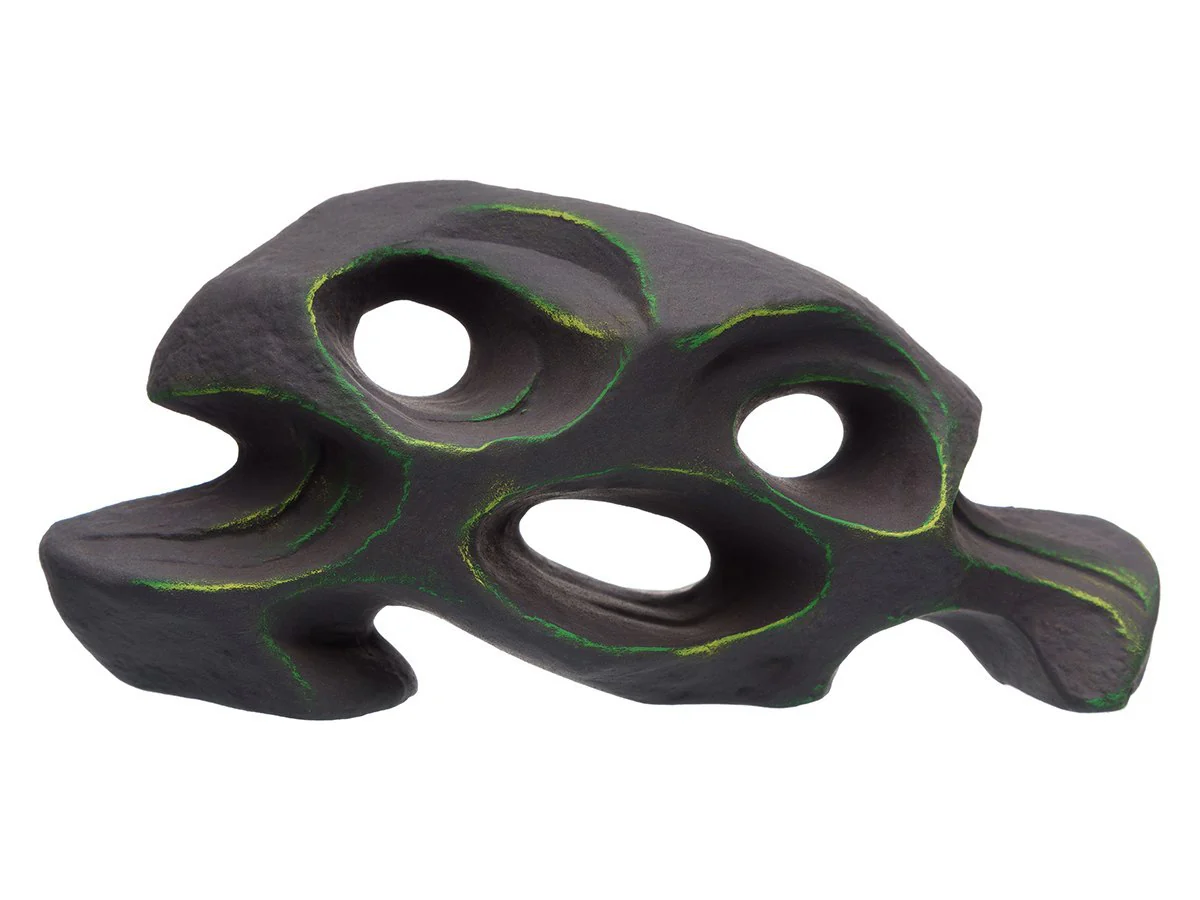
- Caves and crevices
- Broad‑leaf plants and floating plants
- Lighting: Low to moderate
- Flow: Gentle to moderate
Provide overhead structure—they spend a lot of time browsing under objects.
Water Parameters
| Parameter | Recommended |
|---|---|
| Temperature | 22–28 °C (72–82 °F) |
| pH | 6.0–7.5 |
| Hardness | Soft to medium (≈4–15 dGH) |
| Water Type | Freshwater |
Stable conditions are more important than chasing exact numbers.
Diet
Omnivorous, easy to feed
- Quality sinking pellets or wafers
- Frozen foods (bloodworms, brine shrimp)
- Live foods (insects, larvae)
- Occasional vegetable matter (blanched peas, algae wafers)
They frequently feed near the surface while inverted, so floating or slow‑sinking foods are useful.
Tankmates
Excellent community fish when matched correctly.
Good tankmates:
- Tetras
- Rasboras
- Gouramis
- Corydoras
- Peaceful African cichlids of appropriate size
Avoid:
- Aggressive or fin‑nipping fish
- Large predatory species
- Fish small enough to be eaten during nocturnal activity
They are peaceful even with their own kind when kept in adequate space.
Breeding Notes
- Egg‑layer
- Rare but recorded in captivity
- Eggs laid in pits or protected areas
- Fry swim upright at first; the upside‑down posture develops after several weeks
Lifespan
- 8–15 years in well‑maintained aquariums
Original: $18.27
-65%$18.27
$6.39Product Information
Product Information
Shipping & Returns
Shipping & Returns
Description
Upside Down Catfish is one of the most distinctive and entertaining African freshwater fishes in the hobby. Its habit of swimming and resting belly‑up is completely natural and is an evolutionary adaptation for feeding and camouflage.
Identification & Classification
- Scientific name: Synodontis nigriventris
- Common names: Upside‑Down Catfish, Blotched Upside‑Down Catfish
- Family: Mochokidae (African upside‑down catfishes)
- Described by: David, 1936
- Conservation status: Least Concern
The species name nigriventris means “black belly,” referring to its reversed coloration—darker underside and lighter back—which provides camouflage when swimming upside down.
Natural Distribution & Habitat
- Range: Central Africa
- River systems: Congo Basin (Democratic Republic of the Congo, Republic of the Congo, Cameroon)
-
Habitat:
- Slow‑moving rivers and backwaters
- Densely vegetated margins
- Submerged roots, branches, and leaf litter
- Dimly lit, tannin‑rich water
These shaded environments explain the fish’s large eyes and preference for low light in aquariums.
Appearance & Behavior
- Adult size: 8–10 cm (3–4 in)
- Body: Compact, slightly laterally compressed
- Barbels: Three pairs (typical of Synodontis)
- Color pattern: Light brown to gray with dark blotches
-
Signature trait:
- Swims and rests upside down
- Feeds from the underside of leaves, wood, and the water’s surface
They are nocturnal to crepuscular, becoming more active at dusk and nighttime, though well‑settled specimens often appear during the day.
Aquarium Care Overview
Difficulty: Easy → Moderate
Temperament: Peaceful
Best kept: Small groups
Tank Requirements
- Minimum tank size: 75 L / 20 gal (larger preferred for groups)
- Ideal group size: 3–6 individuals (more confident and active in groups)
-
Décor:
- Driftwood and branches (critical)
- Caves and crevices
- Broad‑leaf plants and floating plants
- Lighting: Low to moderate
- Flow: Gentle to moderate
Provide overhead structure—they spend a lot of time browsing under objects.
Water Parameters
| Parameter | Recommended |
|---|---|
| Temperature | 22–28 °C (72–82 °F) |
| pH | 6.0–7.5 |
| Hardness | Soft to medium (≈4–15 dGH) |
| Water Type | Freshwater |
Stable conditions are more important than chasing exact numbers.
Diet
Omnivorous, easy to feed
- Quality sinking pellets or wafers
- Frozen foods (bloodworms, brine shrimp)
- Live foods (insects, larvae)
- Occasional vegetable matter (blanched peas, algae wafers)
They frequently feed near the surface while inverted, so floating or slow‑sinking foods are useful.
Tankmates
Excellent community fish when matched correctly.
Good tankmates:
- Tetras
- Rasboras
- Gouramis
- Corydoras
- Peaceful African cichlids of appropriate size
Avoid:
- Aggressive or fin‑nipping fish
- Large predatory species
- Fish small enough to be eaten during nocturnal activity
They are peaceful even with their own kind when kept in adequate space.
Breeding Notes
- Egg‑layer
- Rare but recorded in captivity
- Eggs laid in pits or protected areas
- Fry swim upright at first; the upside‑down posture develops after several weeks
Lifespan
- 8–15 years in well‑maintained aquariums