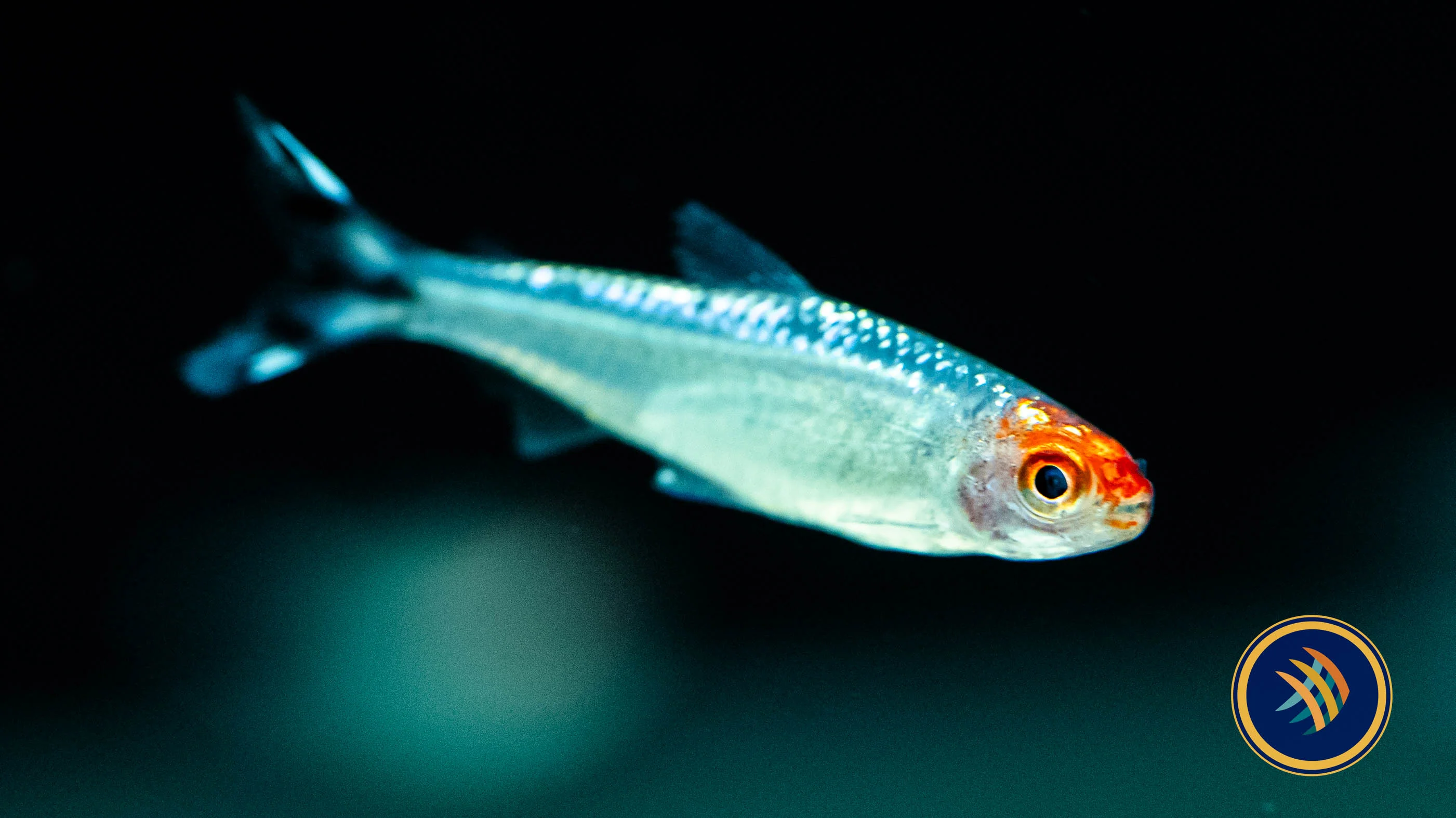
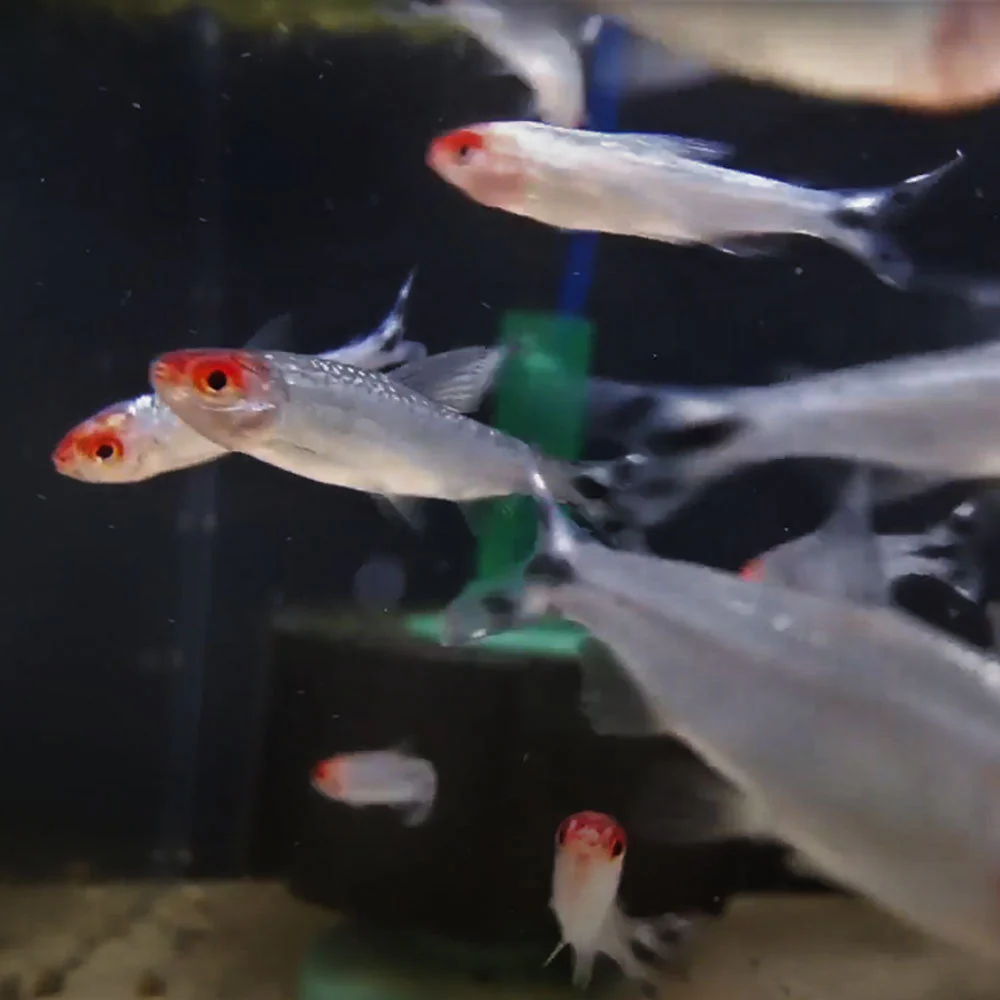
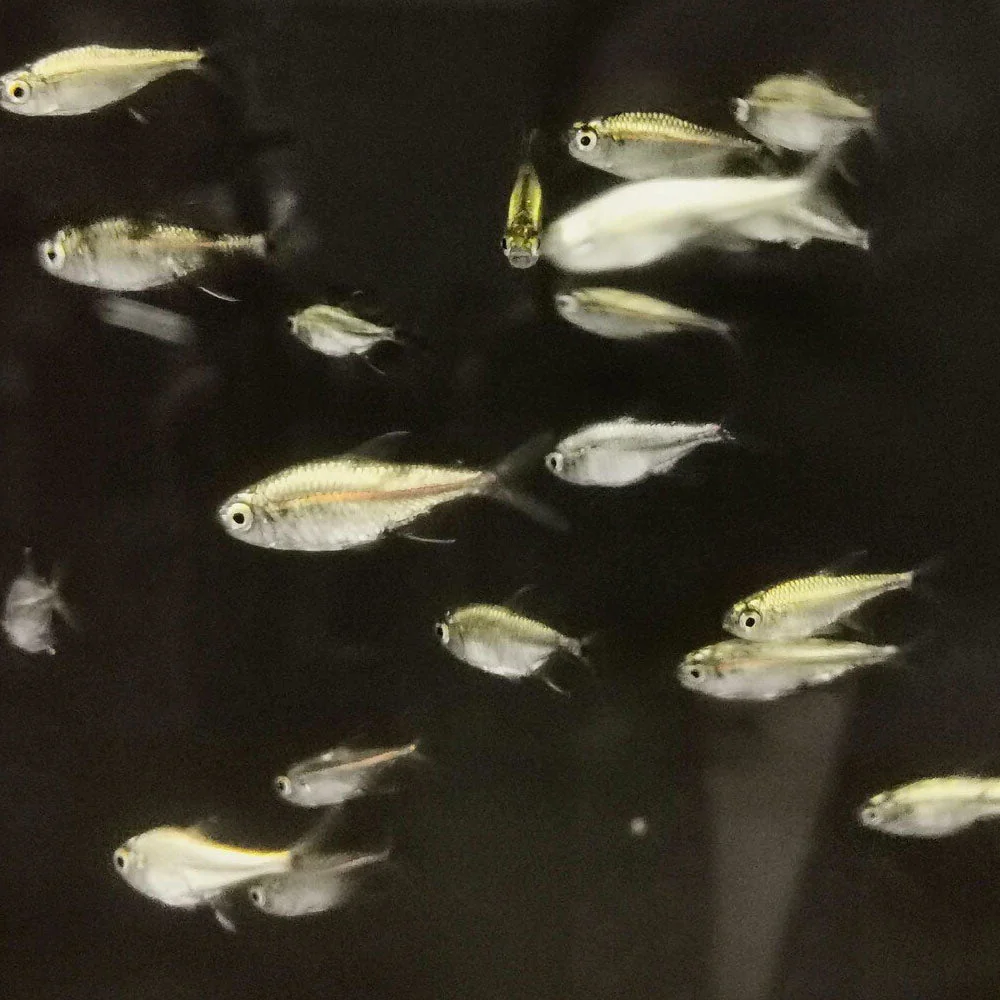
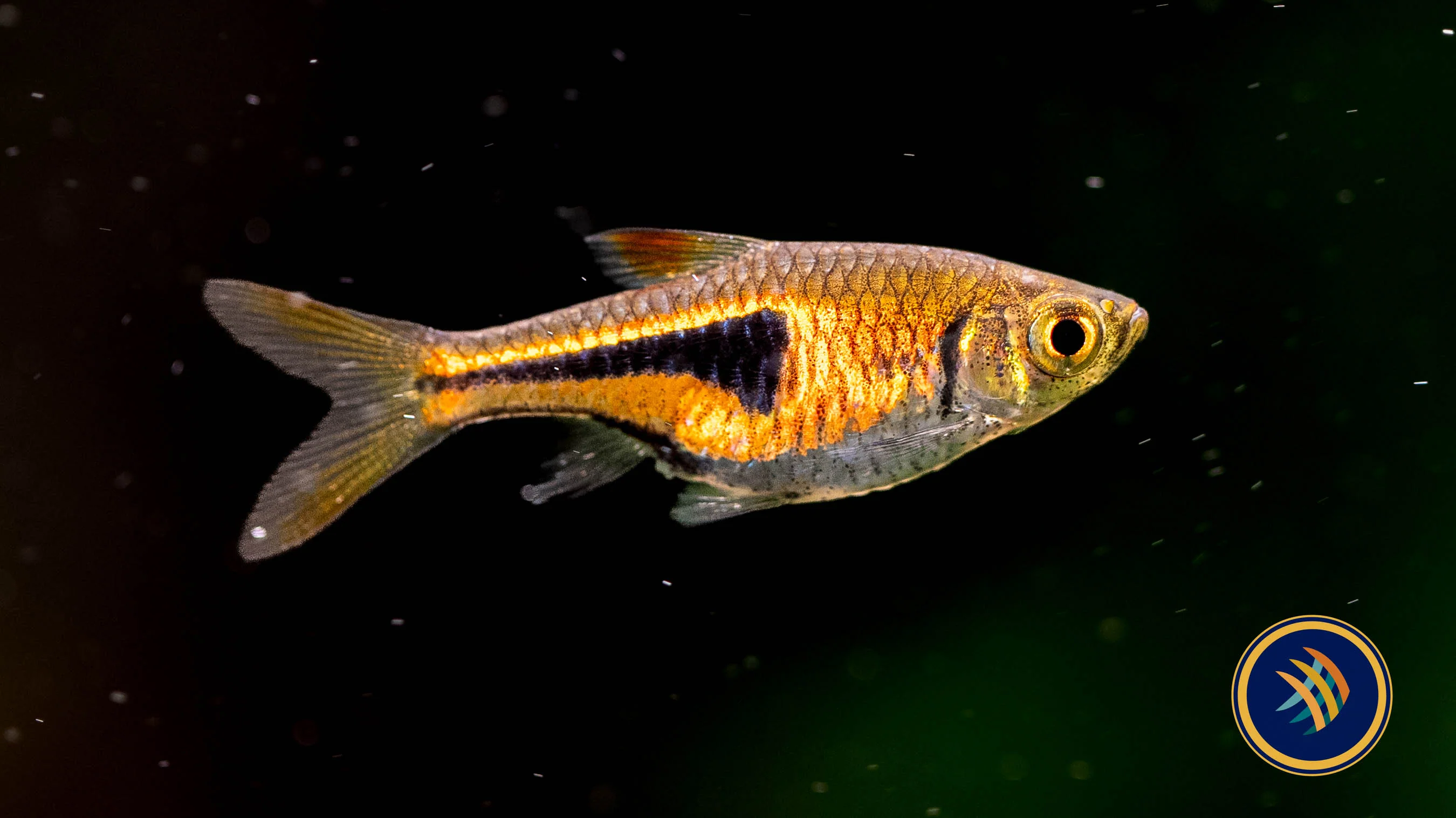
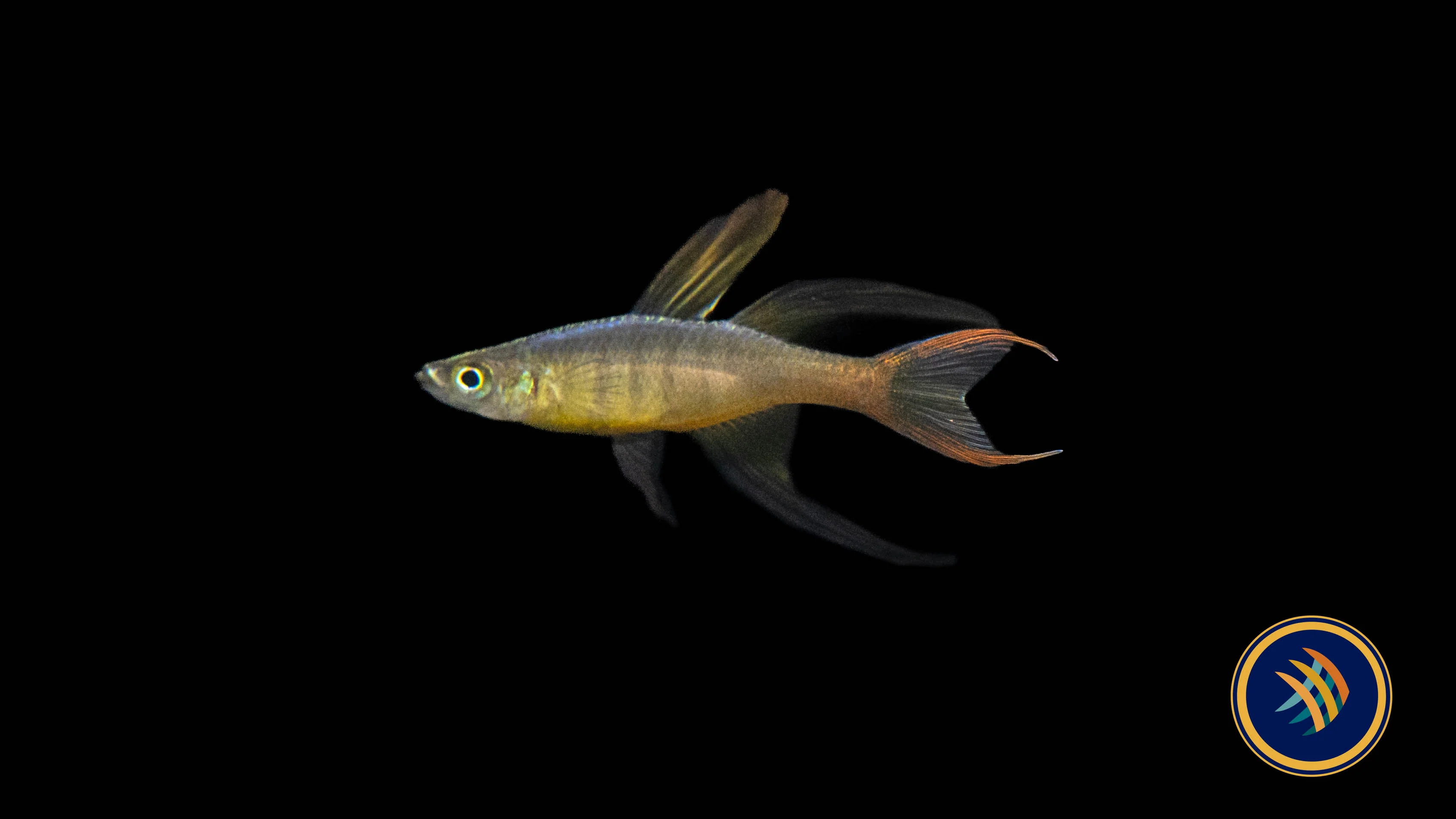
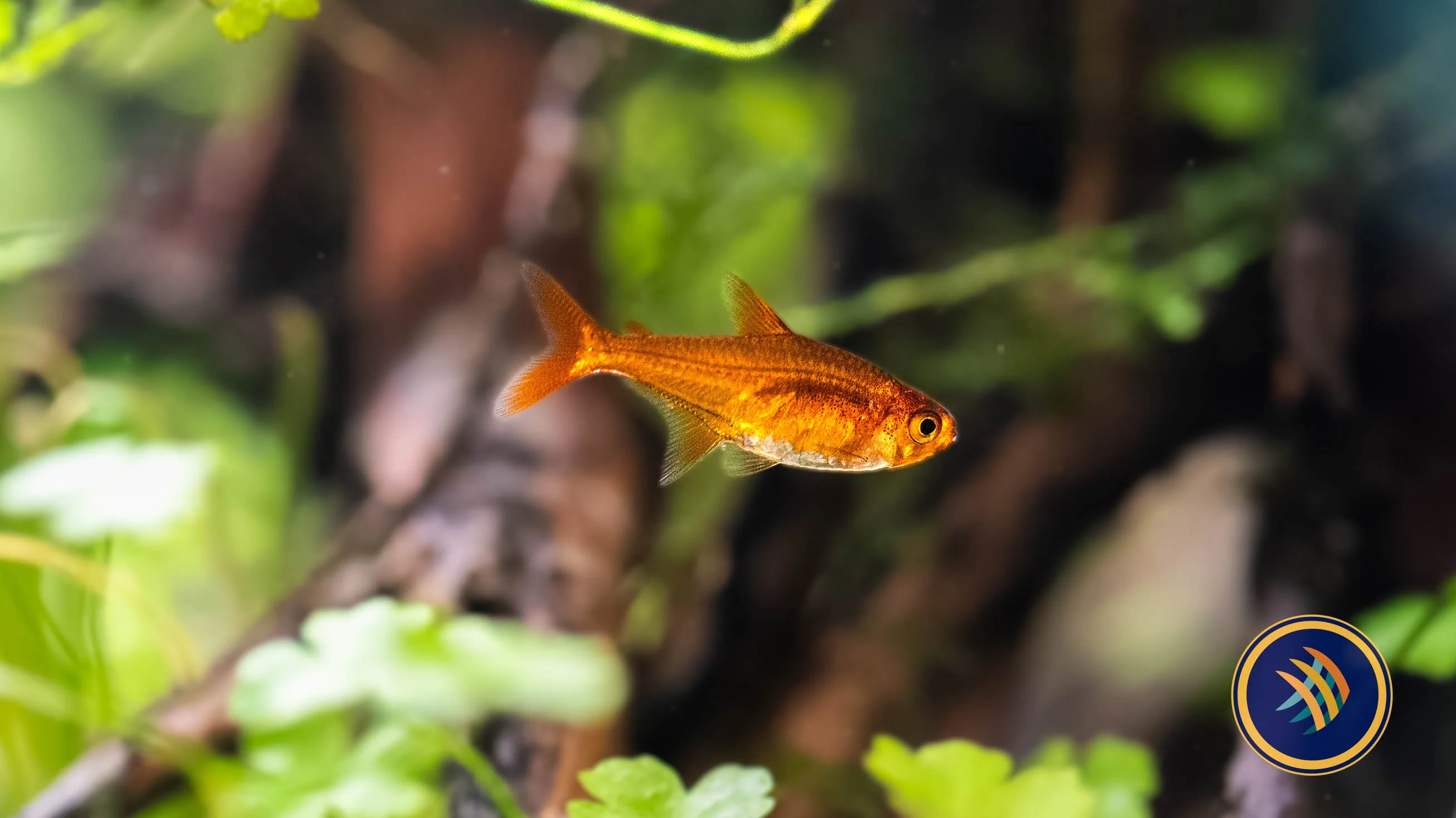
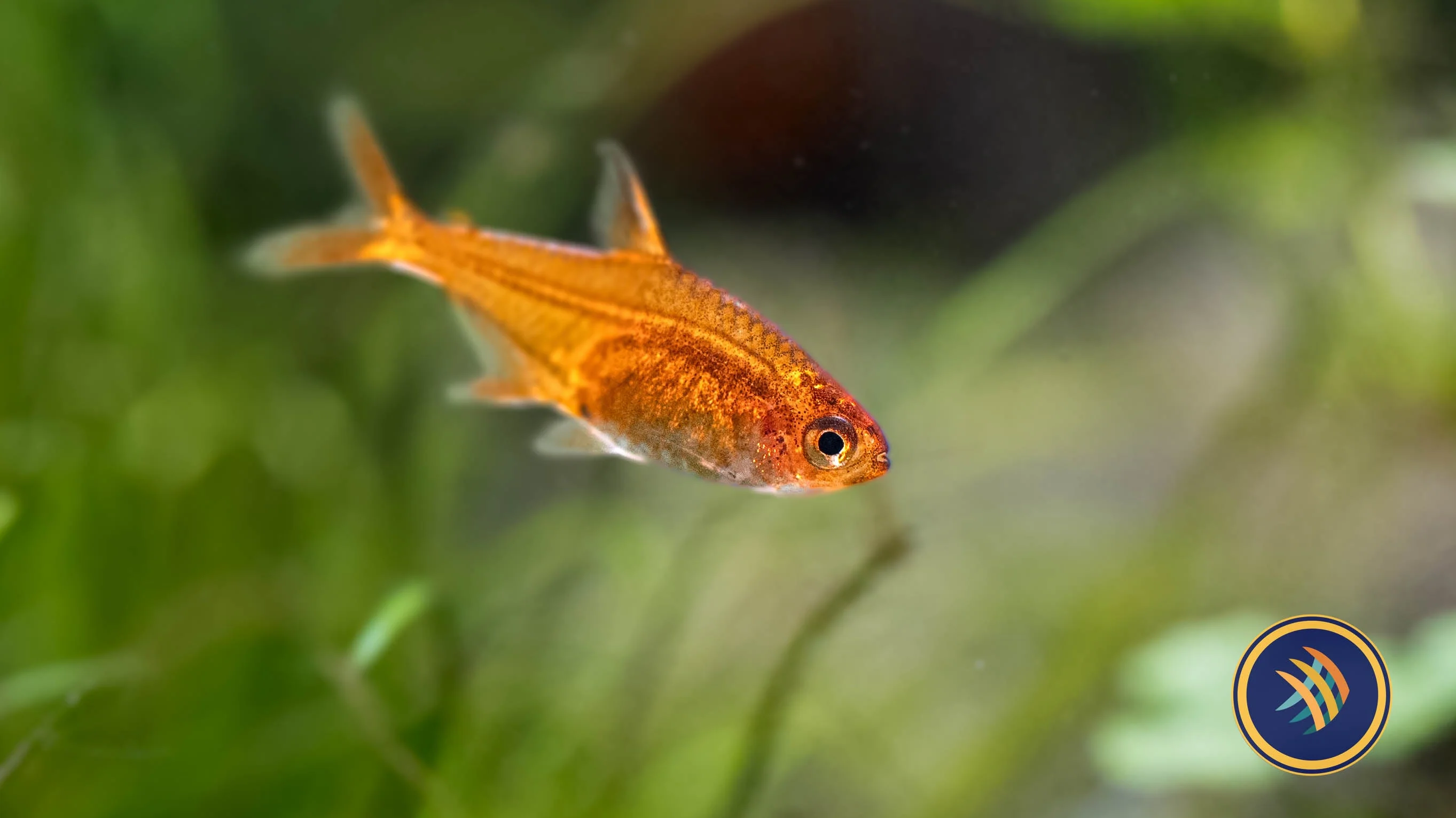
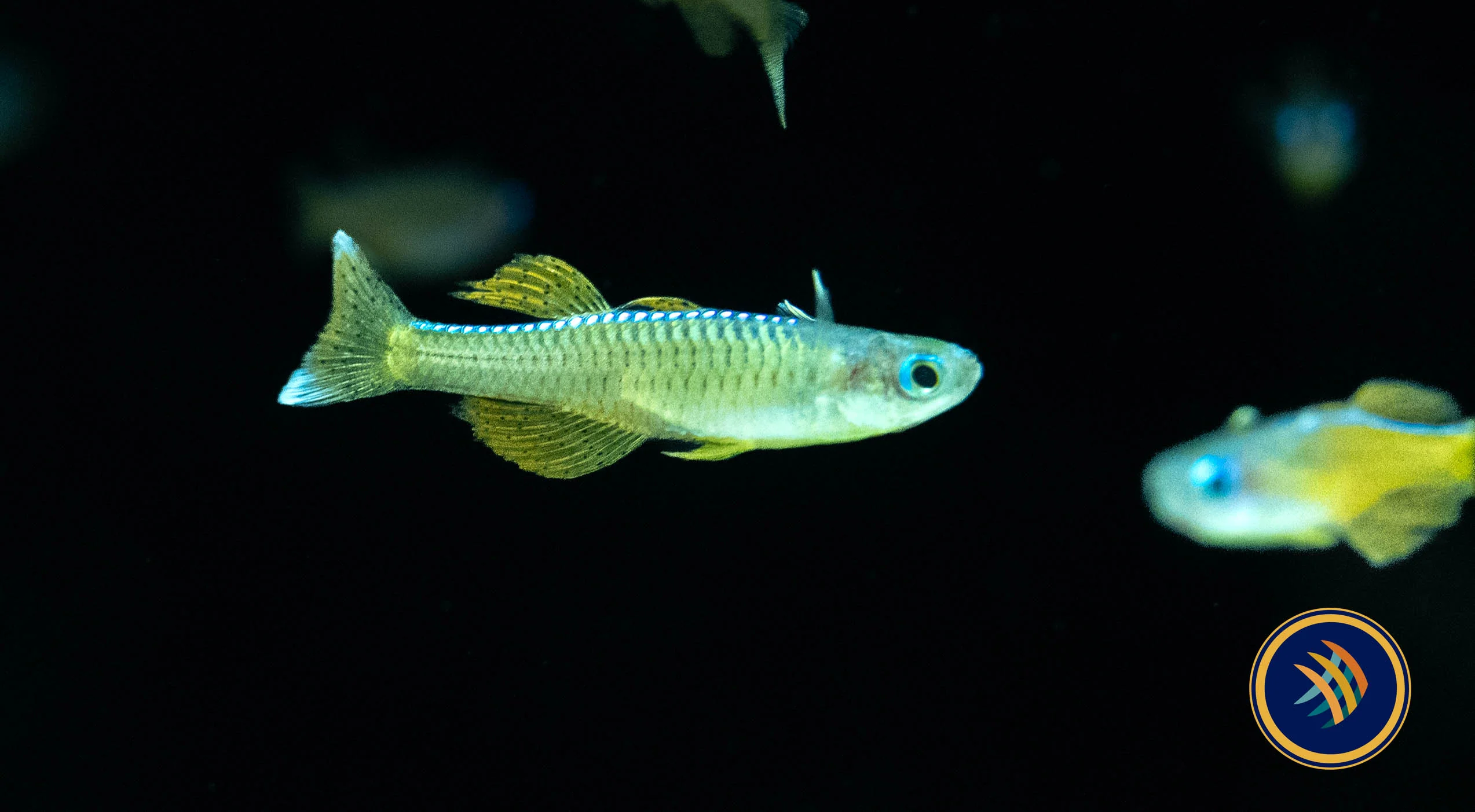
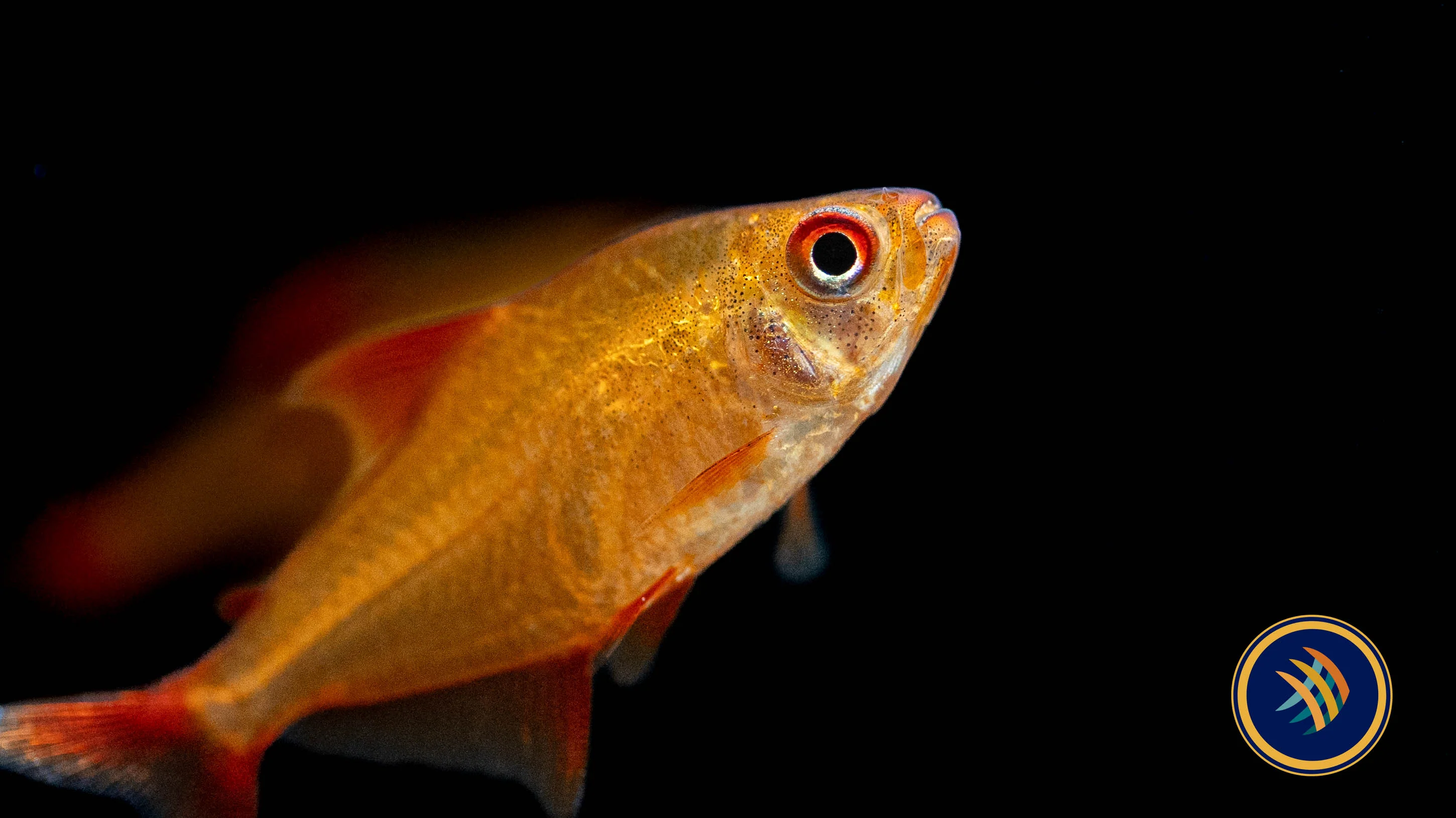
Blackwing Hatchetfish (Carnegiella schereri) Large - Aquarium Glaser
Natural Habitat
- Region: Amazon Basin (primarily Brazil, Colombia, Peru)
-
Environment:
- Slow‑moving streams
- Flooded forest margins
- Blackwater and soft clearwater tributaries
-
Key features:
- Dense overhanging vegetation
- Leaf litter
- Calm surface with minimal current
They spend nearly all their time at the surface, rarely venturing into mid‑water.
Physical Description
- Adult size: ~2.5–3.0 cm (≈1–1.2 in)
- Body shape: Strongly laterally compressed with a deep chest
-
Coloration:
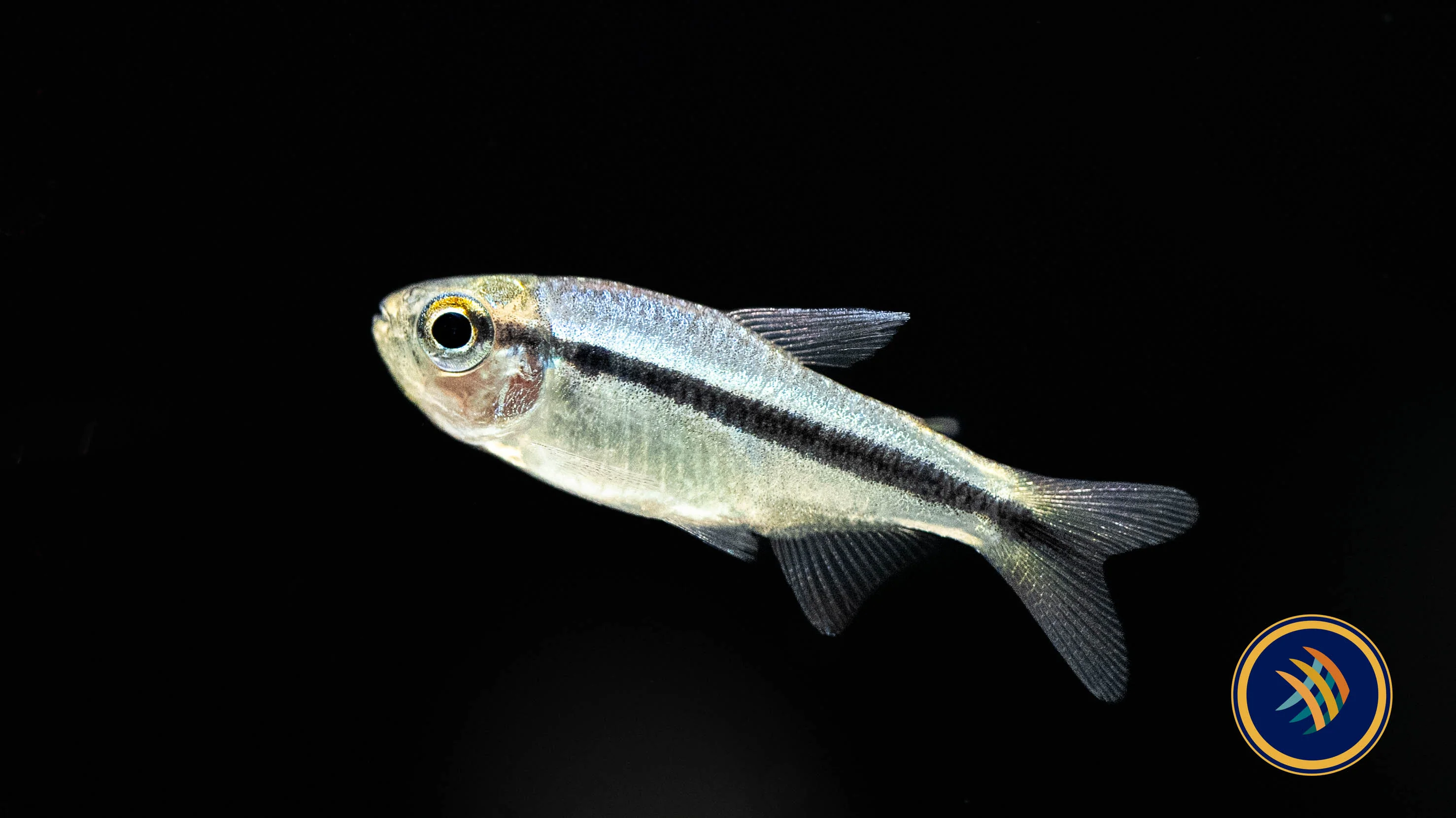
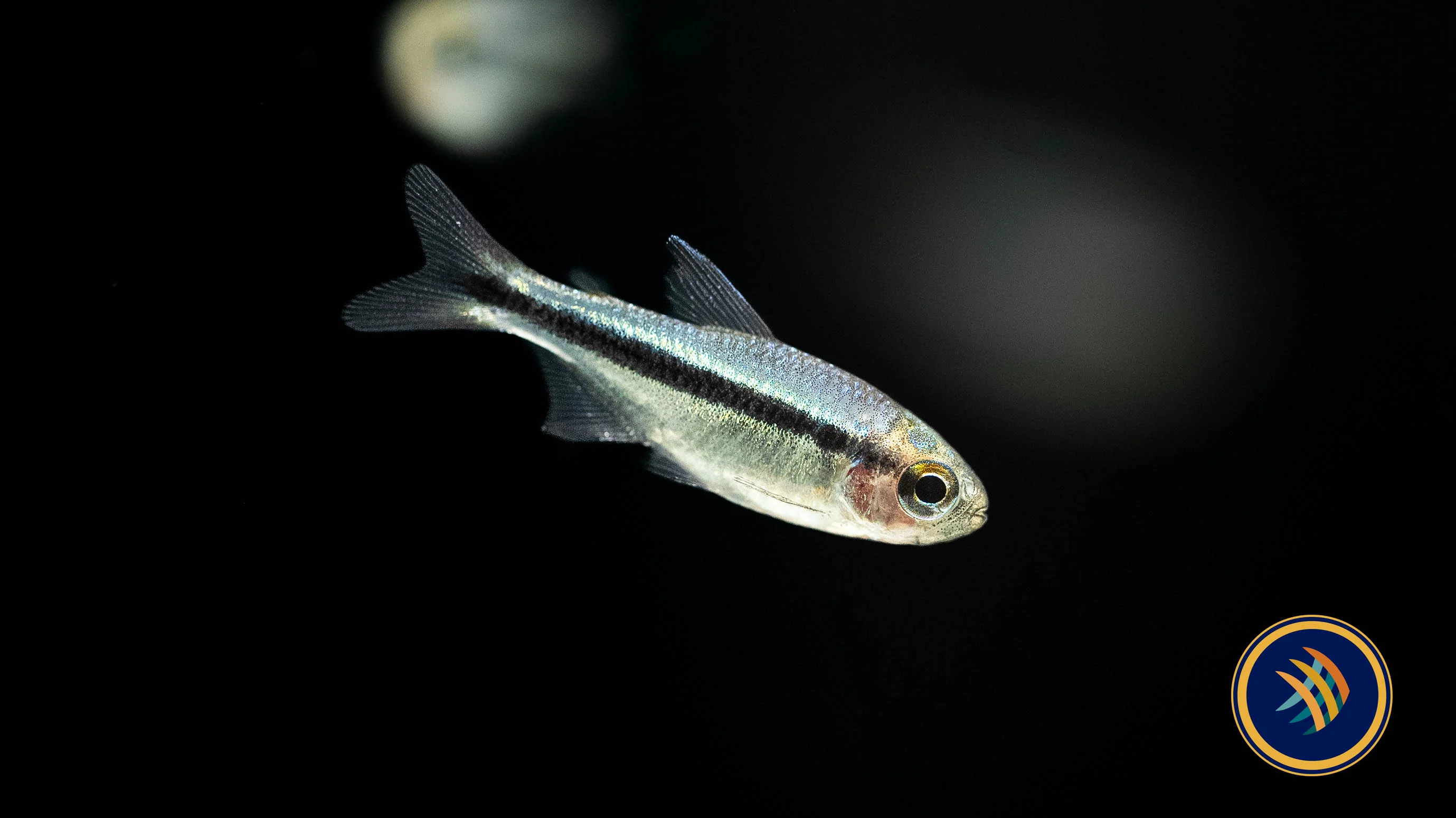
- Silver to light bronze body
- Darker lateral markings
- Distinct dark/black pectoral fins
-
Sexing:
- Females slightly deeper‑bodied, especially when gravid
- Otherwise difficult to distinguish
Aquarium Care
Tank Size
- Minimum: 10 gallons (38 L)
- Ideal: 15–20 gallons+ for a group
- A tight‑fitting lid is absolutely mandatory — they are exceptional jumpers.
Water Parameters
- Temperature: 24–28 °C (75–82 °F)
- pH: 5.0–6.8 (slightly acidic preferred)
- Hardness: 1–6 dGH (very soft)
- Flow: Gentle; avoid strong surface agitation
Stable, clean water is critical — they are sensitive to poor water quality.
Aquascaping Recommendations
- Floating plants (Salvinia, Amazon frogbit, water lettuce)
- Dim or filtered lighting
- Dark substrate to reduce stress
- Driftwood and leaf litter (Indian almond leaves are excellent)
- Open surface area for feeding
A blackwater‑style aquascape closely mimics their natural environment and improves coloration and confidence.
Diet
Carnivorous micro‑predator
Best foods:
- Live or frozen:
- Daphnia
- Cyclops
- Artemia (baby brine shrimp)
- Mosquito larvae
- High‑quality floating micro‑pellets or flakes (only once acclimated)
They feed exclusively at the surface, so sinking foods are usually ignored.
Behavior & Compatibility
- Temperament: Peaceful, shy
- Social needs: Keep in groups of 6–10+
-
Tank mates:
- Small, calm species only
- Tetras, pencilfish, small Corydoras, dwarf rasboras
-
Avoid:
- Aggressive or fast‑moving fish
- Loud surface feeders
- Large cichlids or barbs
They are easily stressed by excessive activity near the surface.
Breeding Notes (Advanced)
- Rarely bred in home aquaria
- Requires:
- Very soft acidic water
- Heavy floating plants
- Live foods to condition adults
- Eggs are small, adhesive, and deposited among surface plants
- Adults may eat eggs — separation is required
Common Issues
- Jumping (most common cause of loss)
- Refusal to eat prepared foods initially
- Stress from bright lighting or surface disturbance
- Poor acclimation to hard or alkaline water
Slow drip acclimation is strongly recommended.
Original: $14.61
-65%$14.61
$5.11Product Information
Product Information
Shipping & Returns
Shipping & Returns
Description
Natural Habitat
- Region: Amazon Basin (primarily Brazil, Colombia, Peru)
-
Environment:
- Slow‑moving streams
- Flooded forest margins
- Blackwater and soft clearwater tributaries
-
Key features:
- Dense overhanging vegetation
- Leaf litter
- Calm surface with minimal current
They spend nearly all their time at the surface, rarely venturing into mid‑water.
Physical Description
- Adult size: ~2.5–3.0 cm (≈1–1.2 in)
- Body shape: Strongly laterally compressed with a deep chest
-
Coloration:
- Silver to light bronze body
- Darker lateral markings
- Distinct dark/black pectoral fins
-
Sexing:
- Females slightly deeper‑bodied, especially when gravid
- Otherwise difficult to distinguish
Aquarium Care
Tank Size
- Minimum: 10 gallons (38 L)
- Ideal: 15–20 gallons+ for a group
- A tight‑fitting lid is absolutely mandatory — they are exceptional jumpers.
Water Parameters
- Temperature: 24–28 °C (75–82 °F)
- pH: 5.0–6.8 (slightly acidic preferred)
- Hardness: 1–6 dGH (very soft)
- Flow: Gentle; avoid strong surface agitation
Stable, clean water is critical — they are sensitive to poor water quality.
Aquascaping Recommendations
- Floating plants (Salvinia, Amazon frogbit, water lettuce)
- Dim or filtered lighting
- Dark substrate to reduce stress
- Driftwood and leaf litter (Indian almond leaves are excellent)
- Open surface area for feeding
A blackwater‑style aquascape closely mimics their natural environment and improves coloration and confidence.
Diet
Carnivorous micro‑predator
Best foods:
- Live or frozen:
- Daphnia
- Cyclops
- Artemia (baby brine shrimp)
- Mosquito larvae
- High‑quality floating micro‑pellets or flakes (only once acclimated)
They feed exclusively at the surface, so sinking foods are usually ignored.
Behavior & Compatibility
- Temperament: Peaceful, shy
- Social needs: Keep in groups of 6–10+
-
Tank mates:
- Small, calm species only
- Tetras, pencilfish, small Corydoras, dwarf rasboras
-
Avoid:
- Aggressive or fast‑moving fish
- Loud surface feeders
- Large cichlids or barbs
They are easily stressed by excessive activity near the surface.
Breeding Notes (Advanced)
- Rarely bred in home aquaria
- Requires:
- Very soft acidic water
- Heavy floating plants
- Live foods to condition adults
- Eggs are small, adhesive, and deposited among surface plants
- Adults may eat eggs — separation is required
Common Issues
- Jumping (most common cause of loss)
- Refusal to eat prepared foods initially
- Stress from bright lighting or surface disturbance
- Poor acclimation to hard or alkaline water
Slow drip acclimation is strongly recommended.