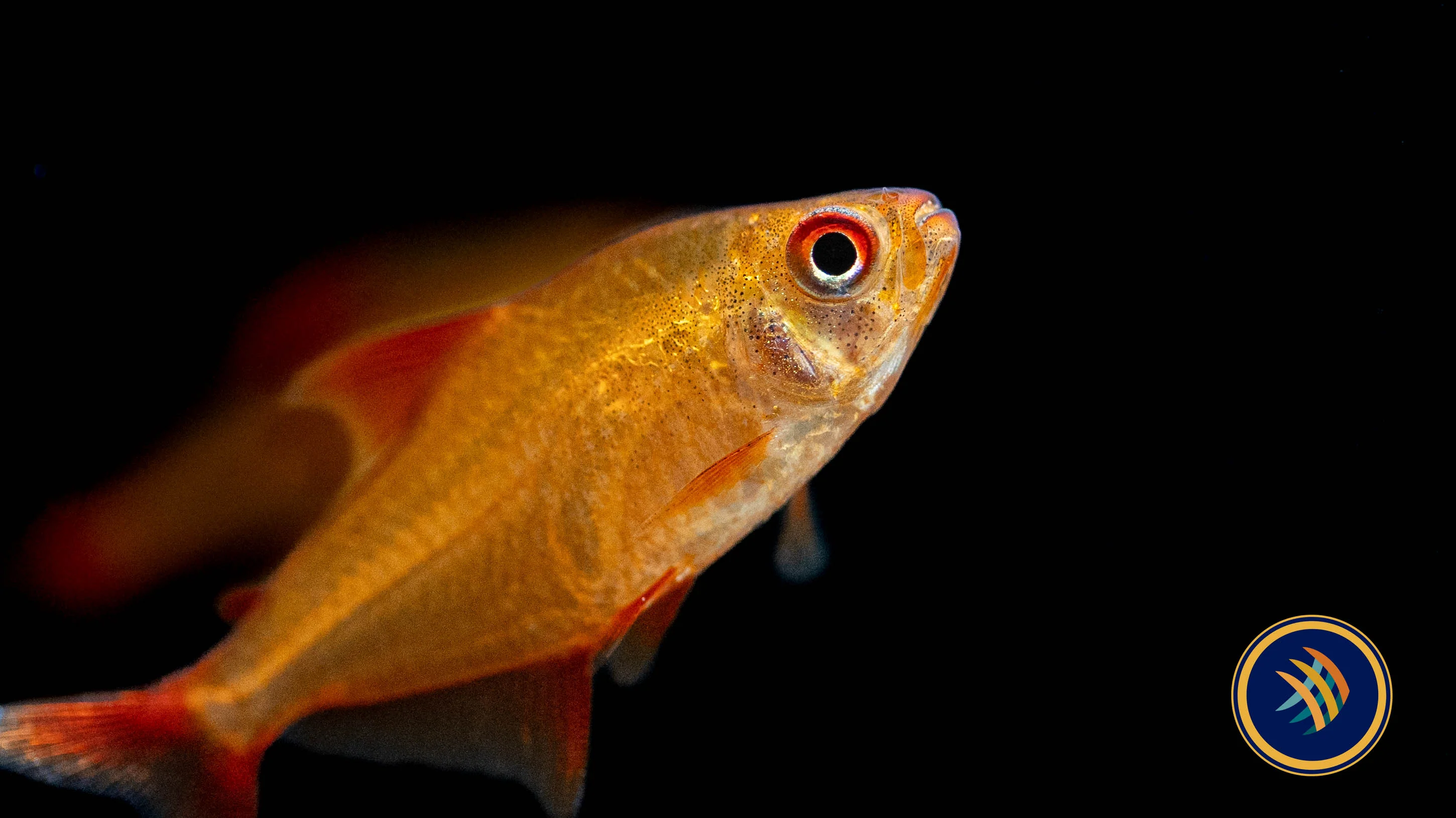
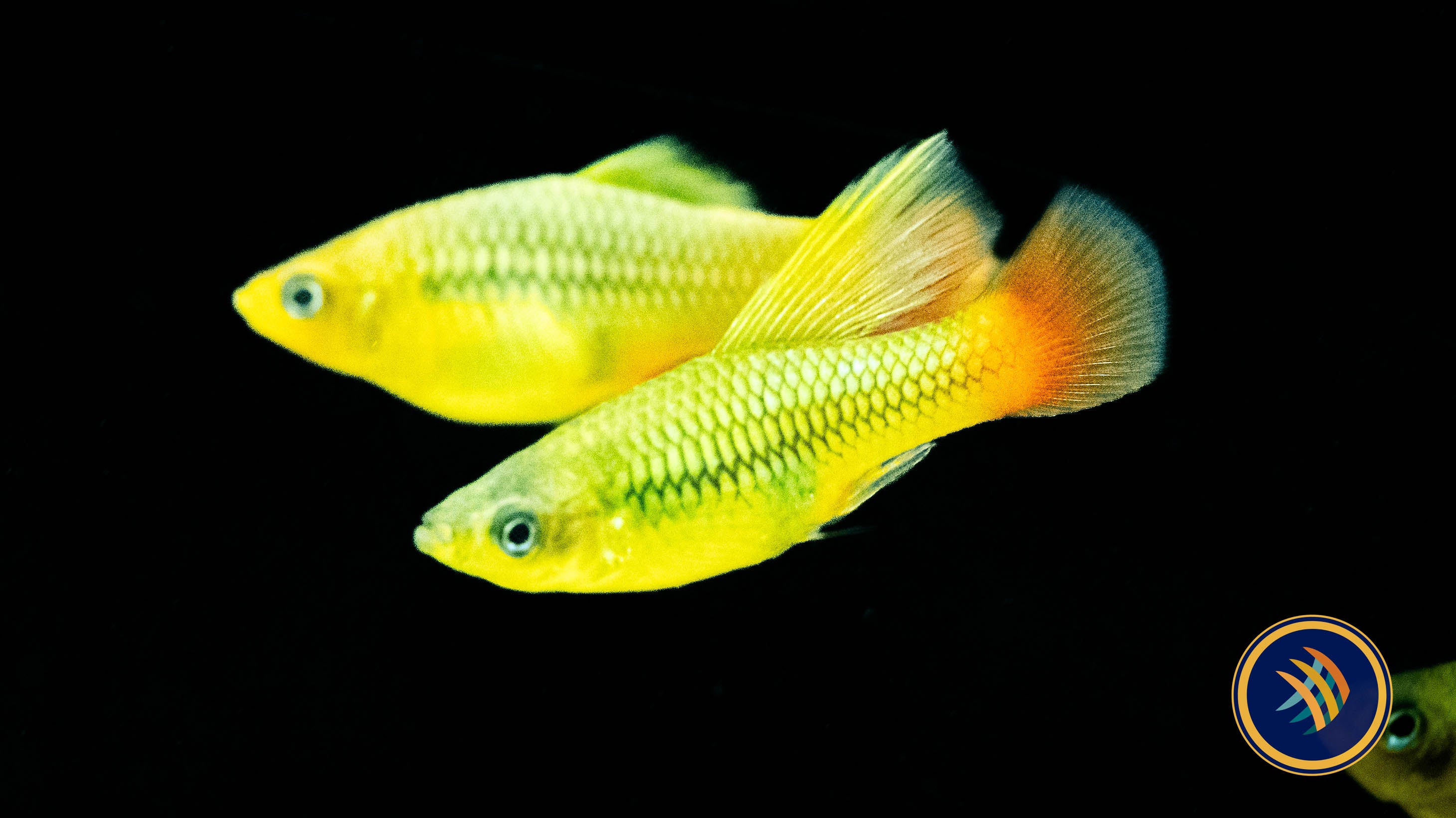
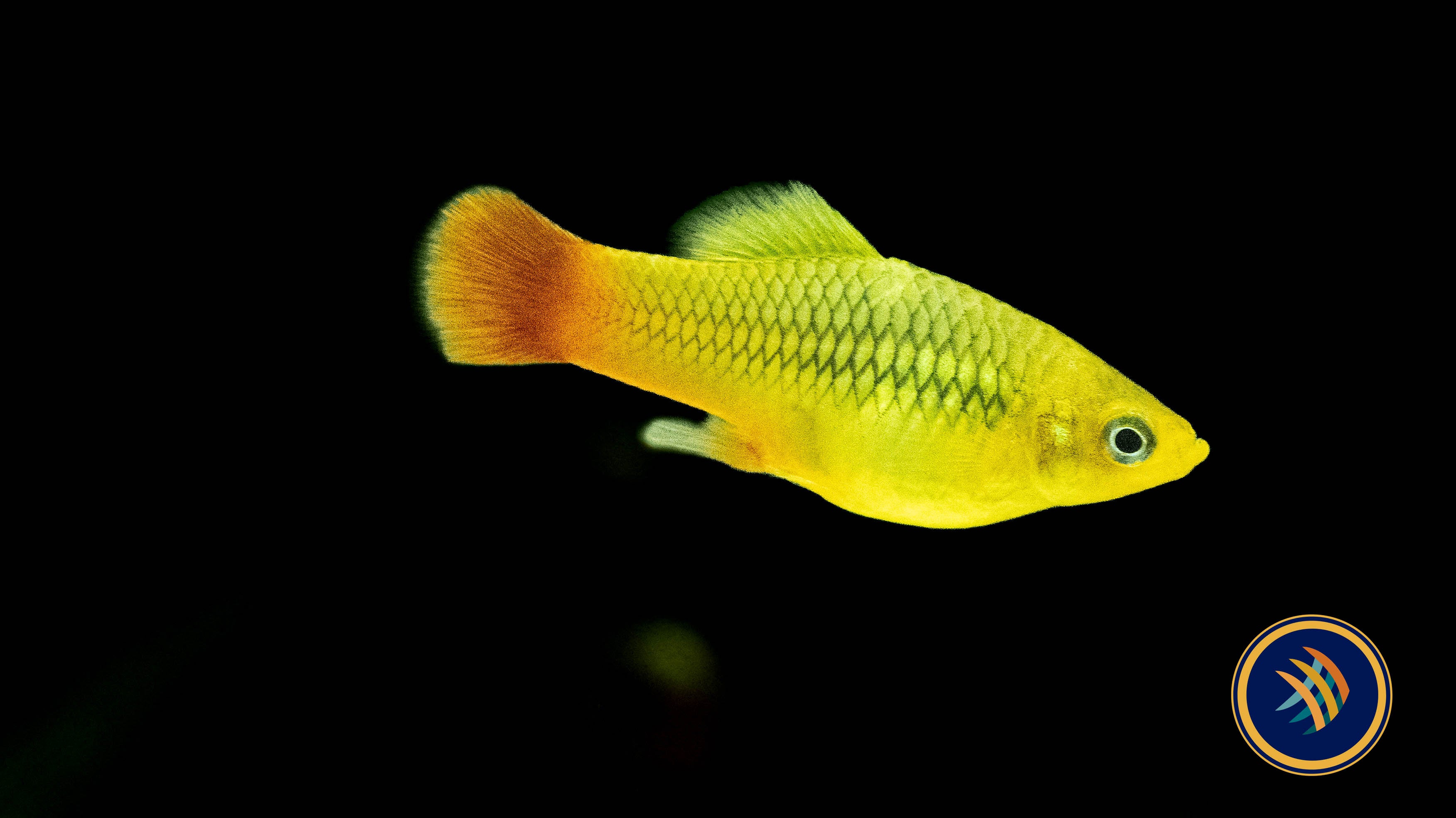
Blue‑green Lampeye Killifish (Procatopus aberrans) Wild - Large - Aquarium Glaser
Procatopus aberrans
Common name: Blue‑green Lampeye
Family: Procatopodidae (African lampeyes / killifish)
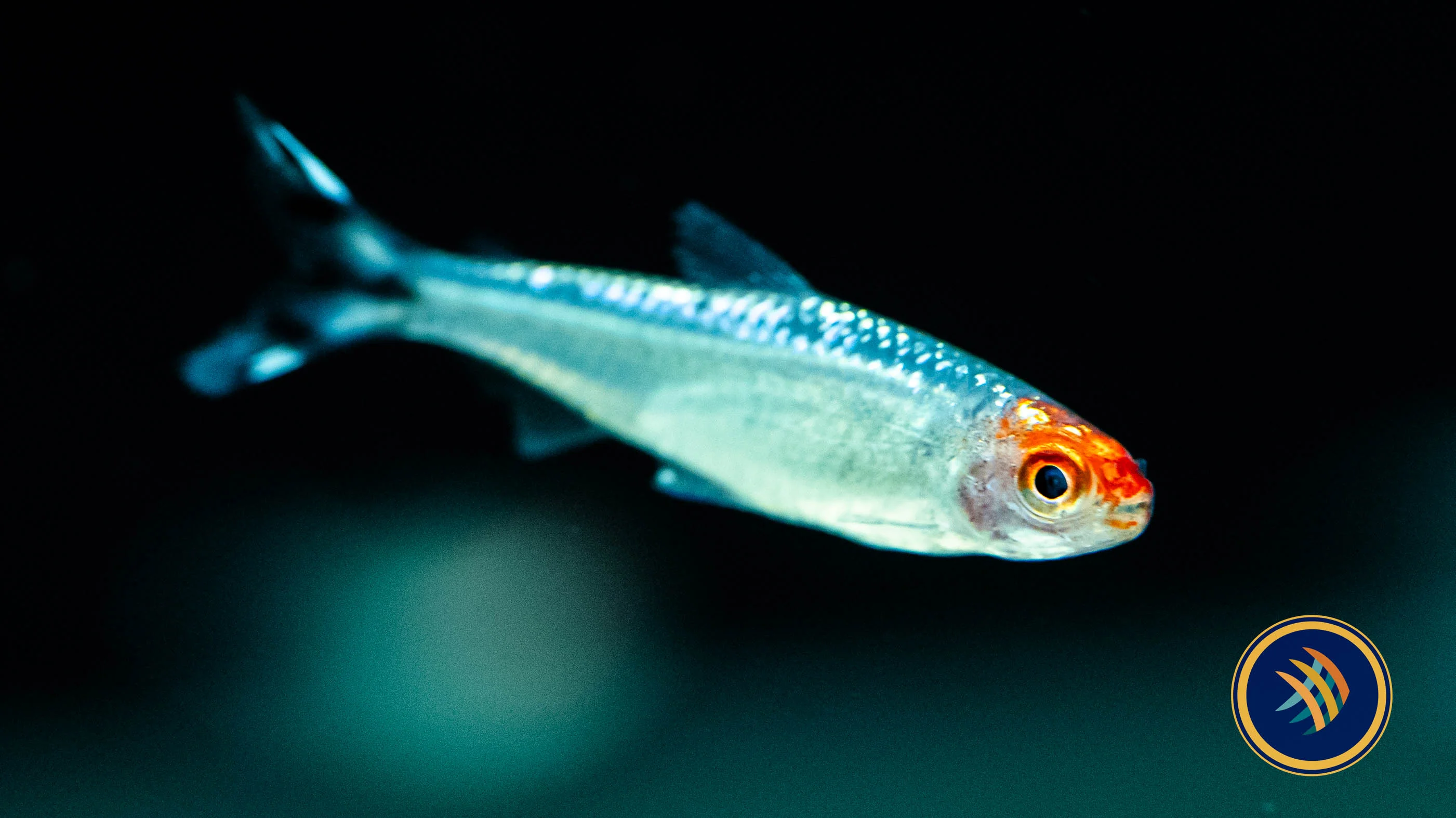
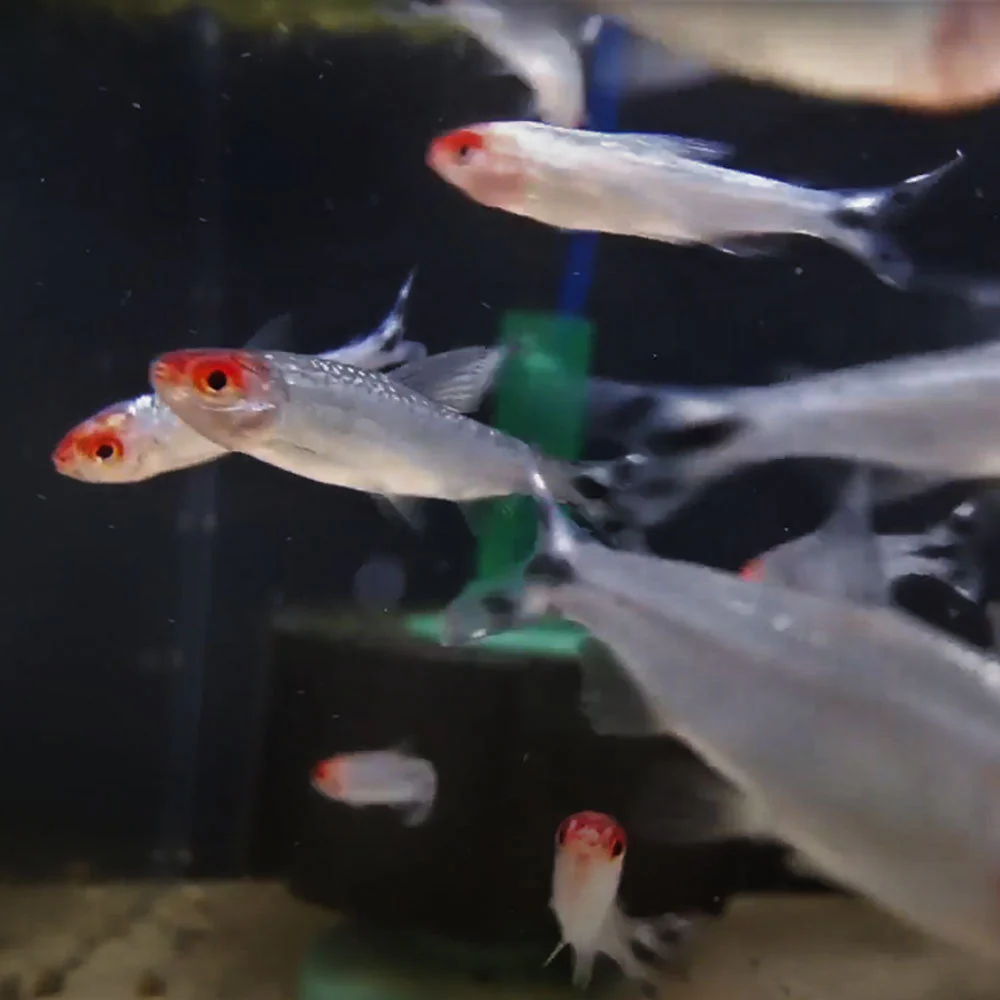
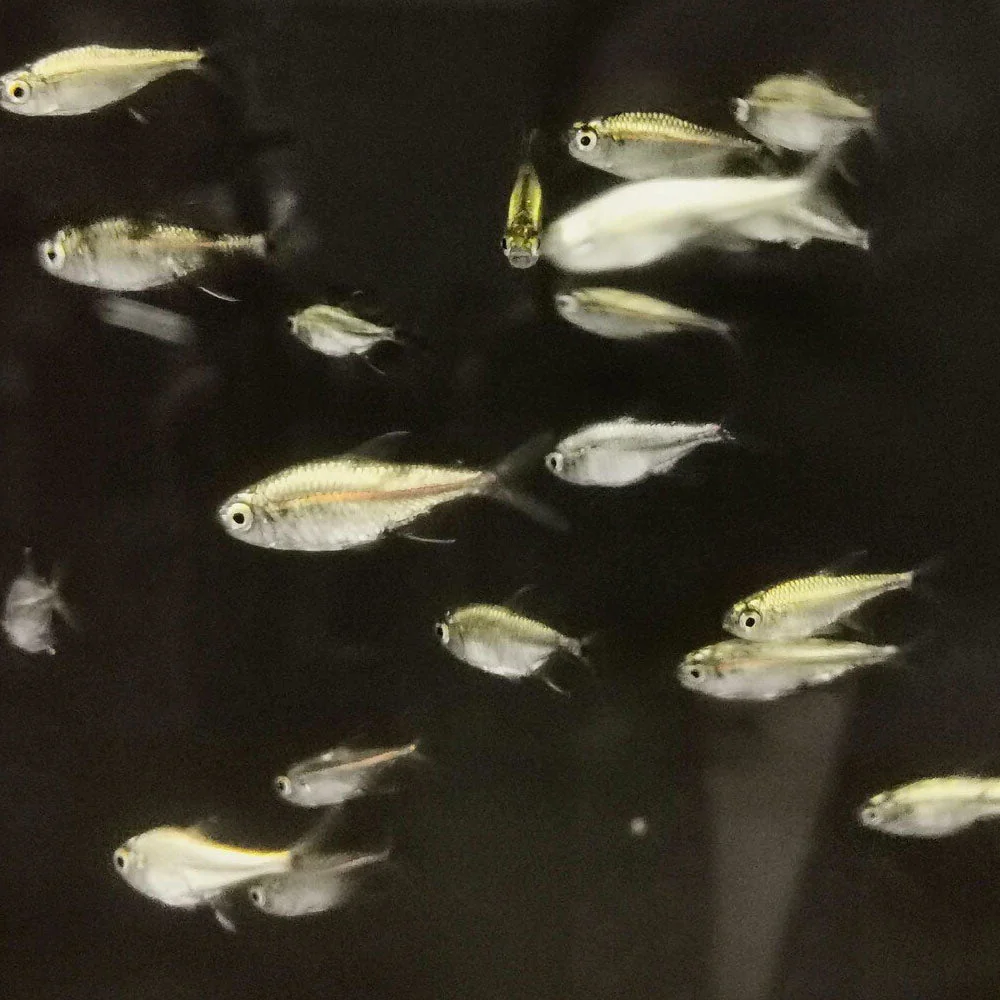
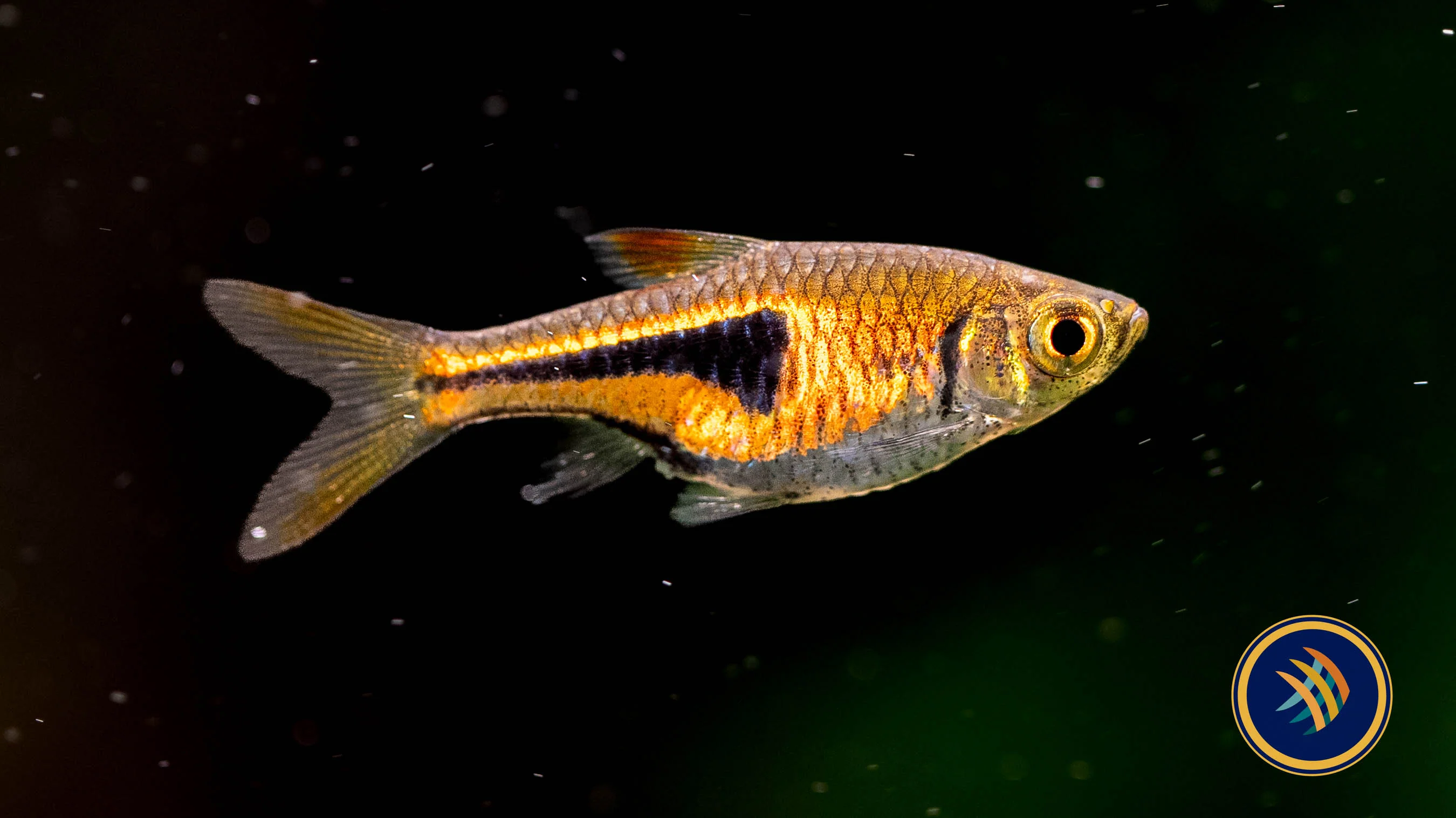
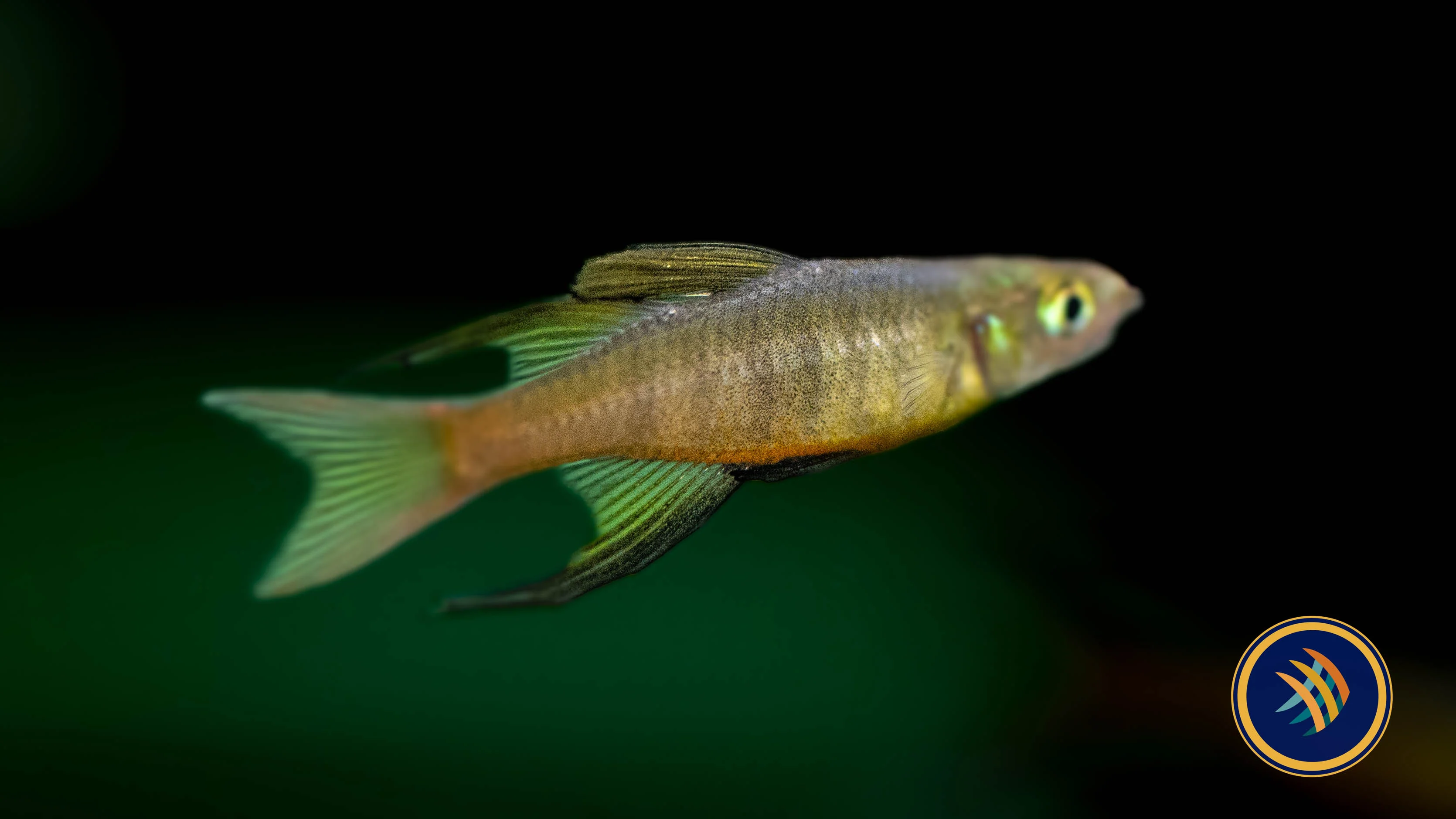
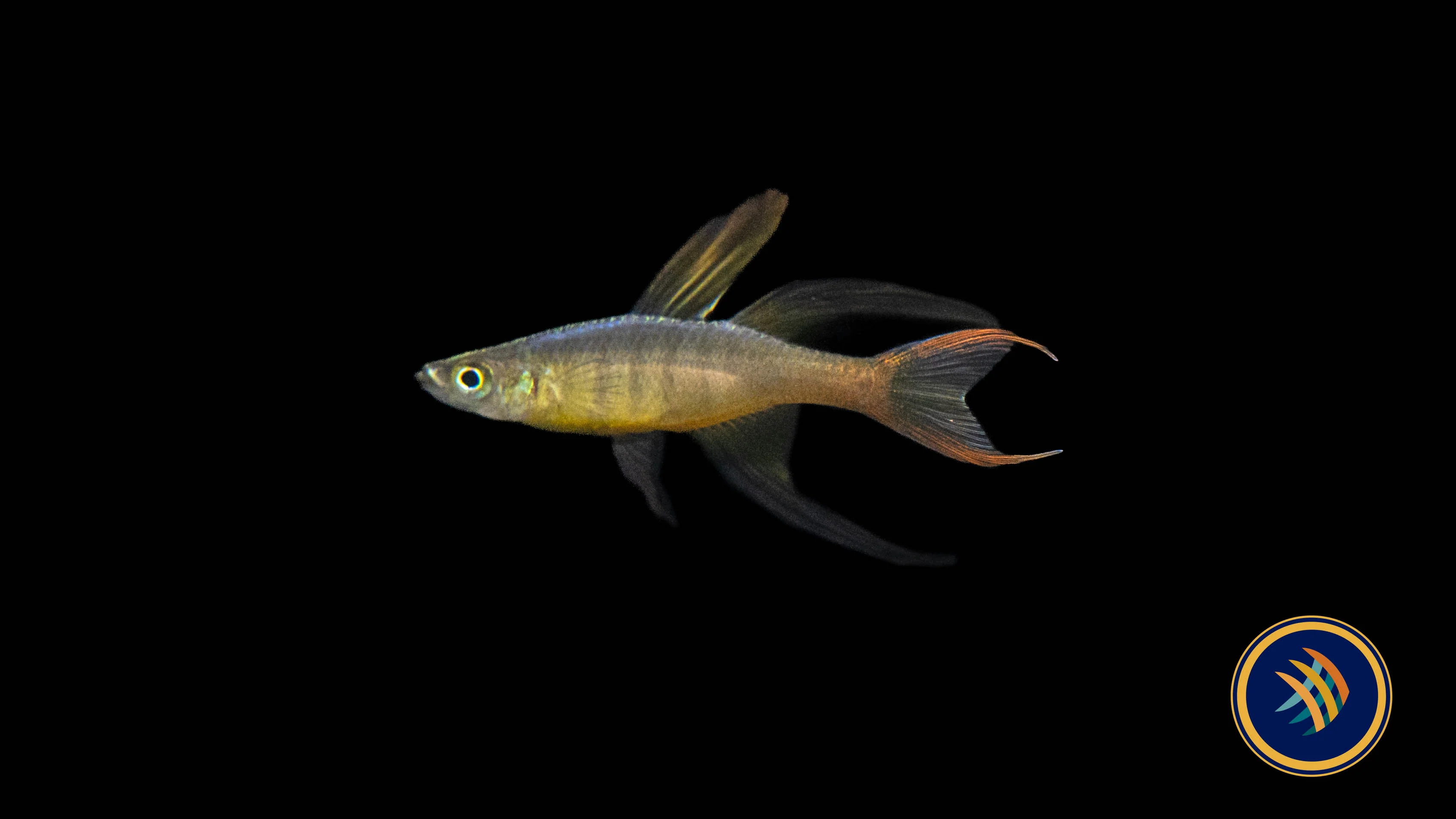
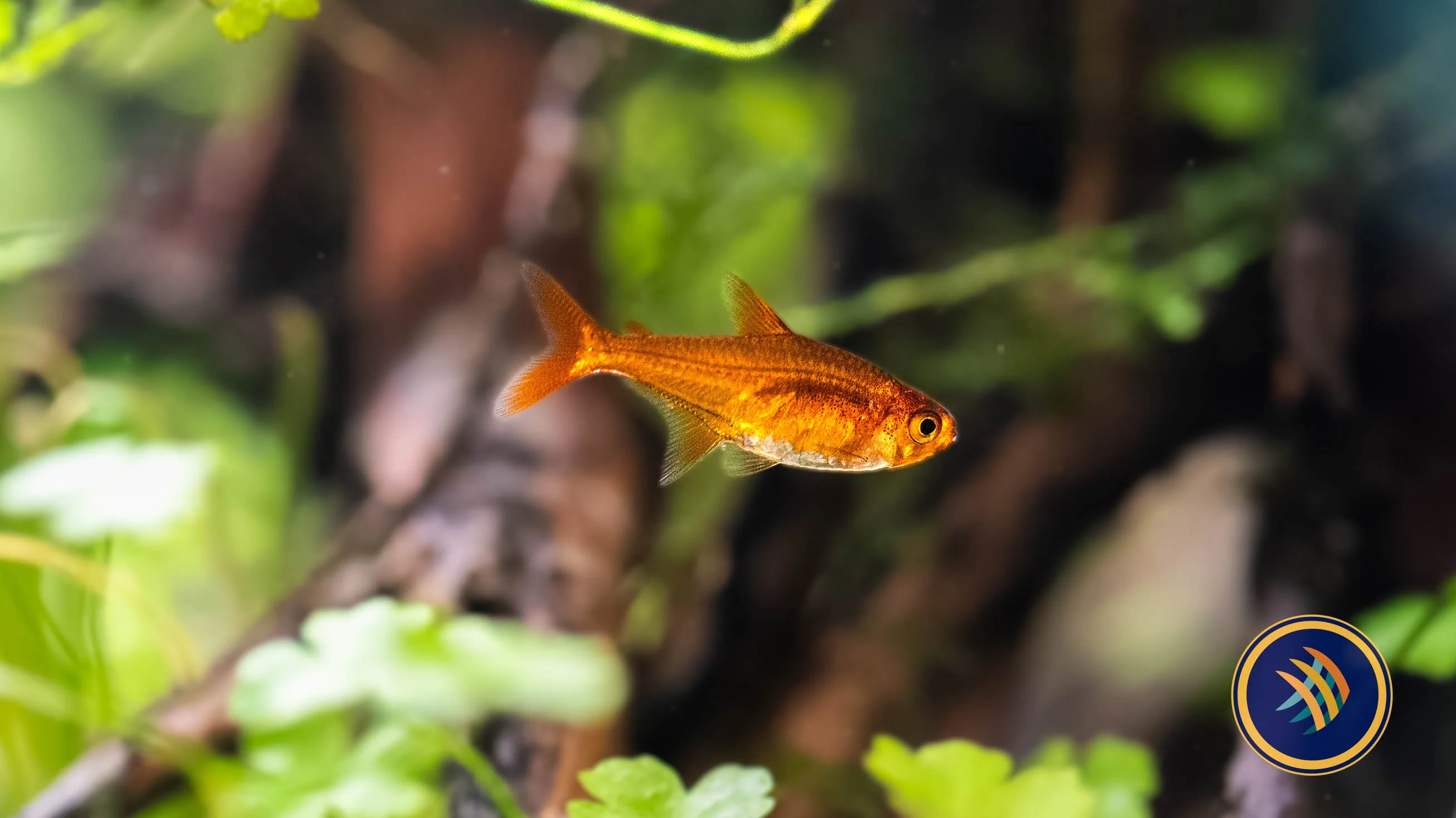
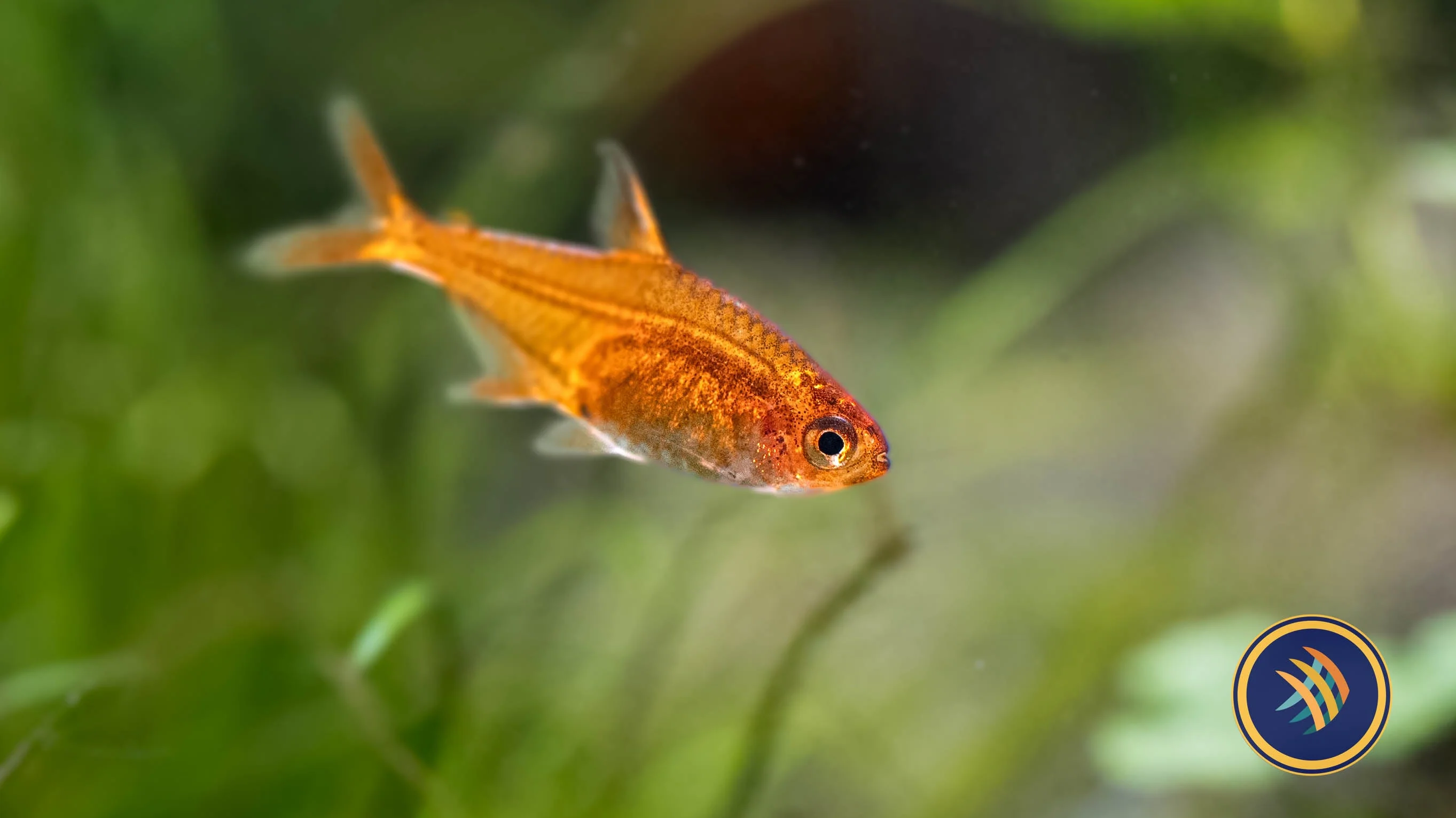
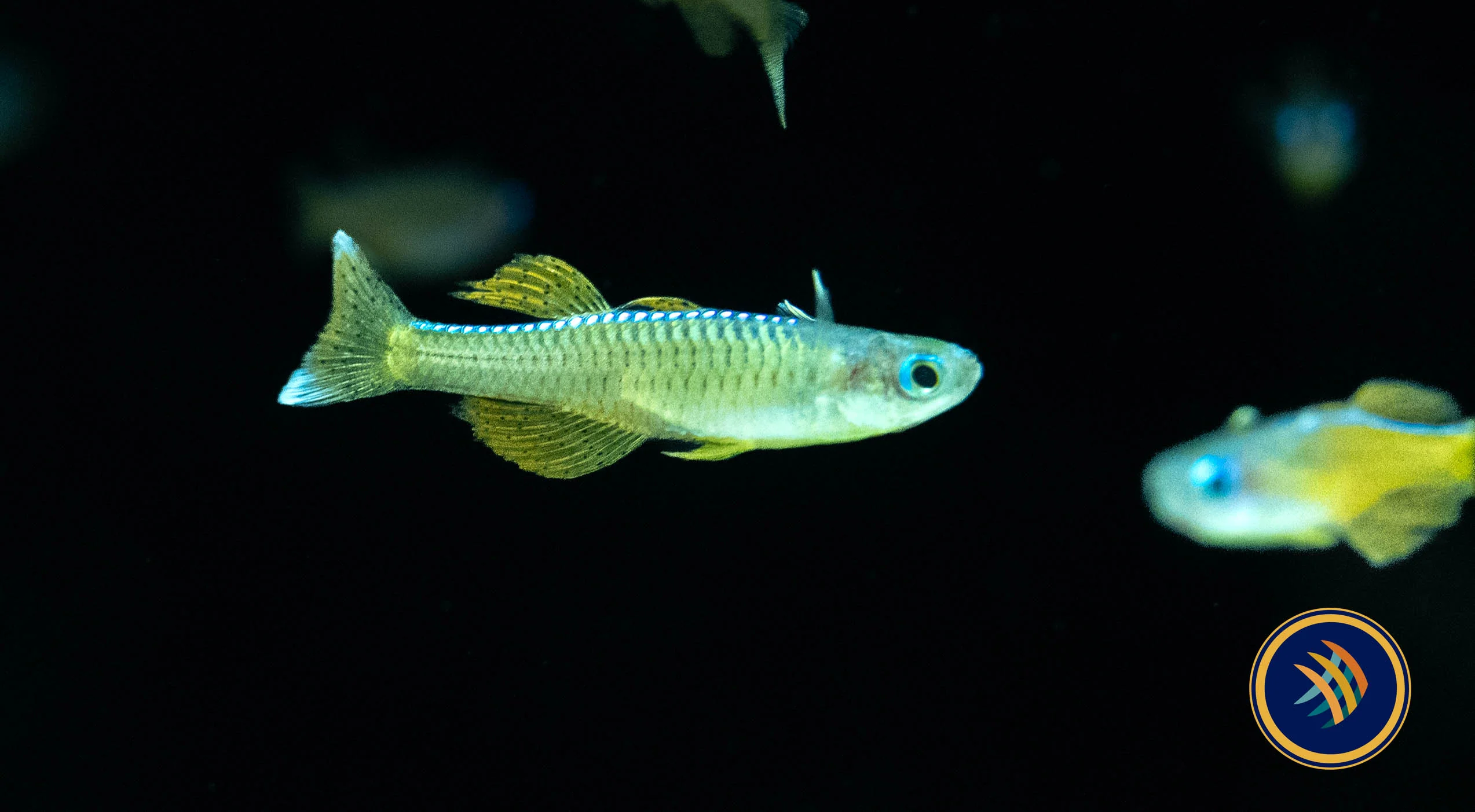
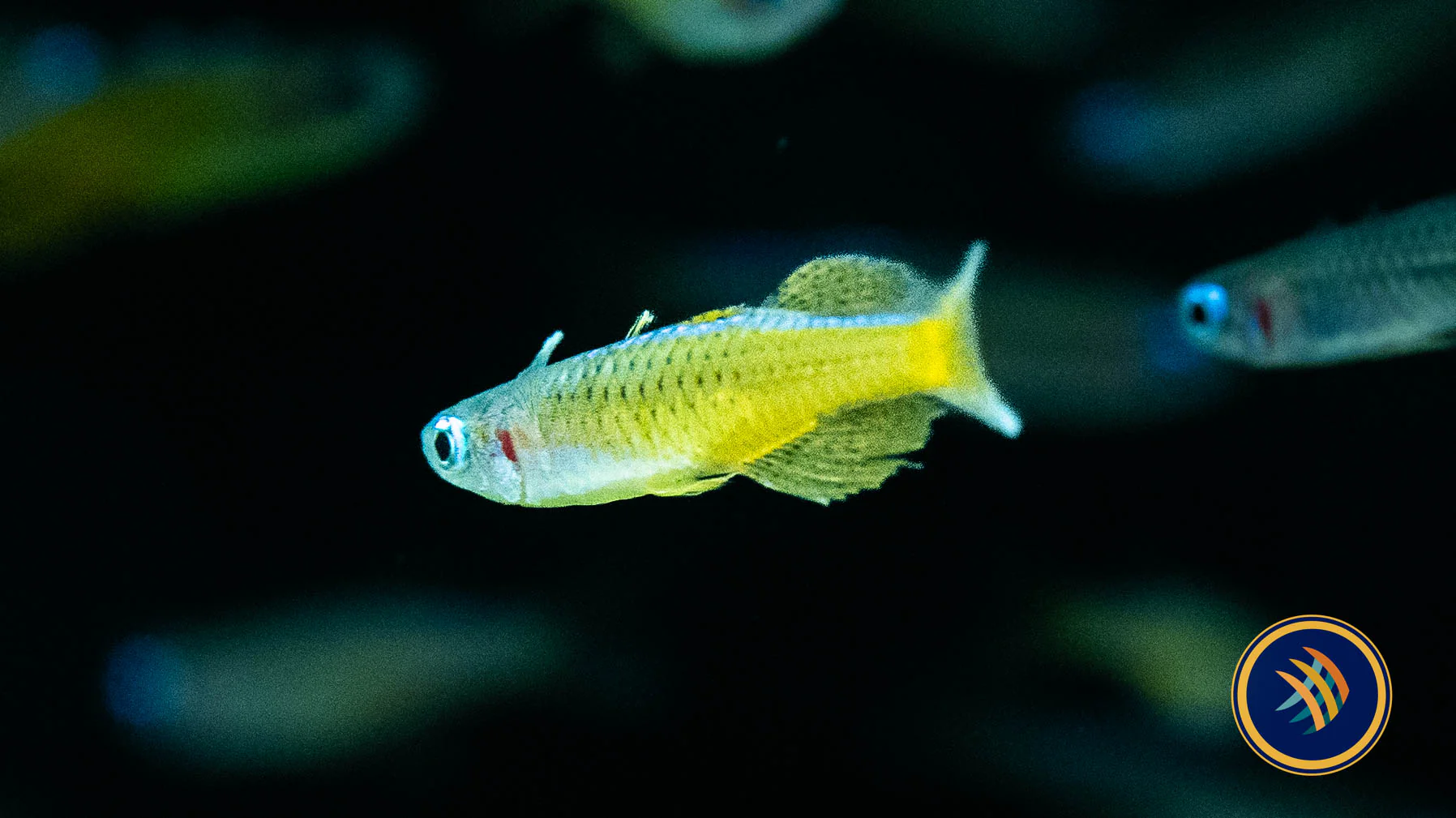
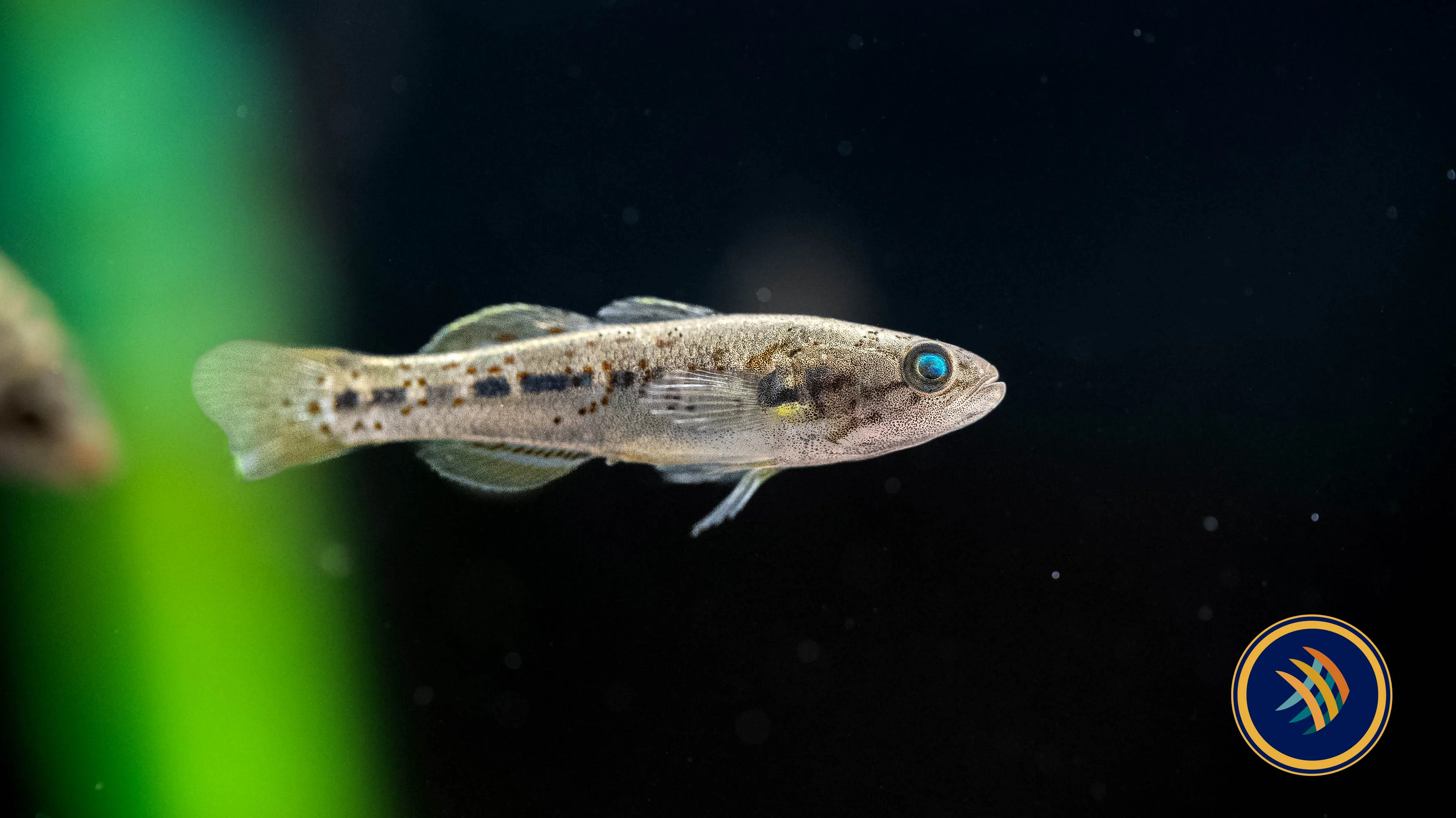
Procatopus aberrans is a striking West African lampeye killifish, best known for its brilliant reflective “lamp” eyes and metallic blue‑green sheen along the flanks. It’s a peaceful schooling species, but more demanding than most common lampeyes and best suited to well‑maintained aquaria.
Identification & Appearance
- Body shape: Slender, torpedo‑shaped, built for current
- Colour: Pale silver to light olive base with intense blue‑green iridescence along the sides
- Eyes: Distinctive reflective spot in the upper iris (“lampeye”)
- Fins: Males often show elongated anal/caudal rays with red, pink, or orange highlights
- Sexual dimorphism: Males are larger, brighter, and more colourful than females
Natural Distribution & Habitat
- Countries: Nigeria and Cameroon
- Habitat: Rainforest streams and forest–savannah transition zones
- Water type: Clear to lightly tannin‑stained streams with moderate current and high oxygen
- Substrate: Laterite, clay, stones, leaf litter; sparse aquatic plants
In the wild, P. aberrans is often found schooling in flowing sections of small rivers and creeks under forest cover.
Size & Lifespan
-
Adult size:
- Males: ~5–5.5 cm (2–2.2 in)
- Females: slightly smaller
- Lifespan: Commonly 3–5 years in aquaria with excellent care
Claims of very large sizes (8–12 cm) sometimes appear online but are not supported by ichthyological or hobby references.
Ideal Water Parameters
| Parameter | Recommended |
|---|---|
| Temperature | 22–26 °C (72–79 °F) |
| pH | 6.5–7.5 |
| Hardness | Soft to moderately hard |
| Flow | Moderate |
| Oxygen | High (strongly recommended) |
They are sensitive to nitrogenous waste, so pristine water quality is critical.
Aquarium Setup
- Minimum tank size: ~75 L / 20 gal
- Group size: 6–10 specimens (schooling fish)
- Substrate: Dark sand or fine gravel
- Décor: Driftwood, rocks, dense side/background planting
- Flow: Added current via powerhead or directional filter return
- Cover: Tight‑fitting lid – strong jumpers
A longer tank footprint is preferred over height to allow for natural schooling behavior.
Diet
Omnivorous, with a strong preference for small live foods
- Live/frozen: Daphnia, baby brine shrimp, mosquito larvae, bloodworms
- Dry foods: High‑quality flake or micro‑pellets (supplemental)
Regular live or frozen food greatly enhances colour and condition.
Temperament & Compatibility
- Temperament: Peaceful
-
Best kept with:
Other gentle, similarly sized fish (small tetras, non‑aggressive lampeyes) -
Avoid:
Boisterous fish, fin‑nippers, or species that outcompete them for food
Despite their calm nature, many experienced keepers prefer species‑only tanks due to their sensitivity and value.
Breeding Notes
- Reproductive type: Non‑annual killifish
- Spawning method: Eggs deposited into crevices (mops, cork, foam)
- Egg production: ~10–20 eggs per female per week
- Incubation: ~14–15 days at ~24 °C
- Fry: Very small; first foods include vinegar eels and microworms
Breeding is possible but considered moderately challenging, with fry being sensitive to sudden water changes.
Original: $21.92
-65%$21.92
$7.67Product Information
Product Information
Shipping & Returns
Shipping & Returns
Description
Procatopus aberrans
Common name: Blue‑green Lampeye
Family: Procatopodidae (African lampeyes / killifish)
Procatopus aberrans is a striking West African lampeye killifish, best known for its brilliant reflective “lamp” eyes and metallic blue‑green sheen along the flanks. It’s a peaceful schooling species, but more demanding than most common lampeyes and best suited to well‑maintained aquaria.
Identification & Appearance
- Body shape: Slender, torpedo‑shaped, built for current
- Colour: Pale silver to light olive base with intense blue‑green iridescence along the sides
- Eyes: Distinctive reflective spot in the upper iris (“lampeye”)
- Fins: Males often show elongated anal/caudal rays with red, pink, or orange highlights
- Sexual dimorphism: Males are larger, brighter, and more colourful than females
Natural Distribution & Habitat
- Countries: Nigeria and Cameroon
- Habitat: Rainforest streams and forest–savannah transition zones
- Water type: Clear to lightly tannin‑stained streams with moderate current and high oxygen
- Substrate: Laterite, clay, stones, leaf litter; sparse aquatic plants
In the wild, P. aberrans is often found schooling in flowing sections of small rivers and creeks under forest cover.
Size & Lifespan
-
Adult size:
- Males: ~5–5.5 cm (2–2.2 in)
- Females: slightly smaller
- Lifespan: Commonly 3–5 years in aquaria with excellent care
Claims of very large sizes (8–12 cm) sometimes appear online but are not supported by ichthyological or hobby references.
Ideal Water Parameters
| Parameter | Recommended |
|---|---|
| Temperature | 22–26 °C (72–79 °F) |
| pH | 6.5–7.5 |
| Hardness | Soft to moderately hard |
| Flow | Moderate |
| Oxygen | High (strongly recommended) |
They are sensitive to nitrogenous waste, so pristine water quality is critical.
Aquarium Setup
- Minimum tank size: ~75 L / 20 gal
- Group size: 6–10 specimens (schooling fish)
- Substrate: Dark sand or fine gravel
- Décor: Driftwood, rocks, dense side/background planting
- Flow: Added current via powerhead or directional filter return
- Cover: Tight‑fitting lid – strong jumpers
A longer tank footprint is preferred over height to allow for natural schooling behavior.
Diet
Omnivorous, with a strong preference for small live foods
- Live/frozen: Daphnia, baby brine shrimp, mosquito larvae, bloodworms
- Dry foods: High‑quality flake or micro‑pellets (supplemental)
Regular live or frozen food greatly enhances colour and condition.
Temperament & Compatibility
- Temperament: Peaceful
-
Best kept with:
Other gentle, similarly sized fish (small tetras, non‑aggressive lampeyes) -
Avoid:
Boisterous fish, fin‑nippers, or species that outcompete them for food
Despite their calm nature, many experienced keepers prefer species‑only tanks due to their sensitivity and value.
Breeding Notes
- Reproductive type: Non‑annual killifish
- Spawning method: Eggs deposited into crevices (mops, cork, foam)
- Egg production: ~10–20 eggs per female per week
- Incubation: ~14–15 days at ~24 °C
- Fry: Very small; first foods include vinegar eels and microworms
Breeding is possible but considered moderately challenging, with fry being sensitive to sudden water changes.