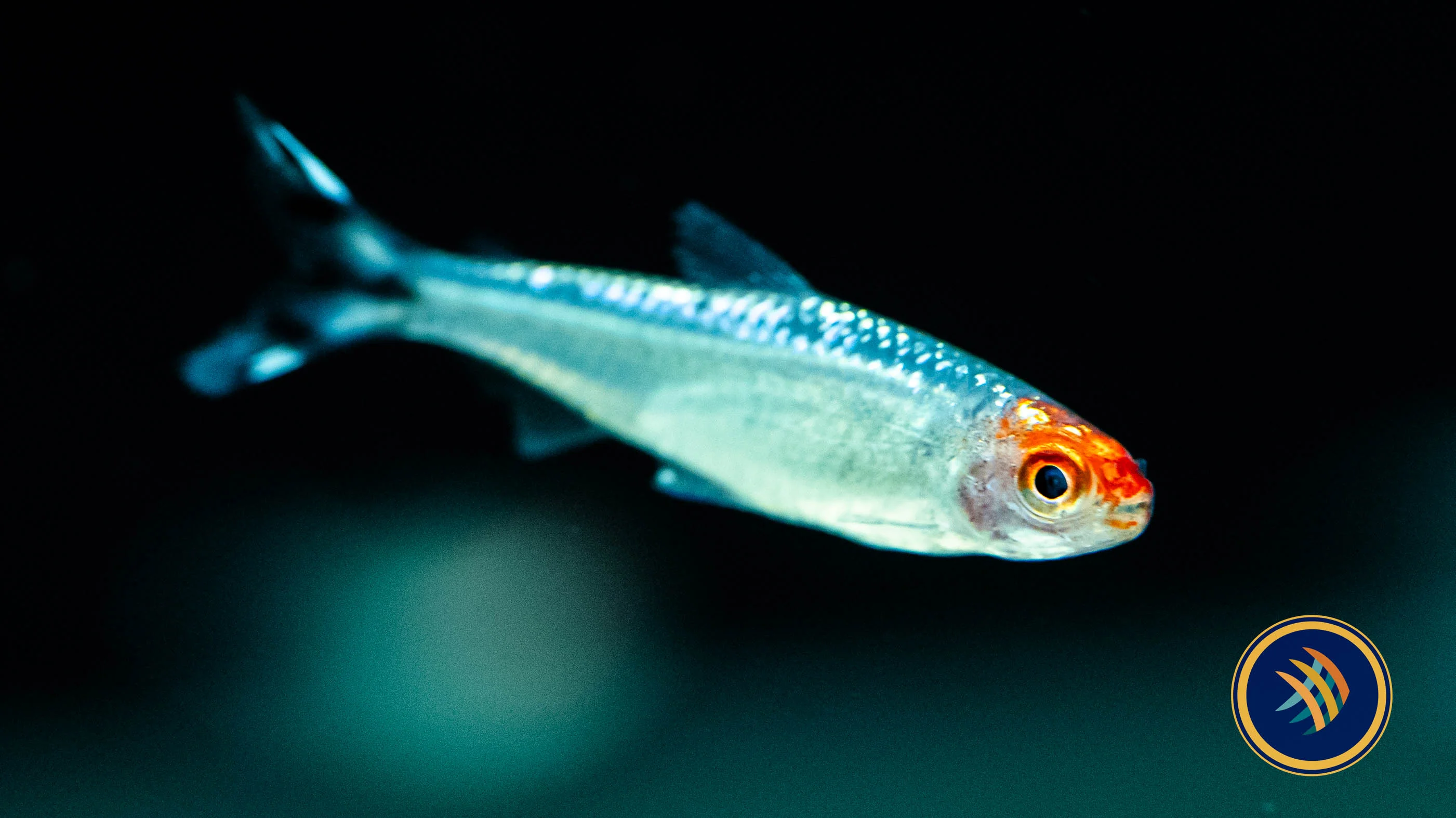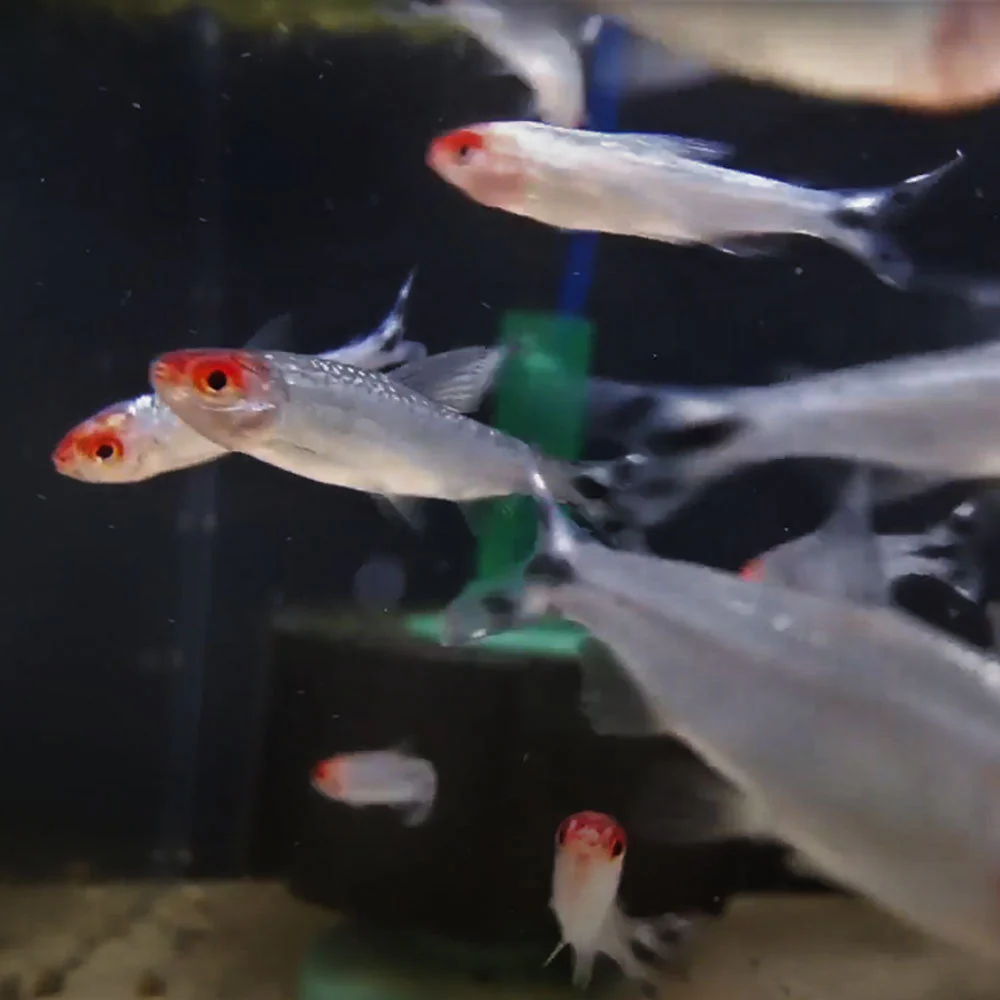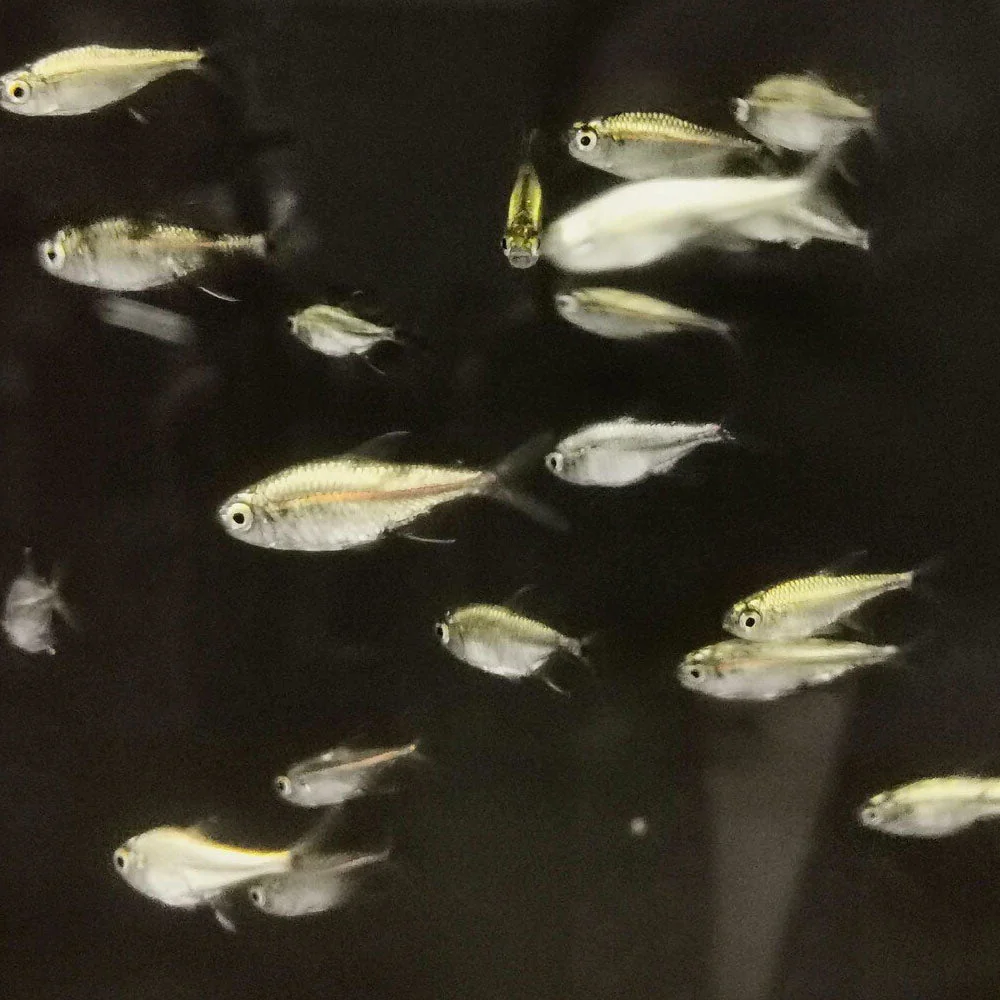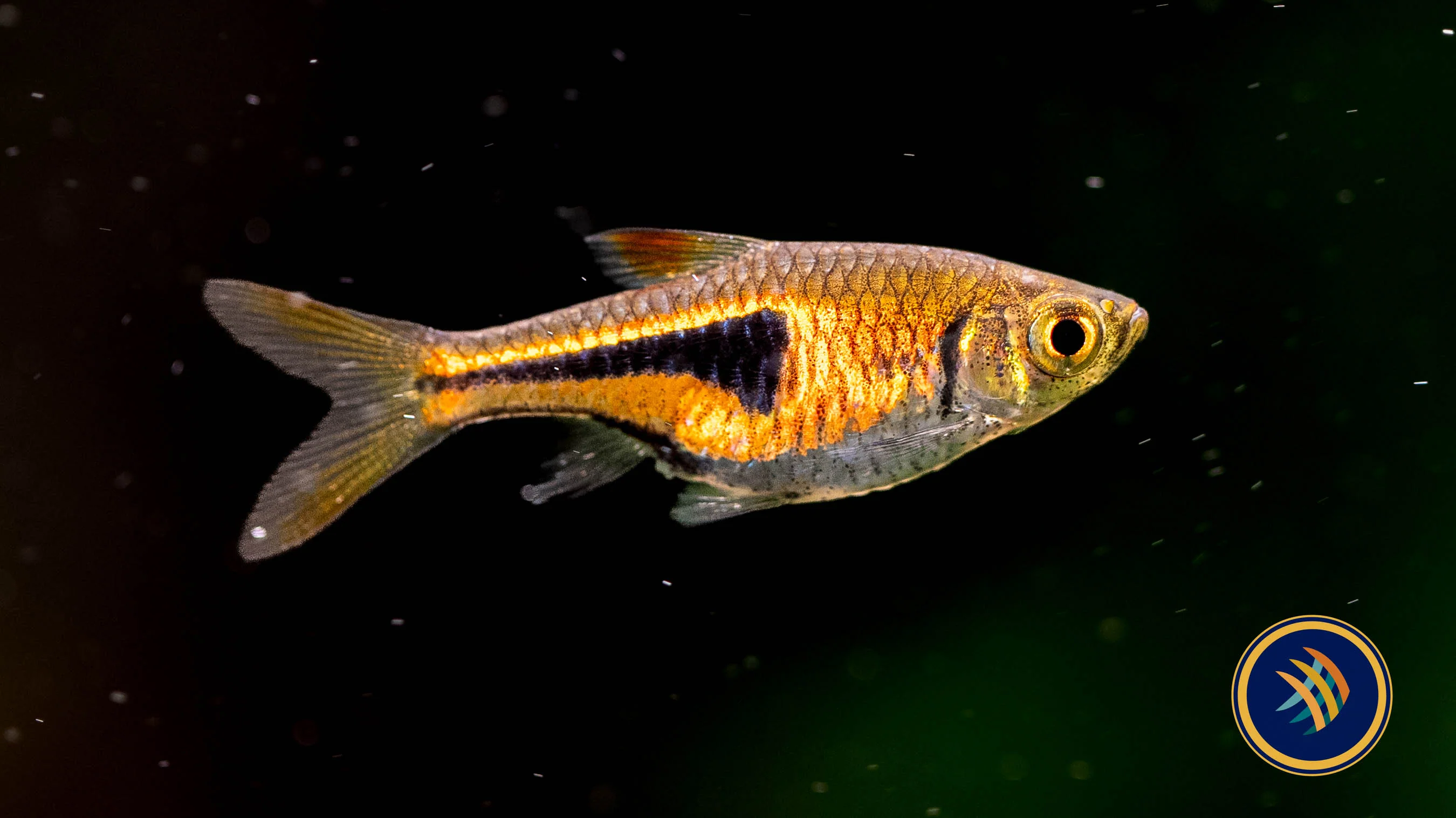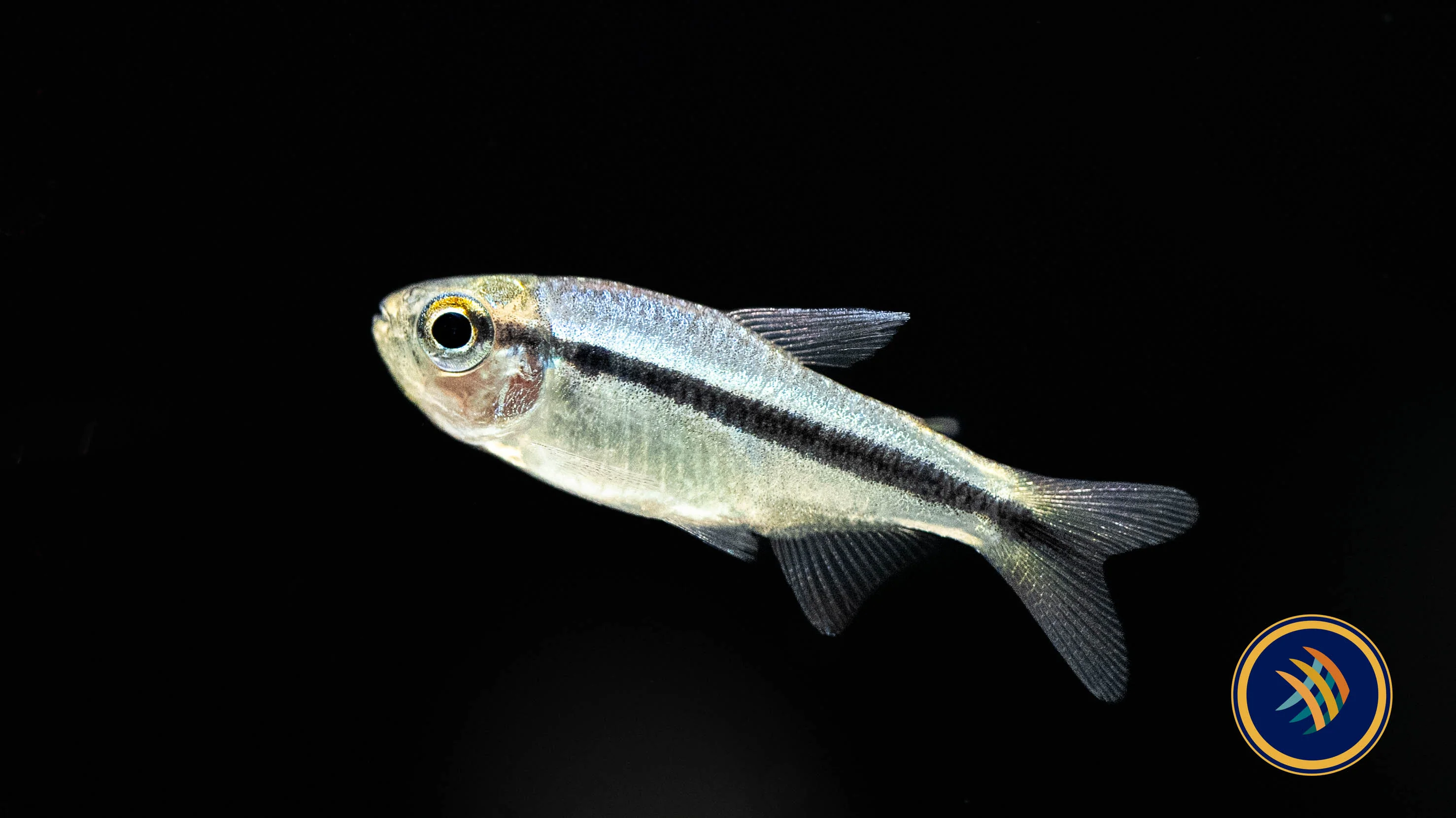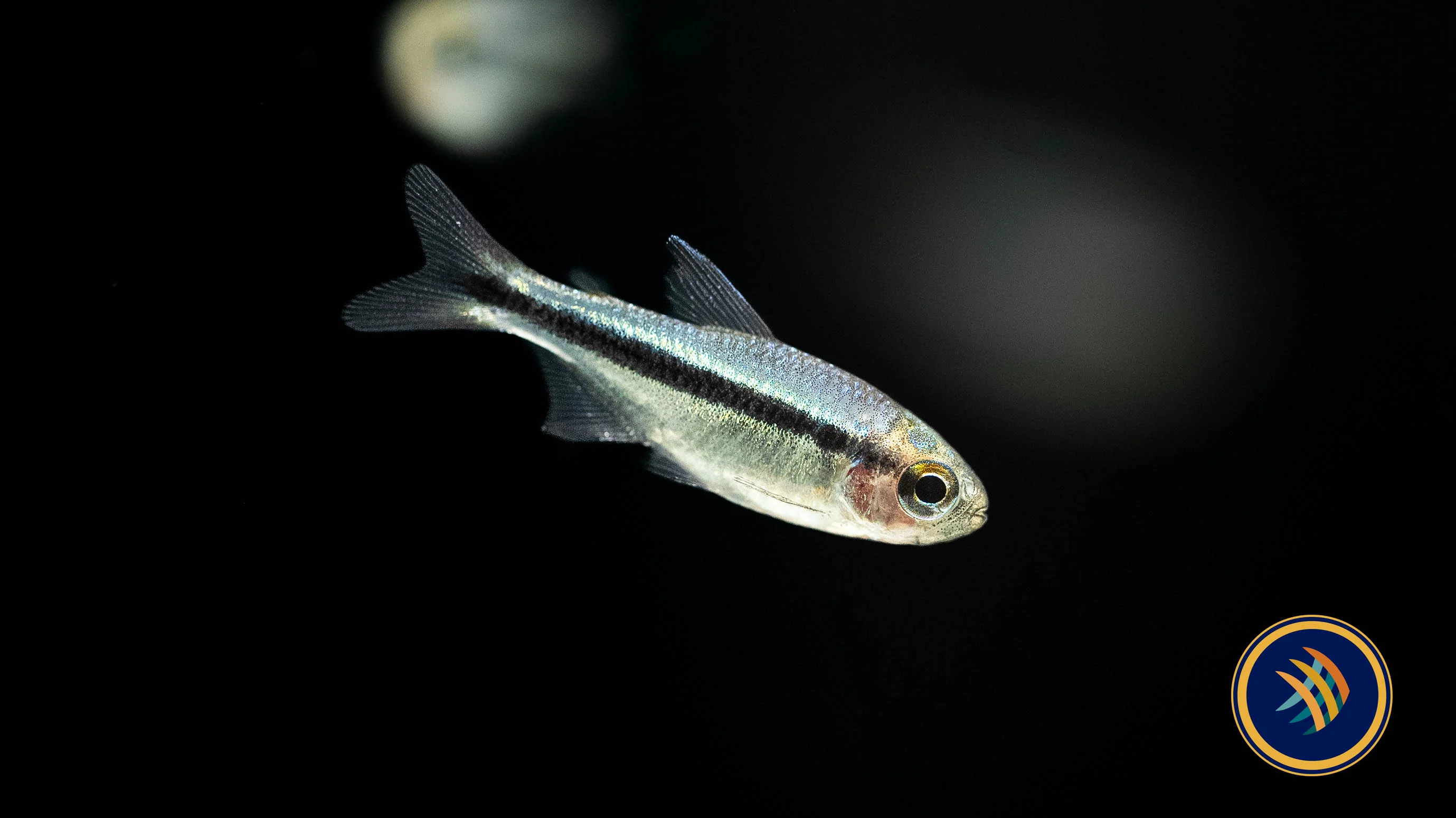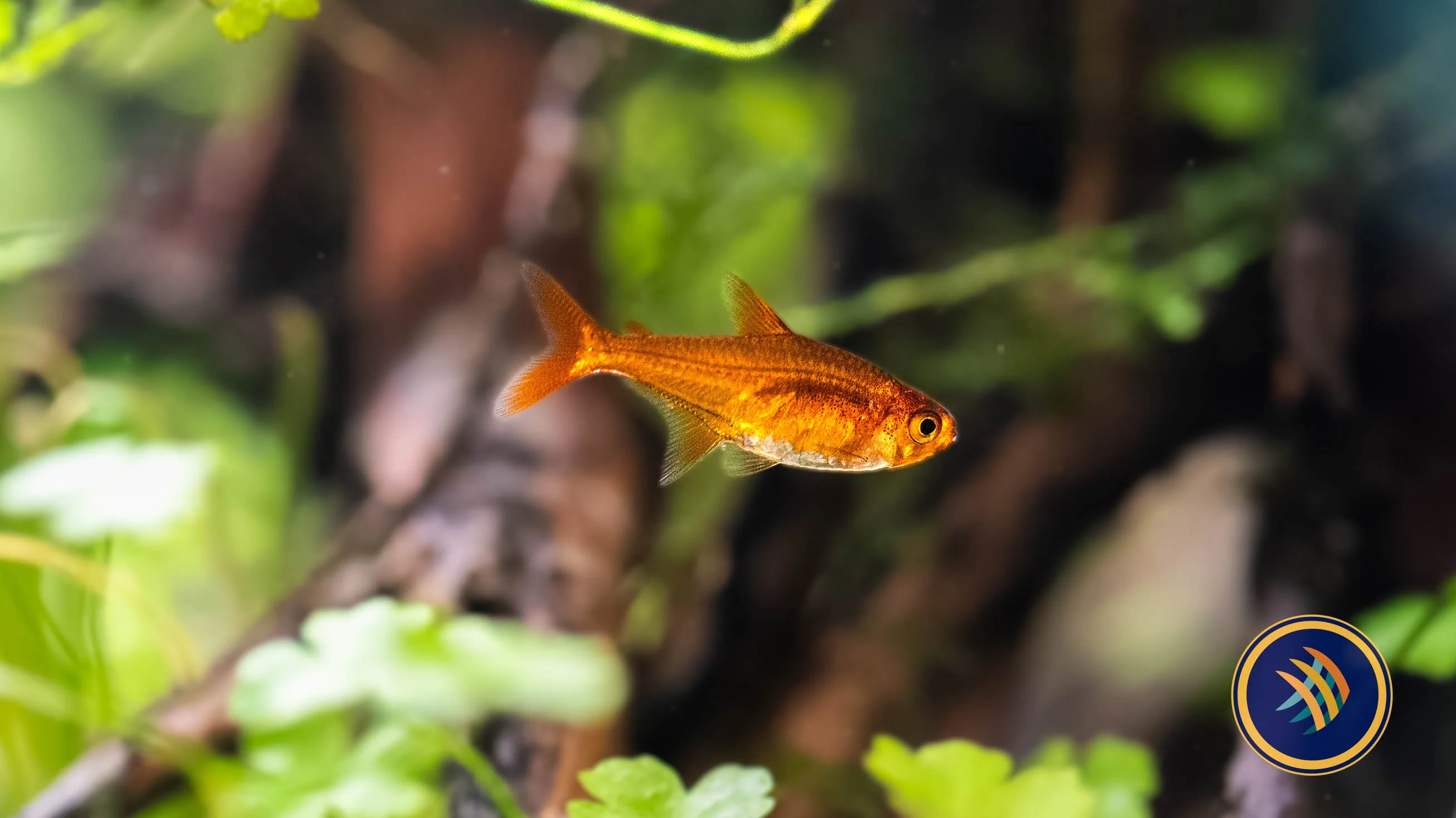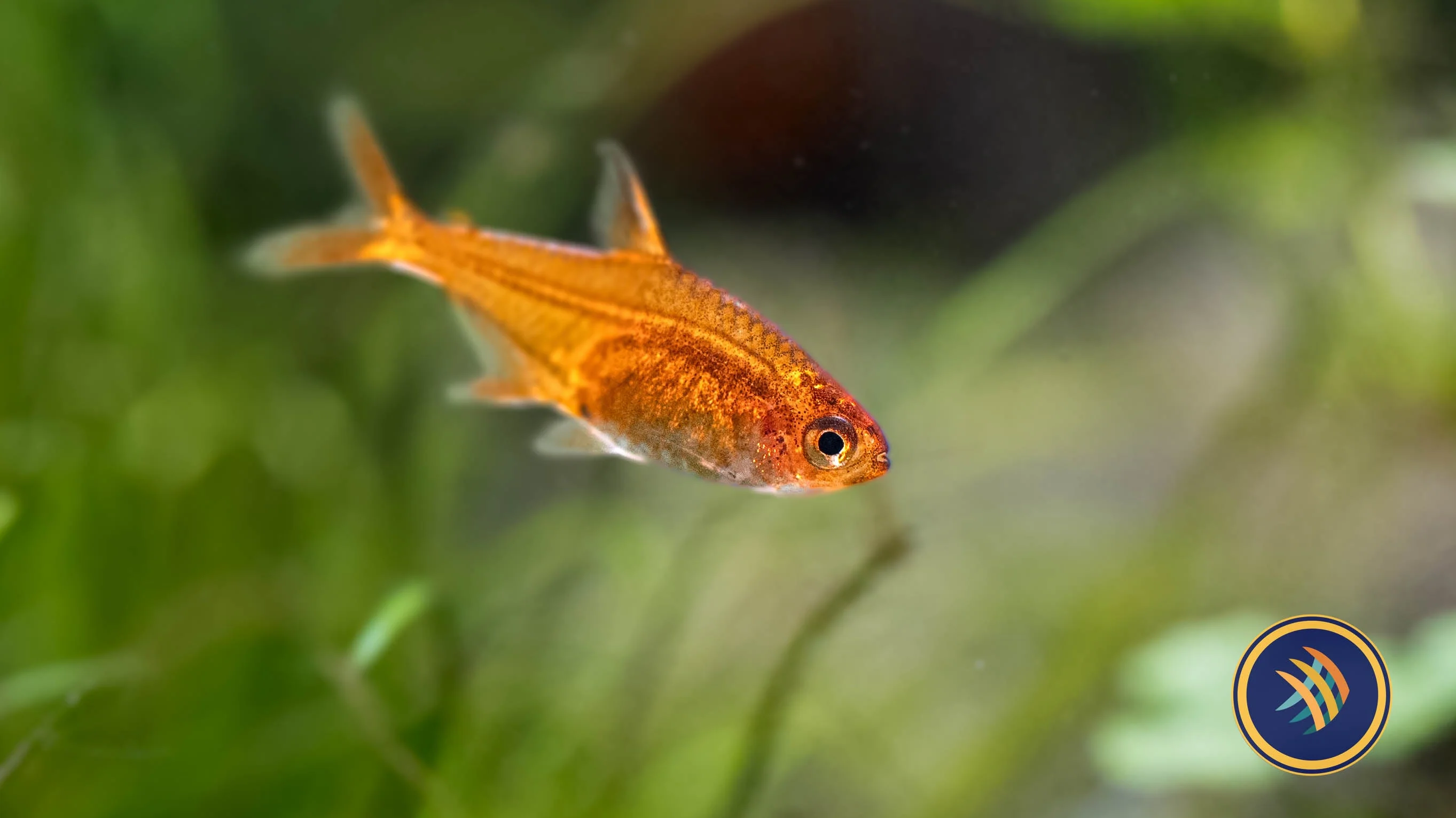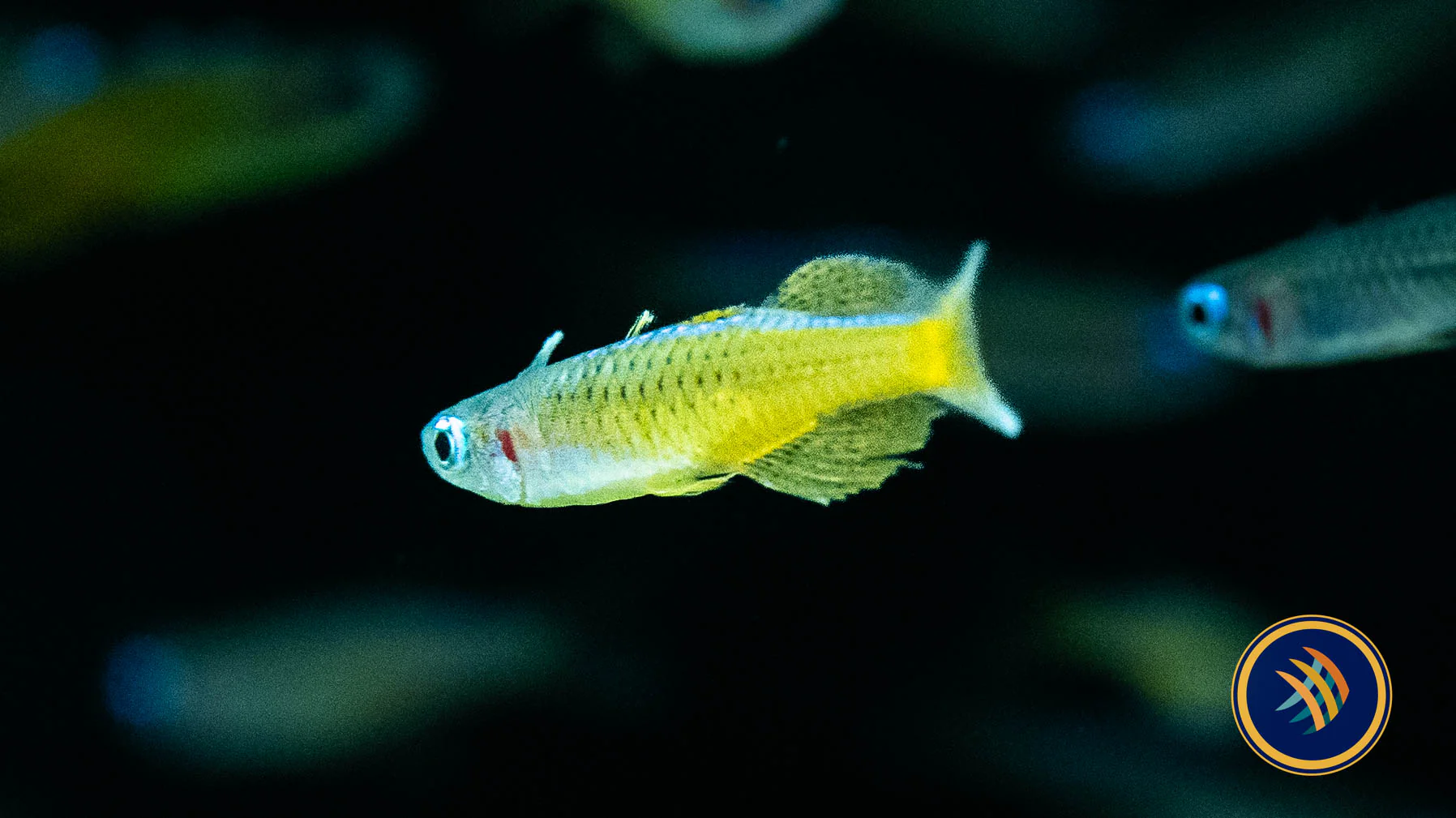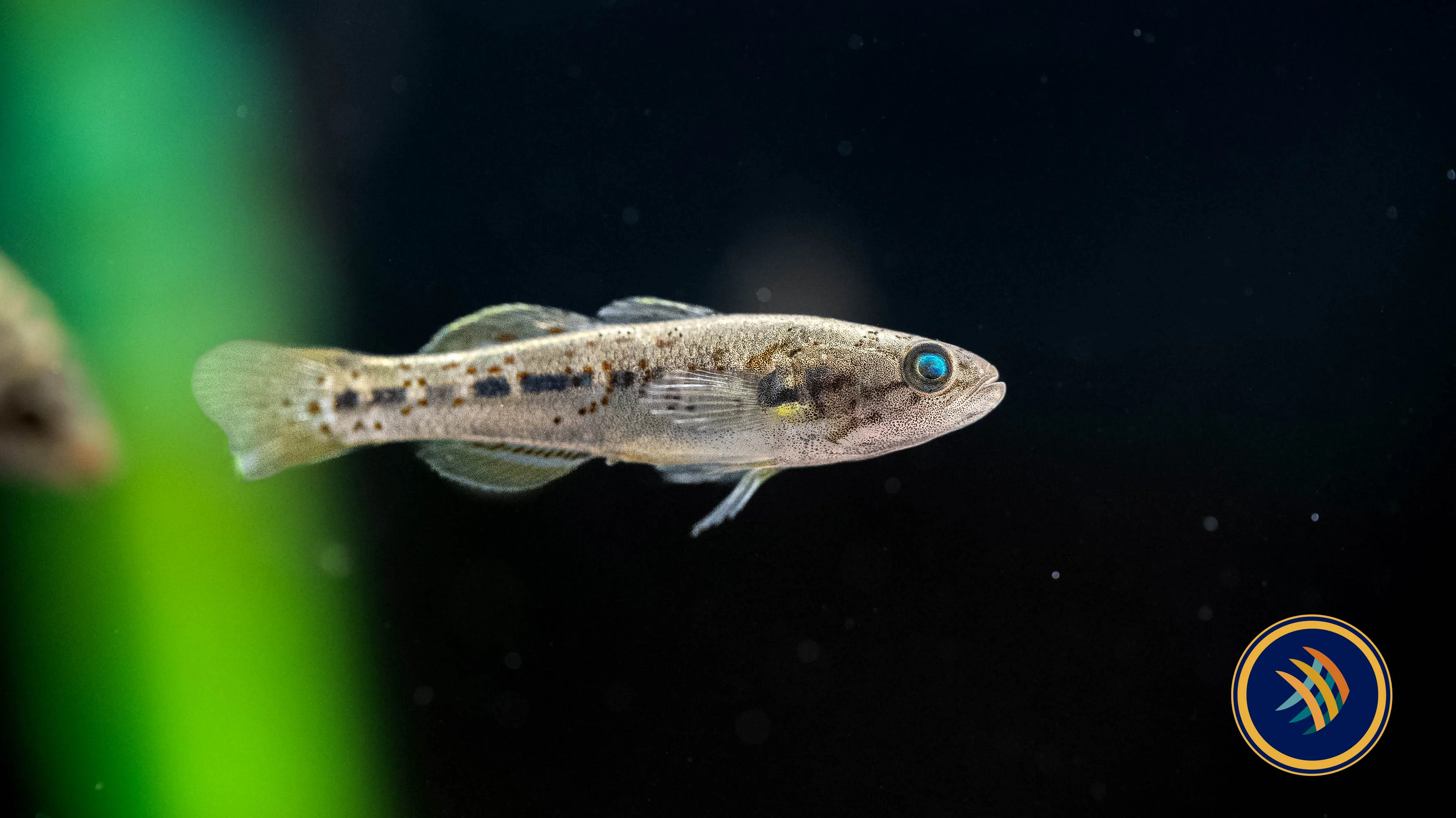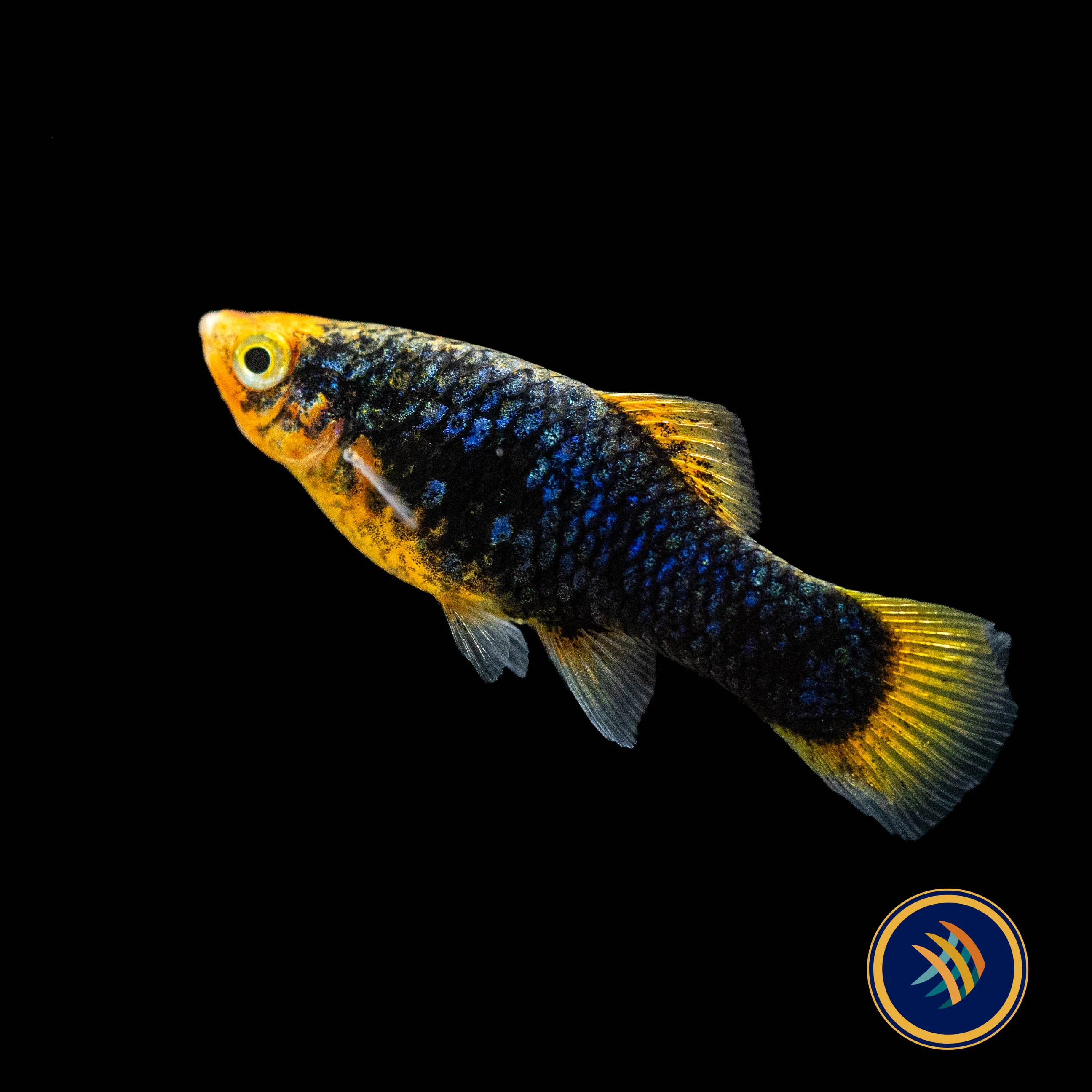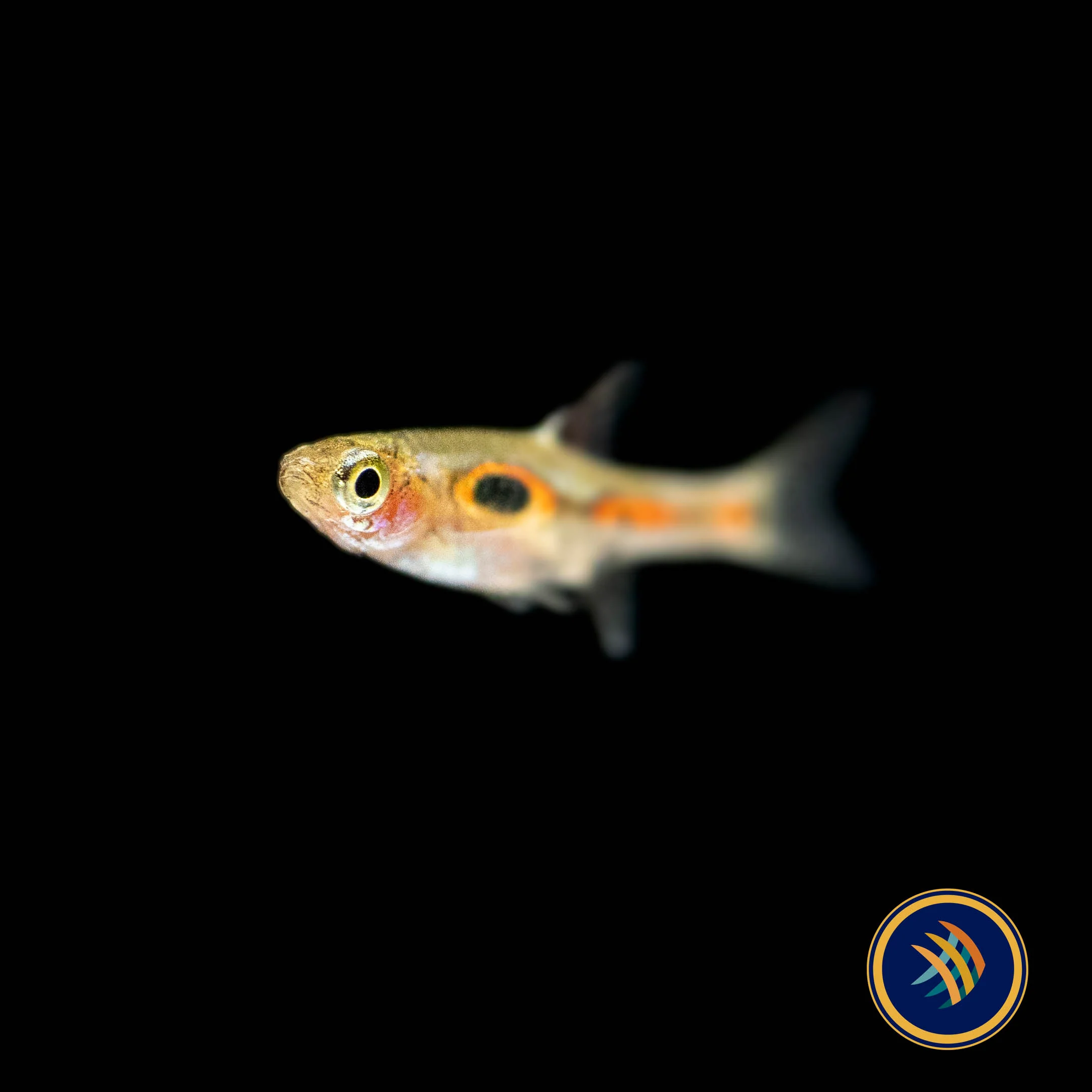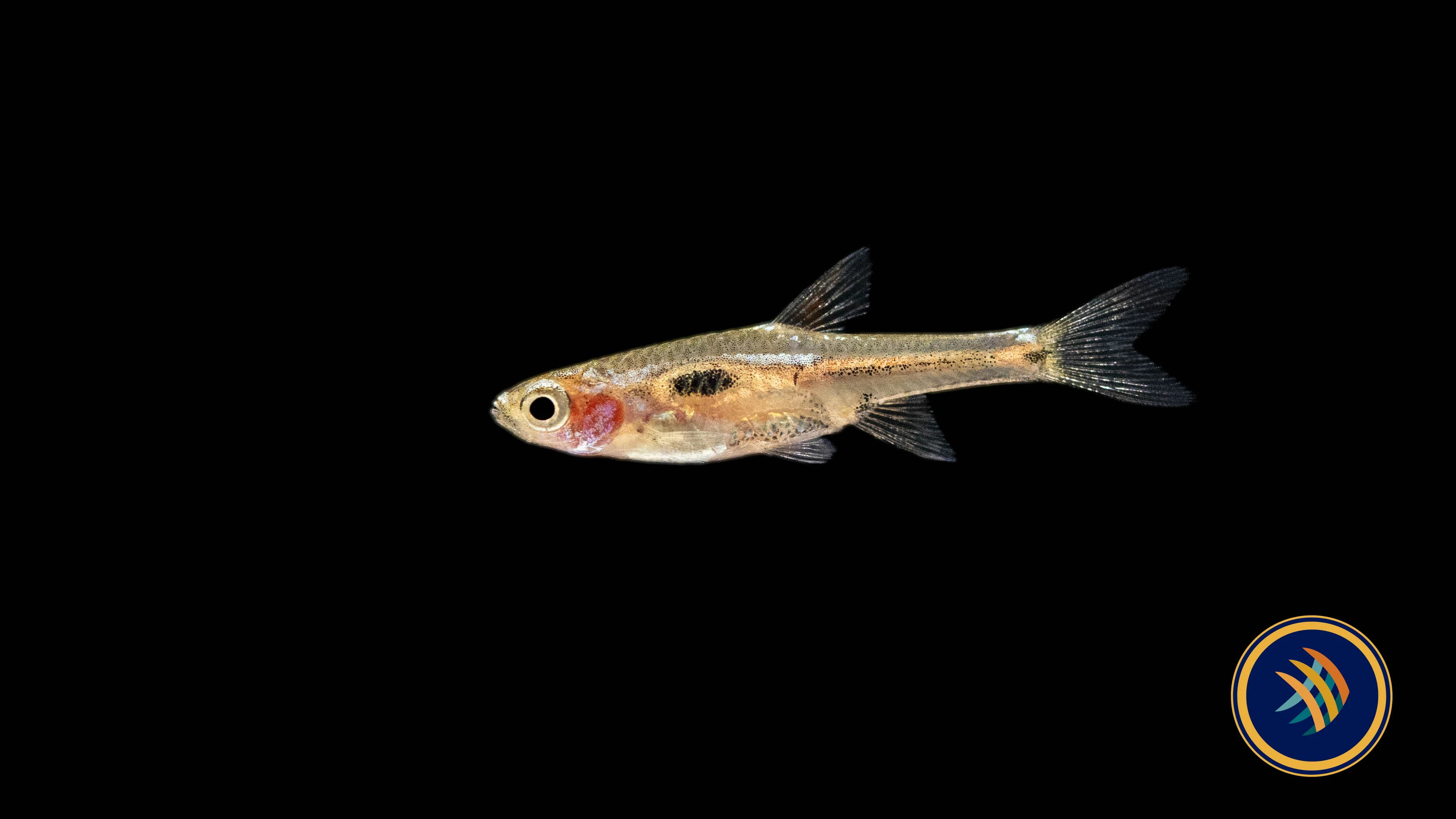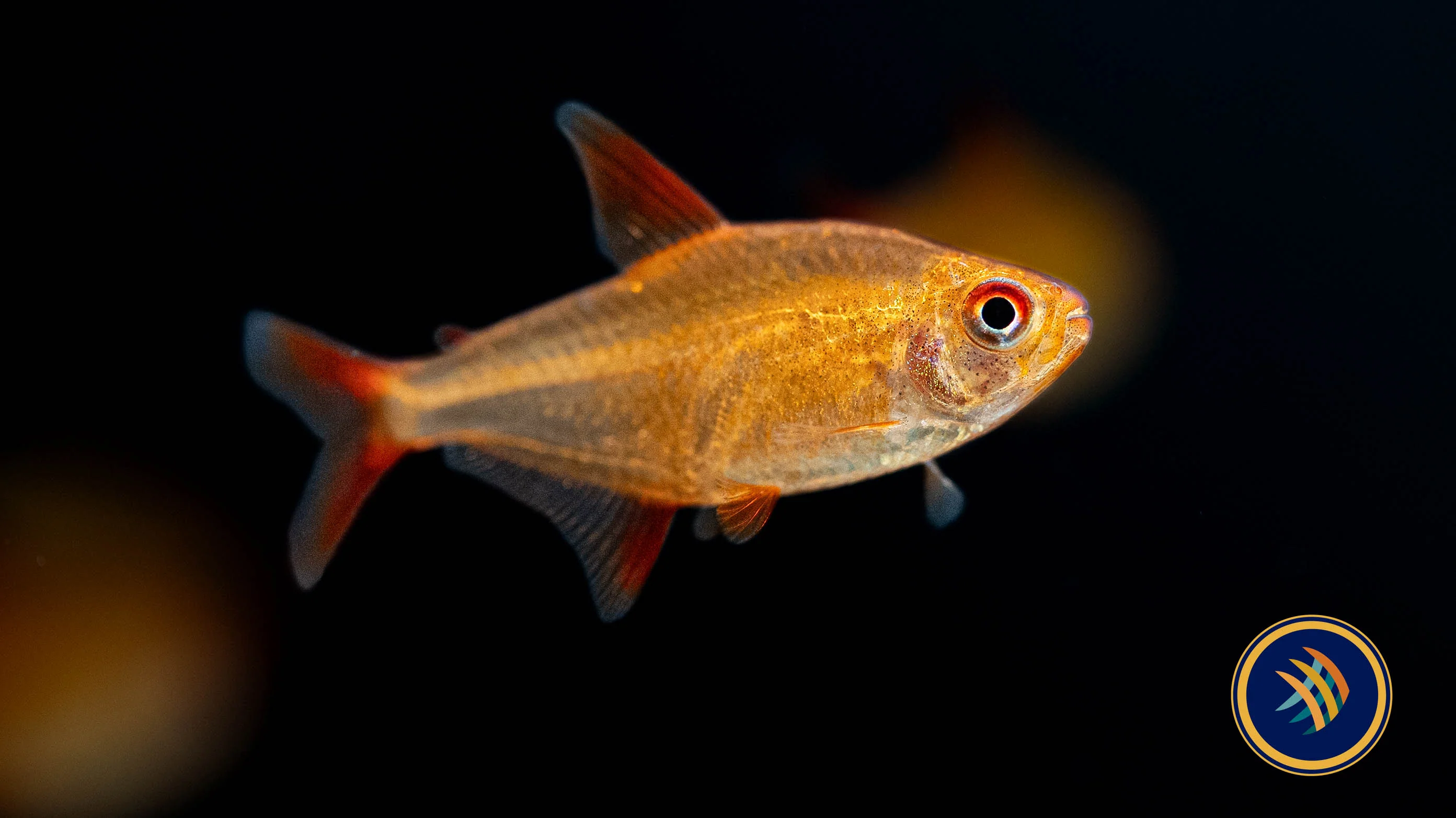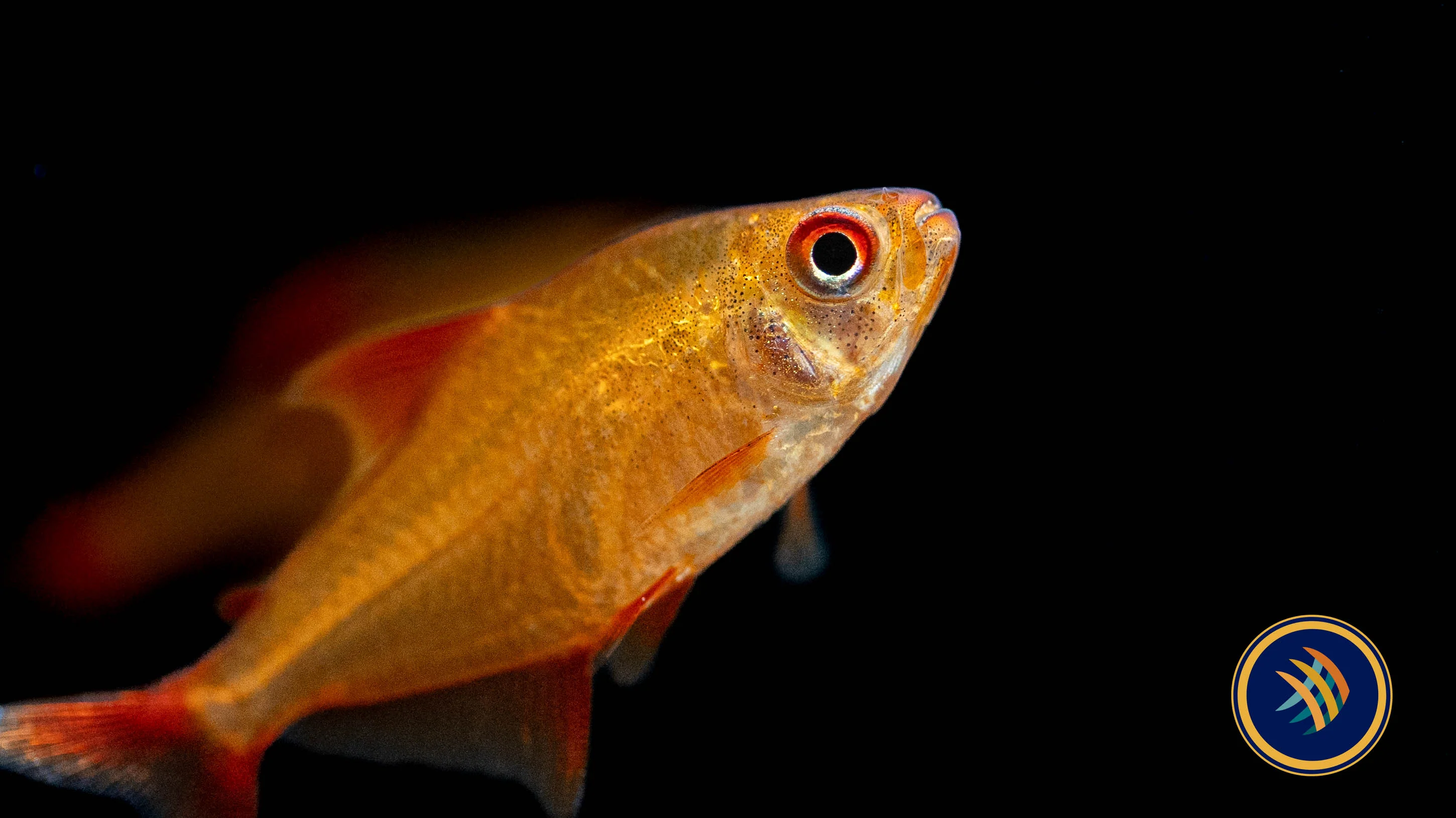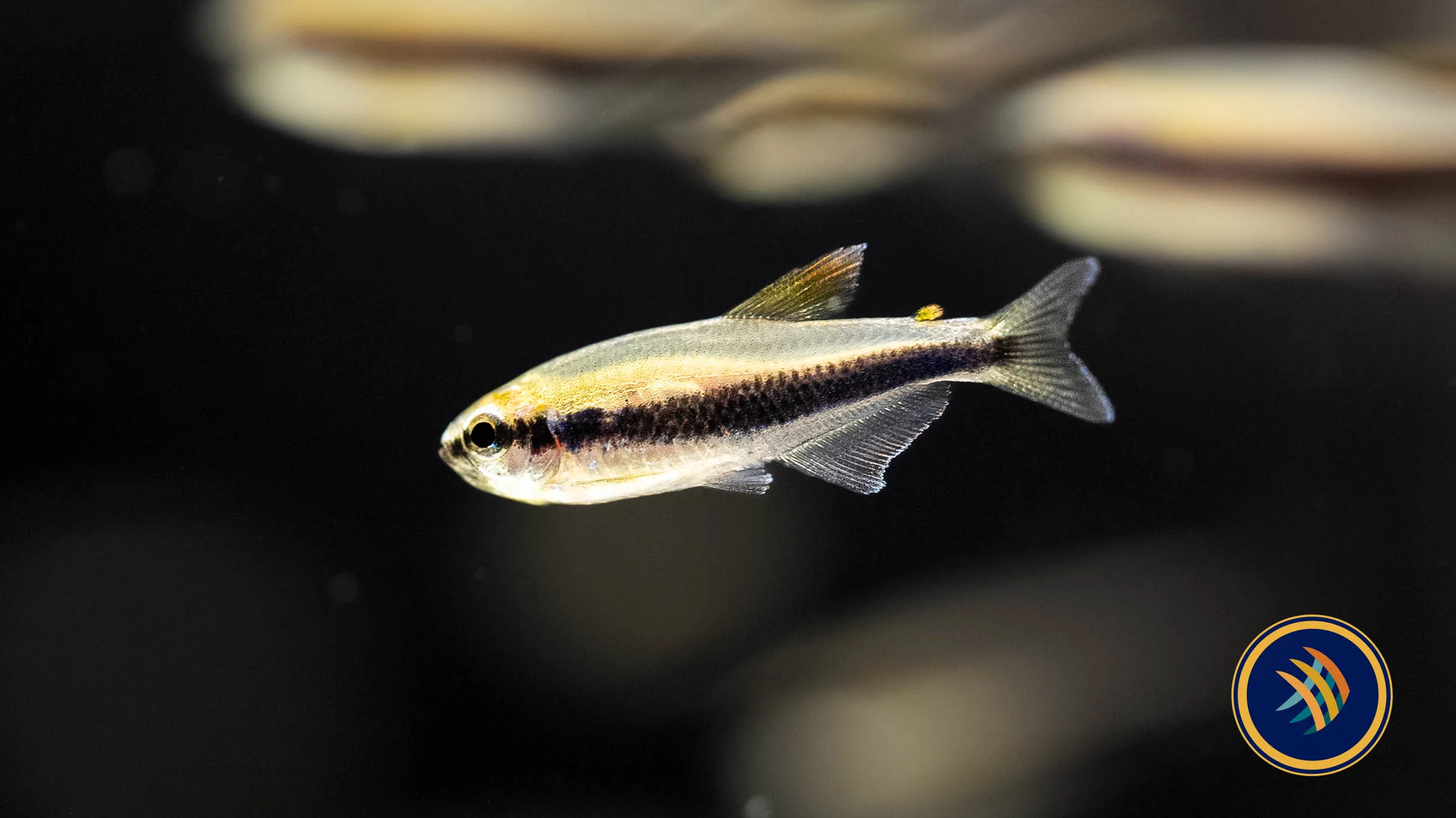


Blue Kerri Emperor Tetra (Inpaichthys kerri) 2.3-2.5cm
Blue Kerri Emperor Tetra (Inpaichthys kerri) is a stunning and peaceful freshwater fish, ideal for community aquariums.
Species Overview
- Scientific Name: Inpaichthys kerri
- Common Names: Blue Emperor Tetra, Royal Tetra, Purple Emperor Tetra
- Size: 2–4 cm (0.8–1.6 inches)
- Lifespan: 3–5 years
- Origin: Aripuanã River basin, Brazil
Tank Setup
- Tank Size: Minimum 20 gallons for a small school
- Schooling: Keep in groups of 8–10+ to reduce aggression and promote natural behavior
- Substrate: Dark sand or fine gravel
- Decor: Driftwood, leaf litter, and moderate planting
- Lighting: Dim to moderate; tannins or floating plants help diffuse light
Water Parameters
- Temperature: 24–28°C (75–82°F)
- pH: 5.5–7.5
- Hardness: Soft to moderately hard (4–12°dGH)
- Filtration: Gentle flow with good oxygenation; peat filtration can help mimic natural conditions
Diet
- Type: Omnivore
-
Feeding:
- High-quality flakes or micro pellets
- Frozen/live foods: brine shrimp, daphnia, bloodworms
- Occasional veggie treats: spirulina flakes, boiled cucumber or broccoli
Compatibility
- Temperament: Peaceful, slightly boisterous during feeding
-
Tank Mates:
- Corydoras
- Pencilfish
- Dwarf cichlids (Apistogramma, Mikrogeophagus)
- Small Loricariids
- Avoid slow eaters or large/aggressive fish
Sexing & Breeding
-
Sex Differences:
- Males: Blue adipose fin, slimmer, more colorful
- Females: Red-orange adipose fin, rounder body
- Breeding: Spawning species; provide dense plants or spawning mops
$1.66
Original: $4.74
-65%Blue Kerri Emperor Tetra (Inpaichthys kerri) 2.3-2.5cm—
$4.74
$1.66Product Information
Product Information
Shipping & Returns
Shipping & Returns
Description
Blue Kerri Emperor Tetra (Inpaichthys kerri) is a stunning and peaceful freshwater fish, ideal for community aquariums.
Species Overview
- Scientific Name: Inpaichthys kerri
- Common Names: Blue Emperor Tetra, Royal Tetra, Purple Emperor Tetra
- Size: 2–4 cm (0.8–1.6 inches)
- Lifespan: 3–5 years
- Origin: Aripuanã River basin, Brazil
Tank Setup
- Tank Size: Minimum 20 gallons for a small school
- Schooling: Keep in groups of 8–10+ to reduce aggression and promote natural behavior
- Substrate: Dark sand or fine gravel
- Decor: Driftwood, leaf litter, and moderate planting
- Lighting: Dim to moderate; tannins or floating plants help diffuse light
Water Parameters
- Temperature: 24–28°C (75–82°F)
- pH: 5.5–7.5
- Hardness: Soft to moderately hard (4–12°dGH)
- Filtration: Gentle flow with good oxygenation; peat filtration can help mimic natural conditions
Diet
- Type: Omnivore
-
Feeding:
- High-quality flakes or micro pellets
- Frozen/live foods: brine shrimp, daphnia, bloodworms
- Occasional veggie treats: spirulina flakes, boiled cucumber or broccoli
Compatibility
- Temperament: Peaceful, slightly boisterous during feeding
-
Tank Mates:
- Corydoras
- Pencilfish
- Dwarf cichlids (Apistogramma, Mikrogeophagus)
- Small Loricariids
- Avoid slow eaters or large/aggressive fish
Sexing & Breeding
-
Sex Differences:
- Males: Blue adipose fin, slimmer, more colorful
- Females: Red-orange adipose fin, rounder body
- Breeding: Spawning species; provide dense plants or spawning mops