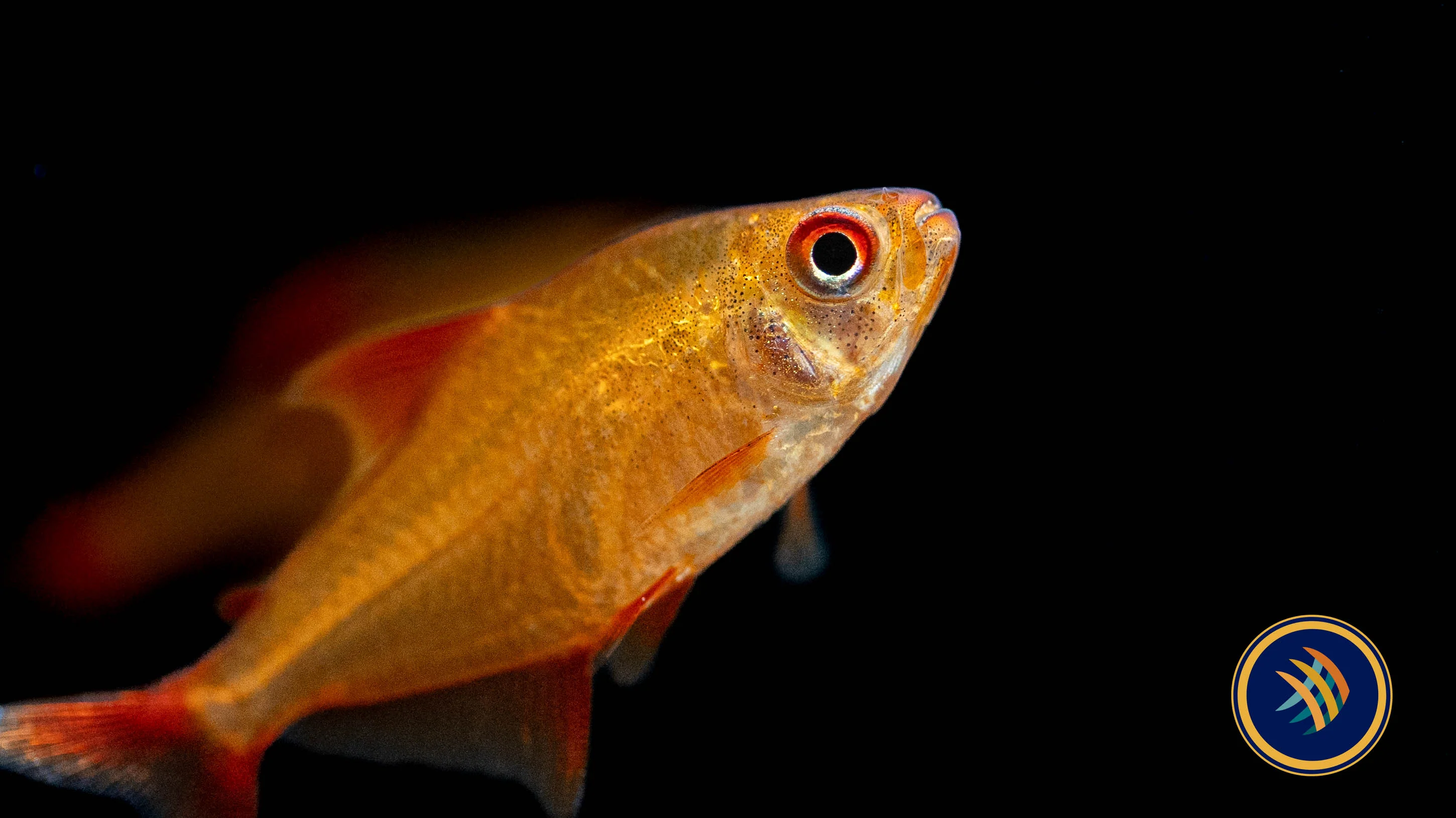
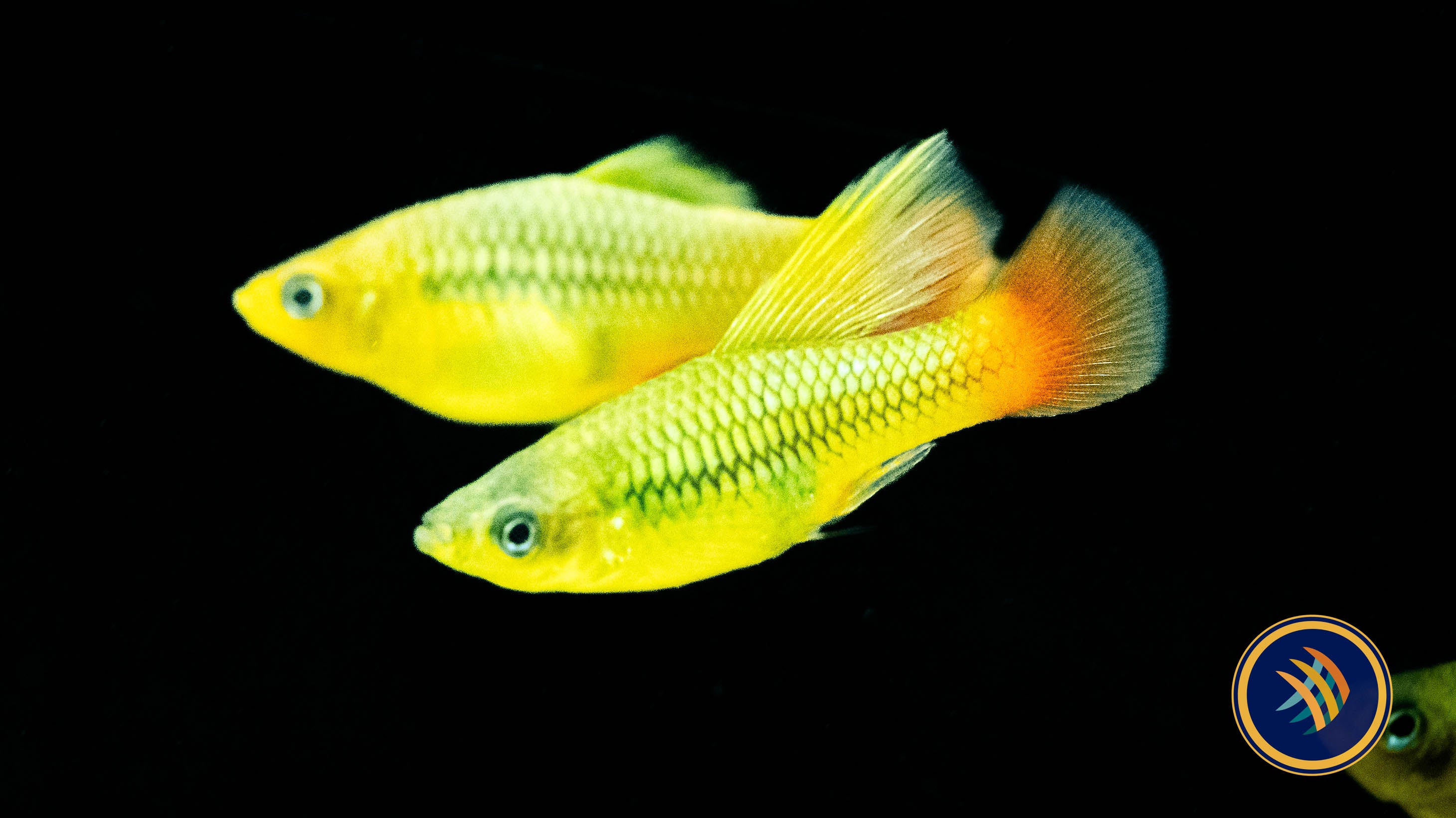
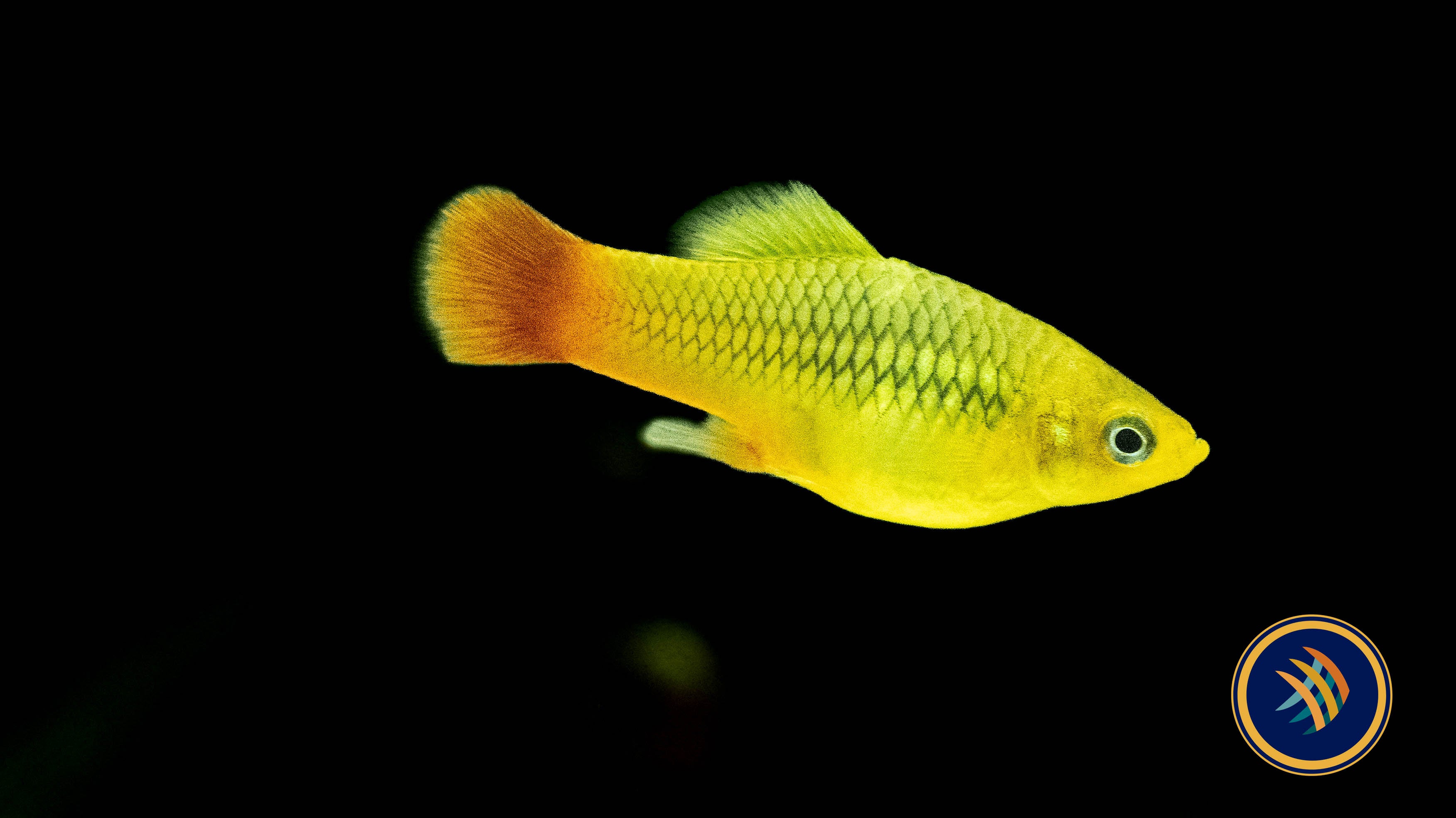
Blue Neon Goby (Stiphodon atropurpureus)
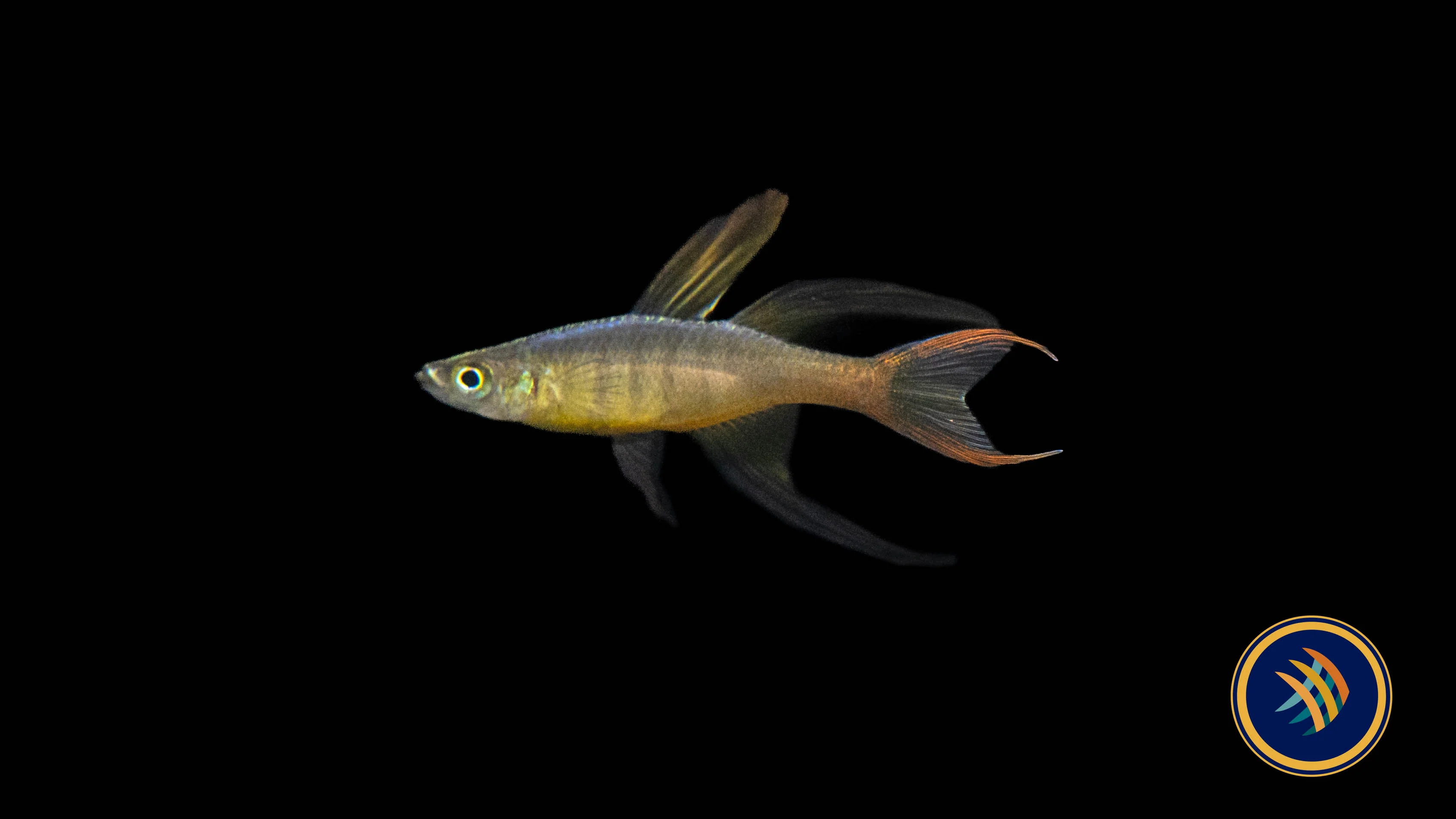
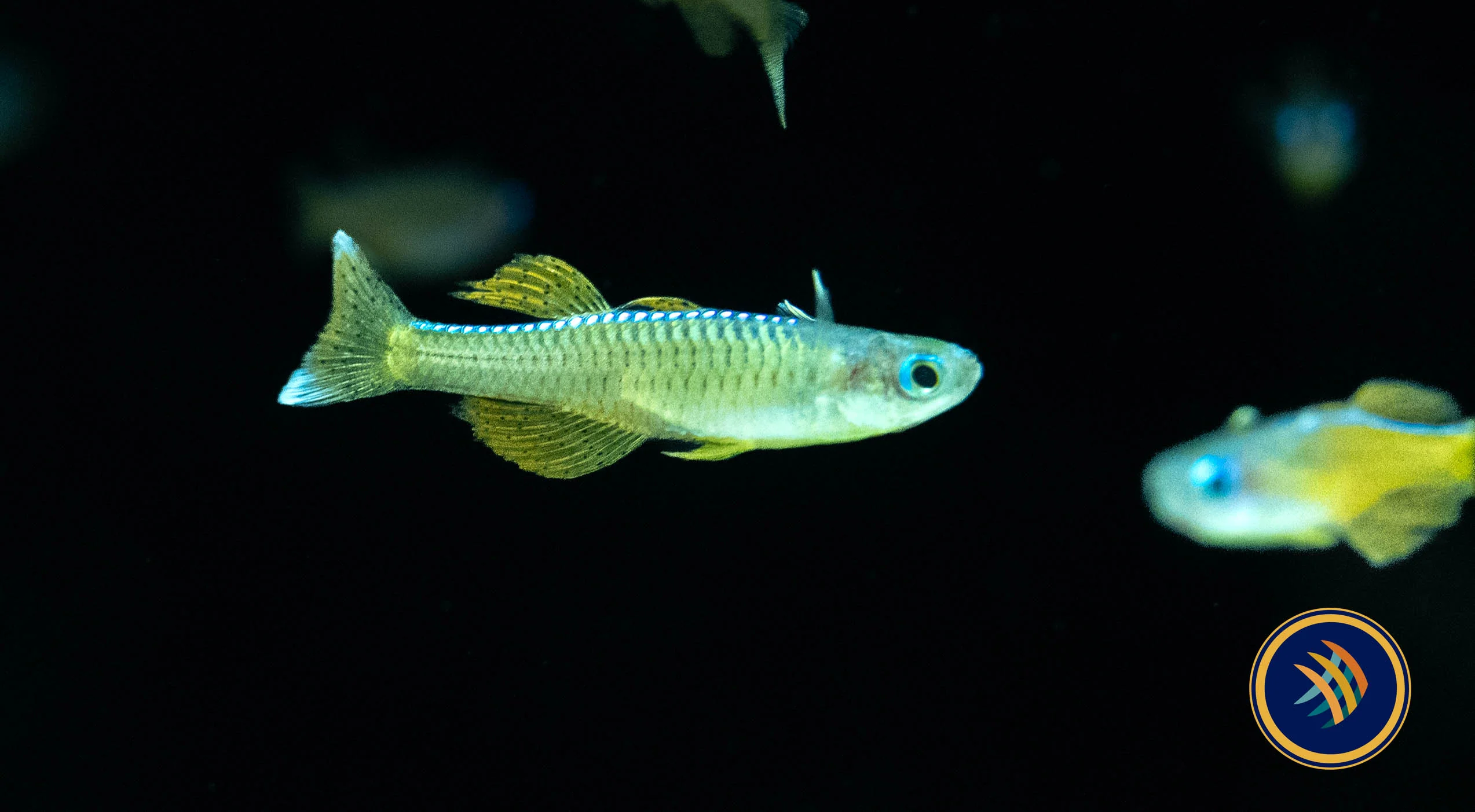
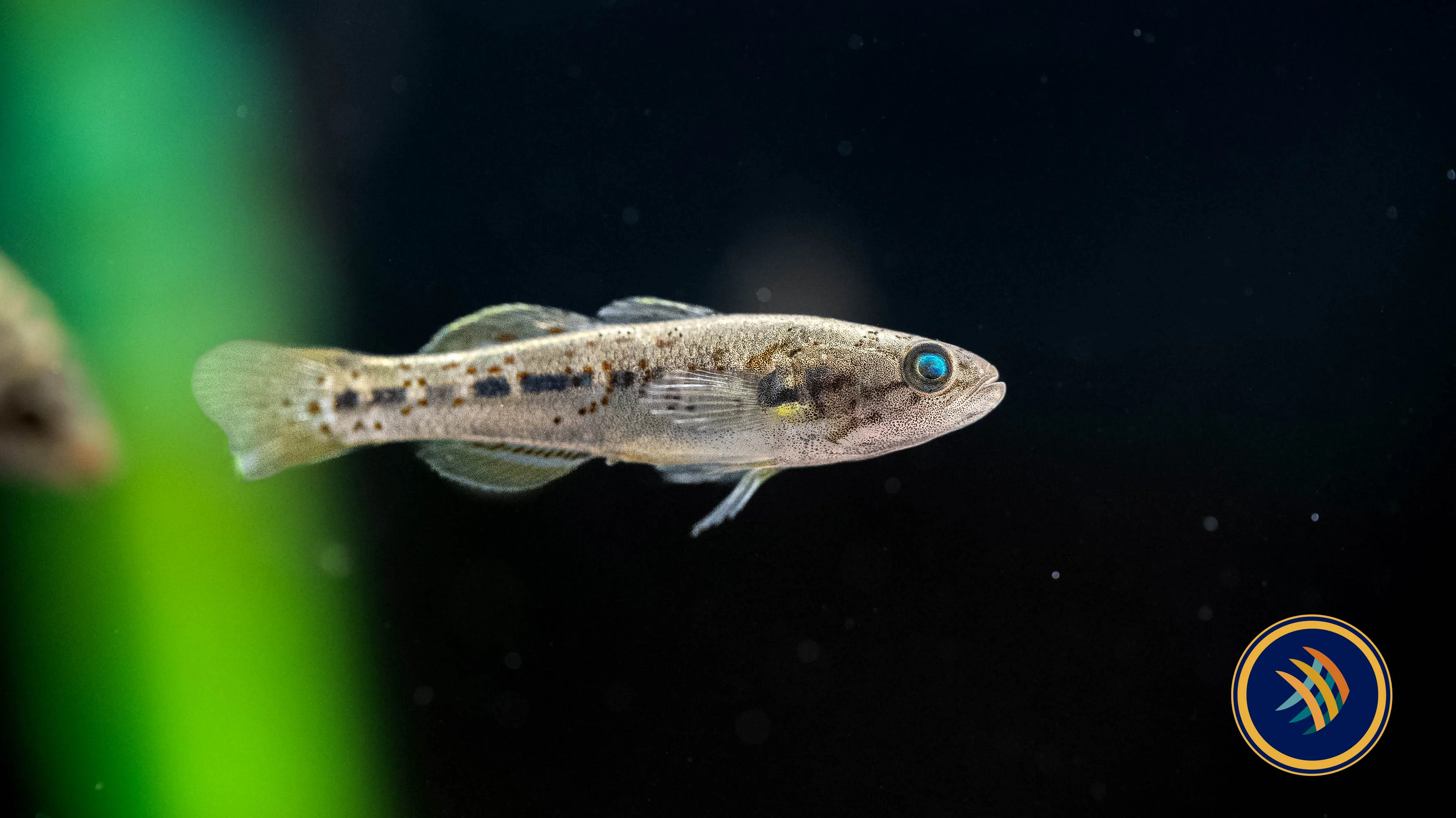
Blue Neon Goby (Stiphodon atropurpureus) is a stunning, peaceful freshwater fish known for its iridescent blue coloration and fascinating behavior.
Natural Habitat
- Origin: Found in Southeast Asia—Philippines, Japan, Taiwan, Malaysia, and parts of southern China
- Environment: Fast-flowing, clear, oxygen-rich mountain streams, often above waterfalls. Substrates are rocky with minimal vegetation
Appearance & Behavior
- Size: Up to 5 cm (2 inches)
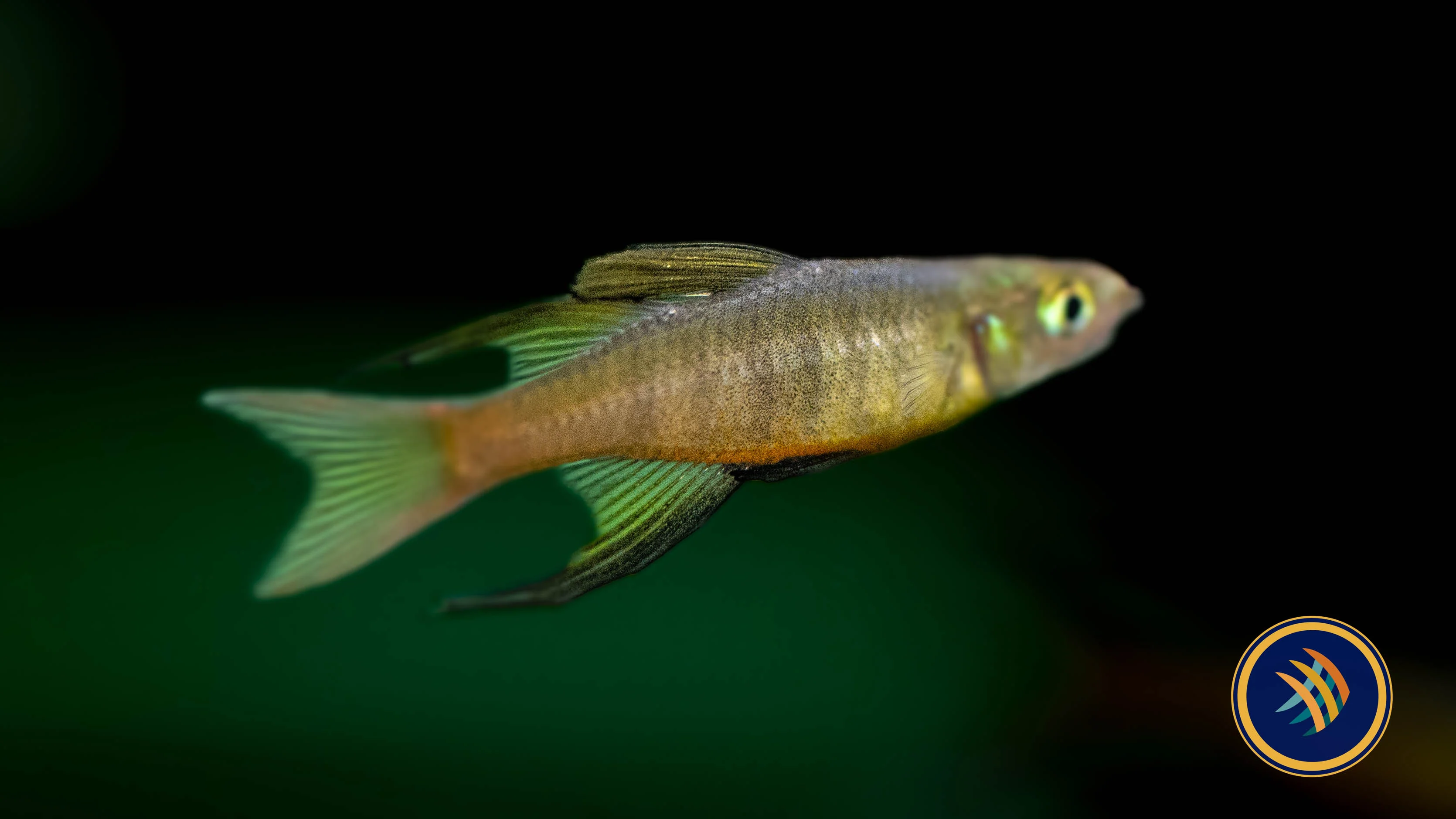
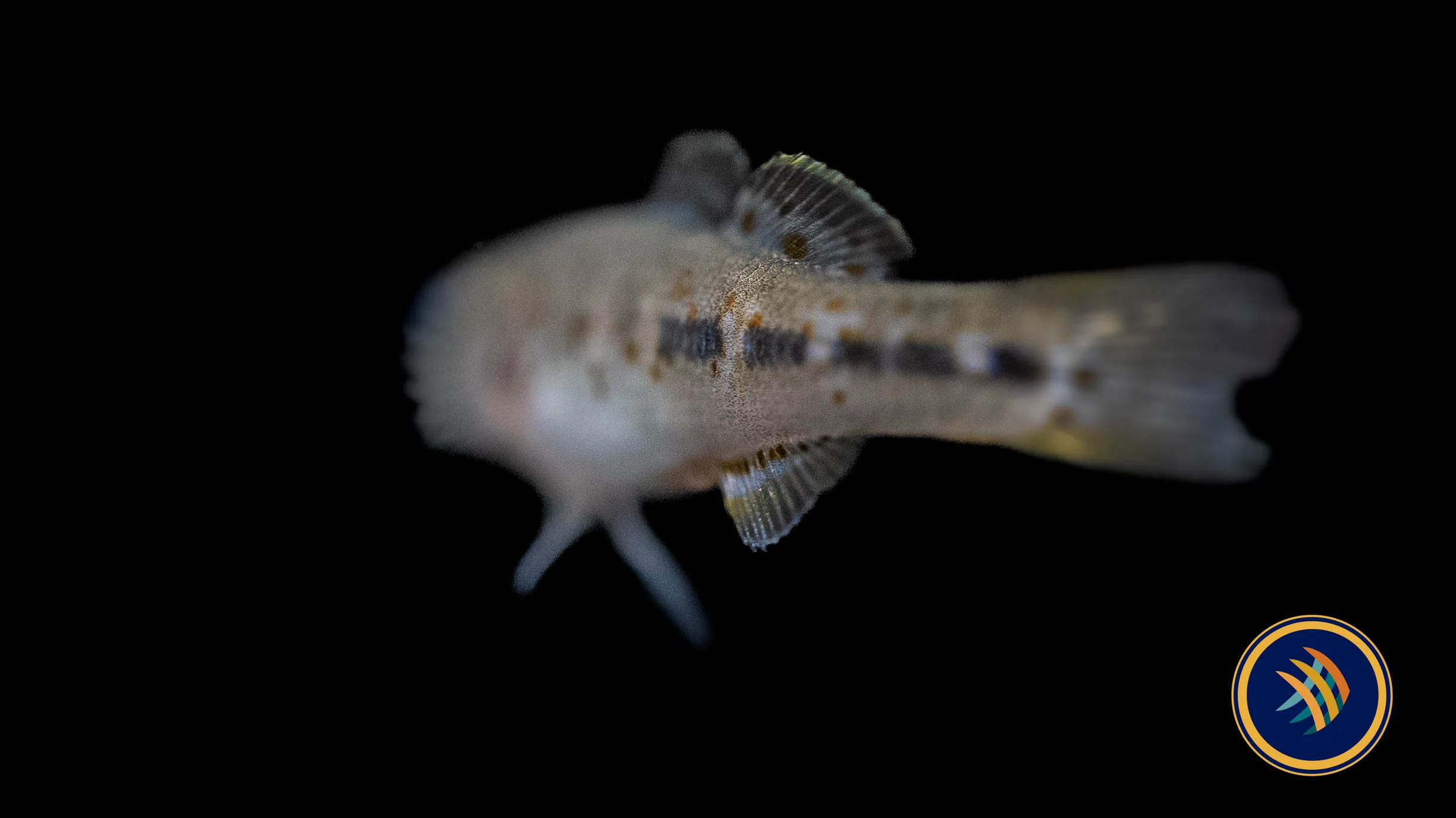
- Coloration: Males display vibrant neon blue to purple hues with maroon or white accents; females are more subdued with zig-zag lateral markings
- Temperament: Peaceful but territorial—especially males. Best kept as 1 male with 2+ females
- Activity: Bottom dwellers, often grazing on rocks for algae and biofilm.
Tank Setup
- Tank Size: Minimum 10 gallons for a pair; 20+ gallons for a group
- Substrate: Sand or smooth gravel with rounded rocks for grazing and territory.
- Plants: Not essential but hardy species like Anubias or ferns can be added.
- Lighting: Moderate to high to promote algae growth (their primary food source).
- Water Flow: Strong flow with high oxygenation—use powerheads, sponge filters, or airstones
Water Parameters
- Temperature: 22–27°C (72–81°F)
- pH: 6.5–7.5 (some sources suggest up to 8.4)
- Hardness: 4–10 dGH (36–215 ppm)
- Maintenance: Weekly 30–50% water changes; pristine water is critical.
Diet
- Natural Diet: Aufwuchs—algae, biofilm, and microorganisms.
-
In Captivity:
- Algae-covered rocks (essential)
- Occasional: bloodworms, brine shrimp, daphnia (sparingly)
- Sinking spirulina wafers or algae-based pellets
- Tip: Consider rotating algae-covered rocks from a separate “nursery” tank if algae growth is insufficient
Breeding
- Reproduction: Amphidromous lifecycle—eggs hatch in freshwater, larvae drift to the sea, then return upstream as juveniles
- In Captivity: Breeding is extremely difficult due to this complex lifecycle.
Tank Mates
- Compatible: Peaceful, small species like-
-
- Hillstream Loaches
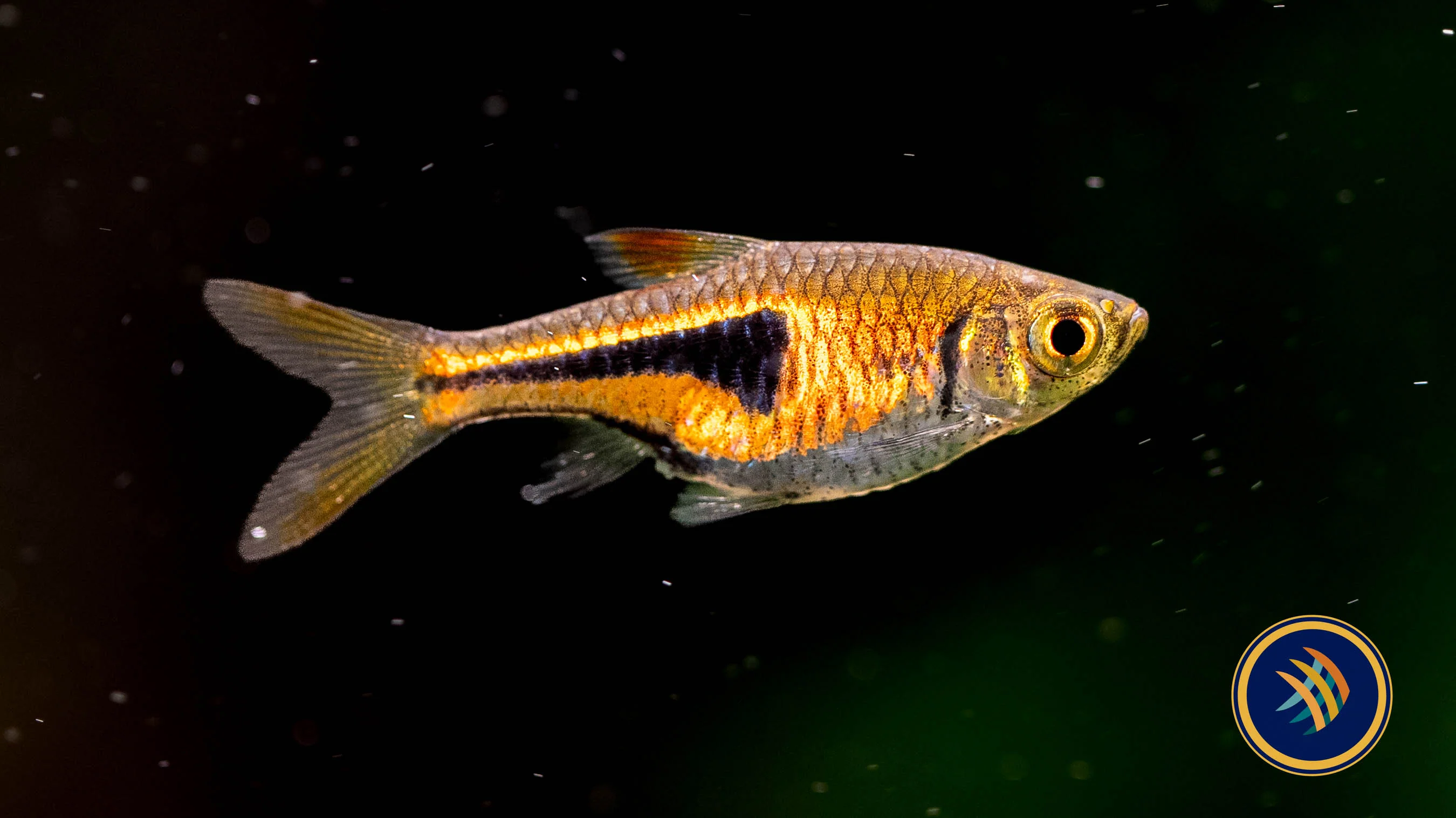
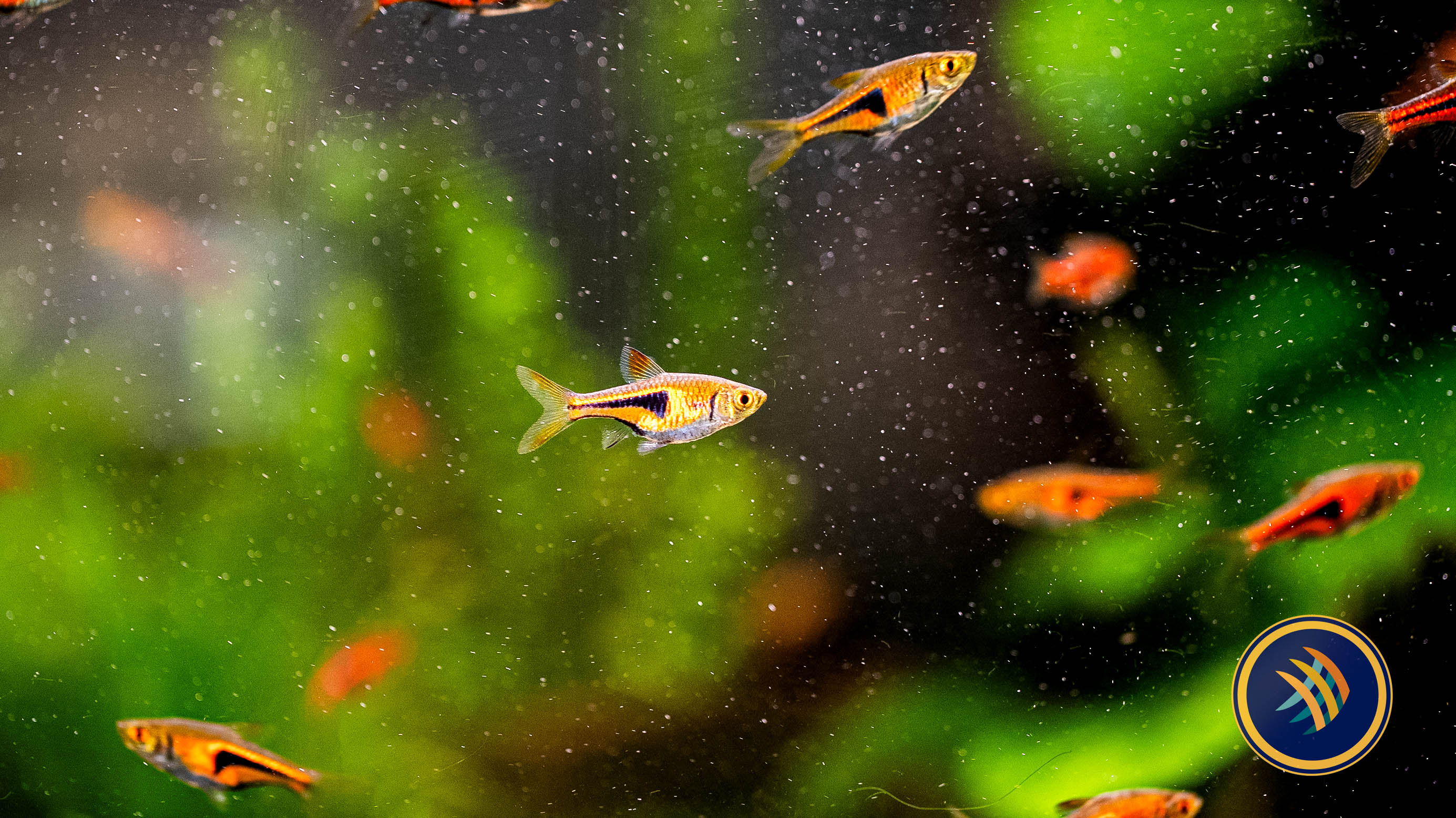
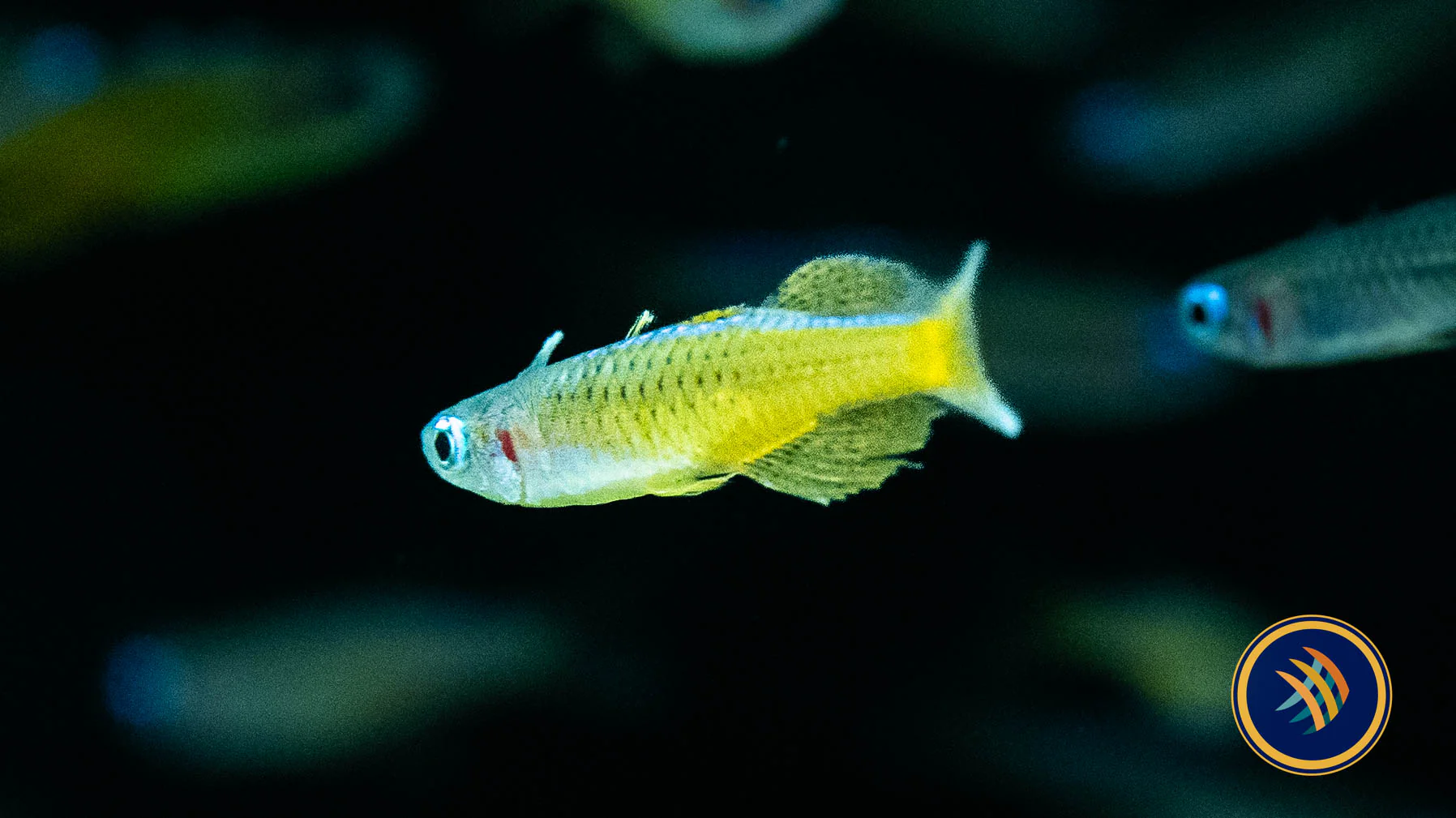
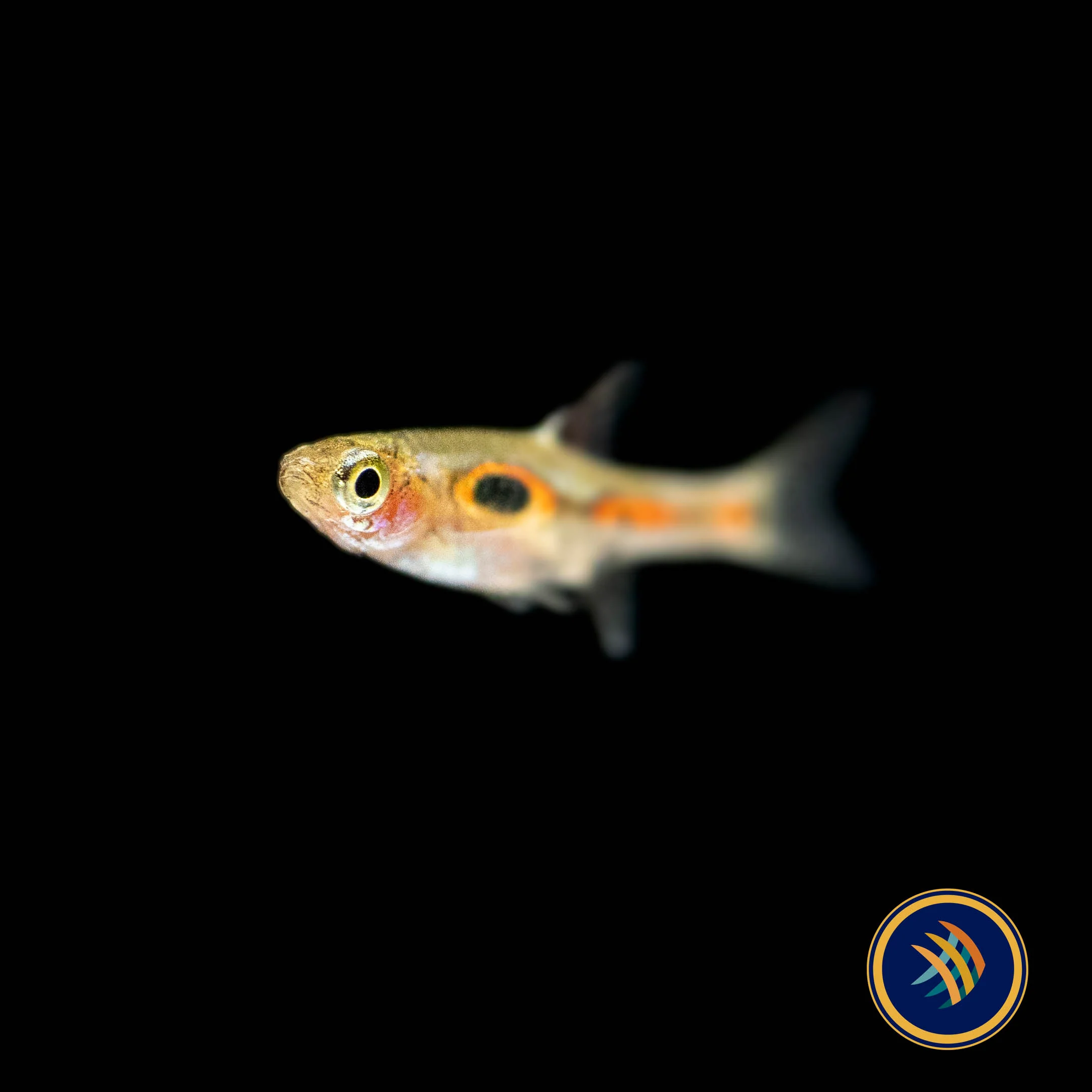
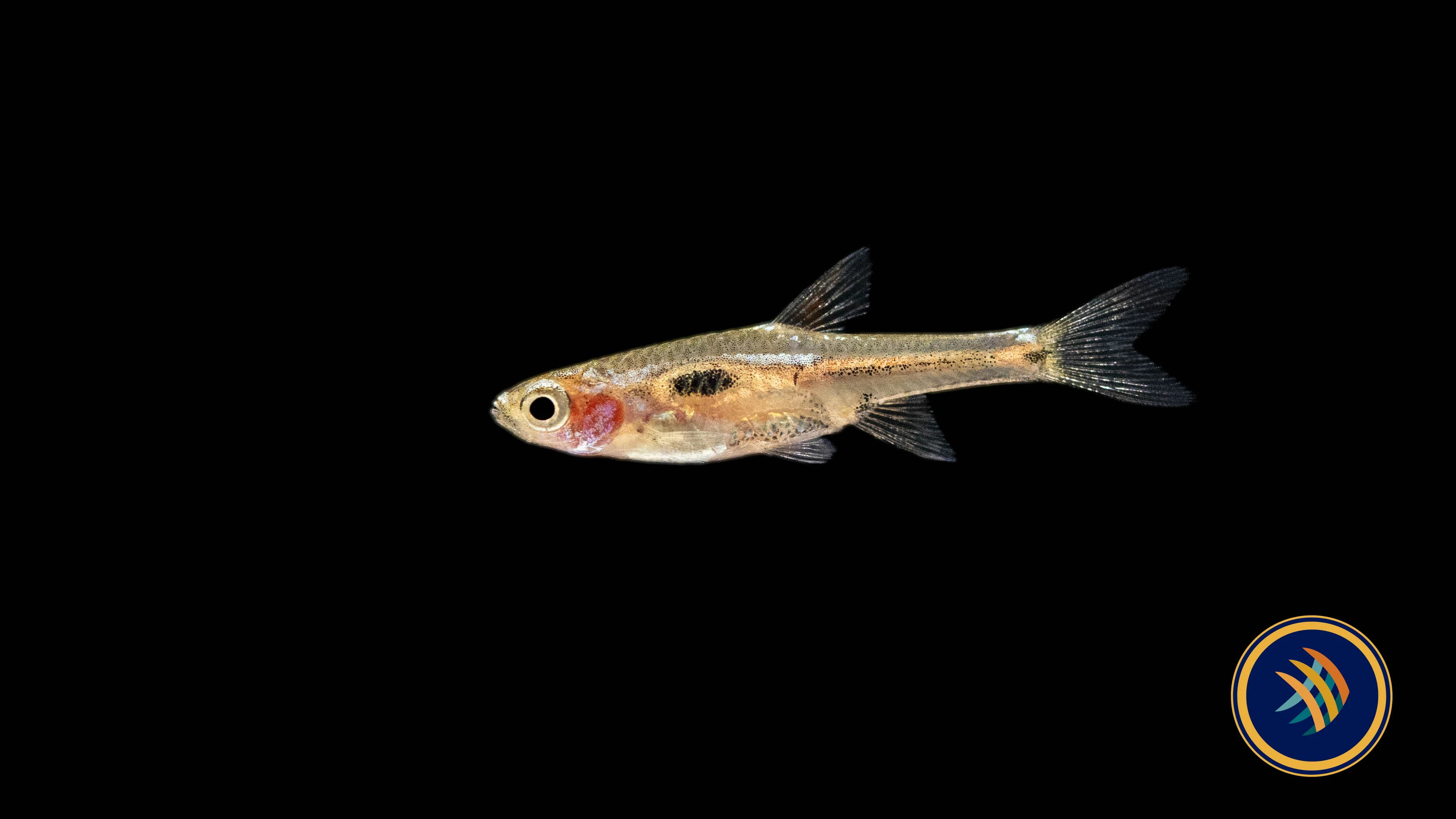
- Small Rasboras and Danios
- Dwarf Shrimp (Caridina, Neocaridina)
- Avoid: Large or aggressive fish (e.g., Cichlids), which may outcompete or stress them
$8.76
Blue Neon Goby (Stiphodon atropurpureus)—
$8.76
Product Information
Product Information
Shipping & Returns
Shipping & Returns
Description
Blue Neon Goby (Stiphodon atropurpureus) is a stunning, peaceful freshwater fish known for its iridescent blue coloration and fascinating behavior.
Natural Habitat
- Origin: Found in Southeast Asia—Philippines, Japan, Taiwan, Malaysia, and parts of southern China
- Environment: Fast-flowing, clear, oxygen-rich mountain streams, often above waterfalls. Substrates are rocky with minimal vegetation
Appearance & Behavior
- Size: Up to 5 cm (2 inches)
- Coloration: Males display vibrant neon blue to purple hues with maroon or white accents; females are more subdued with zig-zag lateral markings
- Temperament: Peaceful but territorial—especially males. Best kept as 1 male with 2+ females
- Activity: Bottom dwellers, often grazing on rocks for algae and biofilm.
Tank Setup
- Tank Size: Minimum 10 gallons for a pair; 20+ gallons for a group
- Substrate: Sand or smooth gravel with rounded rocks for grazing and territory.
- Plants: Not essential but hardy species like Anubias or ferns can be added.
- Lighting: Moderate to high to promote algae growth (their primary food source).
- Water Flow: Strong flow with high oxygenation—use powerheads, sponge filters, or airstones
Water Parameters
- Temperature: 22–27°C (72–81°F)
- pH: 6.5–7.5 (some sources suggest up to 8.4)
- Hardness: 4–10 dGH (36–215 ppm)
- Maintenance: Weekly 30–50% water changes; pristine water is critical.
Diet
- Natural Diet: Aufwuchs—algae, biofilm, and microorganisms.
-
In Captivity:
- Algae-covered rocks (essential)
- Occasional: bloodworms, brine shrimp, daphnia (sparingly)
- Sinking spirulina wafers or algae-based pellets
- Tip: Consider rotating algae-covered rocks from a separate “nursery” tank if algae growth is insufficient
Breeding
- Reproduction: Amphidromous lifecycle—eggs hatch in freshwater, larvae drift to the sea, then return upstream as juveniles
- In Captivity: Breeding is extremely difficult due to this complex lifecycle.
Tank Mates
- Compatible: Peaceful, small species like-
-
- Hillstream Loaches
- Small Rasboras and Danios
- Dwarf Shrimp (Caridina, Neocaridina)
- Avoid: Large or aggressive fish (e.g., Cichlids), which may outcompete or stress them