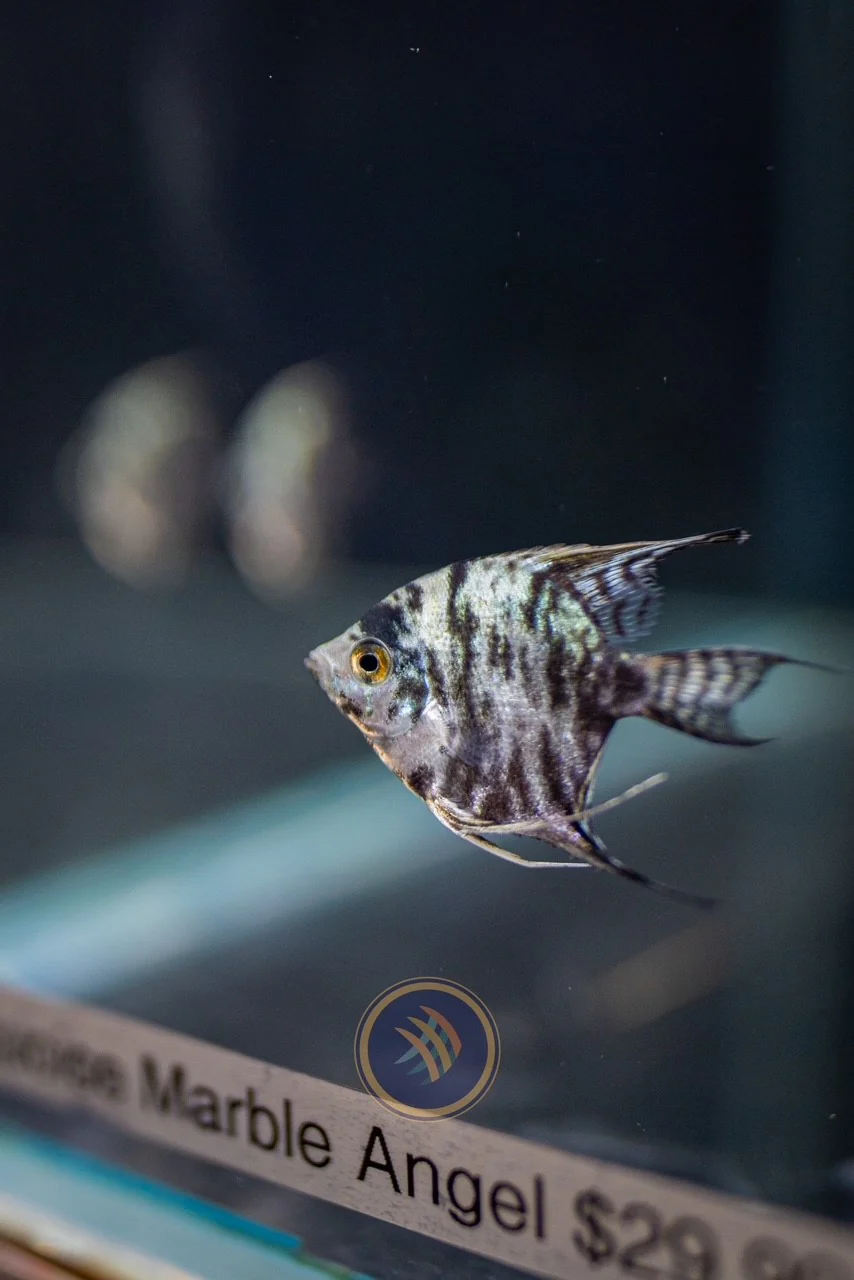
Blue Turquoise Marble Angelfish (Pterophyllum scalare)
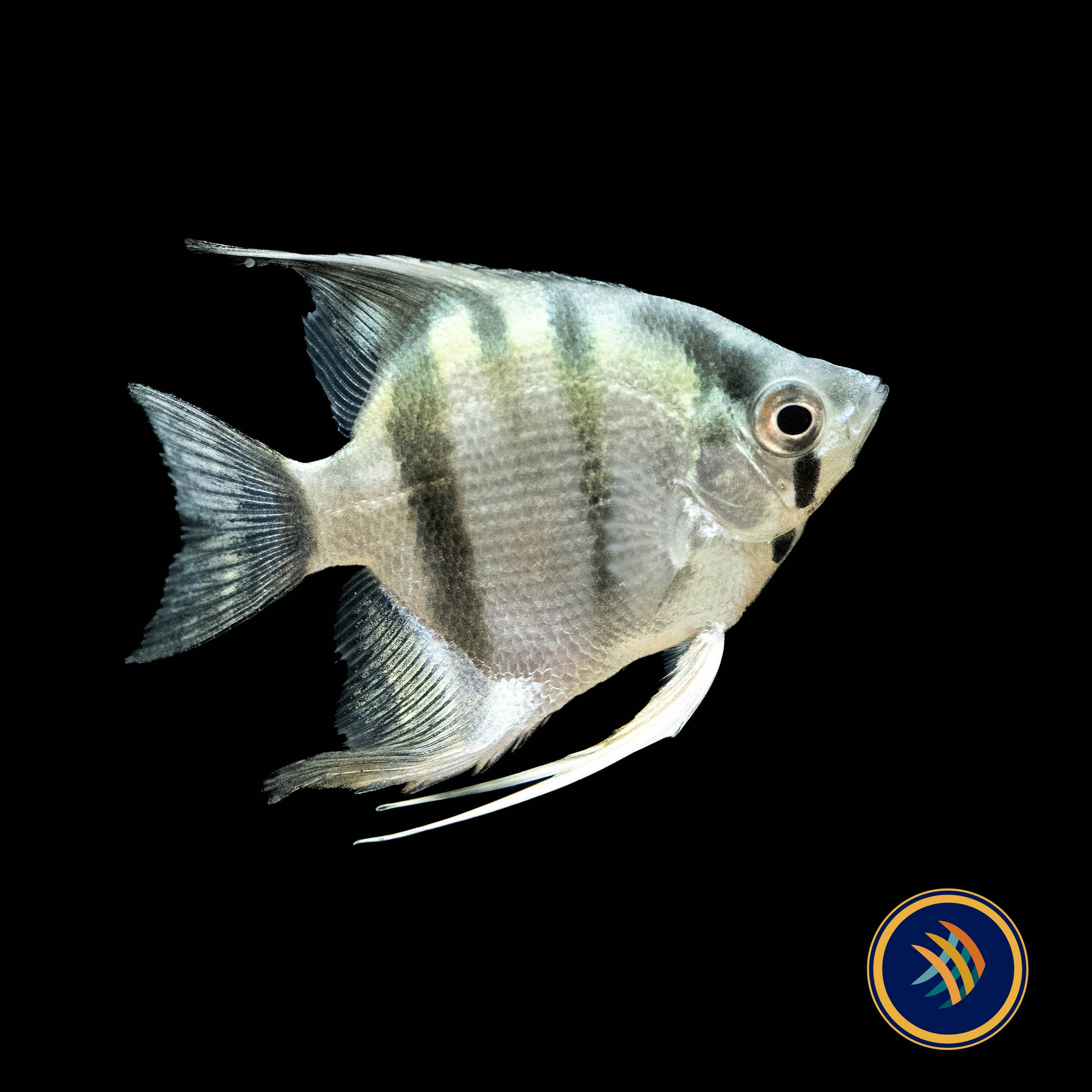
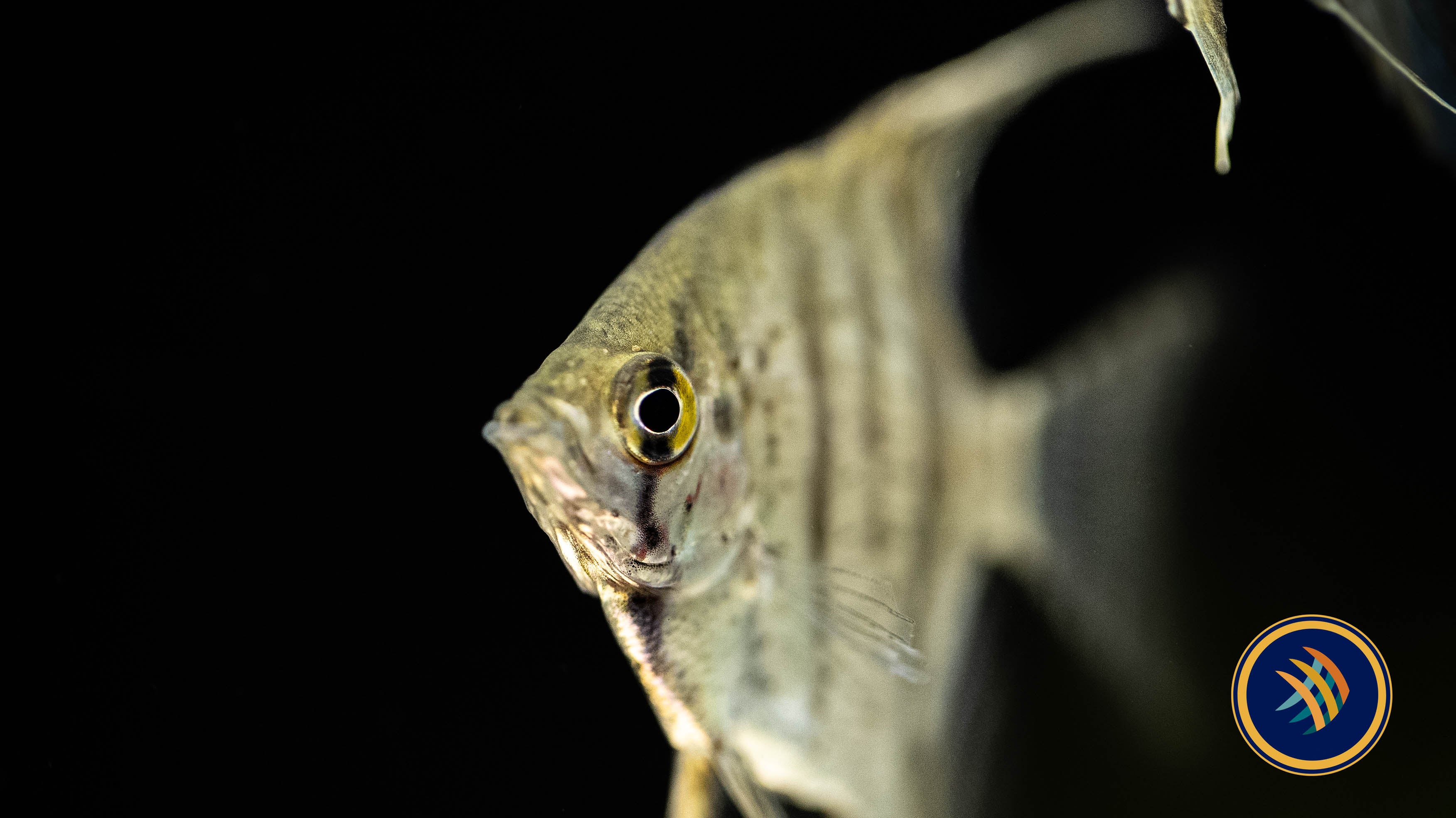
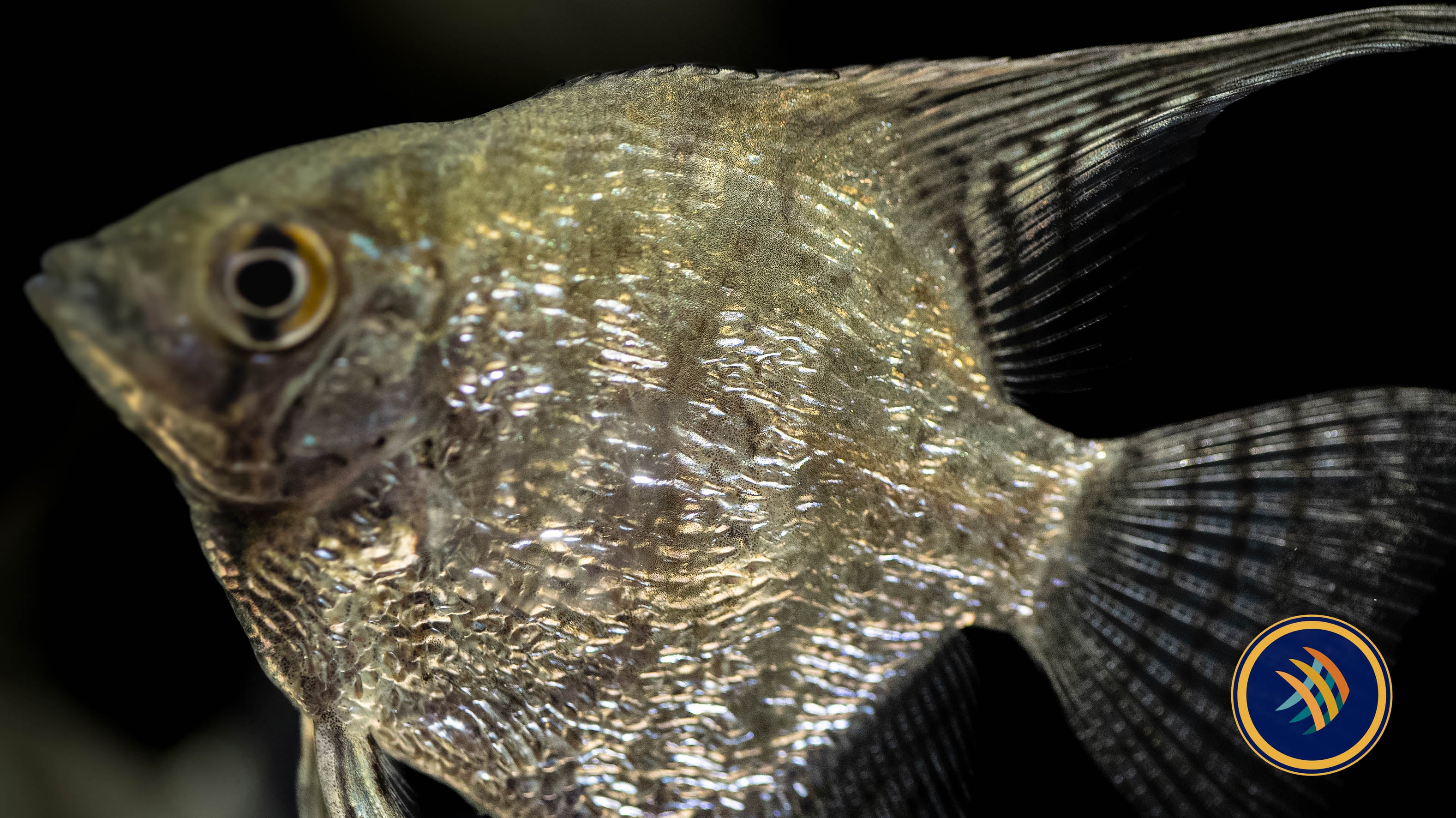
Blue Turquoise Marble Angelfish is a highly attractive, selectively bred angelfish variety combining metallic blue/turquoise iridescence with marbled black and silver patterning. Each fish is uniquely marked, making this morph especially popular as a statement centerpiece in freshwater display aquariums.
Species Overview
- Scientific name: Pterophyllum scalare
- Common name: Blue Turquoise Marble Angelfish
- Family: Cichlidae
-
Adult size:
- Body length: ~15 cm (6")
- Height (with fins): up to 20 cm (8")
- Lifespan: 8–12 years
- Temperament: Semi‑peaceful
- Care level: Intermediate
- Origin: Captive‑bred (Amazon Basin ancestry)
Coloration & Pattern
- Base color ranges from silver to pale blue
- Overlaid with blue/turquoise iridescent sheen
- Marbled black patterning varies fish to fish
- Metallic coloration intensifies under strong lighting
- No two specimens look exactly alike
Color expression improves with:
- High‑quality diet
- Low stress
- Dark substrate
- Mature, planted aquariums
Ideal Tank Requirements
-
Minimum tank size:
- Single angelfish: 30 gallons
- Pair or group: 55 gallons or larger
- Tank height: 18 inches or more (very important)
- Temperature: 24–28 °C (75–82 °F)
- pH: 6.0–7.2
- GH: 3–8
- KH: 1–5
- Flow: Low to moderate
-
Aquascape:
- Tall plants (Amazon sword, Vallisneria)
- Driftwood or vertical hardscape
- Open swimming areas
Planted tanks with vertical structure closely resemble their natural habitat and reduce territorial stress.
Diet
Omnivorous and not picky:
- High‑quality angelfish pellets or flakes
- Frozen foods: bloodworms, brine shrimp, mysis shrimp
- Occasional live foods
- Spirulina or color‑enhancing foods A varied diet helps maintain strong blue and turquoise tones.
Tank Mates
Compatible with:
- Larger tetras (rummynose, emperor, cardinal*)
- Corydoras catfish
- Bristlenose plecos
- Peaceful dwarf cichlids (with adequate space)
Avoid:
- Fin‑nippers (tiger barbs, some danios)
- Very small fish (may be eaten as adults)
- Aggressive or highly territorial cichlids
Breeding pairs may become territorial, tank layout and space matter.
Breeding Notes
- Forms monogamous pairs
- Eggs laid on vertical surfaces (leaves, slate, glass)
- Both parents may guard eggs and fry
- First‑time pairs may eat eggs (normal behavior)
Product Information
Product Information
Shipping & Returns
Shipping & Returns
Description
Blue Turquoise Marble Angelfish is a highly attractive, selectively bred angelfish variety combining metallic blue/turquoise iridescence with marbled black and silver patterning. Each fish is uniquely marked, making this morph especially popular as a statement centerpiece in freshwater display aquariums.
Species Overview
- Scientific name: Pterophyllum scalare
- Common name: Blue Turquoise Marble Angelfish
- Family: Cichlidae
-
Adult size:
- Body length: ~15 cm (6")
- Height (with fins): up to 20 cm (8")
- Lifespan: 8–12 years
- Temperament: Semi‑peaceful
- Care level: Intermediate
- Origin: Captive‑bred (Amazon Basin ancestry)
Coloration & Pattern
- Base color ranges from silver to pale blue
- Overlaid with blue/turquoise iridescent sheen
- Marbled black patterning varies fish to fish
- Metallic coloration intensifies under strong lighting
- No two specimens look exactly alike
Color expression improves with:
- High‑quality diet
- Low stress
- Dark substrate
- Mature, planted aquariums
Ideal Tank Requirements
-
Minimum tank size:
- Single angelfish: 30 gallons
- Pair or group: 55 gallons or larger
- Tank height: 18 inches or more (very important)
- Temperature: 24–28 °C (75–82 °F)
- pH: 6.0–7.2
- GH: 3–8
- KH: 1–5
- Flow: Low to moderate
-
Aquascape:
- Tall plants (Amazon sword, Vallisneria)
- Driftwood or vertical hardscape
- Open swimming areas
Planted tanks with vertical structure closely resemble their natural habitat and reduce territorial stress.
Diet
Omnivorous and not picky:
- High‑quality angelfish pellets or flakes
- Frozen foods: bloodworms, brine shrimp, mysis shrimp
- Occasional live foods
- Spirulina or color‑enhancing foods A varied diet helps maintain strong blue and turquoise tones.
Tank Mates
Compatible with:
- Larger tetras (rummynose, emperor, cardinal*)
- Corydoras catfish
- Bristlenose plecos
- Peaceful dwarf cichlids (with adequate space)
Avoid:
- Fin‑nippers (tiger barbs, some danios)
- Very small fish (may be eaten as adults)
- Aggressive or highly territorial cichlids
Breeding pairs may become territorial, tank layout and space matter.
Breeding Notes
- Forms monogamous pairs
- Eggs laid on vertical surfaces (leaves, slate, glass)
- Both parents may guard eggs and fry
- First‑time pairs may eat eggs (normal behavior)