
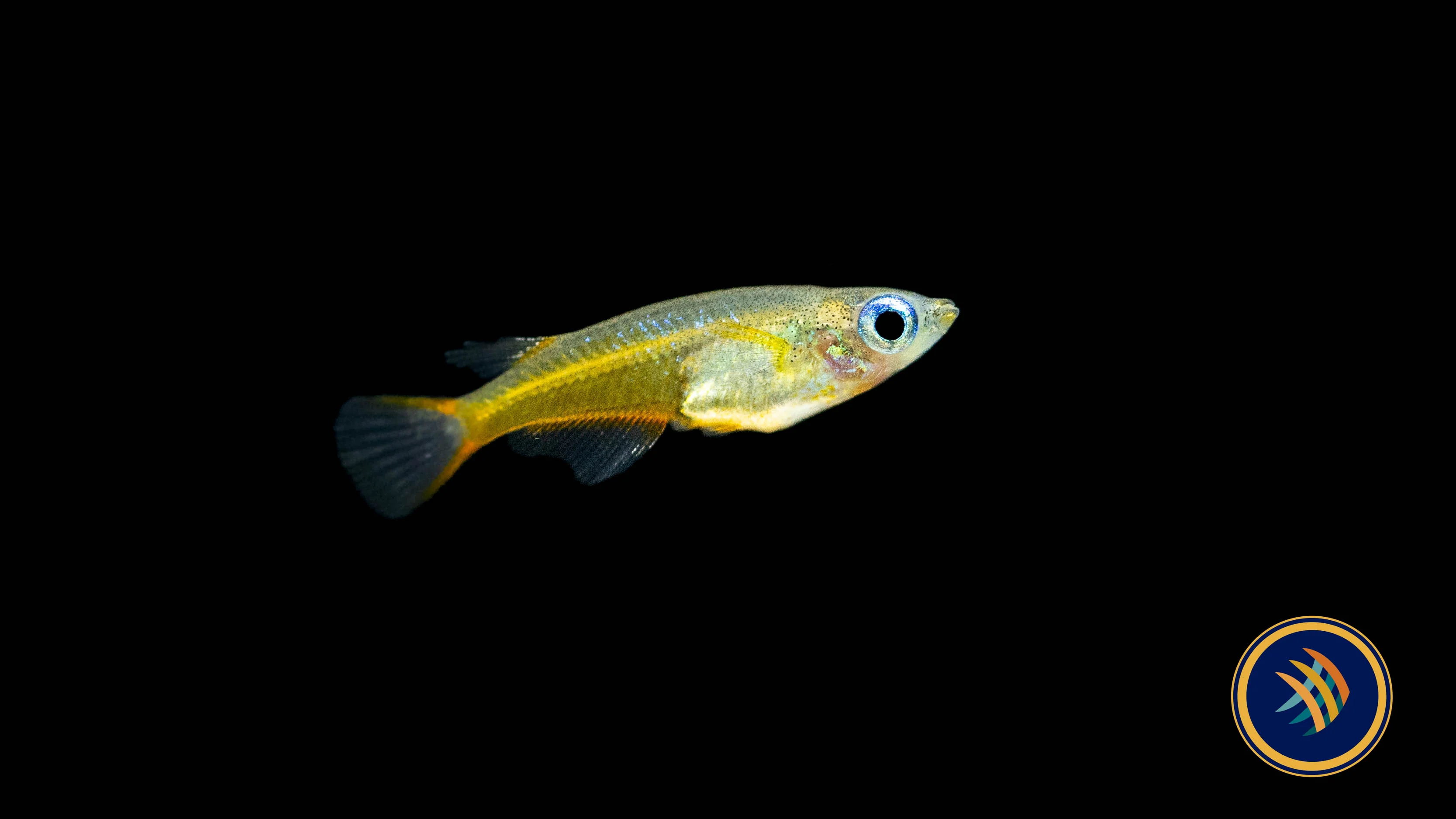
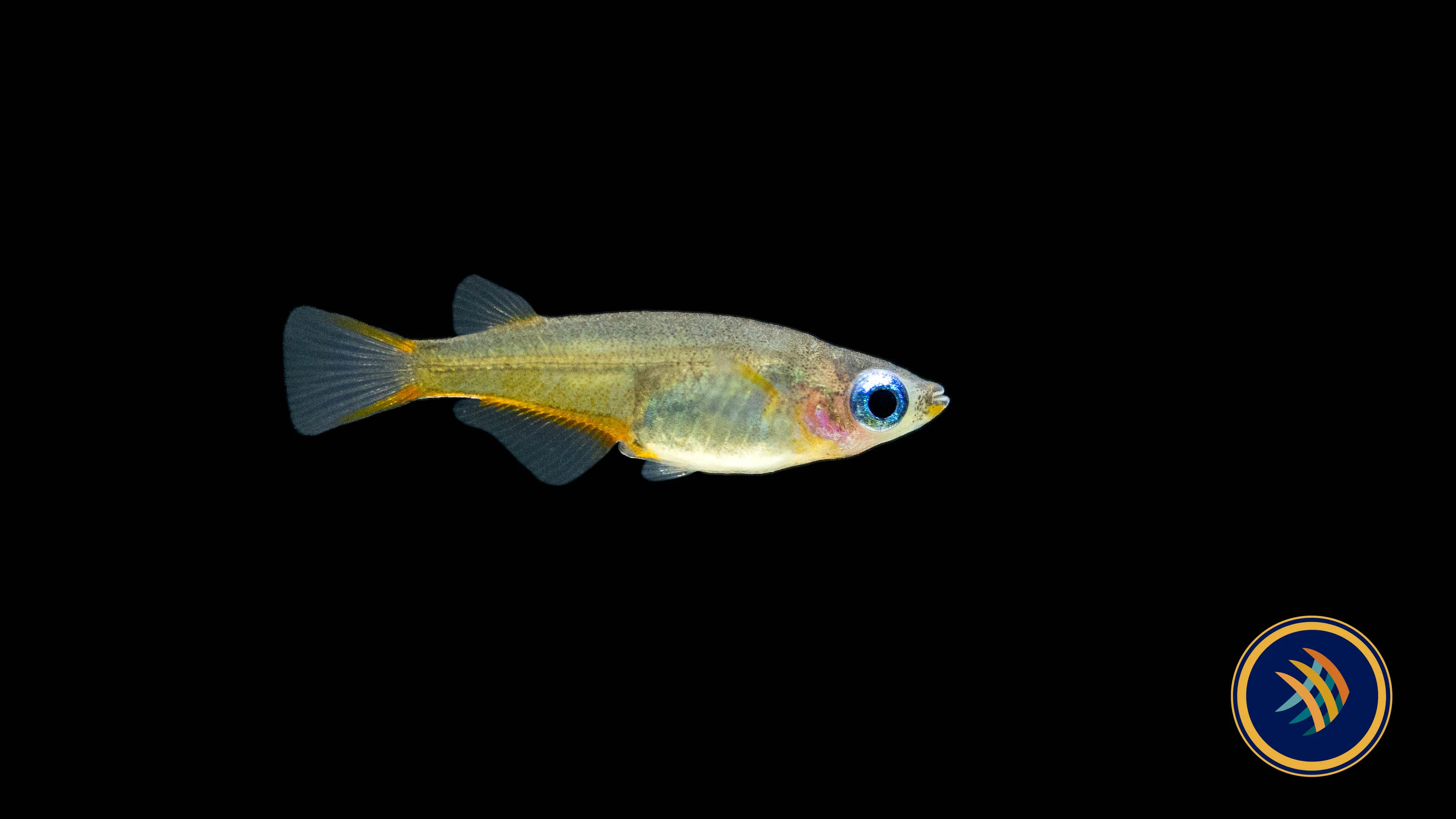
Daisy's Blue Ricefish (Oryzias woworae)
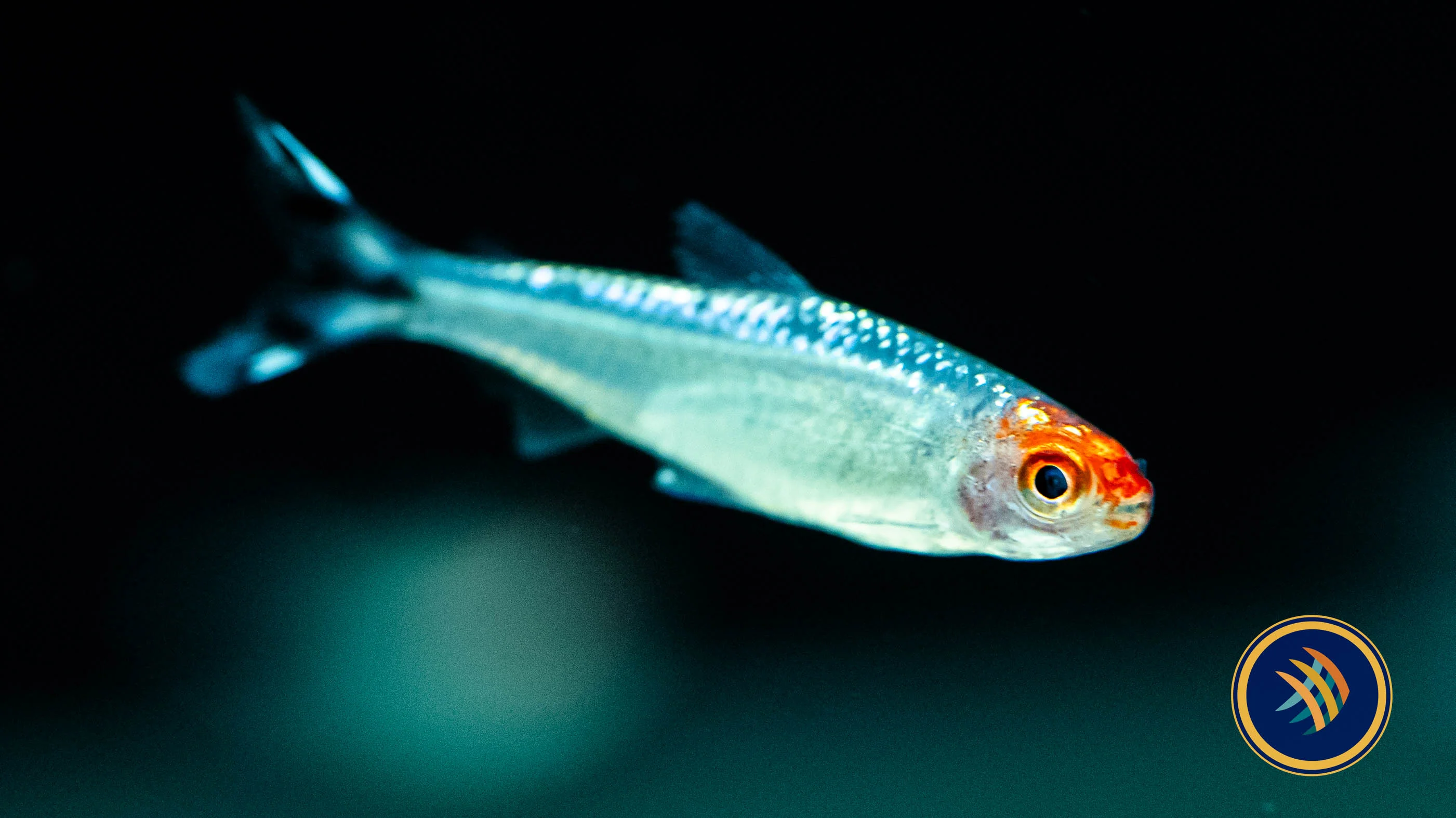
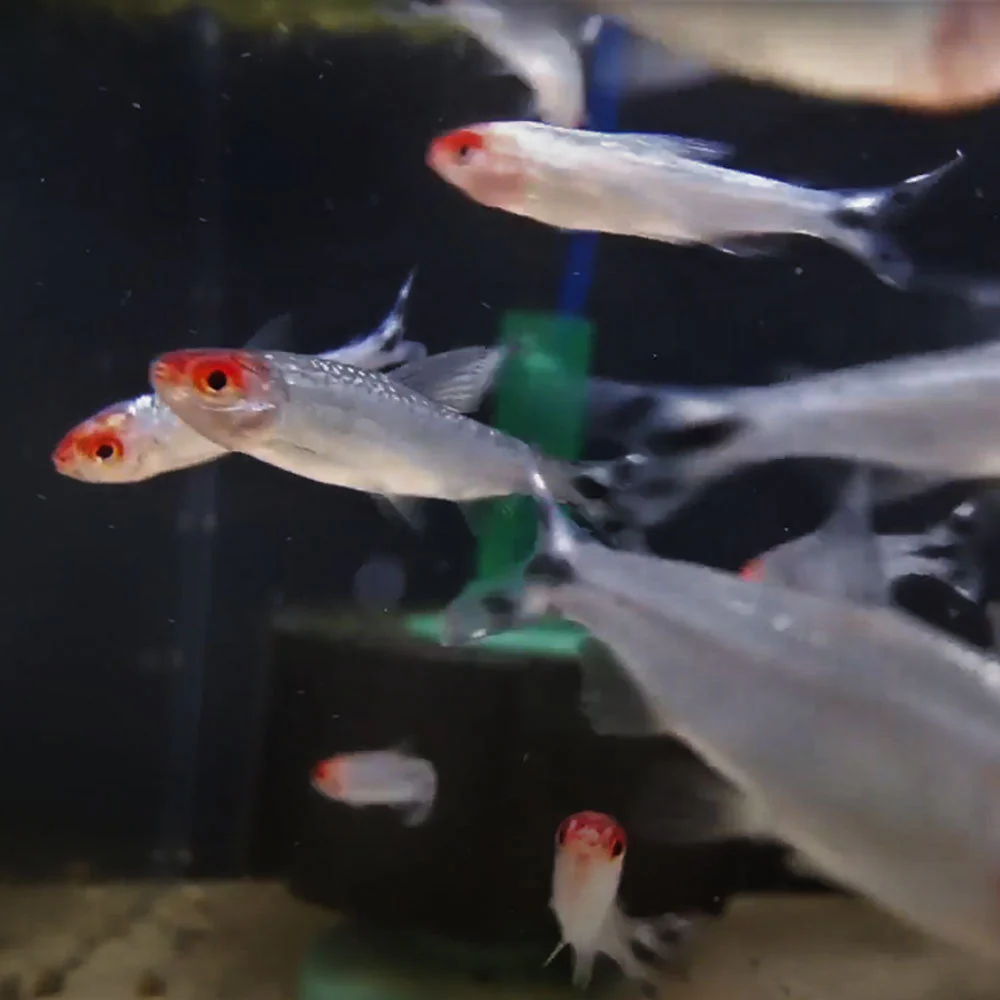
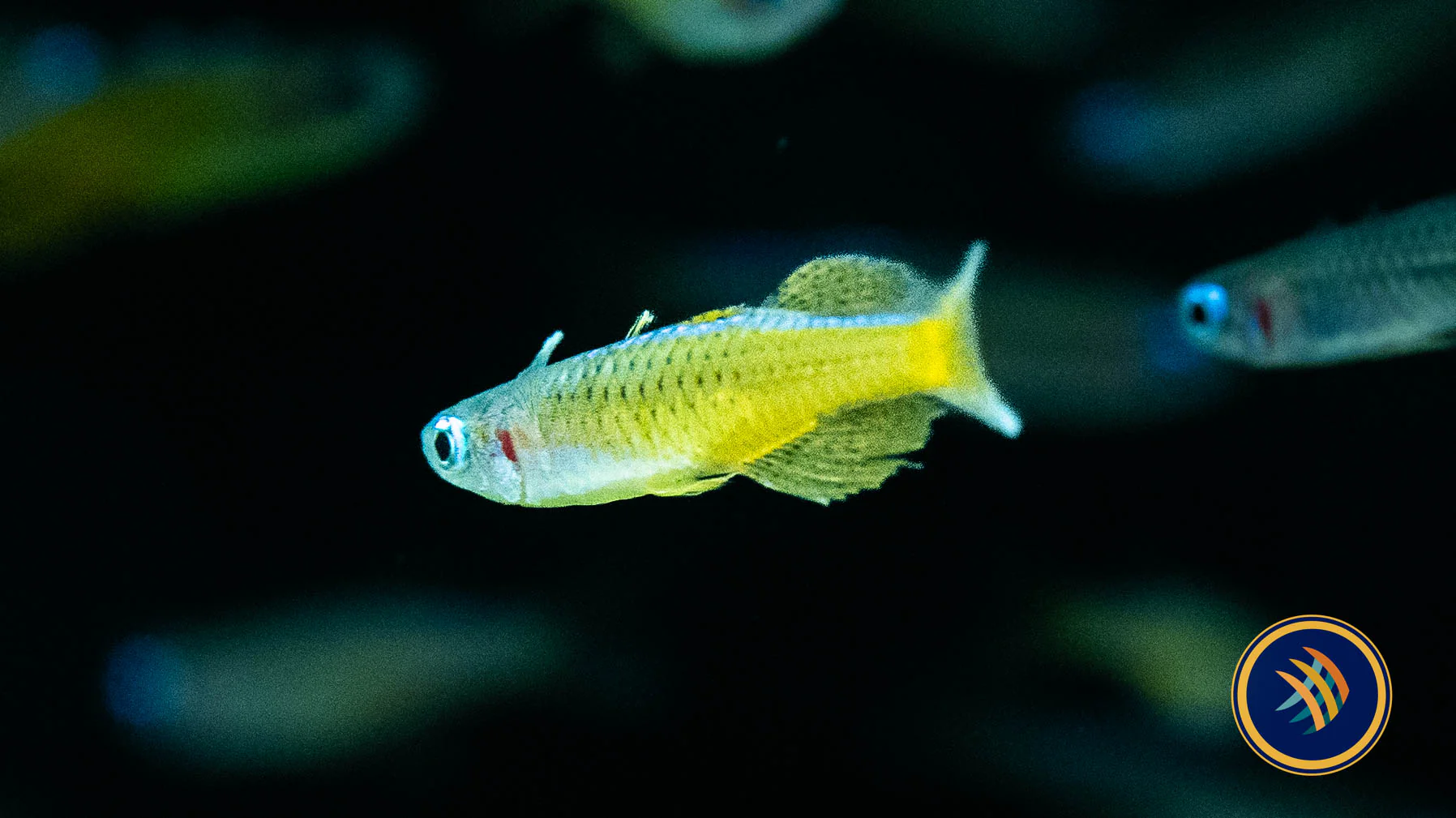
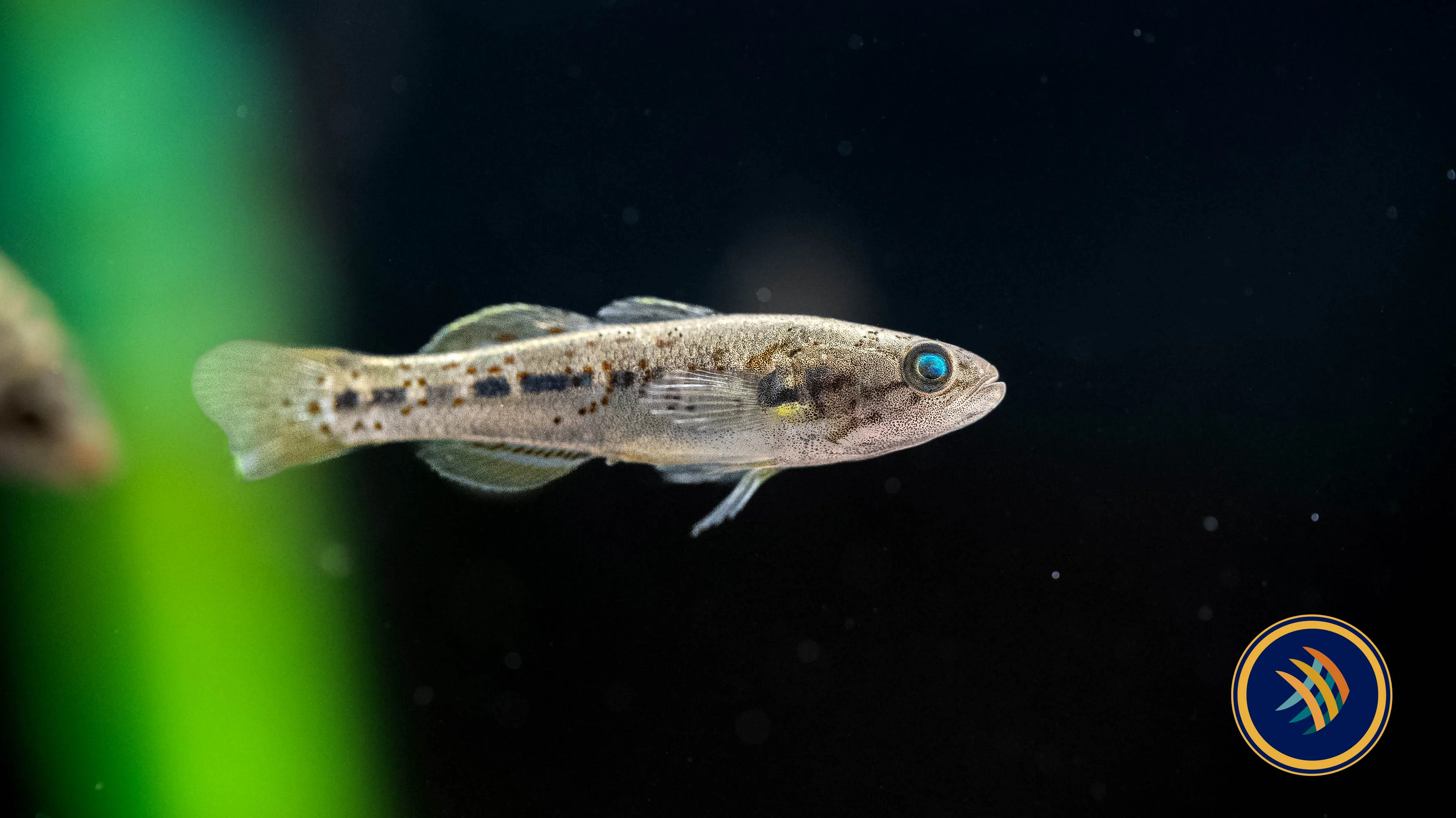
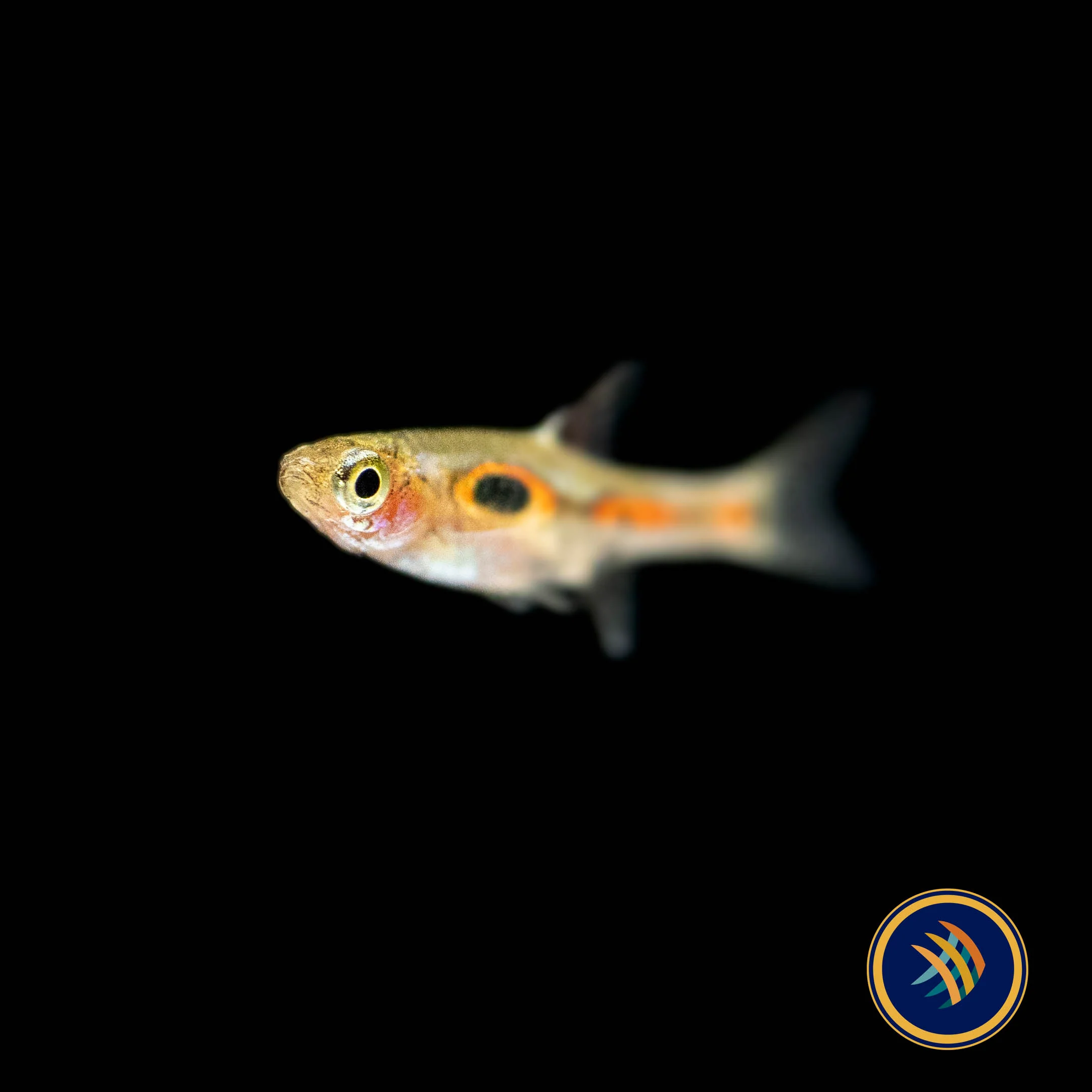
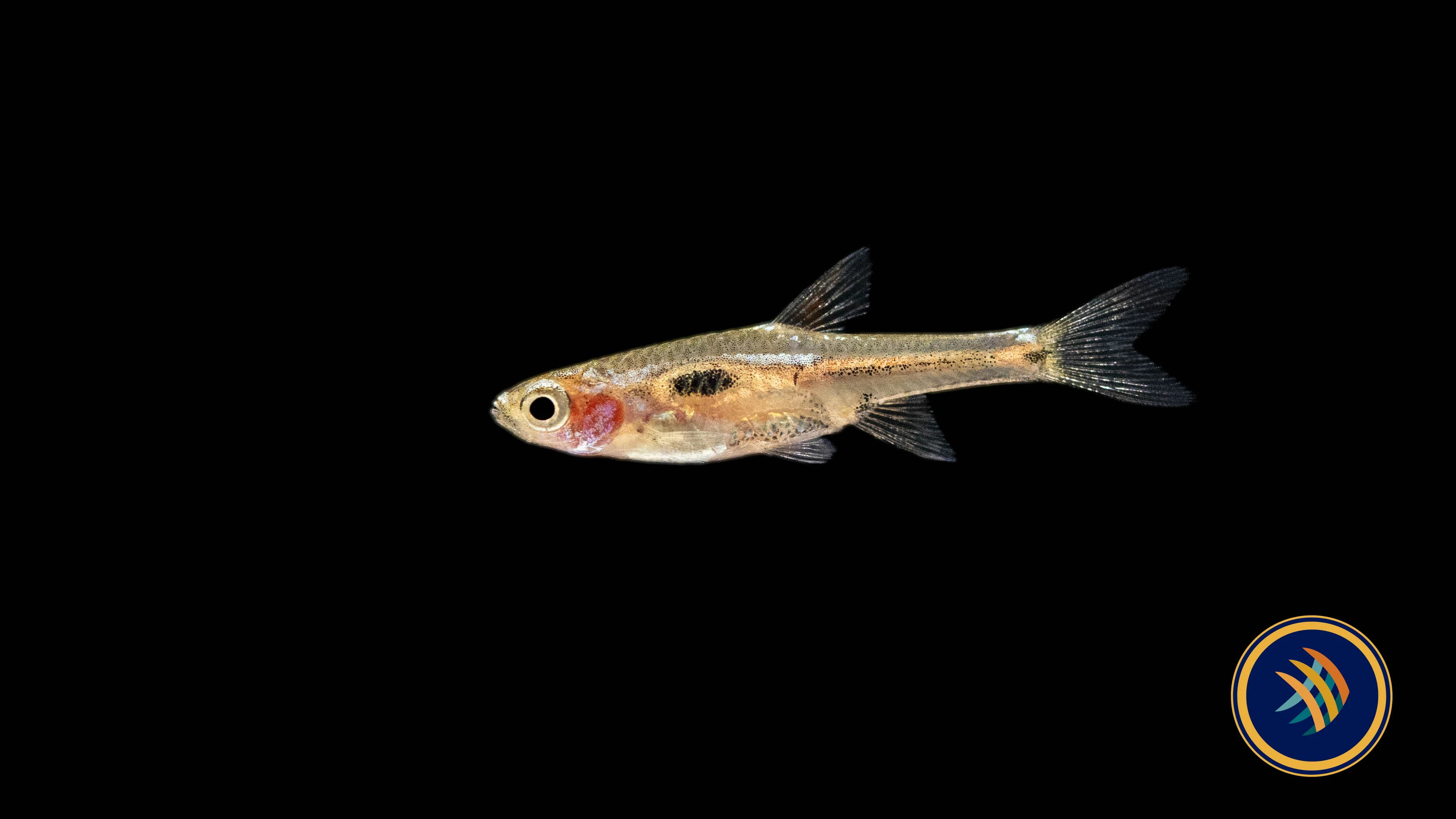
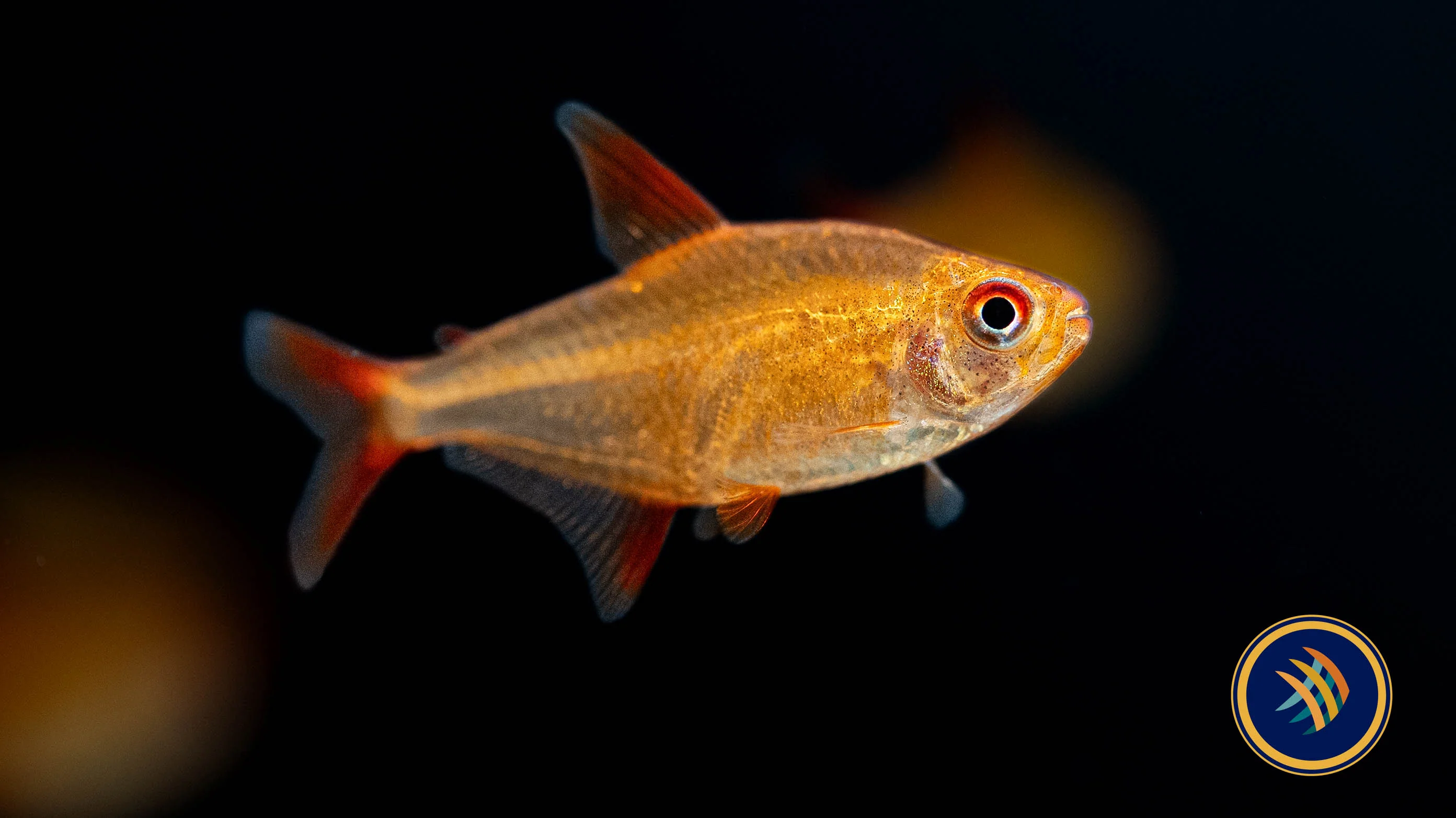
Oryzias woworae, commonly known as Daisy’s Ricefish or sometimes referred to in the hobby as the "Neon Red Fin Rice Fish", is a stunning and peaceful freshwater species native to Muna Island, Southeast Sulawesi, Indonesia.
Appearance
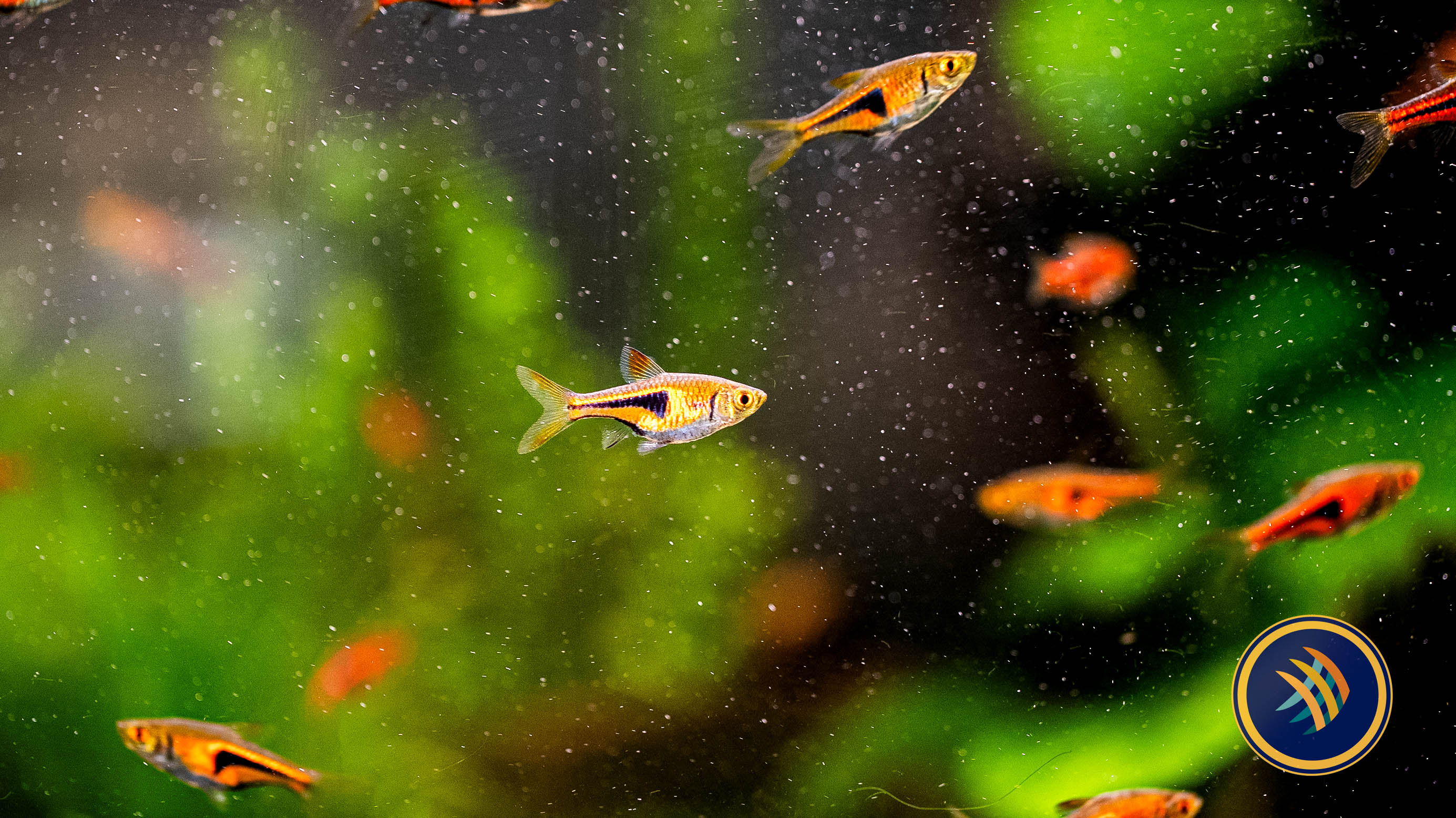
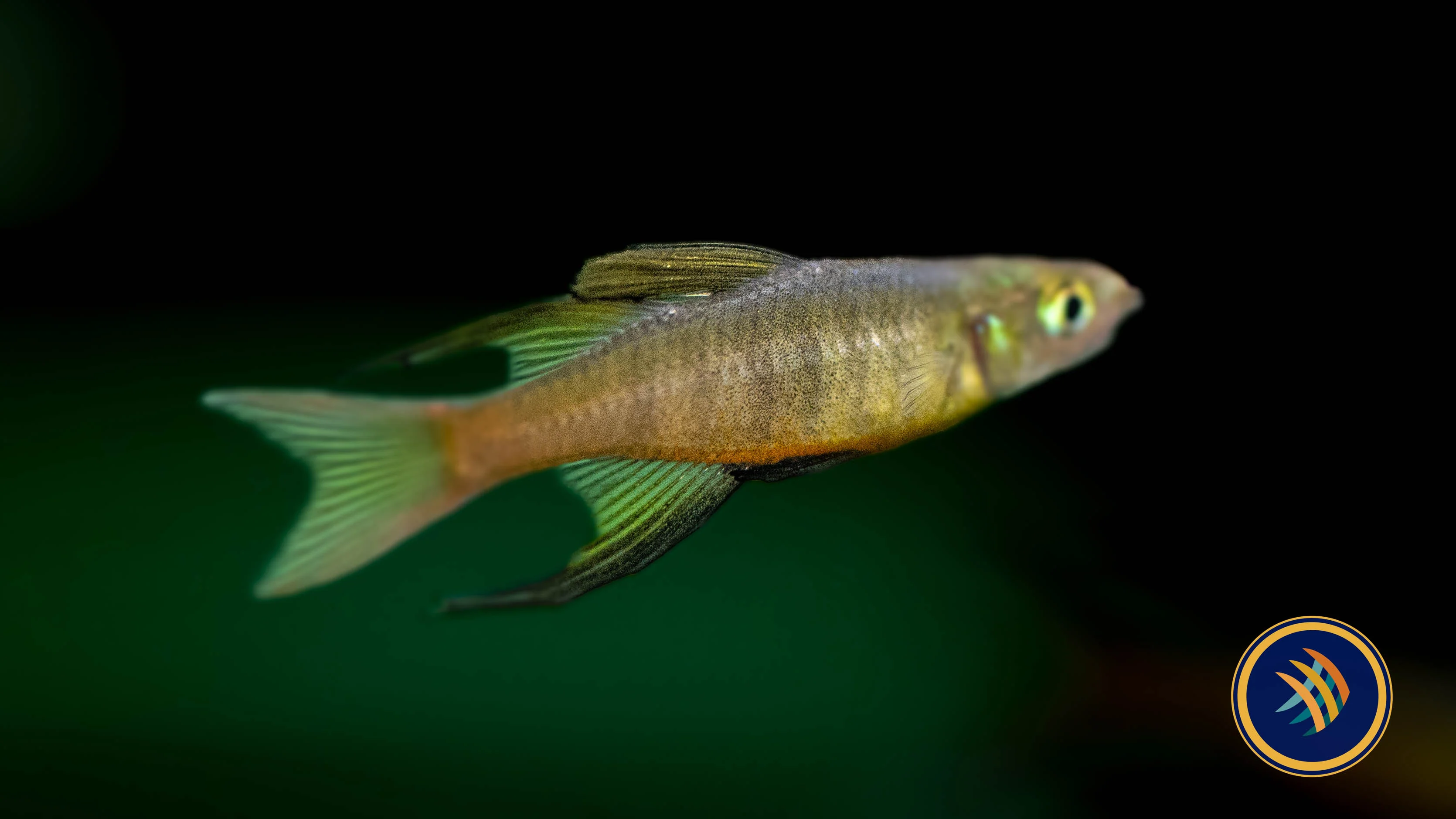
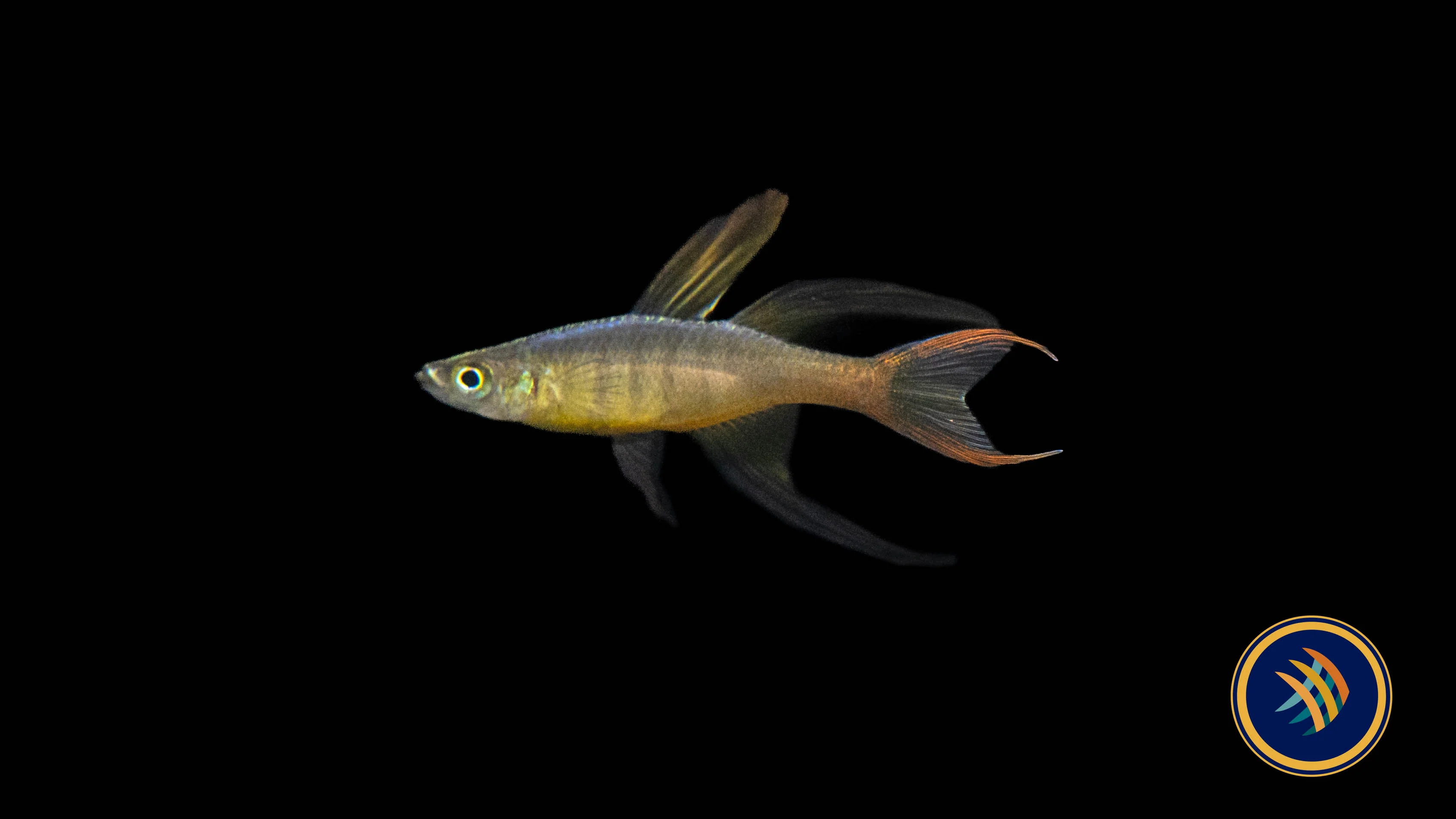
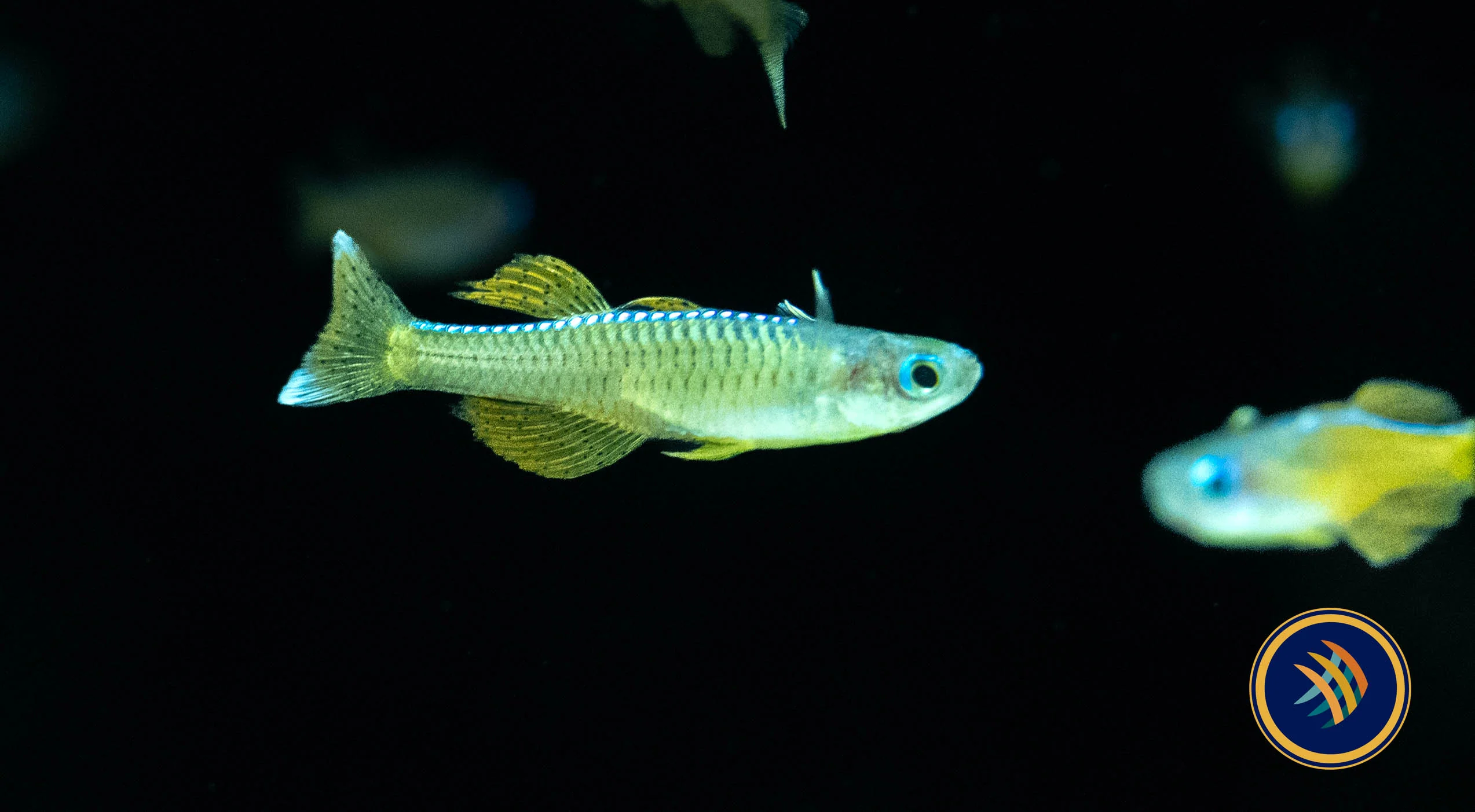
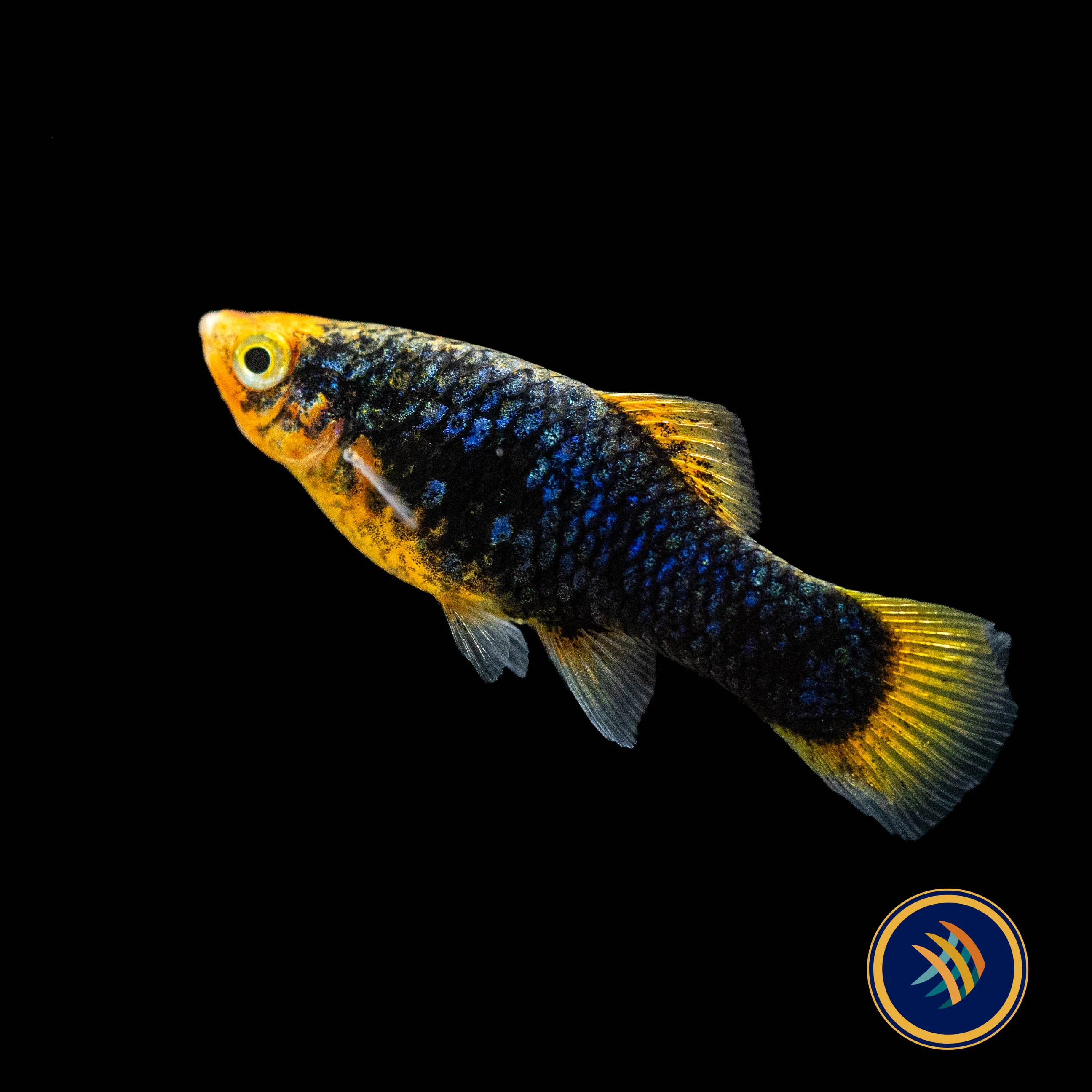
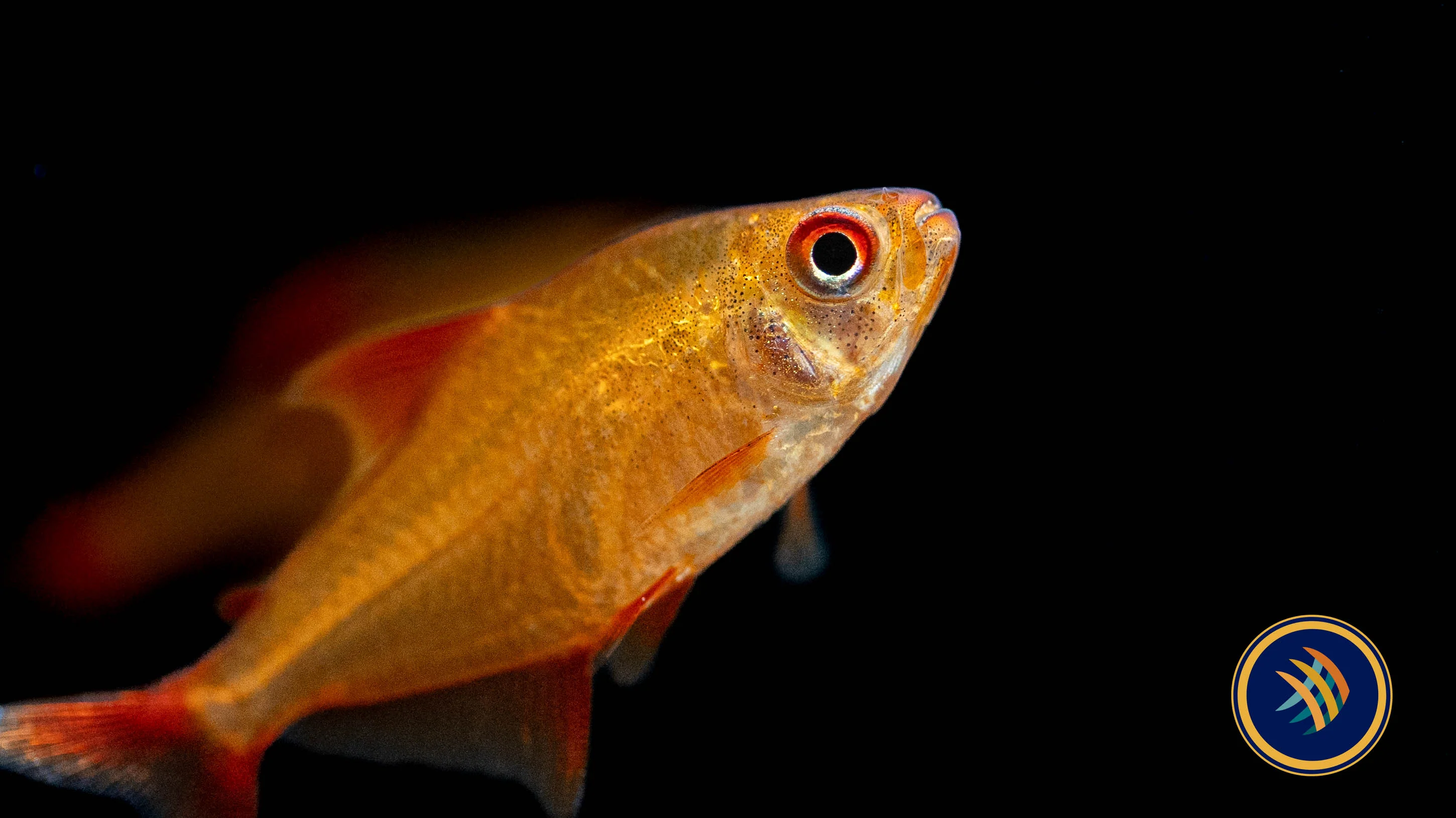
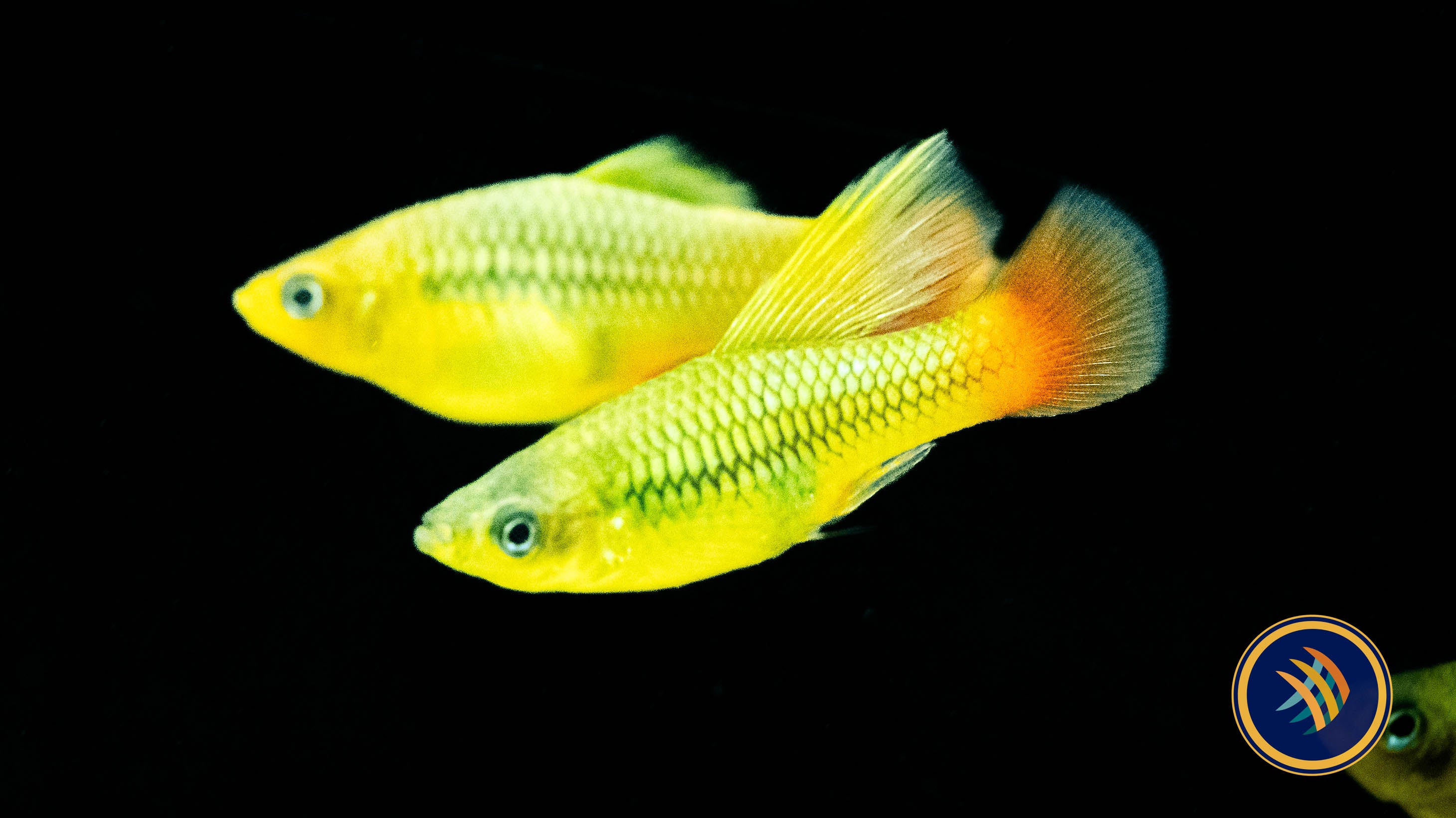
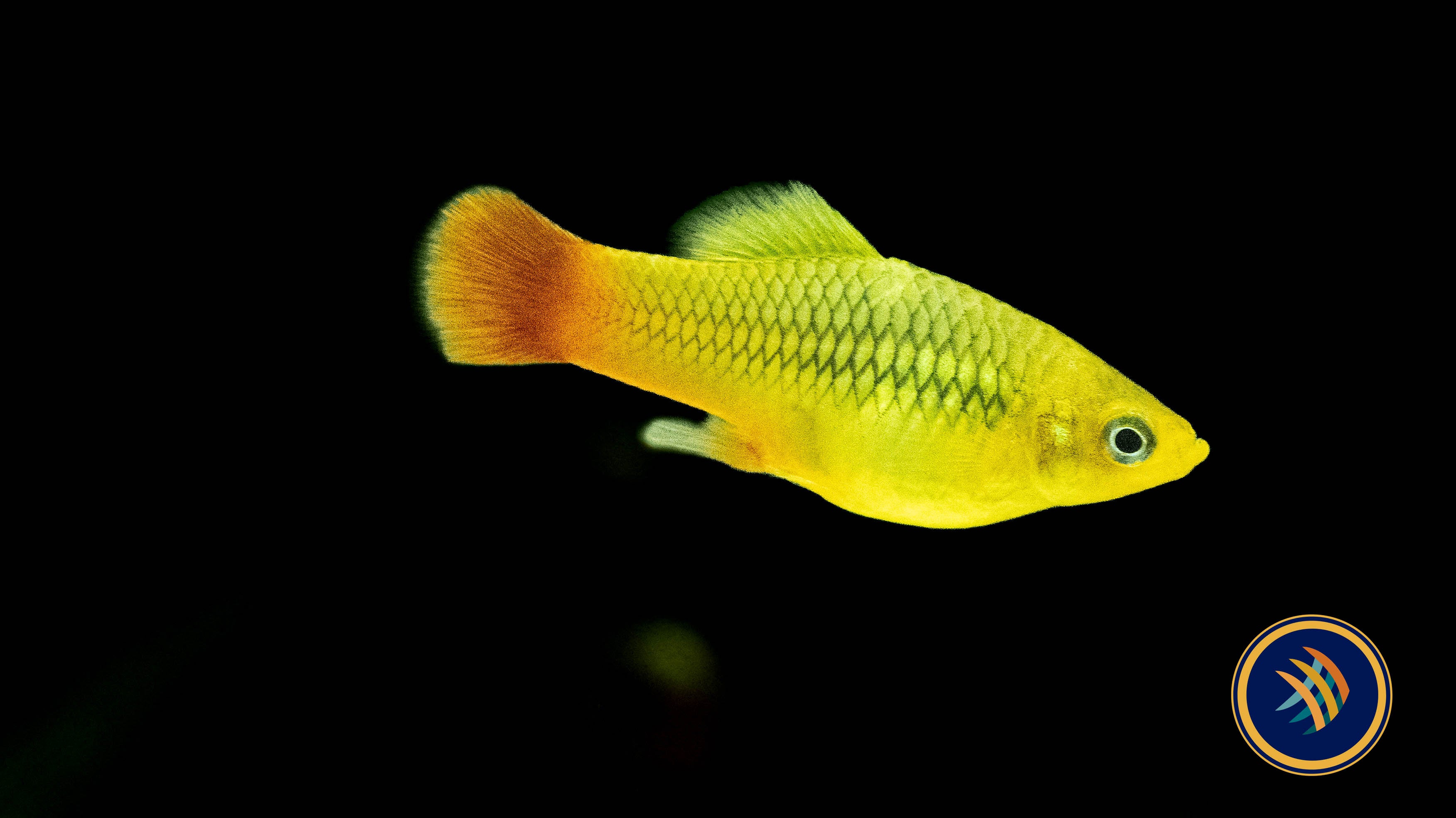
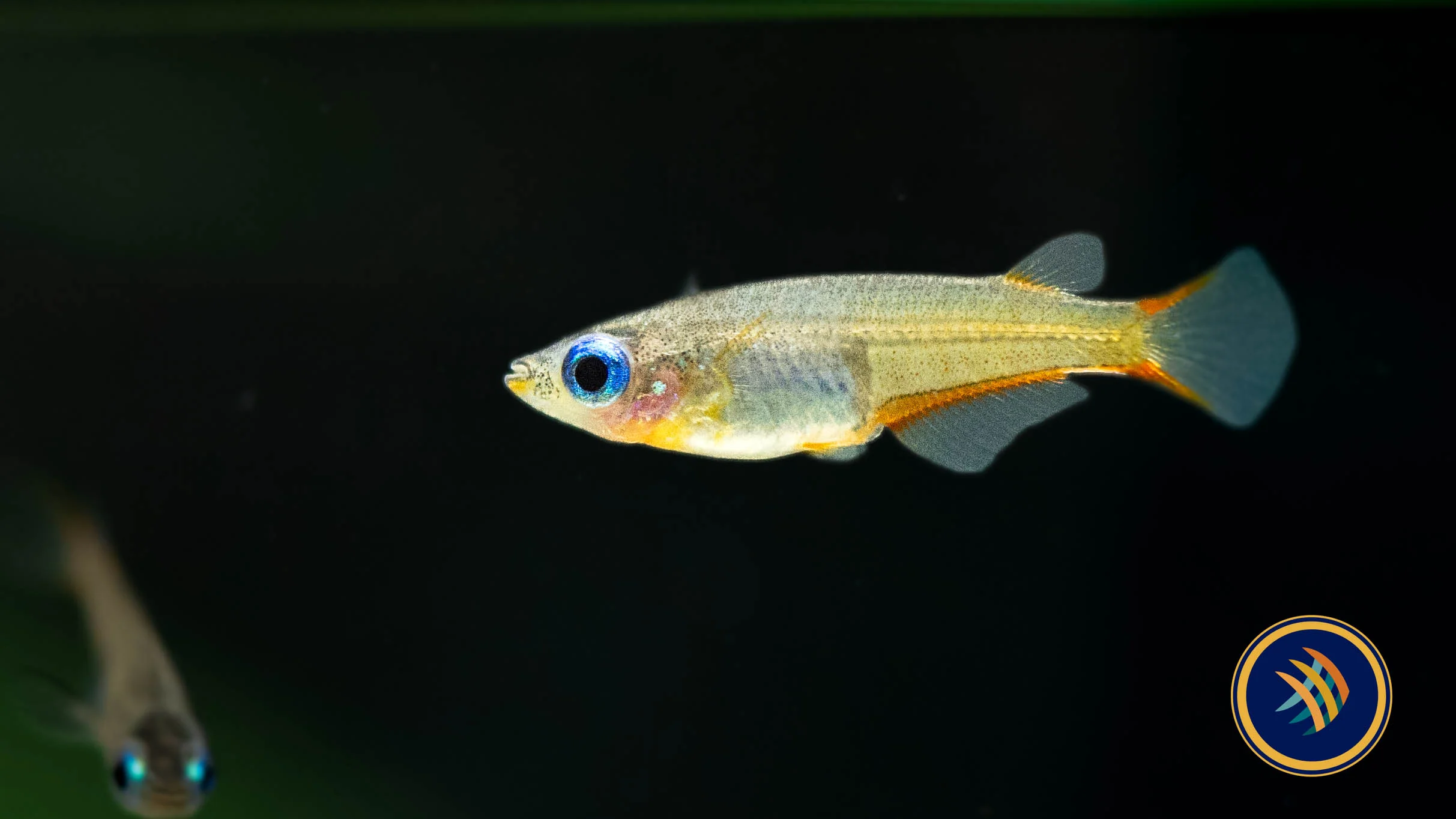
- Males: Metallic steel-blue body with vivid red or neon red fins, especially on the caudal and dorsal fins.
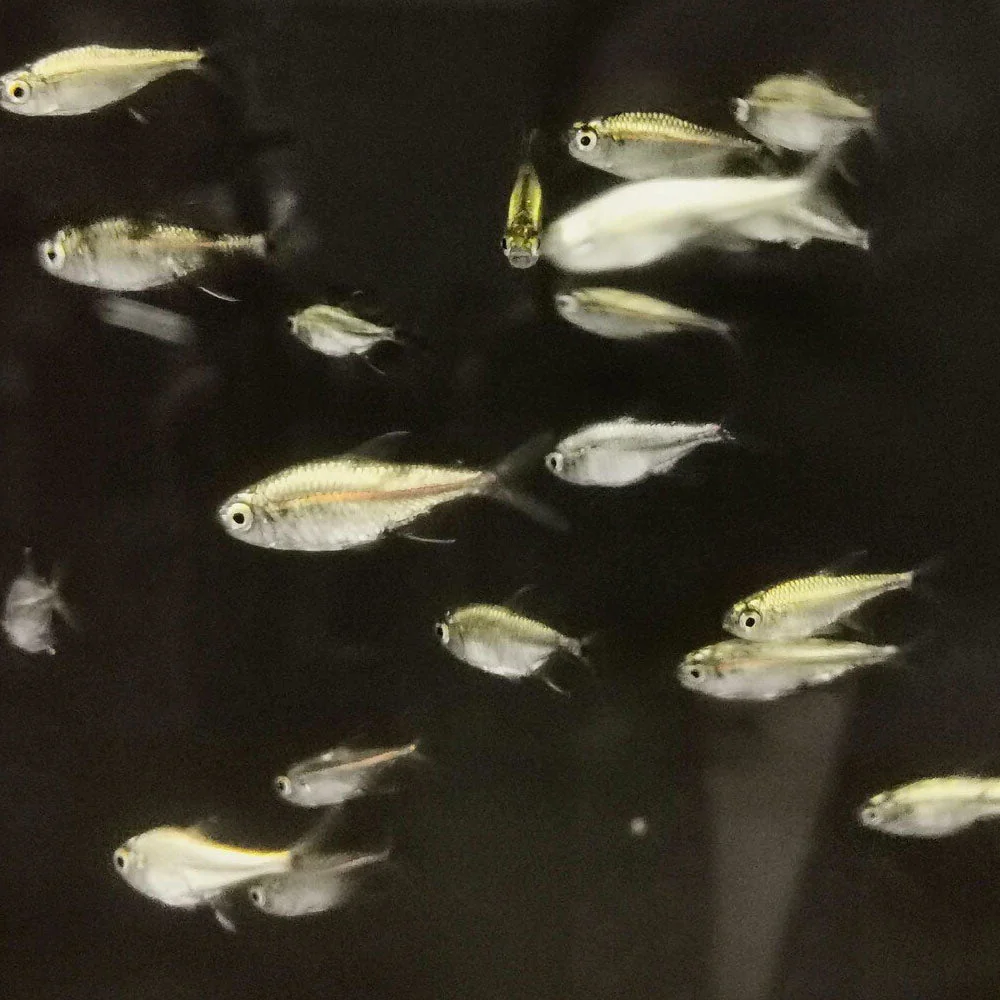
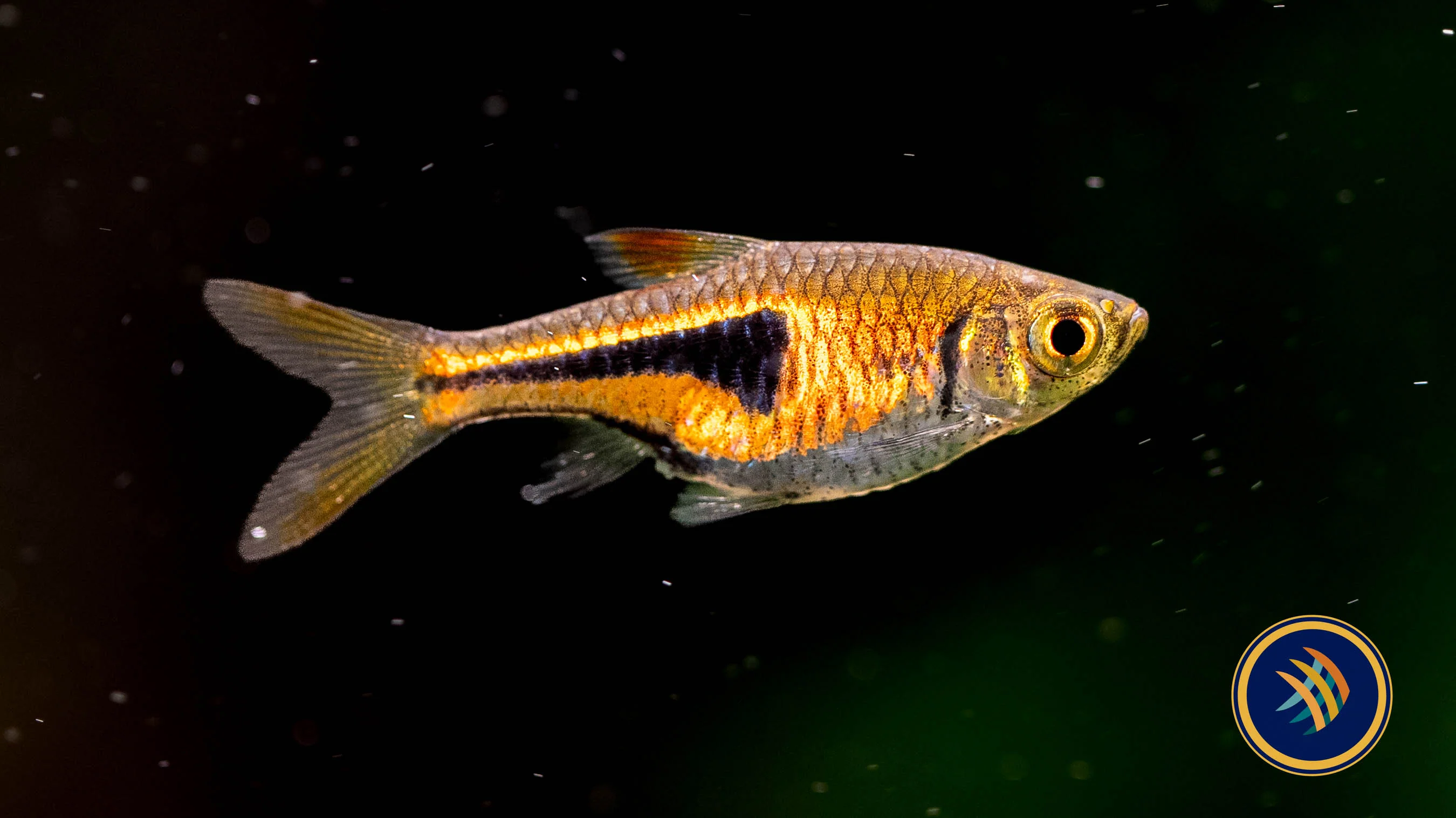
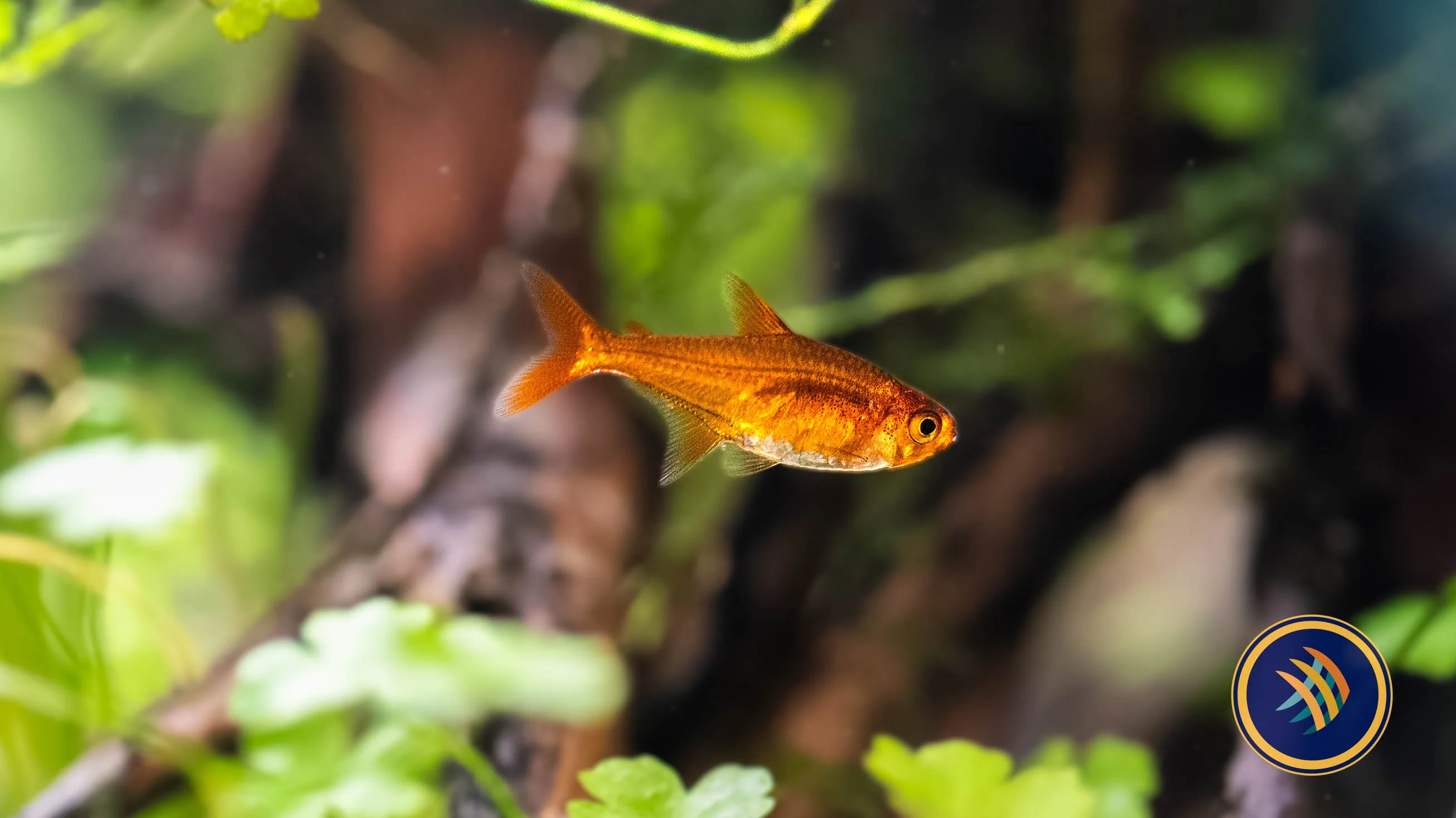
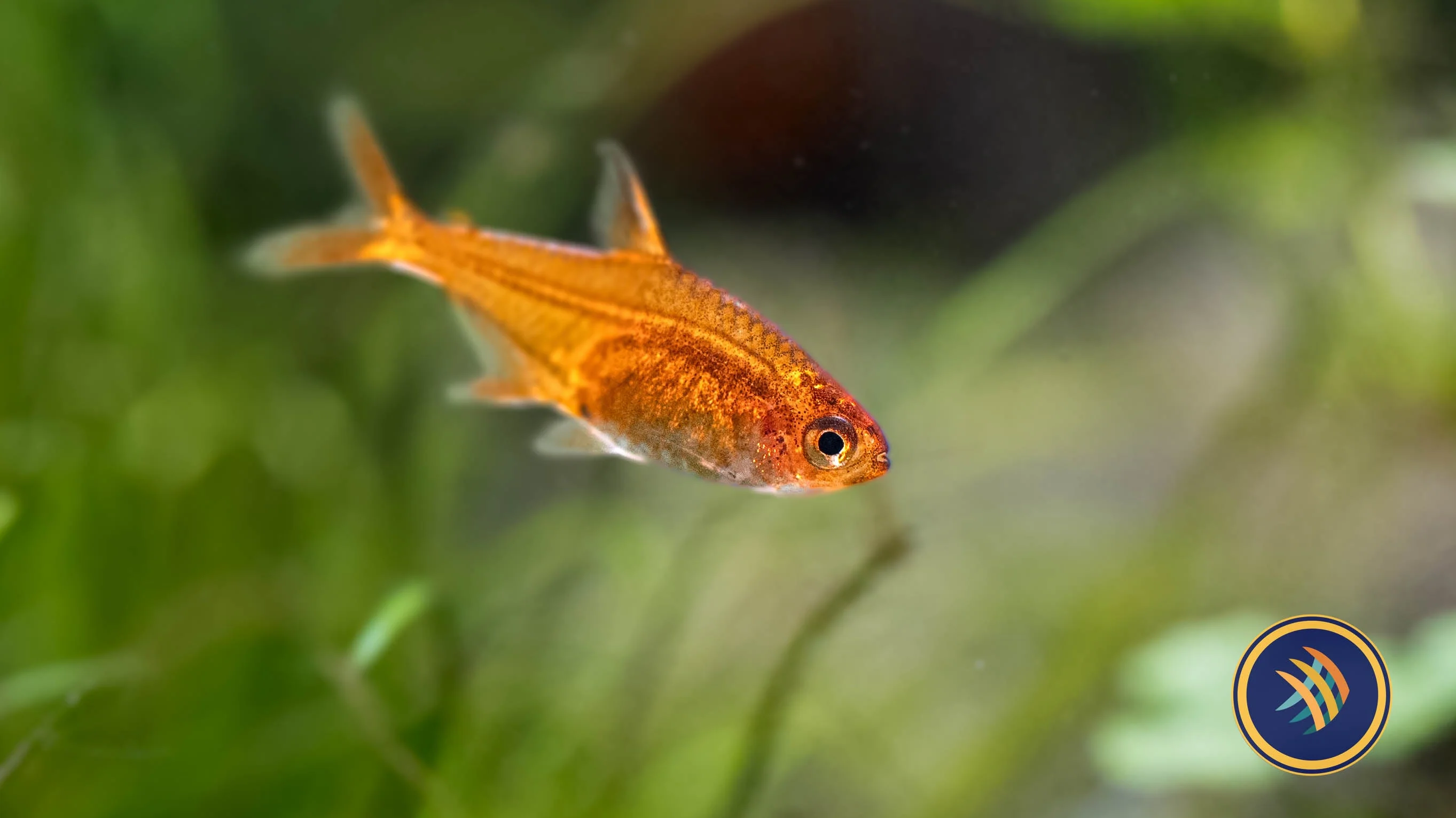
- Females: More subdued, with a golden-yellow body and lighter red or orange fin accents.
- Size: Typically 2.5–3 cm (1.0–1.2 inches), though some may reach up to 5 cm in captivity
Behavior & Temperament
- Peaceful and schooling fish; best kept in groups of 8 or more.
- Thrive in community tanks with other small, non-aggressive species.
- Males may spar during breeding but rarely cause harm
Natural Habitat
- Found in karstic freshwater streams with leaf litter, mud, and sand substrates.
- Prefer slow-moving, shaded waters under forest canopy
Water Parameters
- Temperature: 23–27°C (73–81°F)
- pH: 6.0–7.5
- Hardness: 5–15 dGH
- Tank Size: Minimum 10 gallons for a group
Diet
- Omnivorous: Accepts flakes, micro pellets, live foods (brine shrimp, daphnia), and frozen foods.
- Also grazes on algae and biofilm
Breeding
- Easy to breed: Females lay 10–20 adhesive eggs every few days.
- Eggs are carried briefly by the female before being deposited on plants or spawning mops.
- Fry hatch in 1–3 weeks and can be fed infusoria or baby brine shrimp
Tank Setup Tips
- Use sandy substrate, leaf litter, driftwood, and live plants (e.g., Java moss).
- Provide gentle filtration and a tight-fitting lid (they can jump).
- Mimic their natural habitat for best coloration and behavior
$6.57
Daisy's Blue Ricefish (Oryzias woworae)—
$6.57
Product Information
Product Information
Shipping & Returns
Shipping & Returns
Description
Oryzias woworae, commonly known as Daisy’s Ricefish or sometimes referred to in the hobby as the "Neon Red Fin Rice Fish", is a stunning and peaceful freshwater species native to Muna Island, Southeast Sulawesi, Indonesia.
Appearance
- Males: Metallic steel-blue body with vivid red or neon red fins, especially on the caudal and dorsal fins.
- Females: More subdued, with a golden-yellow body and lighter red or orange fin accents.
- Size: Typically 2.5–3 cm (1.0–1.2 inches), though some may reach up to 5 cm in captivity
Behavior & Temperament
- Peaceful and schooling fish; best kept in groups of 8 or more.
- Thrive in community tanks with other small, non-aggressive species.
- Males may spar during breeding but rarely cause harm
Natural Habitat
- Found in karstic freshwater streams with leaf litter, mud, and sand substrates.
- Prefer slow-moving, shaded waters under forest canopy
Water Parameters
- Temperature: 23–27°C (73–81°F)
- pH: 6.0–7.5
- Hardness: 5–15 dGH
- Tank Size: Minimum 10 gallons for a group
Diet
- Omnivorous: Accepts flakes, micro pellets, live foods (brine shrimp, daphnia), and frozen foods.
- Also grazes on algae and biofilm
Breeding
- Easy to breed: Females lay 10–20 adhesive eggs every few days.
- Eggs are carried briefly by the female before being deposited on plants or spawning mops.
- Fry hatch in 1–3 weeks and can be fed infusoria or baby brine shrimp
Tank Setup Tips
- Use sandy substrate, leaf litter, driftwood, and live plants (e.g., Java moss).
- Provide gentle filtration and a tight-fitting lid (they can jump).
- Mimic their natural habitat for best coloration and behavior