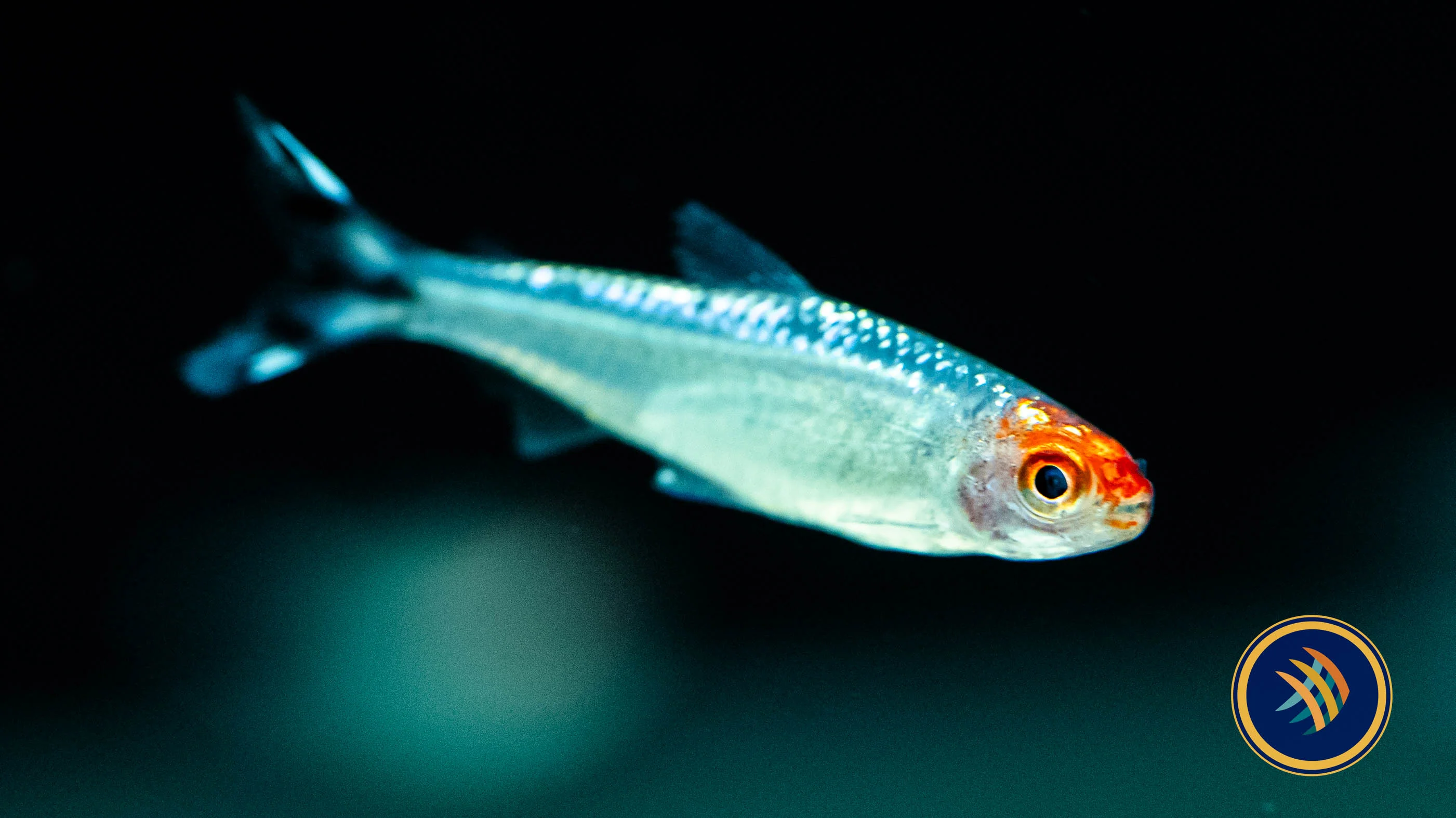
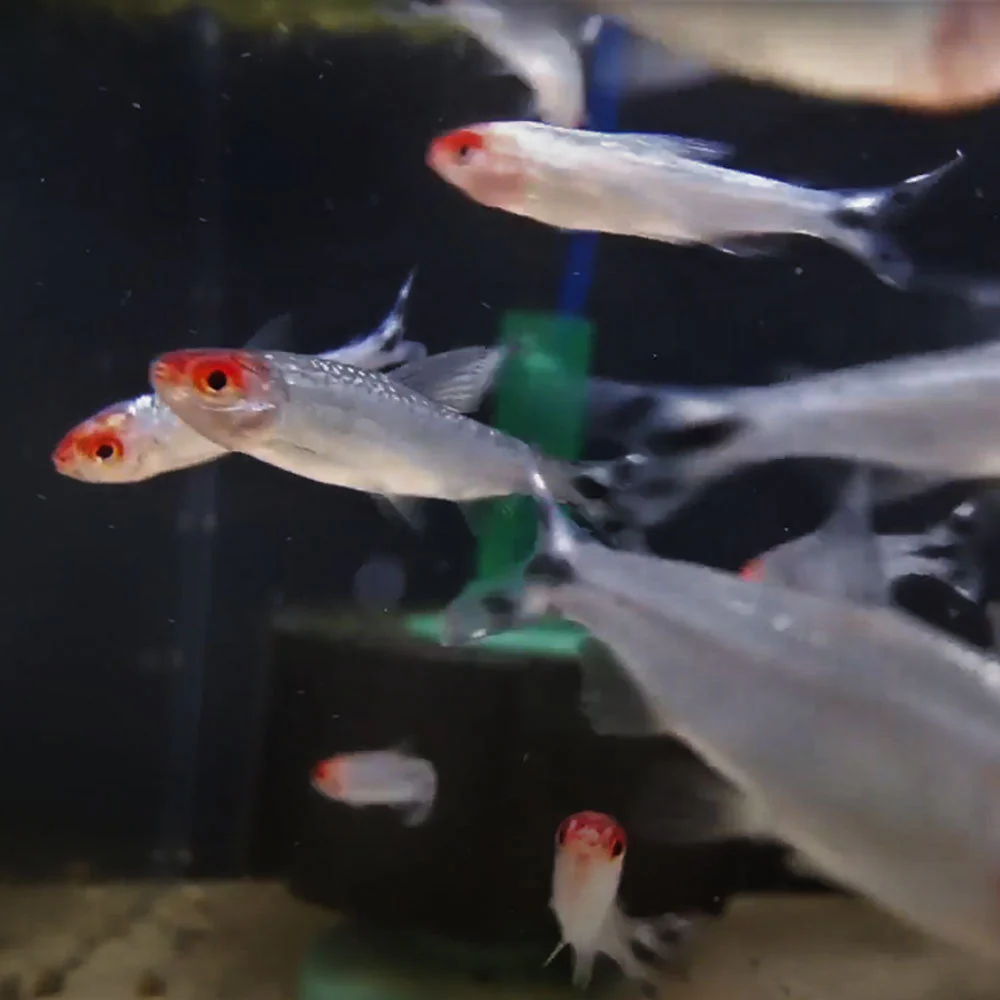
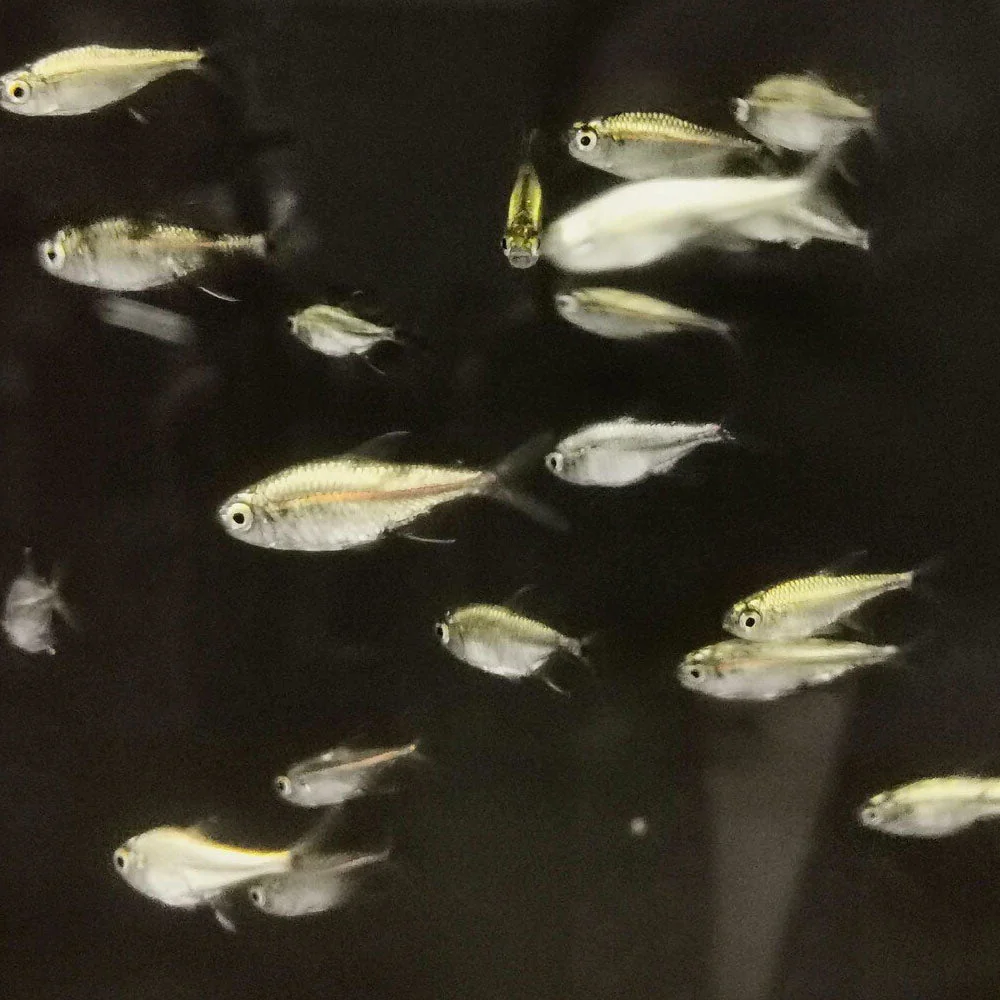
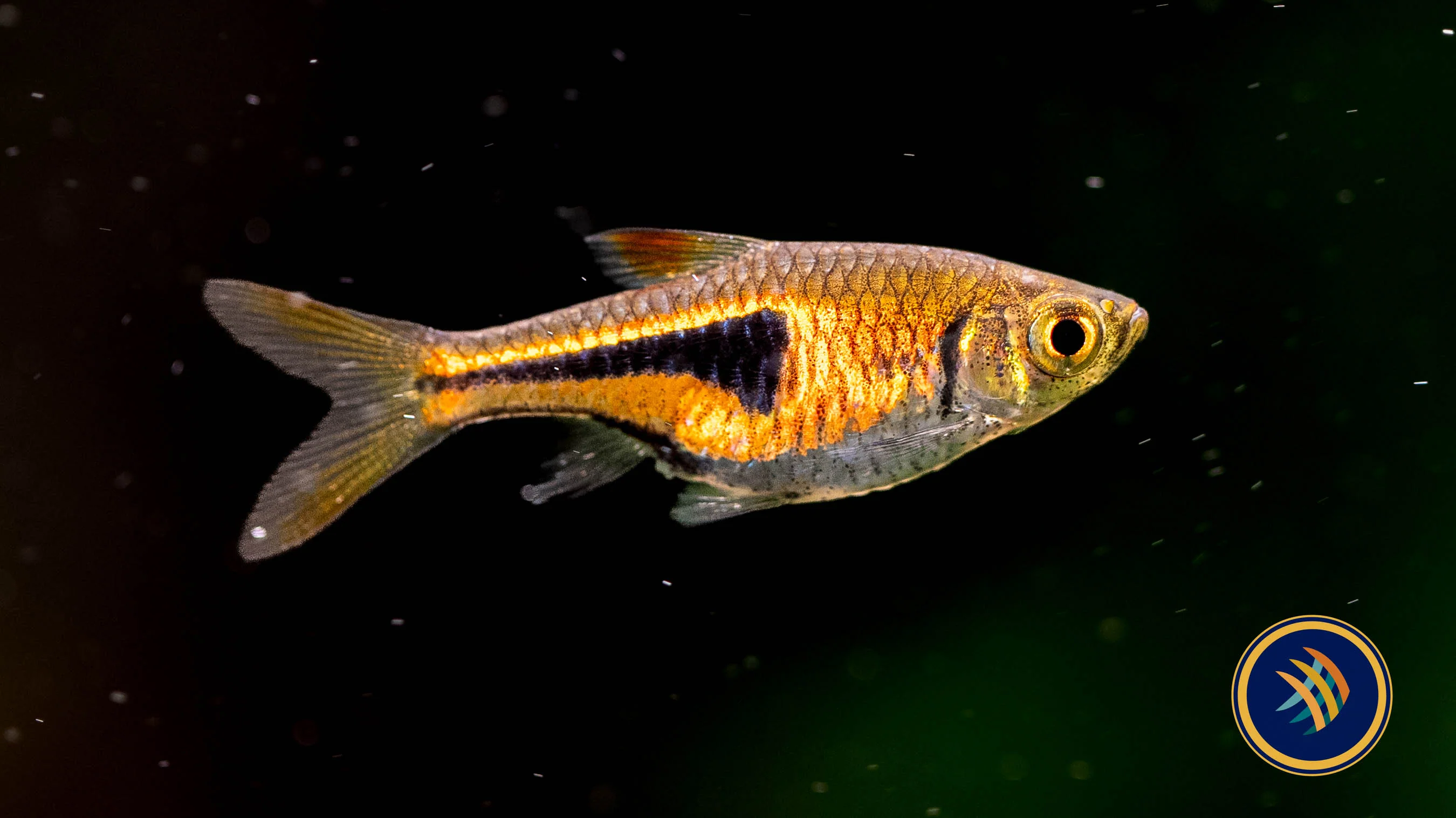
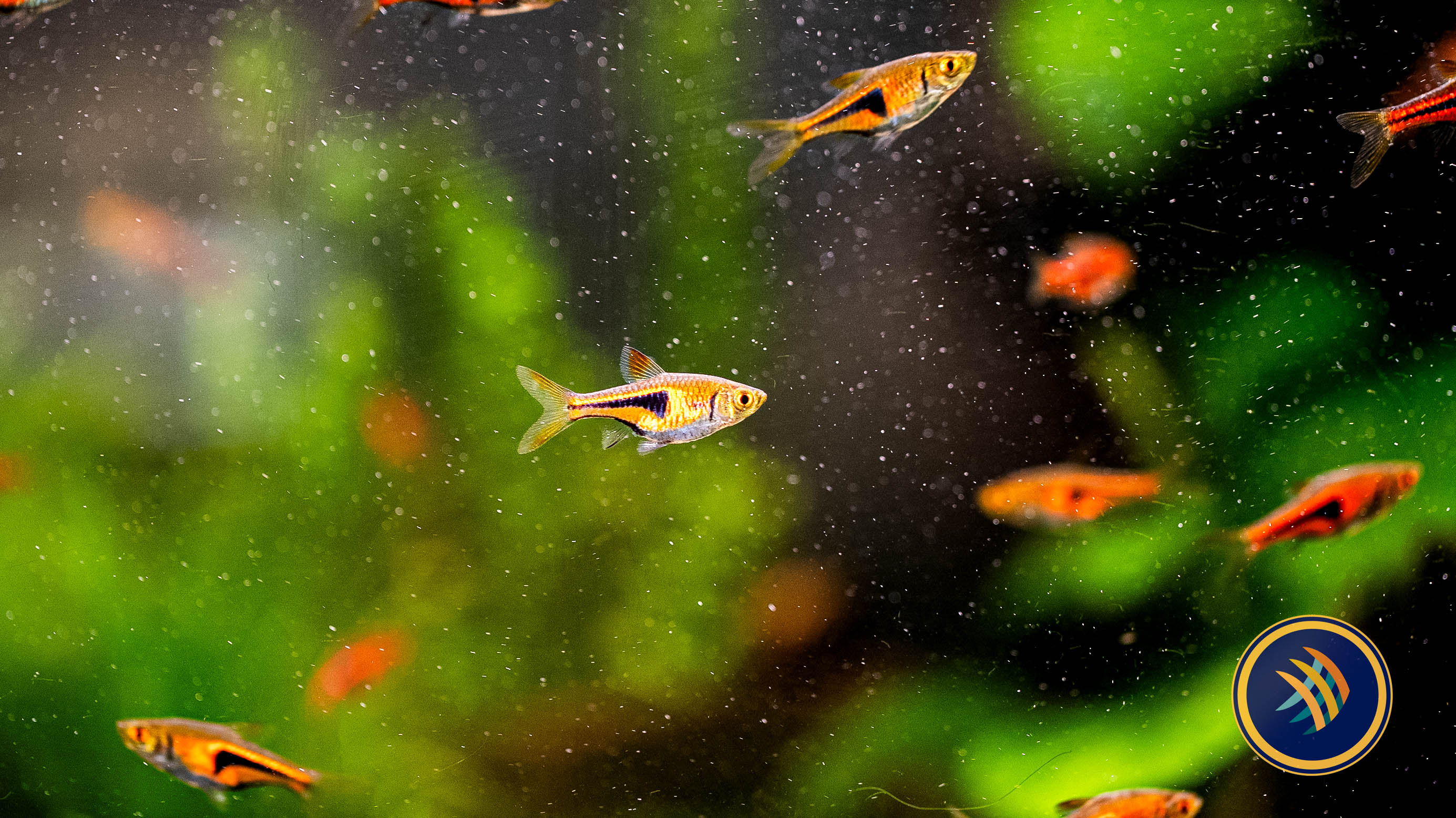
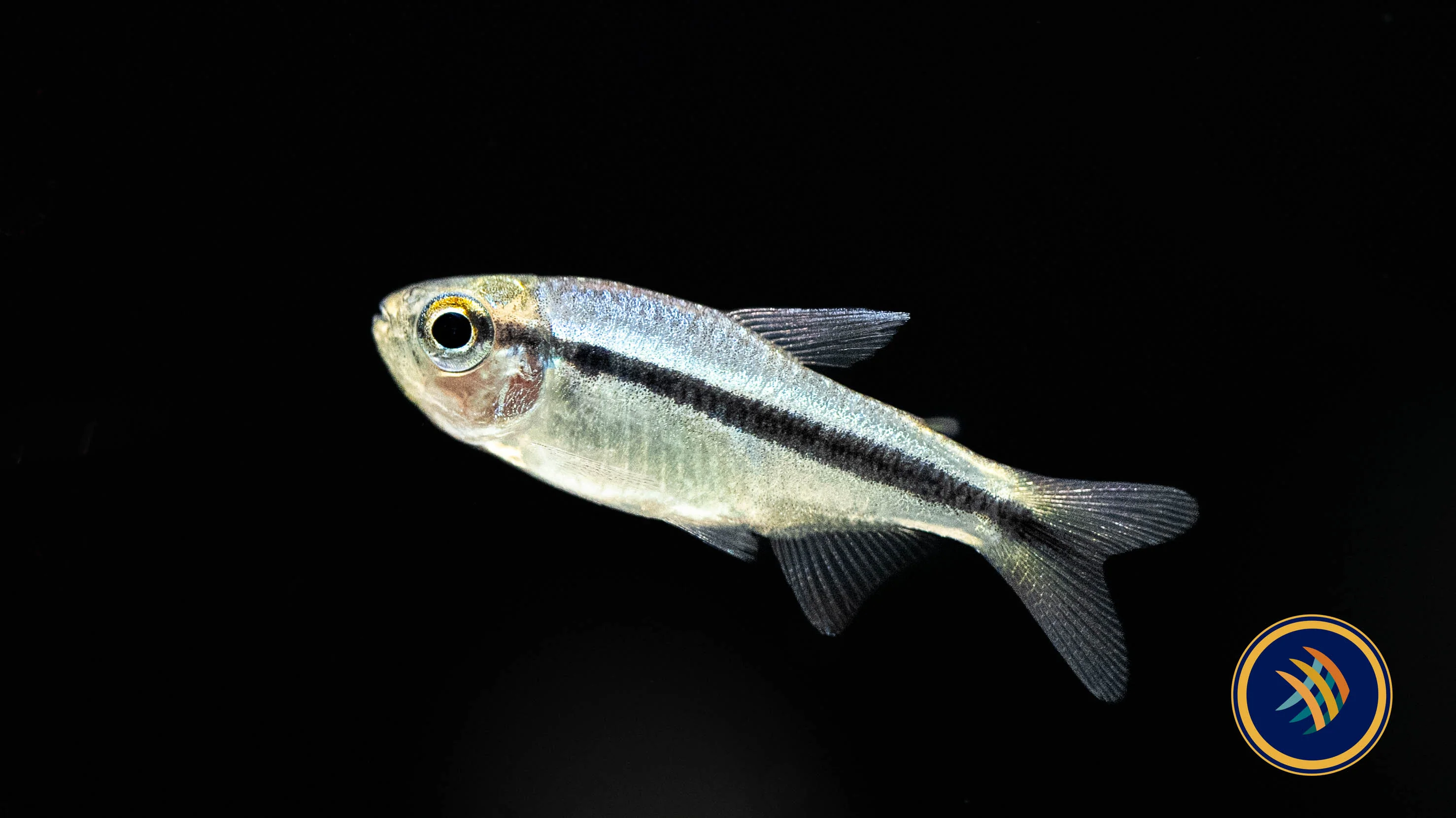
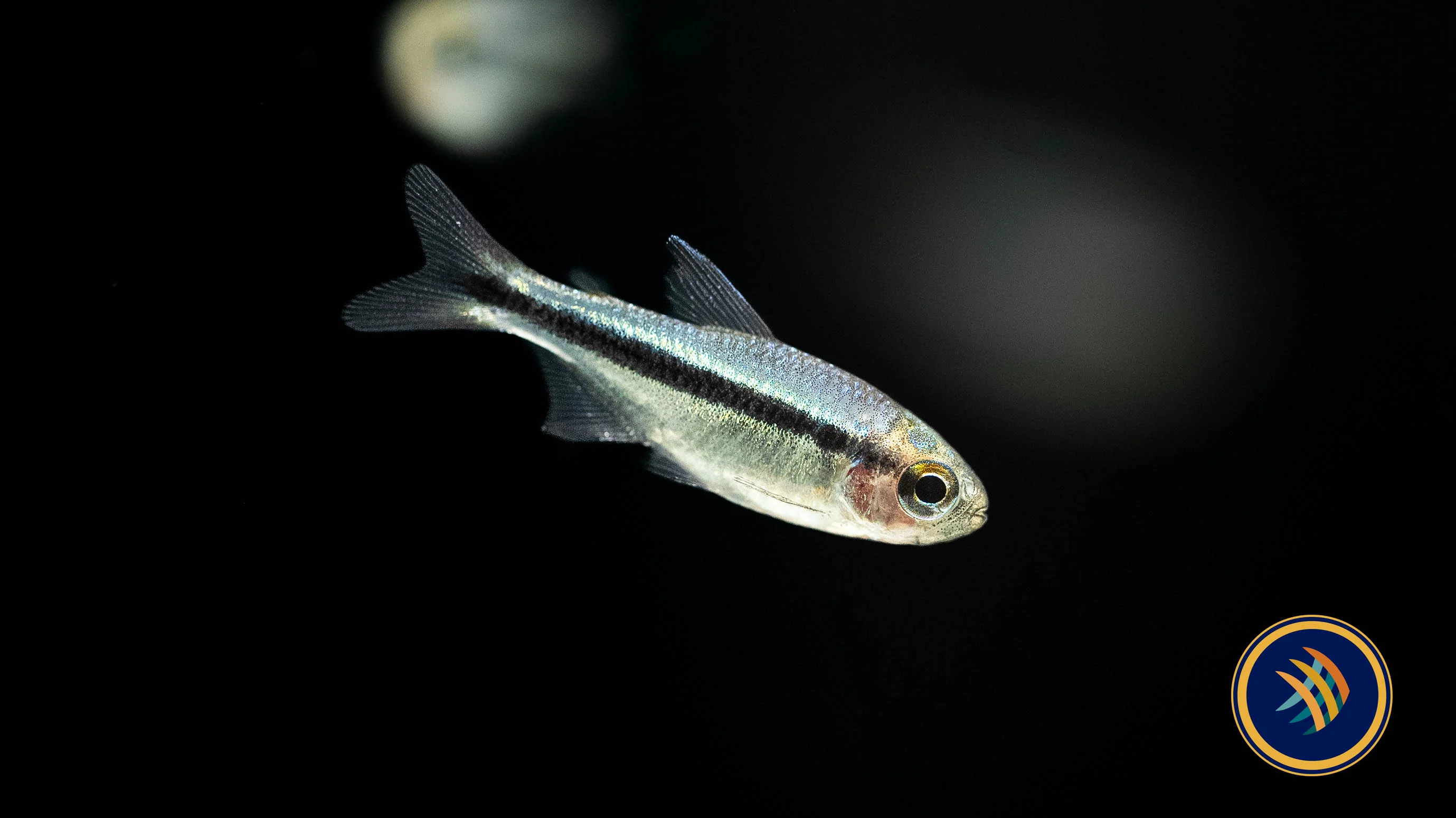
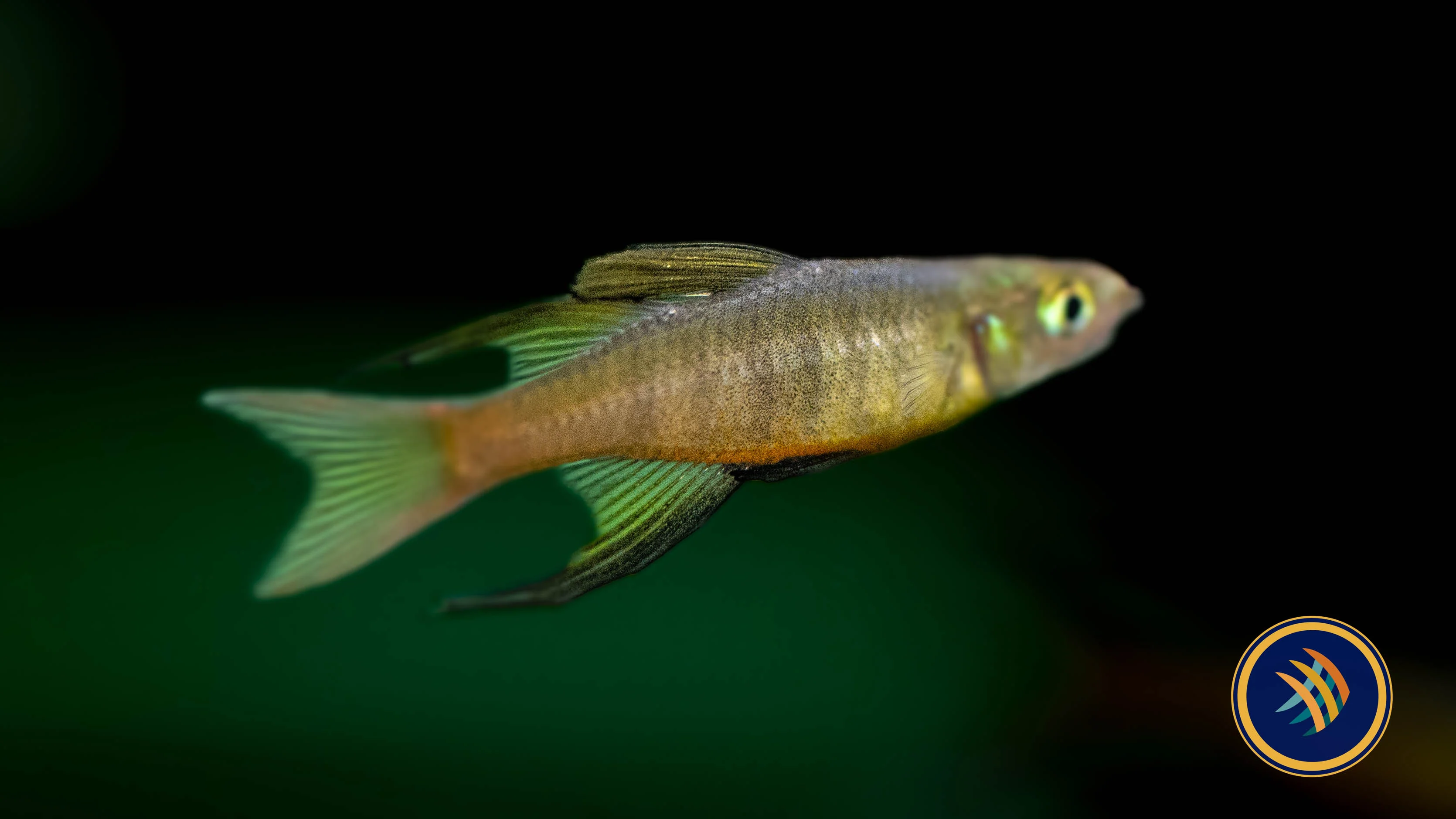
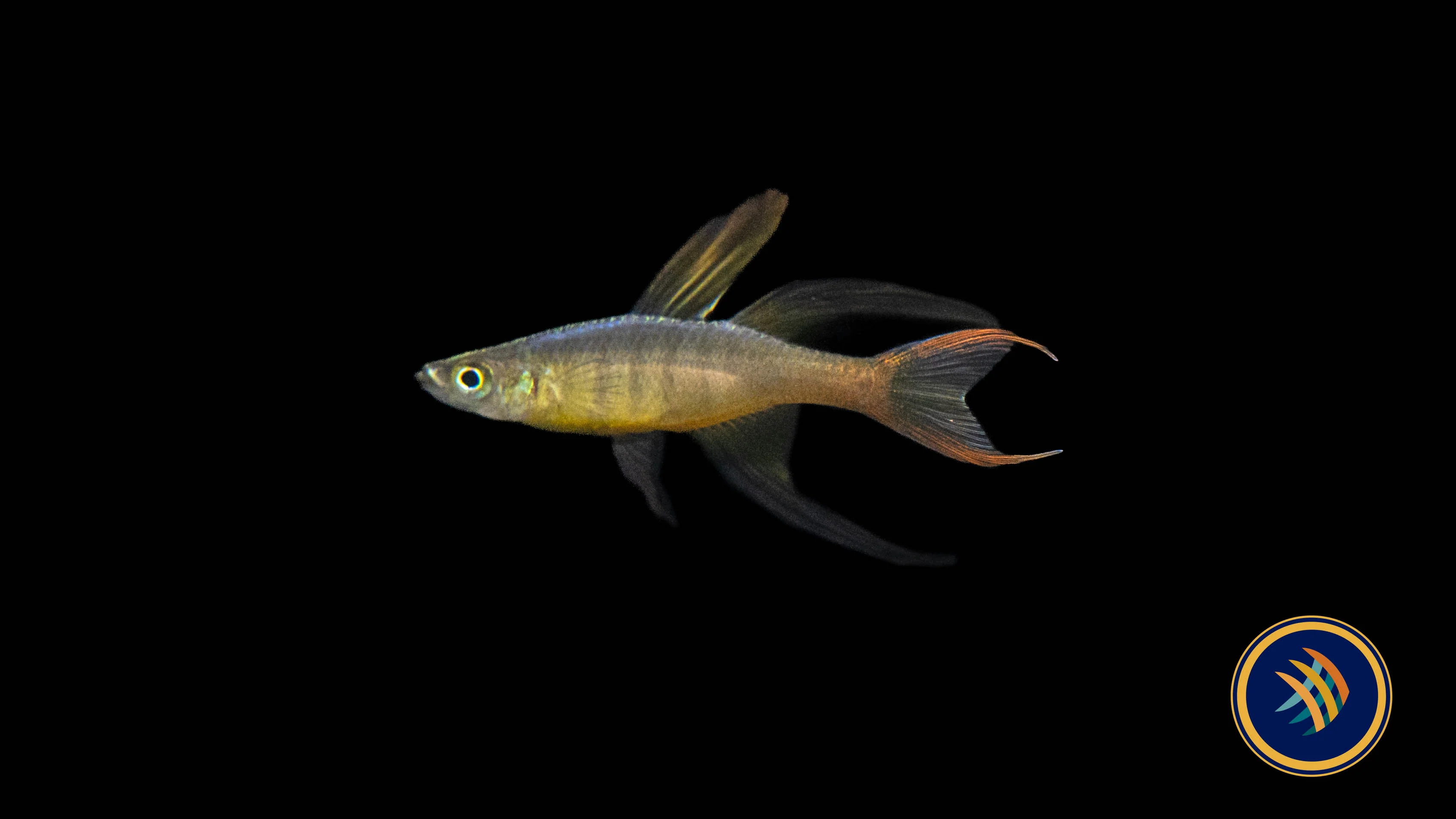
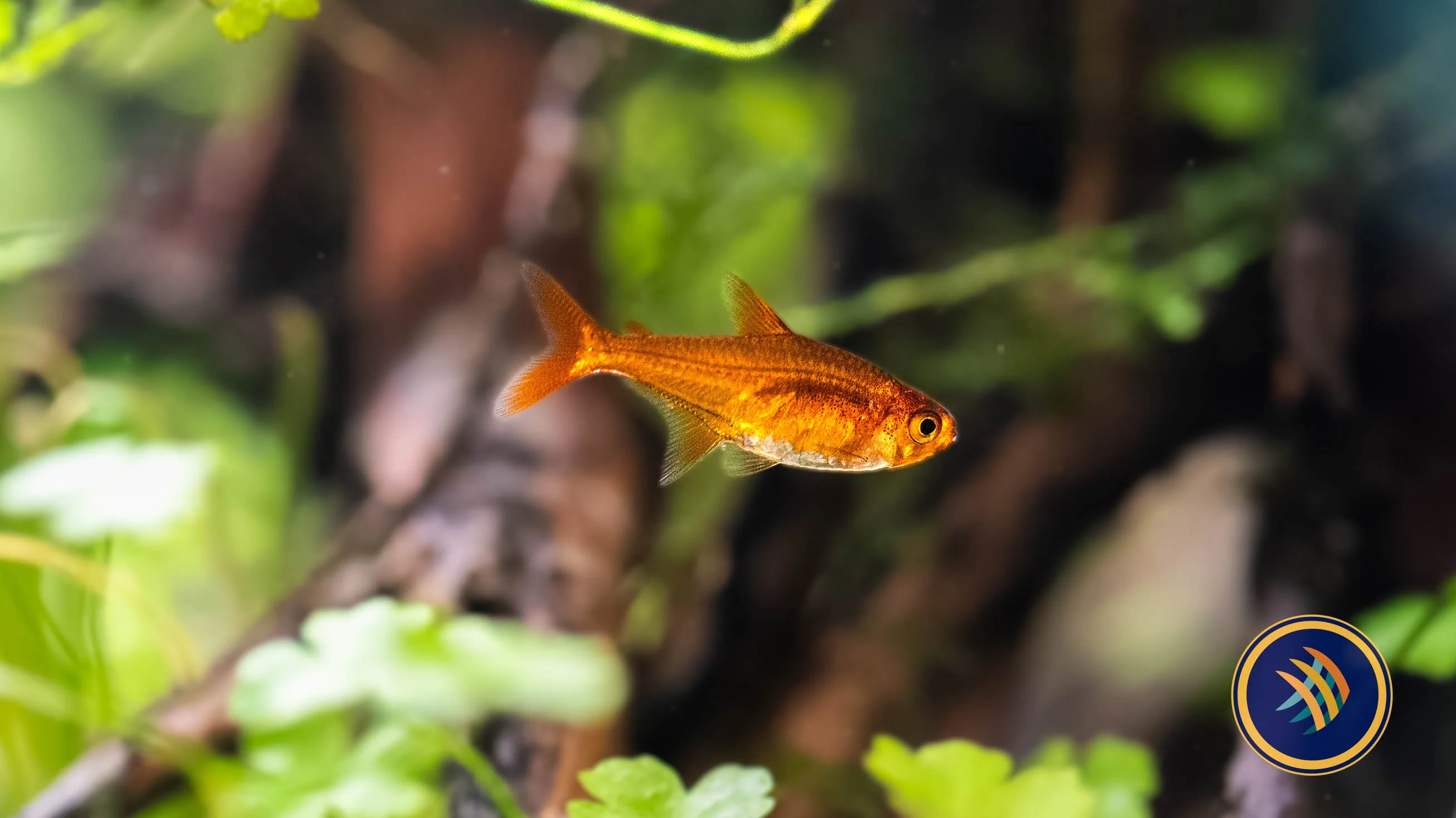
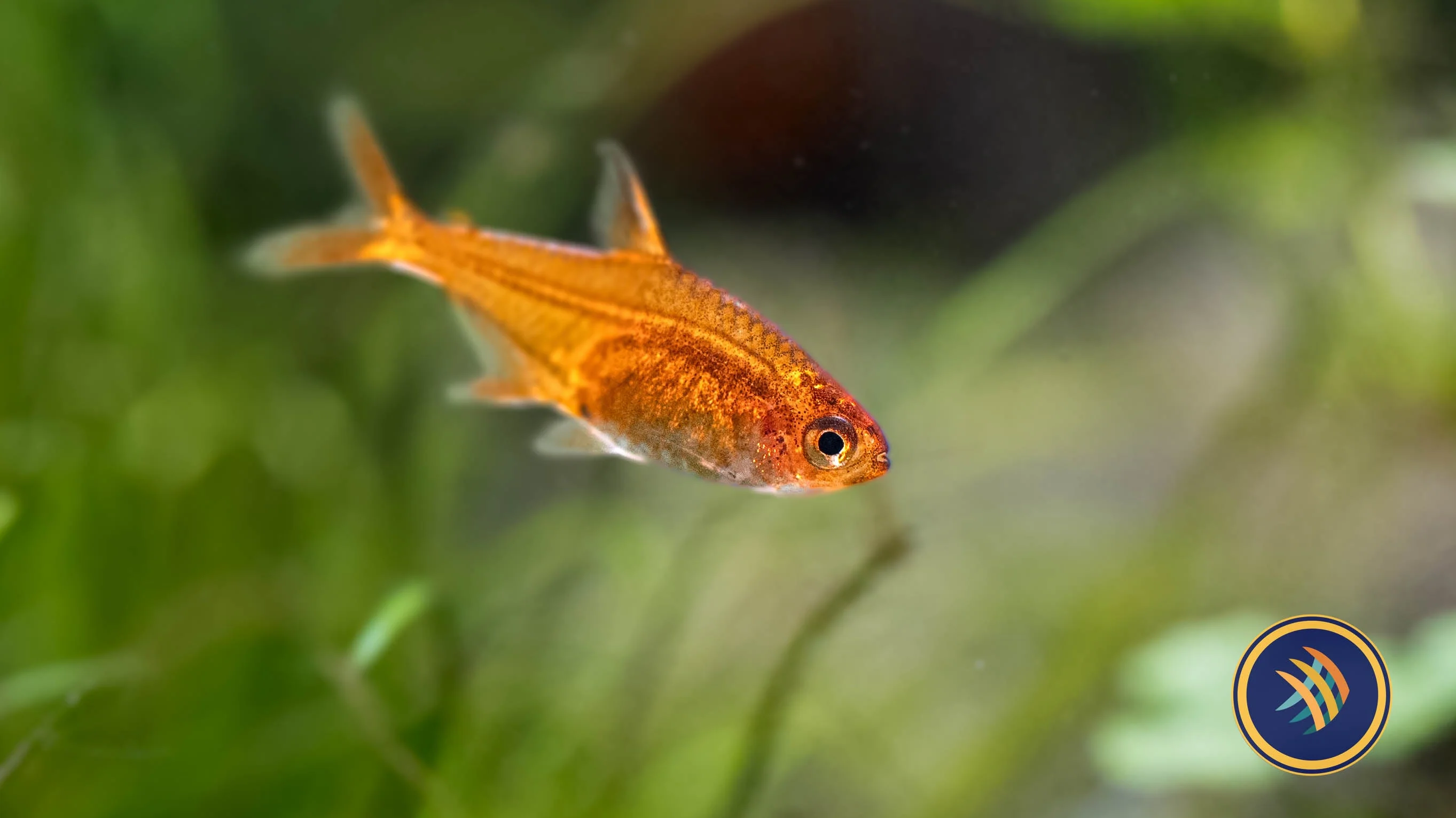
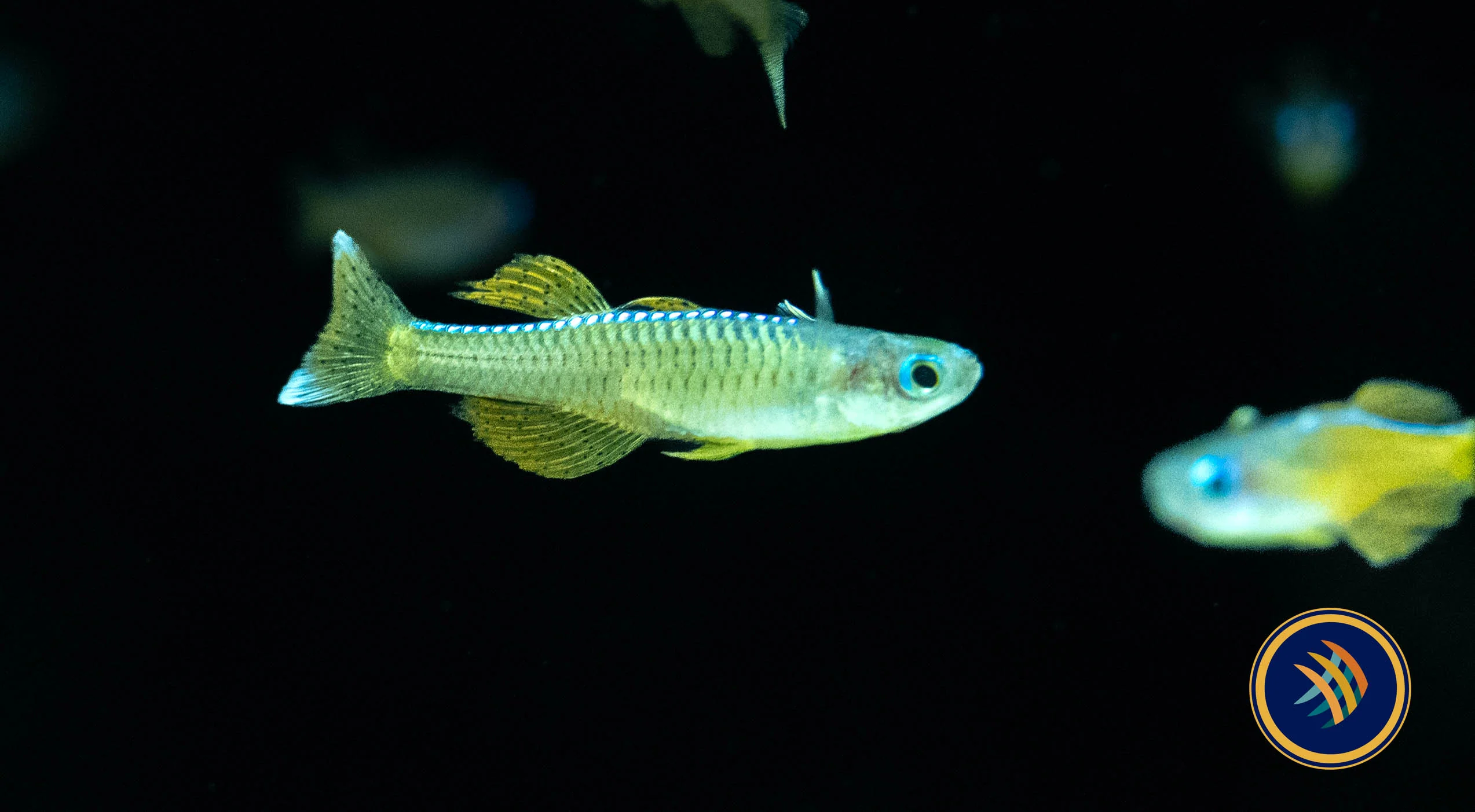
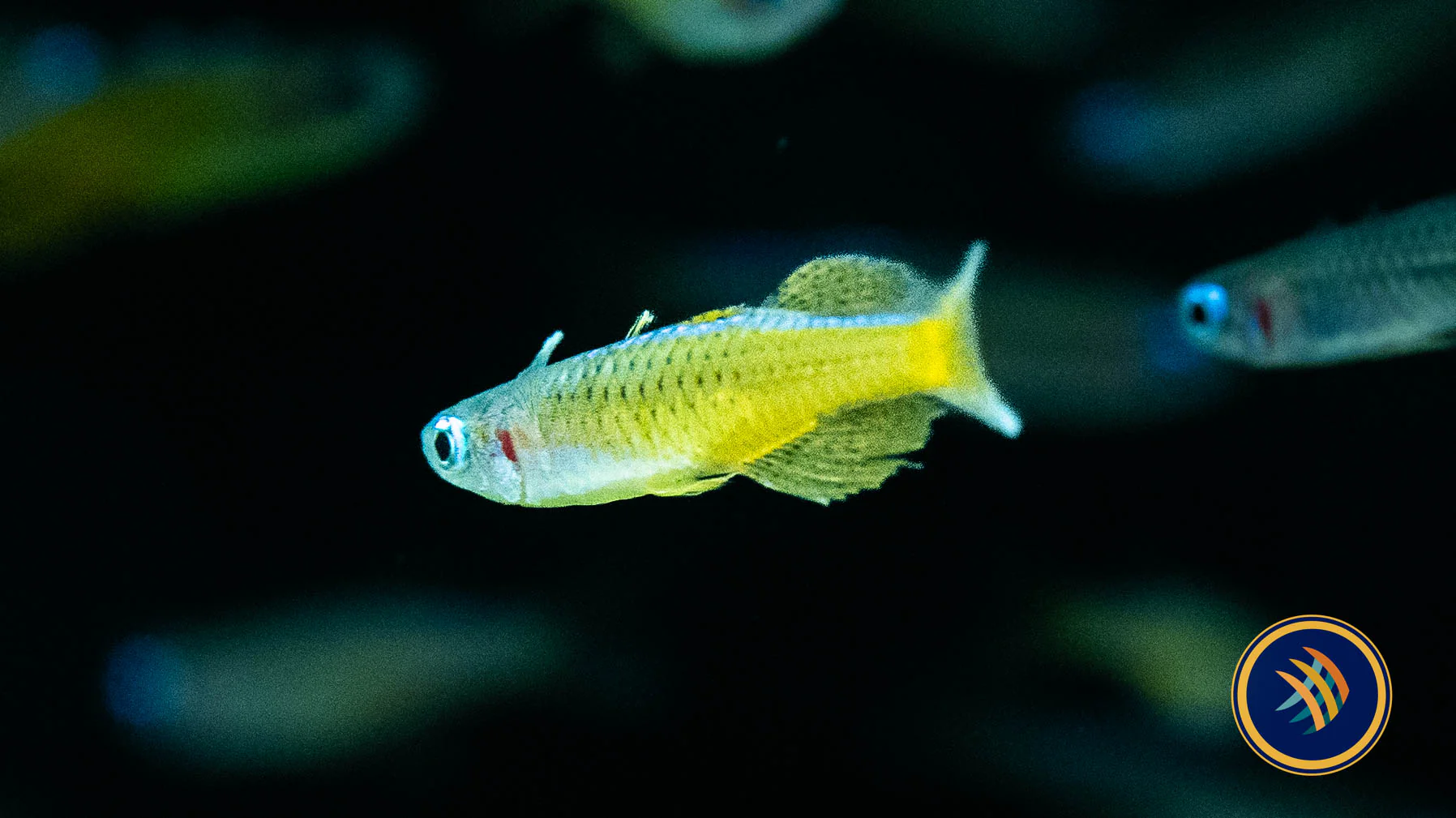
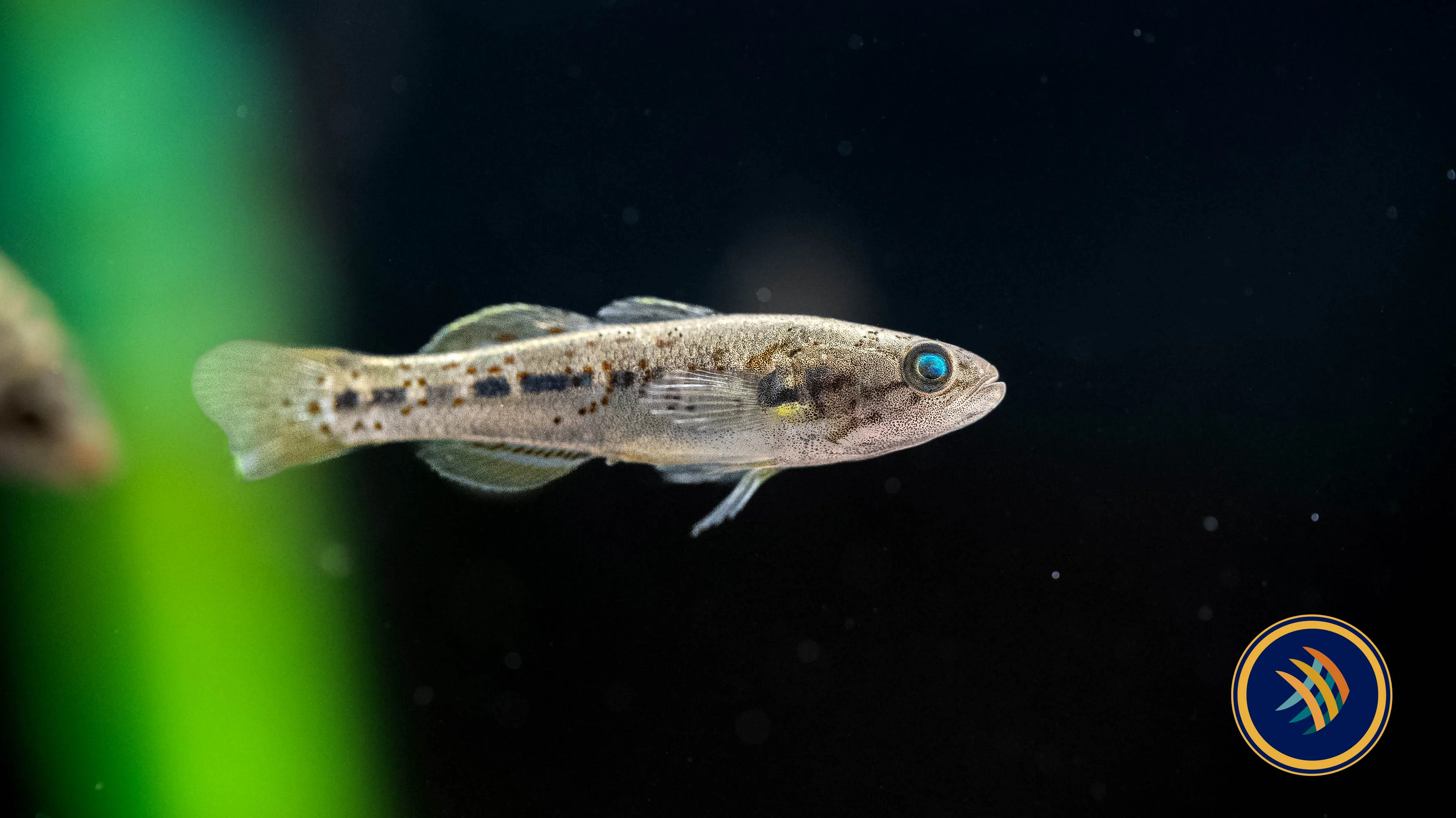
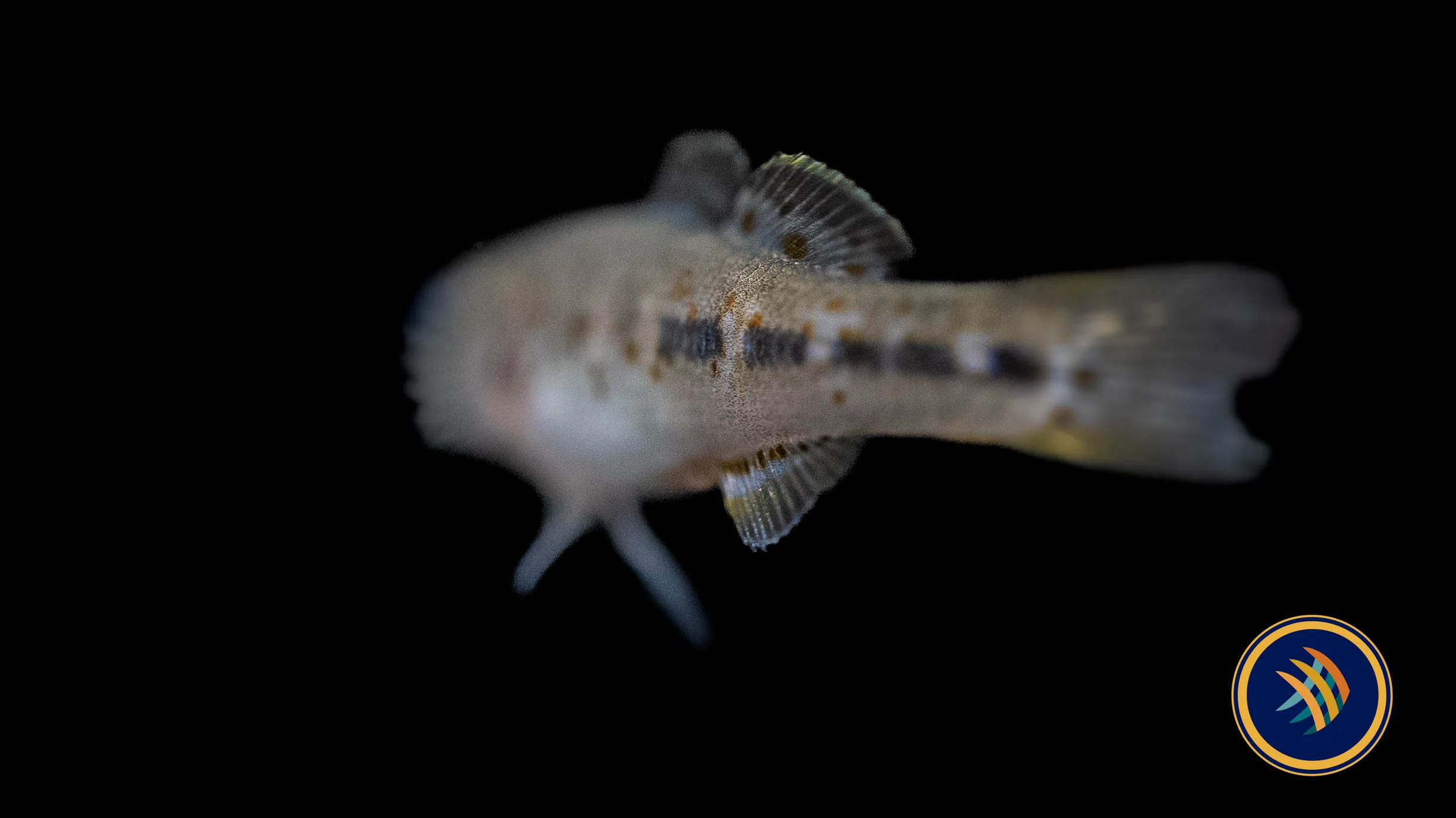
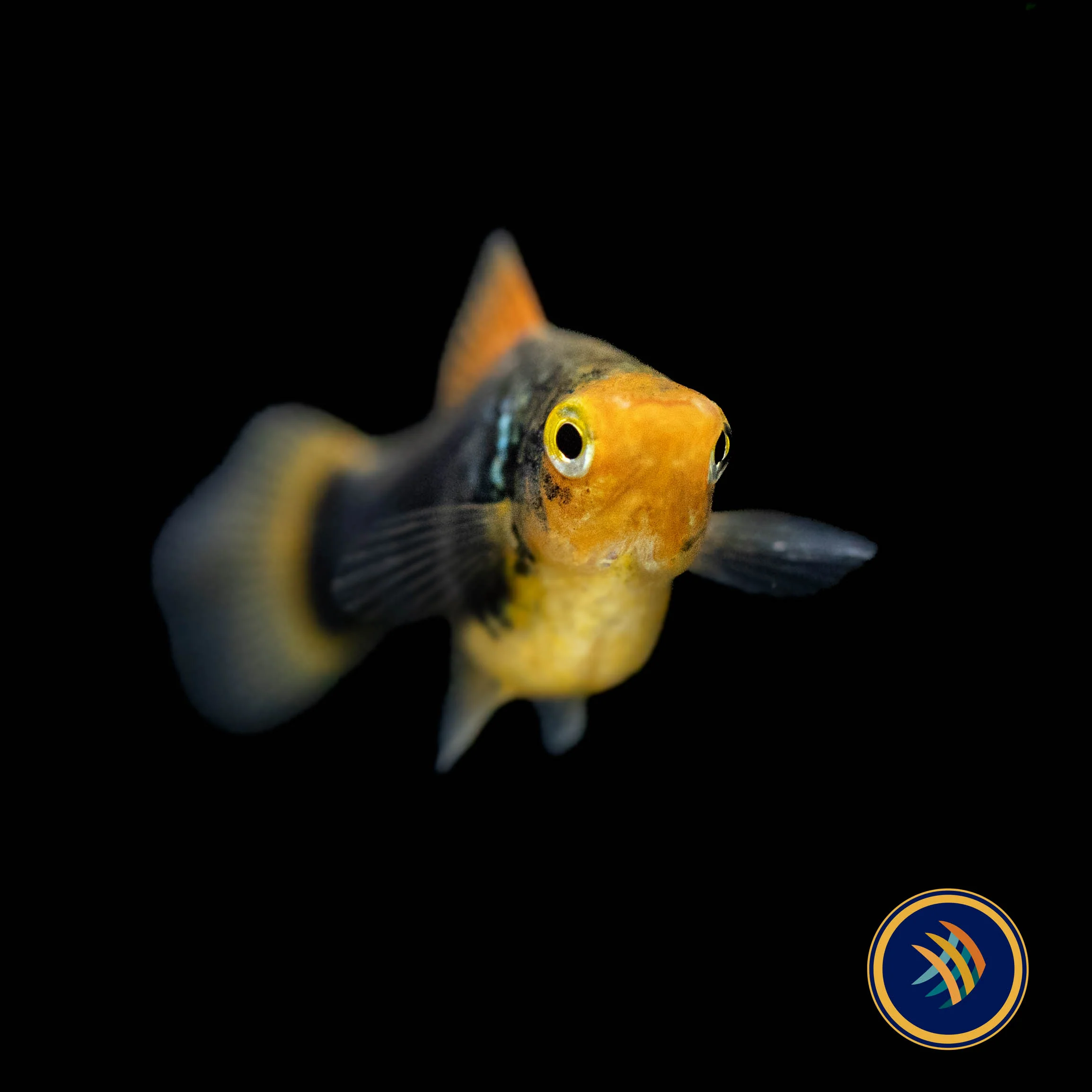
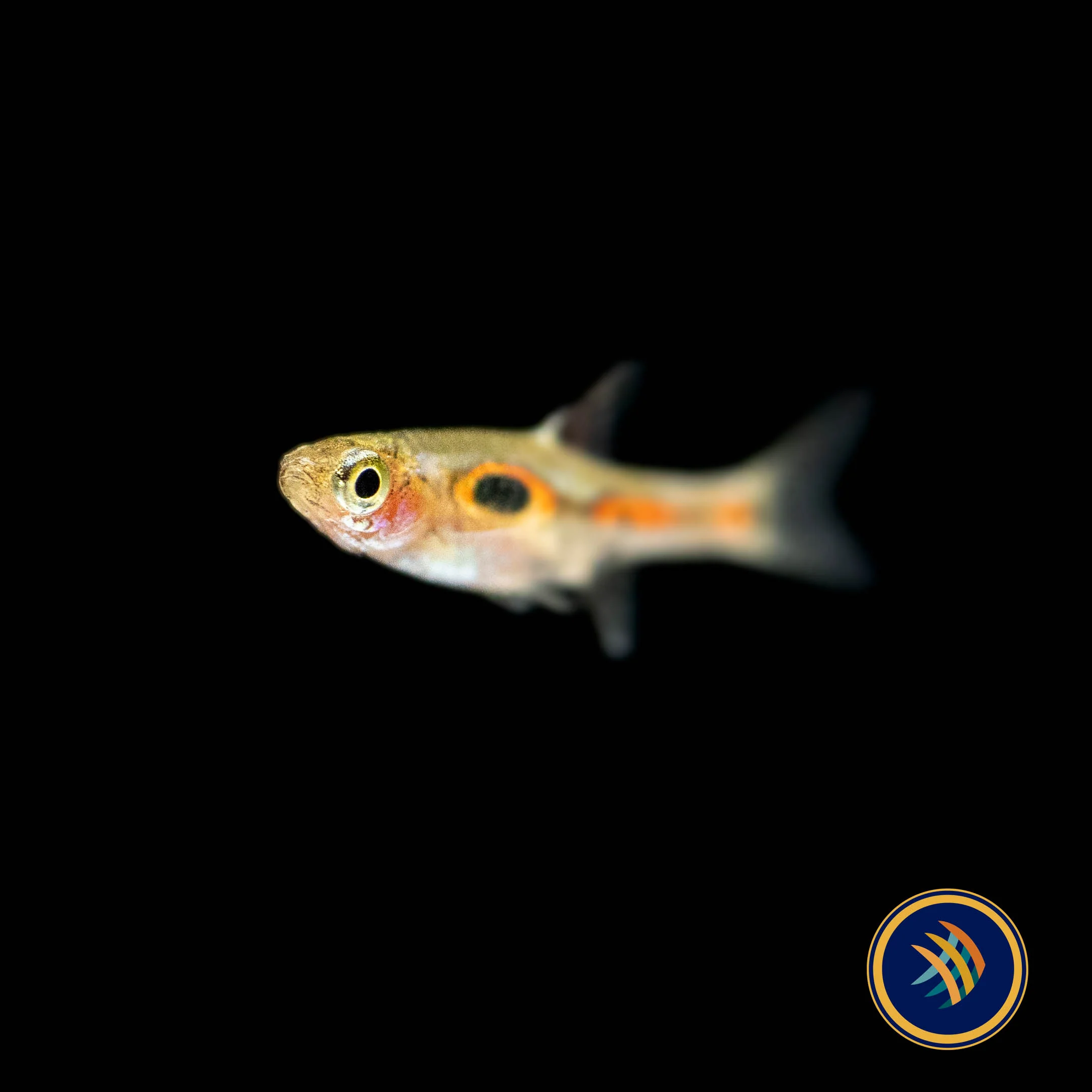
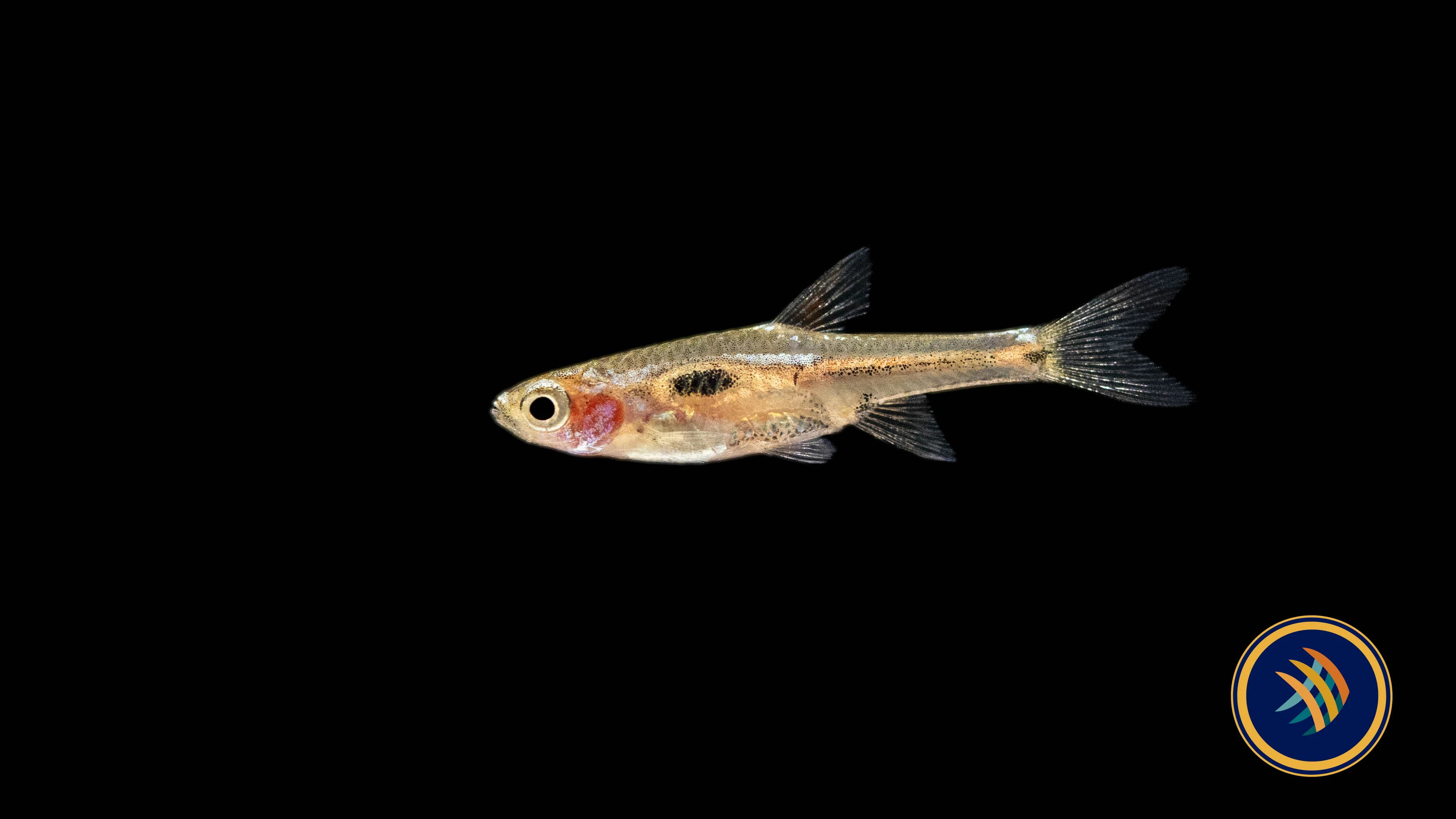
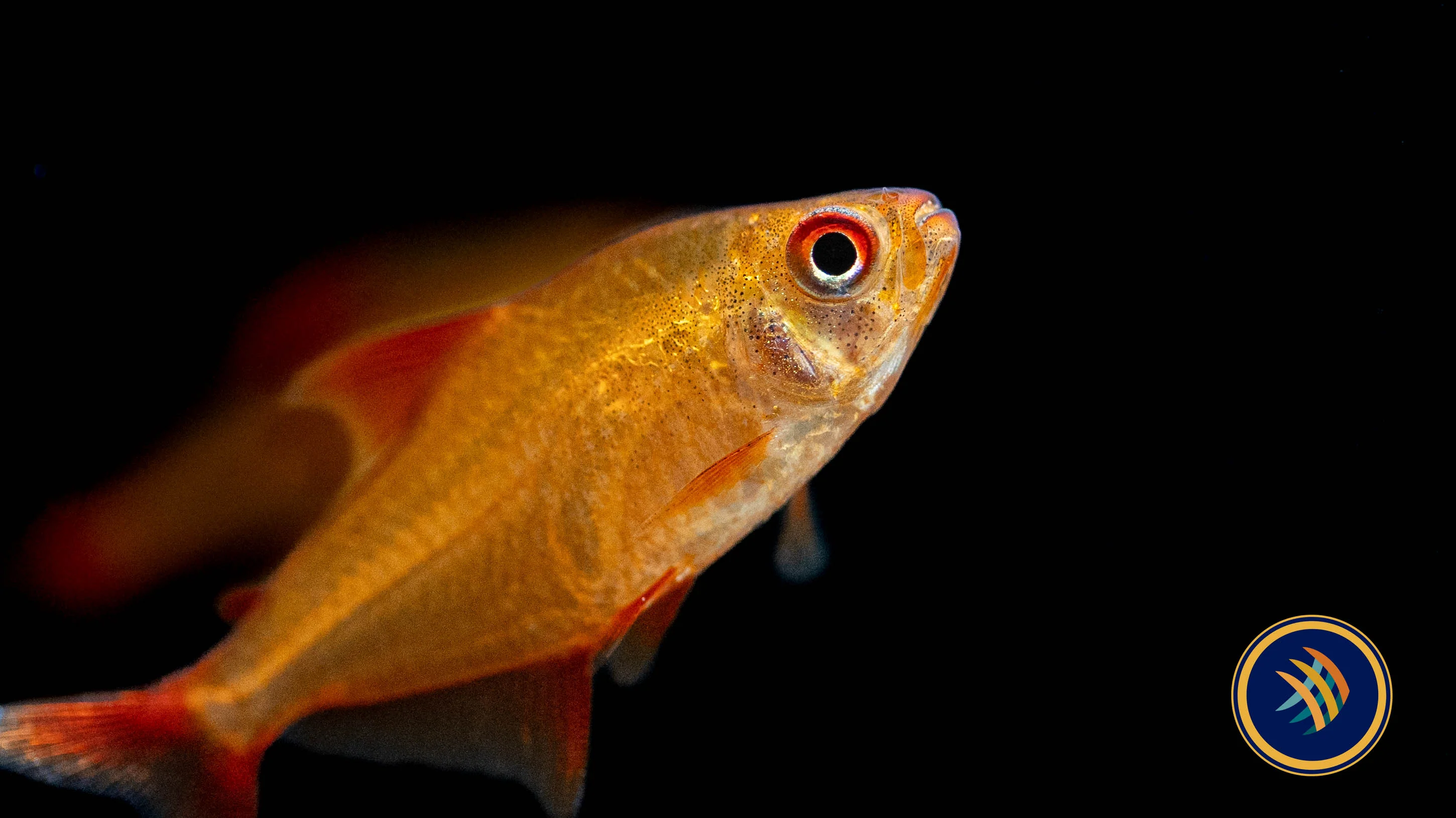
Double Orange Spot Torpedo Rasbora (Pectenocypris korthausae)
Pectenocypris korthausae Double Orange Spot Torpedo Rasbora or Golden Barb), a rare and delicate blackwater species:
Species Overview
- Scientific Name: Pectenocypris korthausae
- Common Names: Double Orange Spot Torpedo Rasbora, Mini Whale Rasbora, Golden Barb
- Family: Danionidae (Rasborinae)
- Origin: Sumatra & Southern Borneo (peat swamps, forest streams)
- Adult Size: 3.5–4.5 cm (≈1.4–1.8 in)
- Conservation Status: Near Threatened (IUCN)
Tank Requirements
- Minimum Tank Size: 15–20 gallons for a shoal
-
Water Parameters:
- Temperature: 24–27°C (75–81°F)
- pH: 4.0–6.5 (soft, acidic blackwater)
- Hardness: Up to 8 dGH
-
Décor:
- Dense planting, leaf litter, driftwood
- Dark substrate for natural coloration
- Filtration: Gentle flow; peat filtration recommended
- Lighting: Medium to subdued
- Cover: Tight lid—active swimmers
Diet & Feeding
- Natural Diet: Zooplankton, insect larvae
-
In Captivity:
- Live/frozen: Bloodworms, mosquito larvae, brine shrimp, cyclops, daphnia
- High-quality micro flakes and small sinking granules
-
Feeding Tips:
- Offer varied protein-rich foods for color and health
- Feed small portions 1–2 times daily
Behavior & Compatibility
- Temperament: Peaceful, shoaling species
- Ideal Group Size: 6+ individuals
-
Tankmates:
- Other small, peaceful fish (Boraras, small rasboras, pygmy gouramis)
- Avoid large or aggressive species
- Tank Zone: Mid to upper levels
Breeding
- Difficulty: Very high; no confirmed home aquarium success
-
Challenges:
- Requires soft, acidic water and dense cover
- Egg-scatterer; likely needs separate breeding tank
- Tip: Condition with live foods; remove adults post-spawning if eggs appear
Special Considerations
- Sensitive to water quality—perform frequent small water changes
- Best in mature blackwater setups with tannins
- Rare in trade; often wild-caught, so acclimation is critical
$5.84
Double Orange Spot Torpedo Rasbora (Pectenocypris korthausae)—
$5.84
Product Information
Product Information
Shipping & Returns
Shipping & Returns
Description
Pectenocypris korthausae Double Orange Spot Torpedo Rasbora or Golden Barb), a rare and delicate blackwater species:
Species Overview
- Scientific Name: Pectenocypris korthausae
- Common Names: Double Orange Spot Torpedo Rasbora, Mini Whale Rasbora, Golden Barb
- Family: Danionidae (Rasborinae)
- Origin: Sumatra & Southern Borneo (peat swamps, forest streams)
- Adult Size: 3.5–4.5 cm (≈1.4–1.8 in)
- Conservation Status: Near Threatened (IUCN)
Tank Requirements
- Minimum Tank Size: 15–20 gallons for a shoal
-
Water Parameters:
- Temperature: 24–27°C (75–81°F)
- pH: 4.0–6.5 (soft, acidic blackwater)
- Hardness: Up to 8 dGH
-
Décor:
- Dense planting, leaf litter, driftwood
- Dark substrate for natural coloration
- Filtration: Gentle flow; peat filtration recommended
- Lighting: Medium to subdued
- Cover: Tight lid—active swimmers
Diet & Feeding
- Natural Diet: Zooplankton, insect larvae
-
In Captivity:
- Live/frozen: Bloodworms, mosquito larvae, brine shrimp, cyclops, daphnia
- High-quality micro flakes and small sinking granules
-
Feeding Tips:
- Offer varied protein-rich foods for color and health
- Feed small portions 1–2 times daily
Behavior & Compatibility
- Temperament: Peaceful, shoaling species
- Ideal Group Size: 6+ individuals
-
Tankmates:
- Other small, peaceful fish (Boraras, small rasboras, pygmy gouramis)
- Avoid large or aggressive species
- Tank Zone: Mid to upper levels
Breeding
- Difficulty: Very high; no confirmed home aquarium success
-
Challenges:
- Requires soft, acidic water and dense cover
- Egg-scatterer; likely needs separate breeding tank
- Tip: Condition with live foods; remove adults post-spawning if eggs appear
Special Considerations
- Sensitive to water quality—perform frequent small water changes
- Best in mature blackwater setups with tannins
- Rare in trade; often wild-caught, so acclimation is critical