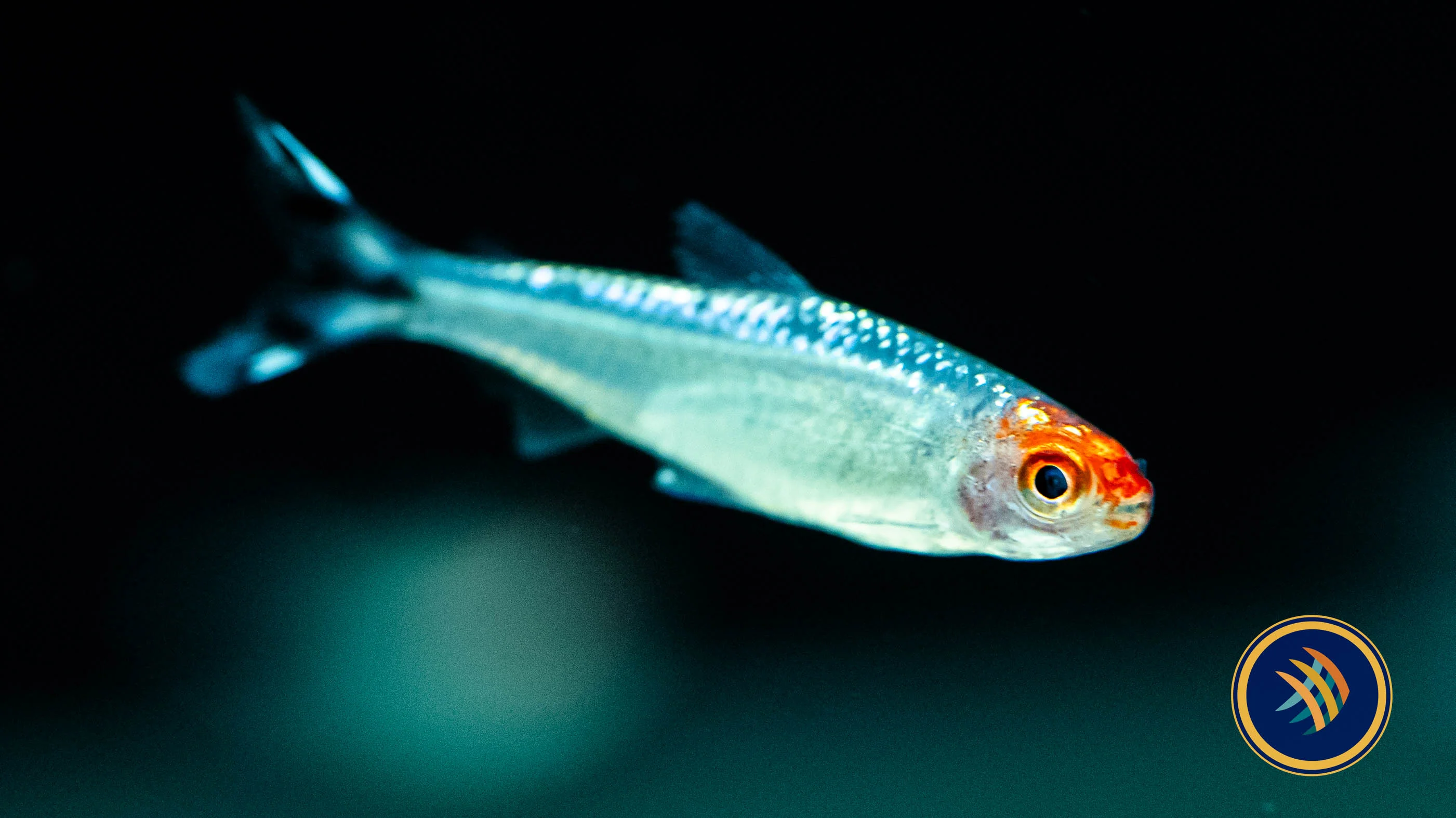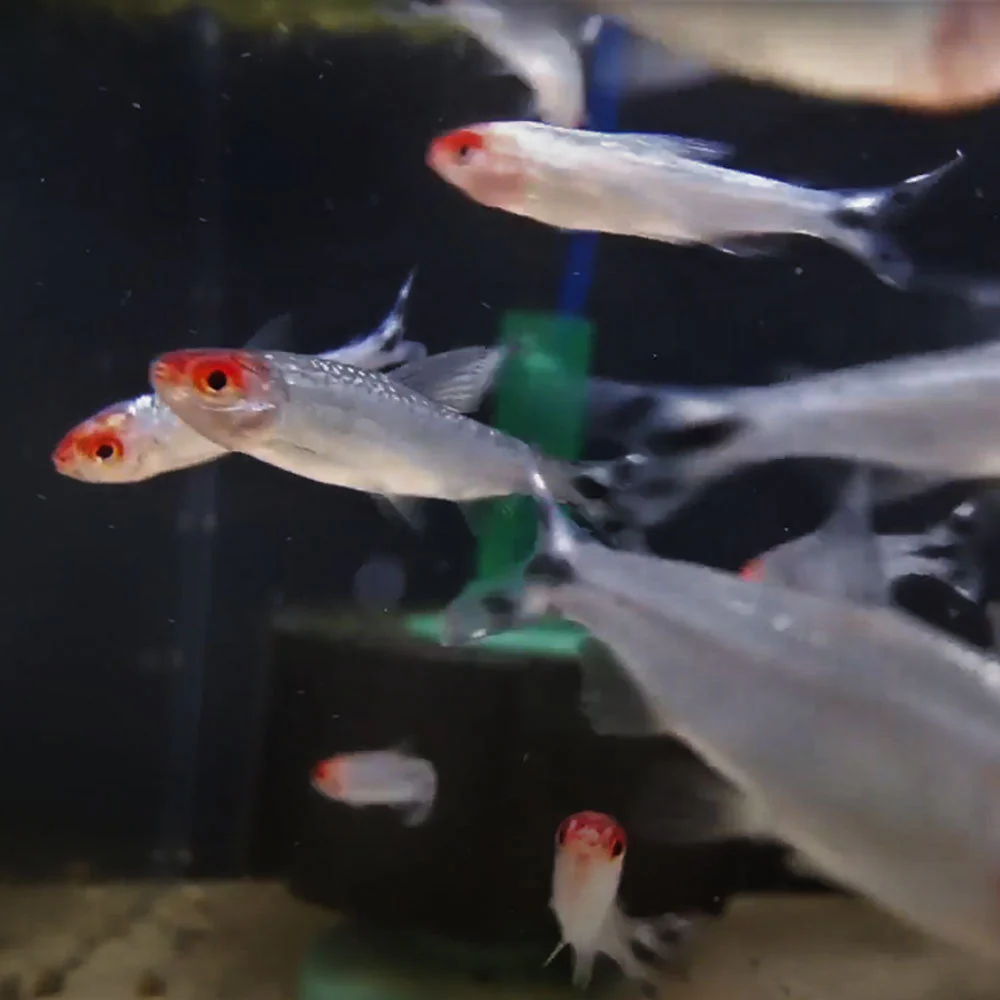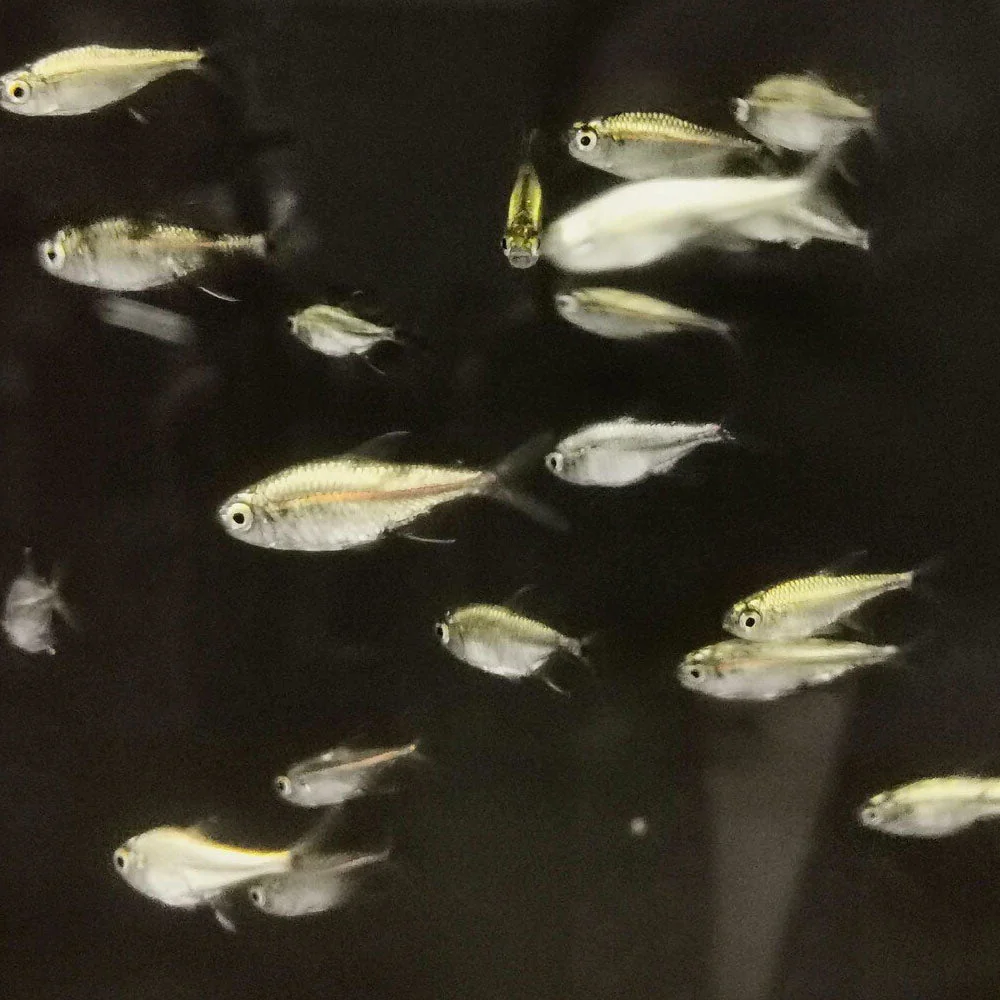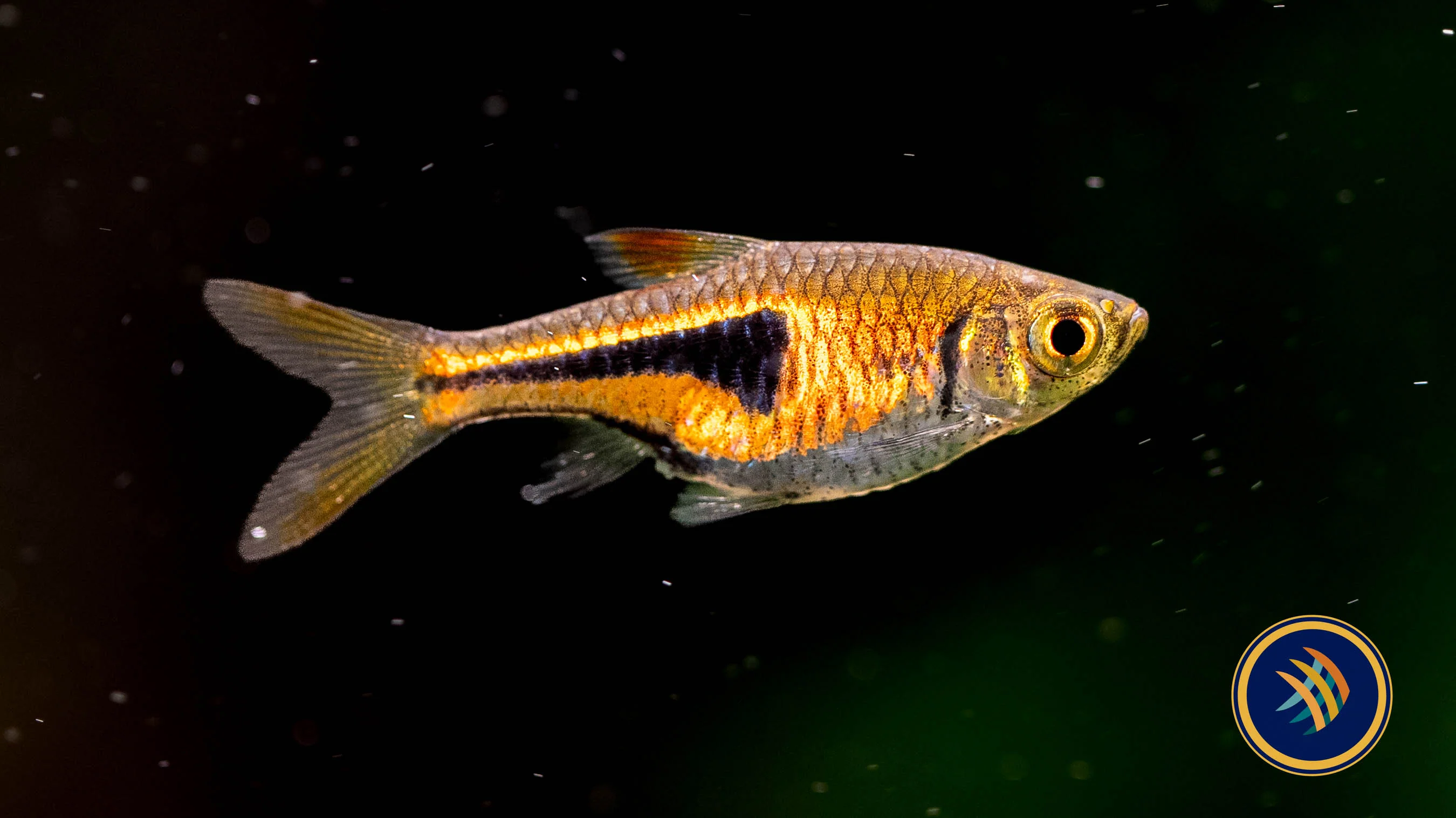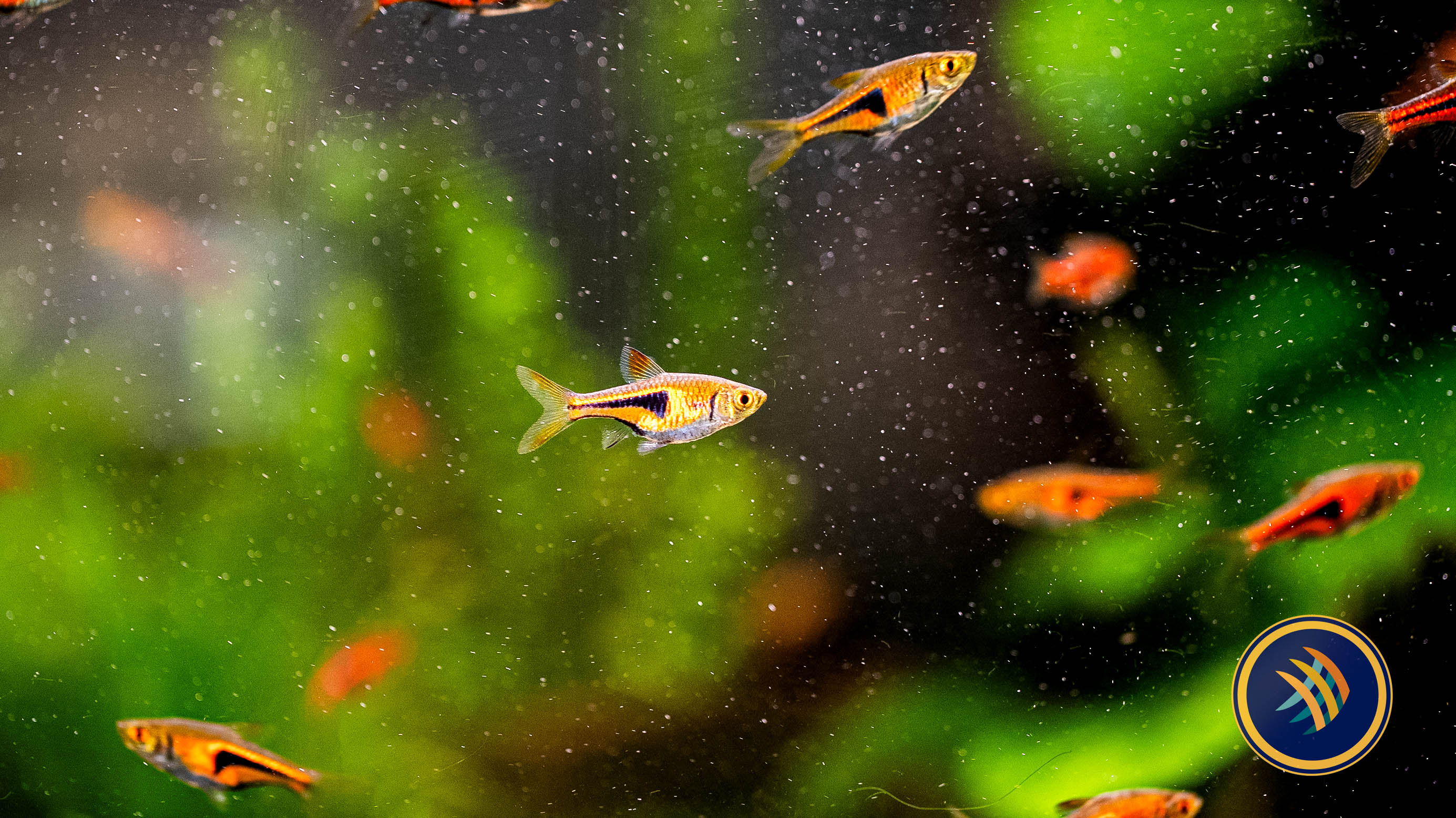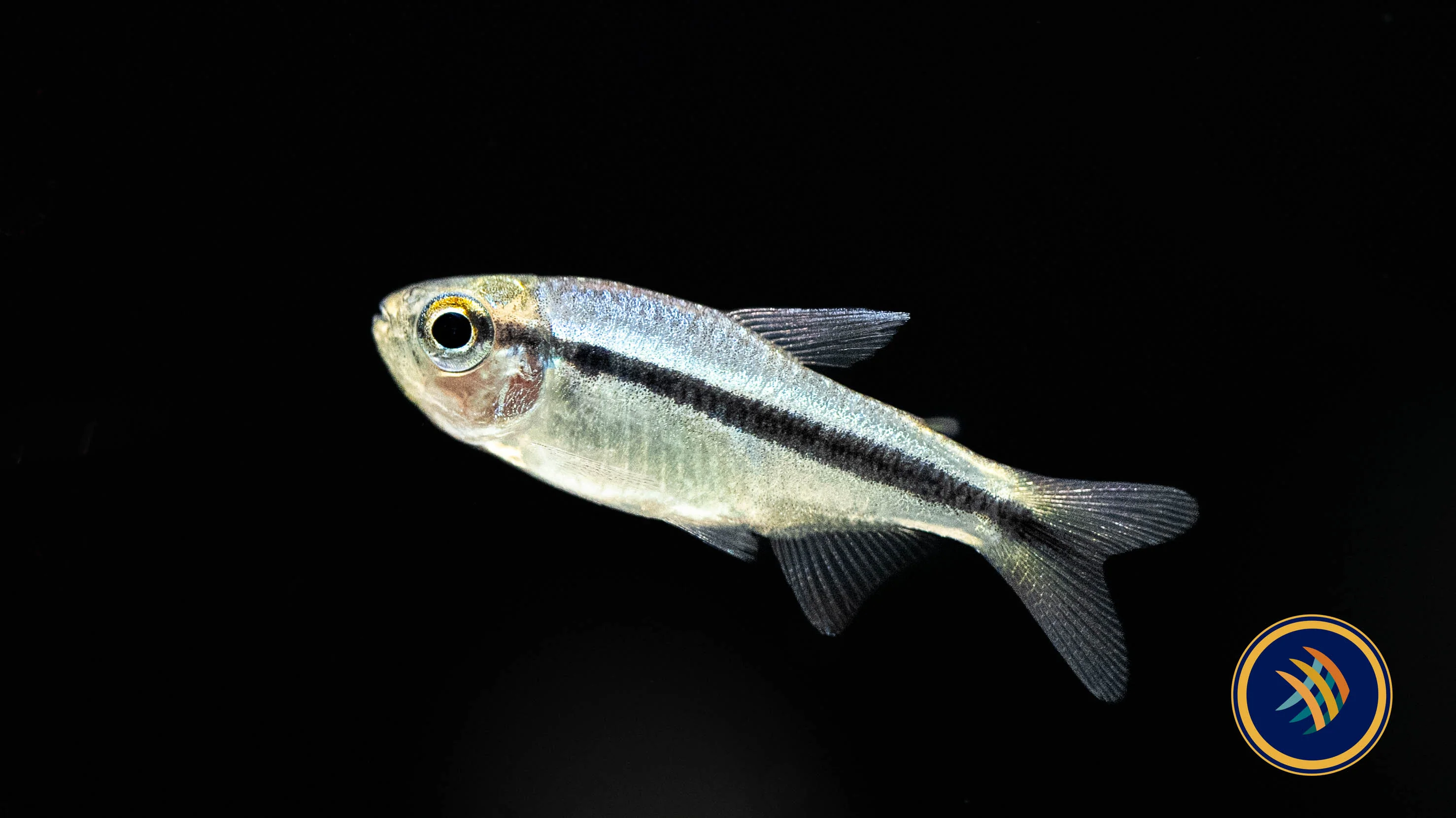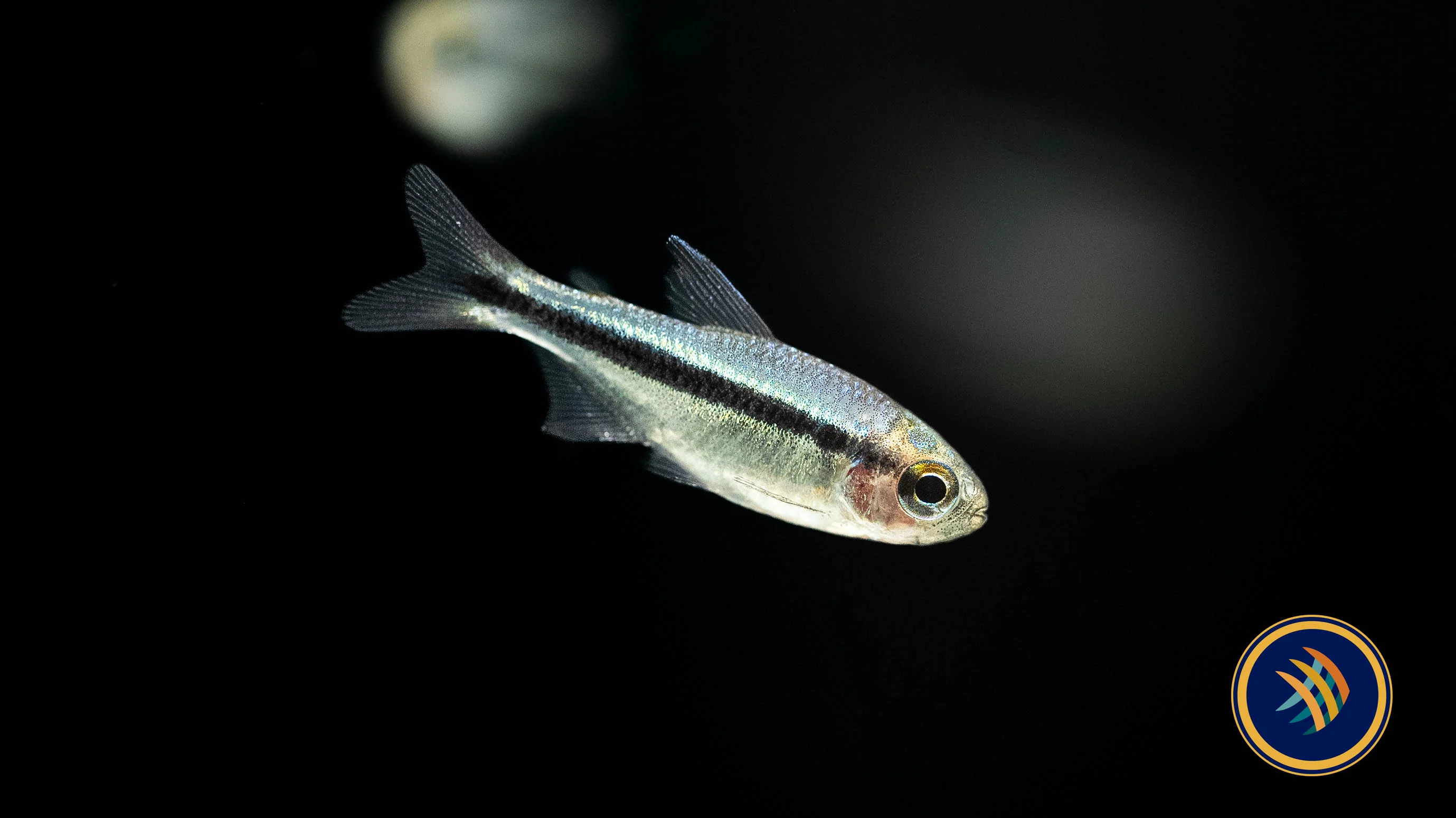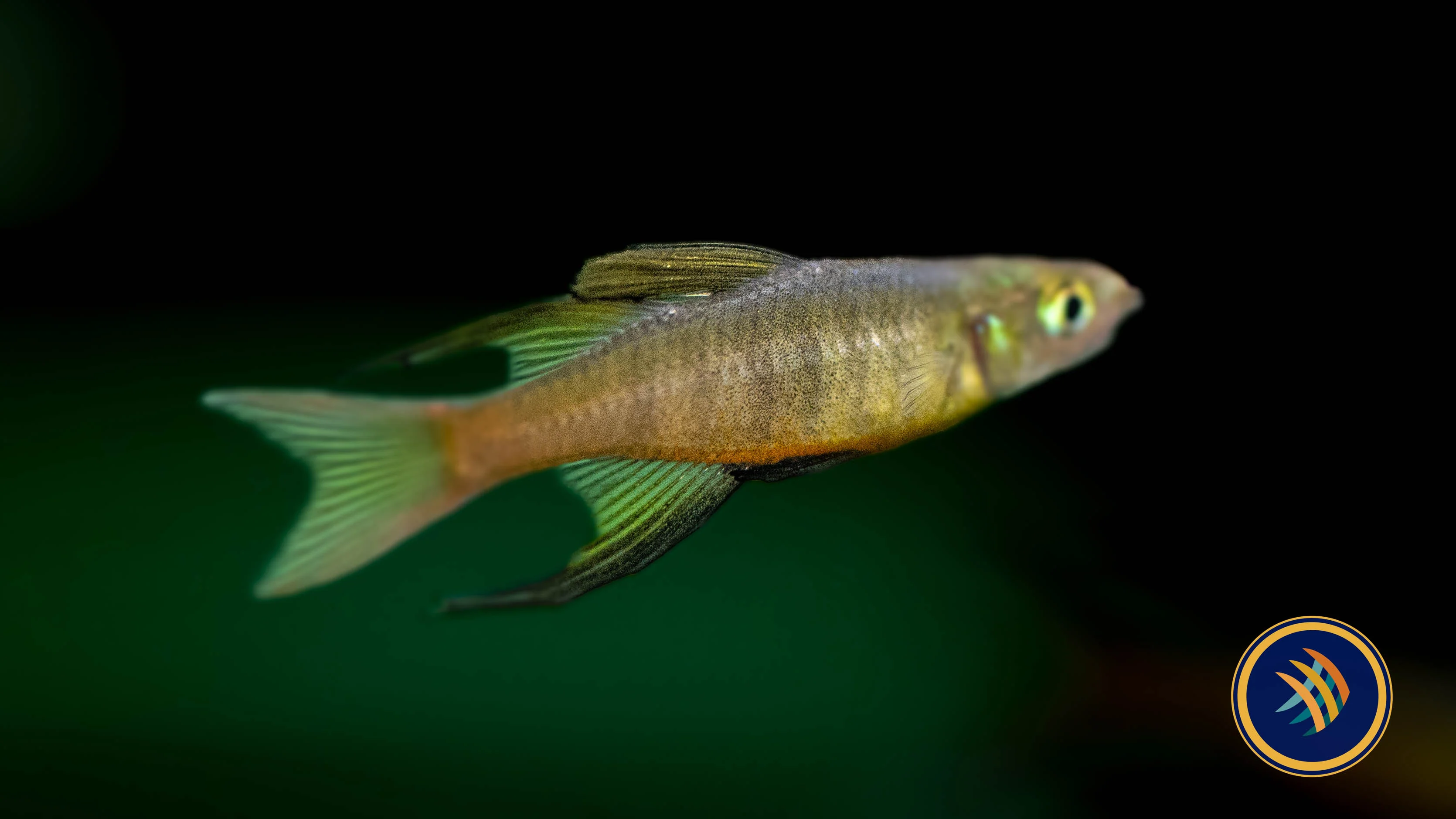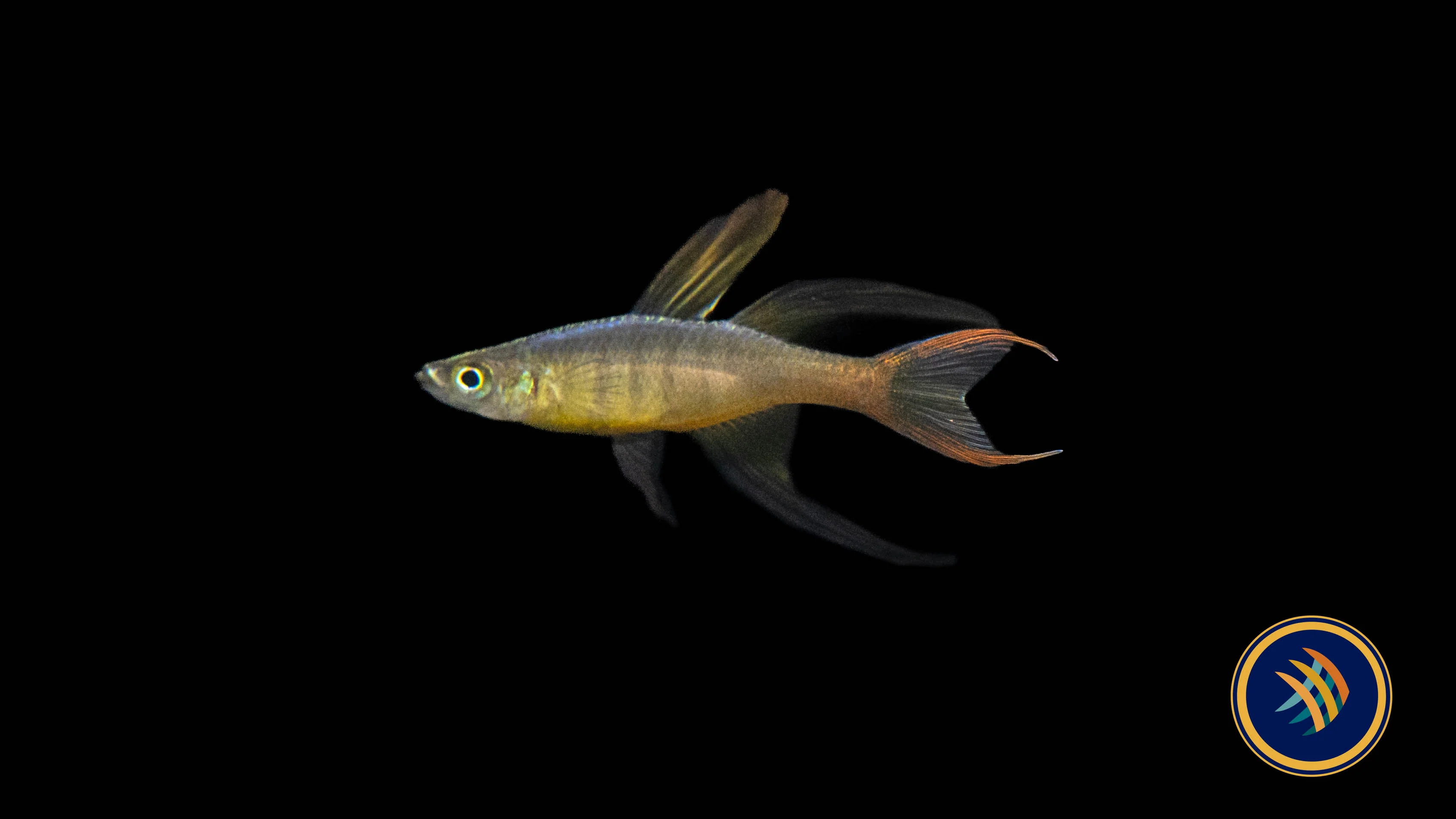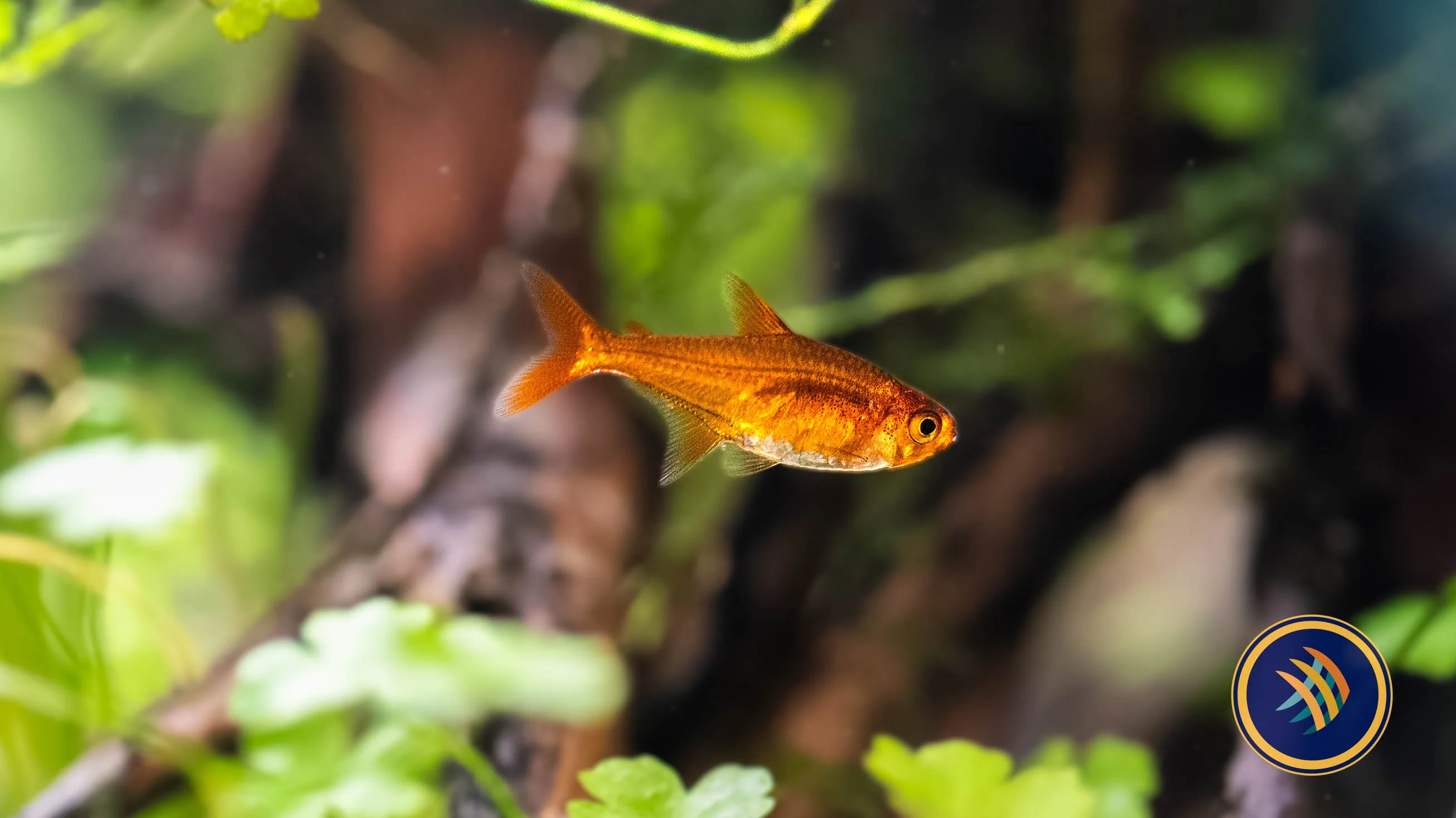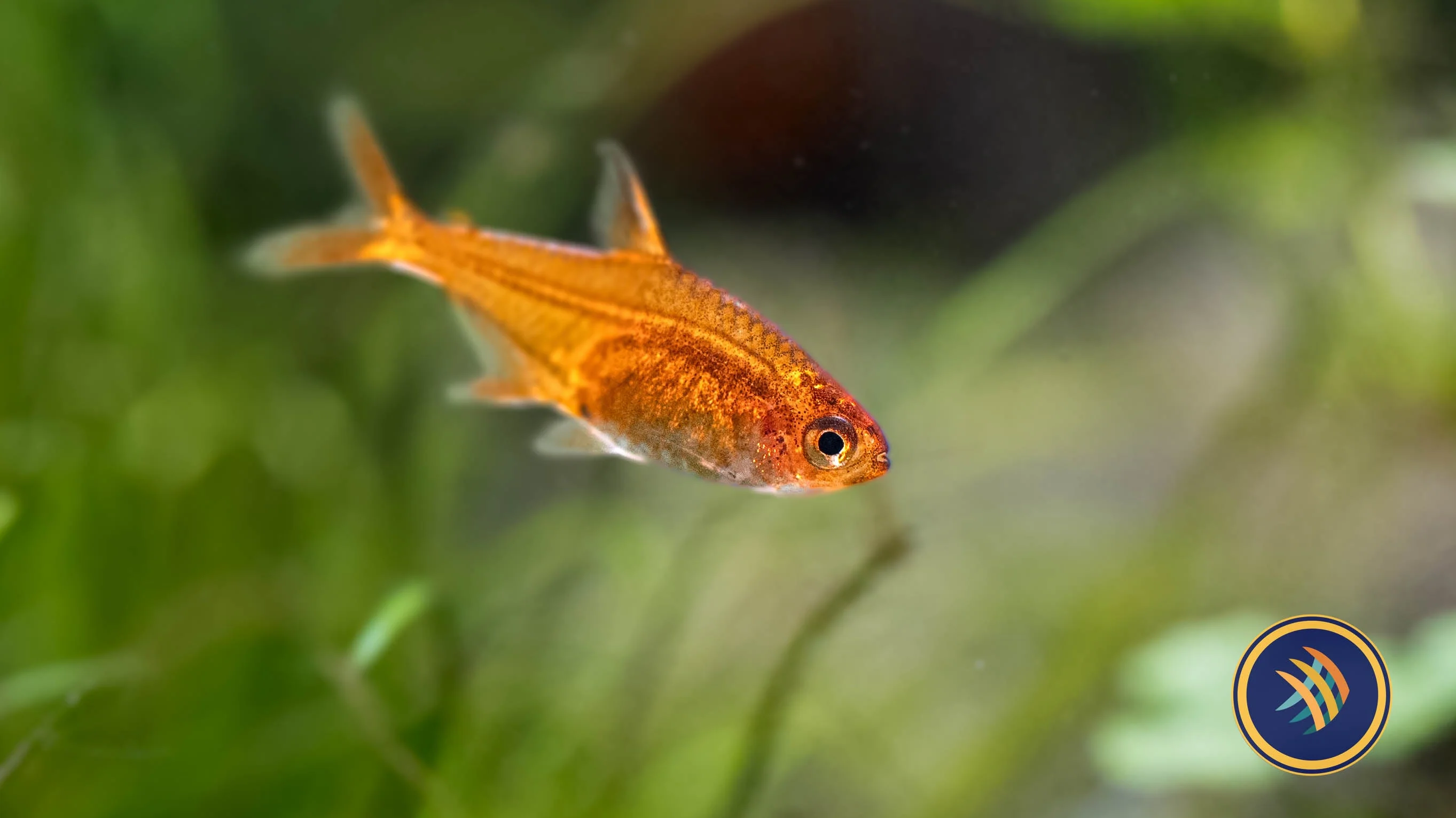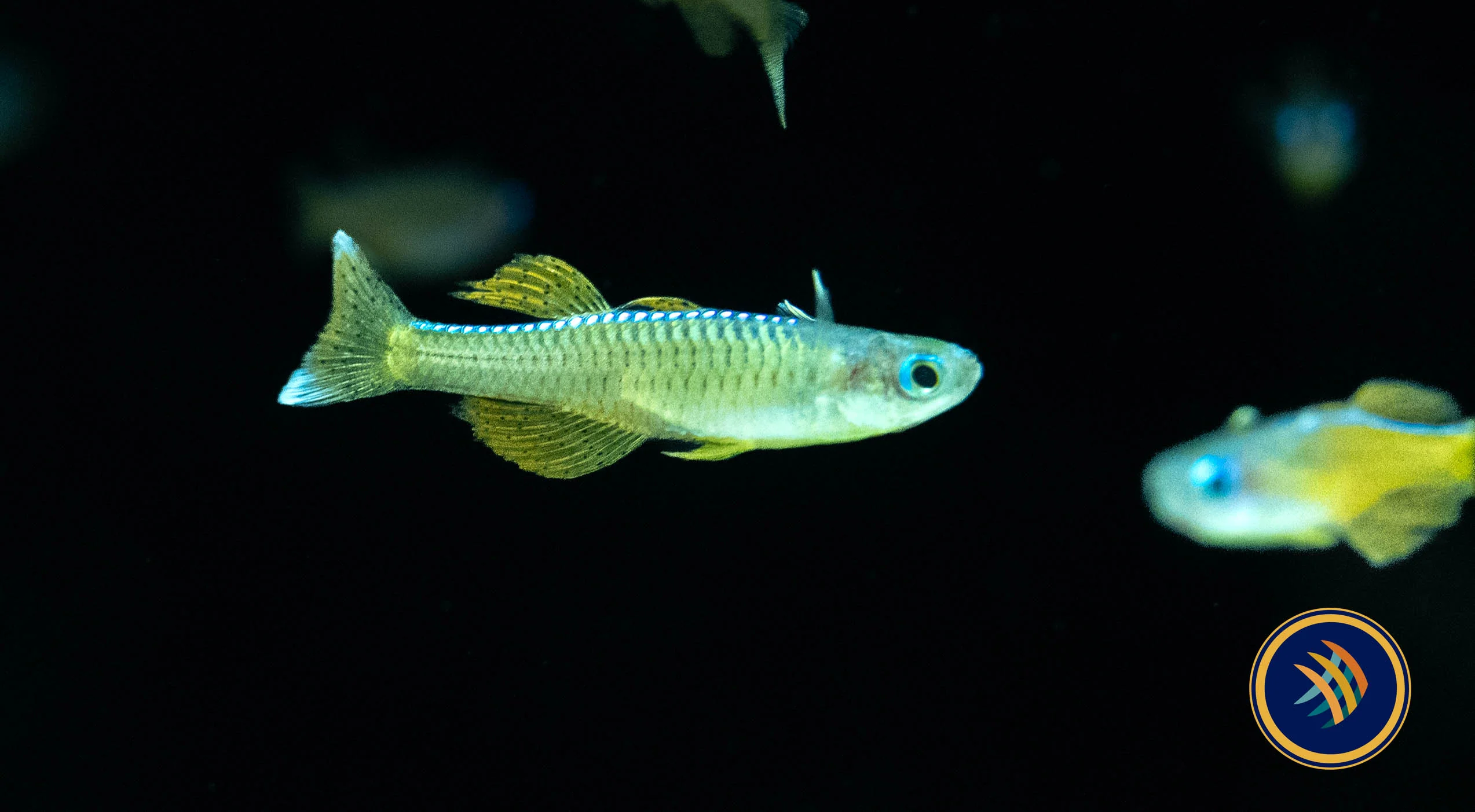
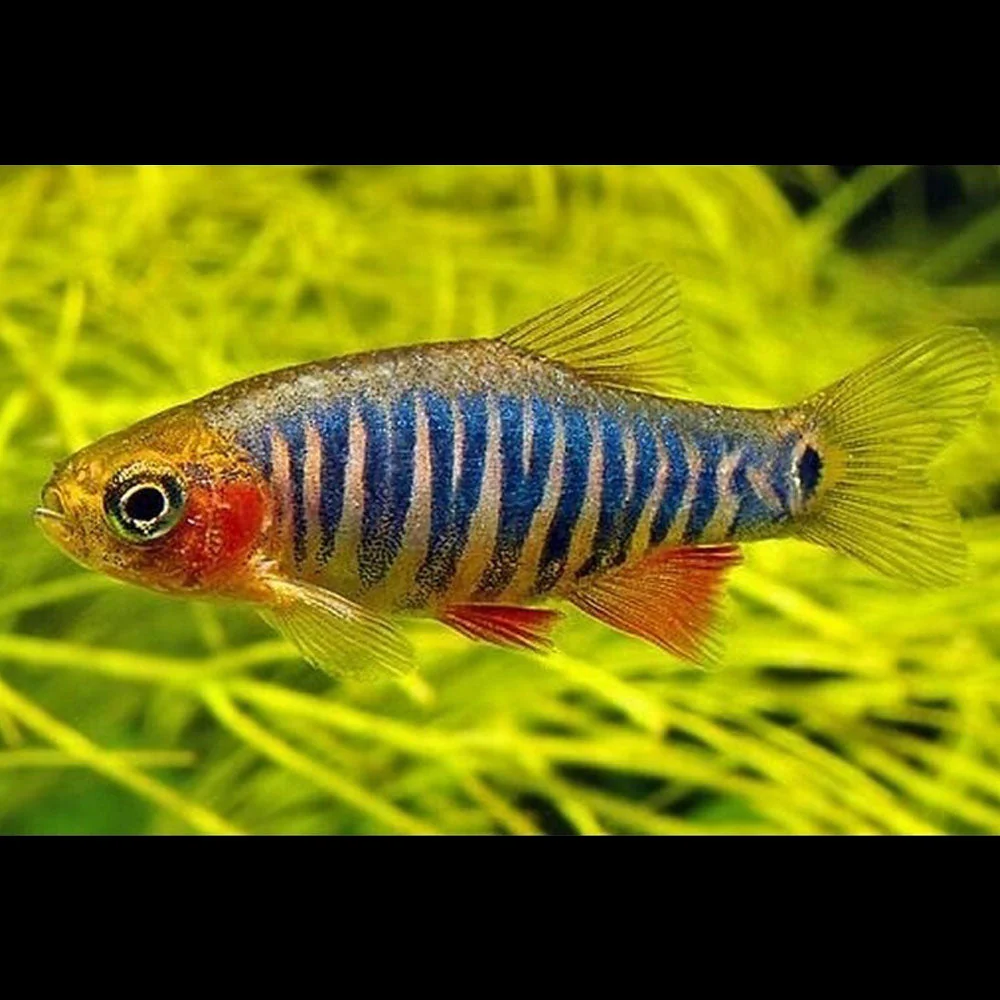
Emerald Dwarf Rasbora (Danio erythromicron)
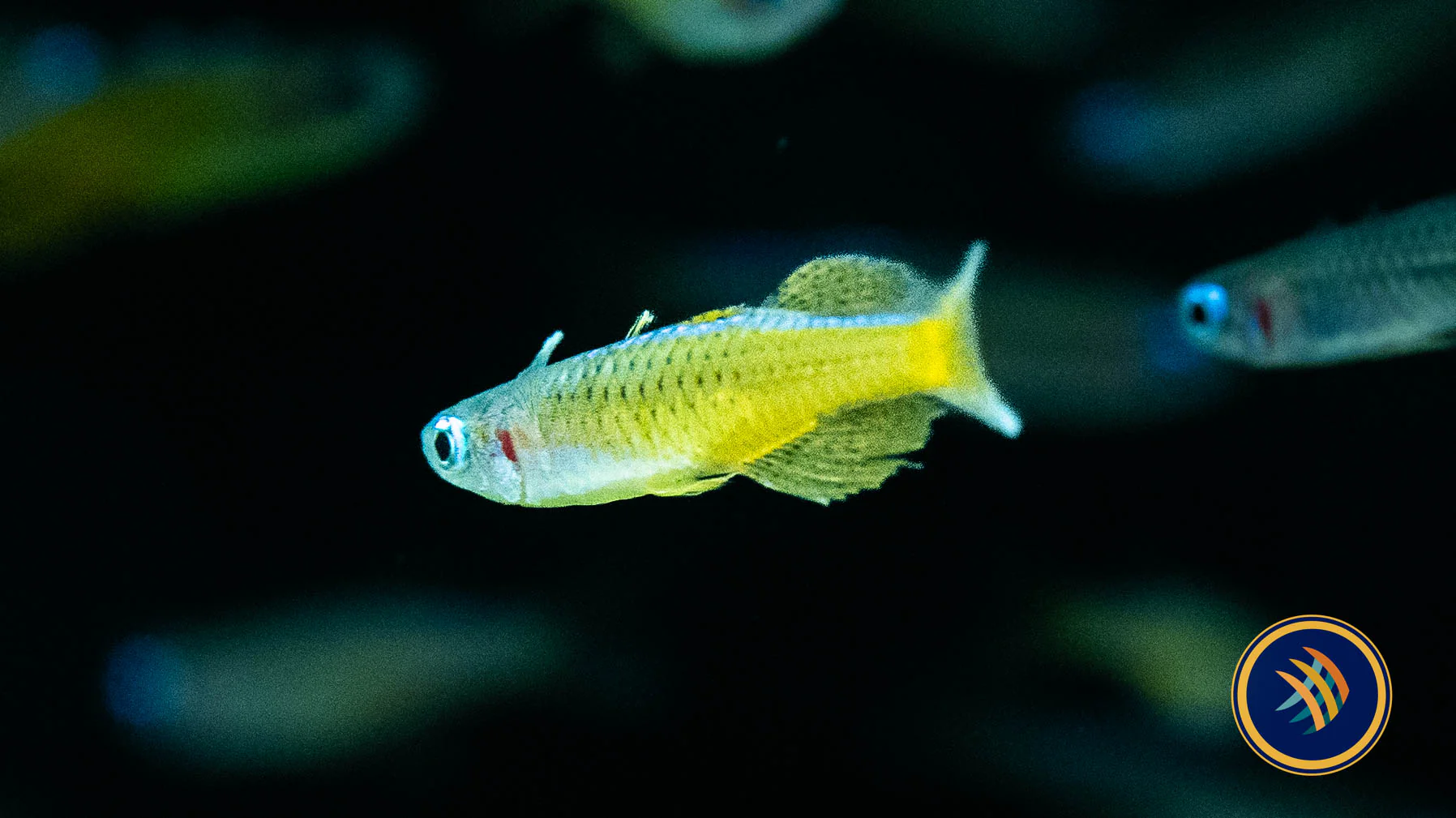
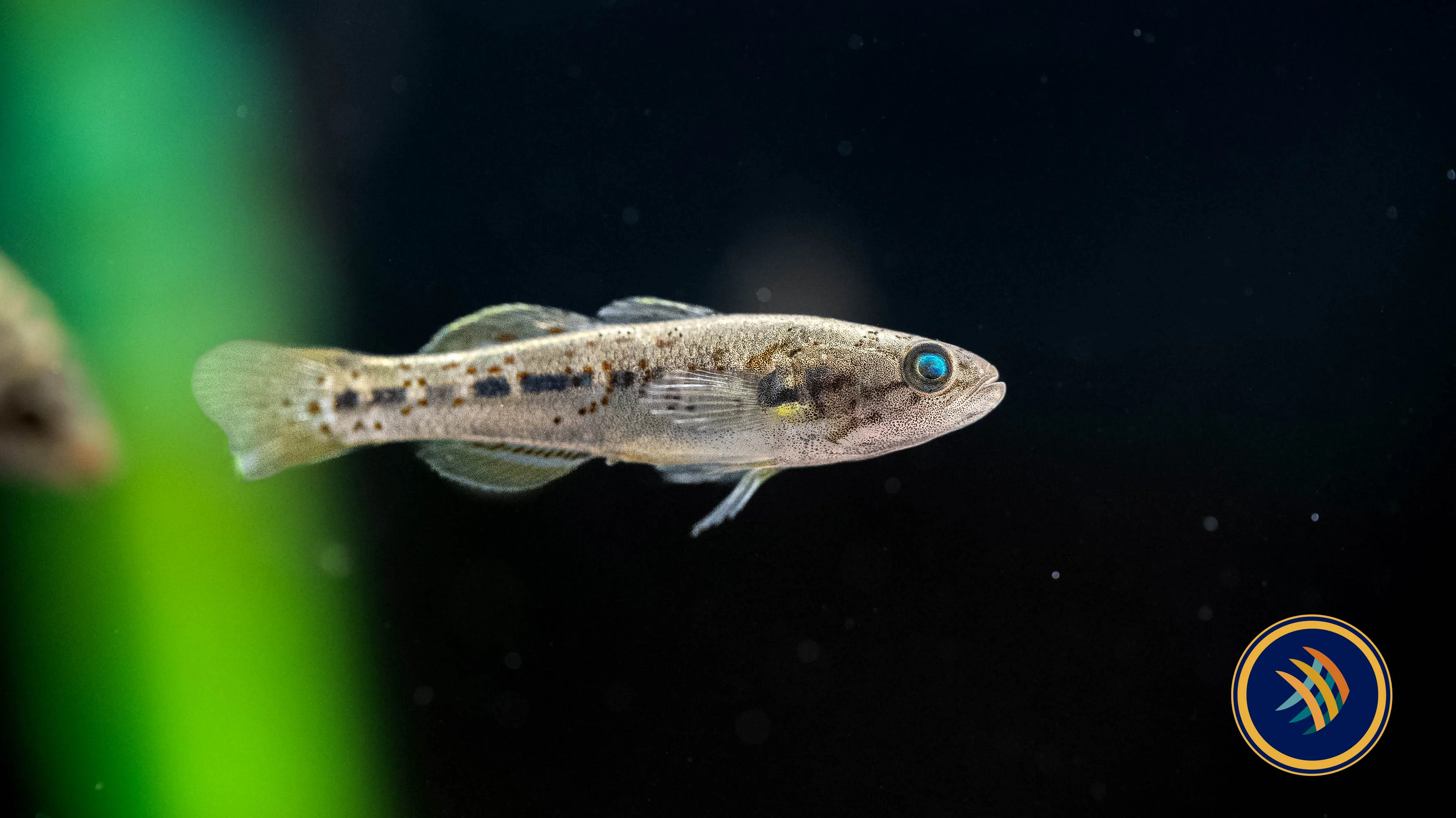
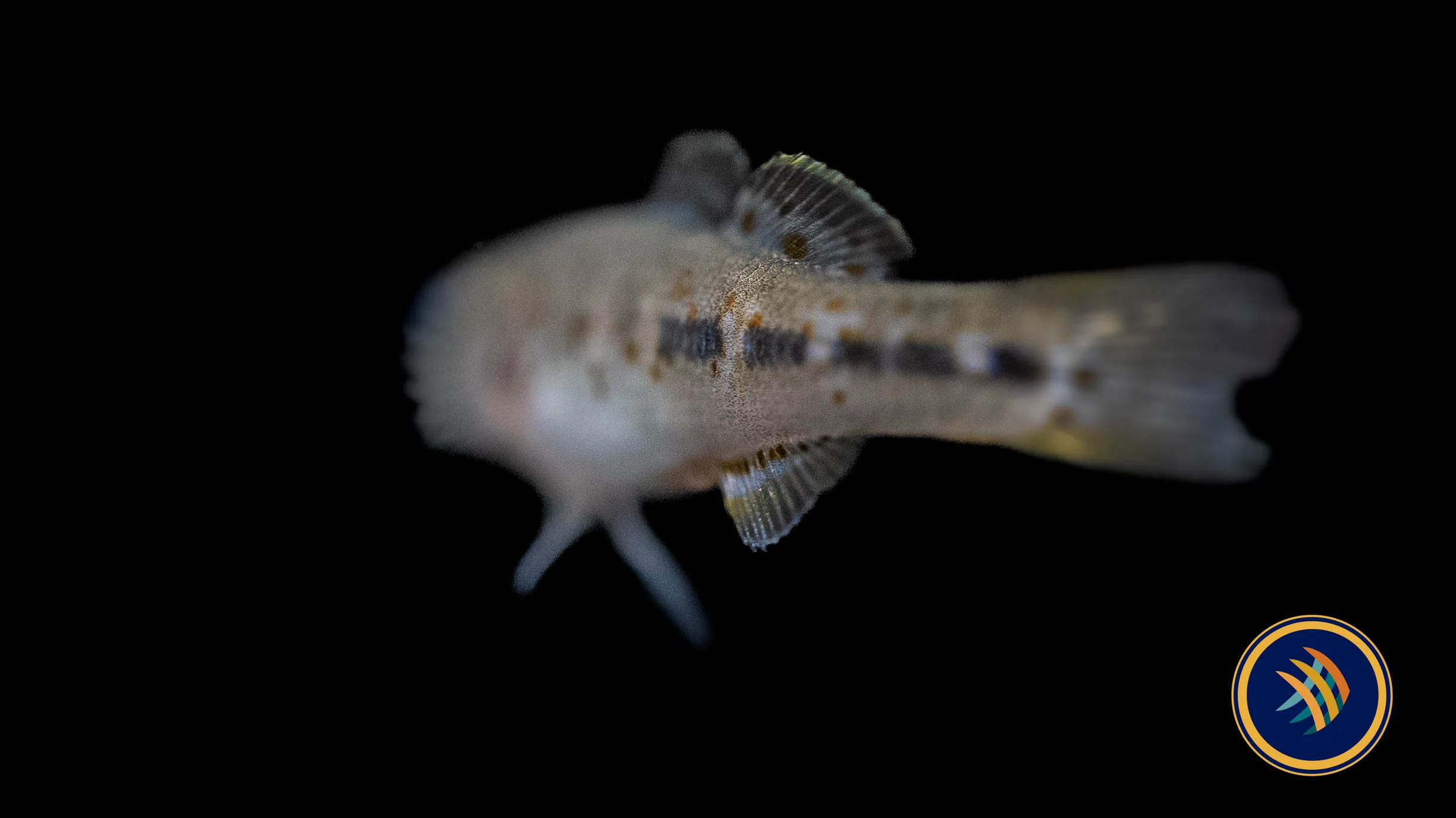
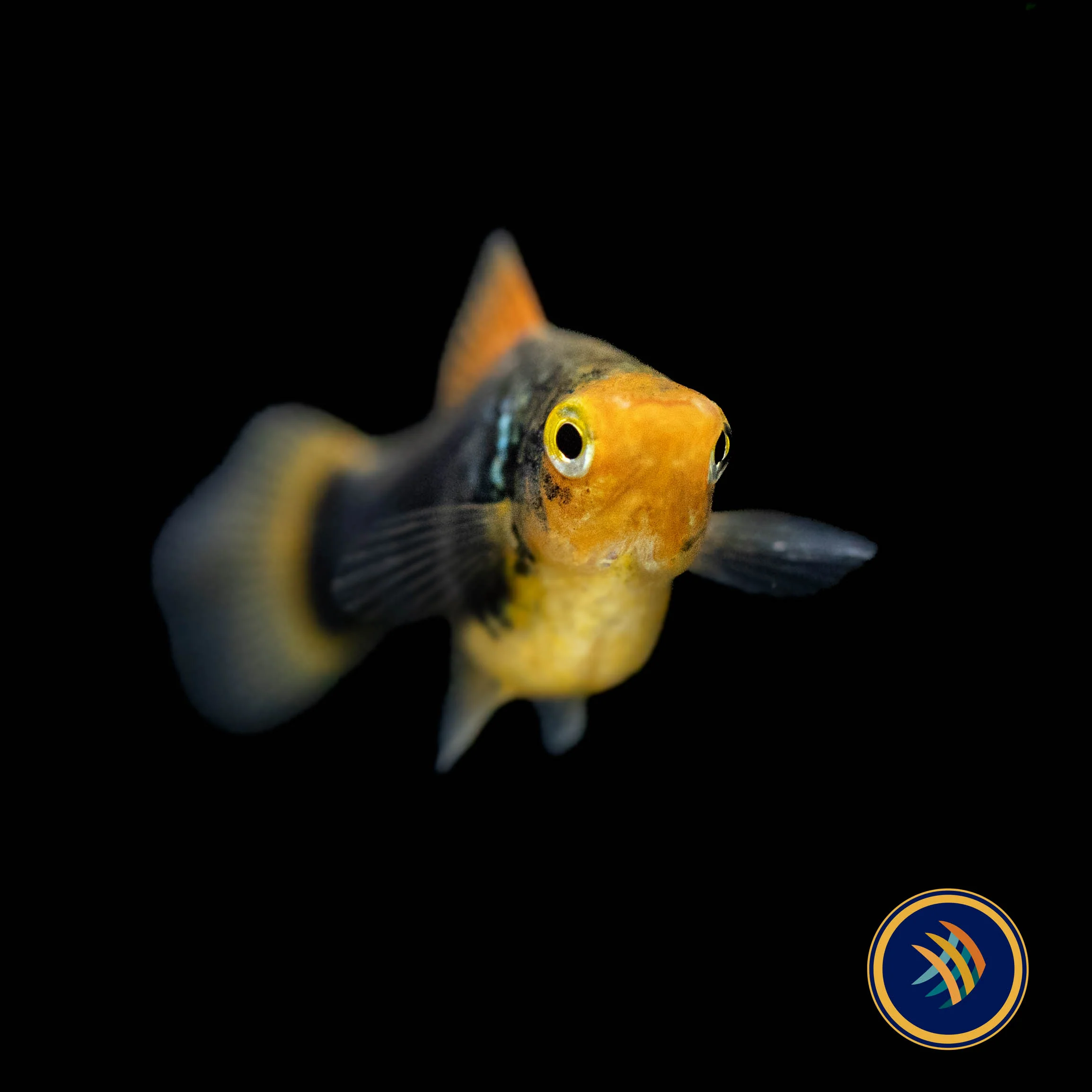
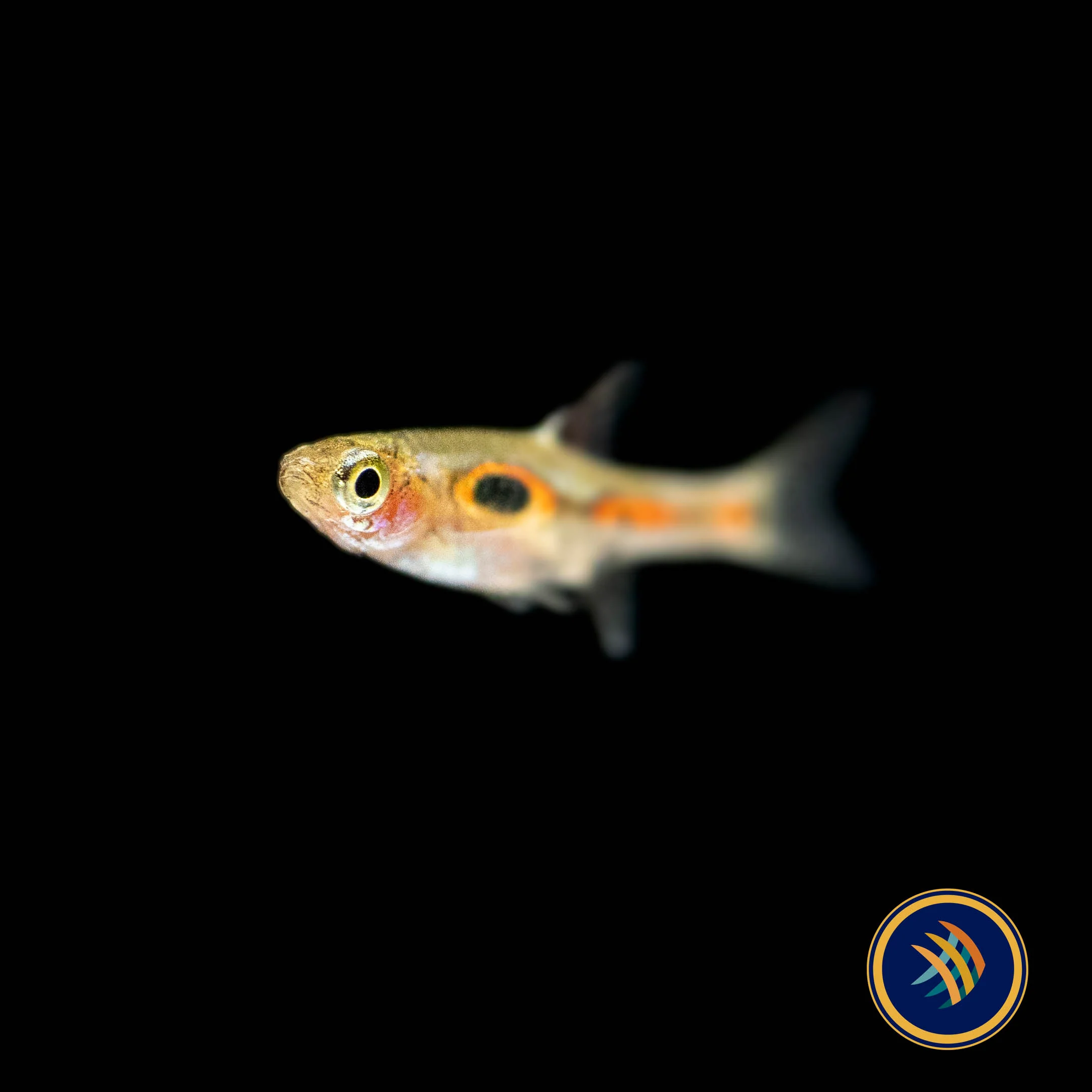
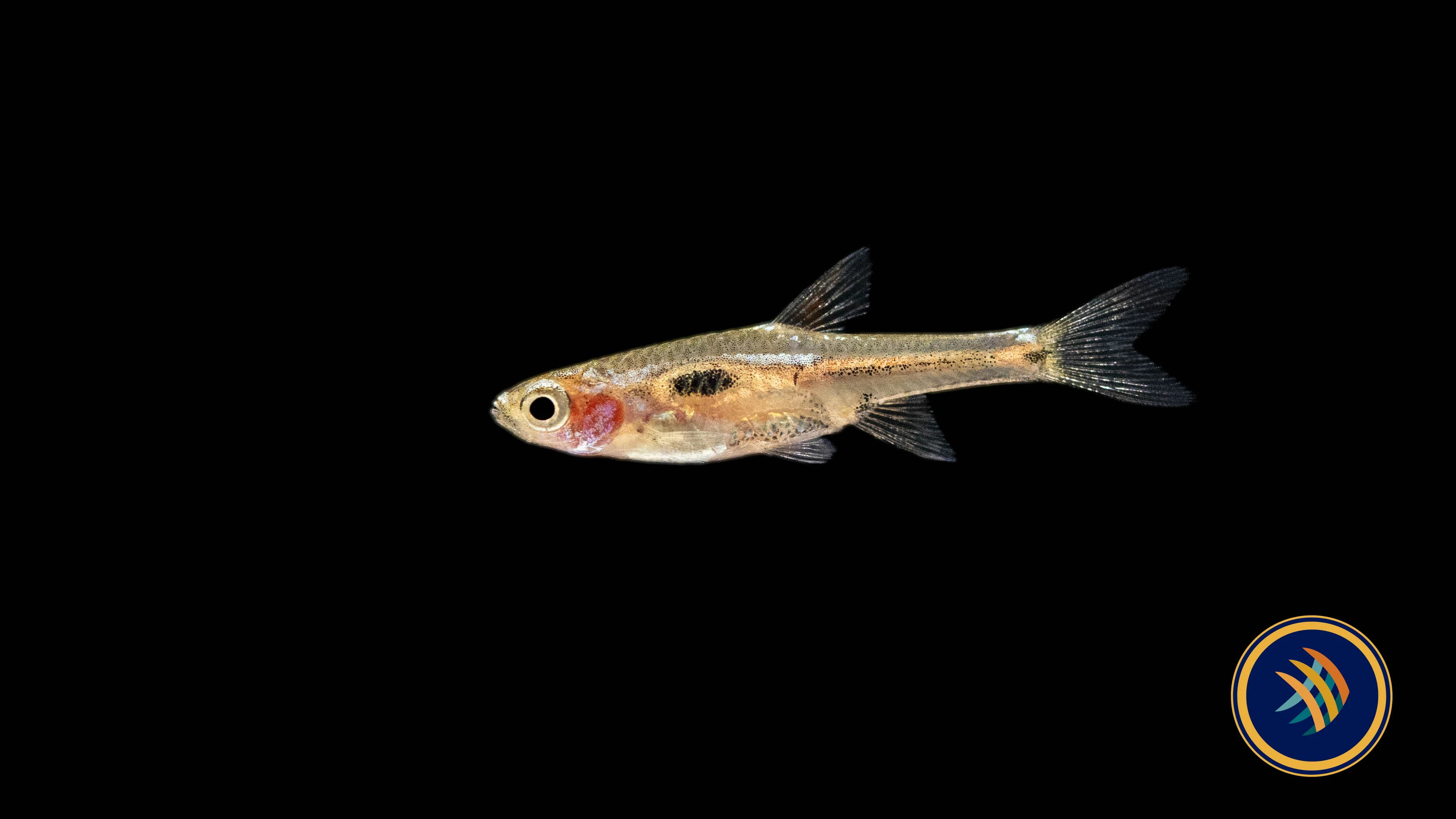
Emerald Dwarf Rasbora (Danio erythromicron) is a small, peaceful freshwater fish native to Lake Inle in Myanmar.
Appearance
- Size: Grows up to about 2 cm (0.8 inches).
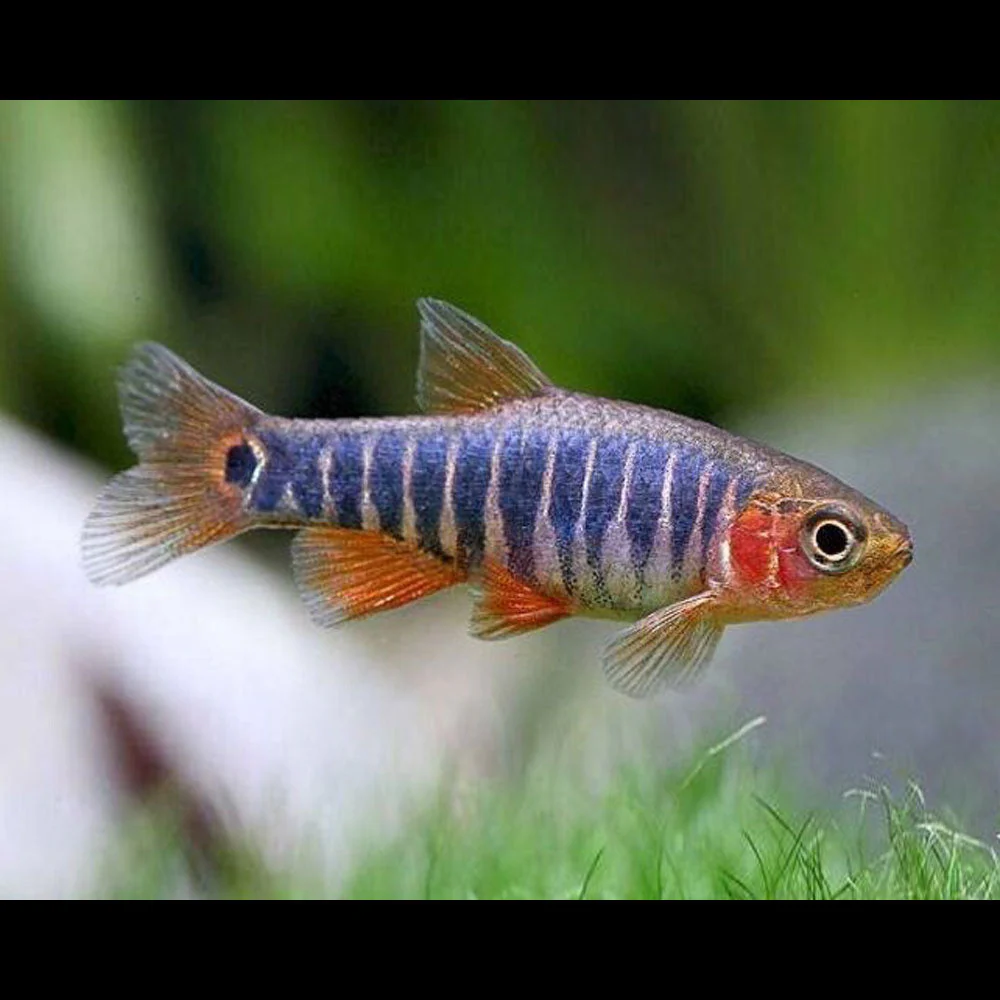
- Coloration: Iridescent green body with vertical blue stripes and a reddish-orange tail.
- Sexual Dimorphism: Males are more colorful and slender, while females are rounder and slightly duller.
Habitat
- Found in shallow, vegetated areas of Lake Inle.
- Prefers slow-moving or still waters with dense aquatic plants.
Aquarium Care
- Tank Size: Minimum 10 gallons for a small group.
-
Water Parameters:
- Temperature: 20–26°C (68–79°F)
- pH: 6.5–7.5
- Soft to moderately hard water
- Diet: Omnivorous – enjoys micro-pellets, crushed flakes, and live/frozen foods like daphnia or brine shrimp.
- Behavior: Peaceful and shy; best kept in groups of 6 or more to reduce stress and encourage natural behavior.
Breeding
- Egg scatterers; breeding can occur in a well-planted tank.
- Provide fine-leaved plants or spawning mops.
- Adults may eat the eggs, so a separate breeding tank is ideal.
$4.74
Emerald Dwarf Rasbora (Danio erythromicron)—
$4.74
Product Information
Product Information
Shipping & Returns
Shipping & Returns
Description
Emerald Dwarf Rasbora (Danio erythromicron) is a small, peaceful freshwater fish native to Lake Inle in Myanmar.
Appearance
- Size: Grows up to about 2 cm (0.8 inches).
- Coloration: Iridescent green body with vertical blue stripes and a reddish-orange tail.
- Sexual Dimorphism: Males are more colorful and slender, while females are rounder and slightly duller.
Habitat
- Found in shallow, vegetated areas of Lake Inle.
- Prefers slow-moving or still waters with dense aquatic plants.
Aquarium Care
- Tank Size: Minimum 10 gallons for a small group.
-
Water Parameters:
- Temperature: 20–26°C (68–79°F)
- pH: 6.5–7.5
- Soft to moderately hard water
- Diet: Omnivorous – enjoys micro-pellets, crushed flakes, and live/frozen foods like daphnia or brine shrimp.
- Behavior: Peaceful and shy; best kept in groups of 6 or more to reduce stress and encourage natural behavior.
Breeding
- Egg scatterers; breeding can occur in a well-planted tank.
- Provide fine-leaved plants or spawning mops.
- Adults may eat the eggs, so a separate breeding tank is ideal.