Fancy Guppy Male Assorted (Poecilia reticulata)
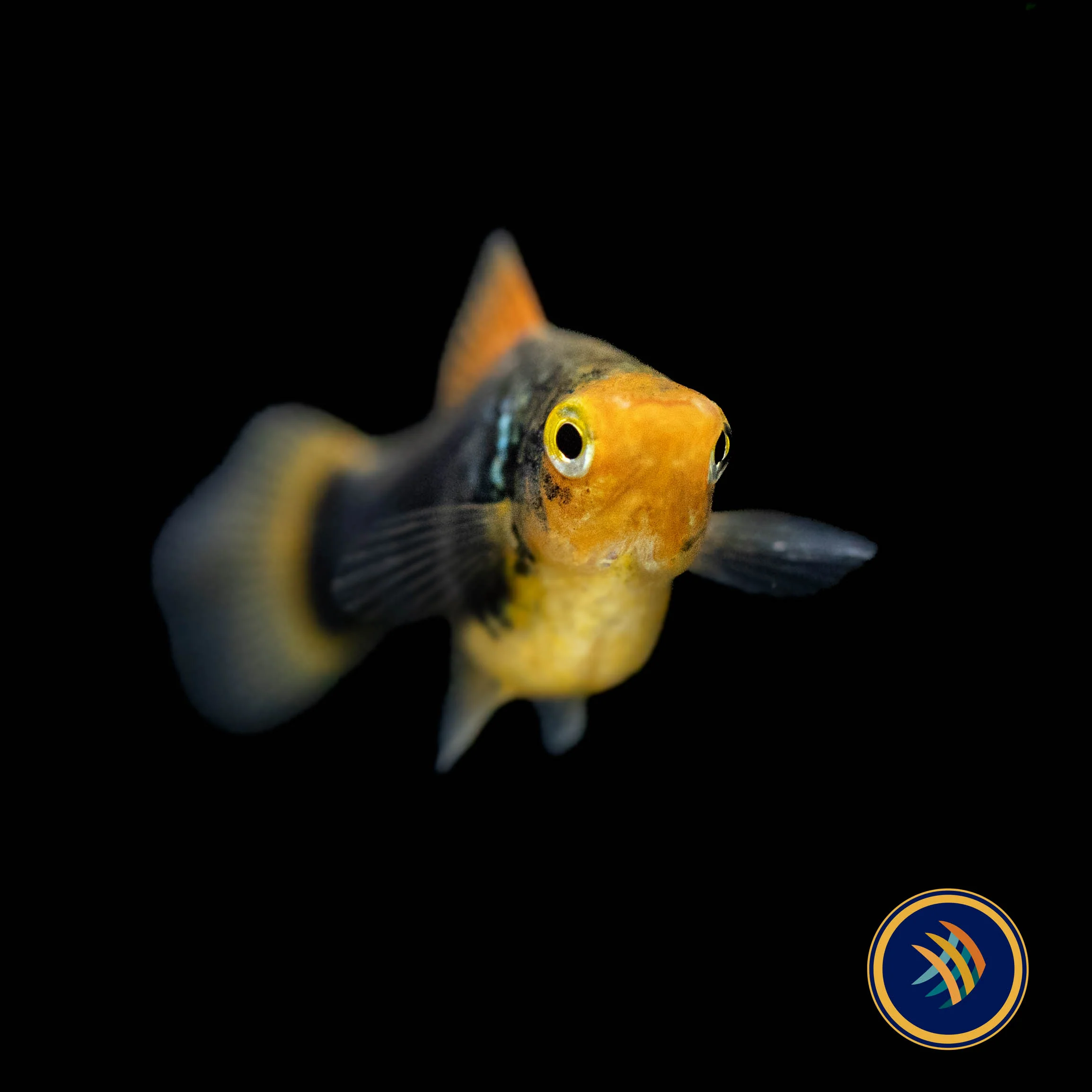
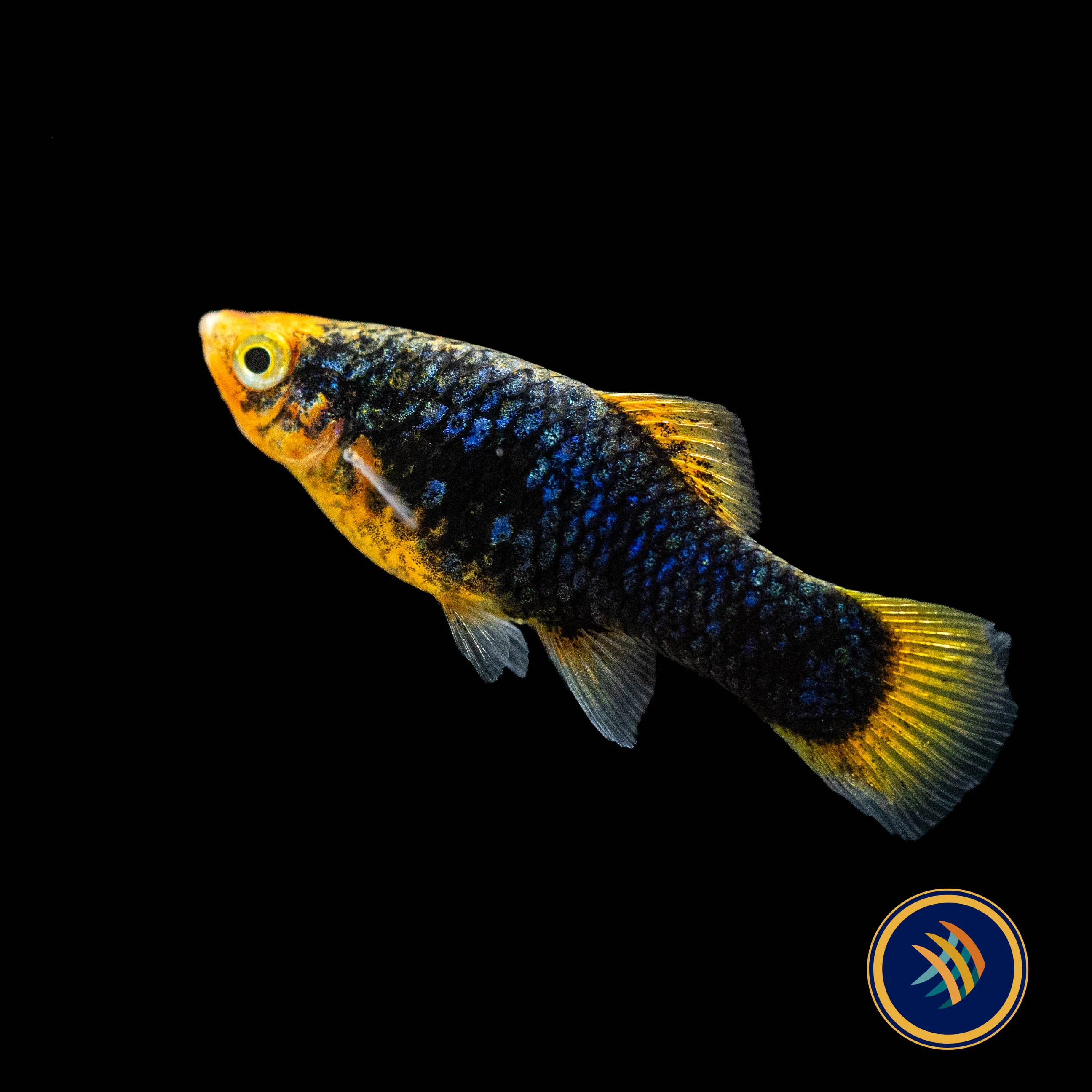
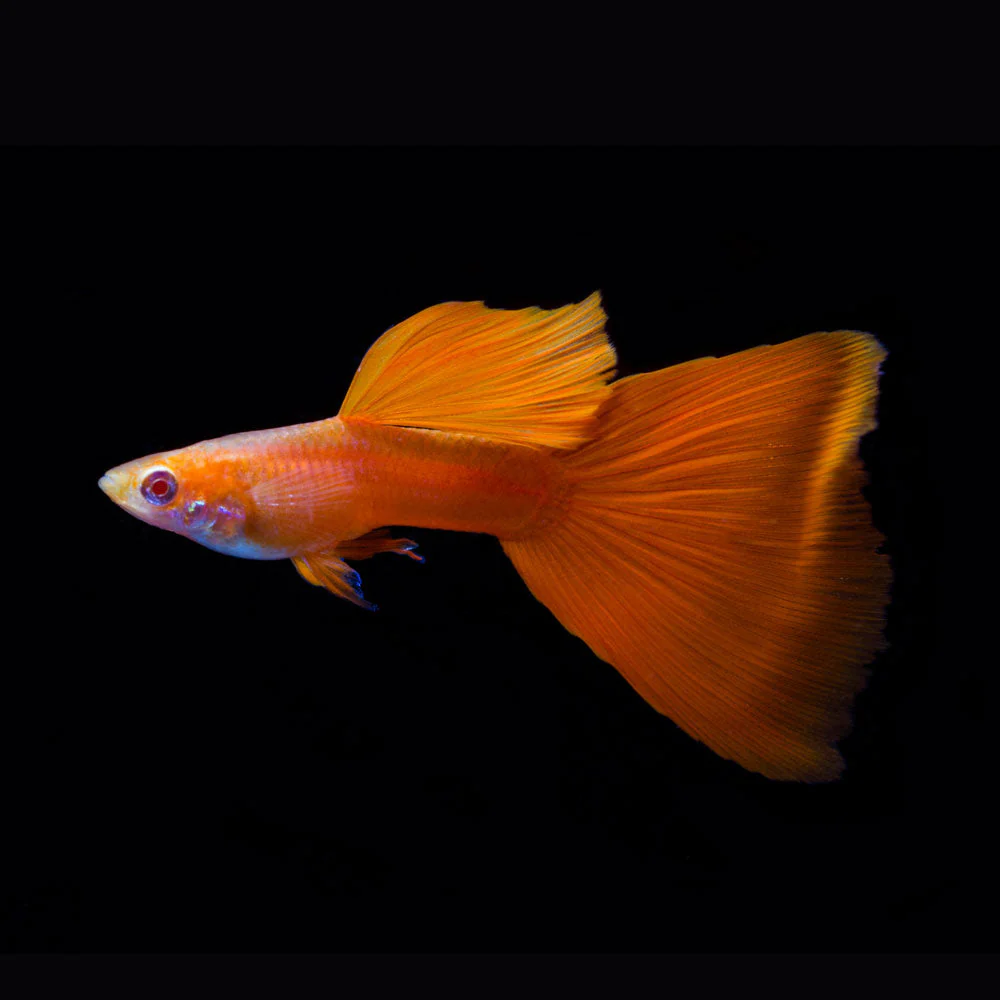
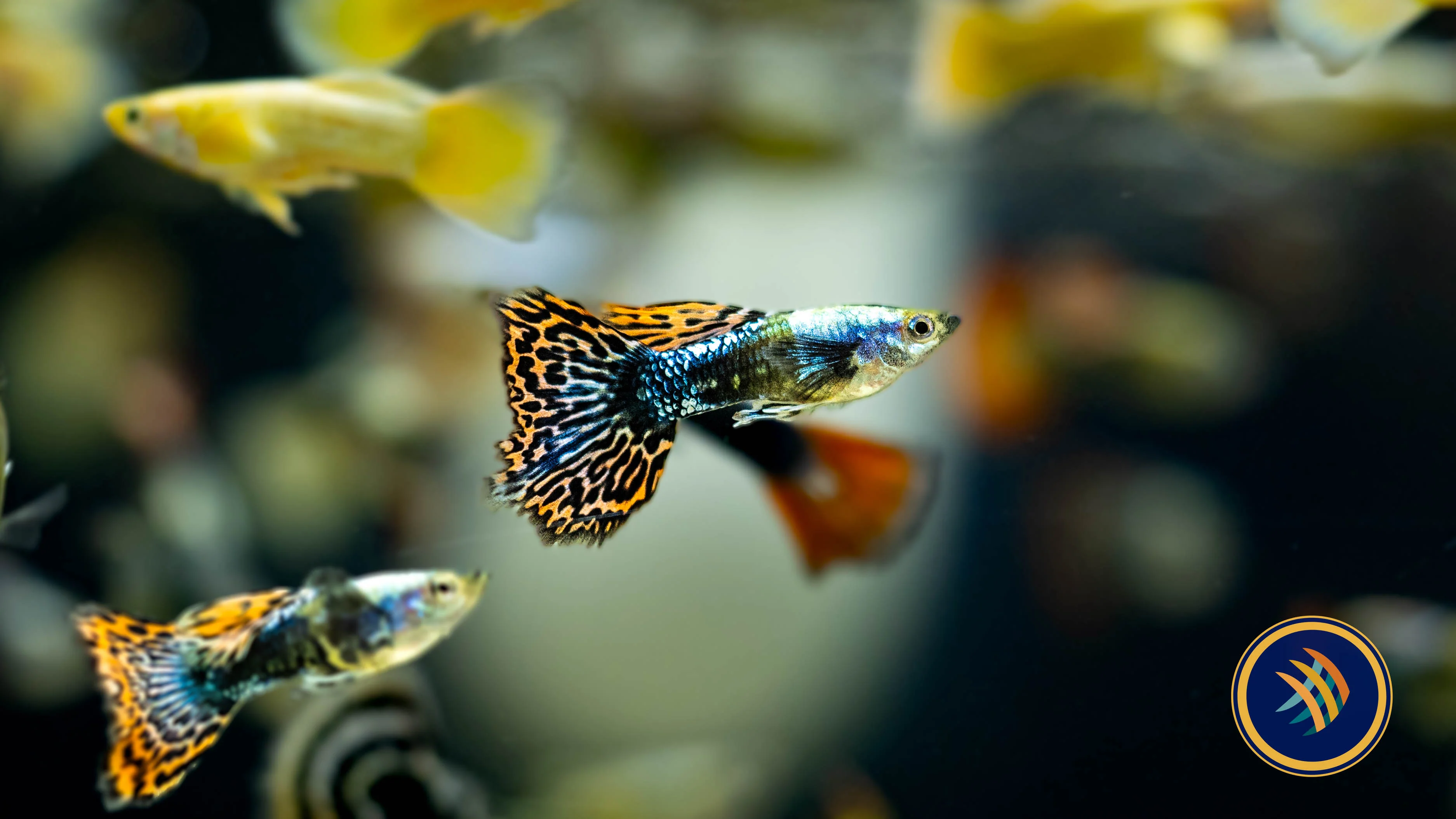
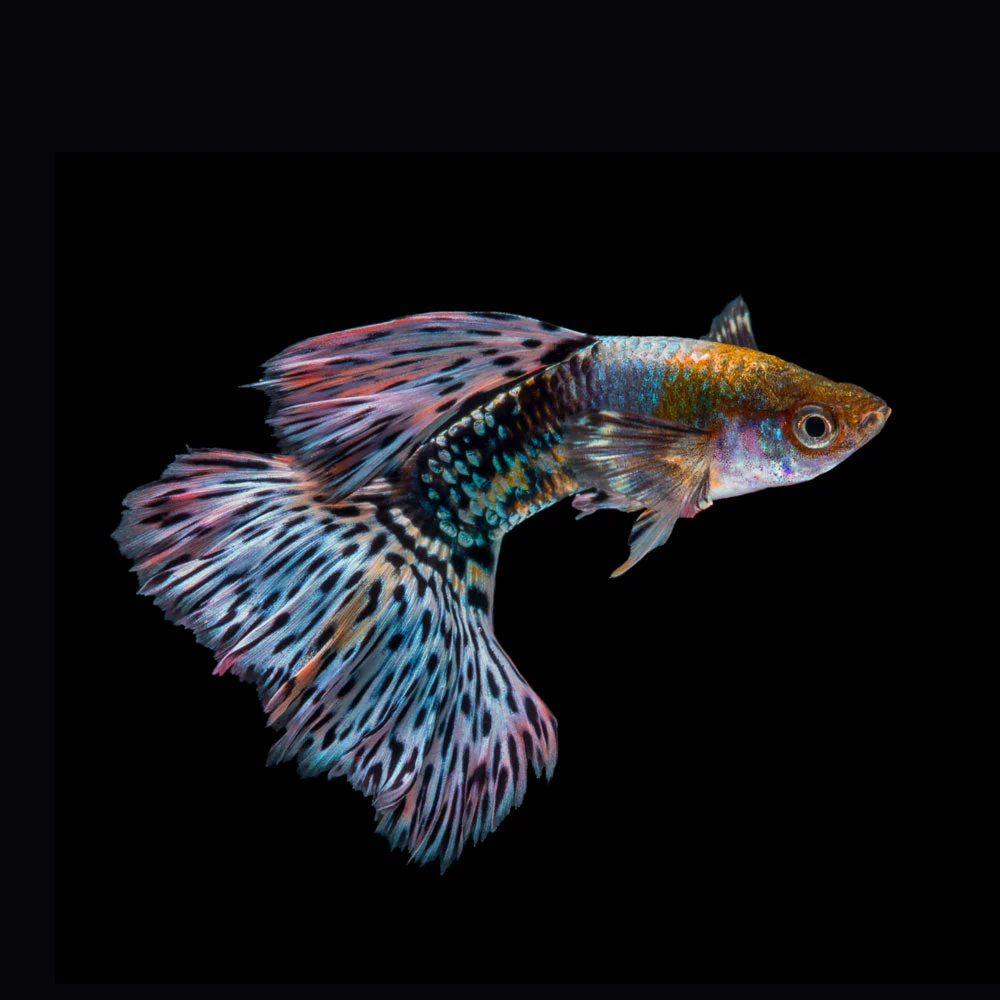
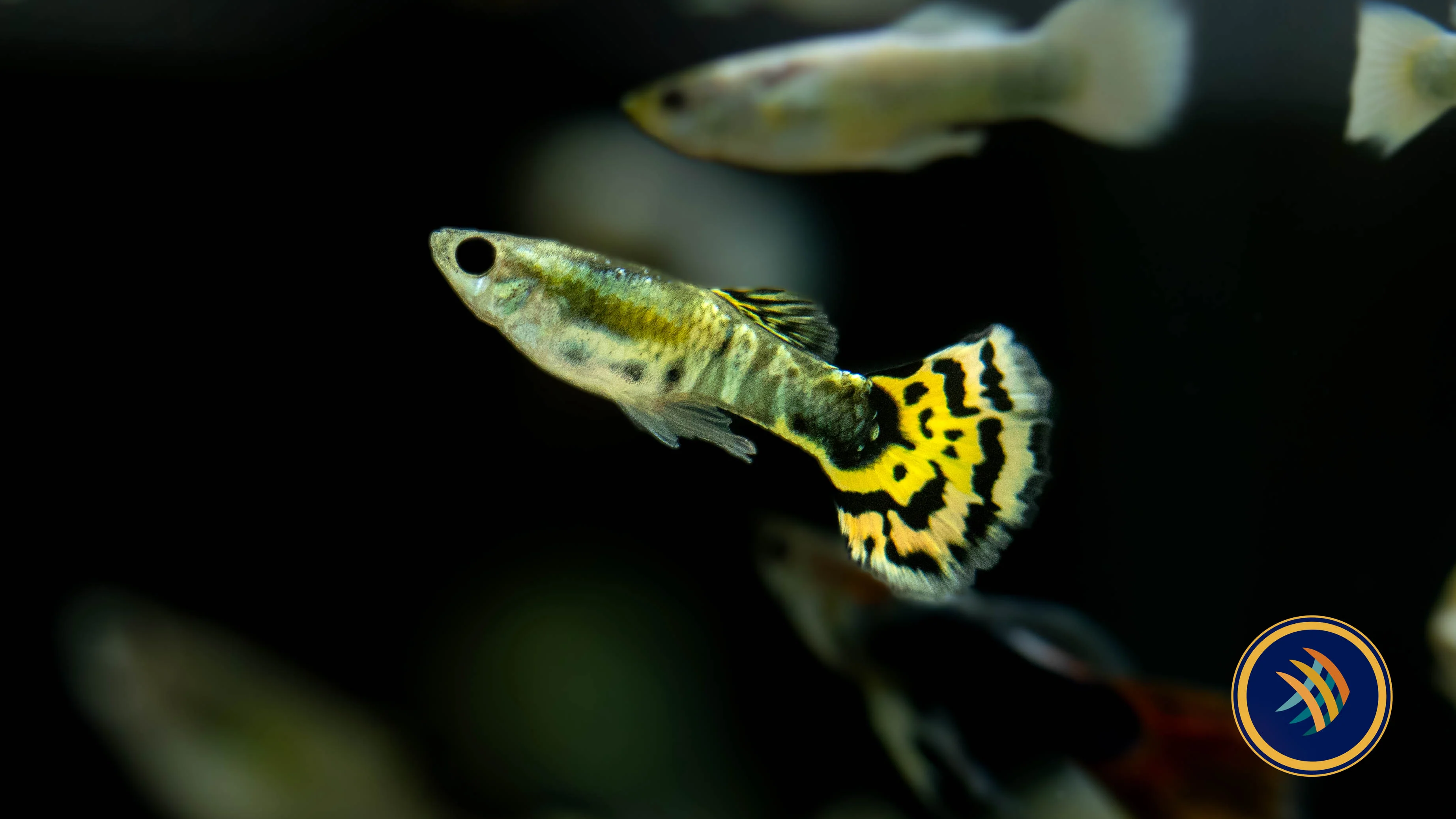
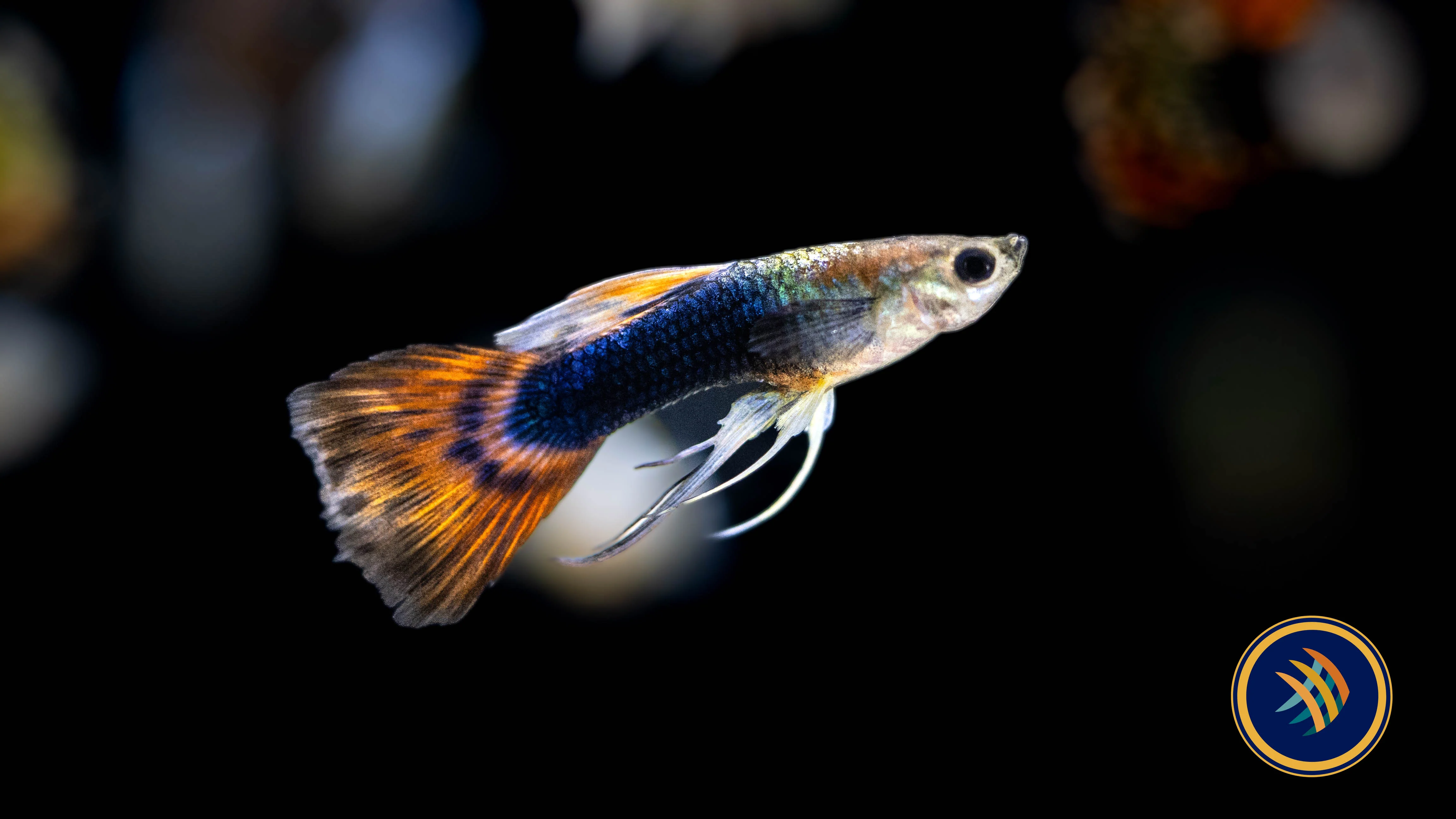
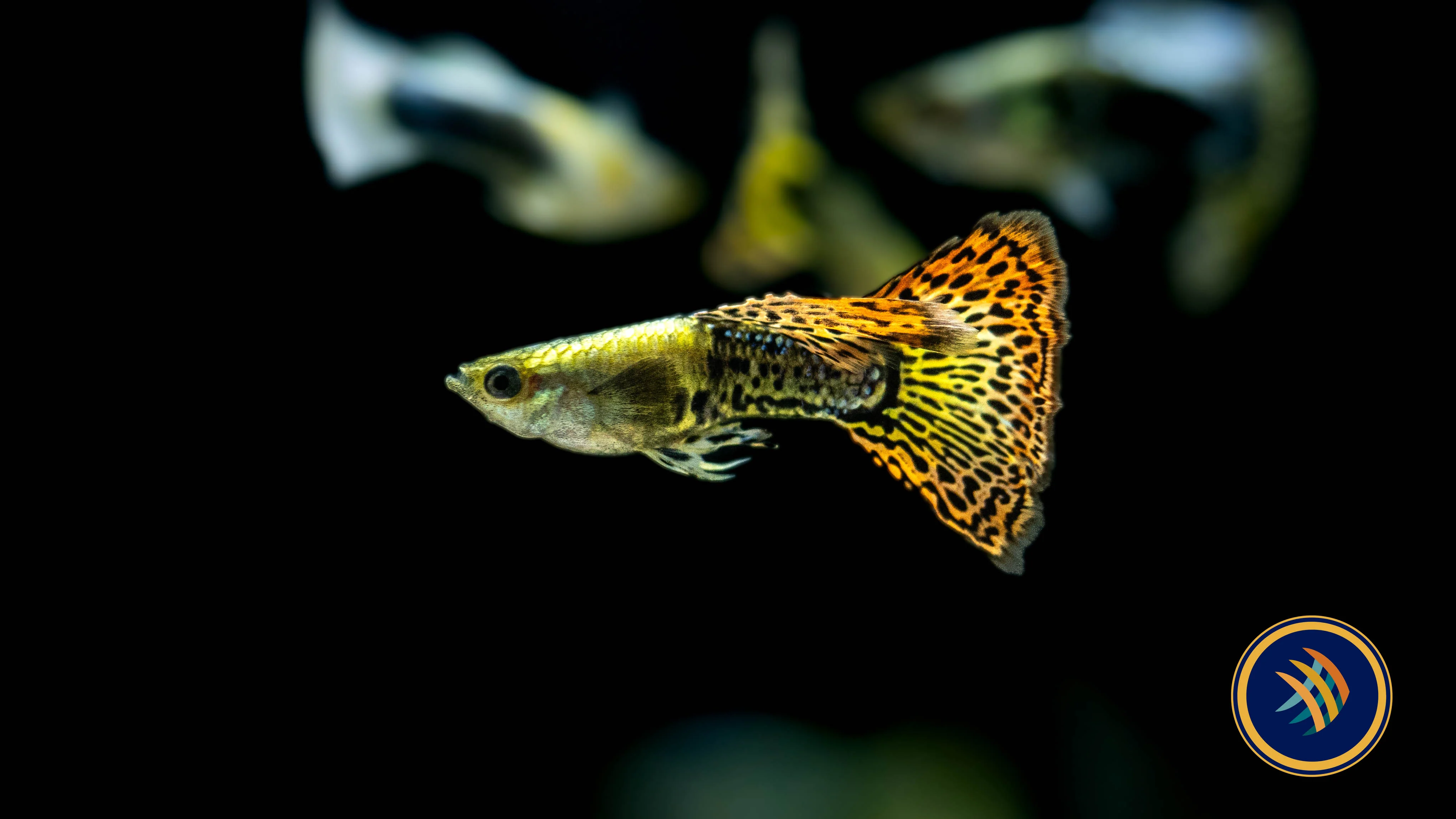
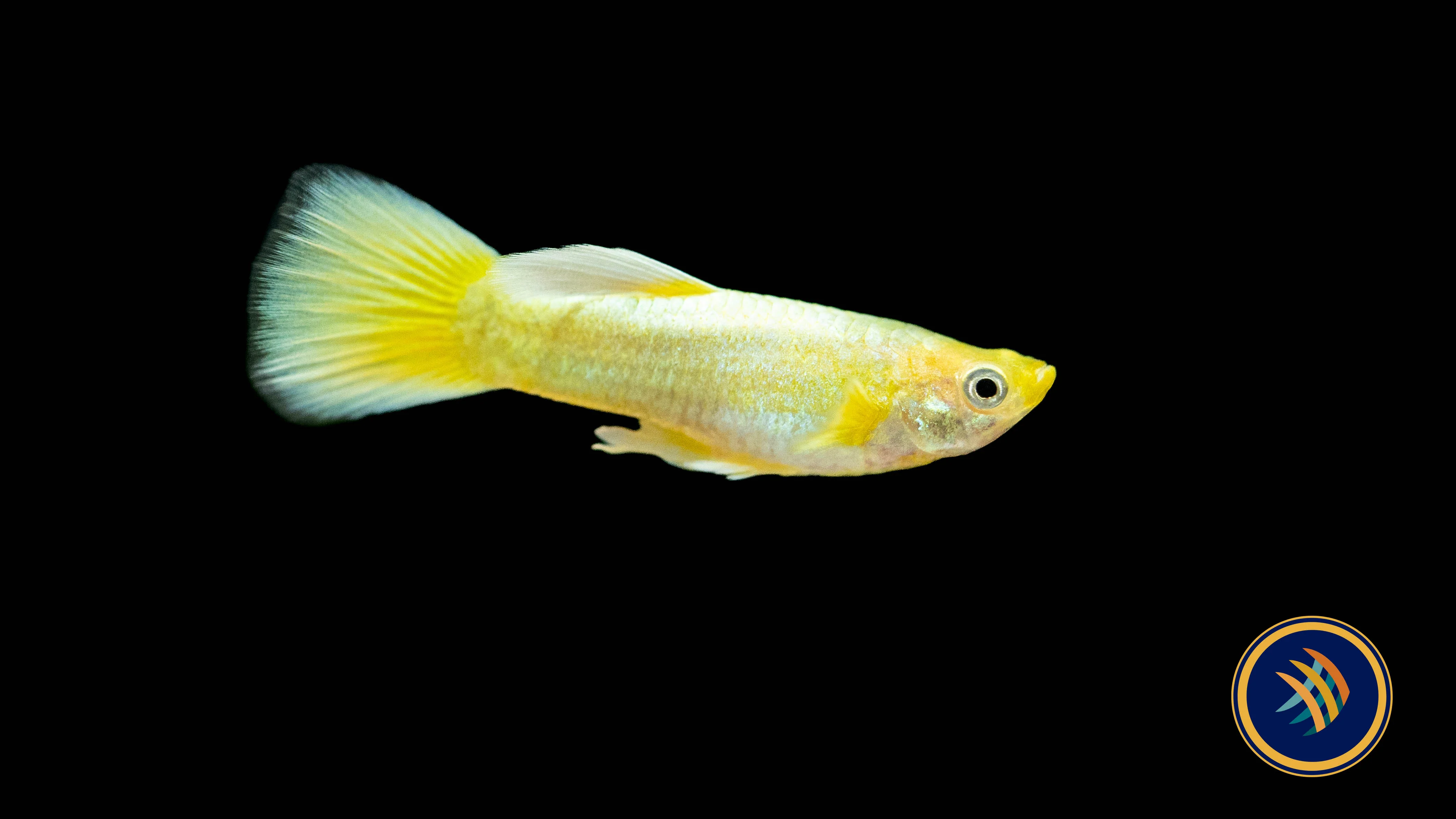
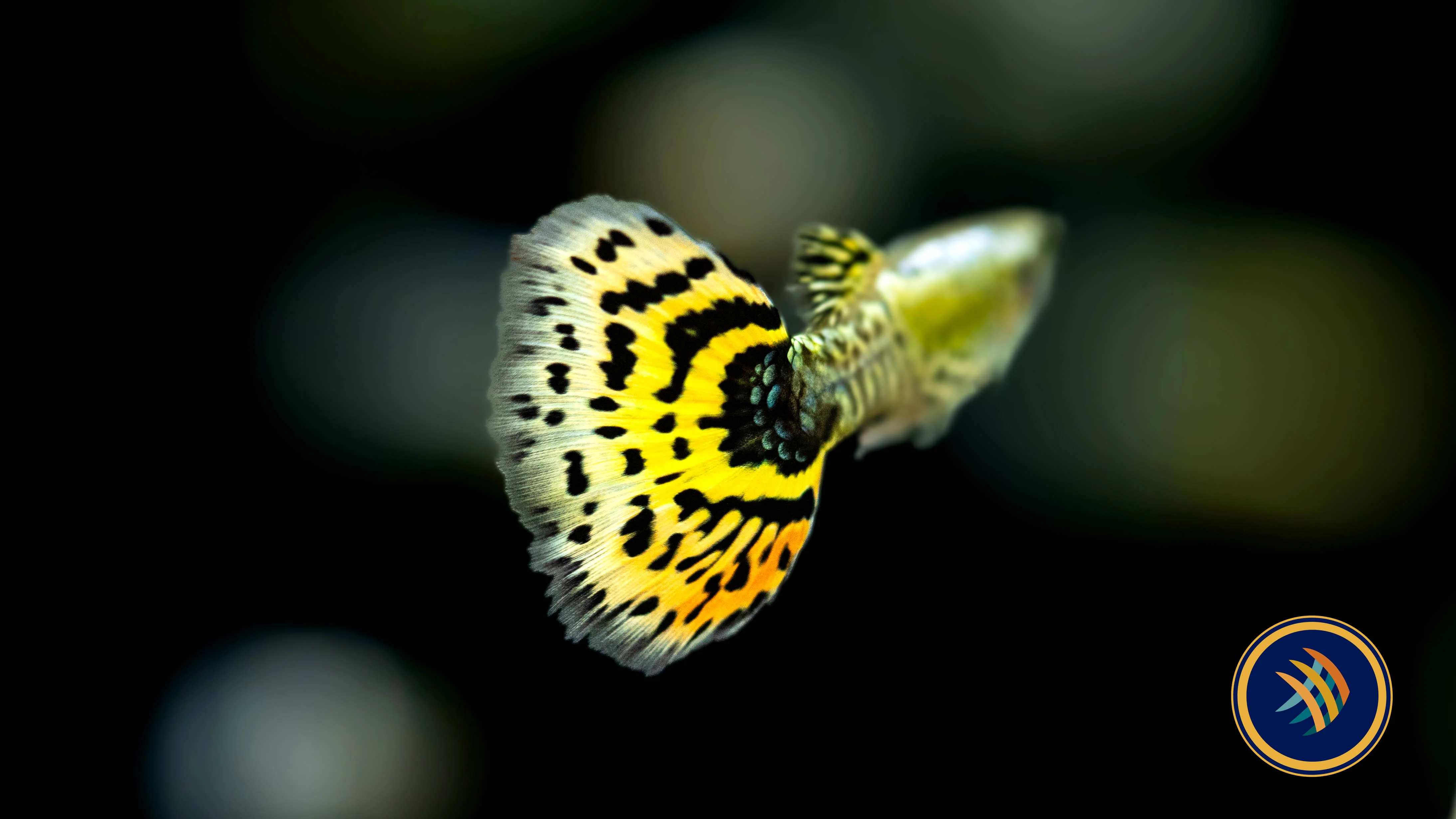
Fancy Guppy Male Assorted refers to a mix of selectively bred male guppies (Poecilia reticulata) that showcase a wide variety of colors, patterns, and tail shapes. These guppies are popular for their vibrant appearance, peaceful nature, and ease of care—making them ideal for both beginners and experienced aquarists.
General Profile
- Scientific Name: Poecilia reticulata
- Common Name: Fancy Guppy (Assorted Males)
- Size: Males ~1.5–2 inches (3.8–5 cm)
- Lifespan: 2–3 years
- Temperament: Peaceful, active, and social
- Swimming Level: Mid to top
- Origin: Native to South America; extensively bred worldwide
Variety in Assorted Males
Assorted fancy guppies may include:
- Tail Types: Delta, Lyretail, Fantail, Halfmoon, Grass, Dumbo Ear
- Patterns: Snakeskin, Mosaic, Cobra, Leopard, Tuxedo, Lace
- Colors: Red, Blue, Yellow, Green, Black, White, Metallic, Neon
Each male is unique, often selected for its ornamental value and genetic diversity.
Tank Requirements
- Tank Size: Minimum 10 gallons for a small group
- Temperature: 72–82°F (22–28°C)
- pH: 6.8–7.8
- Hardness: 8–12 dGH
- Filtration: Gentle sponge or hang-on-back filter
- Decor: Live plants (e.g., Java moss, Anubias), smooth gravel, hiding spots
- Lighting: Moderate to highlight their colors
Diet
- Type: Omnivorous
- Staple: High-quality flakes or micro-pellets
- Supplements: Brine shrimp, daphnia, bloodworms
- Vegetables: Blanched spinach or zucchini
- Feeding Frequency: 2–3 times daily in small portions
Breeding Note
- Reproduction: Livebearers
- Sexing: Males are smaller, more colorful, and have a gonopodium
- Fry Care: If females are introduced, expect frequent births; use breeding boxes or dense plants to protect fry
Tank Mates
- Compatible With: Tetras, mollies, platies, corydoras, rasboras, shrimp
- Avoid: Aggressive or fin-nipping species
Product Information
Product Information
Shipping & Returns
Shipping & Returns
Description
Fancy Guppy Male Assorted refers to a mix of selectively bred male guppies (Poecilia reticulata) that showcase a wide variety of colors, patterns, and tail shapes. These guppies are popular for their vibrant appearance, peaceful nature, and ease of care—making them ideal for both beginners and experienced aquarists.
General Profile
- Scientific Name: Poecilia reticulata
- Common Name: Fancy Guppy (Assorted Males)
- Size: Males ~1.5–2 inches (3.8–5 cm)
- Lifespan: 2–3 years
- Temperament: Peaceful, active, and social
- Swimming Level: Mid to top
- Origin: Native to South America; extensively bred worldwide
Variety in Assorted Males
Assorted fancy guppies may include:
- Tail Types: Delta, Lyretail, Fantail, Halfmoon, Grass, Dumbo Ear
- Patterns: Snakeskin, Mosaic, Cobra, Leopard, Tuxedo, Lace
- Colors: Red, Blue, Yellow, Green, Black, White, Metallic, Neon
Each male is unique, often selected for its ornamental value and genetic diversity.
Tank Requirements
- Tank Size: Minimum 10 gallons for a small group
- Temperature: 72–82°F (22–28°C)
- pH: 6.8–7.8
- Hardness: 8–12 dGH
- Filtration: Gentle sponge or hang-on-back filter
- Decor: Live plants (e.g., Java moss, Anubias), smooth gravel, hiding spots
- Lighting: Moderate to highlight their colors
Diet
- Type: Omnivorous
- Staple: High-quality flakes or micro-pellets
- Supplements: Brine shrimp, daphnia, bloodworms
- Vegetables: Blanched spinach or zucchini
- Feeding Frequency: 2–3 times daily in small portions
Breeding Note
- Reproduction: Livebearers
- Sexing: Males are smaller, more colorful, and have a gonopodium
- Fry Care: If females are introduced, expect frequent births; use breeding boxes or dense plants to protect fry
Tank Mates
- Compatible With: Tetras, mollies, platies, corydoras, rasboras, shrimp
- Avoid: Aggressive or fin-nipping species