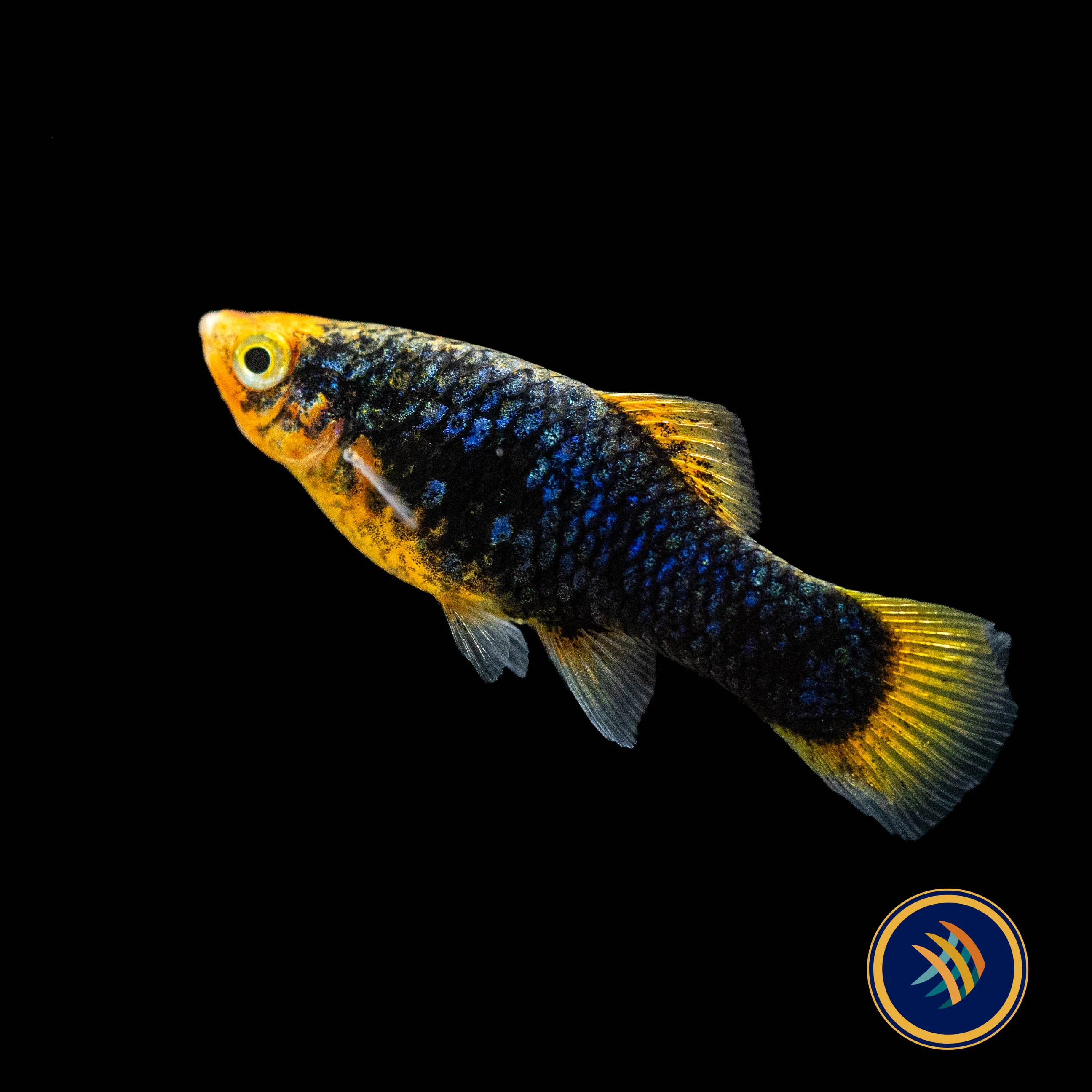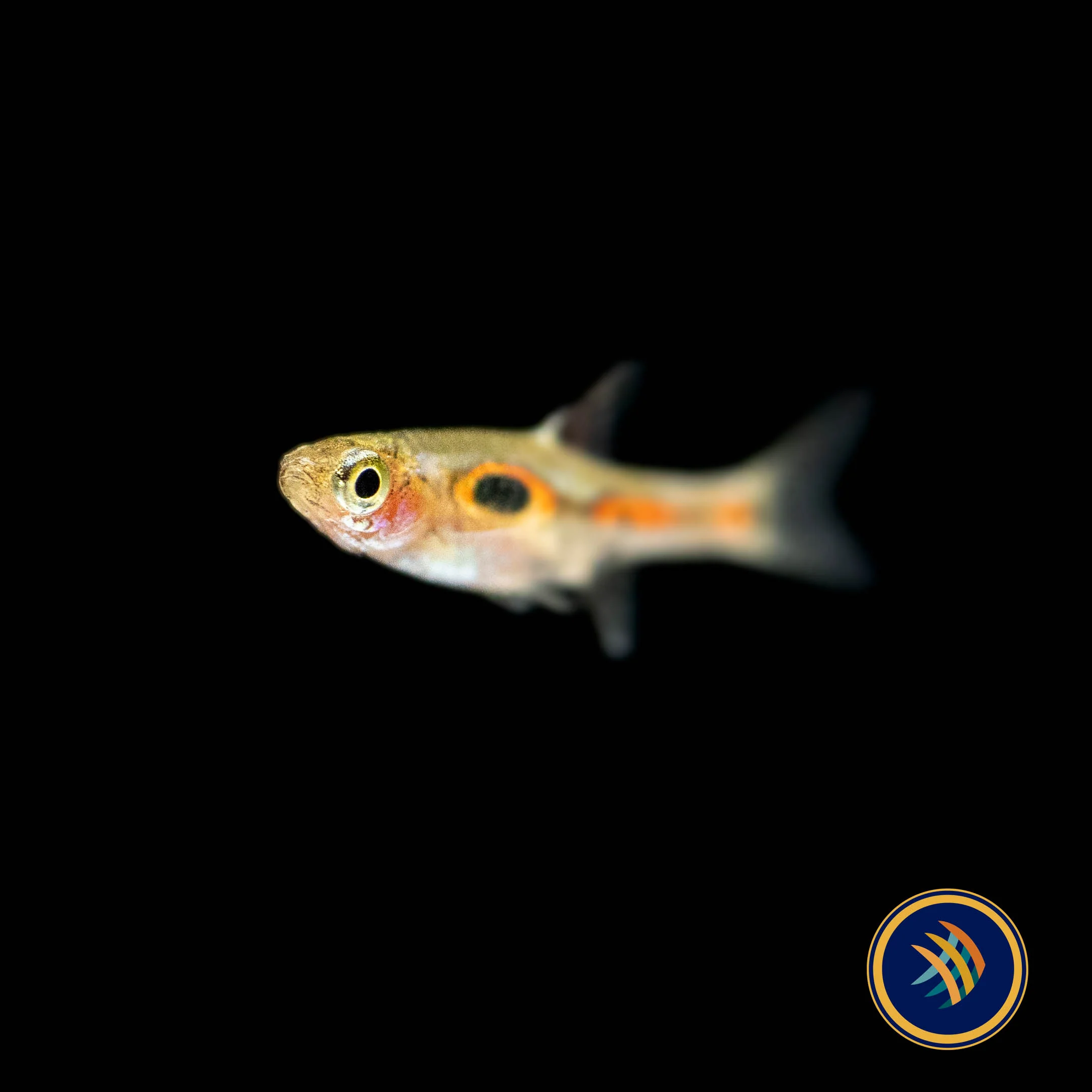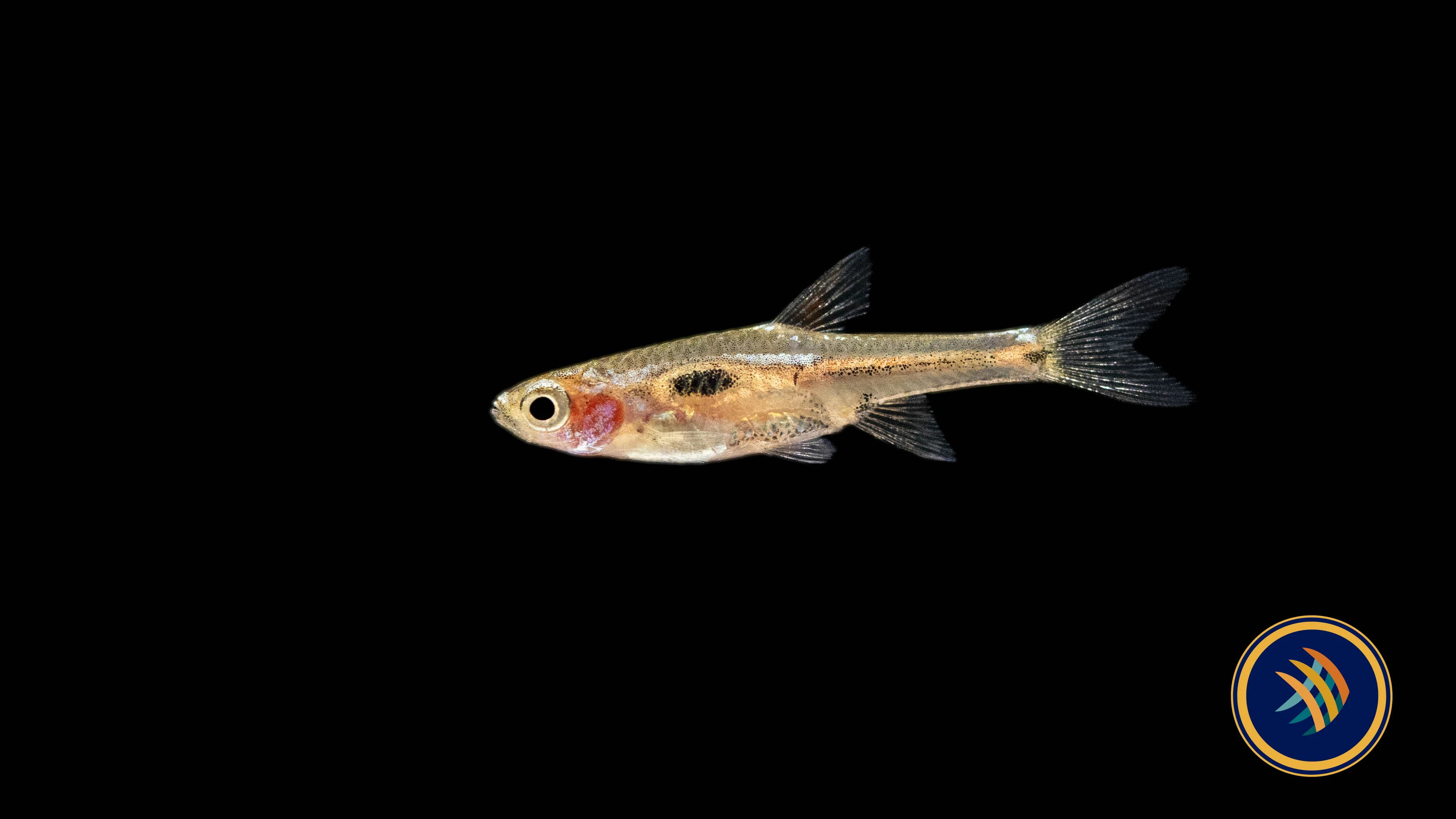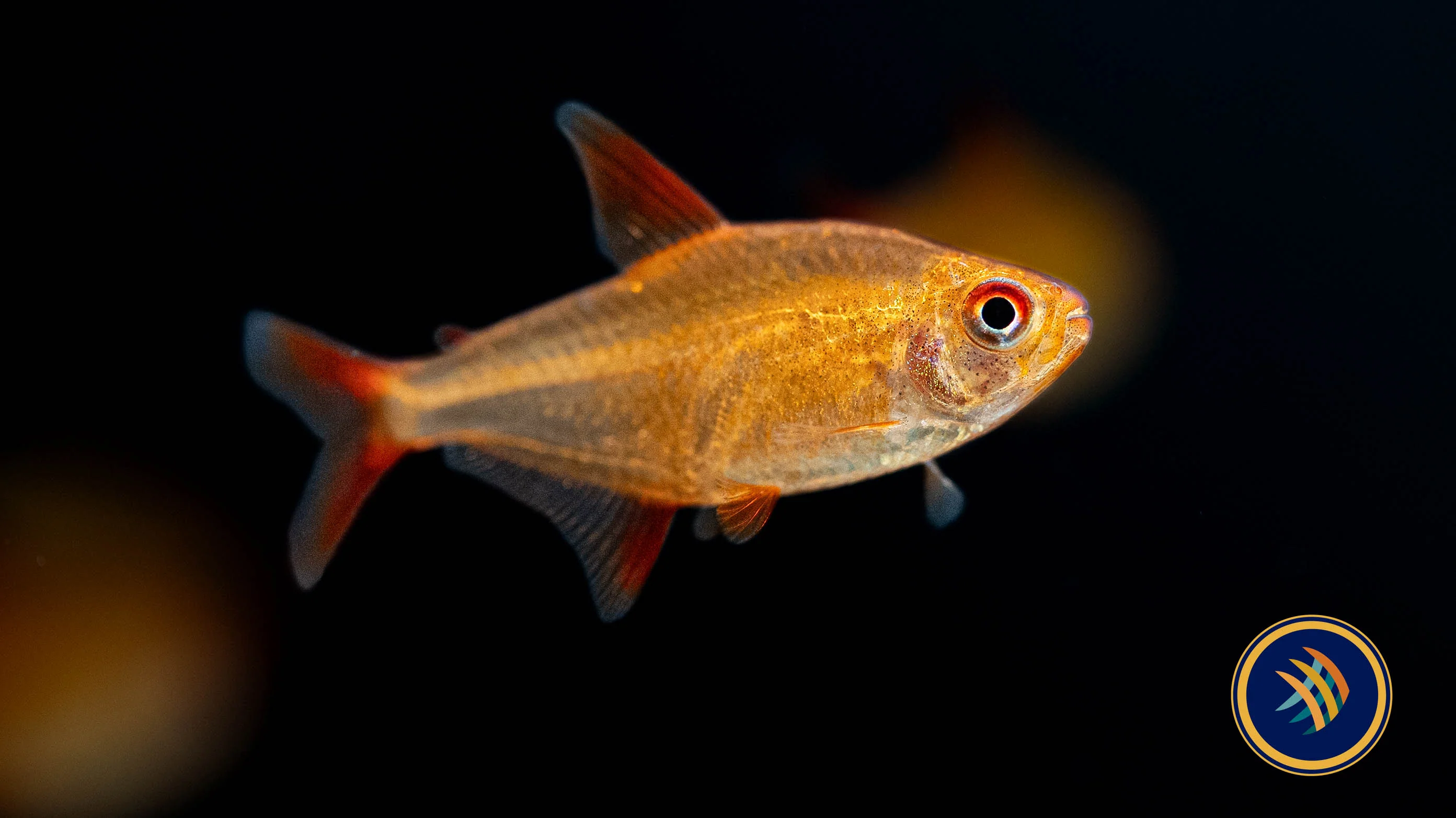
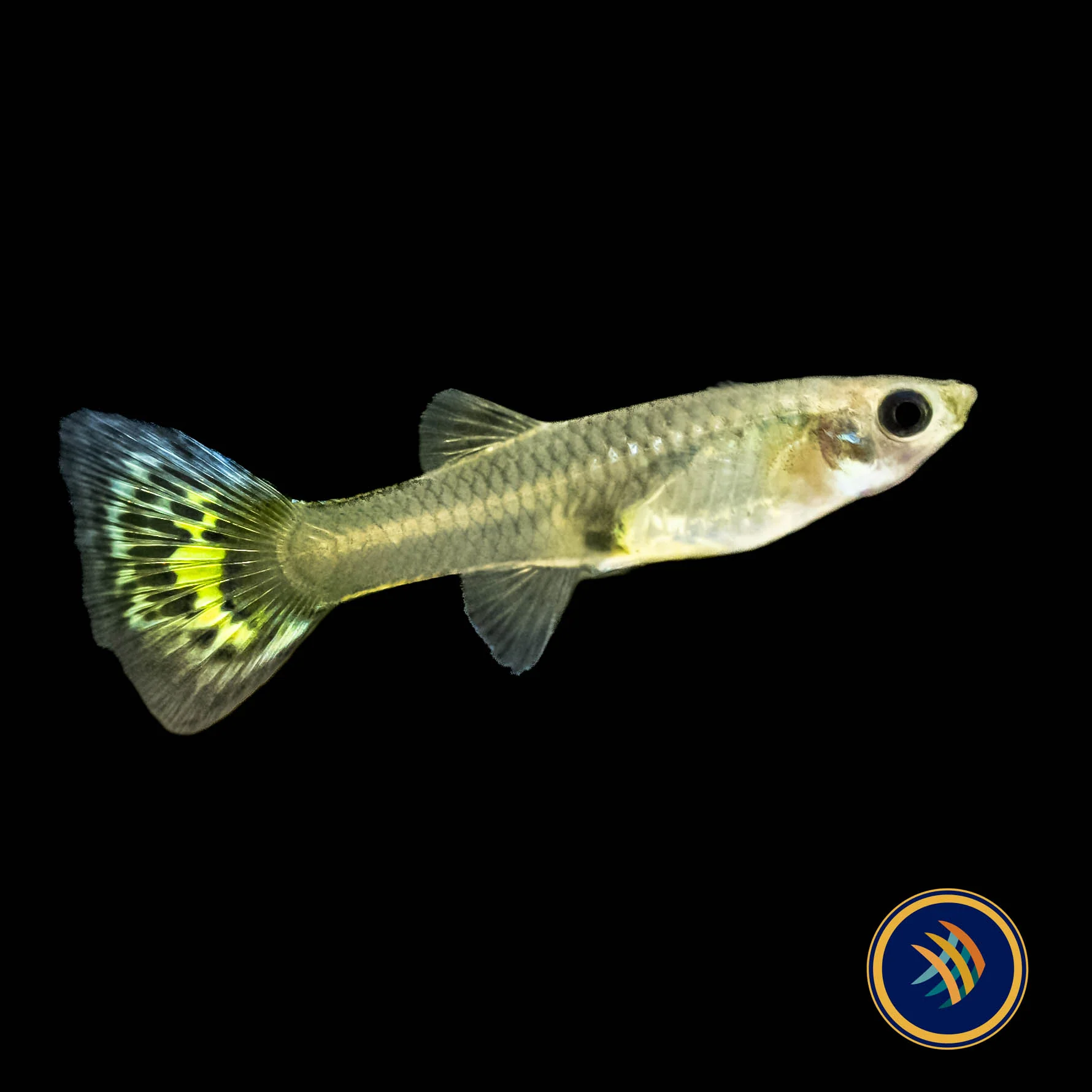
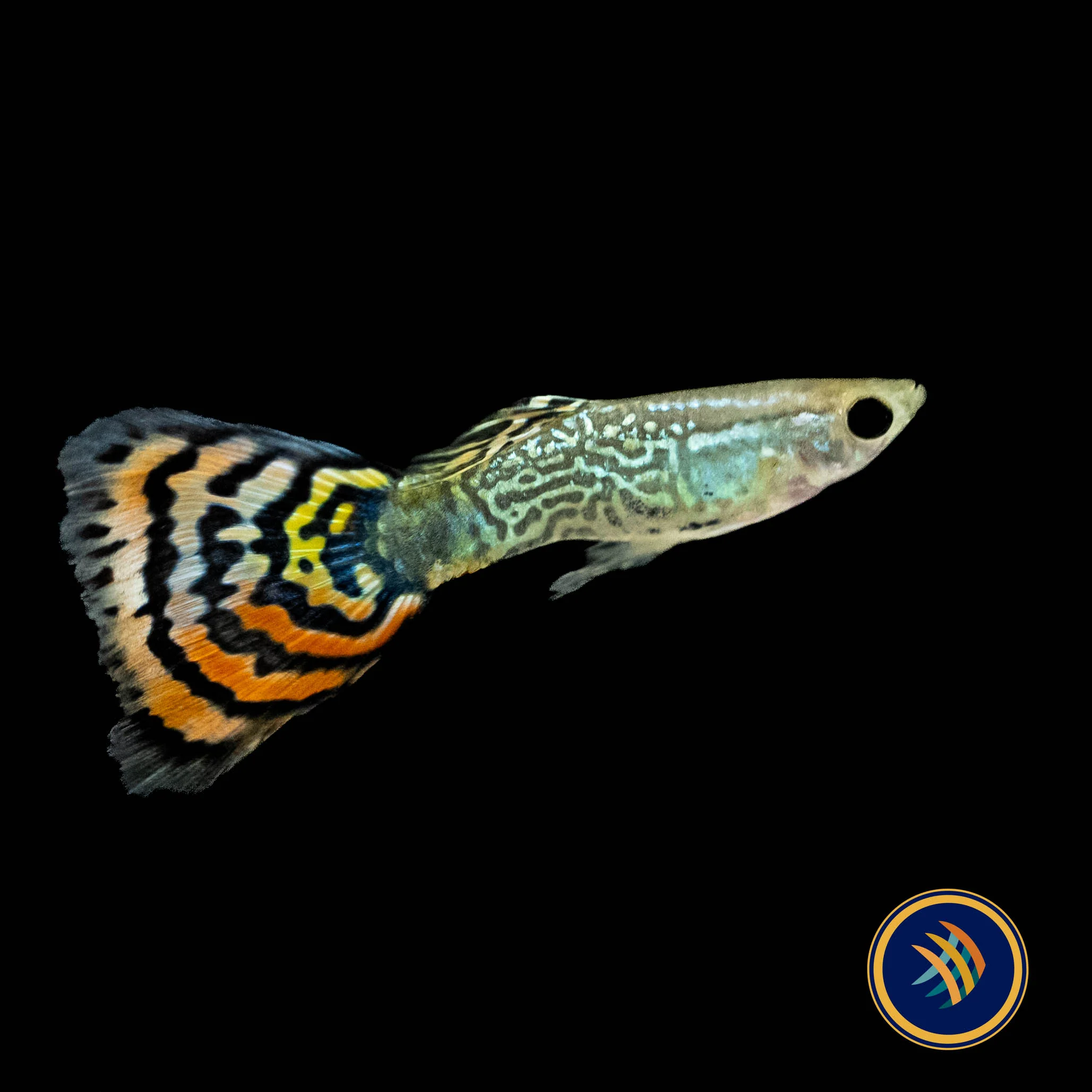
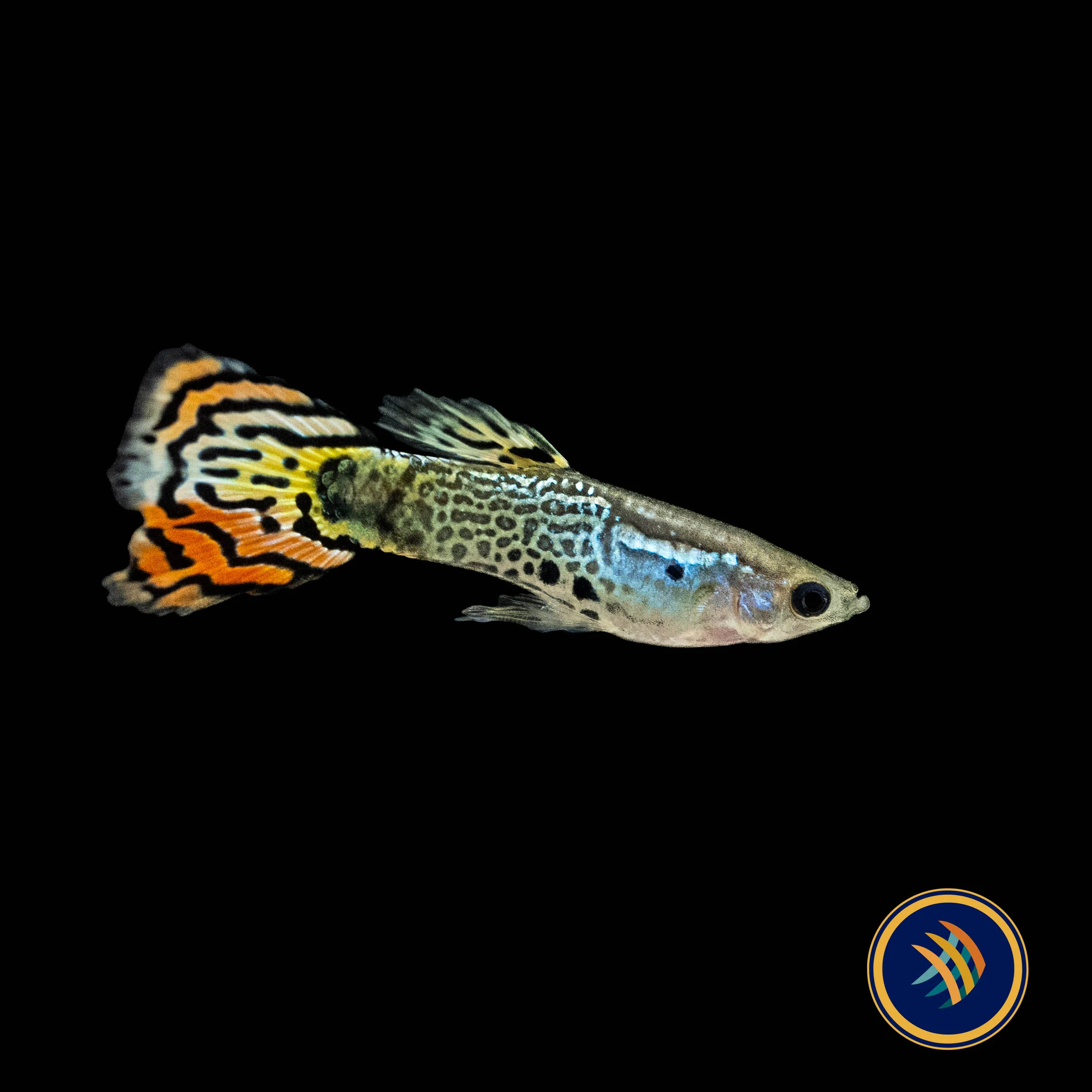
Fancy Guppy Pair Red Leopard (Poecilia reticulata)
Red Leopard Fancy Guppy
- Scientific Name: Poecilia reticulata
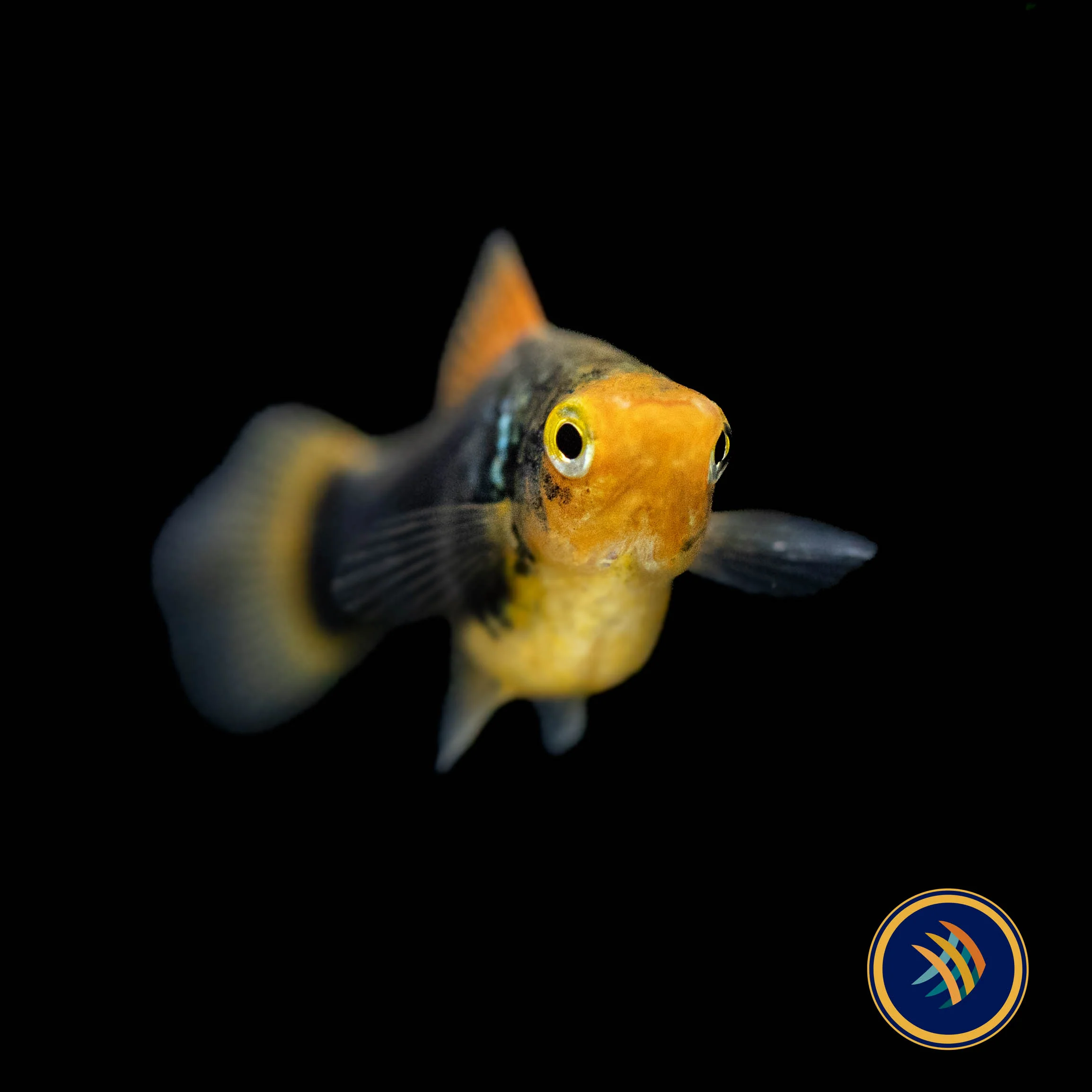
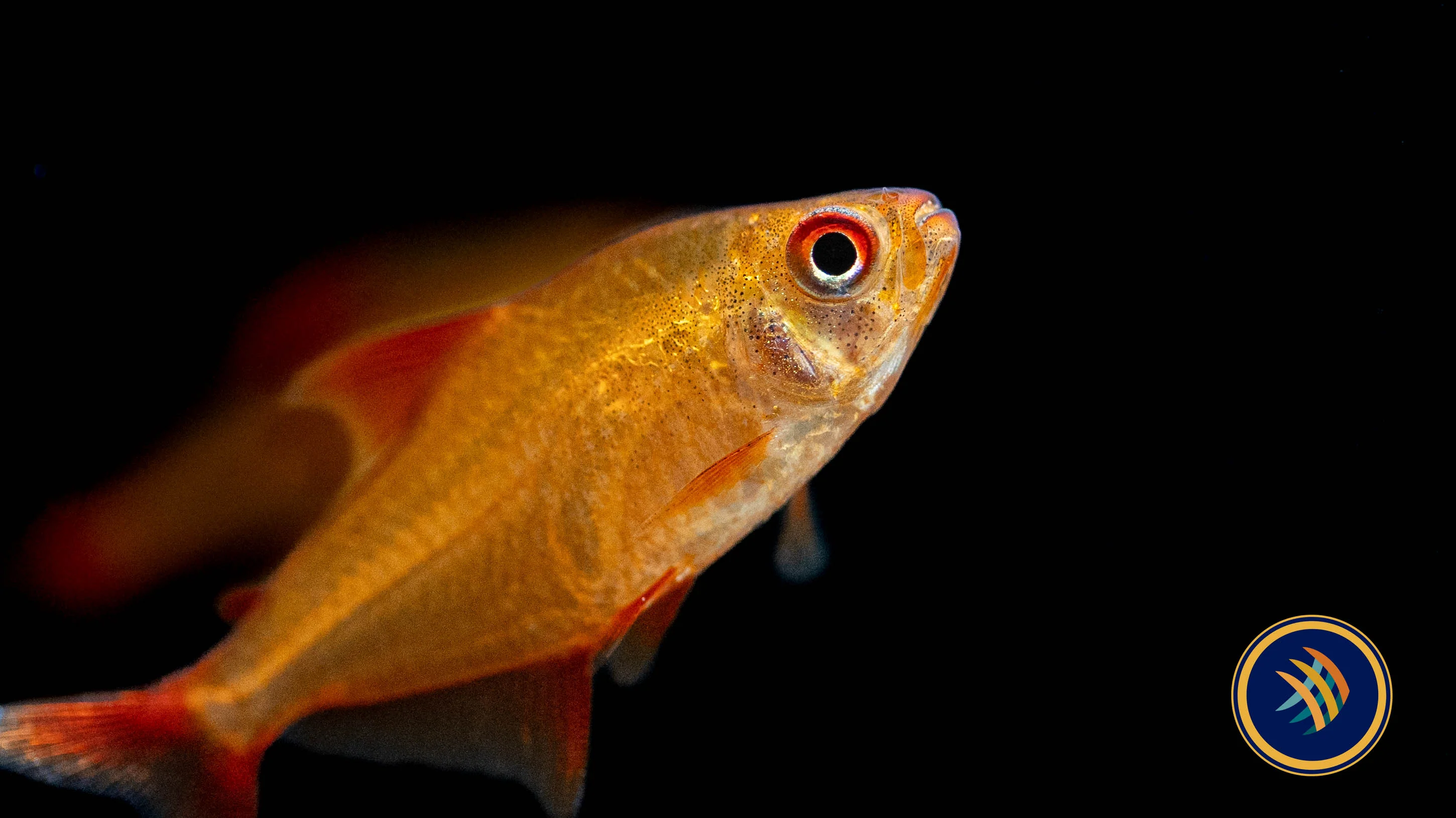
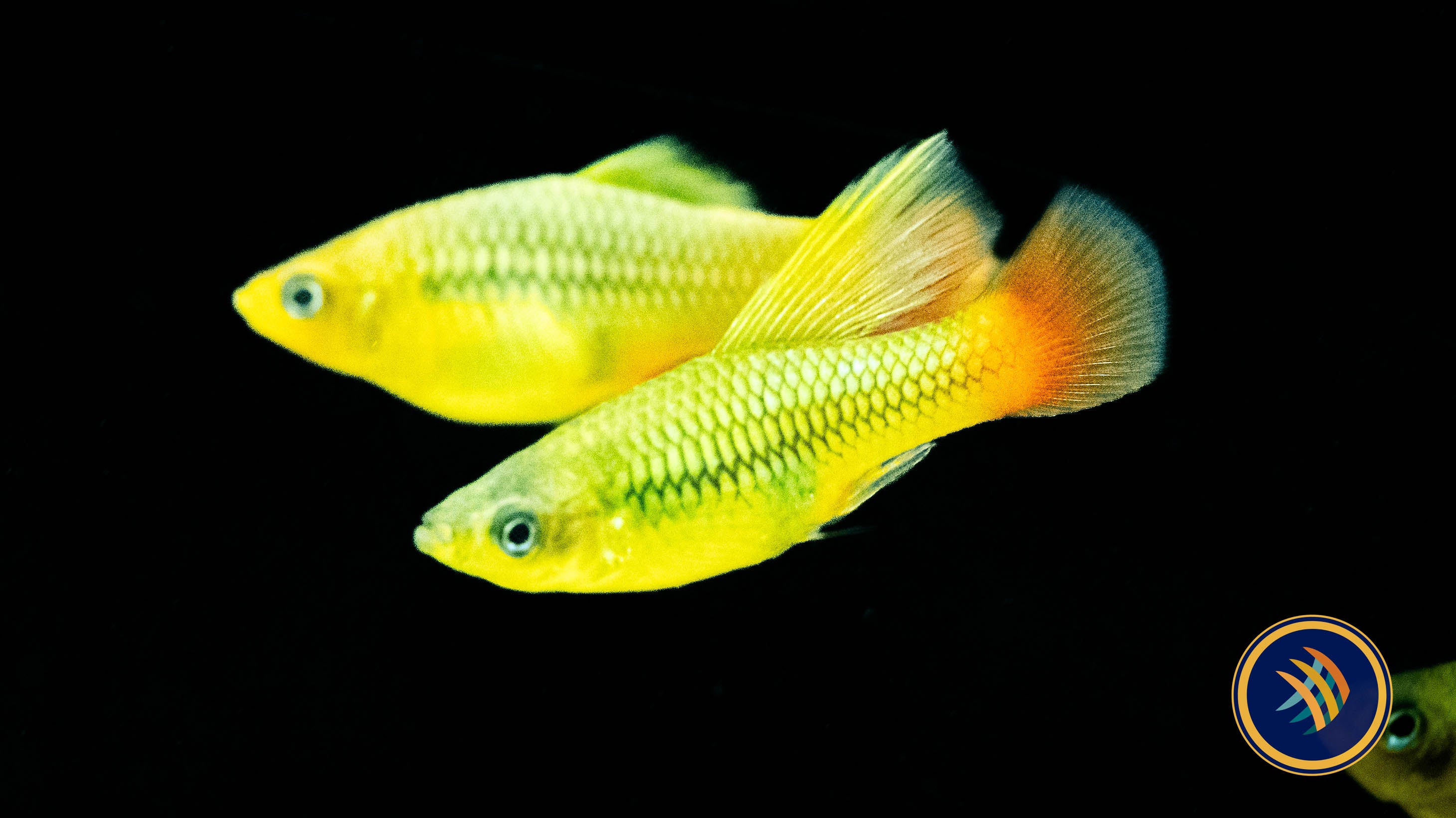
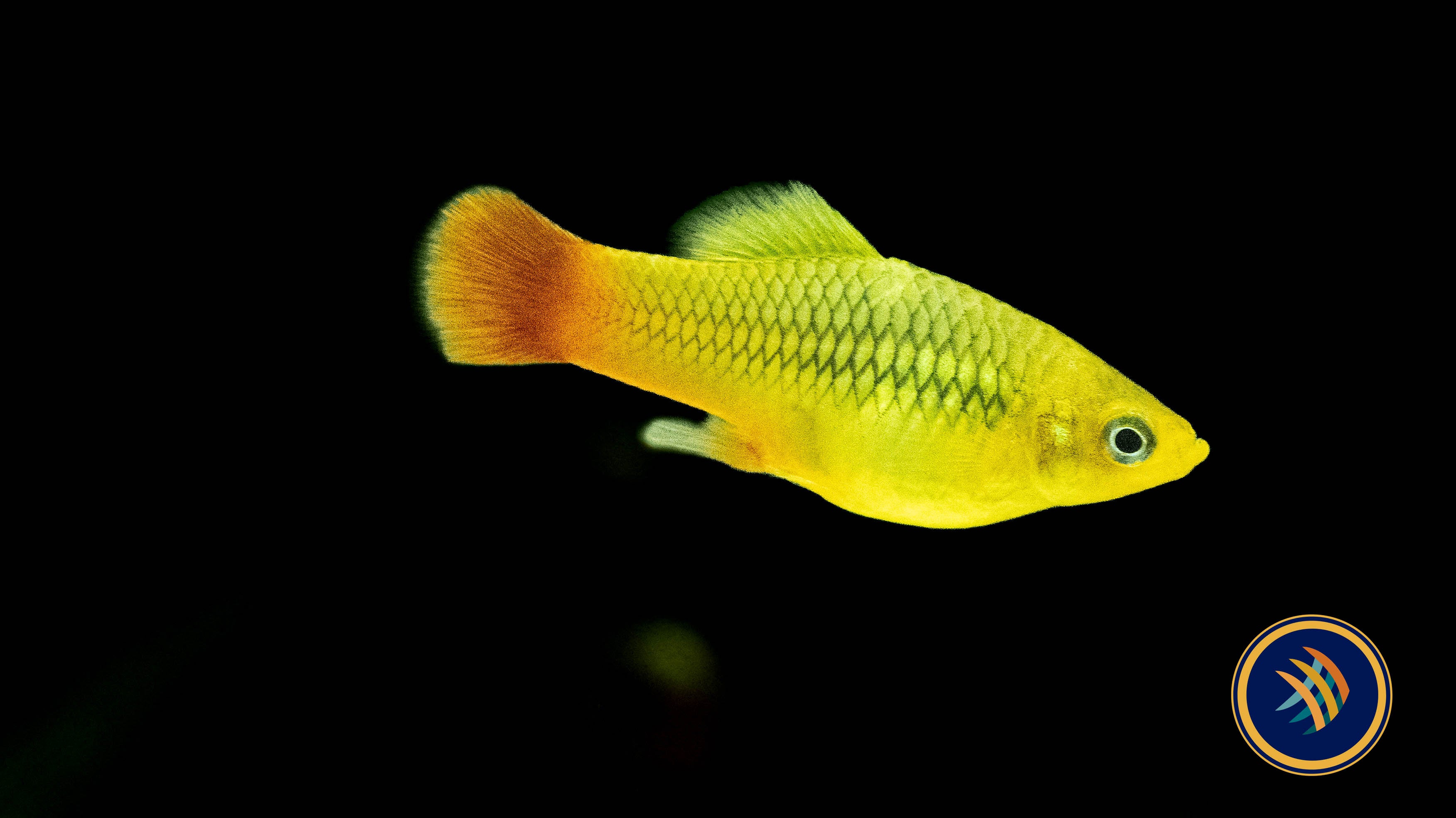
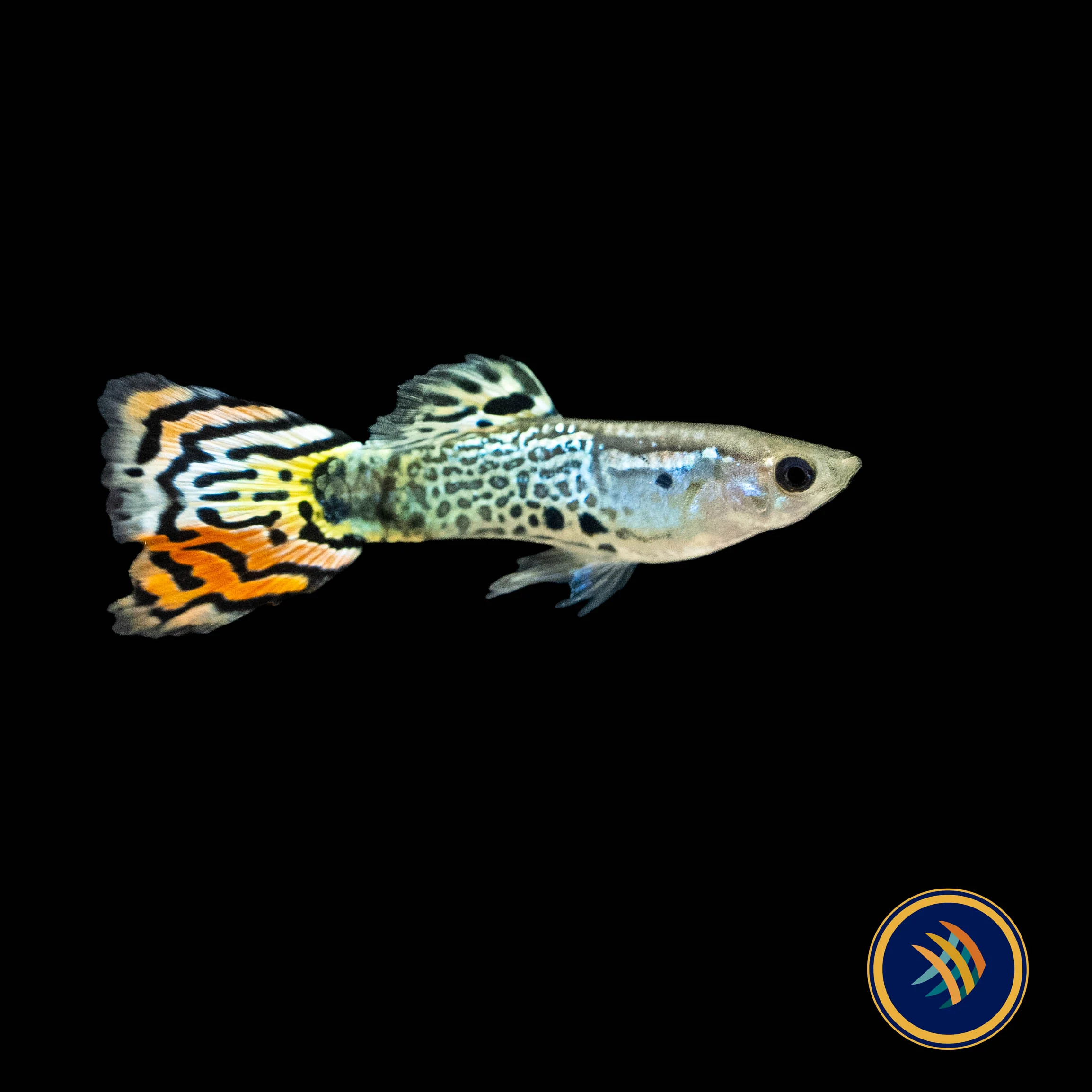
- Appearance: These guppies feature vibrant red coloration with leopard-like spots across their tails and bodies. The males are typically more colorful and have larger, more elaborate tails.
- Size: Adults grow up to 2.5 inches (6.3 cm).
- Temperament: Peaceful and social; ideal for community tanks.
Tank Setup
- Tank Size: Minimum 10 gallons for a pair, but larger is better for groups.
-
Water Parameters:
- Temperature: 72–82°F (22–28°C)
- pH: 6.8–7.8
- Hardness: 8–12 dGH
- Filtration: Gentle filtration is ideal; sponge filters work well.
- Substrate & Decor: Use fine gravel or sand, with live plants like Java moss or Anubias to provide hiding spots and breeding areas.
Feeding
-
Diet: Omnivorous
- High-quality flake or pellet food
- Frozen or live foods like brine shrimp, daphnia, and bloodworms
- Occasional blanched vegetables (zucchini, spinach)
- Feed small amounts 2–3 times daily.
Breeding
- Livebearers: Females give birth to free-swimming fry.
- Gestation: ~21–30 days
-
Fry Care:
- Provide dense plant cover or breeding boxes to protect fry from adult fish.
- Feed fry powdered fry food or infusoria.
Maintenance Tips
- Perform weekly water changes of 25–30%.
- Monitor water parameters regularly.
- Avoid overcrowding to reduce stress and disease risk.
$21.92
Fancy Guppy Pair Red Leopard (Poecilia reticulata)—
$21.92
Product Information
Product Information
Shipping & Returns
Shipping & Returns
Description
Red Leopard Fancy Guppy
- Scientific Name: Poecilia reticulata
- Appearance: These guppies feature vibrant red coloration with leopard-like spots across their tails and bodies. The males are typically more colorful and have larger, more elaborate tails.
- Size: Adults grow up to 2.5 inches (6.3 cm).
- Temperament: Peaceful and social; ideal for community tanks.
Tank Setup
- Tank Size: Minimum 10 gallons for a pair, but larger is better for groups.
-
Water Parameters:
- Temperature: 72–82°F (22–28°C)
- pH: 6.8–7.8
- Hardness: 8–12 dGH
- Filtration: Gentle filtration is ideal; sponge filters work well.
- Substrate & Decor: Use fine gravel or sand, with live plants like Java moss or Anubias to provide hiding spots and breeding areas.
Feeding
-
Diet: Omnivorous
- High-quality flake or pellet food
- Frozen or live foods like brine shrimp, daphnia, and bloodworms
- Occasional blanched vegetables (zucchini, spinach)
- Feed small amounts 2–3 times daily.
Breeding
- Livebearers: Females give birth to free-swimming fry.
- Gestation: ~21–30 days
-
Fry Care:
- Provide dense plant cover or breeding boxes to protect fry from adult fish.
- Feed fry powdered fry food or infusoria.
Maintenance Tips
- Perform weekly water changes of 25–30%.
- Monitor water parameters regularly.
- Avoid overcrowding to reduce stress and disease risk.