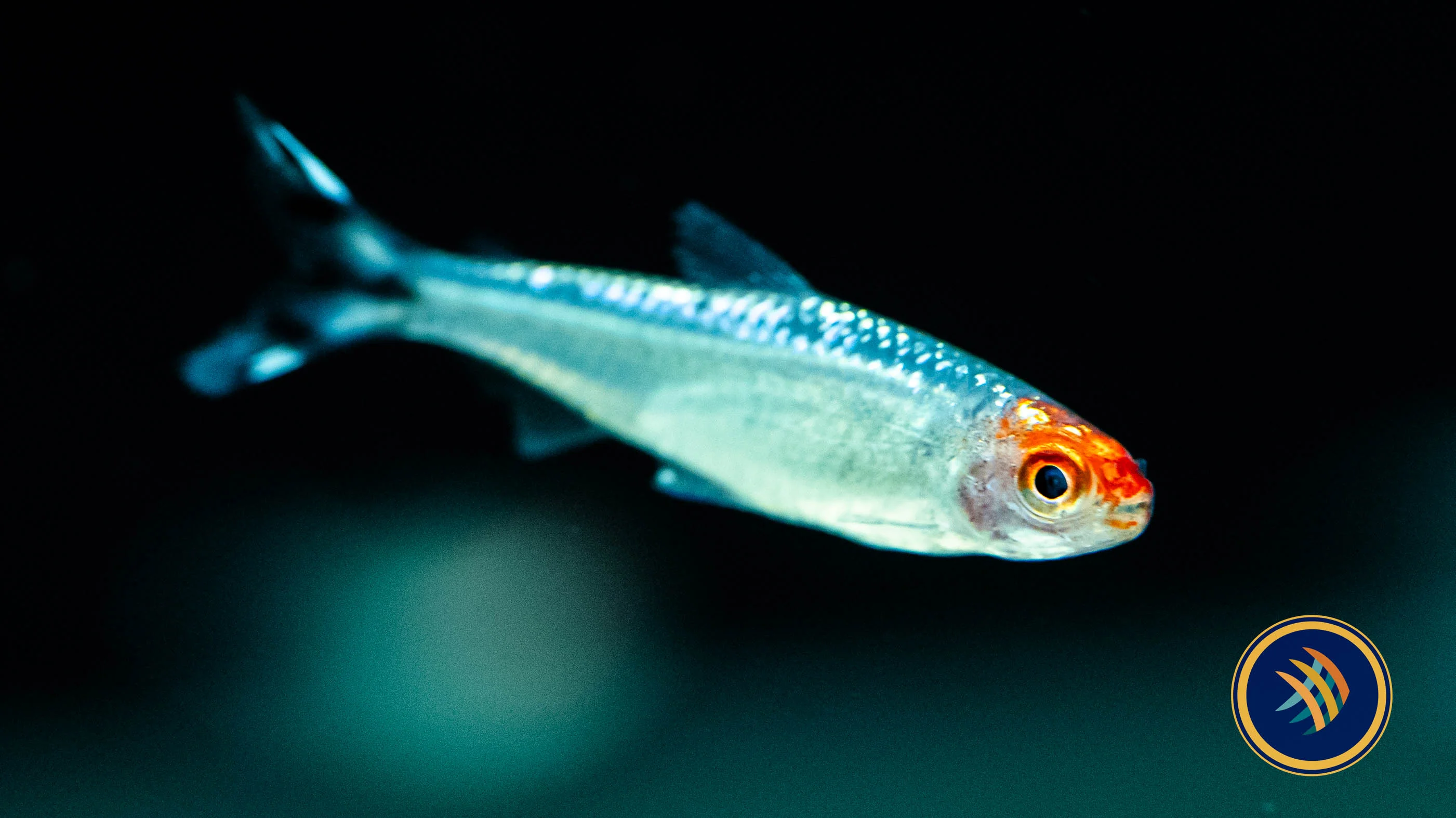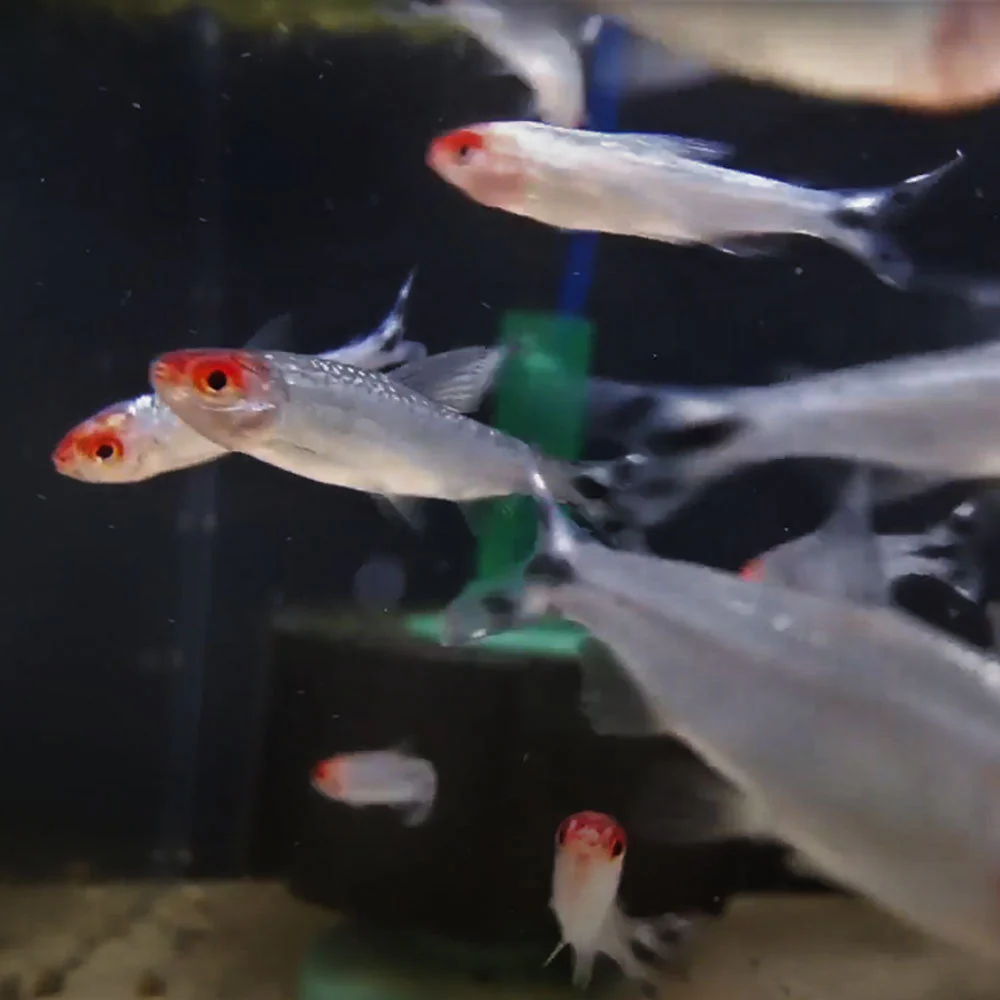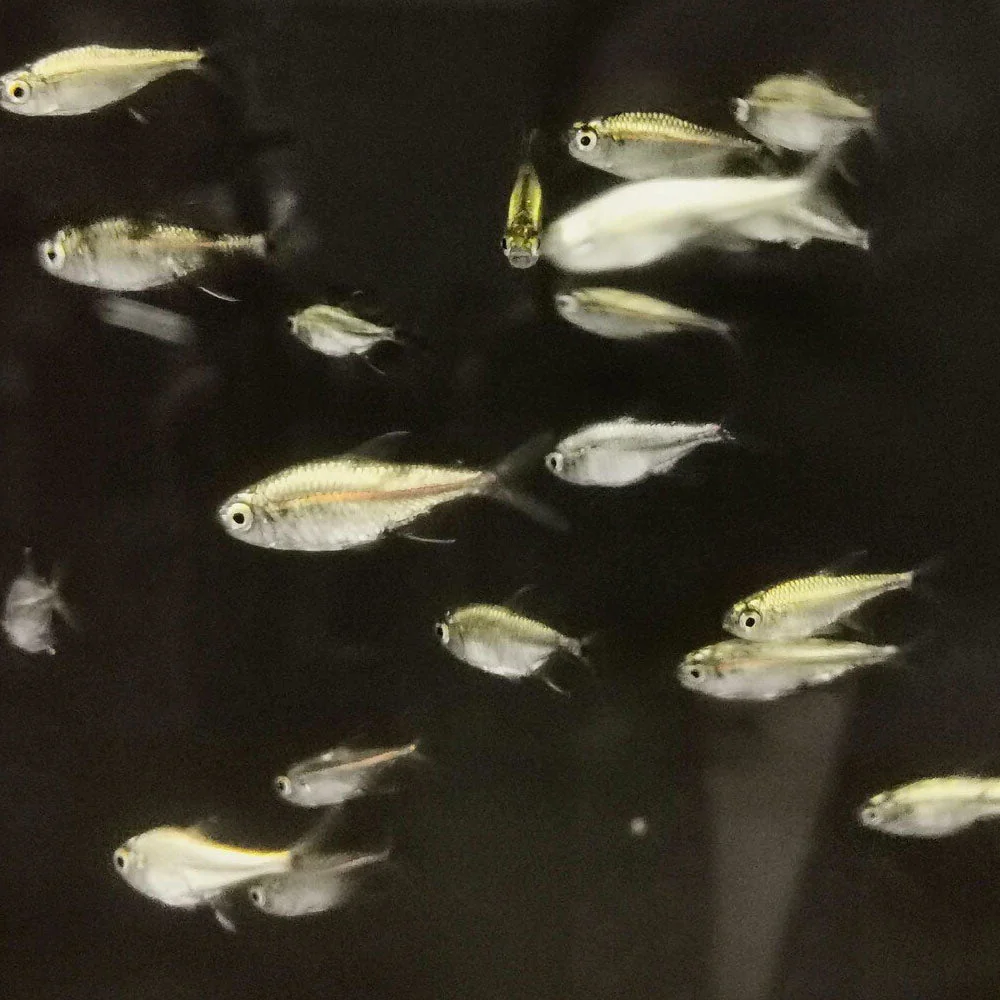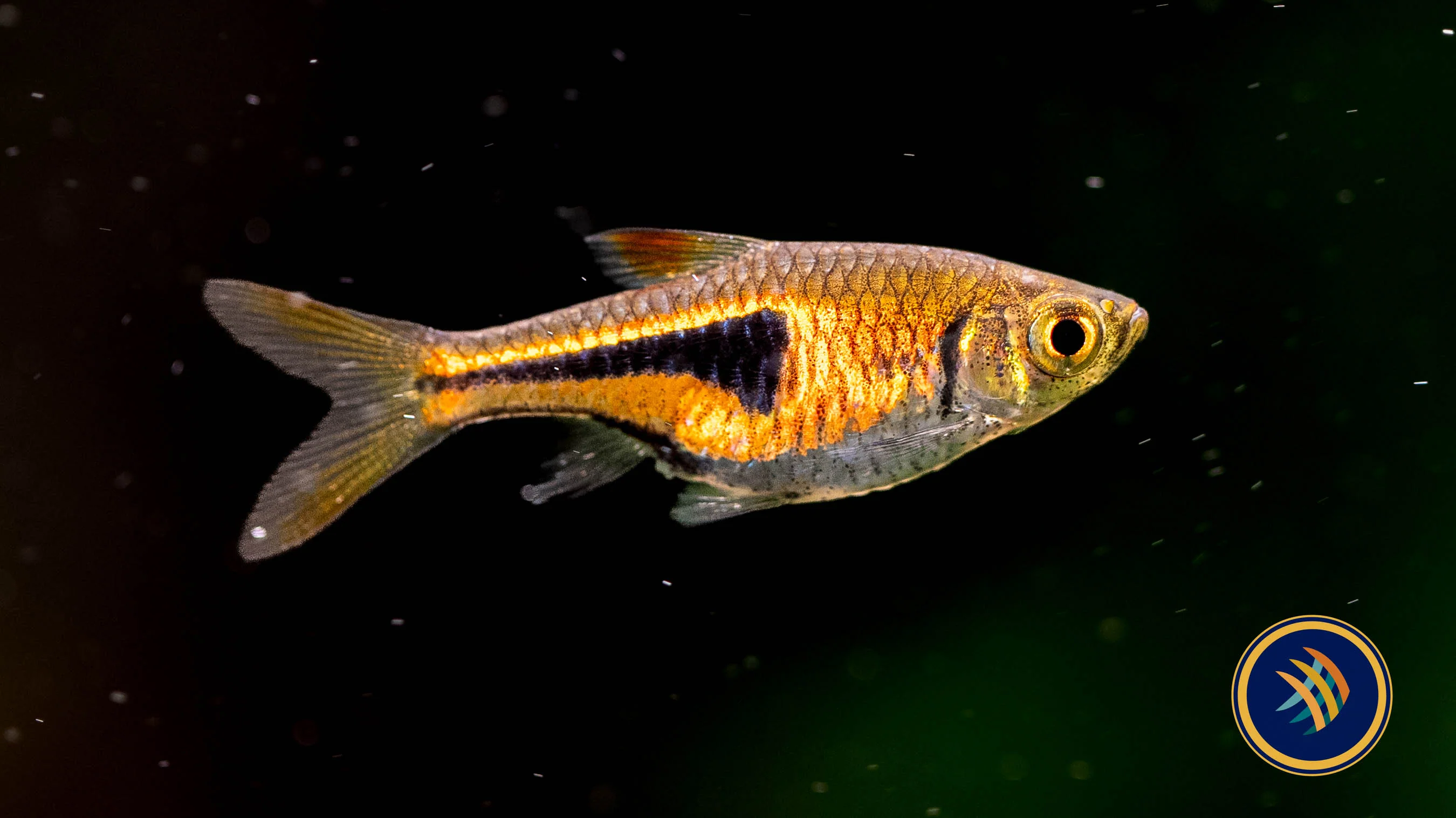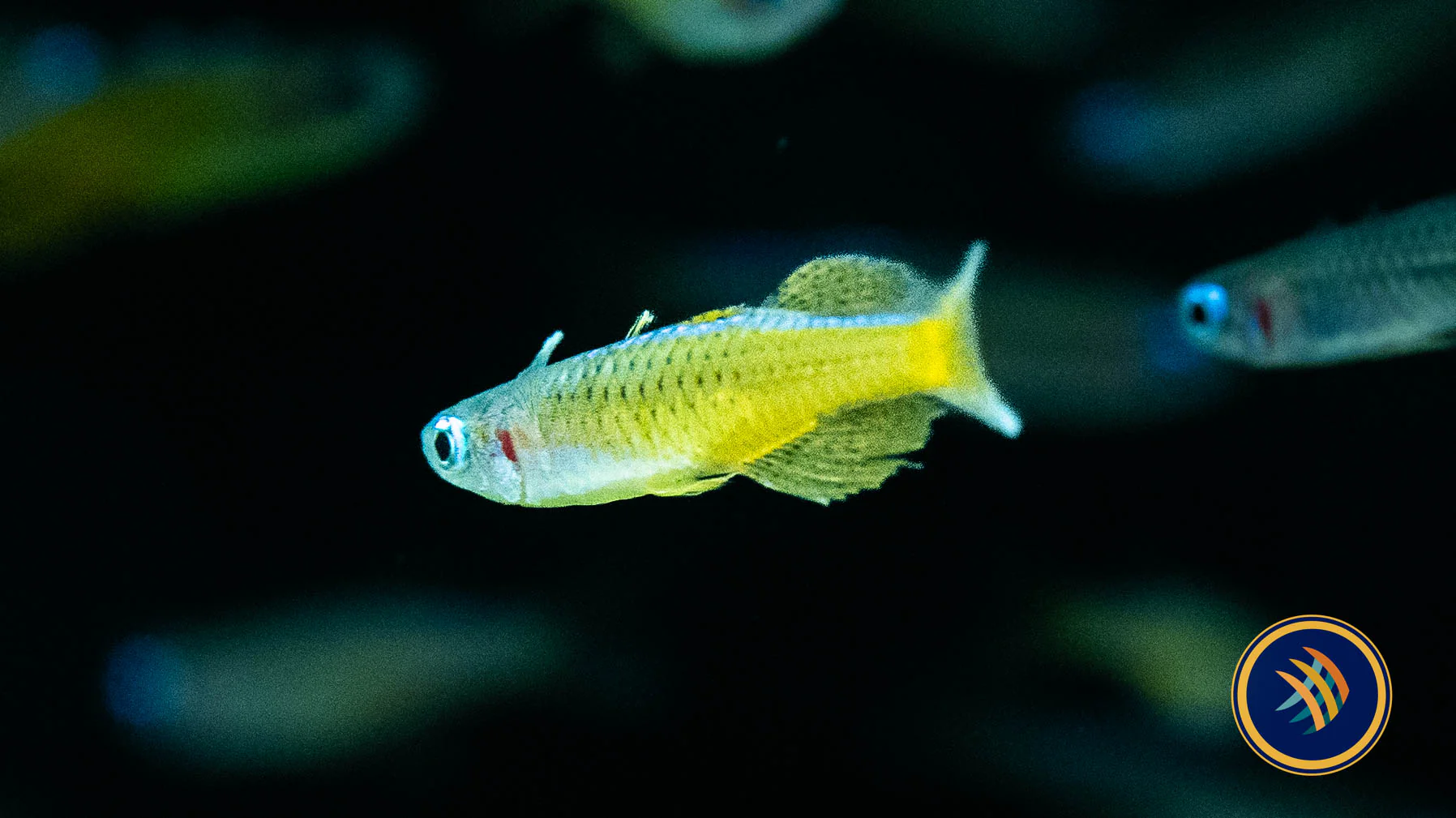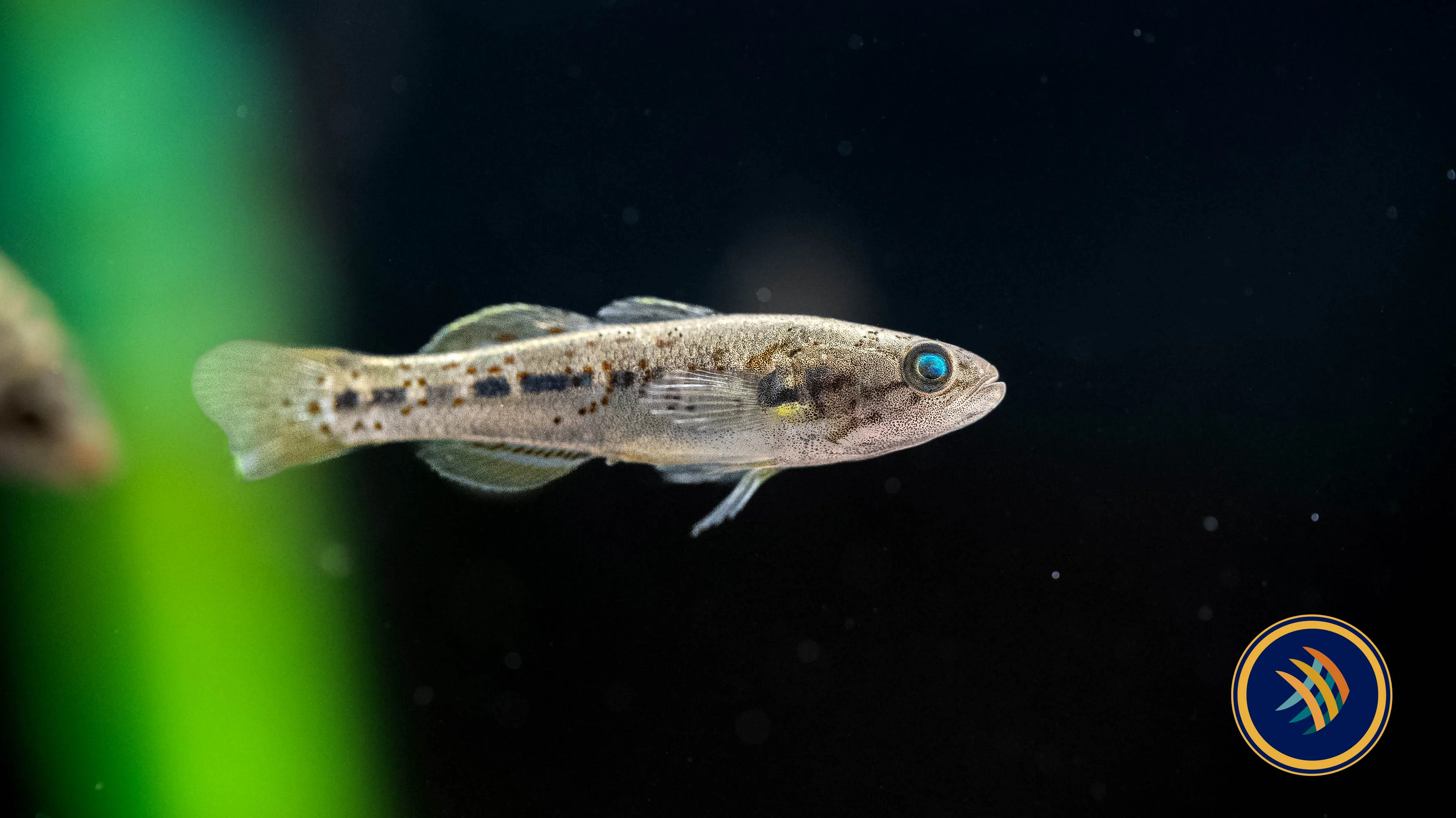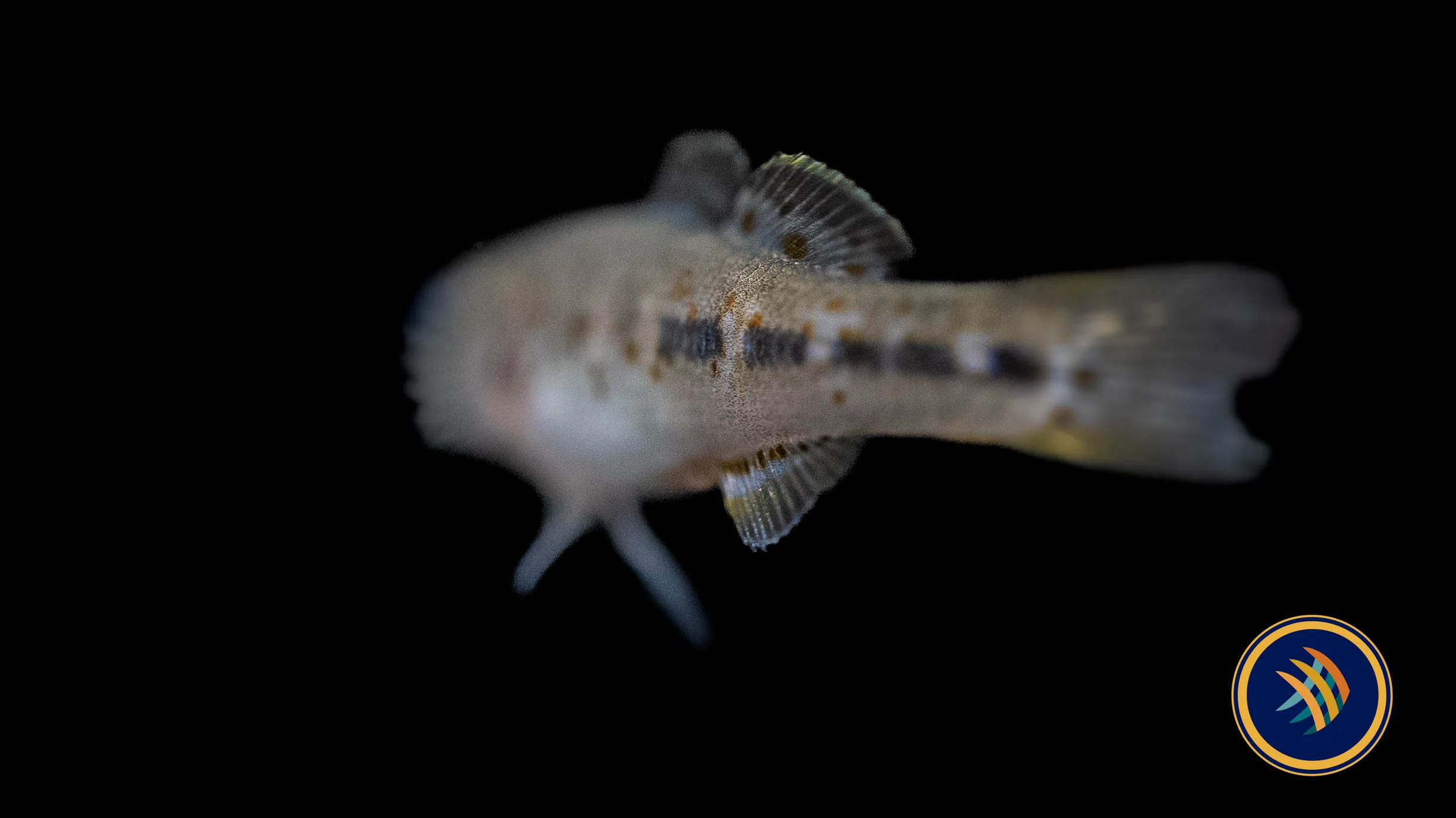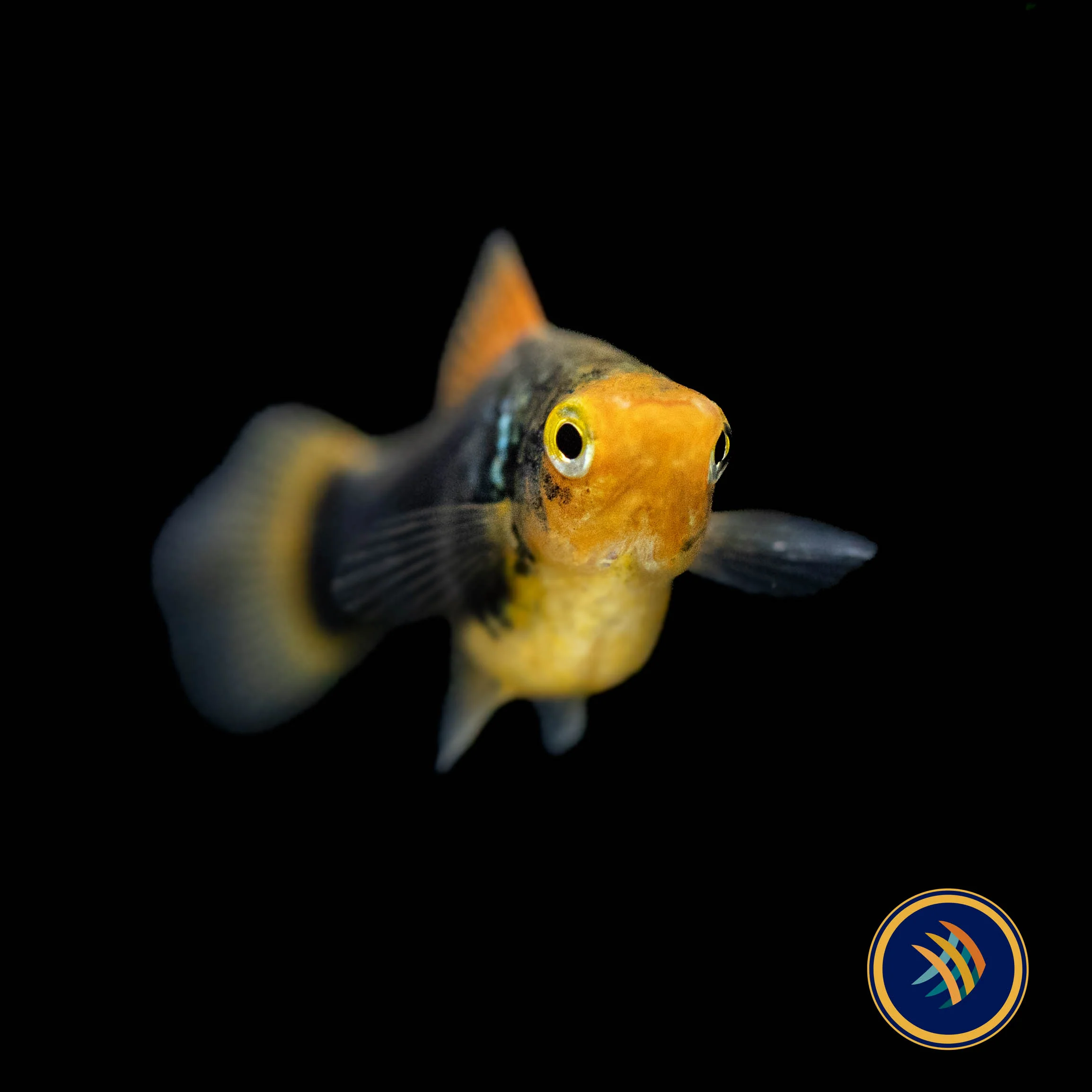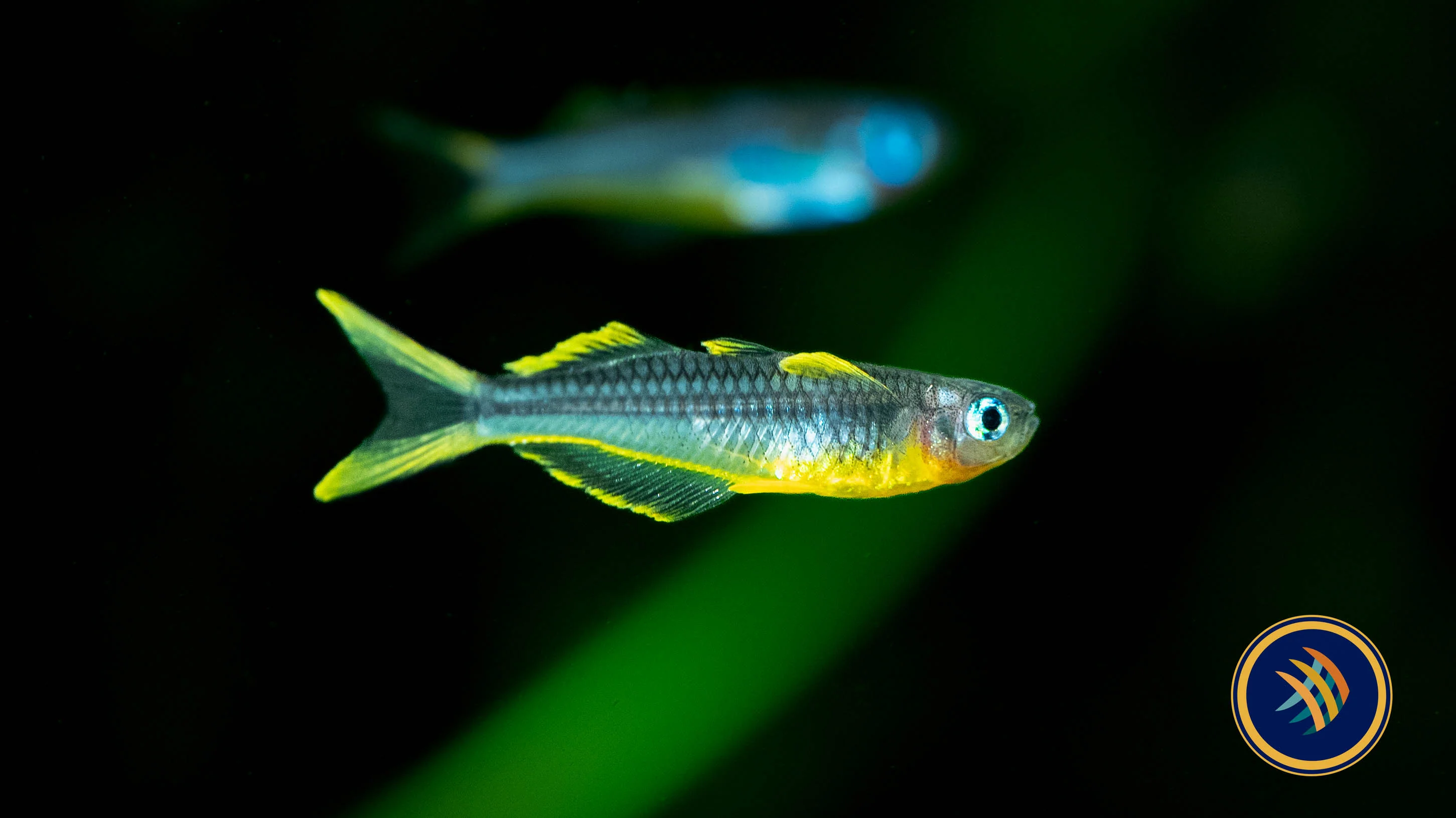
Forktail Rainbowfish (Pseudomugil Furcatus)
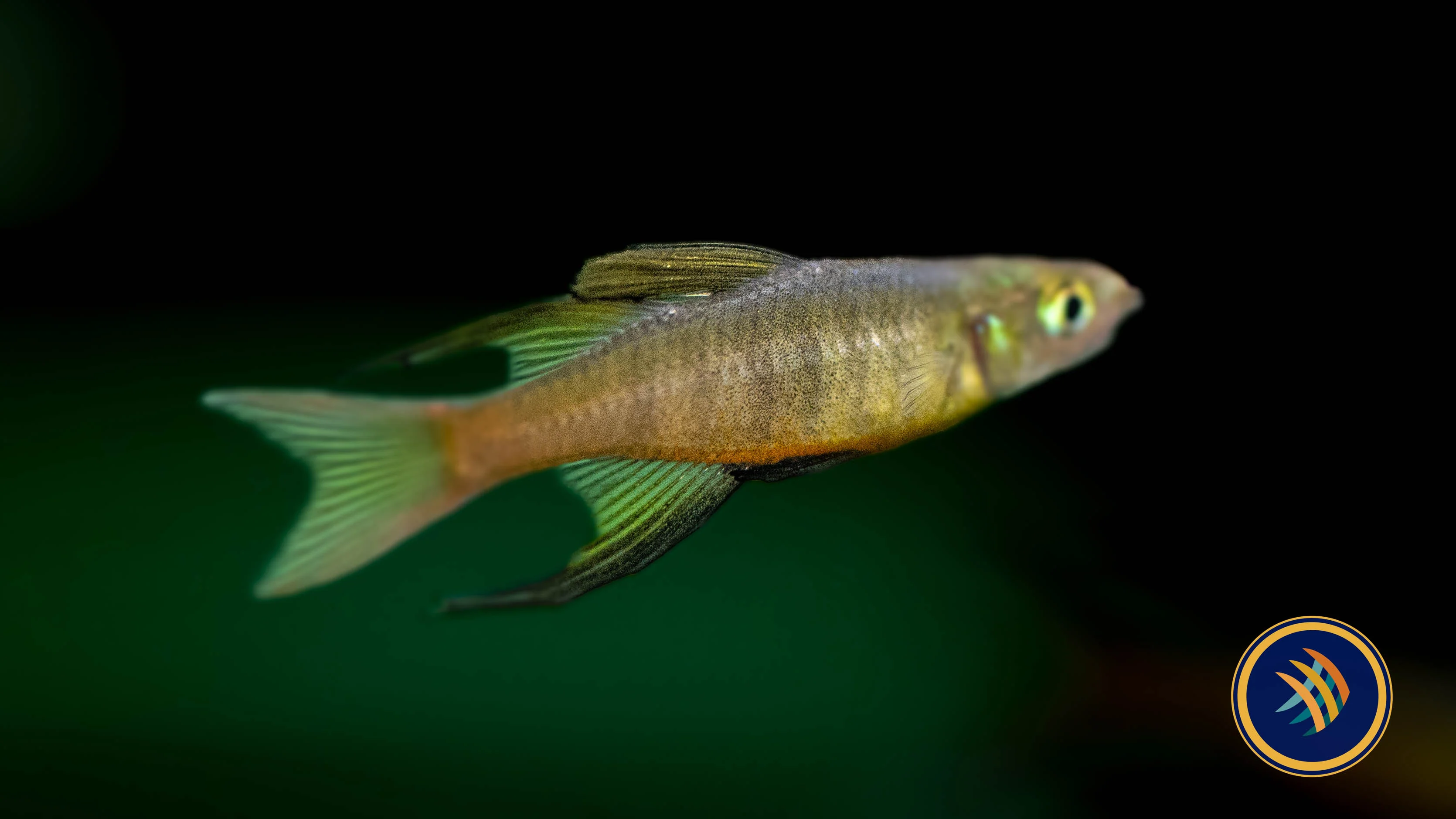
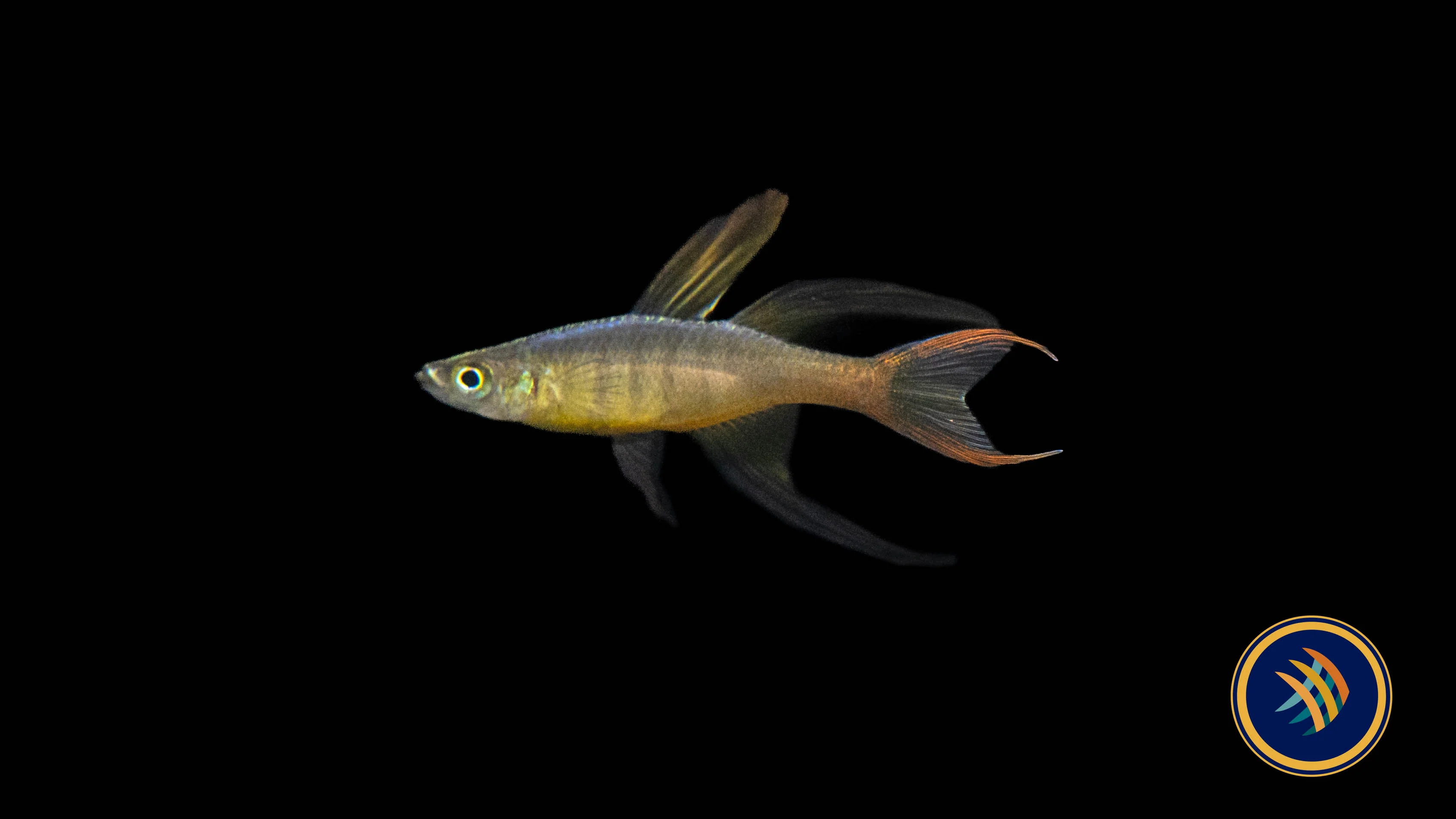
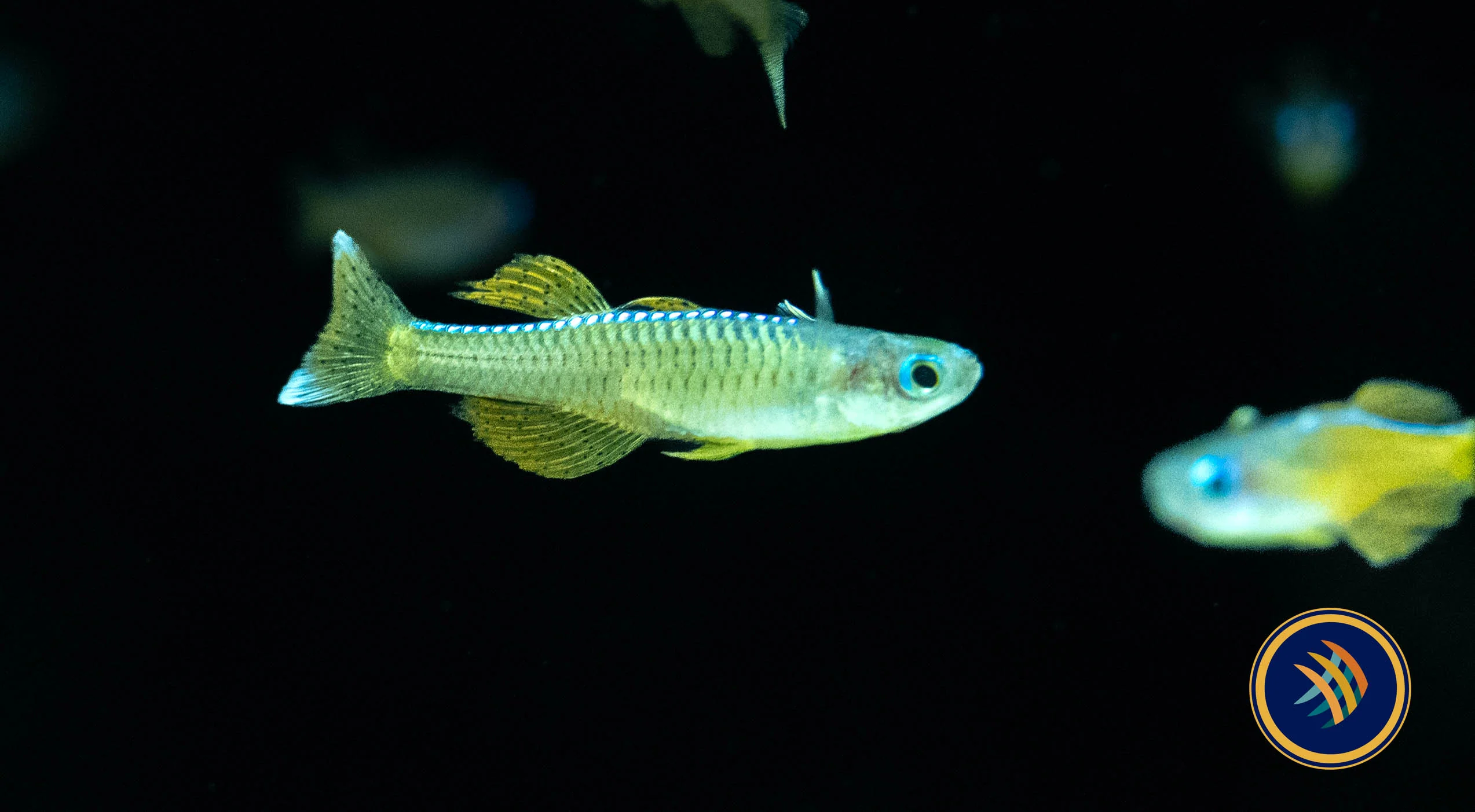
Forktail Rainbowfish (Pseudomugil furcatus), also known as the Forktail Blue-Eye, is a vibrant and peaceful freshwater species native to the clear, plant-rich streams of Papua New Guinea. Here's a comprehensive overview of their care and requirements:
Habitat & Tank Setup
- Tank Size: Minimum of 20 gallons to accommodate their active swimming behavior
-
Water Parameters:
- Temperature: 75–80°F (24–27°C)
- pH: Slightly alkaline, above 7.0
- Hardness: At least 5° GH (90 ppm)
- Aquascaping: Dense planting with open swimming areas; a secure lid is essential as they are known jumpers
Appearance & Behavior
- Size: Up to 2 inches (5 cm)
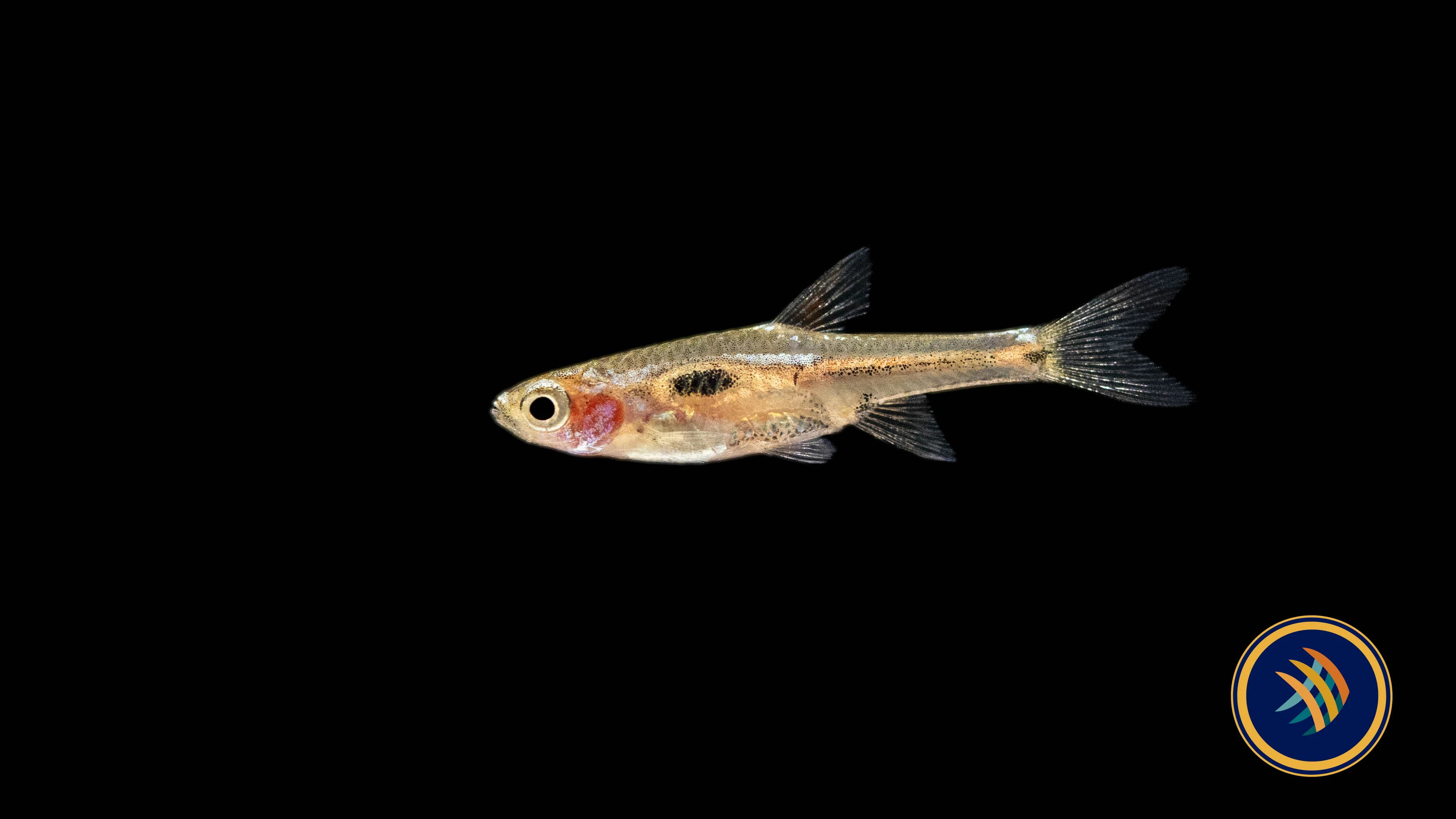
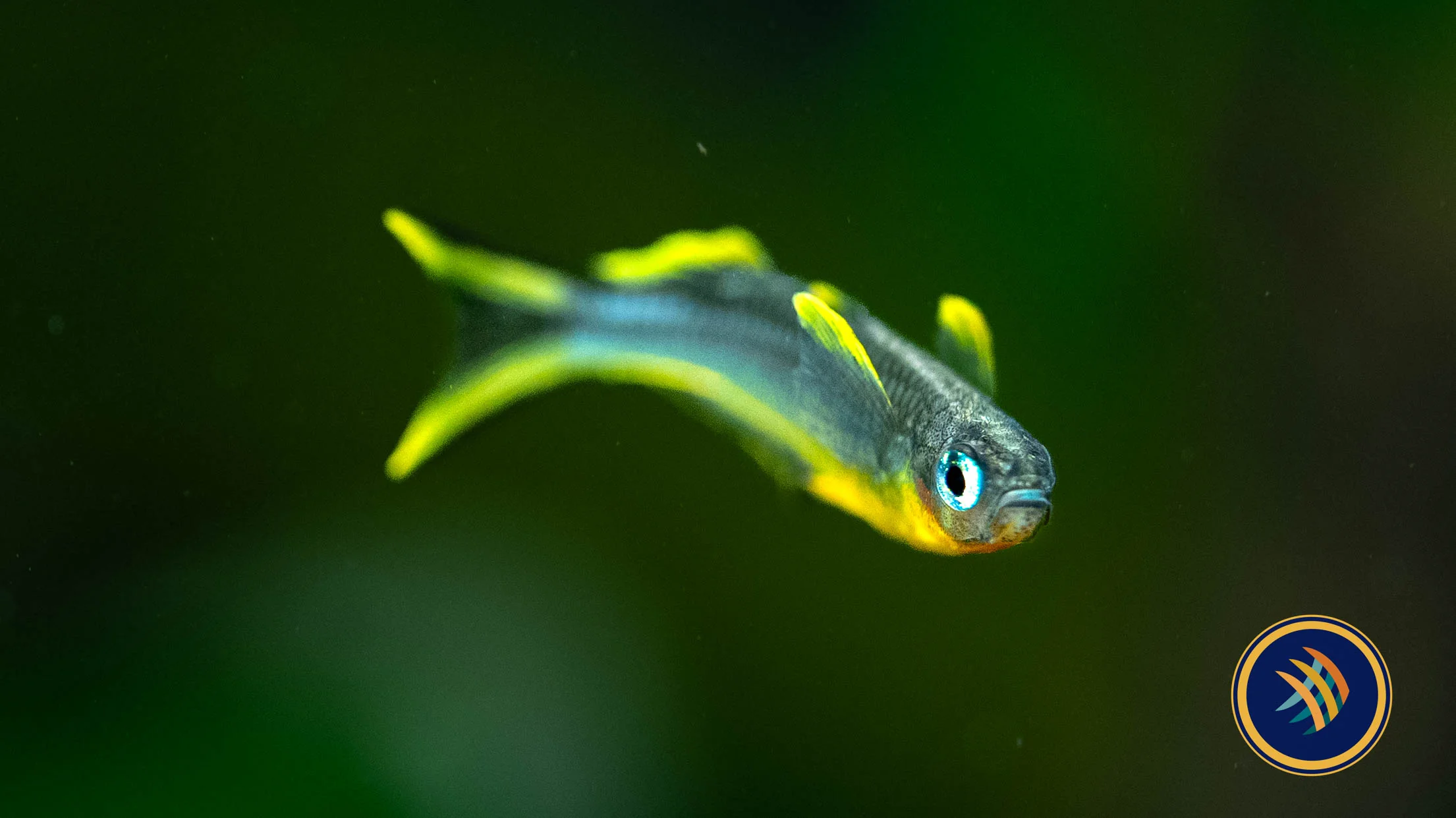
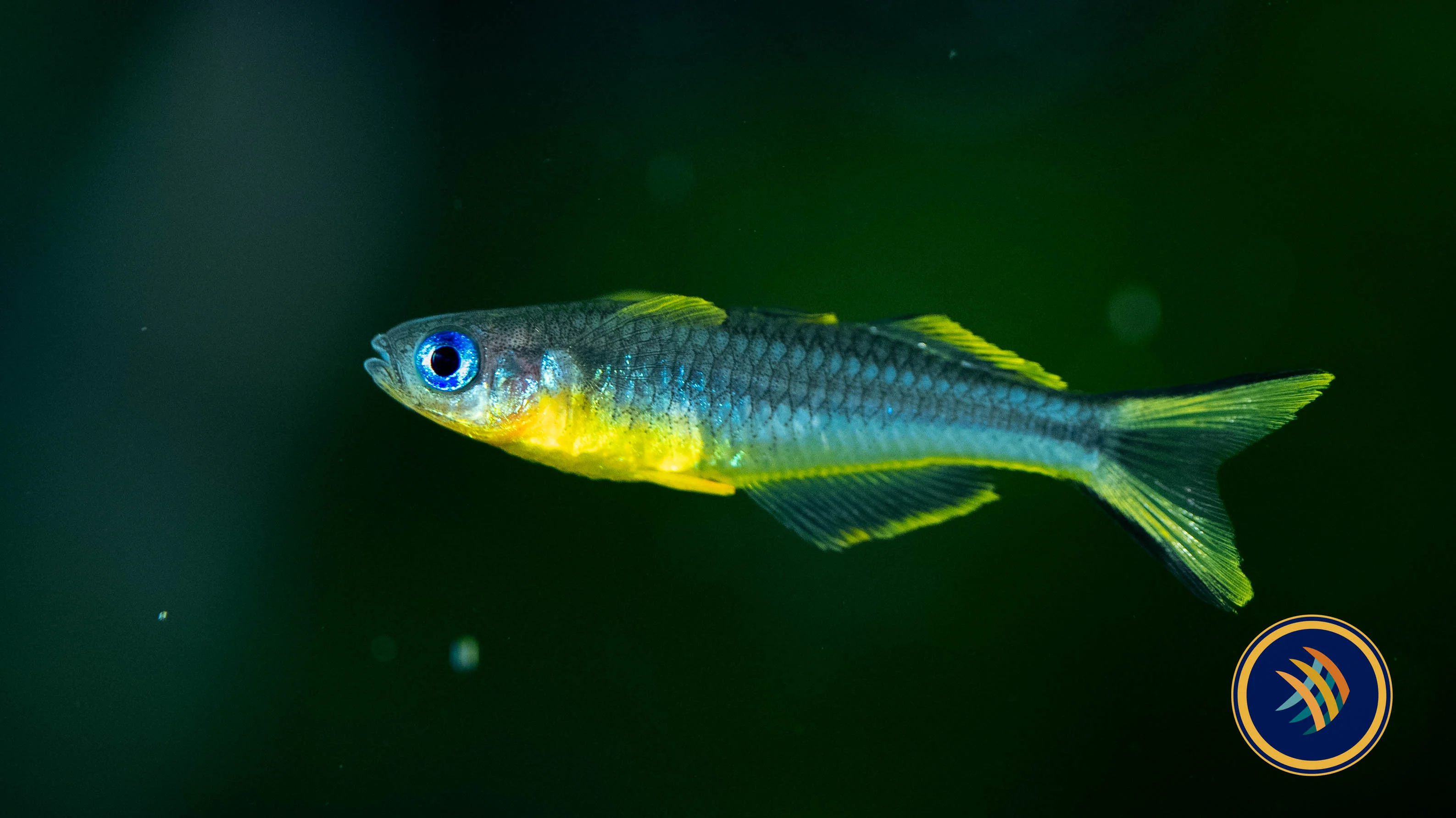
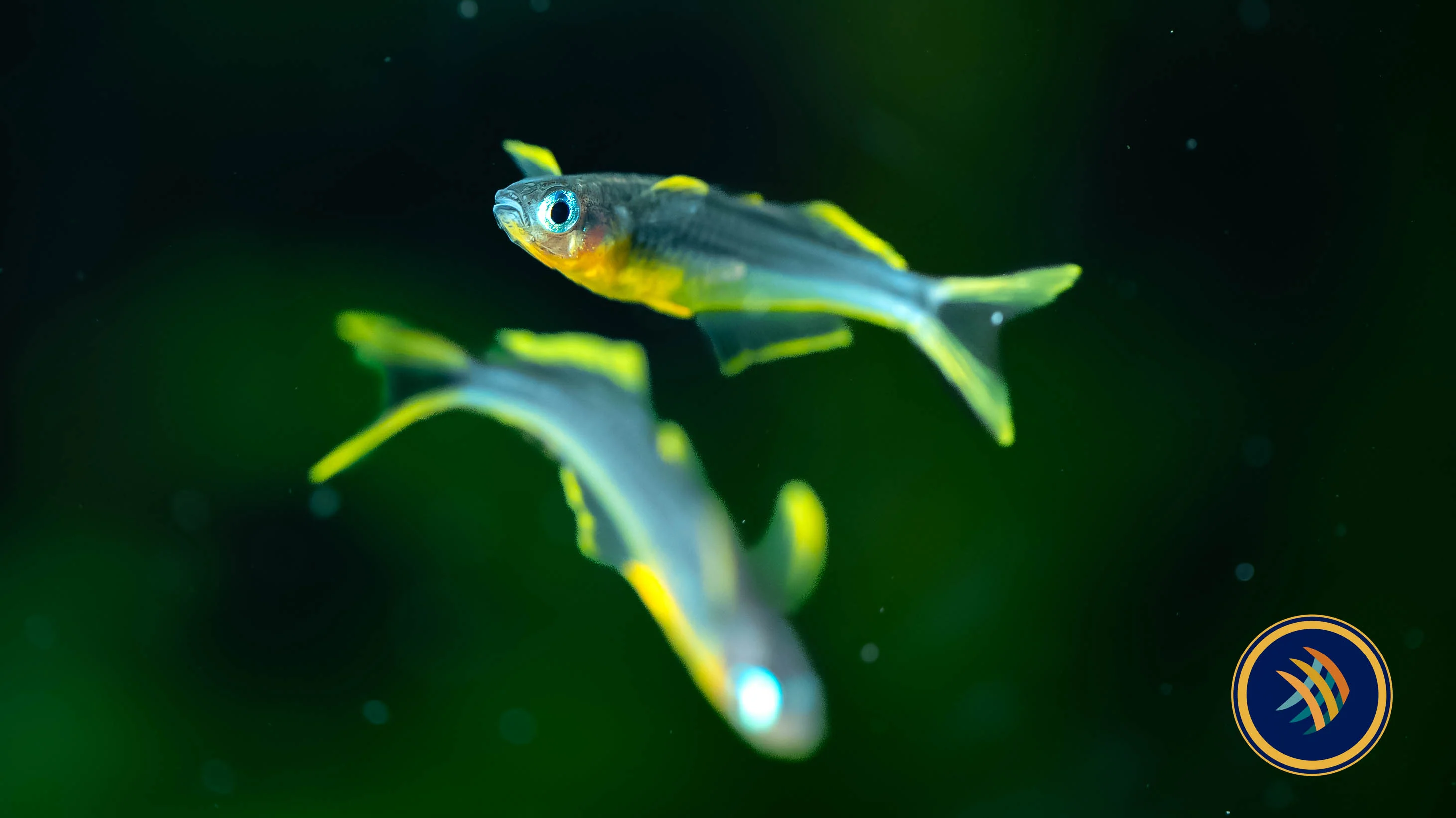
- Coloration: Males are more colorful with glowing blue eyes, yellow fins, and a forked tail. Females are less vibrant.
- Behavior: Peaceful, social, and active swimmers. Males often display courtship dances in the presence of females
Diet
-
Feeding: Not picky eaters. Ideal foods include:
- Frozen daphnia
- Cyclops
- Baby brine shrimp
- High-quality micro pellets or flakes
Breeding
- Breeding Setup: Provide fine-leaved plants or spawning mops.
- Behavior: Males become more vibrant and perform displays to attract females.
- Note: They may eat their own eggs, so separating eggs or using a breeding tank is recommended.
Tank Mates
- Ideal companions include:
- Corydoras
- Tetras
- Rasboras
- Peaceful shrimp (though baby shrimp may be eaten)
- Can sometimes coexist with bettas, depending on the betta’s temperament
Care Guide for Forktail Blue-Eye or Furcata Rainbowfish – Aquarium Co-Op
$7.30
Forktail Rainbowfish (Pseudomugil Furcatus)—
$7.30
Product Information
Product Information
Shipping & Returns
Shipping & Returns
Description
Forktail Rainbowfish (Pseudomugil furcatus), also known as the Forktail Blue-Eye, is a vibrant and peaceful freshwater species native to the clear, plant-rich streams of Papua New Guinea. Here's a comprehensive overview of their care and requirements:
Habitat & Tank Setup
- Tank Size: Minimum of 20 gallons to accommodate their active swimming behavior
-
Water Parameters:
- Temperature: 75–80°F (24–27°C)
- pH: Slightly alkaline, above 7.0
- Hardness: At least 5° GH (90 ppm)
- Aquascaping: Dense planting with open swimming areas; a secure lid is essential as they are known jumpers
Appearance & Behavior
- Size: Up to 2 inches (5 cm)
- Coloration: Males are more colorful with glowing blue eyes, yellow fins, and a forked tail. Females are less vibrant.
- Behavior: Peaceful, social, and active swimmers. Males often display courtship dances in the presence of females
Diet
-
Feeding: Not picky eaters. Ideal foods include:
- Frozen daphnia
- Cyclops
- Baby brine shrimp
- High-quality micro pellets or flakes
Breeding
- Breeding Setup: Provide fine-leaved plants or spawning mops.
- Behavior: Males become more vibrant and perform displays to attract females.
- Note: They may eat their own eggs, so separating eggs or using a breeding tank is recommended.
Tank Mates
- Ideal companions include:
- Corydoras
- Tetras
- Rasboras
- Peaceful shrimp (though baby shrimp may be eaten)
- Can sometimes coexist with bettas, depending on the betta’s temperament
Care Guide for Forktail Blue-Eye or Furcata Rainbowfish – Aquarium Co-Op