
German Blue Ram (Mikrogeophagus ramirezi)
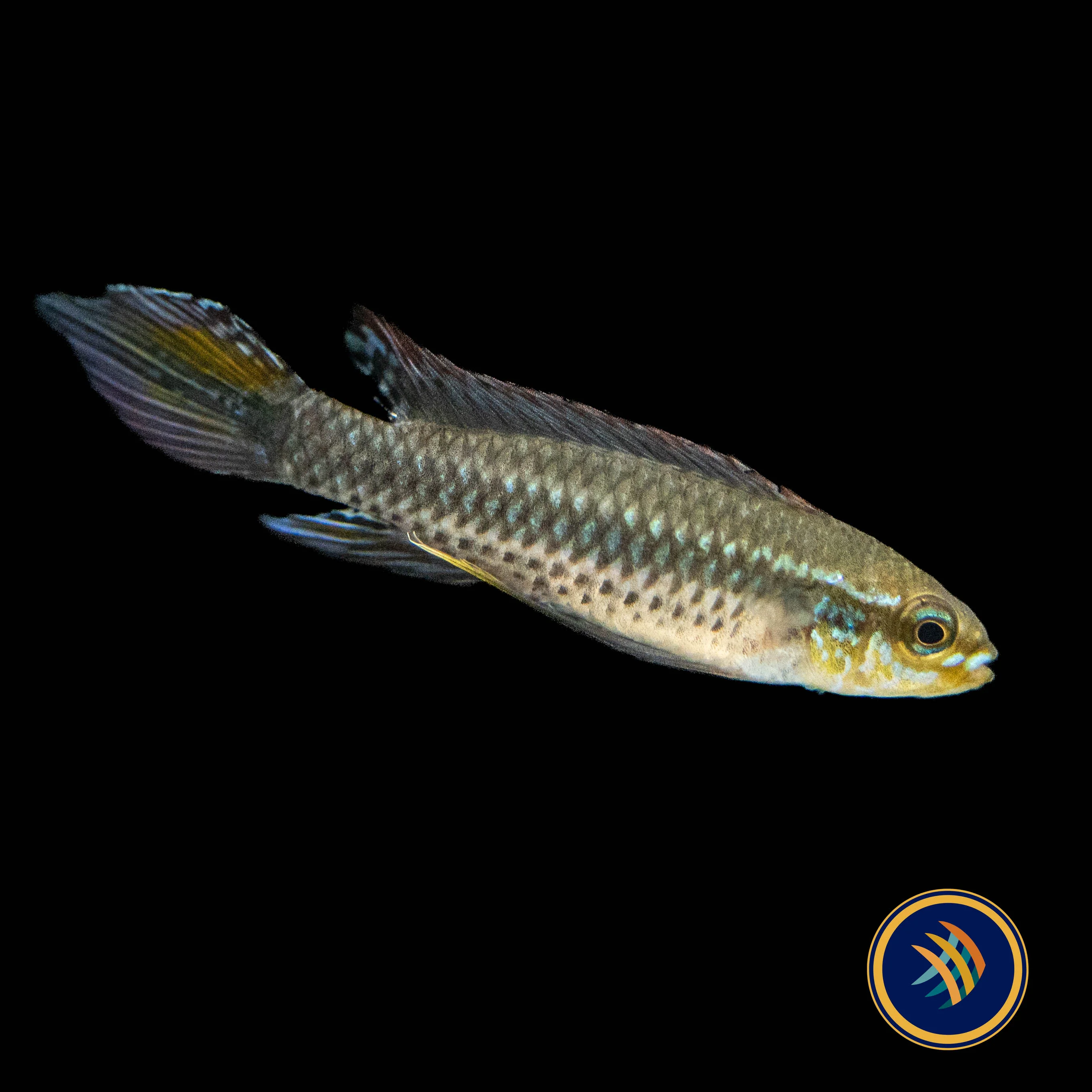
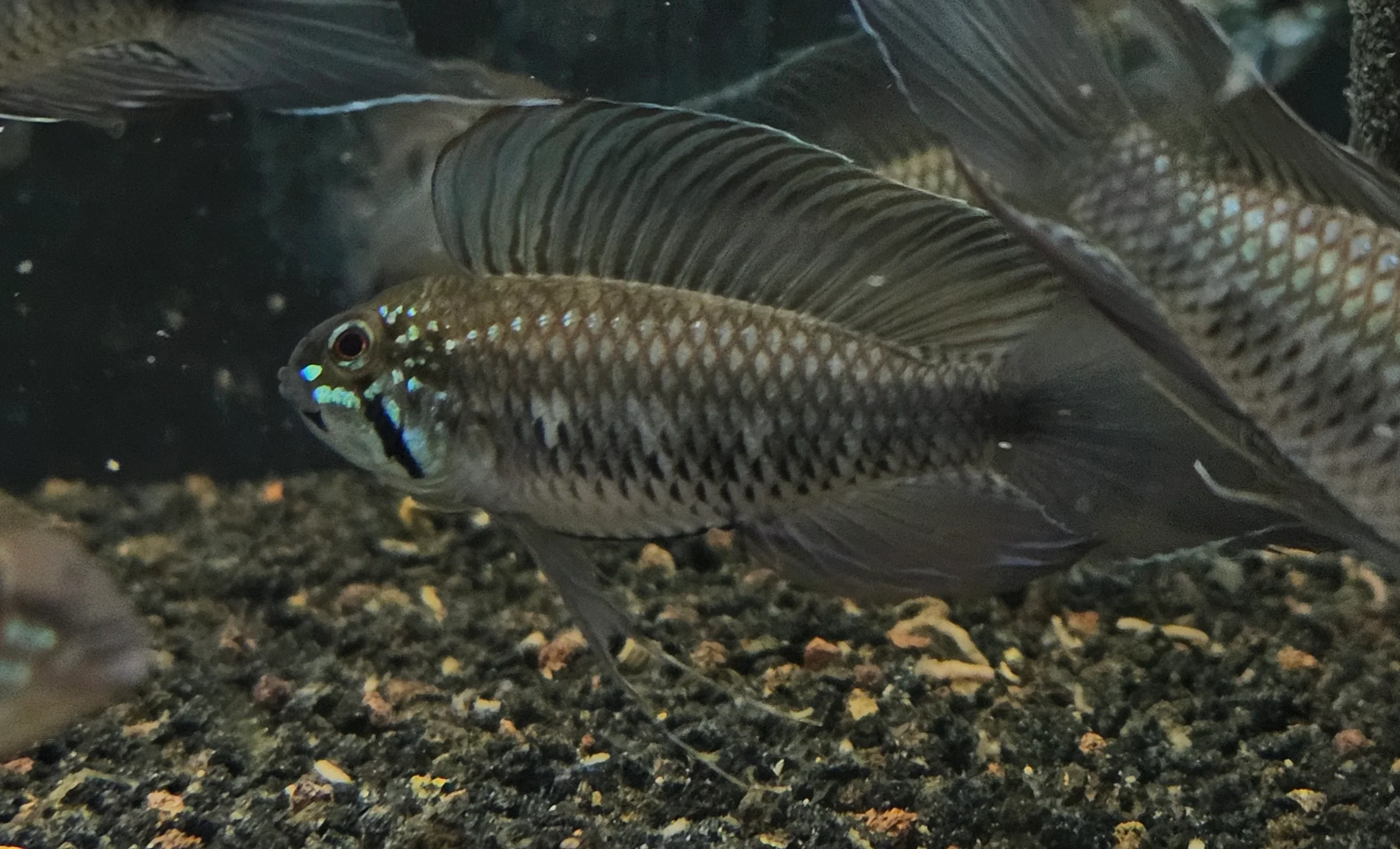
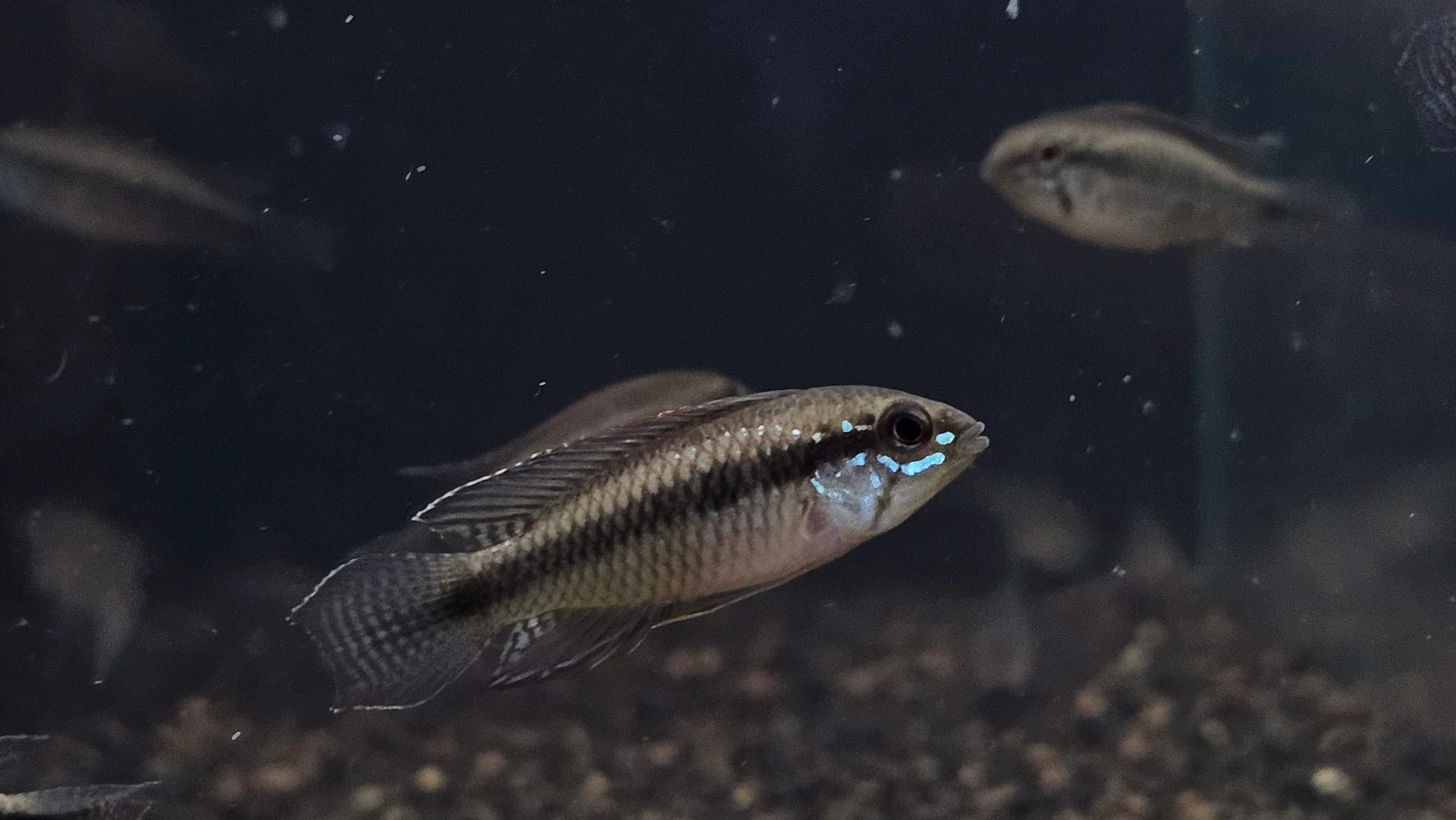
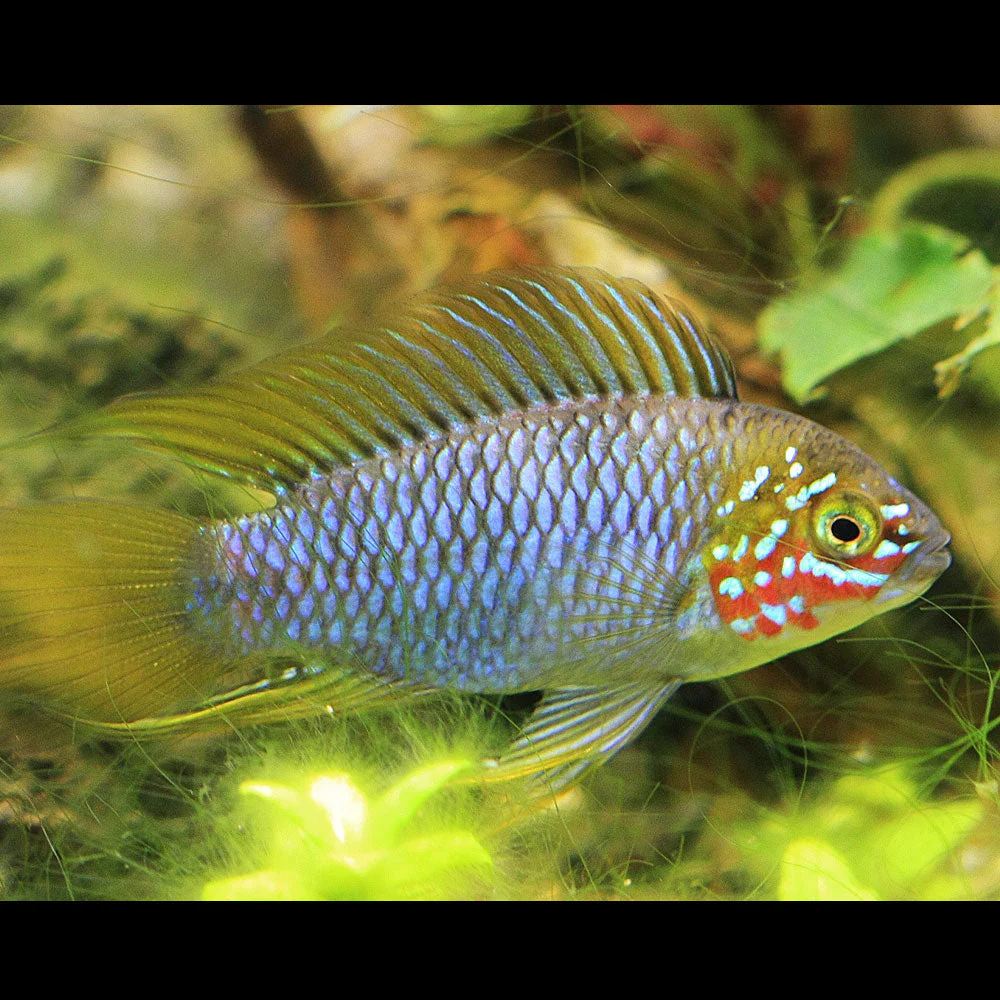
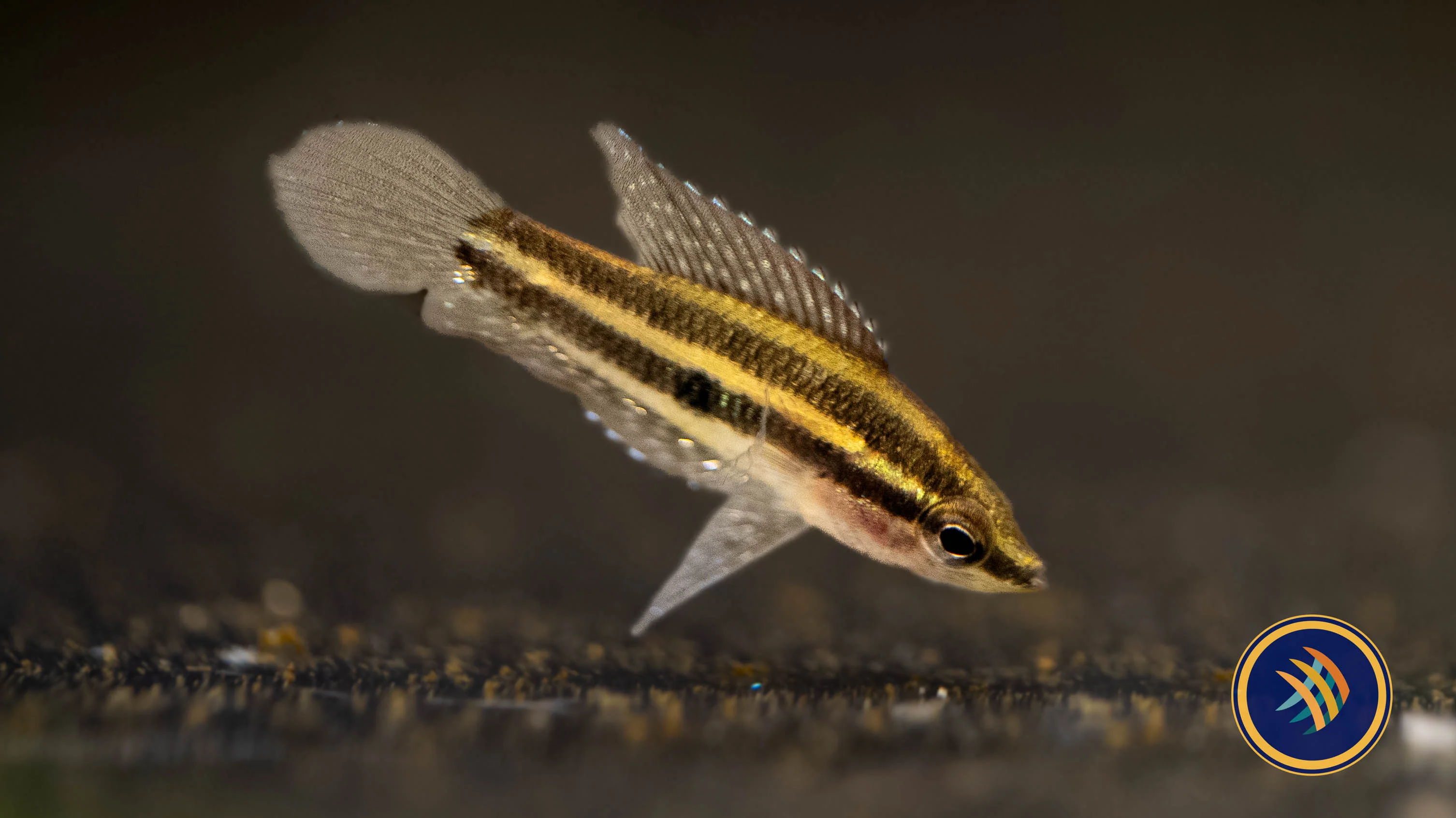
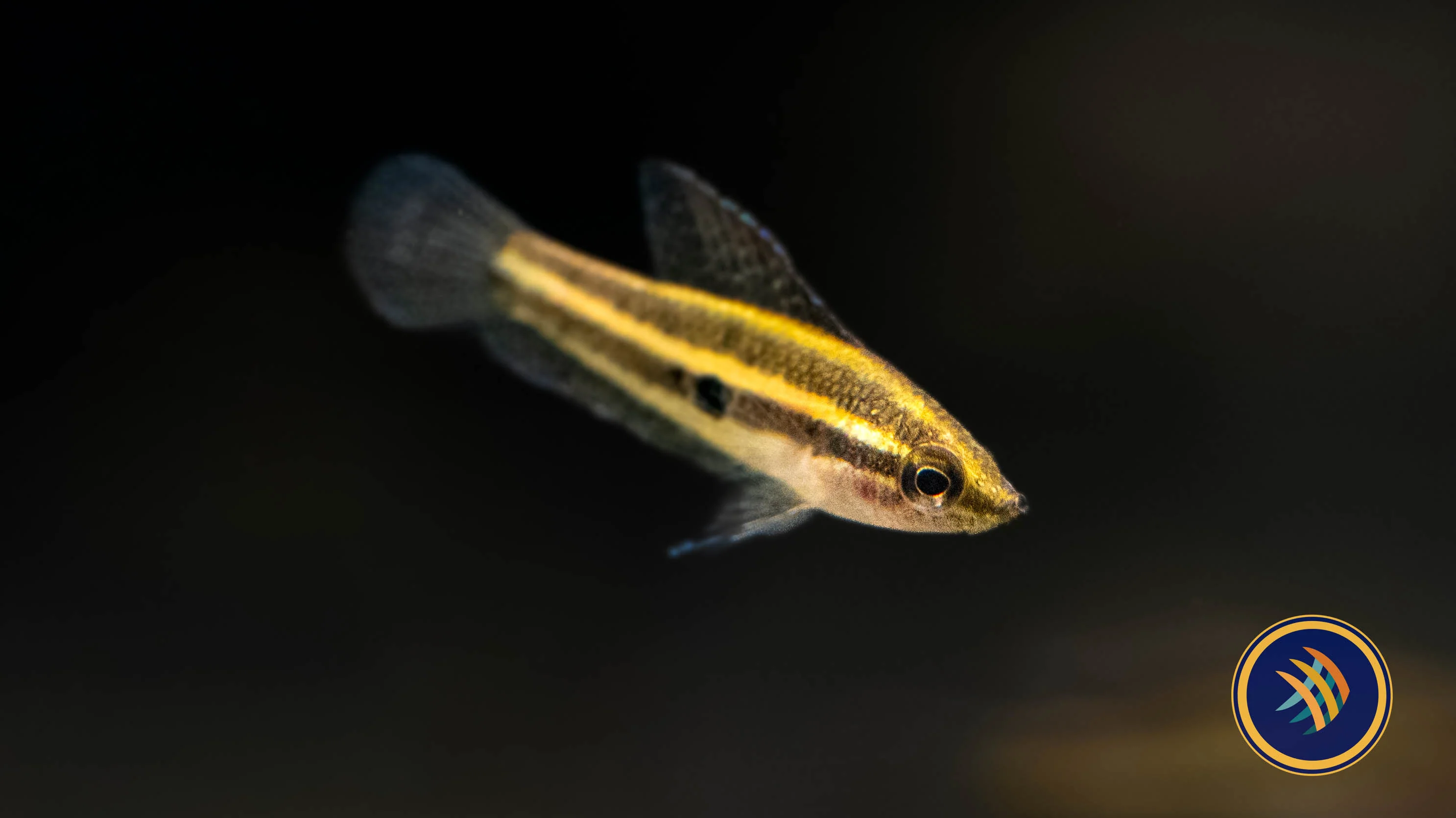
German Blue Ram (Mikrogeophagus ramirezi) is a brilliantly colored, peaceful dwarf cichlid native to the Orinoco River Basin in Colombia and Venezuela.
Species Overview
- Scientific Name: Mikrogeophagus ramirezi
- Common Names: German Blue Ram, Blue Ram, Butterfly Cichlid, Ramirezi
- Size: 2–3 inches (5–8 cm)
- Lifespan: 3–4 years
- Temperament: Peaceful, mildly territorial during breeding
- Difficulty: Intermediate to advanced care
Appearance
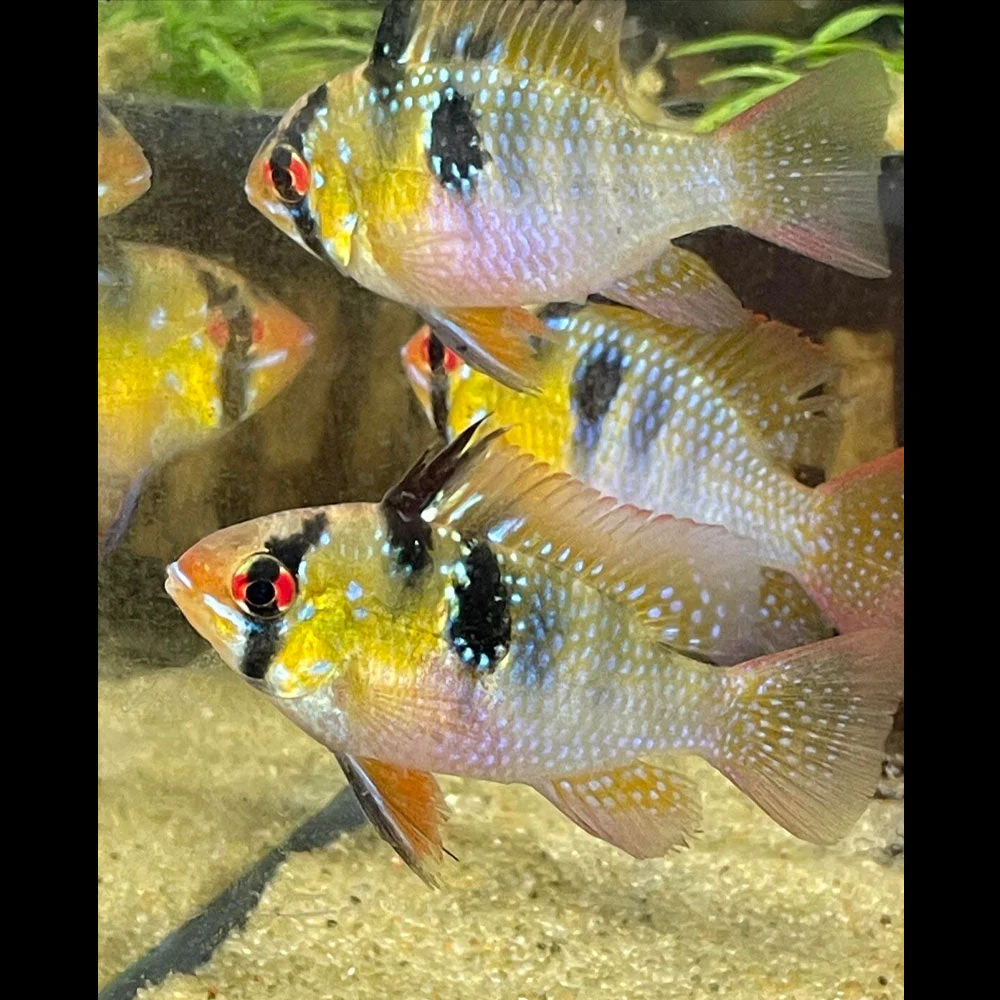
- Coloration: Electric blue highlights over a gold/silver base, with red/orange accents on fins
- Markings: Distinct black vertical stripe across the eye ("bandit mask") and dark patches near the dorsal fin
-
Sexual Dimorphism:
- Males: Longer dorsal fin rays, more vivid coloration
- Females: Smaller, rounder, with pinkish belly
Tank Setup
- Minimum Tank Size: 20 gallons for a pair
- Substrate: Fine sand or smooth gravel
- Decor: Dense planting, driftwood, caves, flat stones for spawning
- Lighting: Moderate to subdued; floating plants help diffuse light
- Filtration: Gentle flow; peat filtration and Indian almond leaves recommended
Water Parameters
- Temperature: 74–82°F (23–28°C)
- pH: 5.0–7.5 (slightly acidic preferred)
- Hardness: 5–12 dGH
- Maintenance: Weekly 20% water changes; stable, mature tank required
Diet
- Type: Omnivorous
- Staple Foods: High-quality flakes or pellets
- Treats: Brine shrimp, bloodworms, mosquito larvae, vegetables
- Feeding: Small portions 2–3 times daily to maintain water quality
Behavior & Compatibility
- Tank Level: Mid to bottom
- Social Structure: Best kept in pairs or small groups
-
Tank Mates:
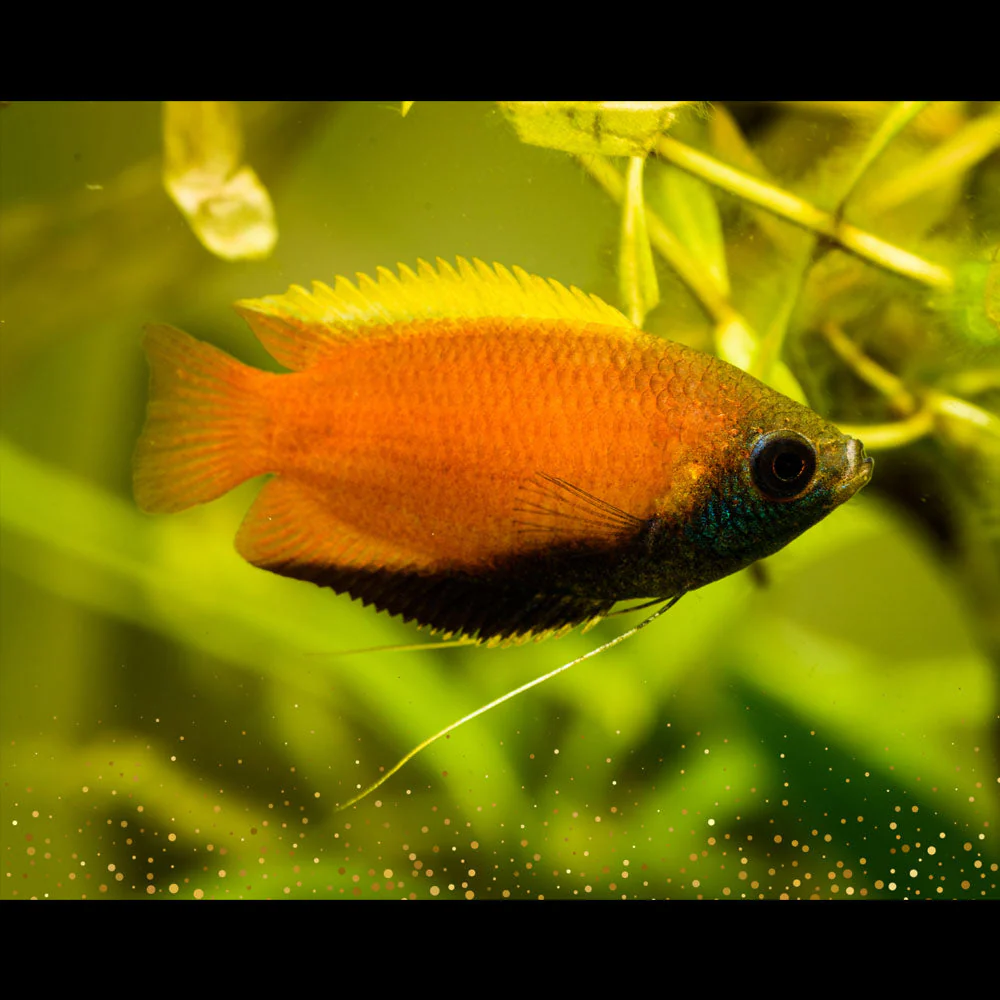
- Peaceful species like Corydoras, Tetras, Dwarf Gouramis
- Avoid aggressive or large cichlids
Breeding
- Method: Egg-layer
- Spawning Site: Flat stones or pits
- Egg Count: Up to 300
- Parental Care: Both parents guard and fan eggs; fry become free-swimming in ~5 days
- Fry Diet: Infusoria, then crushed flakes and baby brine shrimp
$14.61
German Blue Ram (Mikrogeophagus ramirezi)—
$14.61
Product Information
Product Information
Shipping & Returns
Shipping & Returns
Description
German Blue Ram (Mikrogeophagus ramirezi) is a brilliantly colored, peaceful dwarf cichlid native to the Orinoco River Basin in Colombia and Venezuela.
Species Overview
- Scientific Name: Mikrogeophagus ramirezi
- Common Names: German Blue Ram, Blue Ram, Butterfly Cichlid, Ramirezi
- Size: 2–3 inches (5–8 cm)
- Lifespan: 3–4 years
- Temperament: Peaceful, mildly territorial during breeding
- Difficulty: Intermediate to advanced care
Appearance
- Coloration: Electric blue highlights over a gold/silver base, with red/orange accents on fins
- Markings: Distinct black vertical stripe across the eye ("bandit mask") and dark patches near the dorsal fin
-
Sexual Dimorphism:
- Males: Longer dorsal fin rays, more vivid coloration
- Females: Smaller, rounder, with pinkish belly
Tank Setup
- Minimum Tank Size: 20 gallons for a pair
- Substrate: Fine sand or smooth gravel
- Decor: Dense planting, driftwood, caves, flat stones for spawning
- Lighting: Moderate to subdued; floating plants help diffuse light
- Filtration: Gentle flow; peat filtration and Indian almond leaves recommended
Water Parameters
- Temperature: 74–82°F (23–28°C)
- pH: 5.0–7.5 (slightly acidic preferred)
- Hardness: 5–12 dGH
- Maintenance: Weekly 20% water changes; stable, mature tank required
Diet
- Type: Omnivorous
- Staple Foods: High-quality flakes or pellets
- Treats: Brine shrimp, bloodworms, mosquito larvae, vegetables
- Feeding: Small portions 2–3 times daily to maintain water quality
Behavior & Compatibility
- Tank Level: Mid to bottom
- Social Structure: Best kept in pairs or small groups
-
Tank Mates:
- Peaceful species like Corydoras, Tetras, Dwarf Gouramis
- Avoid aggressive or large cichlids
Breeding
- Method: Egg-layer
- Spawning Site: Flat stones or pits
- Egg Count: Up to 300
- Parental Care: Both parents guard and fan eggs; fry become free-swimming in ~5 days
- Fry Diet: Infusoria, then crushed flakes and baby brine shrimp