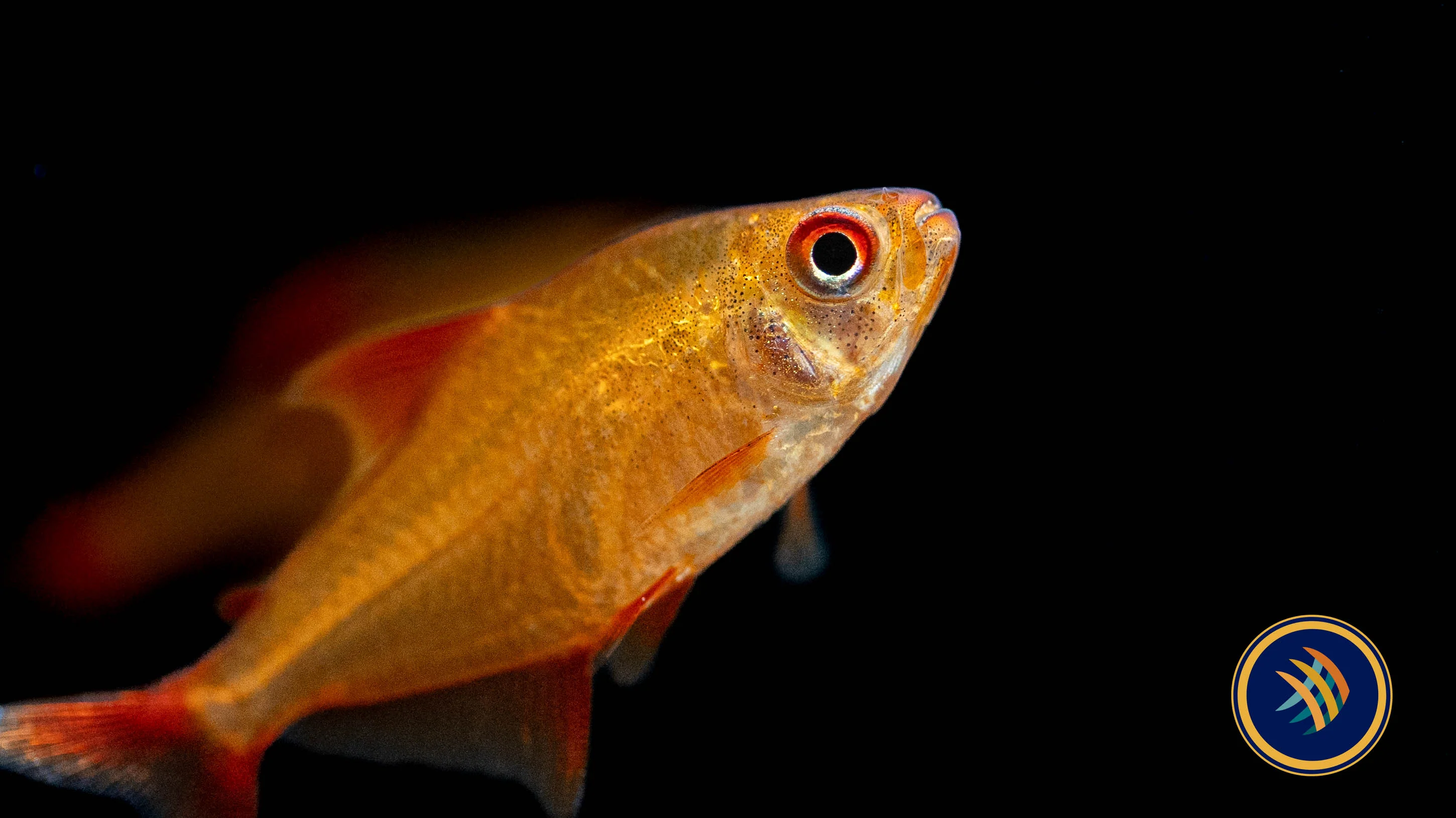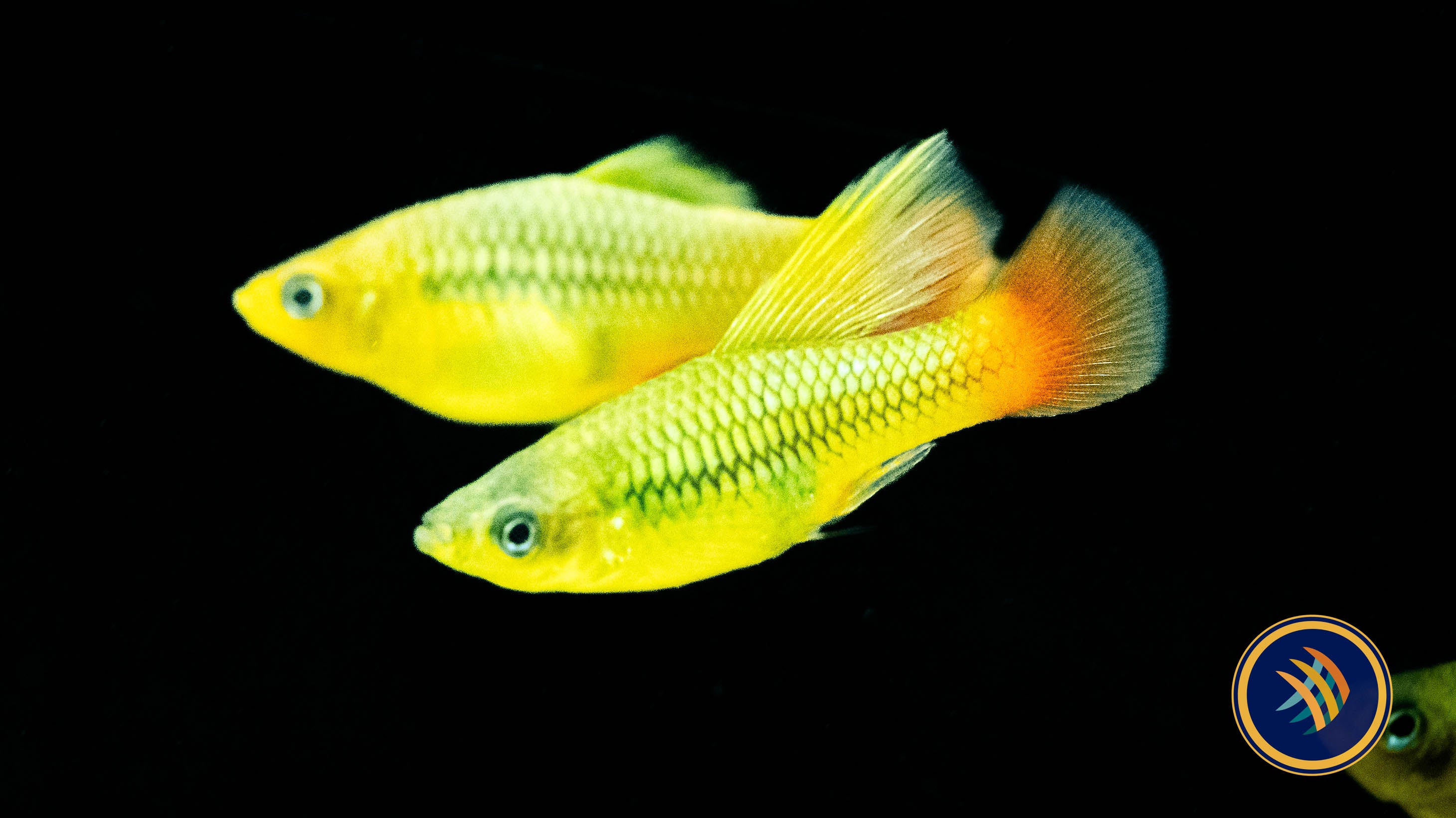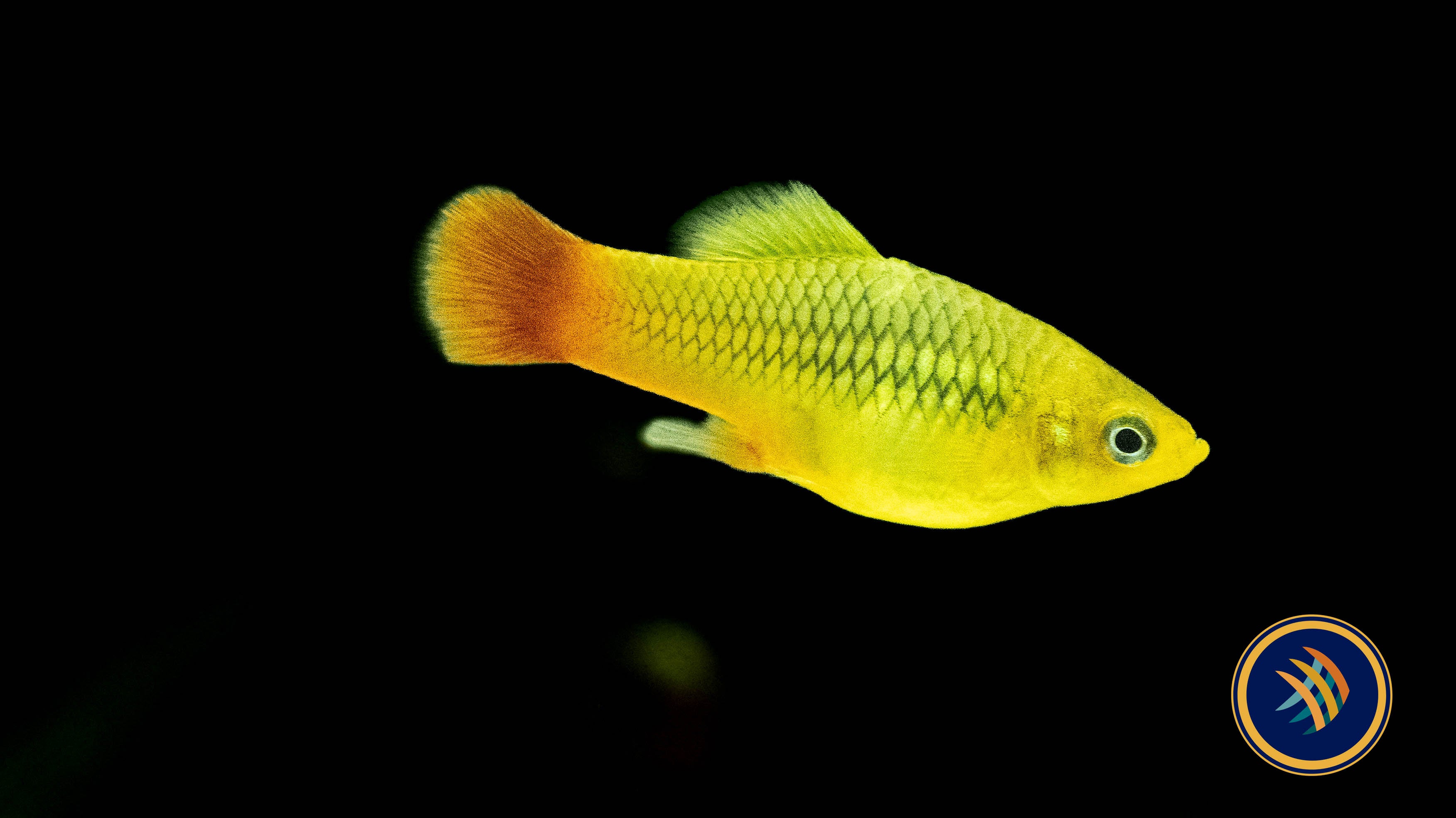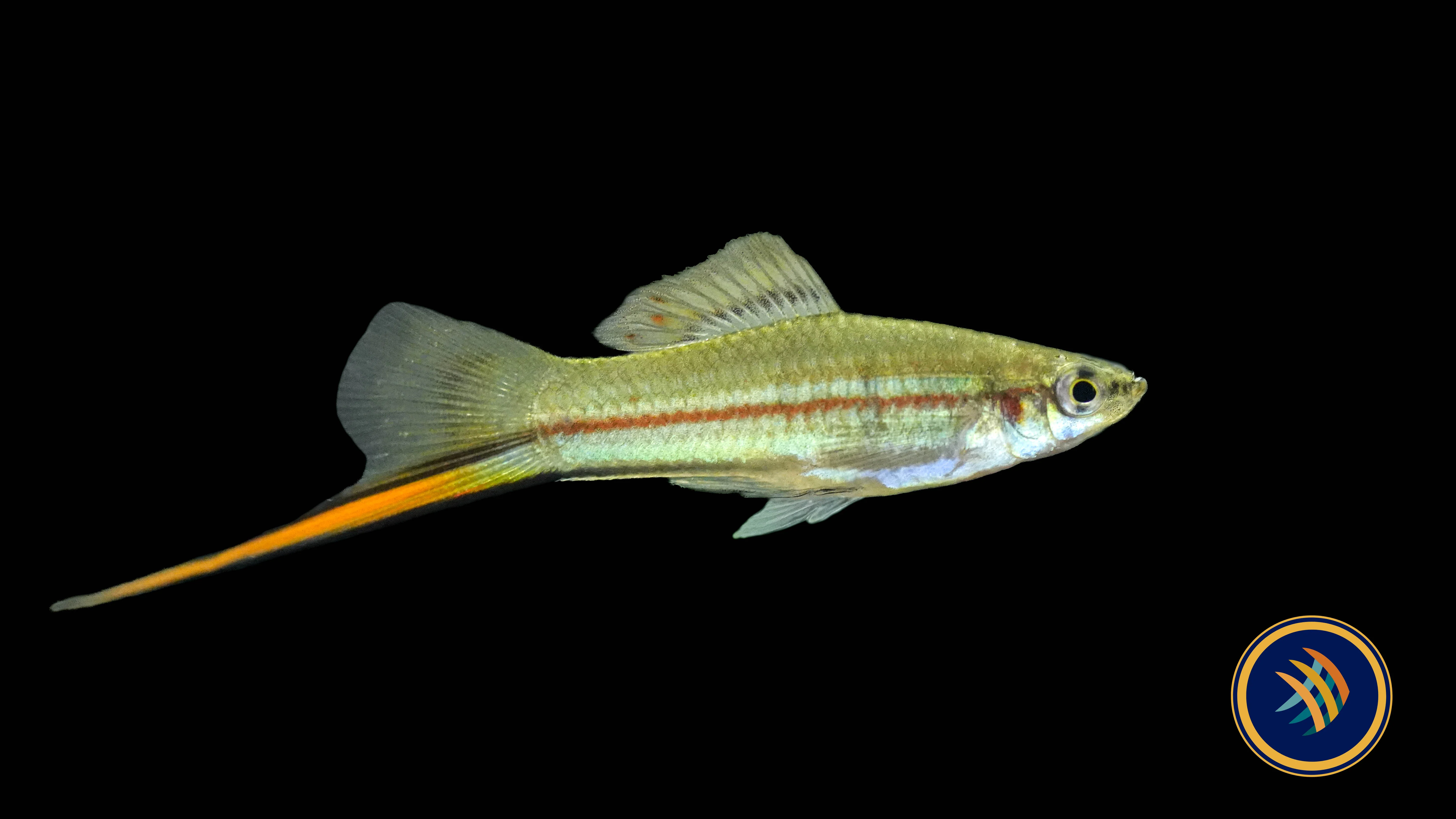

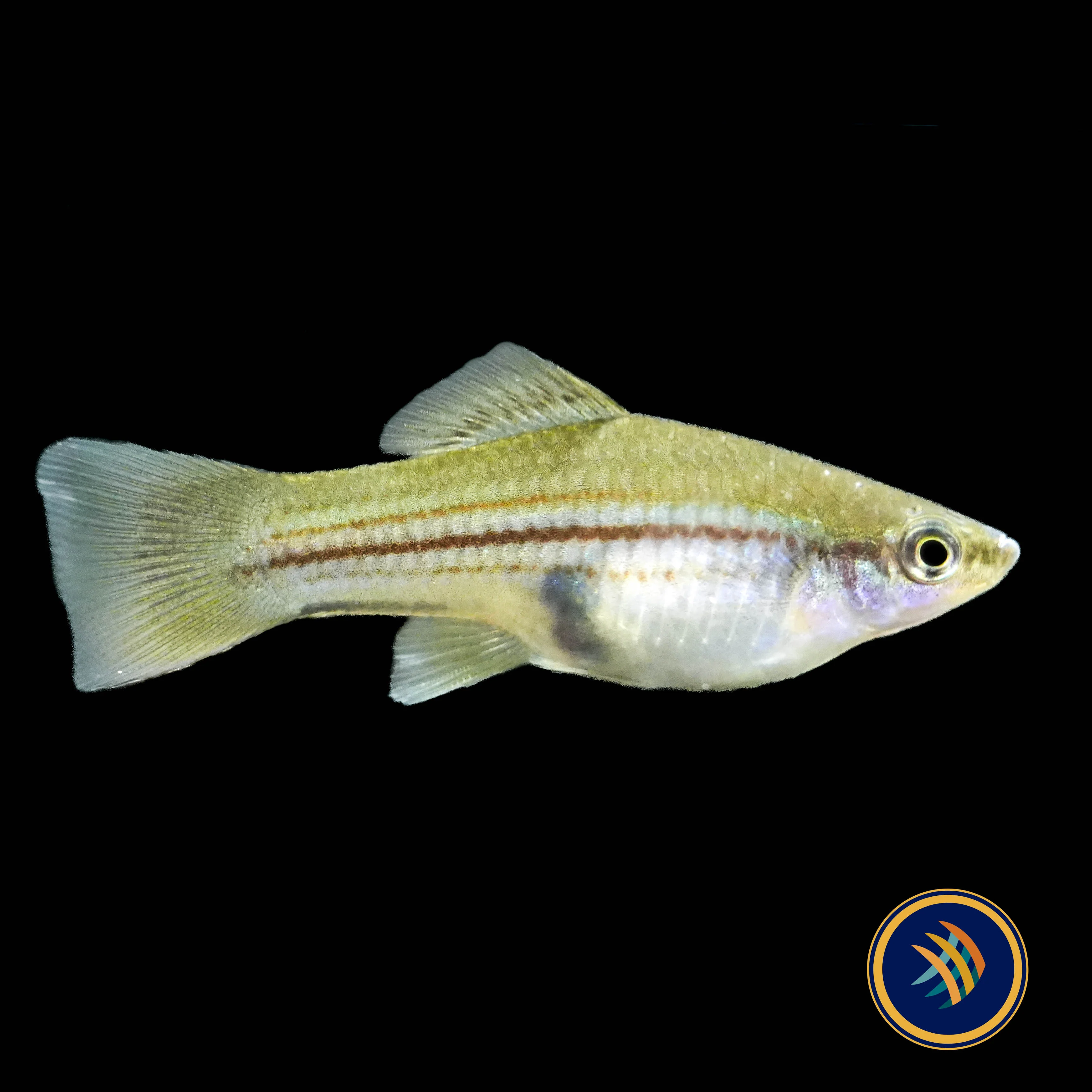
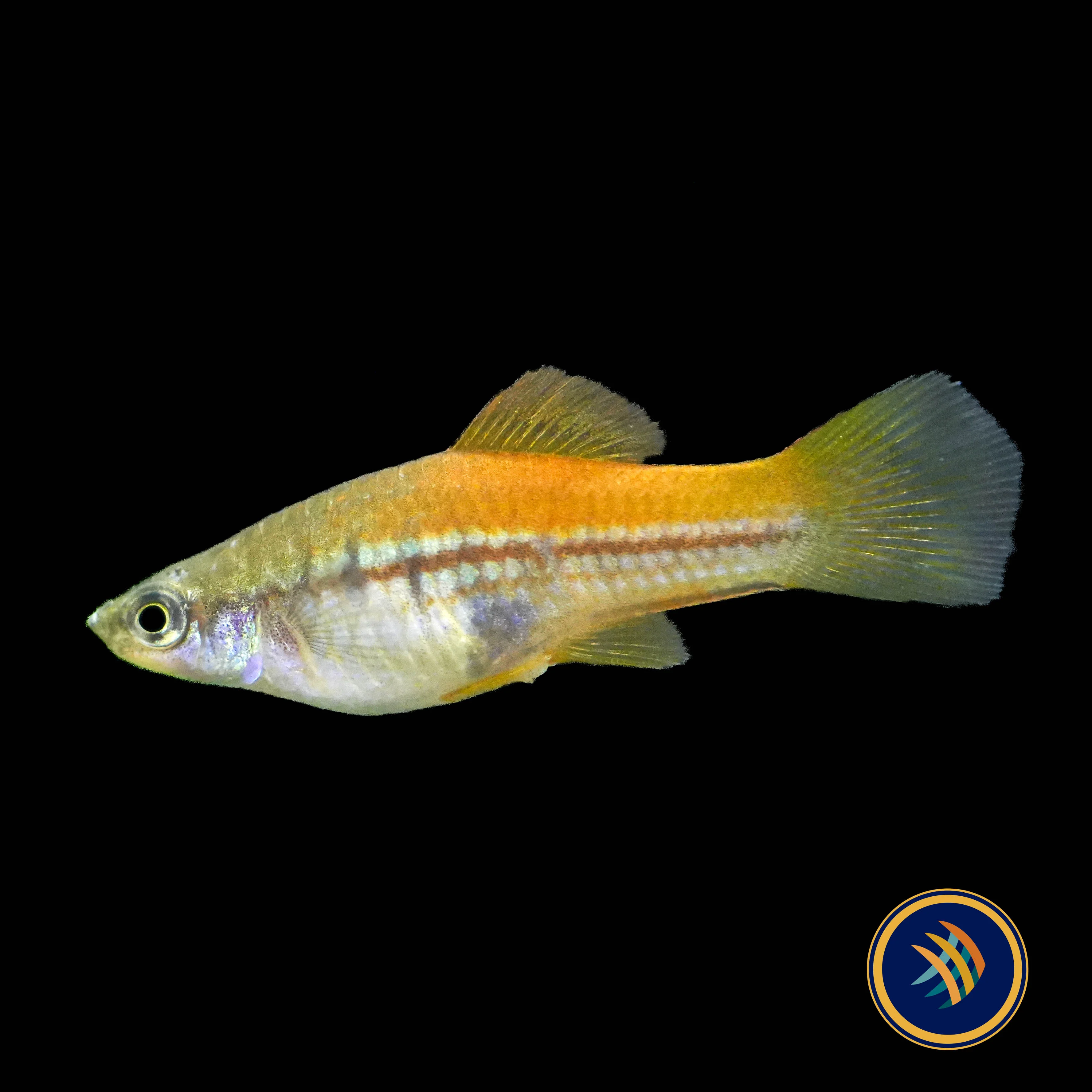
Green Swordtail (Xiphophorus helleri)
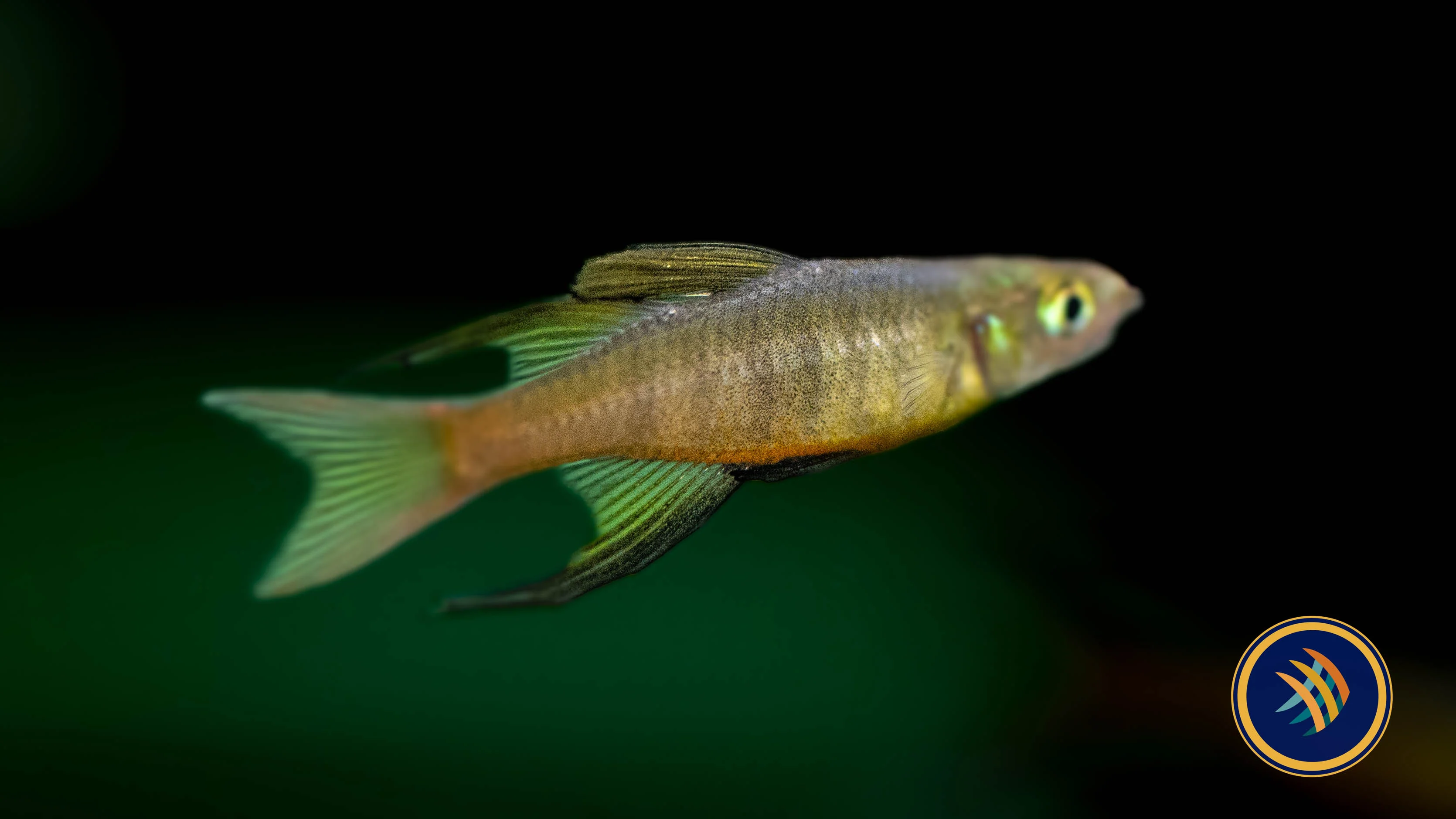
Green Swordtail (Xiphophorus helleri) is a classic, hardy livebearer and one of the most recognizable freshwater aquarium fish. Native to Central America, it’s prized for its active behavior, ease of care, and prolific breeding.
Overview
- Common Name: Green Swordtail
- Scientific Name: Xiphophorus helleri
- Family: Poeciliidae
- Origin: Mexico, Guatemala, Honduras
-
Adult Size:
- Males: ~10–12 cm (4–5 in) including sword
- Females: up to ~14 cm (5.5 in)
- Lifespan: 3–5 years (often longer with excellent care)
Identification
-
Males:
- Prominent elongated lower caudal fin ray (“sword”)
- Slimmer body
- Gonopodium (modified anal fin)
-
Females:
- Larger, deeper-bodied
- Rounded tail
- Wider, fan-shaped anal fin
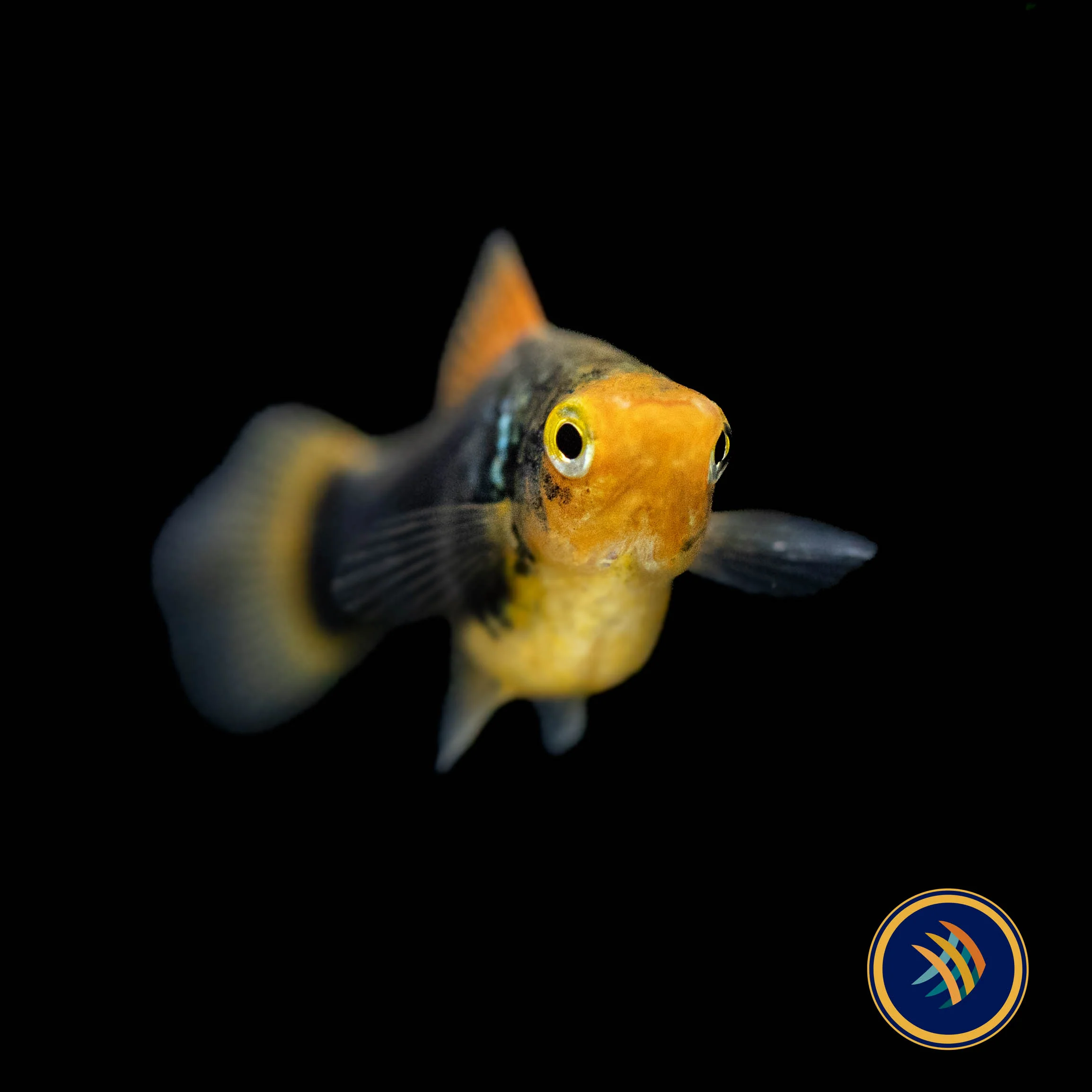
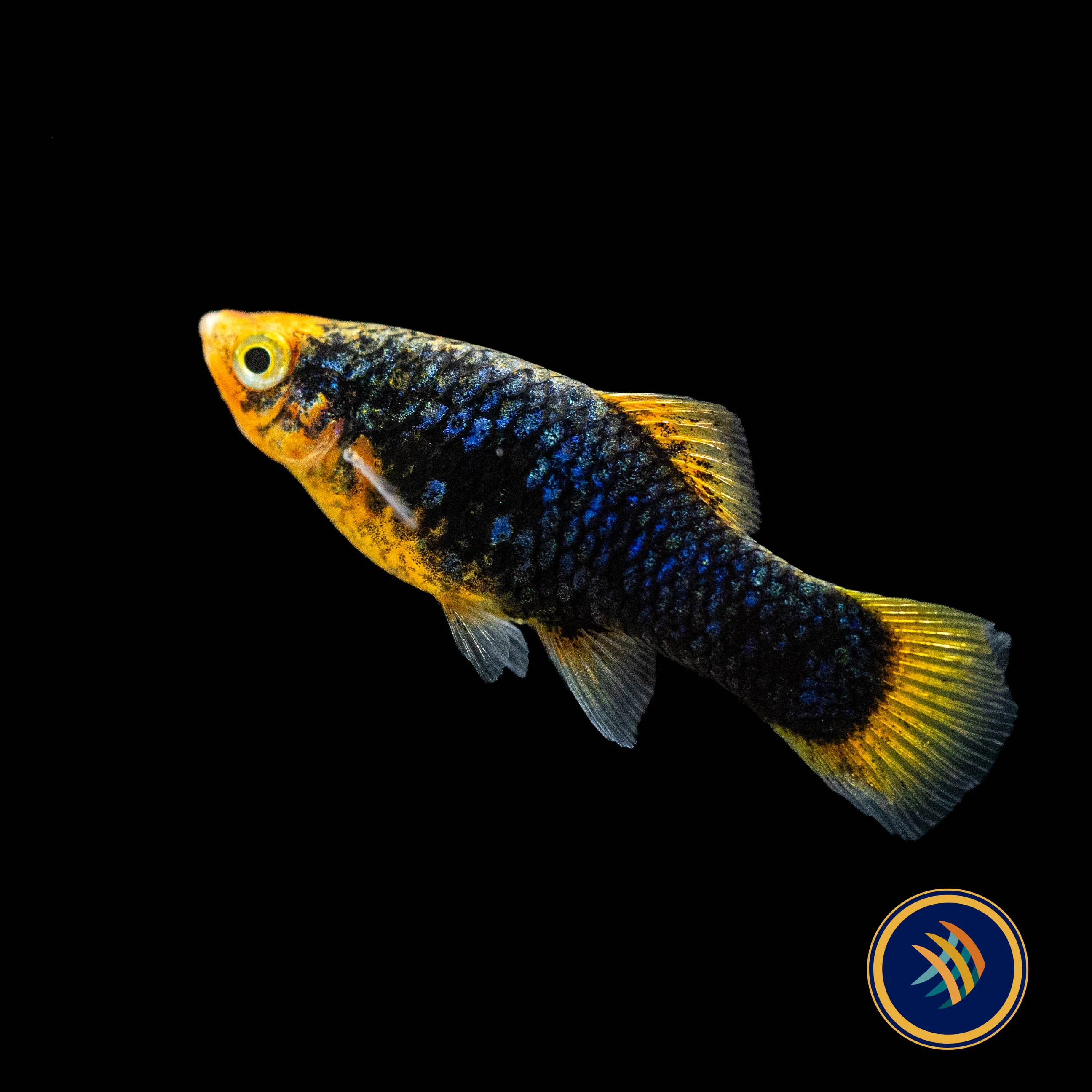
Wild-type (green) coloration: Olive-green to brownish body with iridescent sheen; captive strains may show reds, blacks, pineapple, koi, or tuxedo patterns.
Aquarium Care
Tank Size
- Minimum: 30 gallons
-
Ideal: 40+ gallons for active swimming and multiple males
Swordtails are fast, constant swimmers and benefit from horizontal space.
Water Parameters
- Temperature: 22–28 °C (72–82 °F)
- pH: 7.0–8.2 (neutral to alkaline)
- Hardness: Moderate to hard (10–30 dGH)
- Flow: Moderate
- Filtration: Strong biological filtration recommended
Swordtails tolerate a wide range but thrive in stable, alkaline, mineral-rich water.
Aquascaping
- Dense planting along the sides and back
- Open swimming space in the center
- Hardy plants preferred:
- Vallisneria
- Java fern
- Anubias
- Sword plants (Echinodorus)
- Driftwood and smooth rocks optional
Diet
Omnivorous with a strong plant-matter requirement.
Staple Foods
- High-quality flake or pellet with spirulina
- Vegetable-based foods
Supplemental Foods
- Blanched spinach, zucchini, peas
- Live or frozen foods: brine shrimp, daphnia, bloodworms (treats)
A veggie-rich diet helps prevent digestive issues and aggression.
Temperament & Compatibility
- Temperament: Active, sometimes pushy but generally peaceful
- Social Structure: Best kept in groups, with more females than males
Recommended Ratio
- 1 male : 2–3 females (reduces stress and harassment)
Good Tank Mates
- Platies
- Mollies
- Guppies
- Corydoras
- Bristlenose Plecos
- Peaceful rainbowfish
Avoid
- Aggressive cichlids
- Fin-nippers (e.g., tiger barbs in small tanks)
- Very slow-moving or long-finned fish in cramped setups
Breeding
Swordtails are livebearers and breed readily.
- Gestation: ~24–35 days
- Fry per batch: 20–80+
- Breeding Difficulty: Easy
Tips
- Provide dense plant cover for fry
- Separate fry if survival rate matters
- Adults may eat newborn fry if not well-fed
Females can store sperm and produce multiple broods after a single mating.
Product Information
Product Information
Shipping & Returns
Shipping & Returns
Description
Green Swordtail (Xiphophorus helleri) is a classic, hardy livebearer and one of the most recognizable freshwater aquarium fish. Native to Central America, it’s prized for its active behavior, ease of care, and prolific breeding.
Overview
- Common Name: Green Swordtail
- Scientific Name: Xiphophorus helleri
- Family: Poeciliidae
- Origin: Mexico, Guatemala, Honduras
-
Adult Size:
- Males: ~10–12 cm (4–5 in) including sword
- Females: up to ~14 cm (5.5 in)
- Lifespan: 3–5 years (often longer with excellent care)
Identification
-
Males:
- Prominent elongated lower caudal fin ray (“sword”)
- Slimmer body
- Gonopodium (modified anal fin)
-
Females:
- Larger, deeper-bodied
- Rounded tail
- Wider, fan-shaped anal fin
Wild-type (green) coloration: Olive-green to brownish body with iridescent sheen; captive strains may show reds, blacks, pineapple, koi, or tuxedo patterns.
Aquarium Care
Tank Size
- Minimum: 30 gallons
-
Ideal: 40+ gallons for active swimming and multiple males
Swordtails are fast, constant swimmers and benefit from horizontal space.
Water Parameters
- Temperature: 22–28 °C (72–82 °F)
- pH: 7.0–8.2 (neutral to alkaline)
- Hardness: Moderate to hard (10–30 dGH)
- Flow: Moderate
- Filtration: Strong biological filtration recommended
Swordtails tolerate a wide range but thrive in stable, alkaline, mineral-rich water.
Aquascaping
- Dense planting along the sides and back
- Open swimming space in the center
- Hardy plants preferred:
- Vallisneria
- Java fern
- Anubias
- Sword plants (Echinodorus)
- Driftwood and smooth rocks optional
Diet
Omnivorous with a strong plant-matter requirement.
Staple Foods
- High-quality flake or pellet with spirulina
- Vegetable-based foods
Supplemental Foods
- Blanched spinach, zucchini, peas
- Live or frozen foods: brine shrimp, daphnia, bloodworms (treats)
A veggie-rich diet helps prevent digestive issues and aggression.
Temperament & Compatibility
- Temperament: Active, sometimes pushy but generally peaceful
- Social Structure: Best kept in groups, with more females than males
Recommended Ratio
- 1 male : 2–3 females (reduces stress and harassment)
Good Tank Mates
- Platies
- Mollies
- Guppies
- Corydoras
- Bristlenose Plecos
- Peaceful rainbowfish
Avoid
- Aggressive cichlids
- Fin-nippers (e.g., tiger barbs in small tanks)
- Very slow-moving or long-finned fish in cramped setups
Breeding
Swordtails are livebearers and breed readily.
- Gestation: ~24–35 days
- Fry per batch: 20–80+
- Breeding Difficulty: Easy
Tips
- Provide dense plant cover for fry
- Separate fry if survival rate matters
- Adults may eat newborn fry if not well-fed
Females can store sperm and produce multiple broods after a single mating.