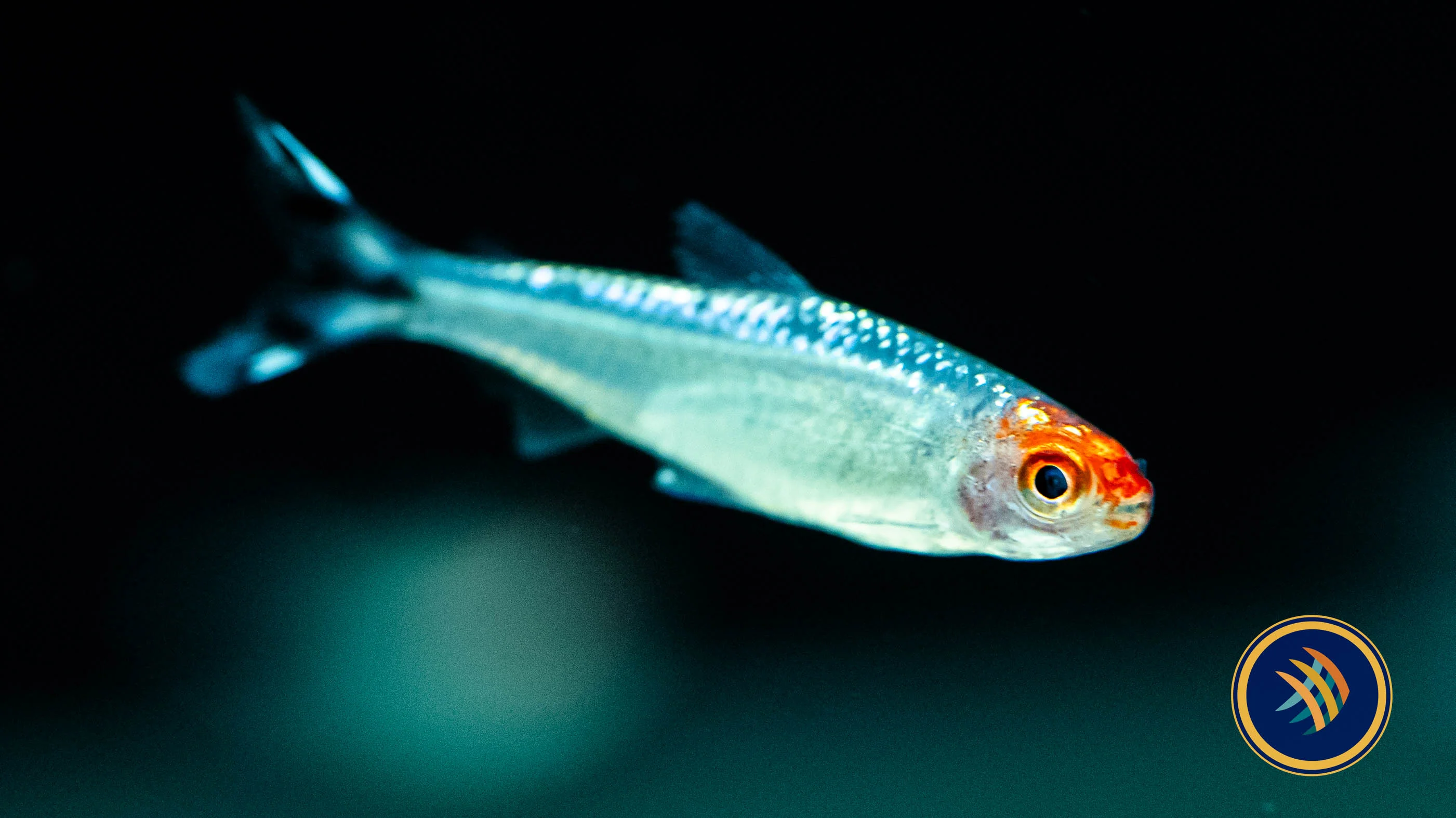
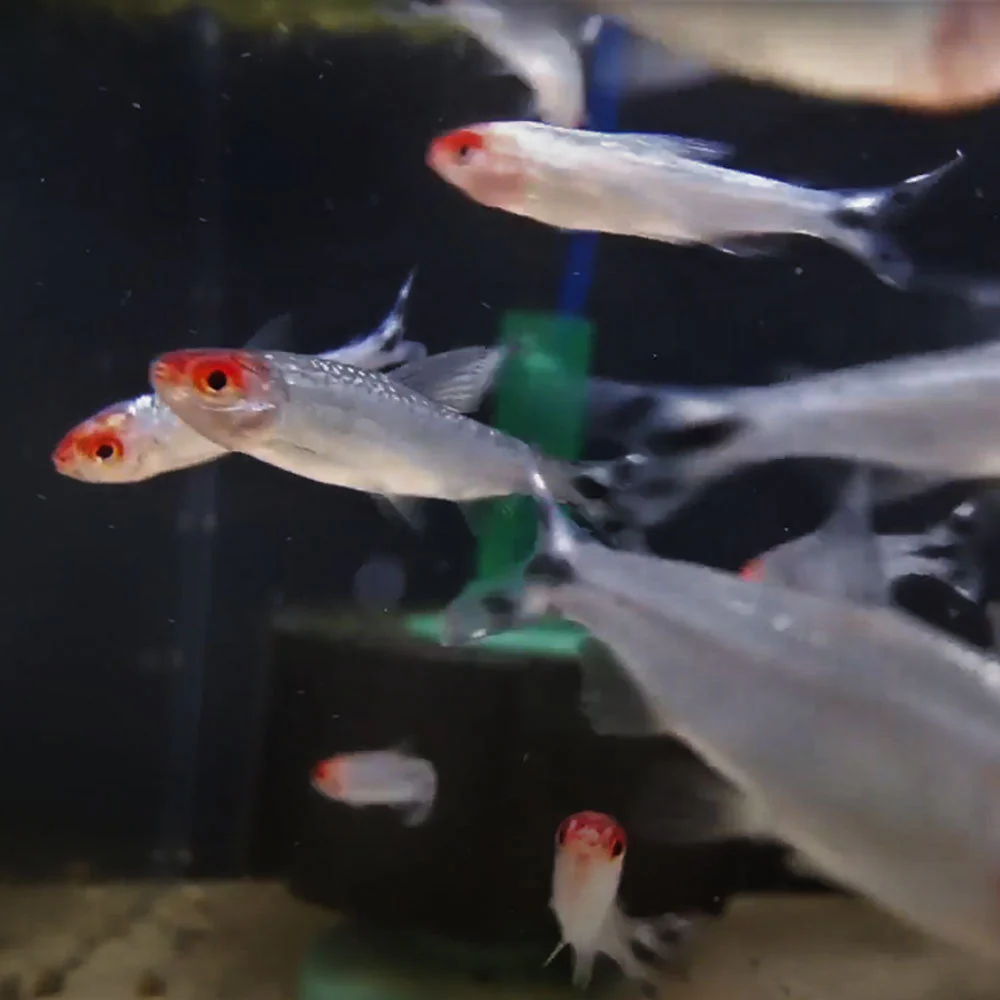
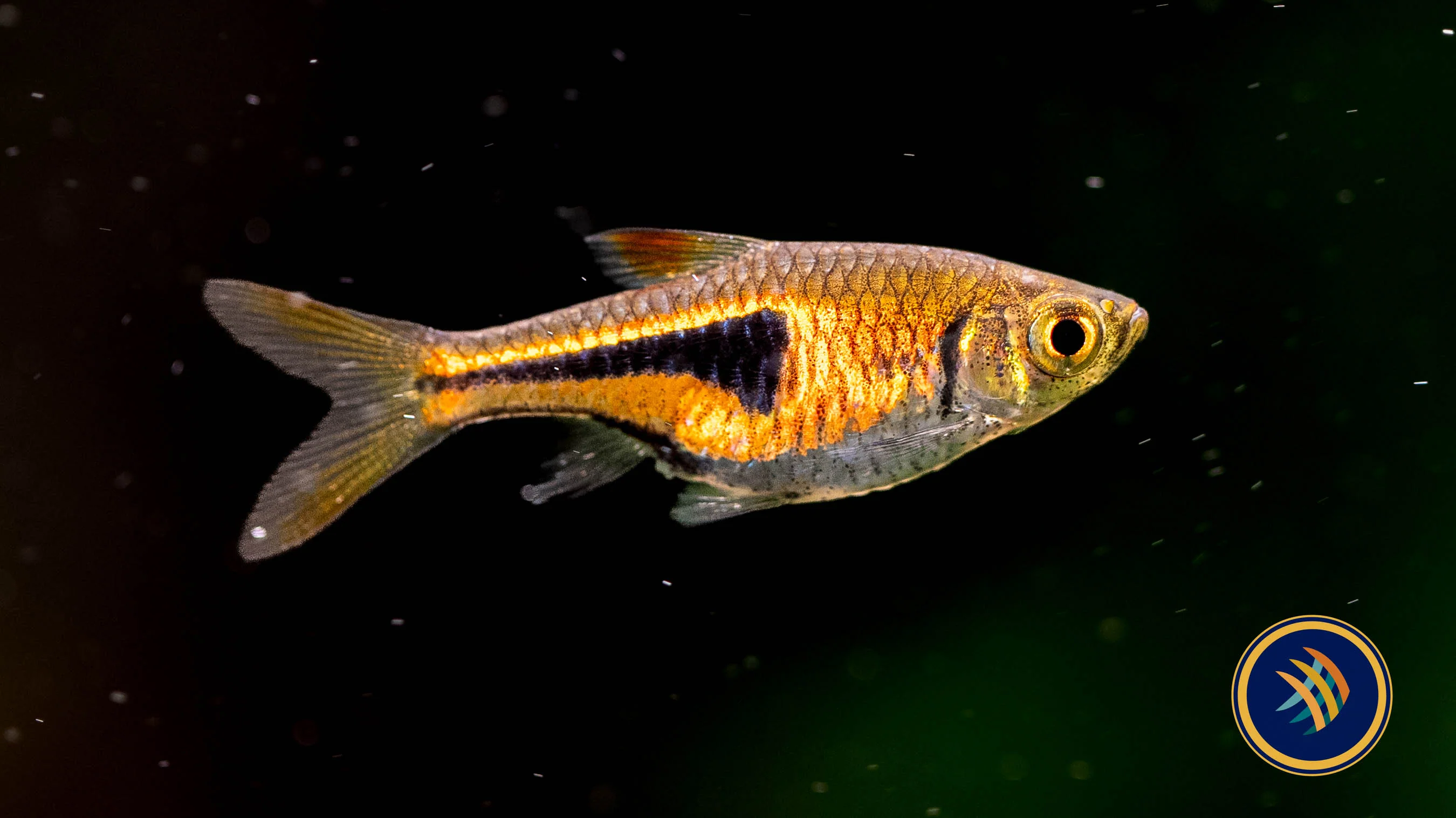
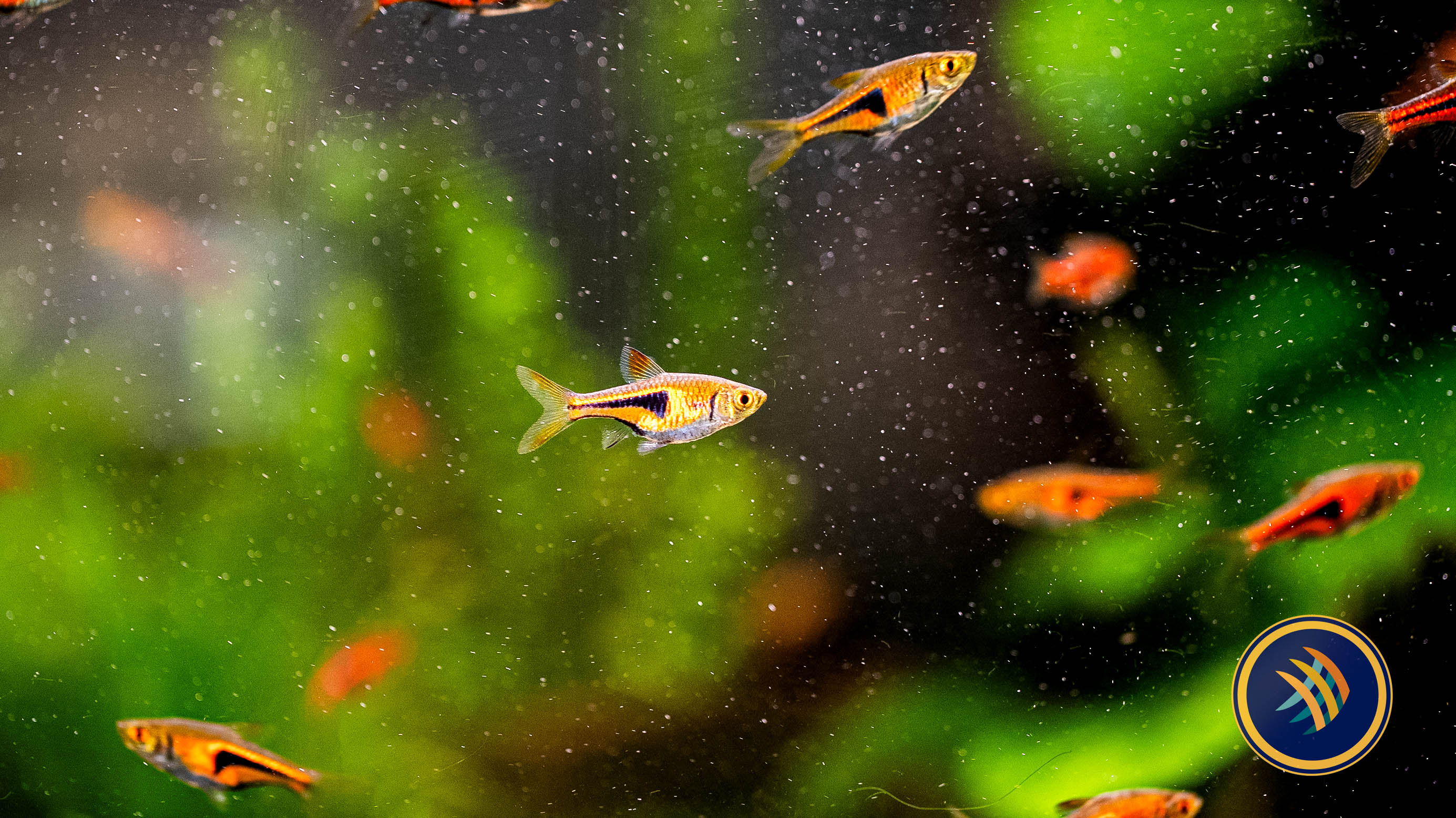
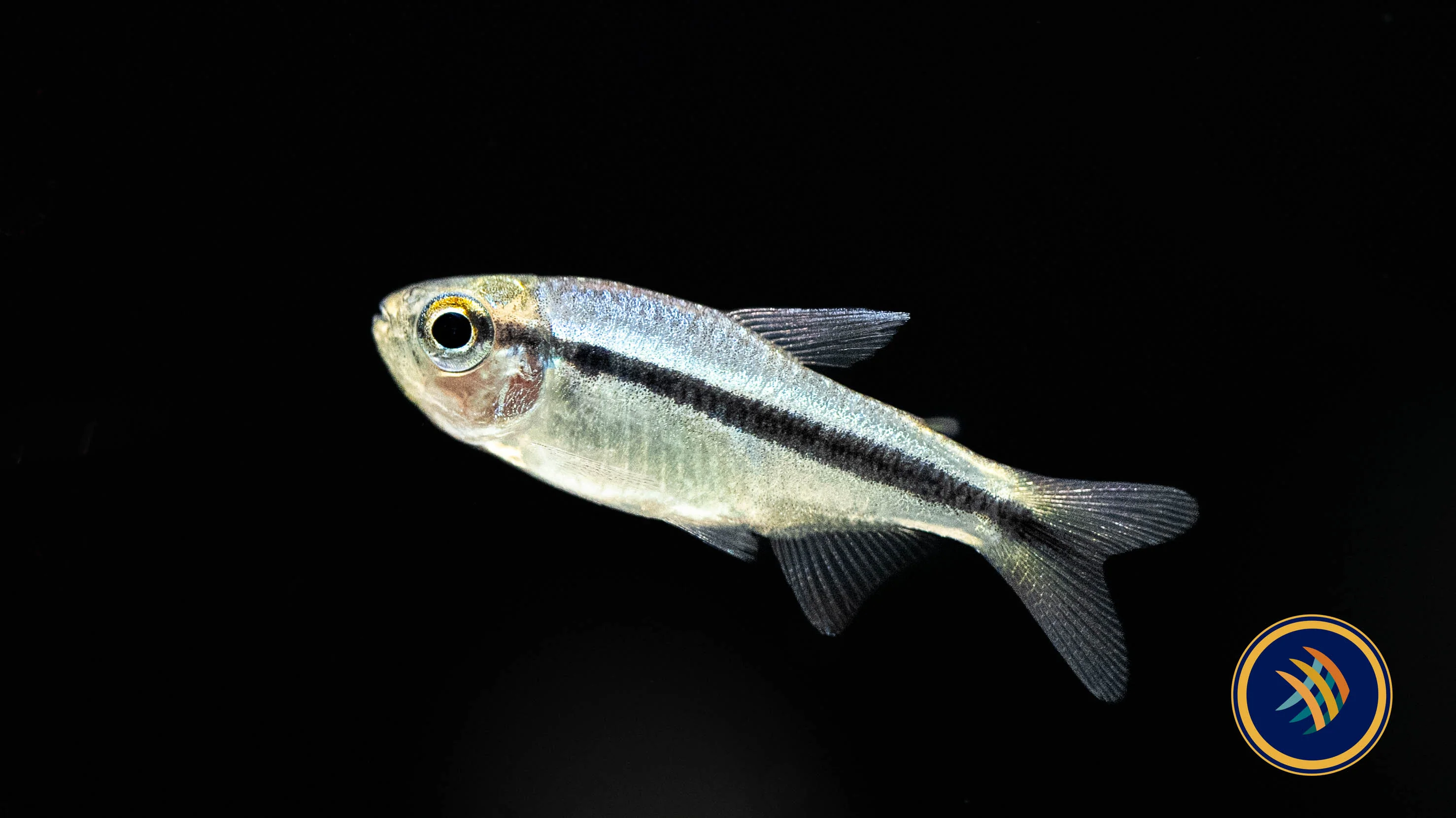
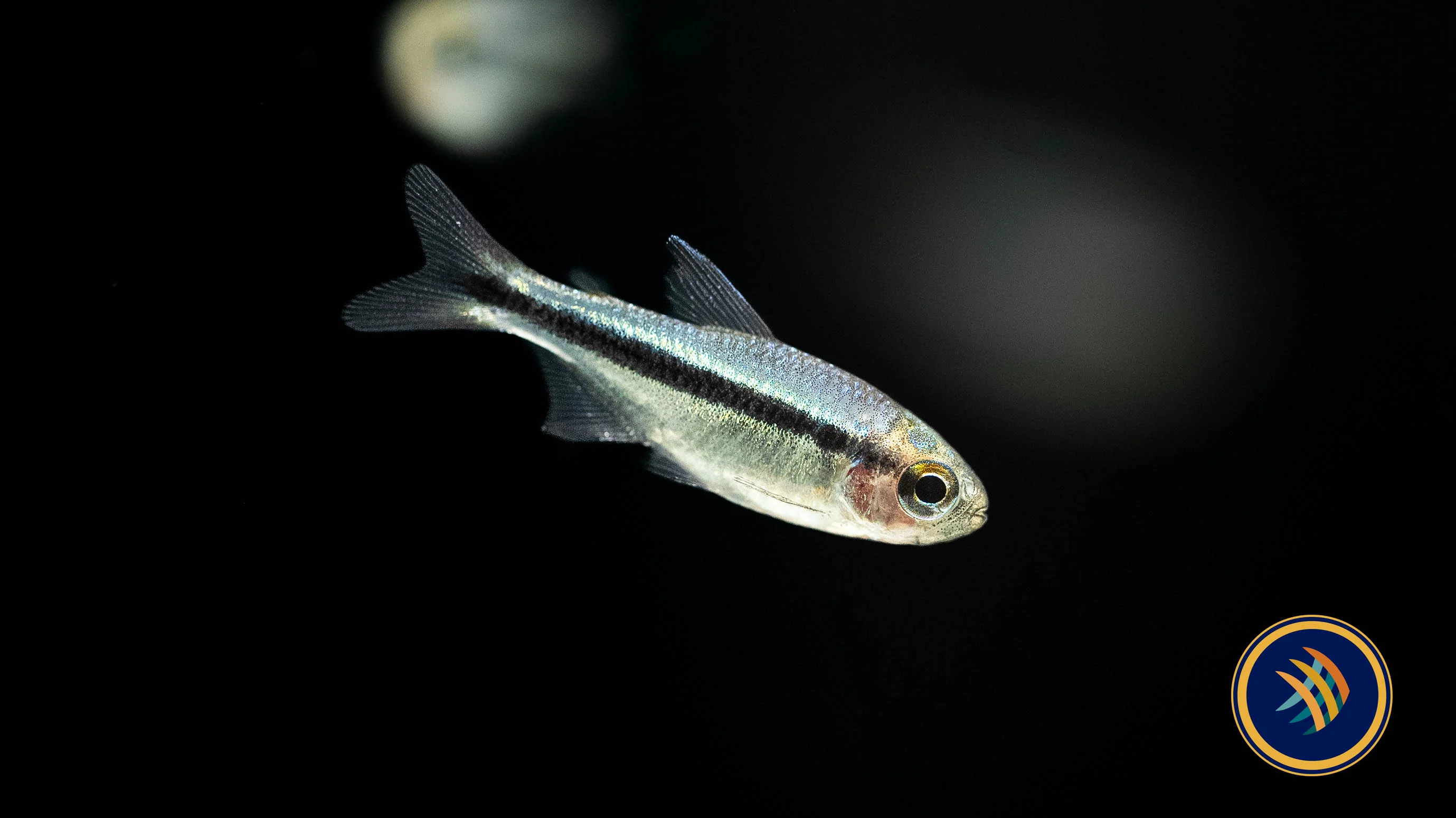
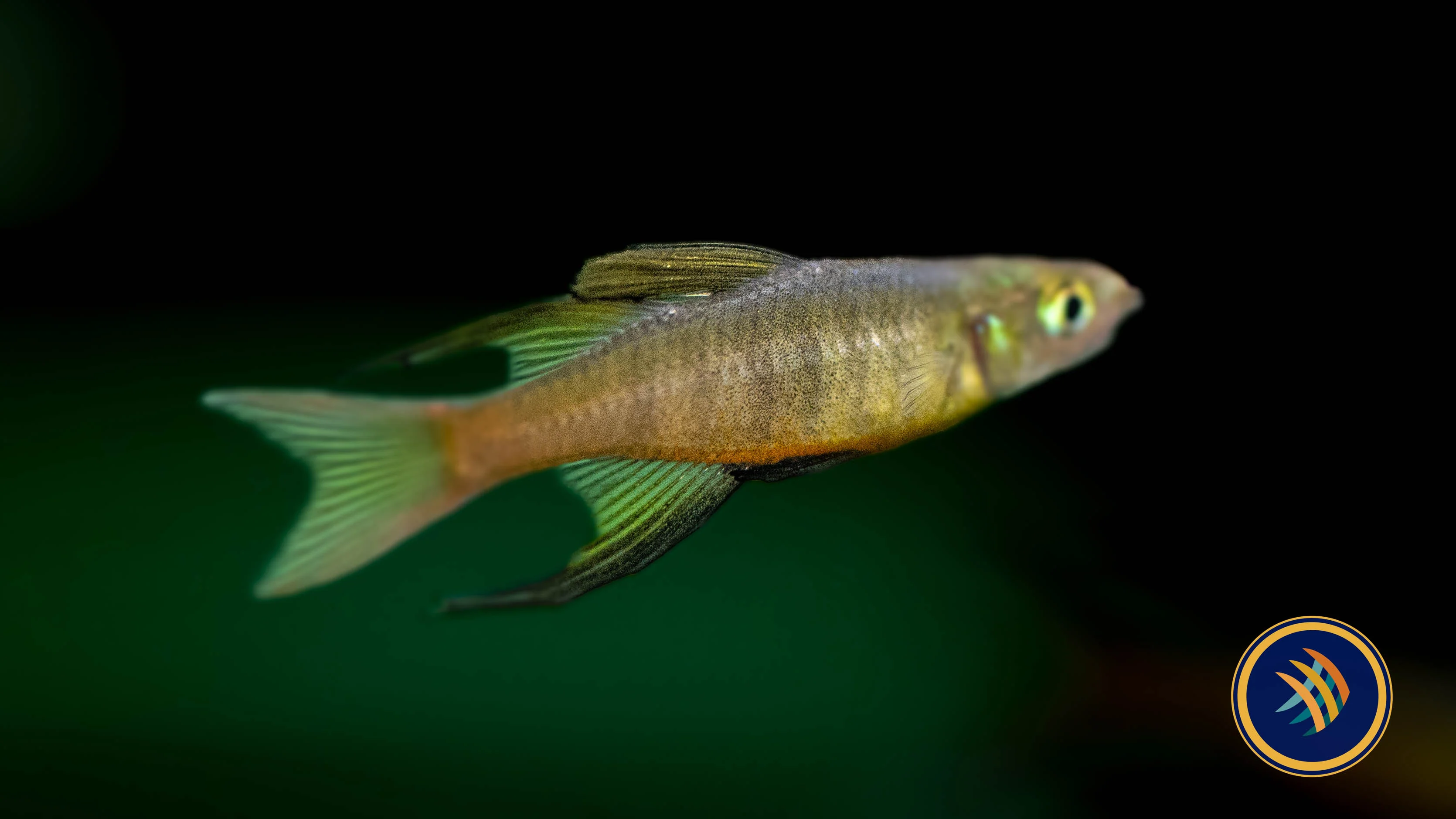
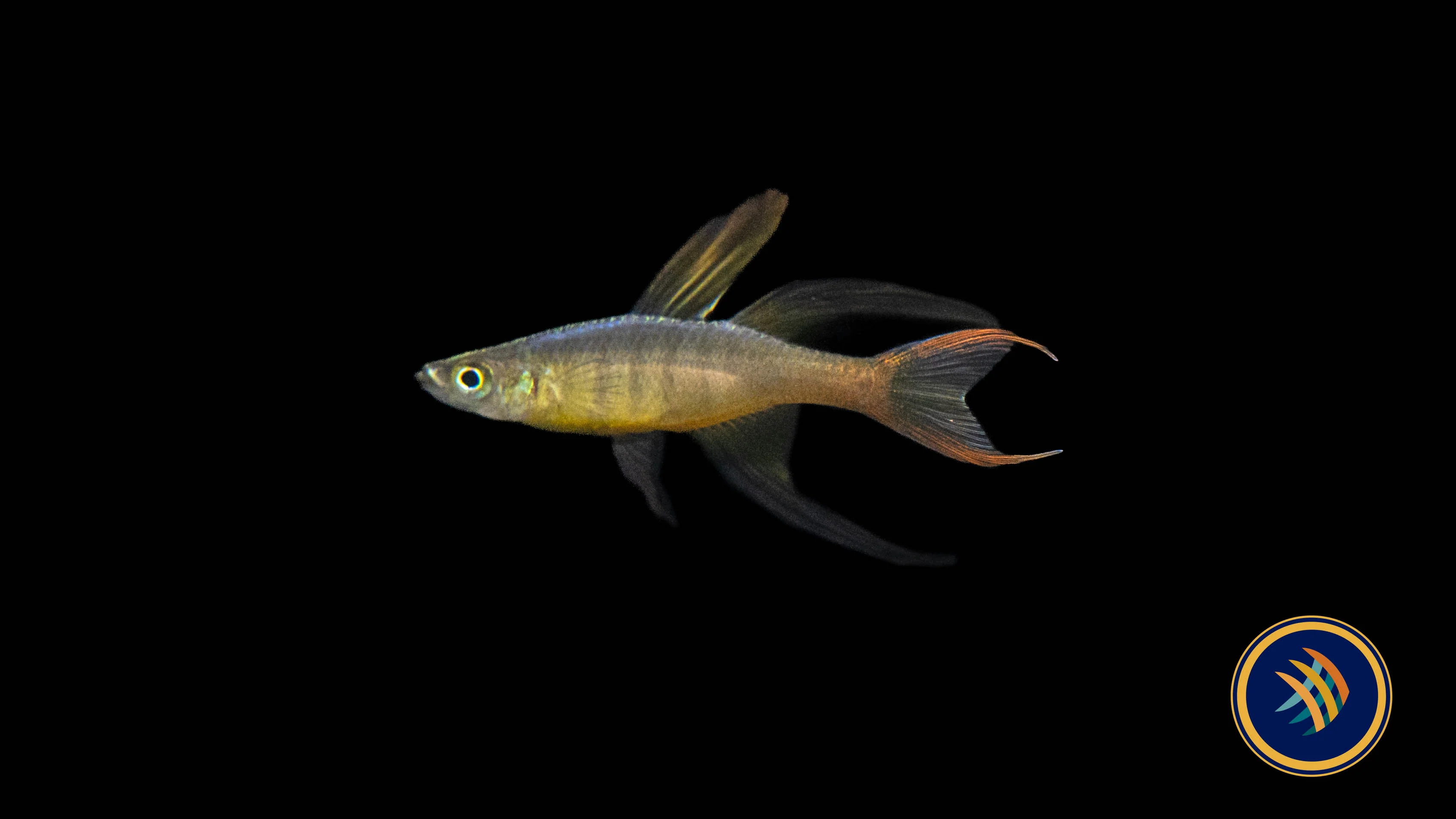
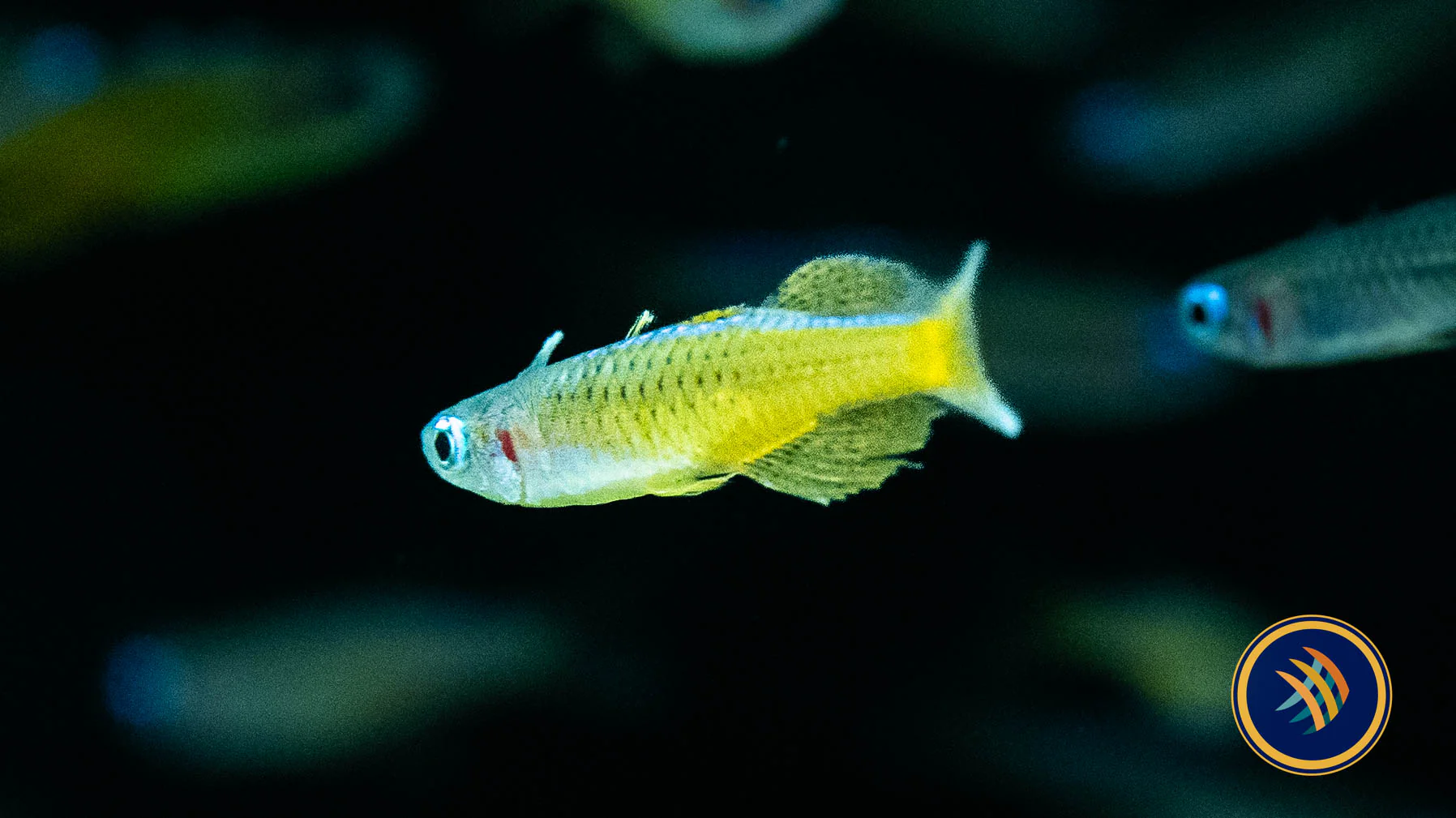
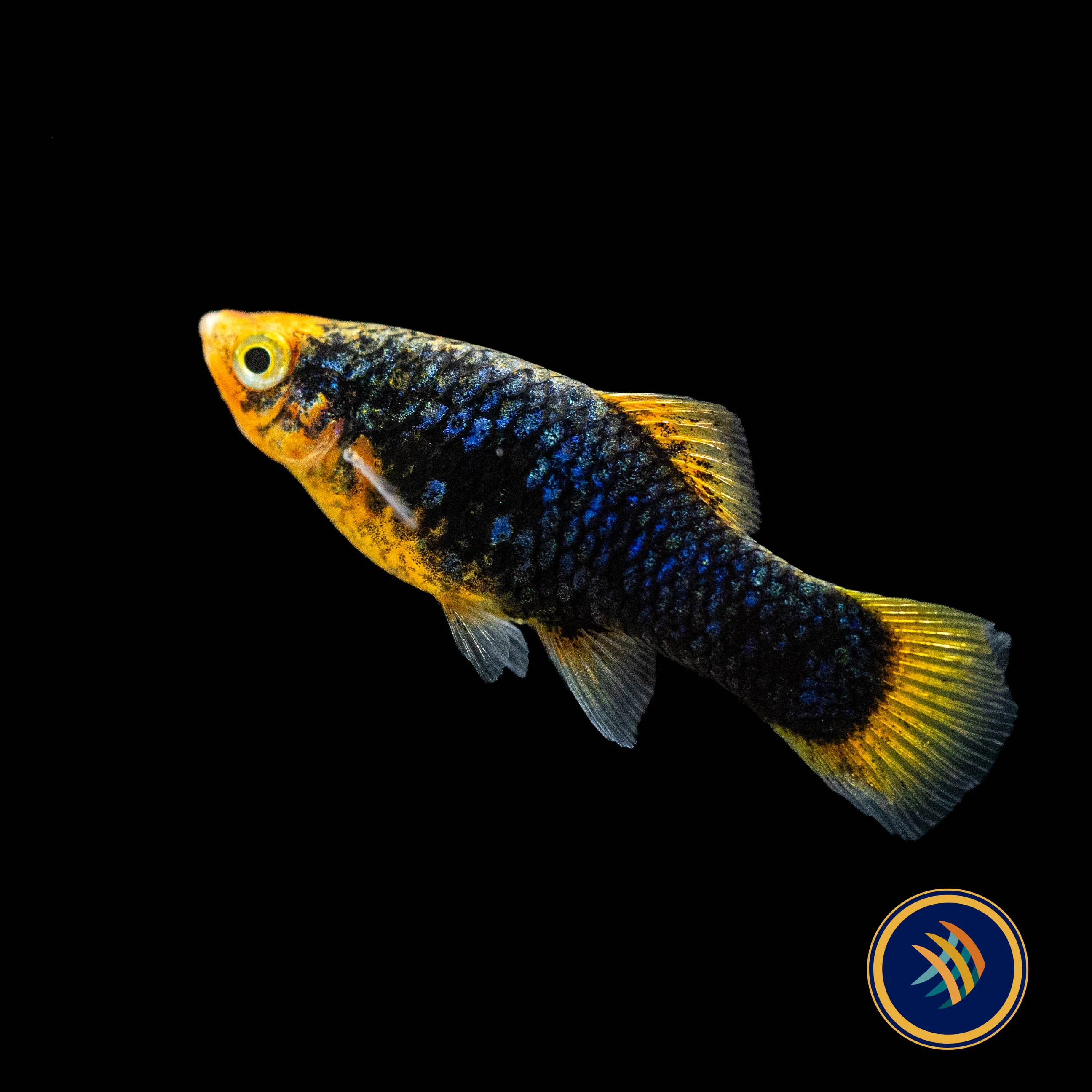
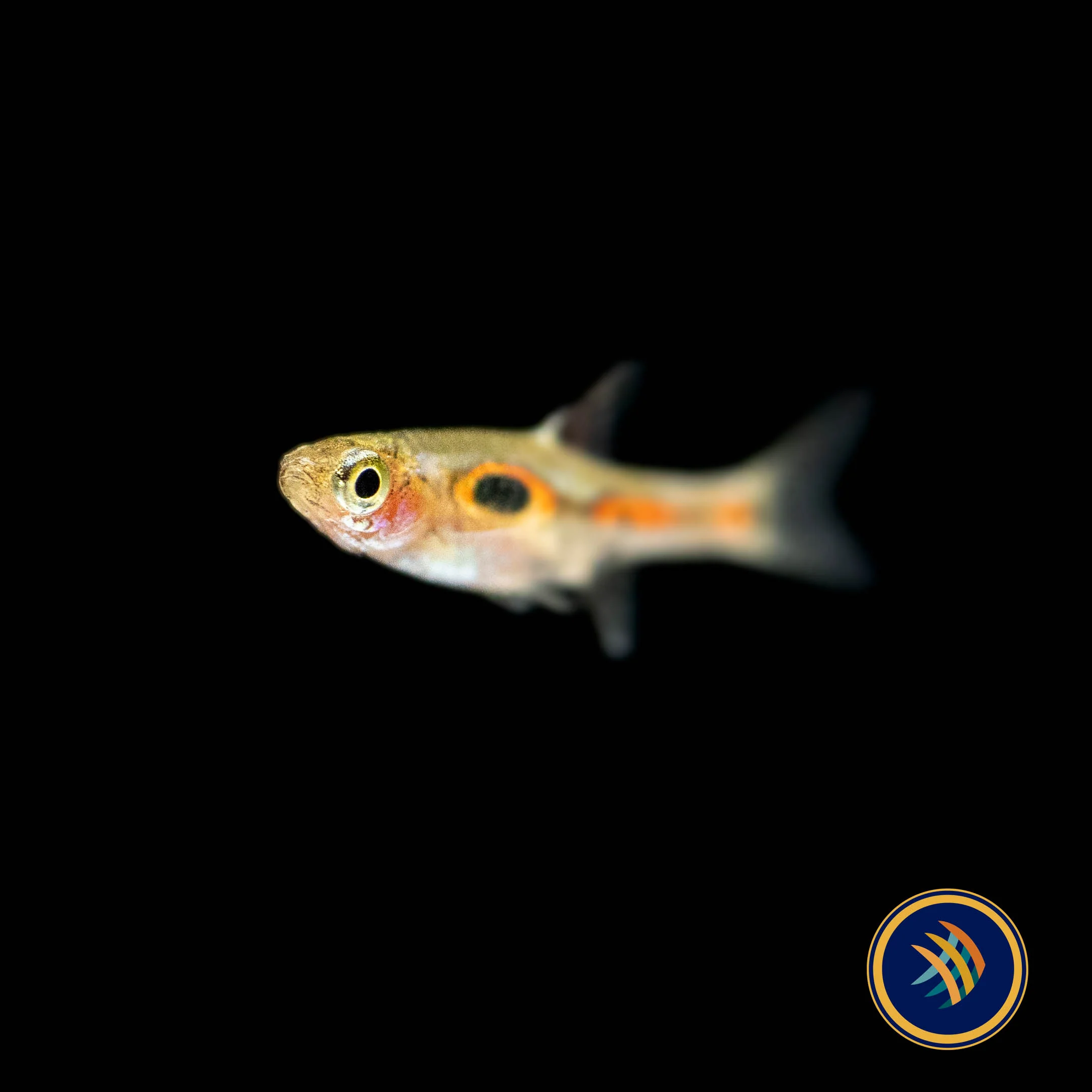
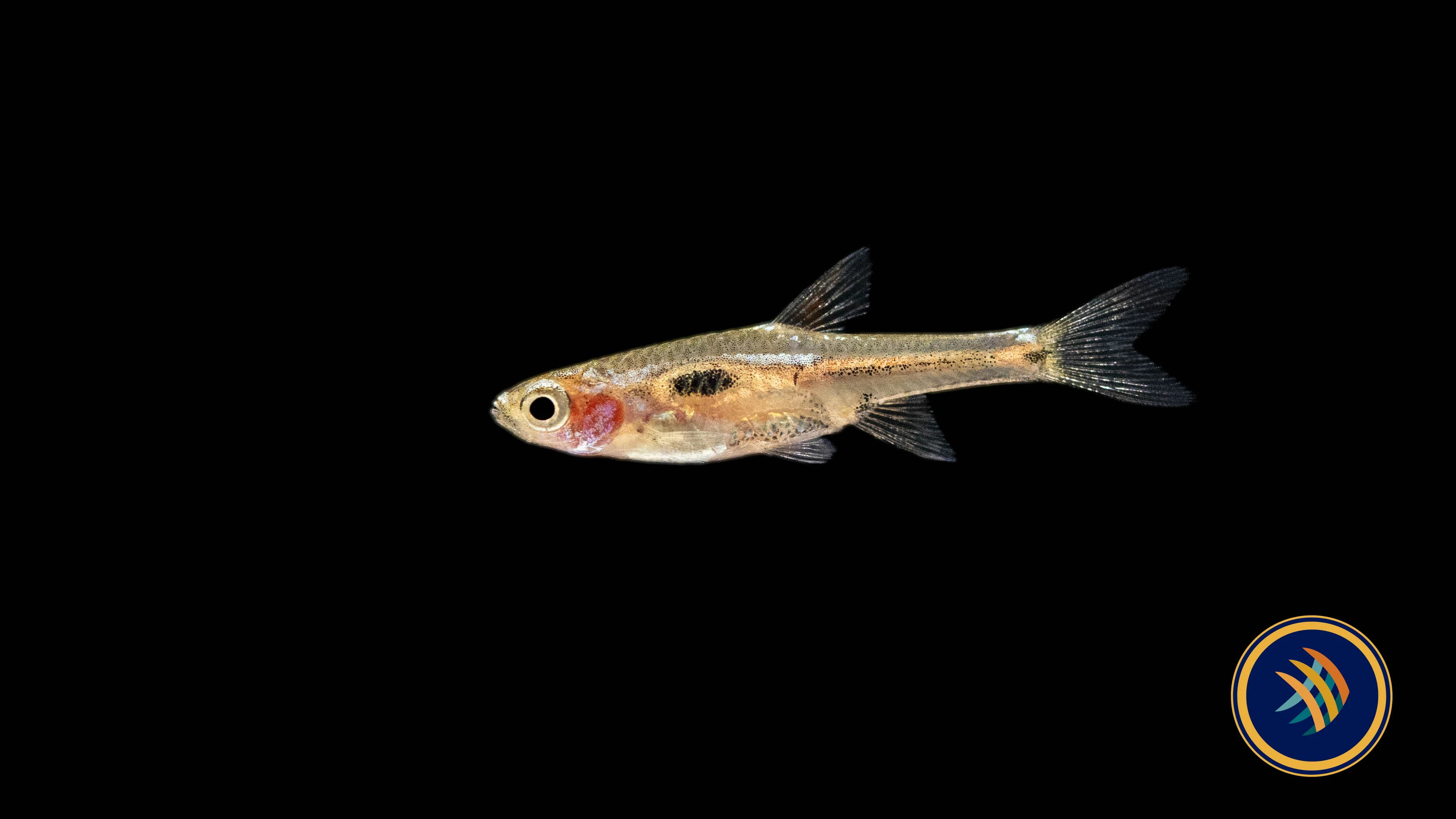
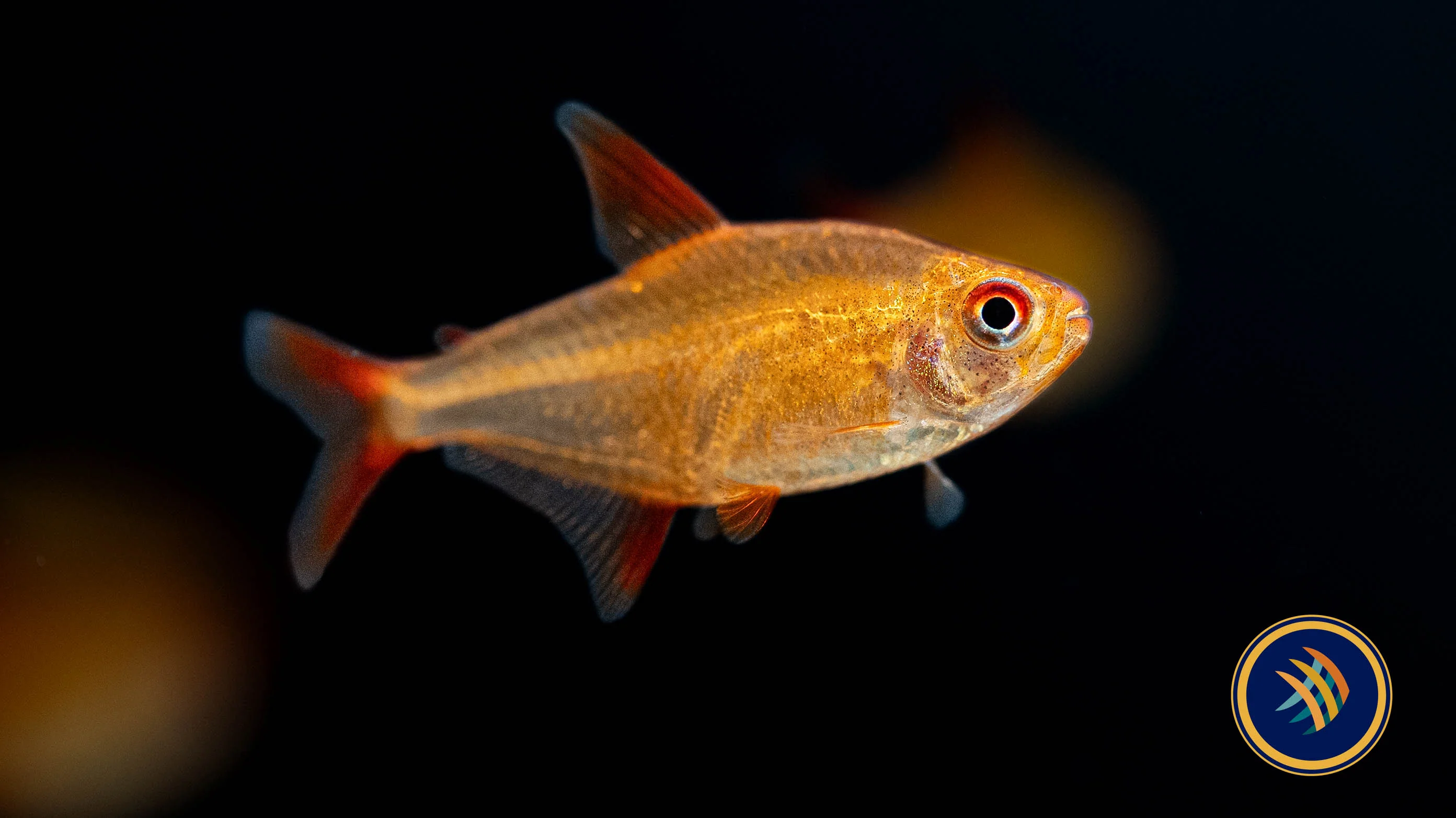
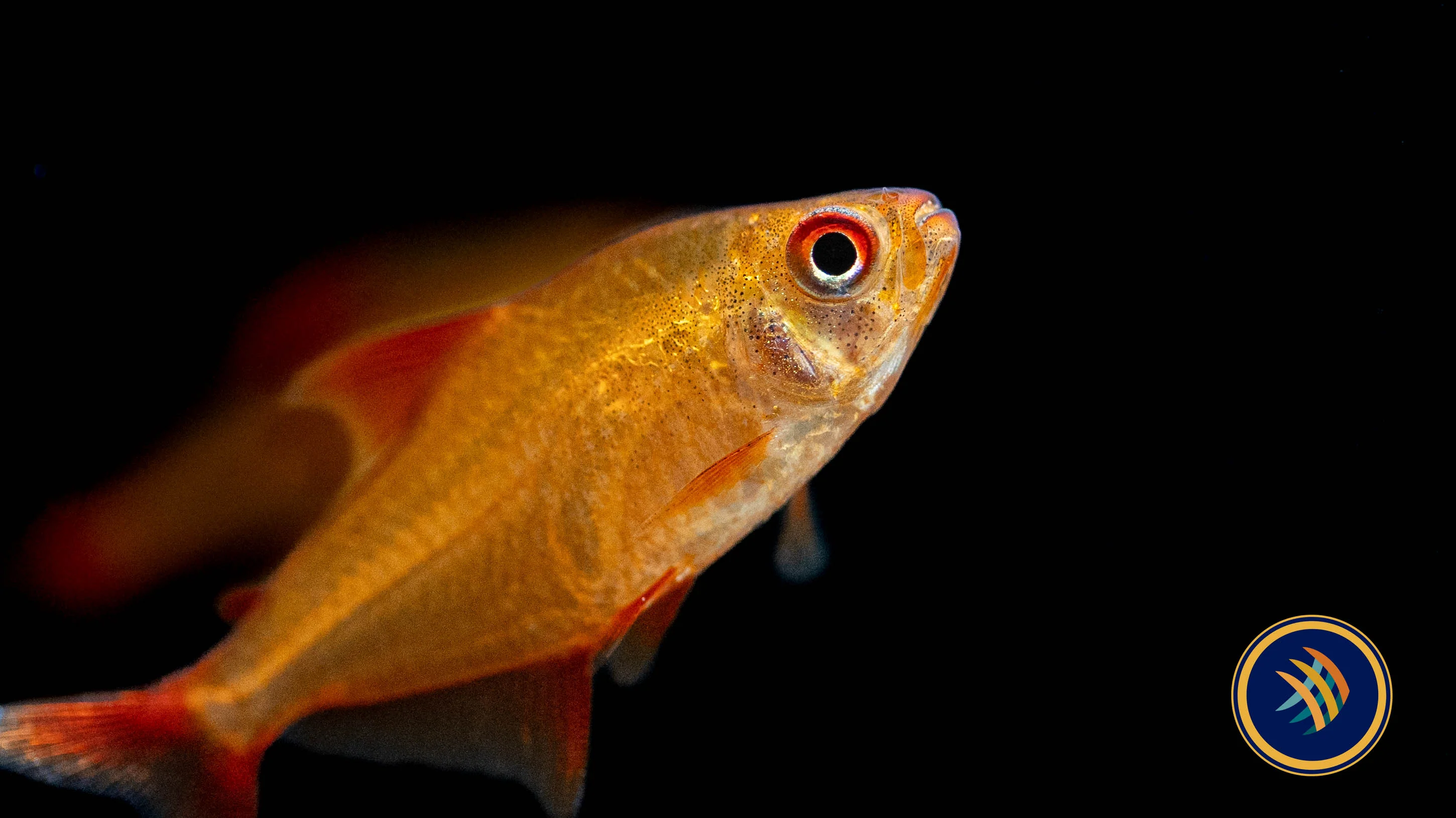
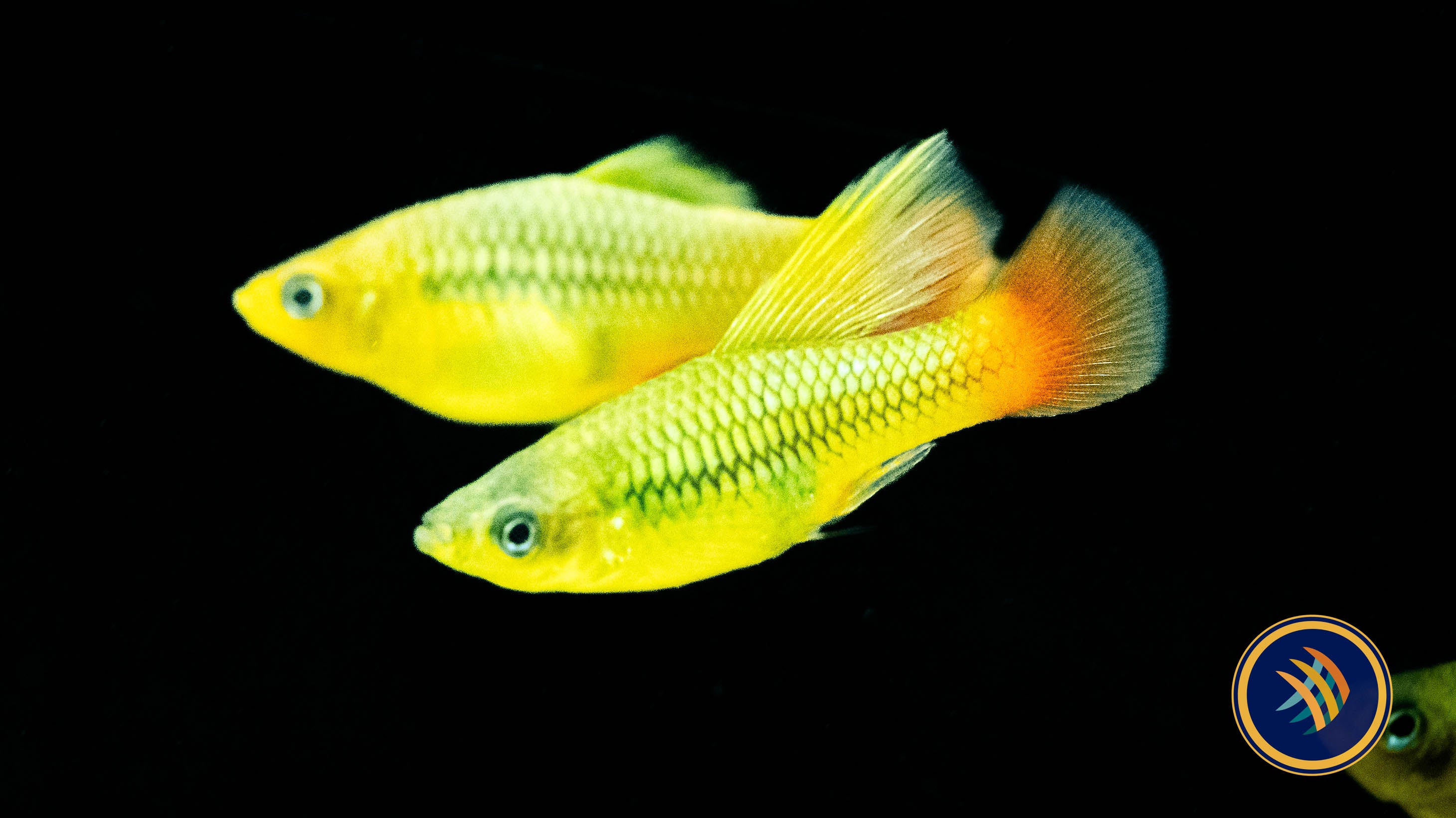
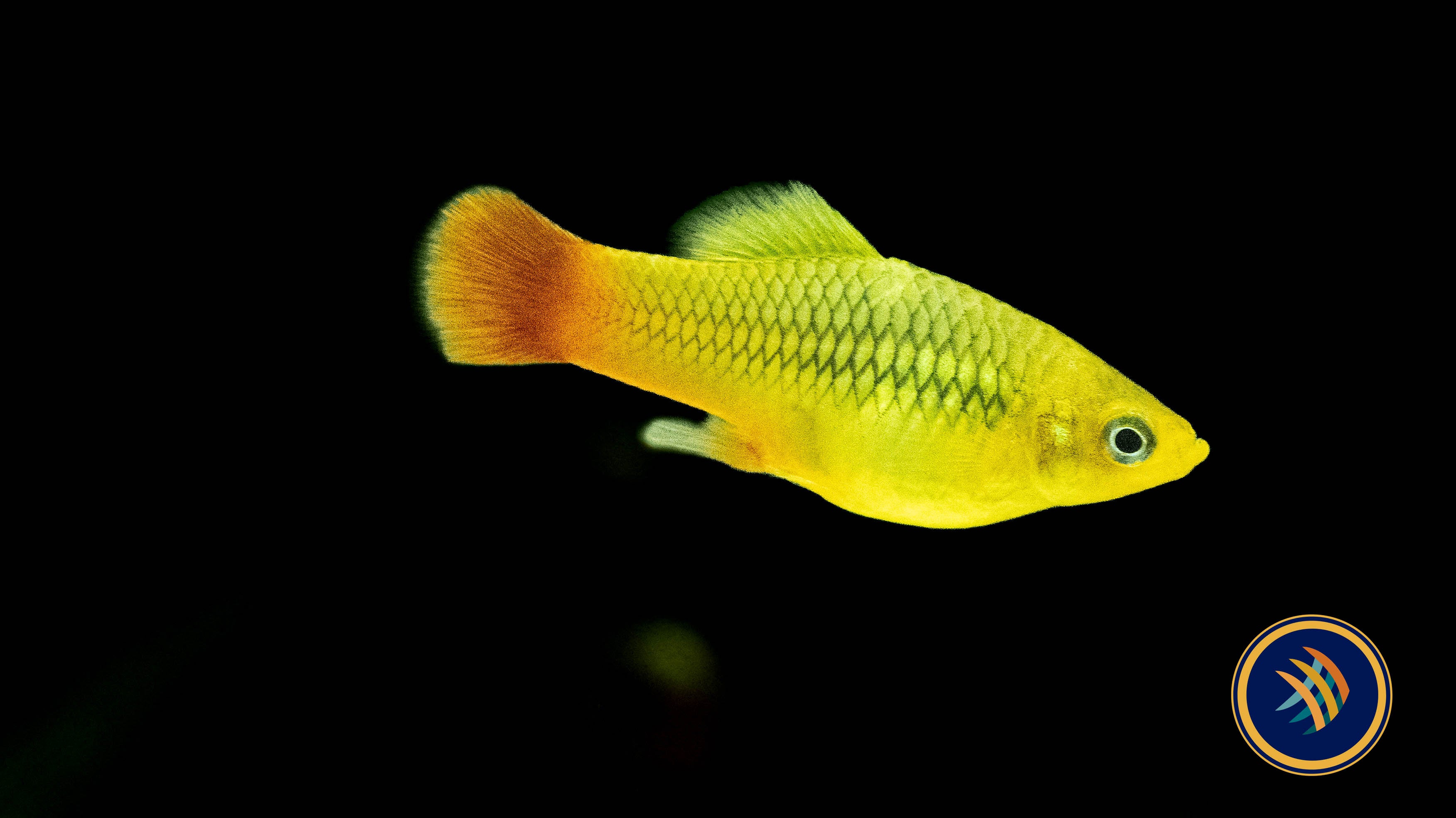
Kali Tawa Rainbowfish is a rare, undescribed species of rainbowfish highly prized in the aquarium hobby for its refined body shape and striking red tail contrasted against shimmering blue‑silver flanks.
Taxonomy & Status
- Genus: Melanotaenia
- Species: Undescribed (referred to by collection locality)
- Common name: Kali Tawa Rainbowfish
Natural Origin
- Location: Papua (West Papua, Indonesia / New Guinea region)
- Habitat: Clear, slow‑moving forest streams and tributaries (“kali” means stream), especially areas with submerged roots and bank‑side debris
- Distribution: Extremely localized, contributing to its rarity in the wild
Appearance
- Adult size: ~6–7 cm (2.5–3 inches)
-
Coloration:
- Males develop vivid red tail fins
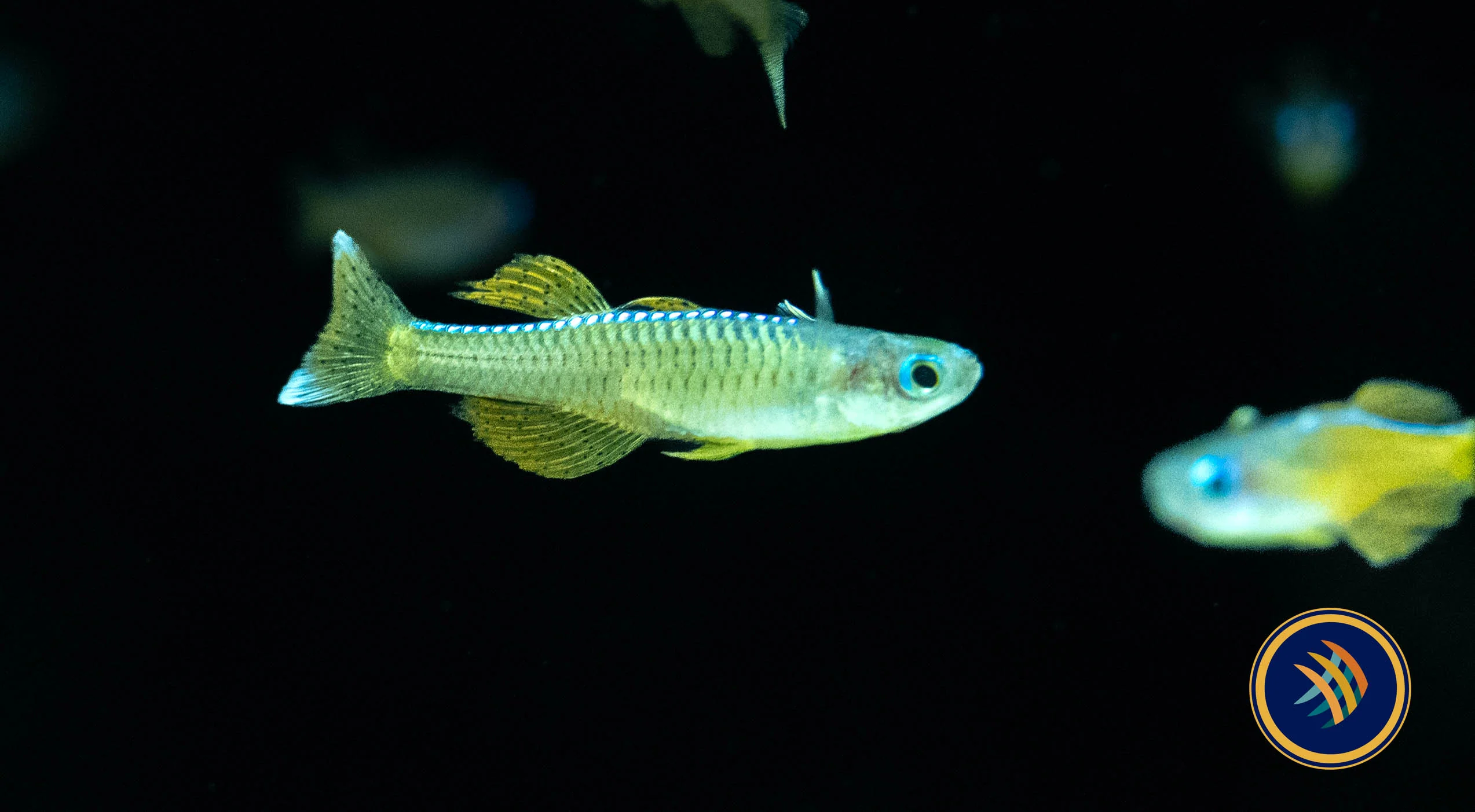
- Iridescent blue, silver, and subtle gold body tones
- Color intensifies with maturity, diet, and group dynamics
-
Sexual dimorphism:
- Males larger, deeper‑bodied, and more colorful
- Females slimmer and paler
Aquarium Care Guide
Care level: Easy to moderate (excellent for rainbowfish keepers)
Tank Requirements
- Minimum tank size: 30 gallons (larger preferred for schools)
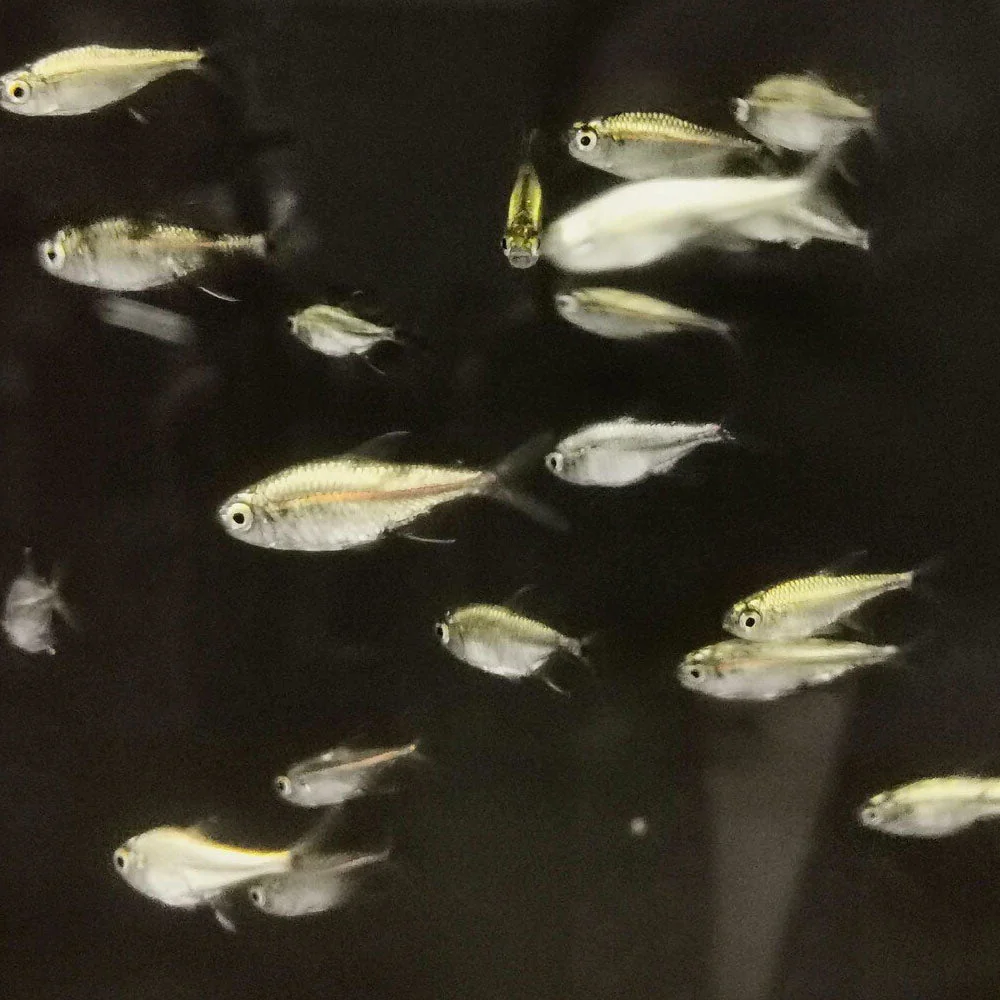
- Best kept in: Groups of 6+ to reduce stress and improve color
-
Aquascape:
- Open swimming space in the center
- Plants, wood, or root‑like décor along sides and back
- Floating plants helpful to diffuse strong lighting
Water Parameters
- Temperature: 22–26 °C (72–79 °F)
- pH: 6.5–8.0
- Hardness: Soft to moderately hard
- Water quality: Clean, well‑oxygenated, with gentle current
Diet
- Type: Omnivore
-
Foods accepted:
- High‑quality flakes or micro‑pellets
- Frozen foods (daphnia, brine shrimp, mosquito larvae)
- Live foods boost coloration and conditioning
Behavior & Compatibility
- Peaceful, active mid‑water swimmer
- Excellent community fish with similarly sized, non‑aggressive species
- Does not damage plants
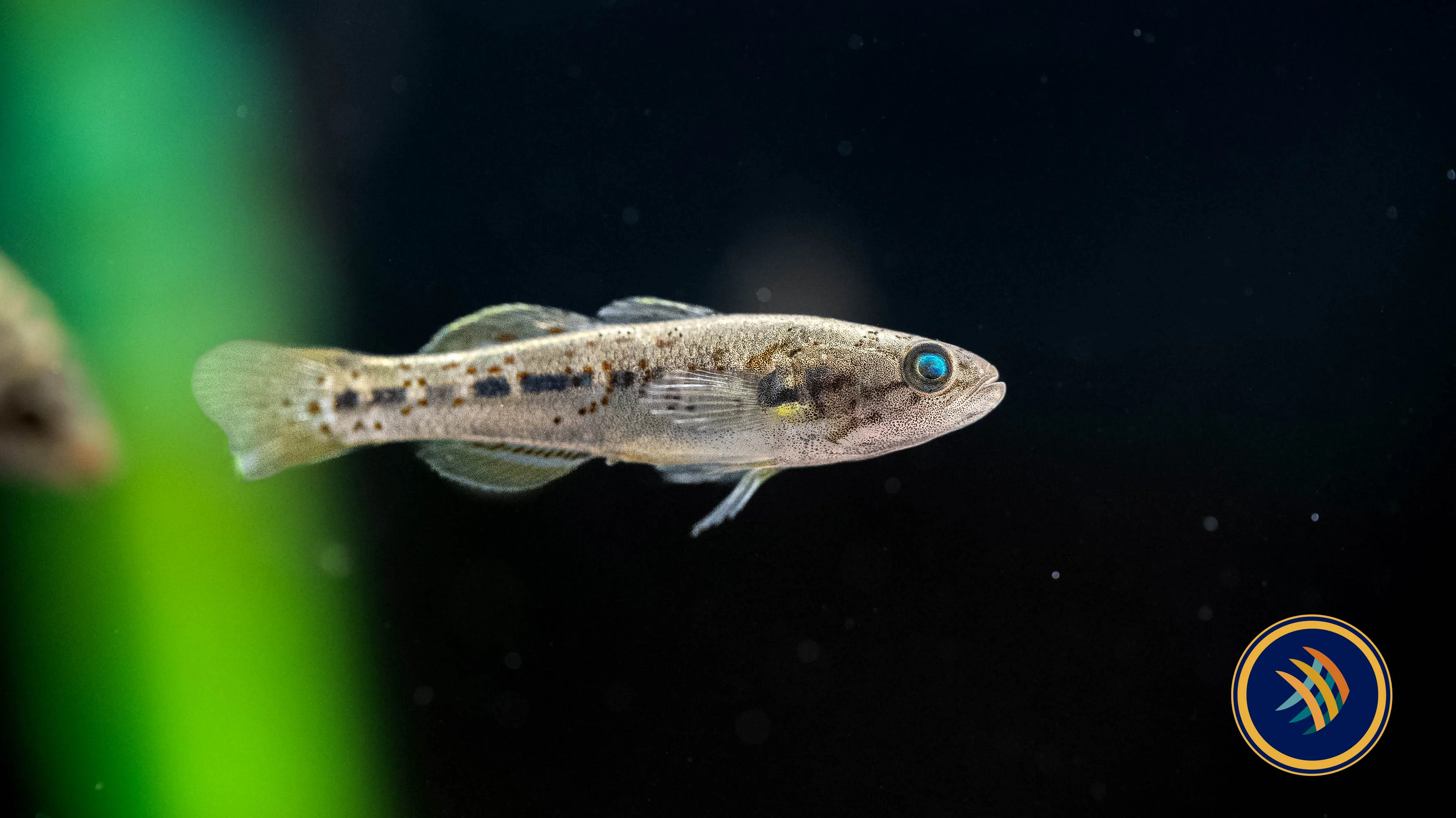
- Juveniles are often understated—patience is rewarded as they mature
Breeding Notes (Advanced)
- Spawning type: Continuous egg scatterer
-
Method:
- Use spawning mops or fine‑leaved plants
- Eggs laid over days or weeks
- Adults may eat eggs unless well fed or separated
- Fry are tiny and require very fine initial foods
Why It’s Special
- Considered a “holy grail” rainbowfish among enthusiasts
- Rare in nature, but increasingly available tank‑bred, helping protect wild populations
- Subtle beauty that evolves dramatically over time