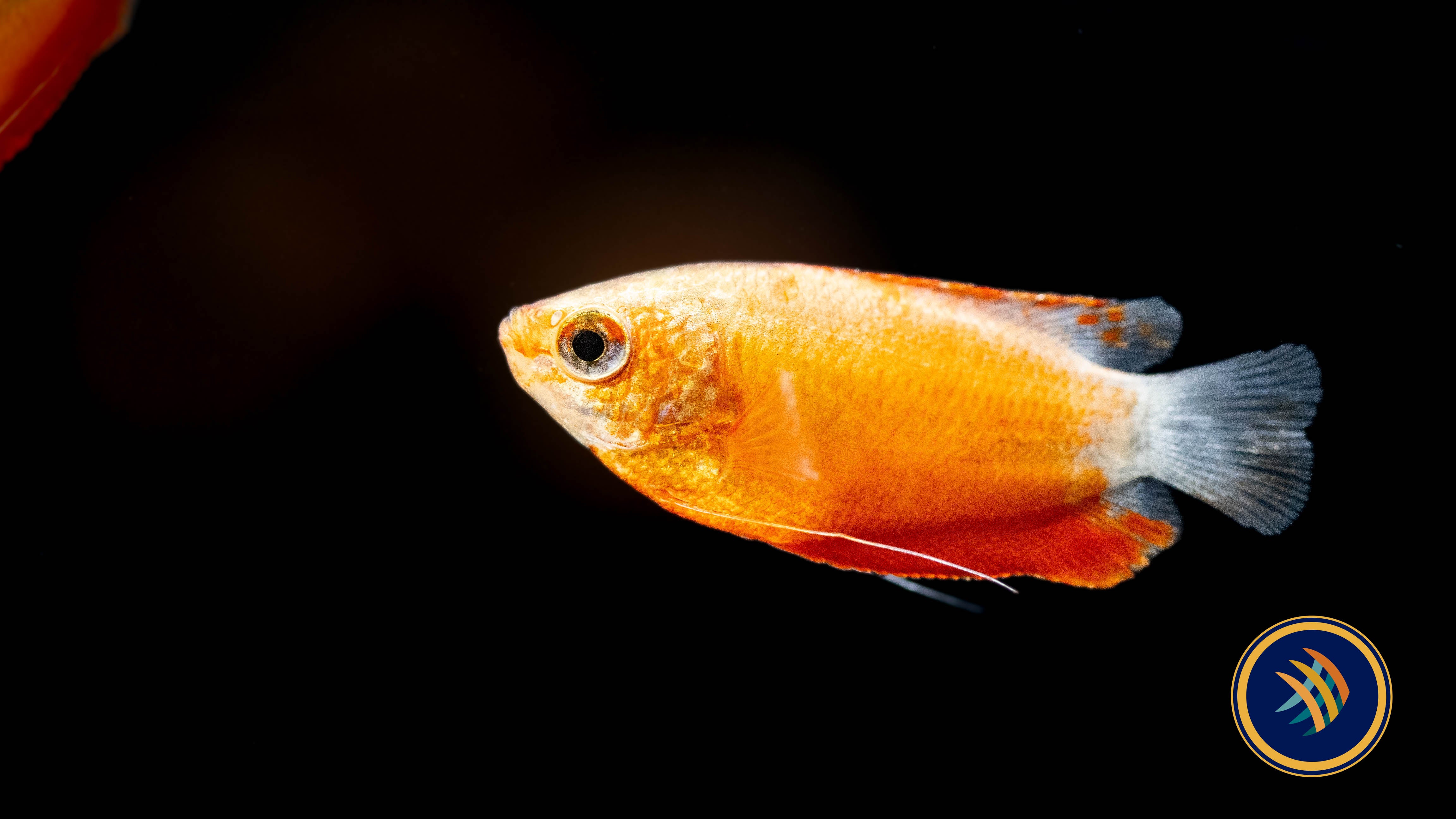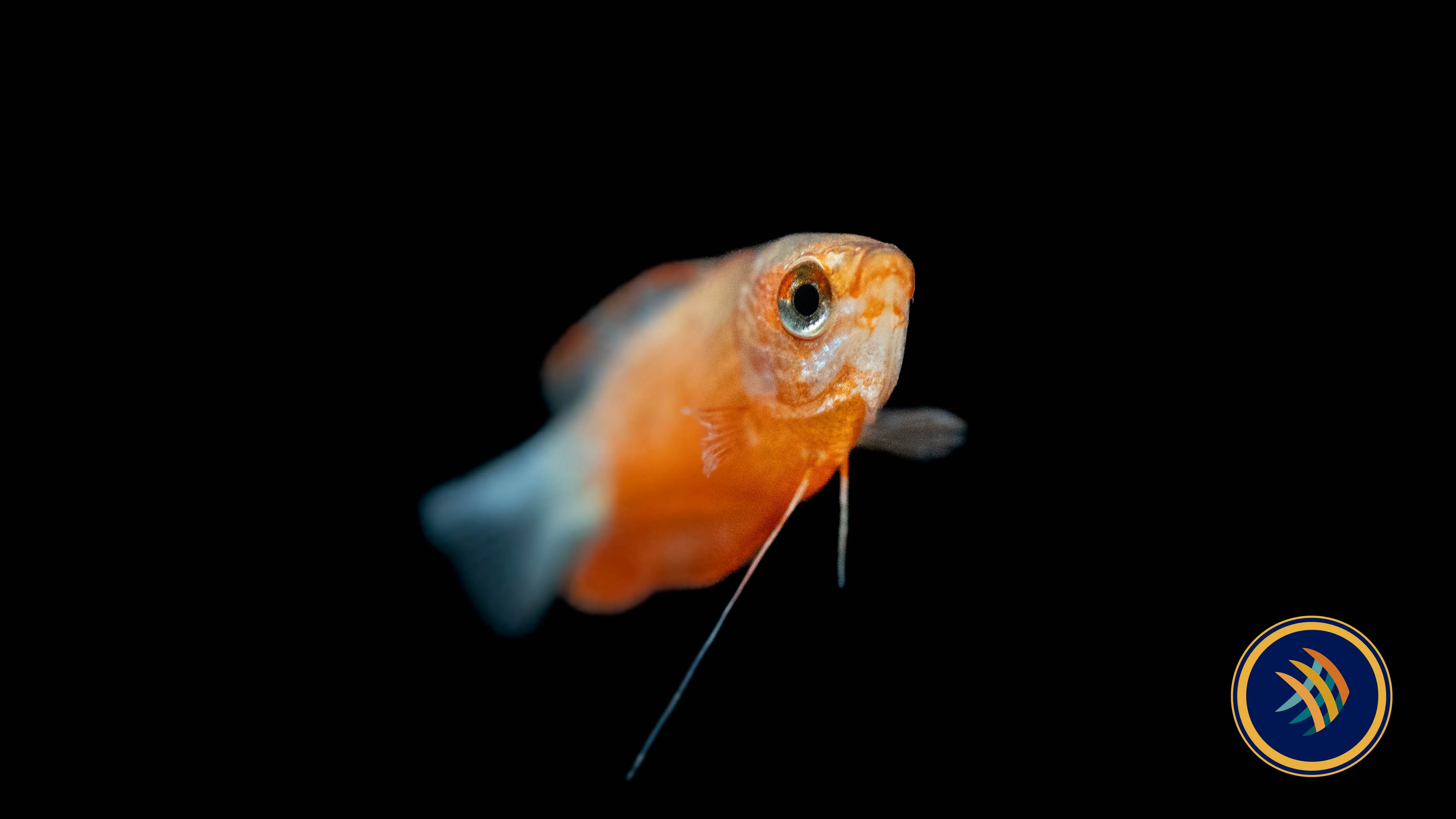
Liquorice Gourami (Parosphromenus phoenicurus)
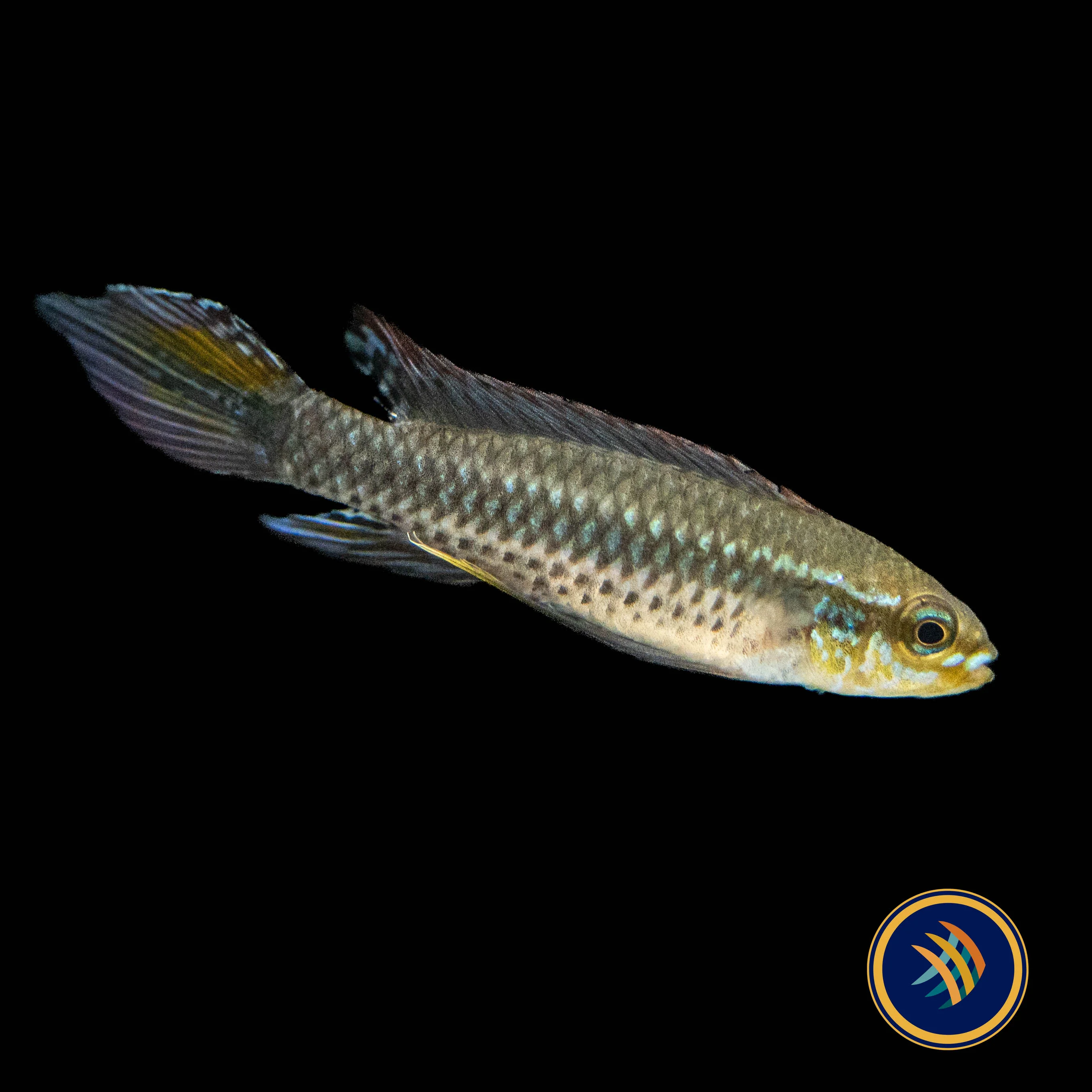
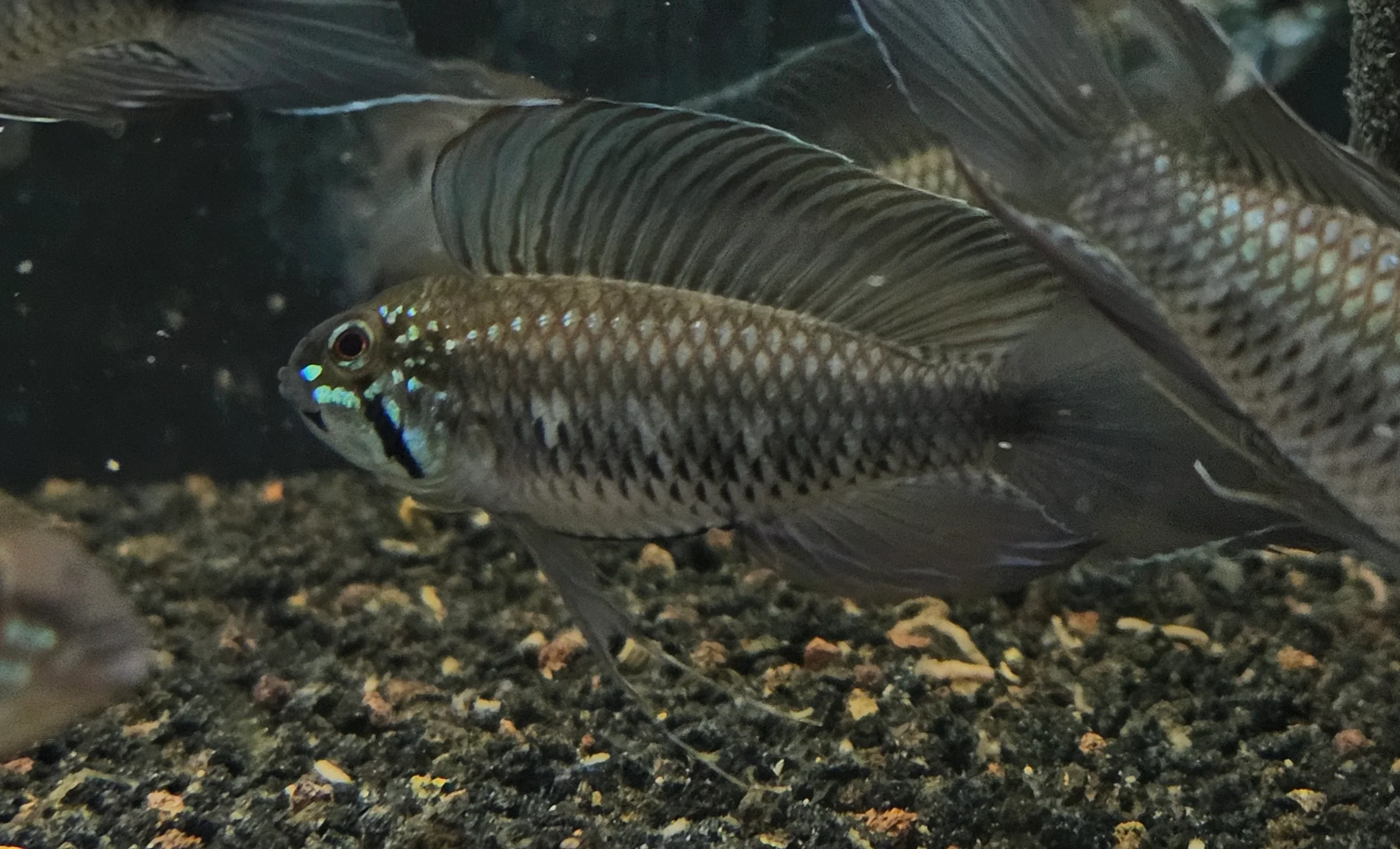
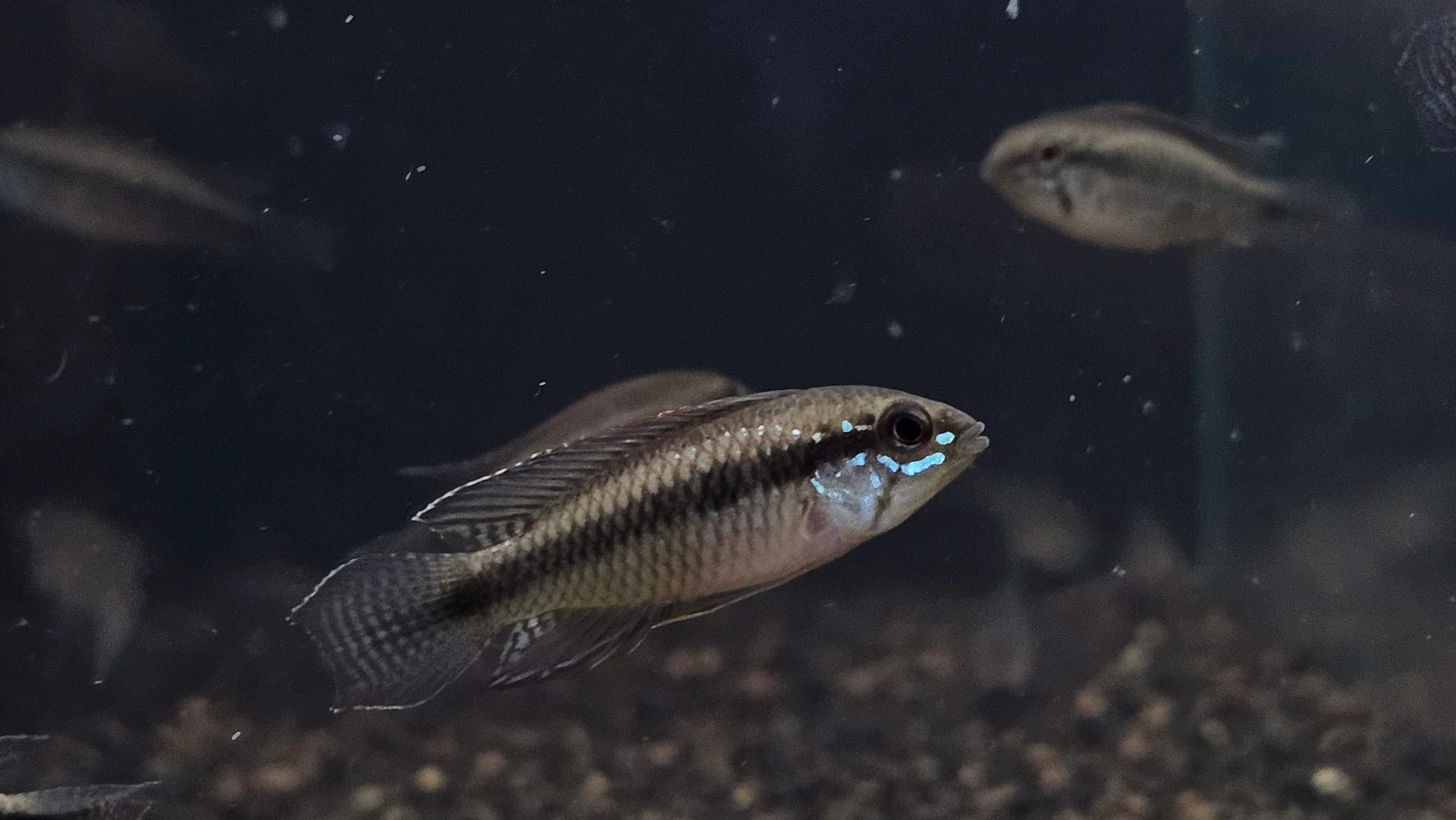
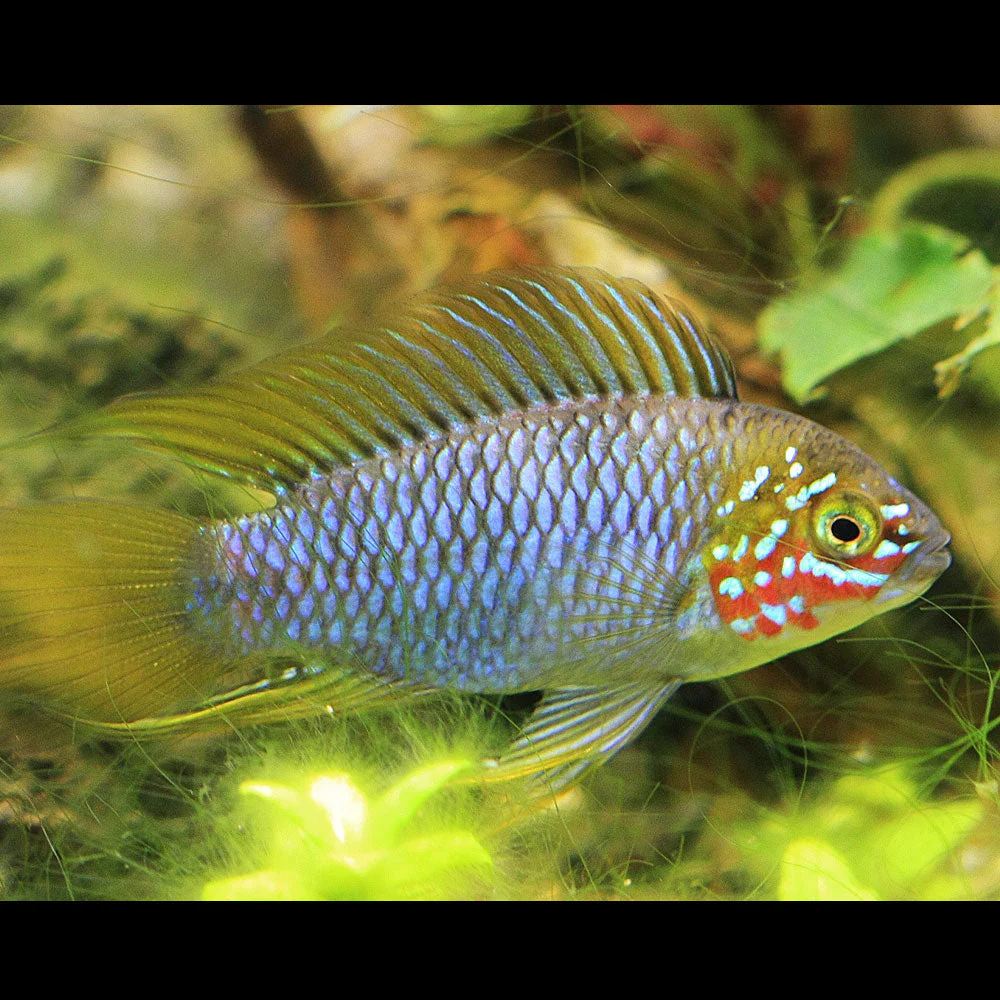
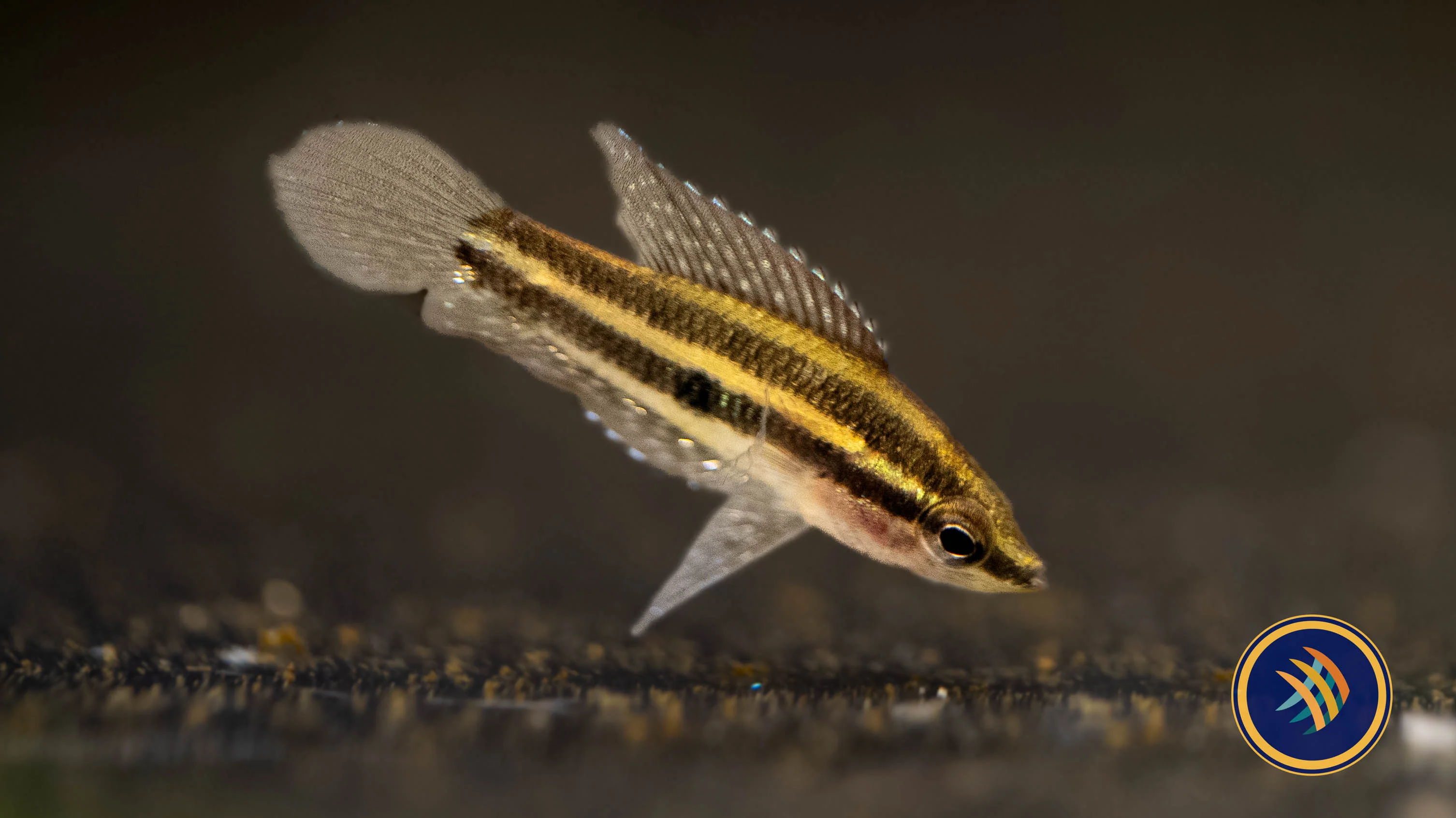
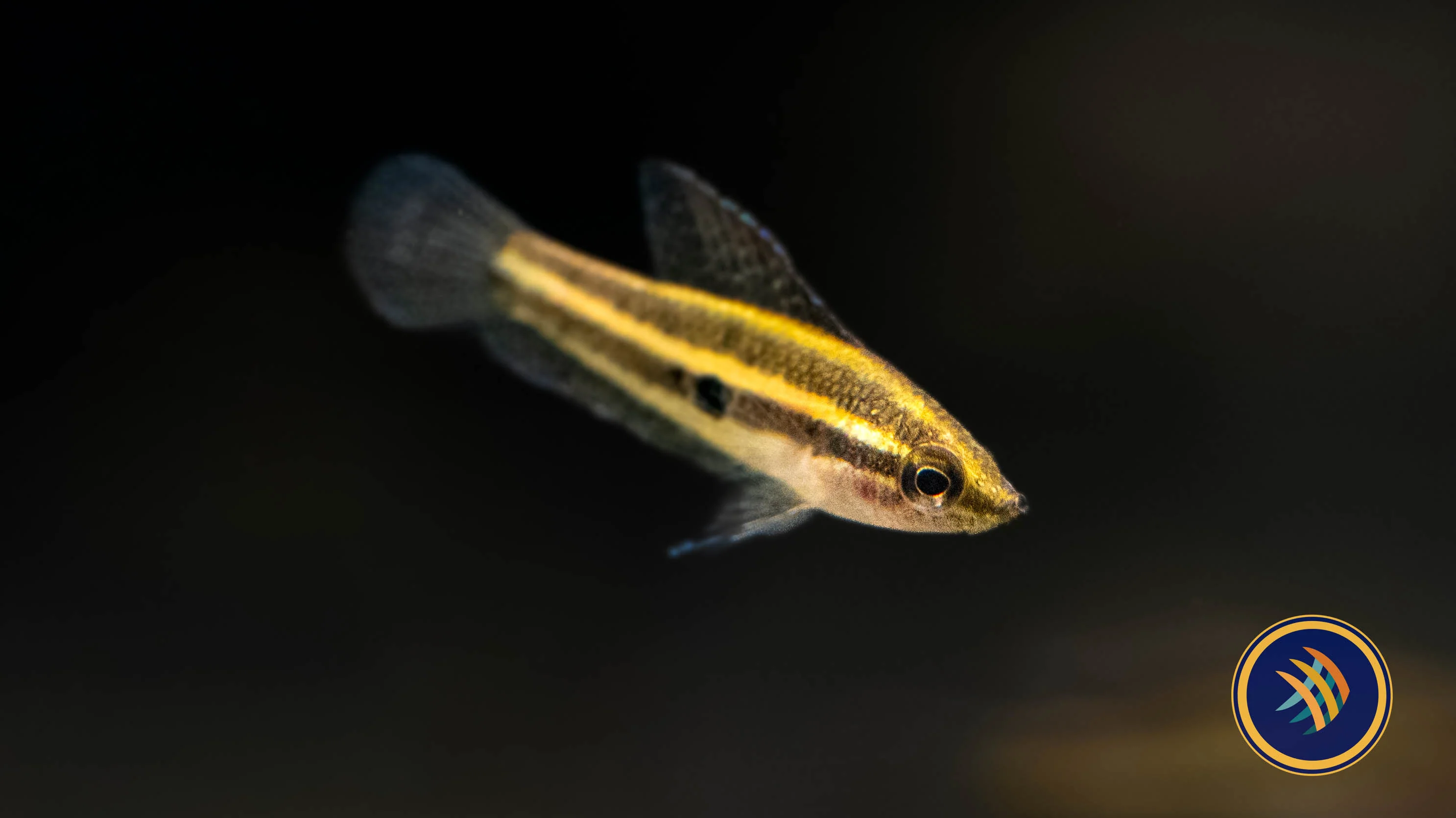
Parosphromenus phoenicurus, a species of licorice gourami. These fish are native to the freshwater peat swamps of Southeast Asia. They are known for their vibrant colors, especially the males during breeding season, which display striking hues of red, blue, and green.
Licorice gouramis, including Parosphromenus phoenicurus, require very specific conditions to thrive in captivity. They prefer soft, acidic water and a diet of live foods.
Origin: Borneo (Kalimantan)
Family: Osphronemidae
Adult Size: 2.5–3 cm
Temperament: Peaceful, timid
Difficulty: Advanced
Tank Level: Mid–bottom
Lifespan: ~3–5 years with ideal care
Overview
The Liquorice Gourami, Parosphromenus phoenicurus, is one of the rarest and most sought-after blackwater gouramis. Known for its striking iridescent colours and vibrant red/orange tail, this species is prized by advanced hobbyists who appreciate natural behaviours, soft-water requirements, and species-only setups.
Appearance
- Males display bright iridescent blue/green striping
- Distinct flame-red caudal fin (name “phoenicurus” means fire-tail)
- Females are smaller, rounder, and more subdued in colour
- Colour intensifies significantly during courtship
Behaviour
- Extremely peaceful but shy
- Best kept in a species-only aquarium or with equally delicate microfish
- Males display beautiful courtship dances
- Bubble‑nest / cave‑spawning tendencies typical of Parosphromenus
Tank Requirements
| Requirement | Ideal |
|---|---|
| Tank Size | 10–20 gallons for a group |
| Water Type | Soft, acidic blackwater |
| pH | 4.0–6.0 |
| GH | 0–2 dGH |
| KH | Extremely low |
| Temperature | 24–27°C (75–81°F) |
| Flow | Very gentle |
| Lighting | Dimmed |
Aquascaping
- Lots of leaf litter (catappa, beech, oak)
- Peat, botanicals, and tannins
- Fine roots, caves, and shaded areas
- Dark substrate enhances comfort and colour
Diet
Recommended Foods
- Live baby brine shrimp
- Microworms
- Grindal worms
- Daphnia
- Blackworms (small pieces)
- High-quality frozen cyclops or rotifers
Tankmates
Choose very carefully ,they can be easily stressed.
Good options:
- None (species-only is best)
- Very small, calm blackwater fish such as Boraras species (only if tank is large enough)
Avoid:
- Any boisterous or fast-feeding fish
- Shrimp that may outcompete for food
- Larger gouramis or bettas
Breeding
Breeding this species is possible but considered advanced.
Key points:
- Provide small caves (film canisters, mini coconut caves, leaf pockets)
- Male guards eggs
- Keep pH low (4–5.5)
- Use extremely soft water
- Fry take infusoria, then baby brine shrimp
Paros are highly sensitive to water quality; stability is essential.
Original: $14.61
-65%$14.61
$5.11Product Information
Product Information
Shipping & Returns
Shipping & Returns
Description
Parosphromenus phoenicurus, a species of licorice gourami. These fish are native to the freshwater peat swamps of Southeast Asia. They are known for their vibrant colors, especially the males during breeding season, which display striking hues of red, blue, and green.
Licorice gouramis, including Parosphromenus phoenicurus, require very specific conditions to thrive in captivity. They prefer soft, acidic water and a diet of live foods.
Origin: Borneo (Kalimantan)
Family: Osphronemidae
Adult Size: 2.5–3 cm
Temperament: Peaceful, timid
Difficulty: Advanced
Tank Level: Mid–bottom
Lifespan: ~3–5 years with ideal care
Overview
The Liquorice Gourami, Parosphromenus phoenicurus, is one of the rarest and most sought-after blackwater gouramis. Known for its striking iridescent colours and vibrant red/orange tail, this species is prized by advanced hobbyists who appreciate natural behaviours, soft-water requirements, and species-only setups.
Appearance
- Males display bright iridescent blue/green striping
- Distinct flame-red caudal fin (name “phoenicurus” means fire-tail)
- Females are smaller, rounder, and more subdued in colour
- Colour intensifies significantly during courtship
Behaviour
- Extremely peaceful but shy
- Best kept in a species-only aquarium or with equally delicate microfish
- Males display beautiful courtship dances
- Bubble‑nest / cave‑spawning tendencies typical of Parosphromenus
Tank Requirements
| Requirement | Ideal |
|---|---|
| Tank Size | 10–20 gallons for a group |
| Water Type | Soft, acidic blackwater |
| pH | 4.0–6.0 |
| GH | 0–2 dGH |
| KH | Extremely low |
| Temperature | 24–27°C (75–81°F) |
| Flow | Very gentle |
| Lighting | Dimmed |
Aquascaping
- Lots of leaf litter (catappa, beech, oak)
- Peat, botanicals, and tannins
- Fine roots, caves, and shaded areas
- Dark substrate enhances comfort and colour
Diet
Recommended Foods
- Live baby brine shrimp
- Microworms
- Grindal worms
- Daphnia
- Blackworms (small pieces)
- High-quality frozen cyclops or rotifers
Tankmates
Choose very carefully ,they can be easily stressed.
Good options:
- None (species-only is best)
- Very small, calm blackwater fish such as Boraras species (only if tank is large enough)
Avoid:
- Any boisterous or fast-feeding fish
- Shrimp that may outcompete for food
- Larger gouramis or bettas
Breeding
Breeding this species is possible but considered advanced.
Key points:
- Provide small caves (film canisters, mini coconut caves, leaf pockets)
- Male guards eggs
- Keep pH low (4–5.5)
- Use extremely soft water
- Fry take infusoria, then baby brine shrimp
Paros are highly sensitive to water quality; stability is essential.