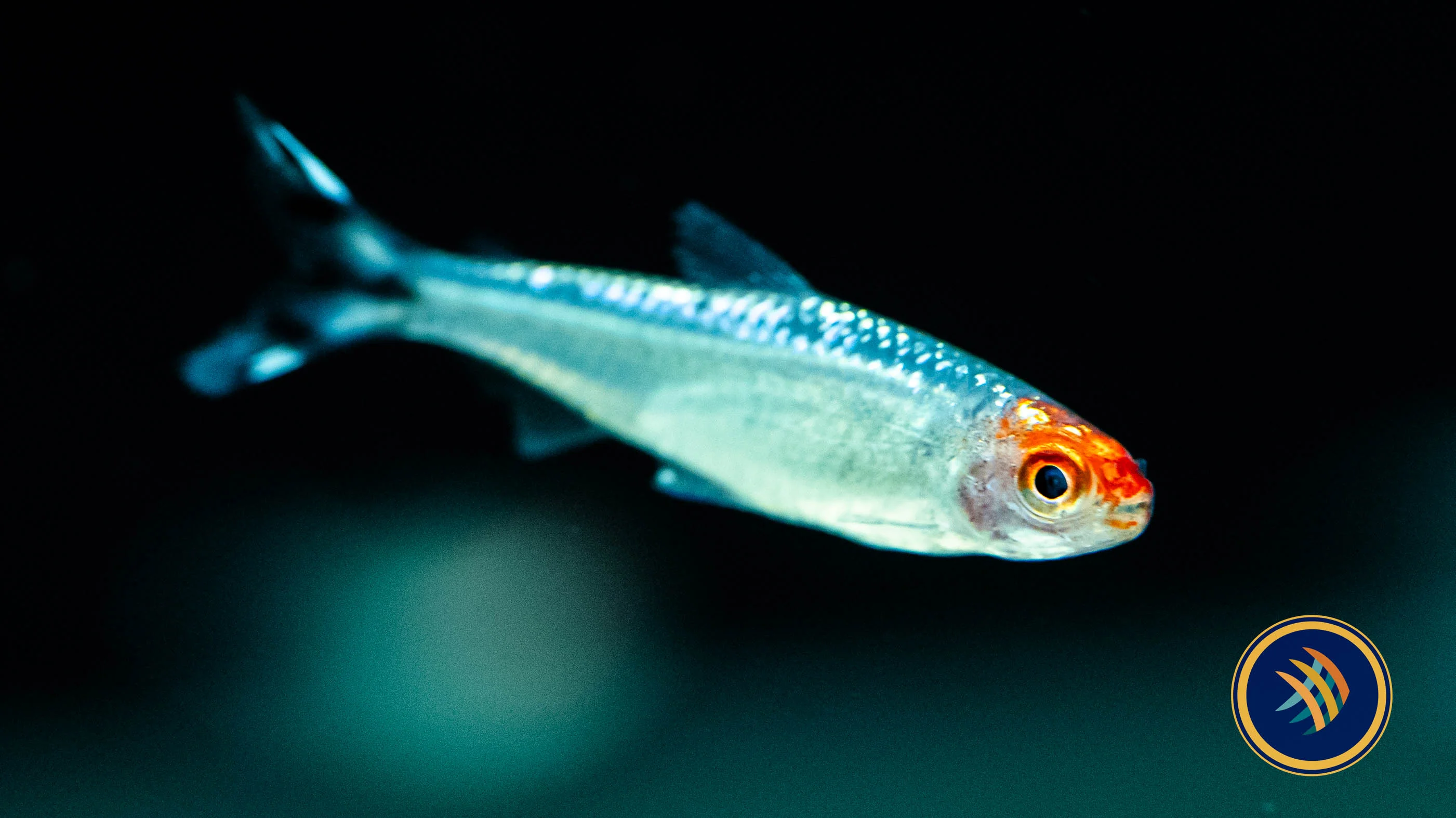
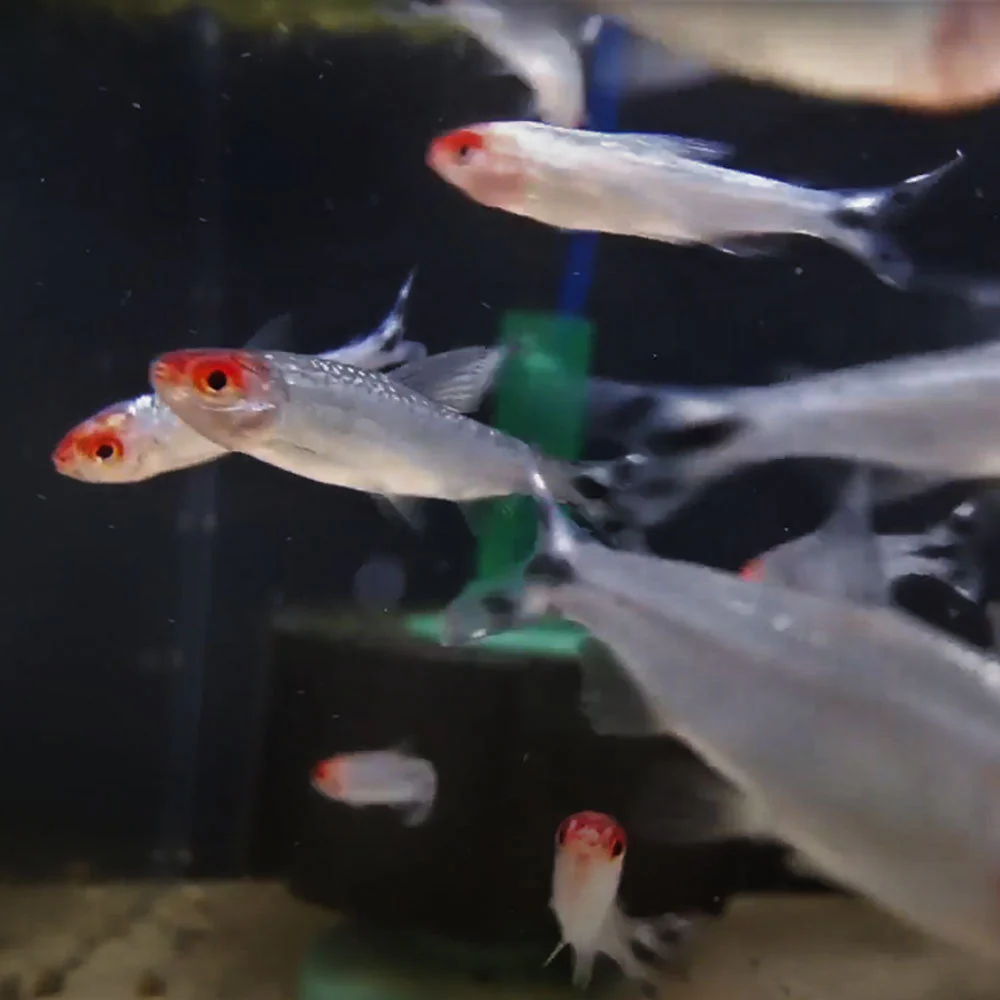
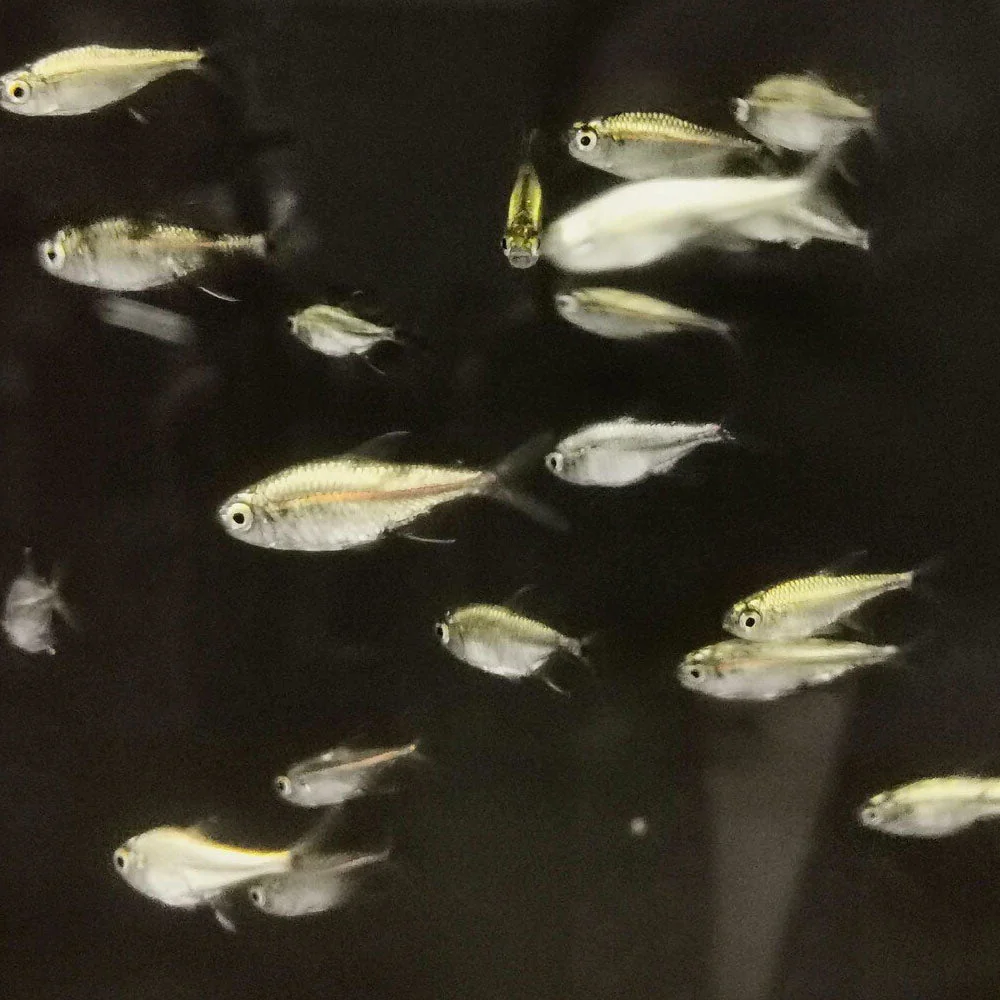
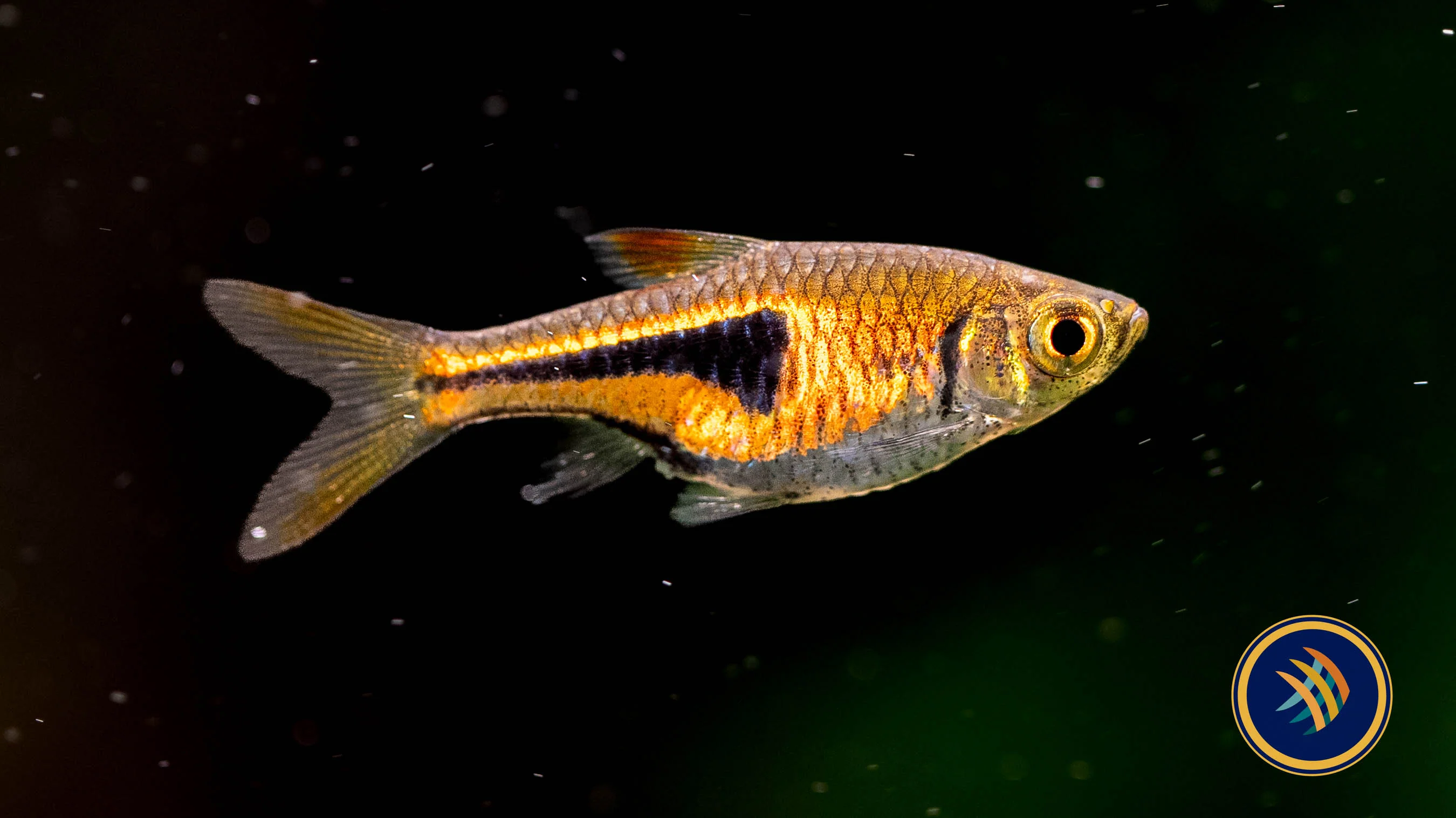
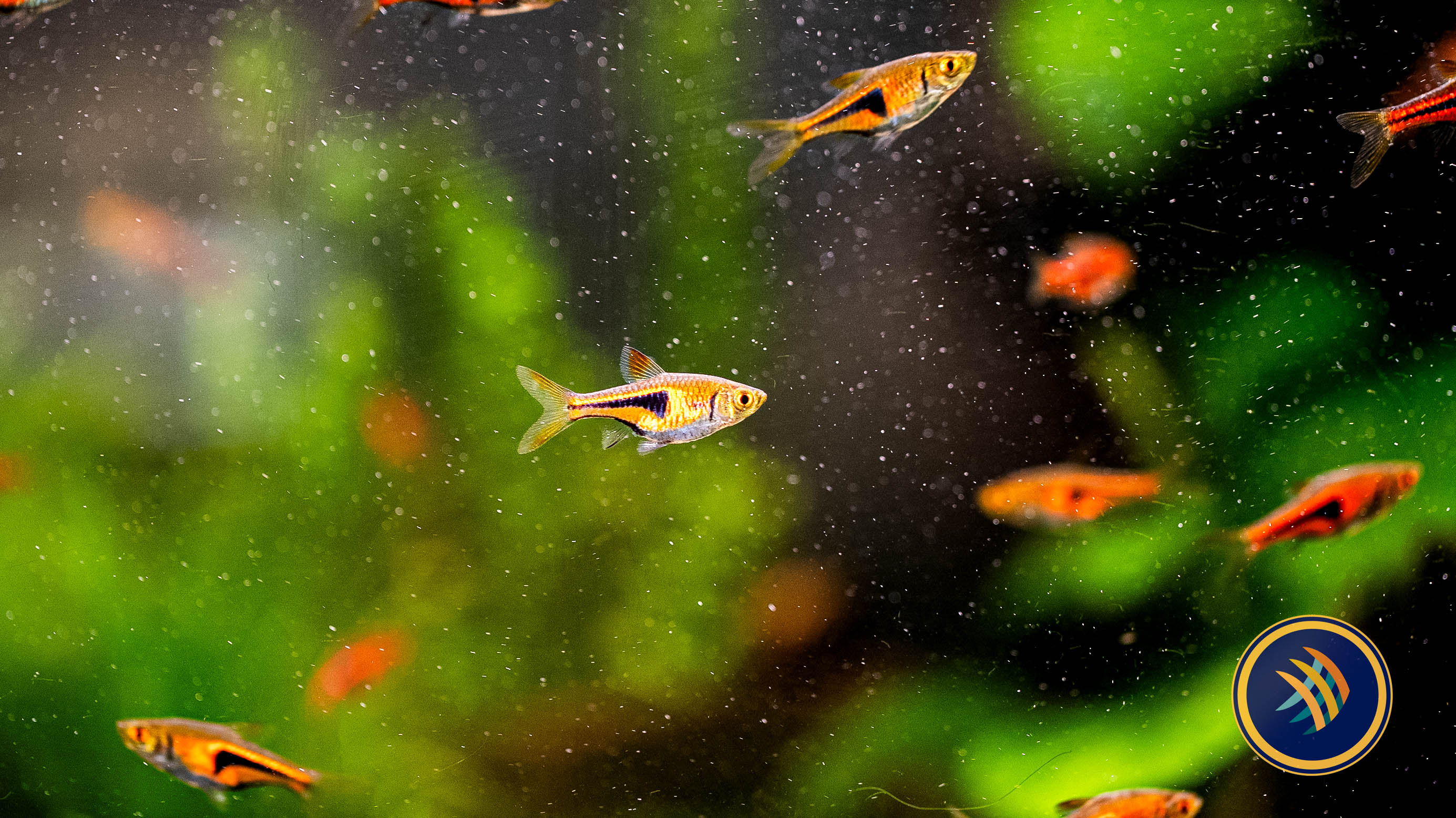
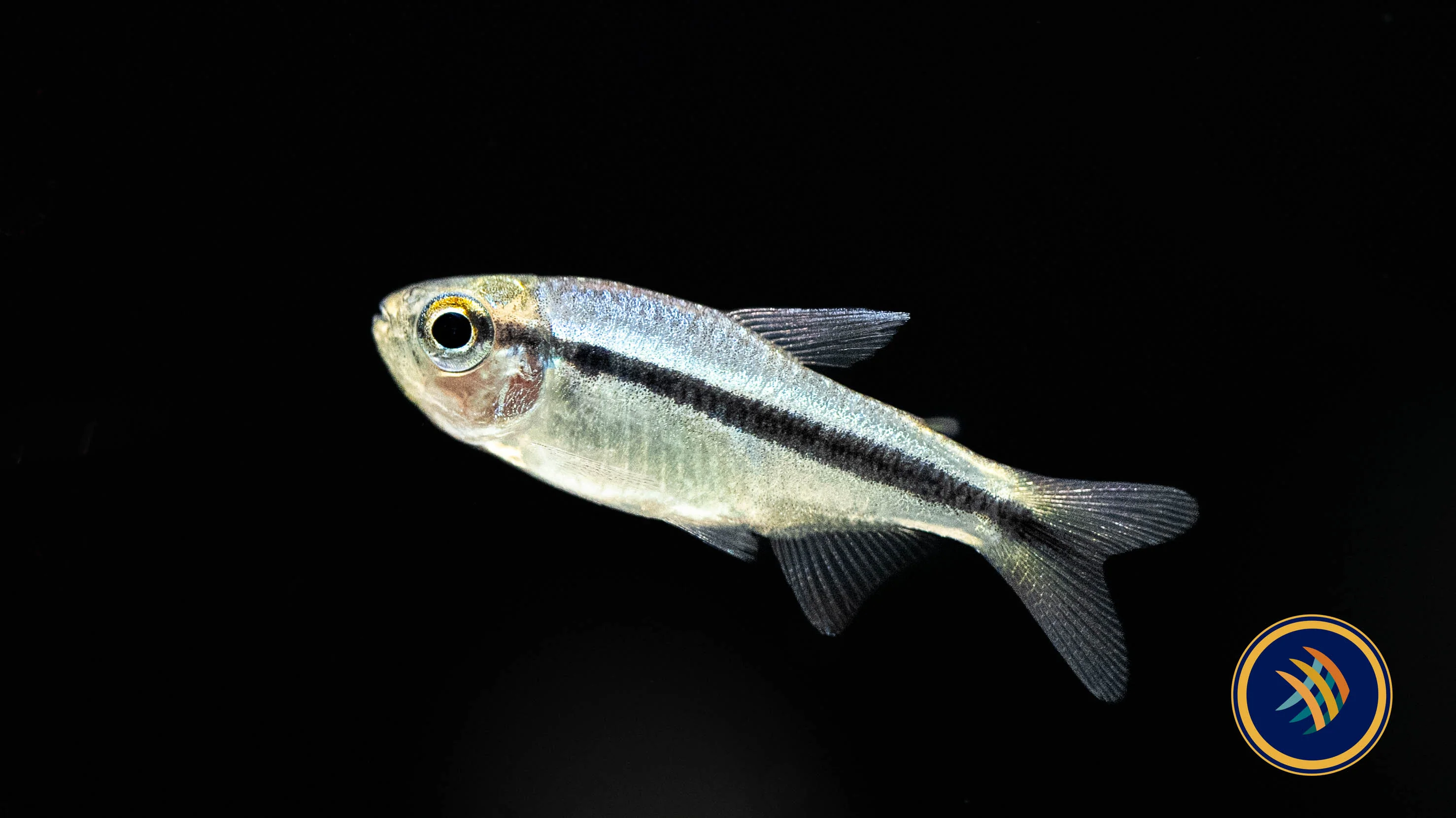
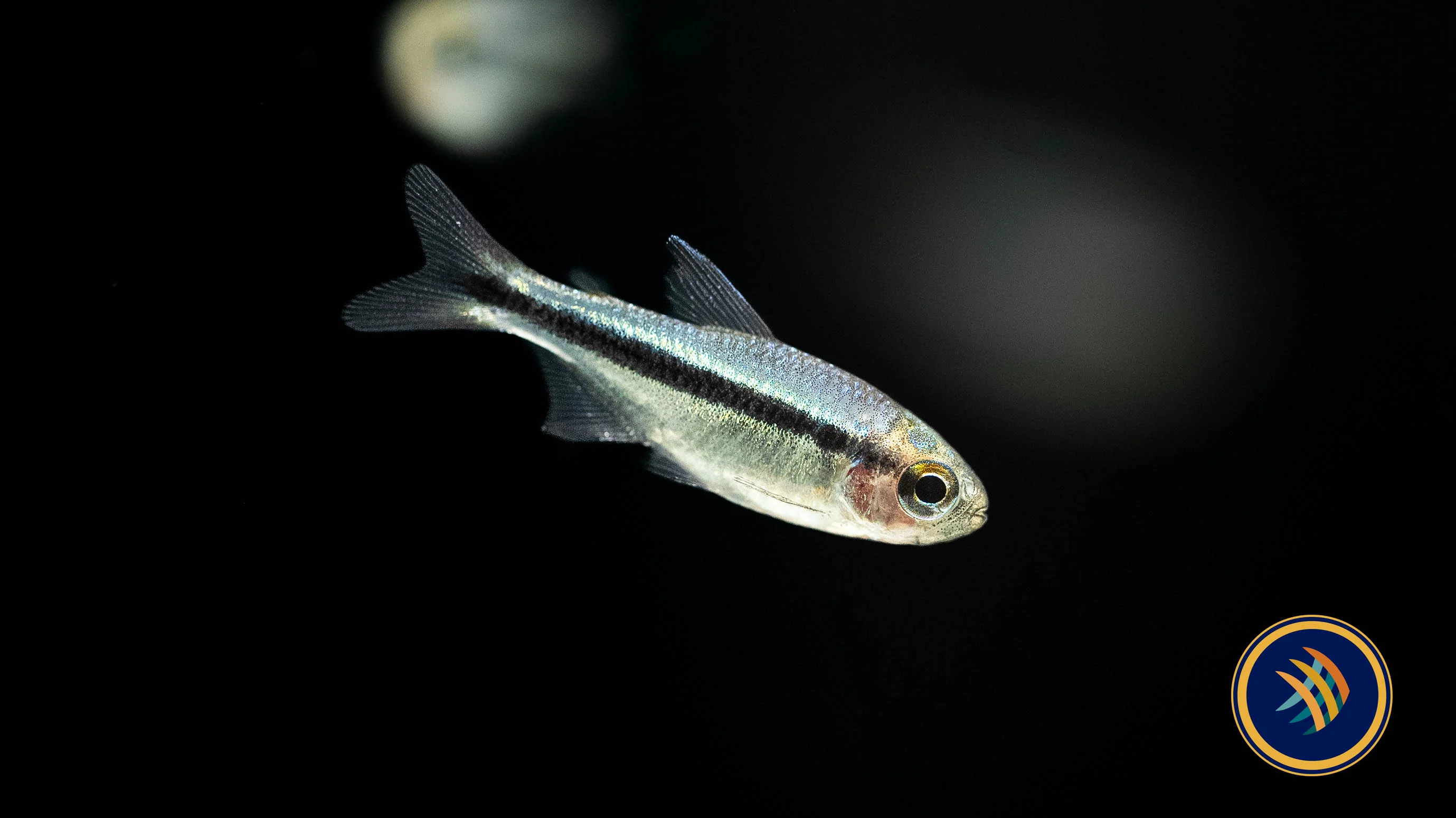
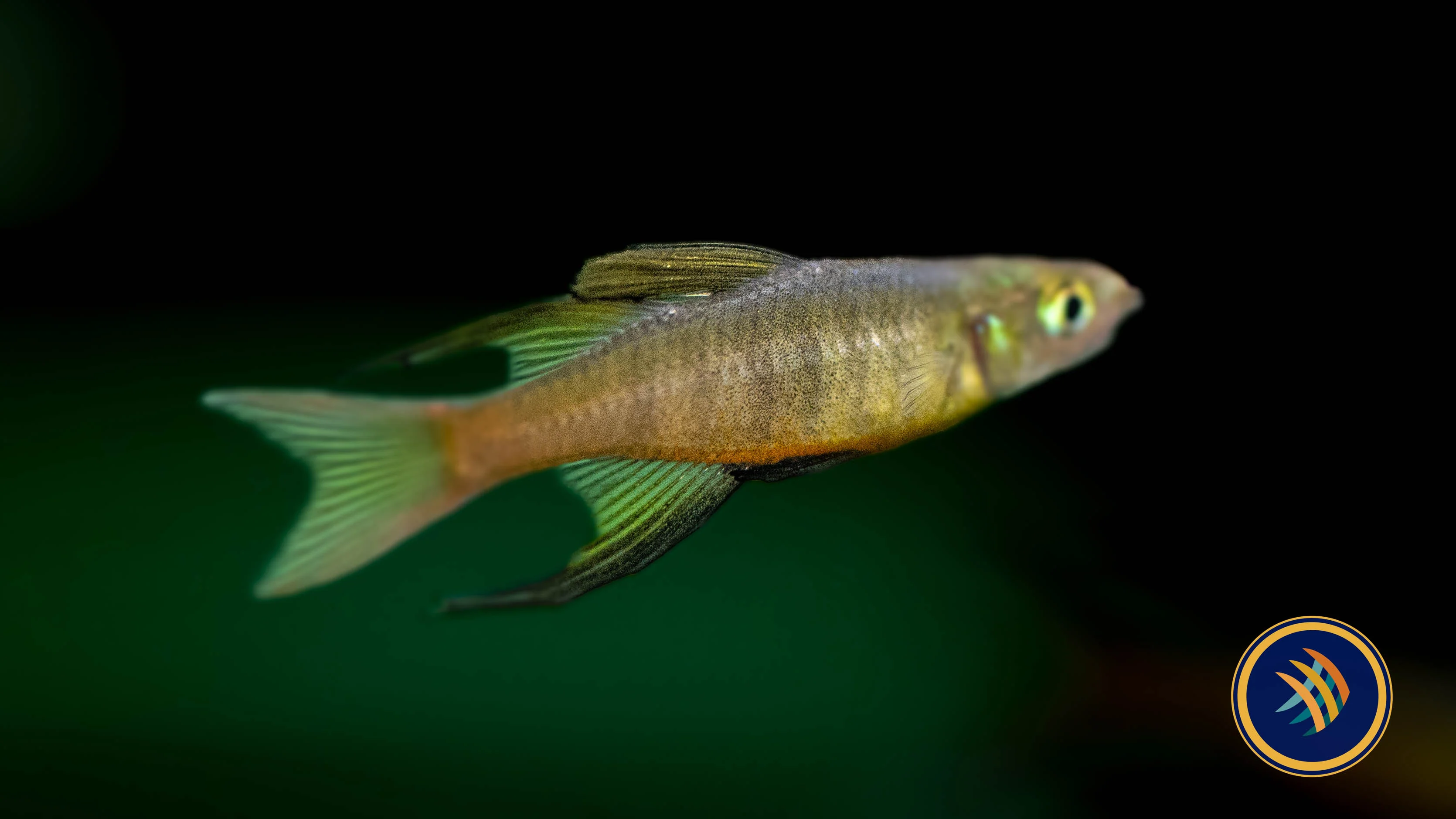
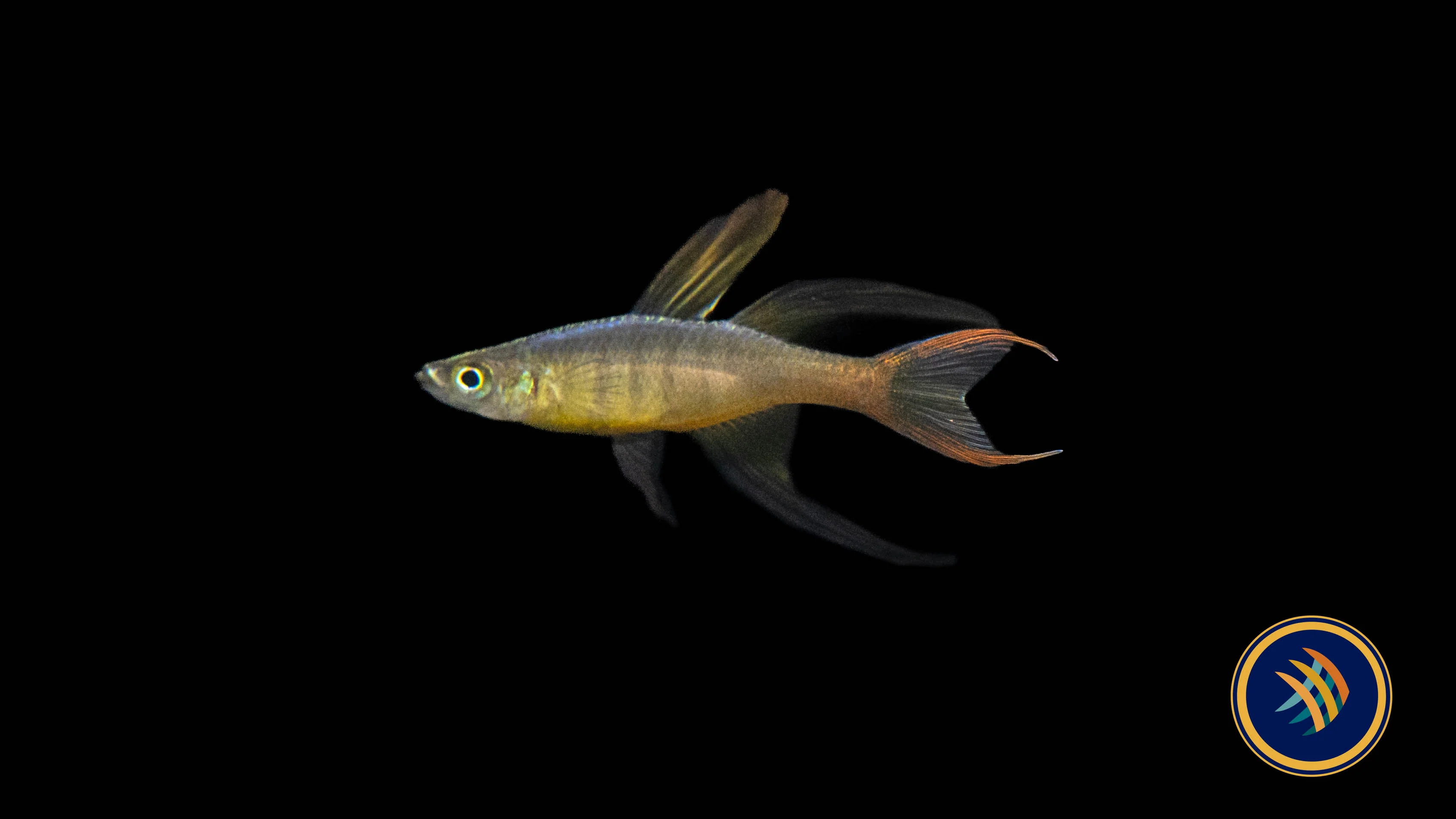
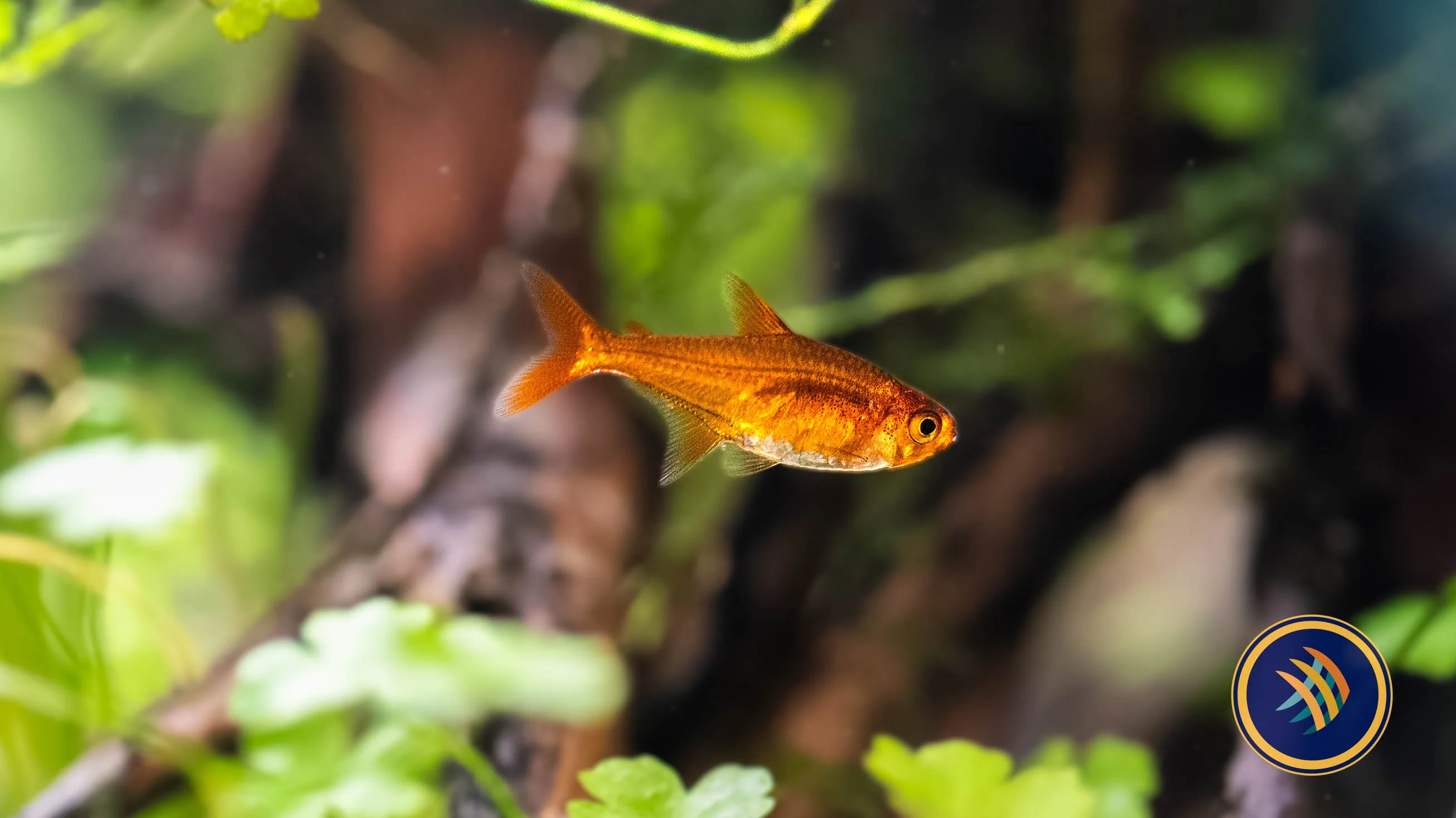
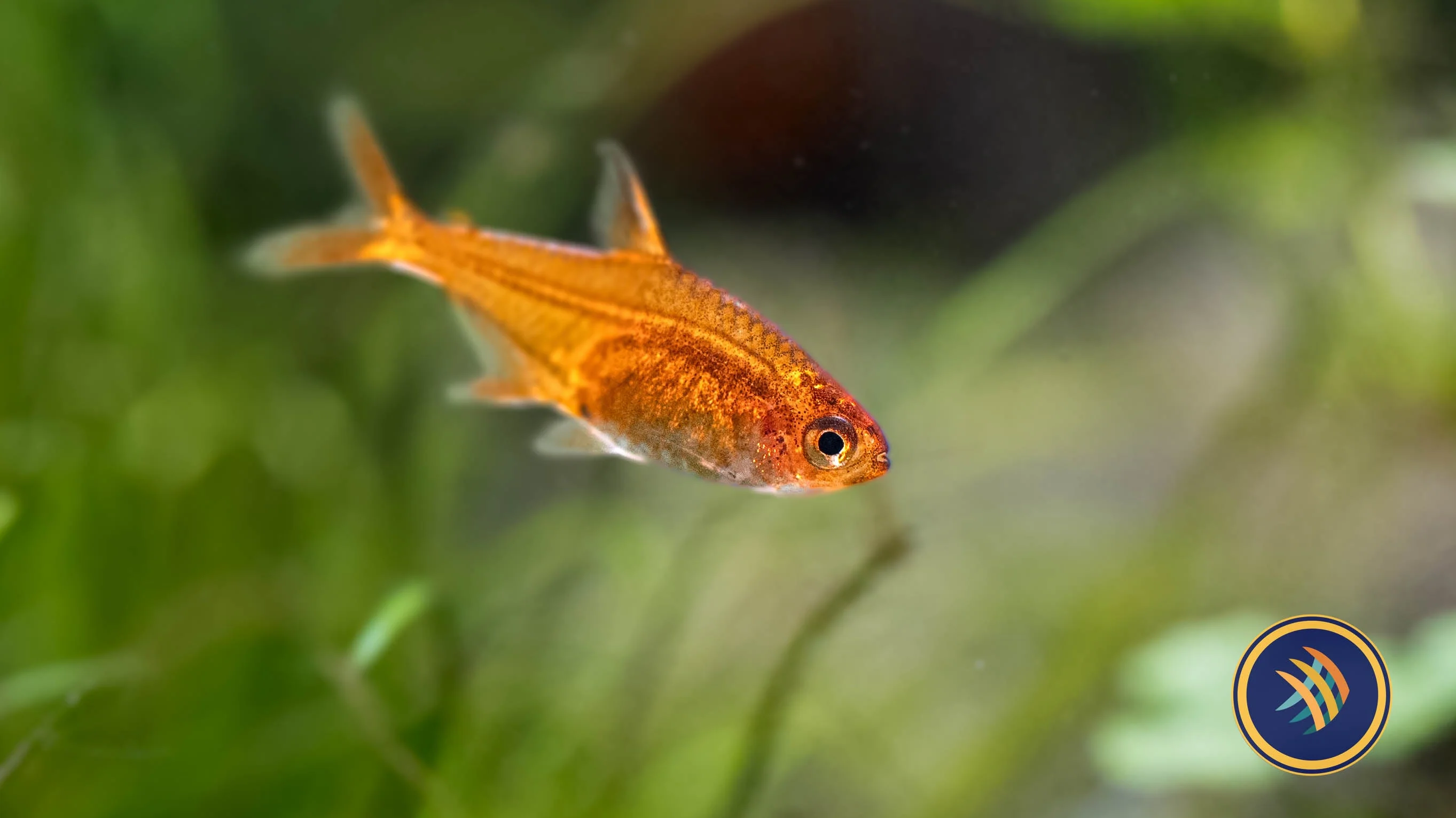
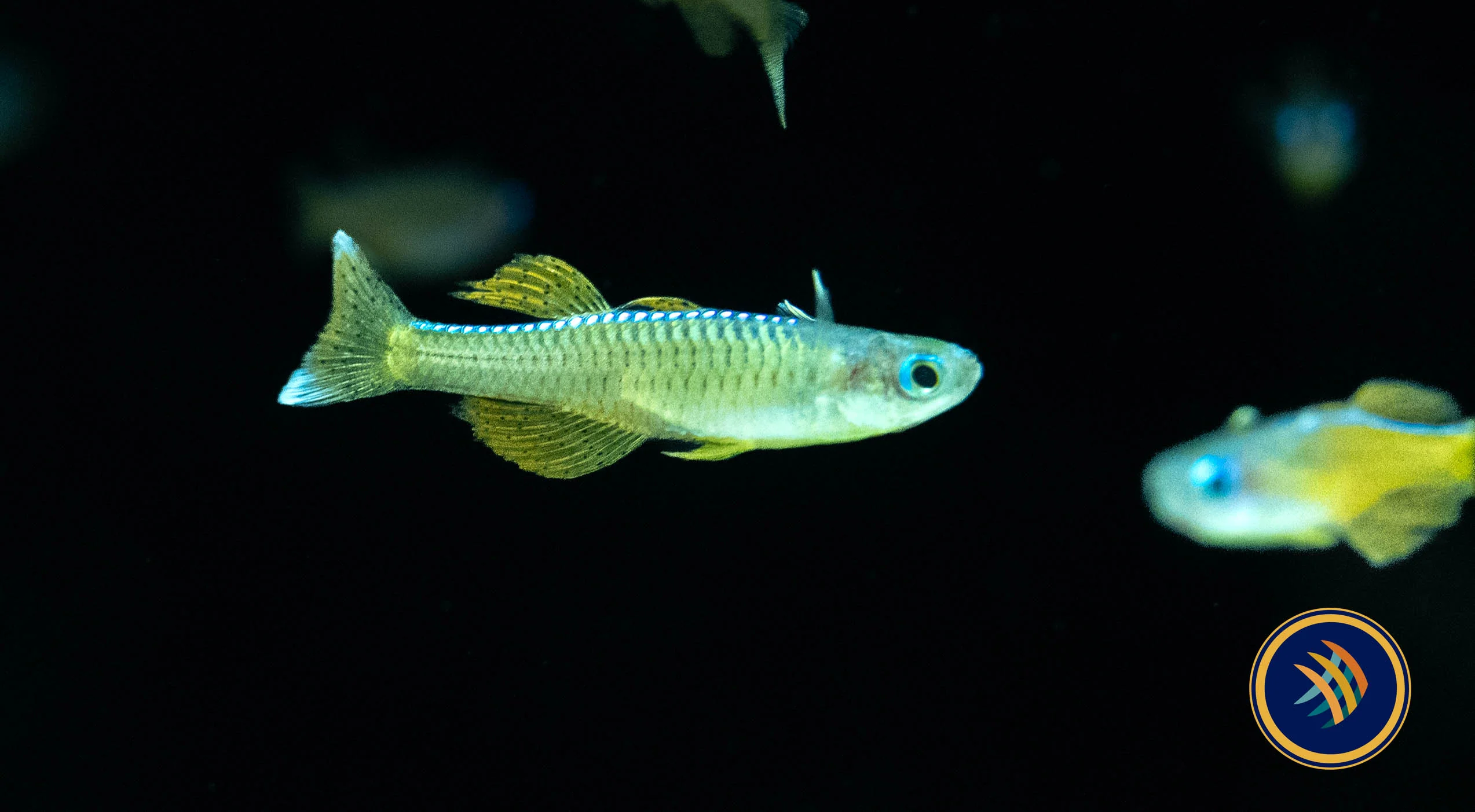
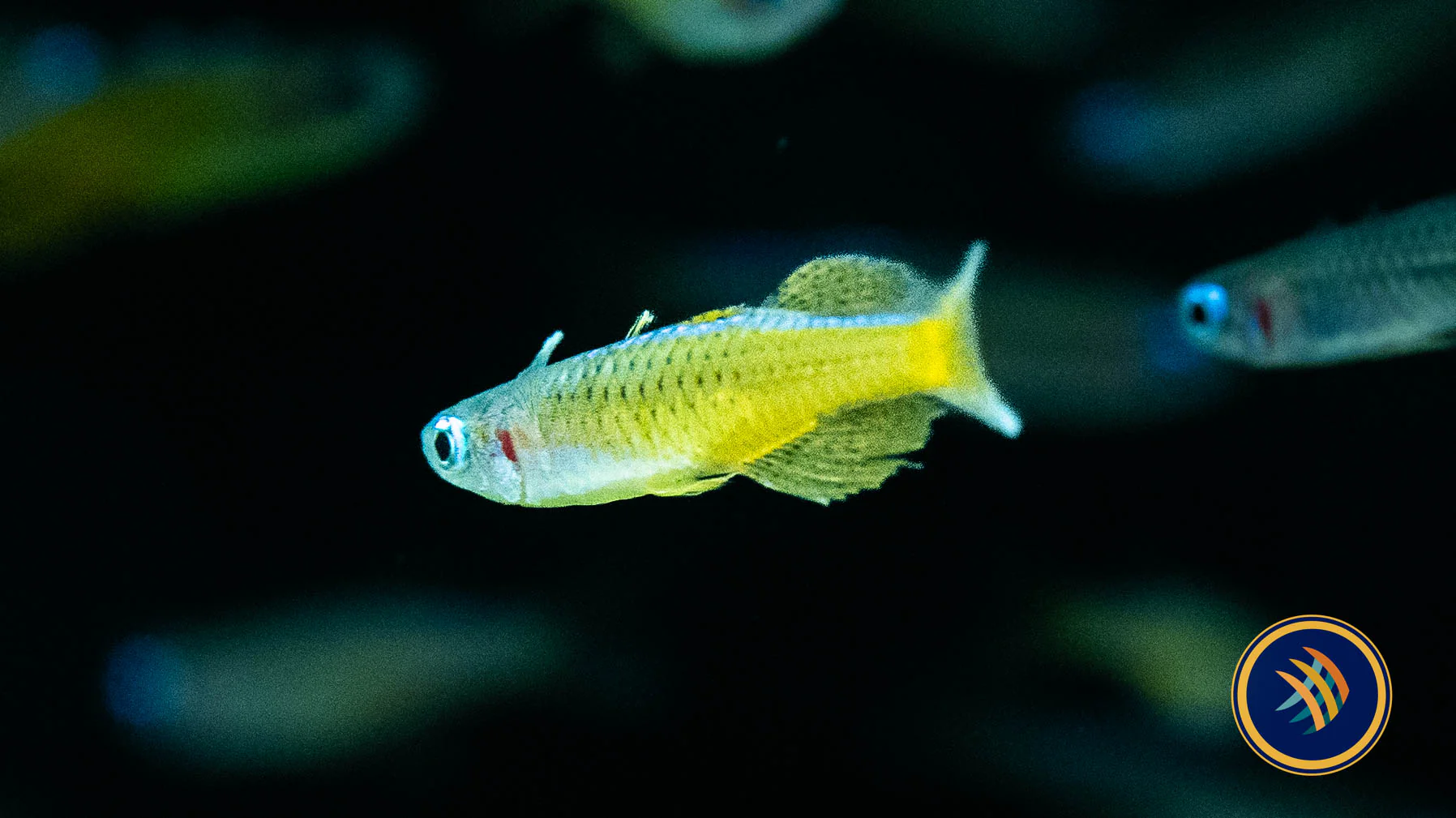
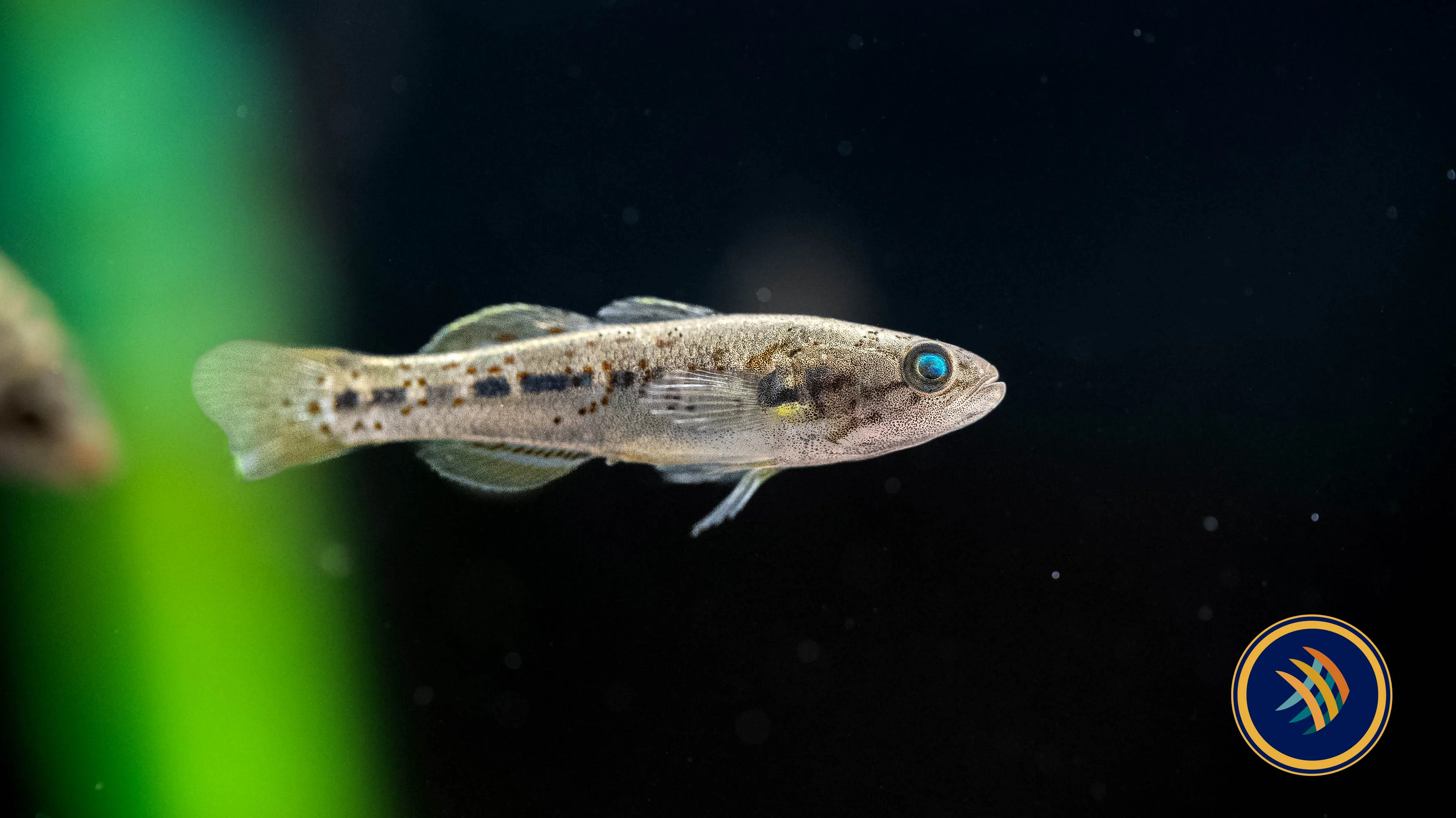
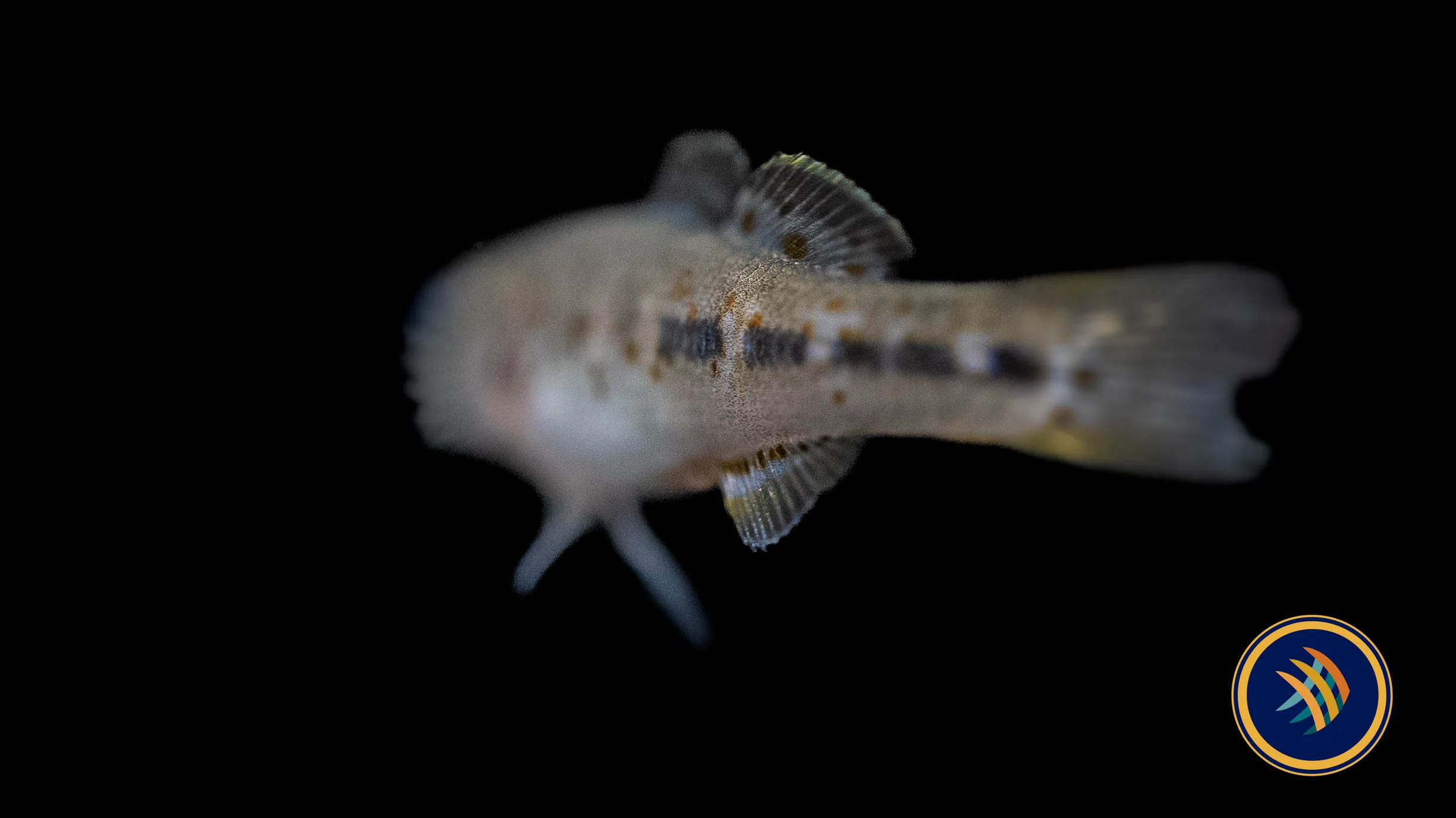
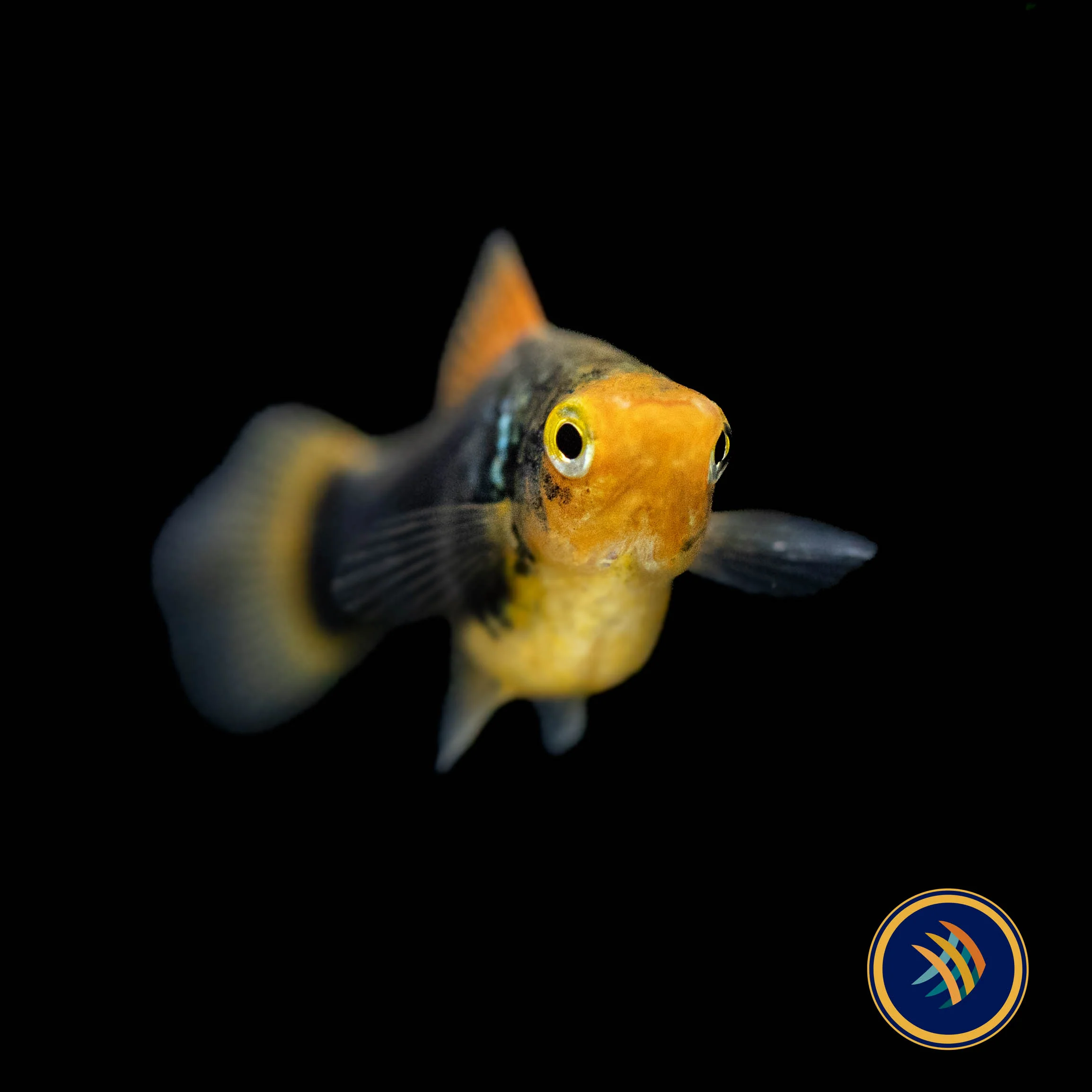
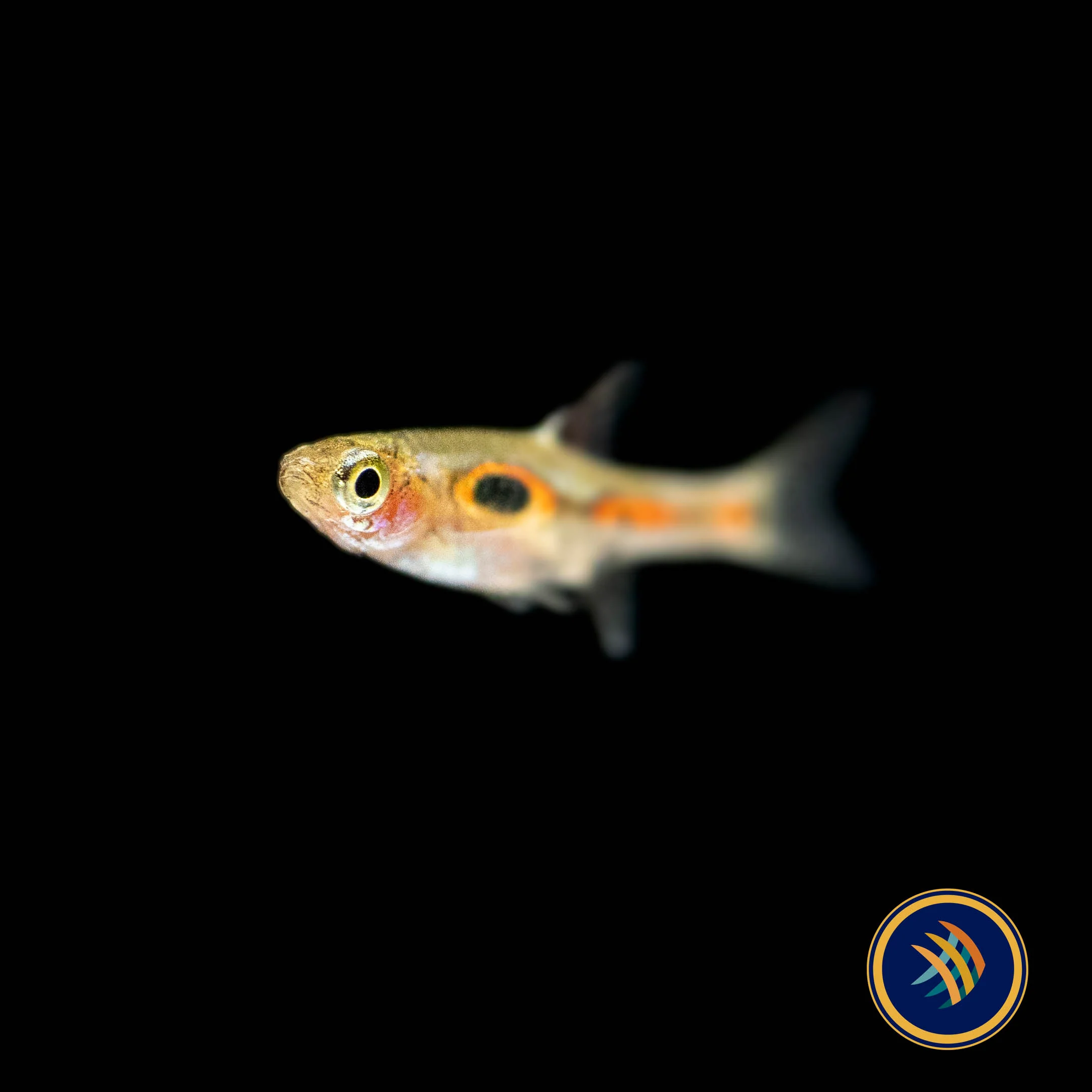
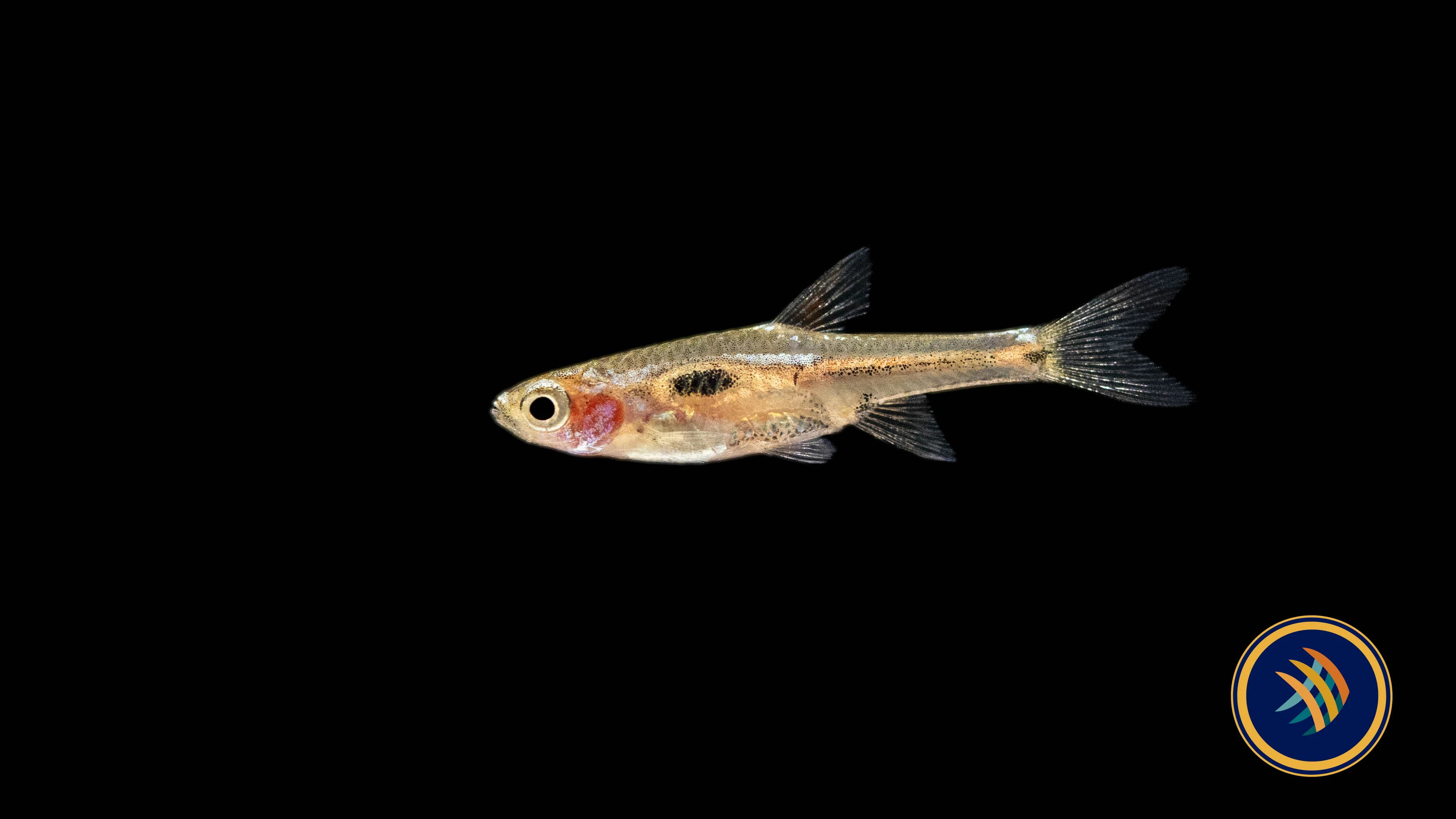
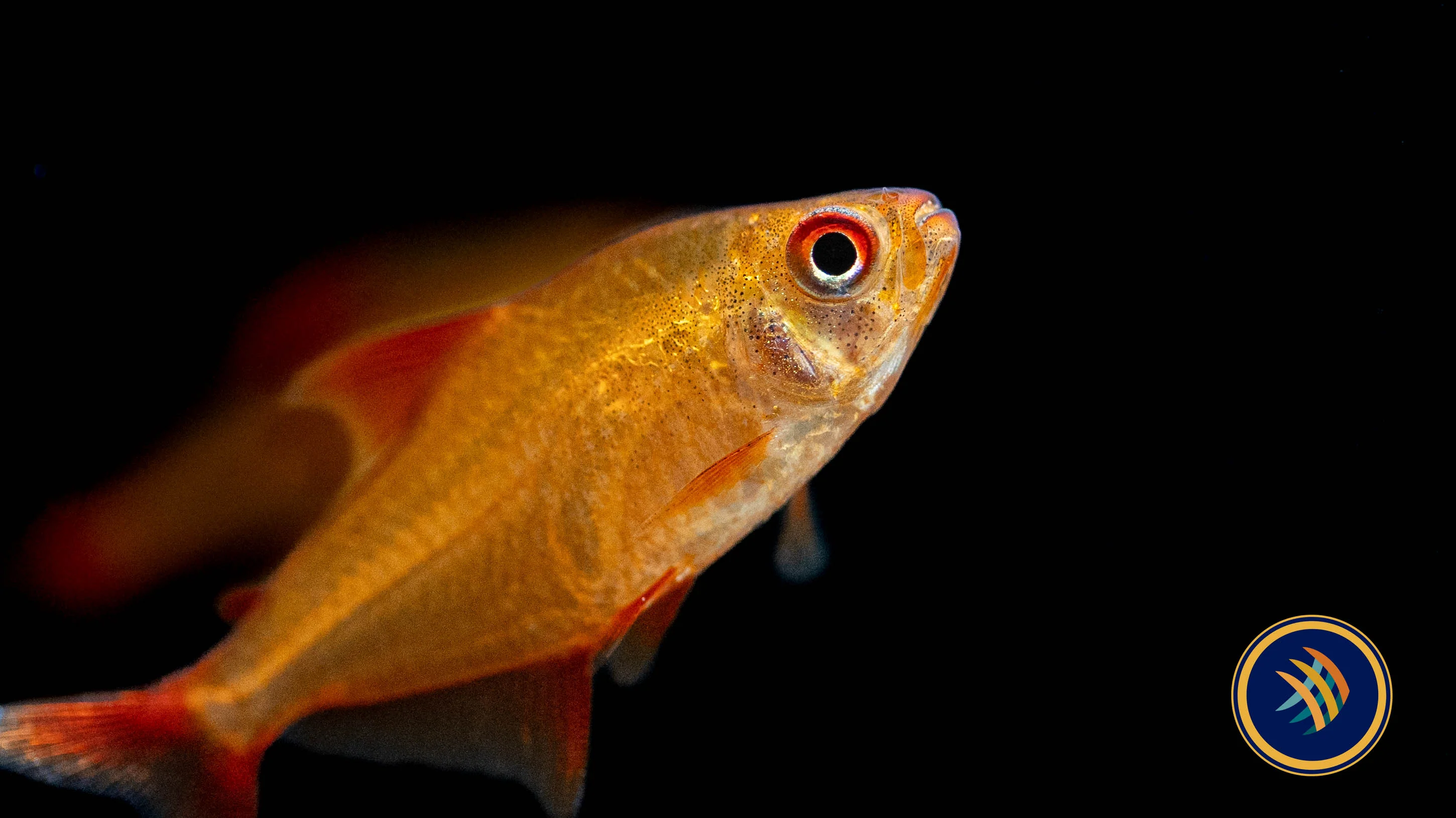
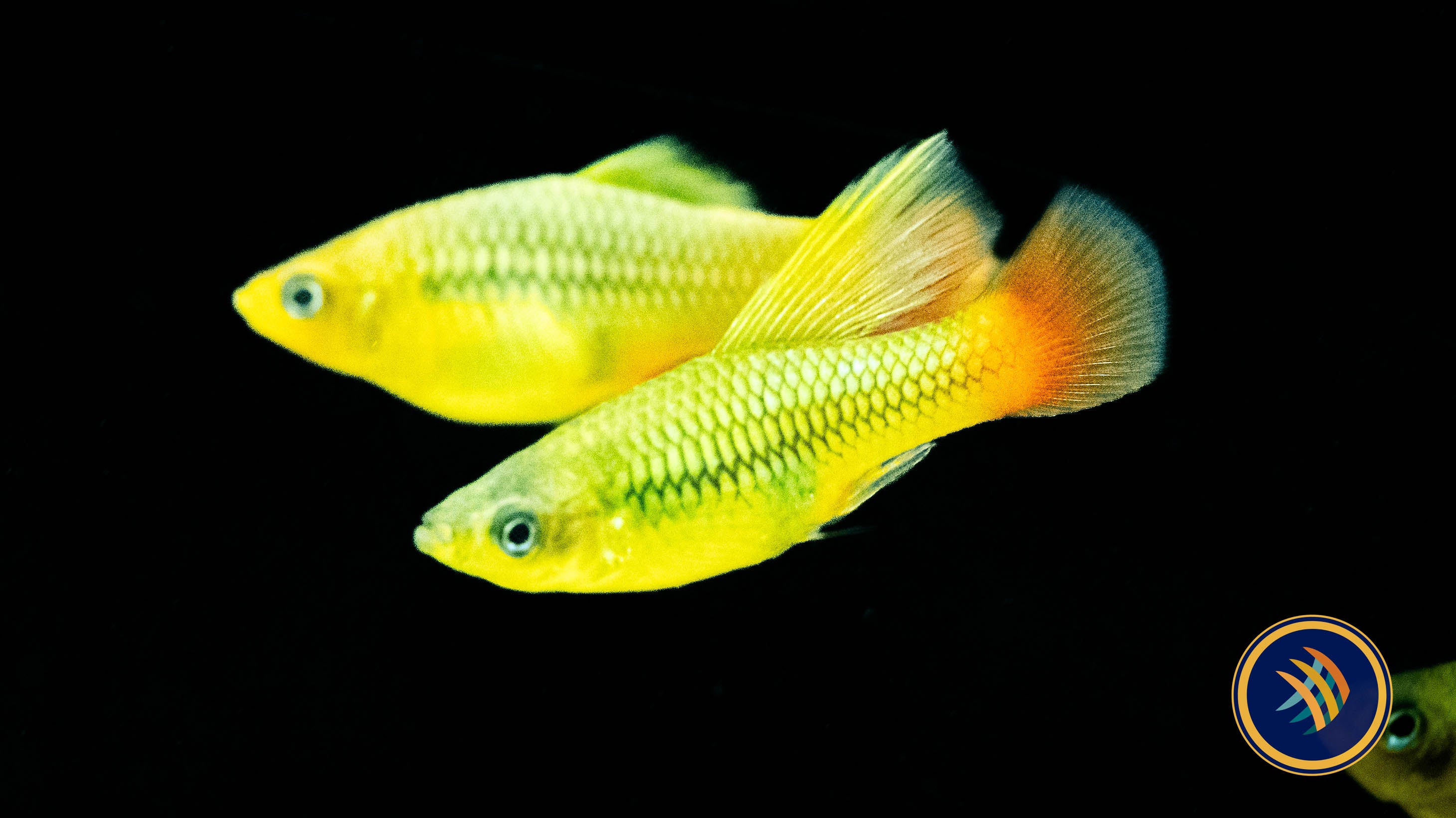
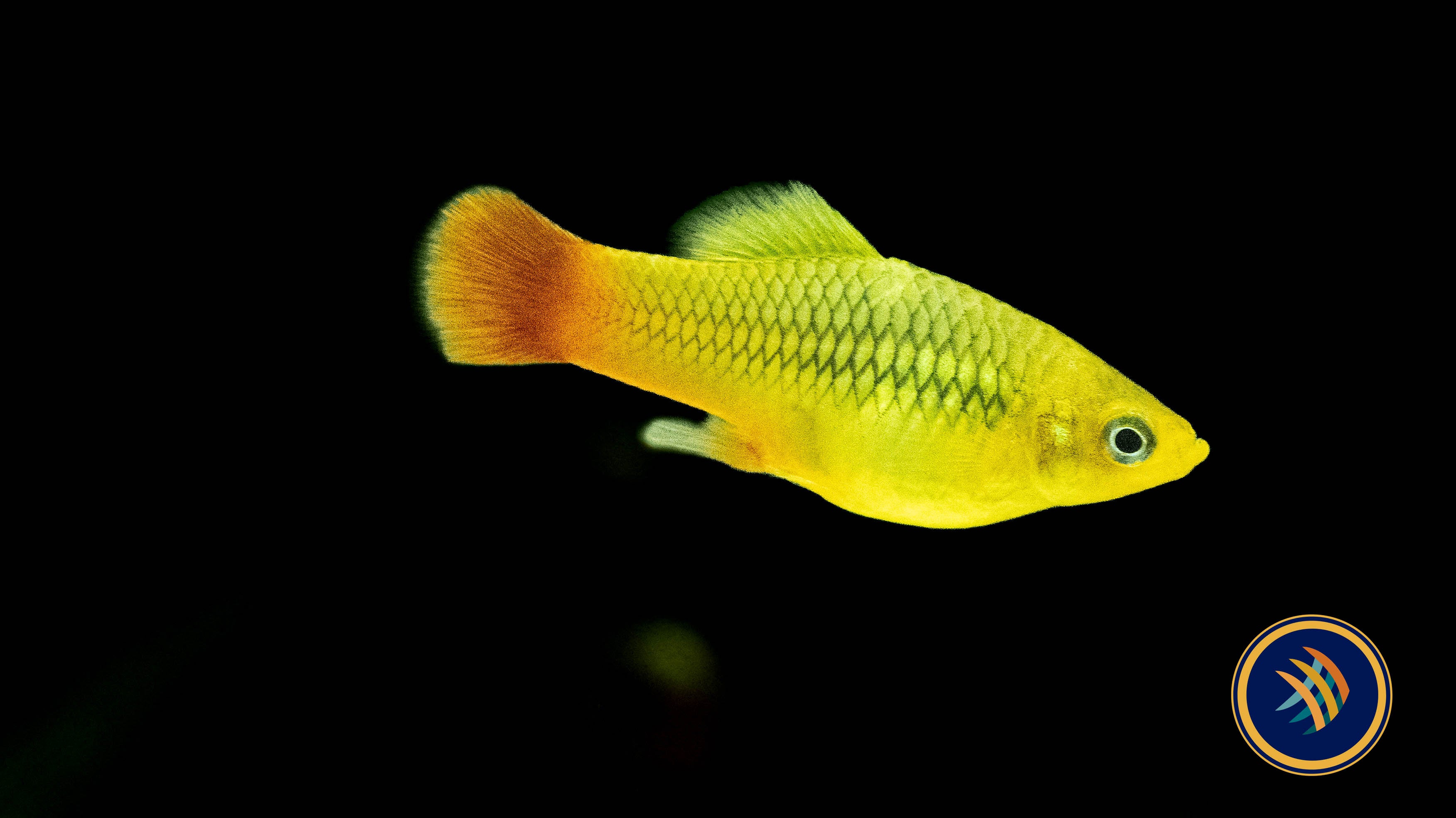
Rasbora Patrickyapi
Rasbora patrickyapi, a rare and elegant species ideal for aquascaped or blackwater setups:
Species Overview
- Scientific Name: Rasbora patrickyapi
- Family: Danionidae
- Origin: Central Kalimantan, Indonesian Borneo (peat swamps, blackwater streams)
- Size: 4–7 cm (adult), commonly 5–6 cm
- Temperament: Peaceful, schooling
- IUCN Status: Near Threatened
- Ideal Group Size: 6–10 individuals
Tank Requirements
-
Minimum Tank Size:
- 10 gallons for a small group; 20+ gallons recommended for stability
-
Water Parameters:
- Temperature: 23–27°C (73–81°F)
- pH: 4.5–6.5 (soft, acidic blackwater preferred)
- Hardness: 2–10 dGH
-
Décor:
- Dark substrate, leaf litter, driftwood
- Dense planting and subdued lighting to mimic peat swamp conditions
- Filtration: Gentle flow; maintain pristine water quality (low bacterial load)
- Cover: Secure lid—rasboras can jump
Diet & Feeding
- Natural Diet: Micro-invertebrates, insect larvae
-
In Captivity:
- High-quality micro pellets and flakes
- Live/frozen: Daphnia, brine shrimp, bloodworms
-
Feeding Tips:
- Offer small portions 1–2 times daily
- Rotate protein-rich foods for color and conditioning
Behavior & Compatibility
- Social: Shoaling species; thrives in groups
-
Tankmates:
- Peaceful nano fish: small tetras, danios, dwarf gouramis
- Bottom dwellers: Corydoras, Kuhli loaches
- Avoid: Aggressive or large fish
- Notes: Ideal for blackwater biotope or planted nano tanks
Breeding
- Difficulty: Moderate to high
-
Conditions:
- Separate breeding tank (10–15 gallons)
- Soft, acidic water (pH 5.0–6.5), temp 75–80°F
- Fine-leaved plants or spawning mops for egg scattering
-
Process:
- Condition adults with live foods
- Remove parents post-spawning (they may eat eggs)
-
Fry Care:
- Infusoria or powdered fry food initially; then baby brine shrimp
Special Considerations
- Sensitive to poor water quality—perform frequent small water changes
- Best kept in mature, stable tanks with tannin-rich water for natural coloration
- Rare in trade; often wild-caught, so acclimation is crucial
$9.46
Original: $27.04
-65%Rasbora Patrickyapi—
$27.04
$9.46Product Information
Product Information
Shipping & Returns
Shipping & Returns
Description
Rasbora patrickyapi, a rare and elegant species ideal for aquascaped or blackwater setups:
Species Overview
- Scientific Name: Rasbora patrickyapi
- Family: Danionidae
- Origin: Central Kalimantan, Indonesian Borneo (peat swamps, blackwater streams)
- Size: 4–7 cm (adult), commonly 5–6 cm
- Temperament: Peaceful, schooling
- IUCN Status: Near Threatened
- Ideal Group Size: 6–10 individuals
Tank Requirements
-
Minimum Tank Size:
- 10 gallons for a small group; 20+ gallons recommended for stability
-
Water Parameters:
- Temperature: 23–27°C (73–81°F)
- pH: 4.5–6.5 (soft, acidic blackwater preferred)
- Hardness: 2–10 dGH
-
Décor:
- Dark substrate, leaf litter, driftwood
- Dense planting and subdued lighting to mimic peat swamp conditions
- Filtration: Gentle flow; maintain pristine water quality (low bacterial load)
- Cover: Secure lid—rasboras can jump
Diet & Feeding
- Natural Diet: Micro-invertebrates, insect larvae
-
In Captivity:
- High-quality micro pellets and flakes
- Live/frozen: Daphnia, brine shrimp, bloodworms
-
Feeding Tips:
- Offer small portions 1–2 times daily
- Rotate protein-rich foods for color and conditioning
Behavior & Compatibility
- Social: Shoaling species; thrives in groups
-
Tankmates:
- Peaceful nano fish: small tetras, danios, dwarf gouramis
- Bottom dwellers: Corydoras, Kuhli loaches
- Avoid: Aggressive or large fish
- Notes: Ideal for blackwater biotope or planted nano tanks
Breeding
- Difficulty: Moderate to high
-
Conditions:
- Separate breeding tank (10–15 gallons)
- Soft, acidic water (pH 5.0–6.5), temp 75–80°F
- Fine-leaved plants or spawning mops for egg scattering
-
Process:
- Condition adults with live foods
- Remove parents post-spawning (they may eat eggs)
-
Fry Care:
- Infusoria or powdered fry food initially; then baby brine shrimp
Special Considerations
- Sensitive to poor water quality—perform frequent small water changes
- Best kept in mature, stable tanks with tannin-rich water for natural coloration
- Rare in trade; often wild-caught, so acclimation is crucial