Rummy Nose Tetra (Hemigrammus rhodostomus)
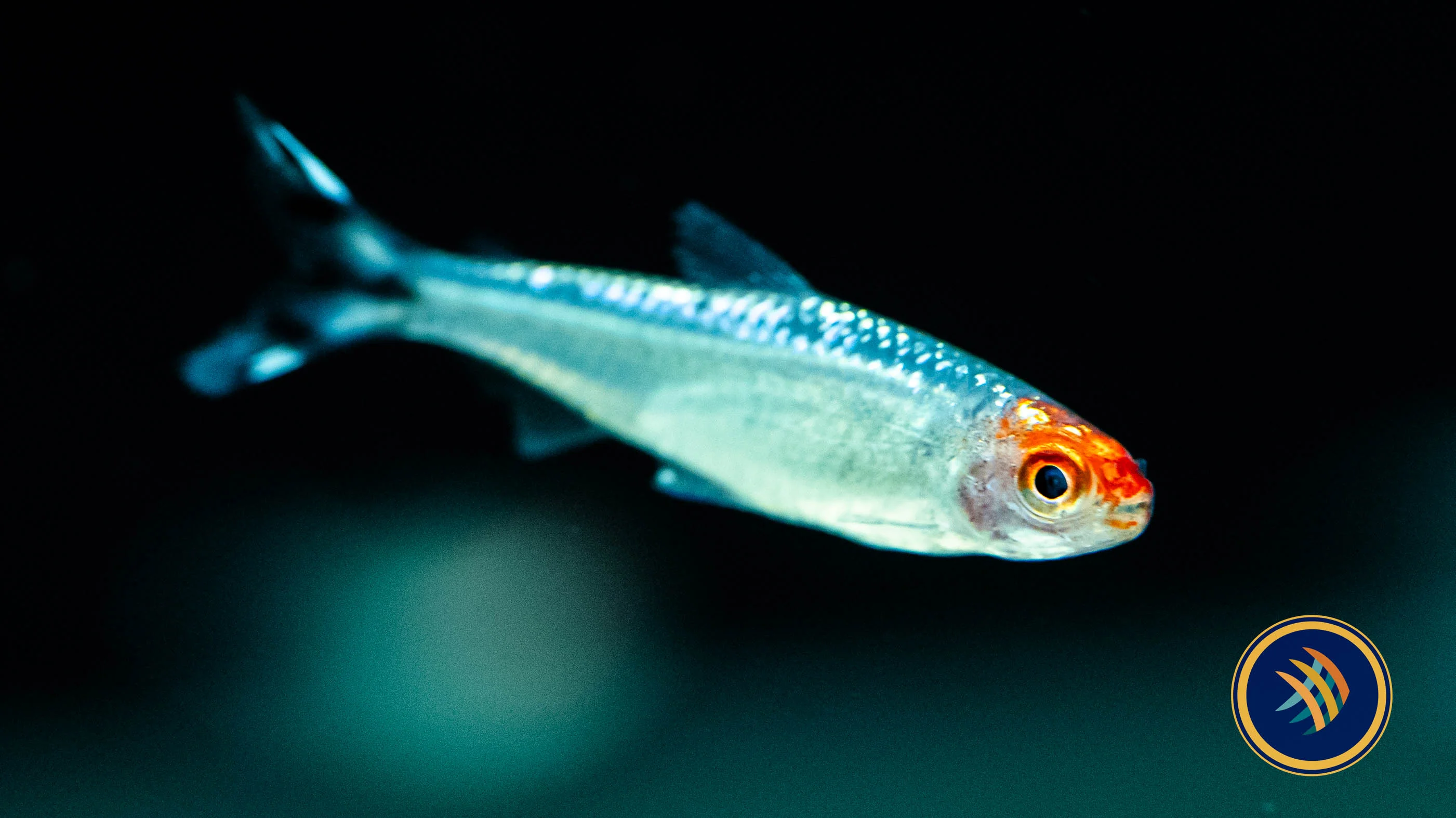
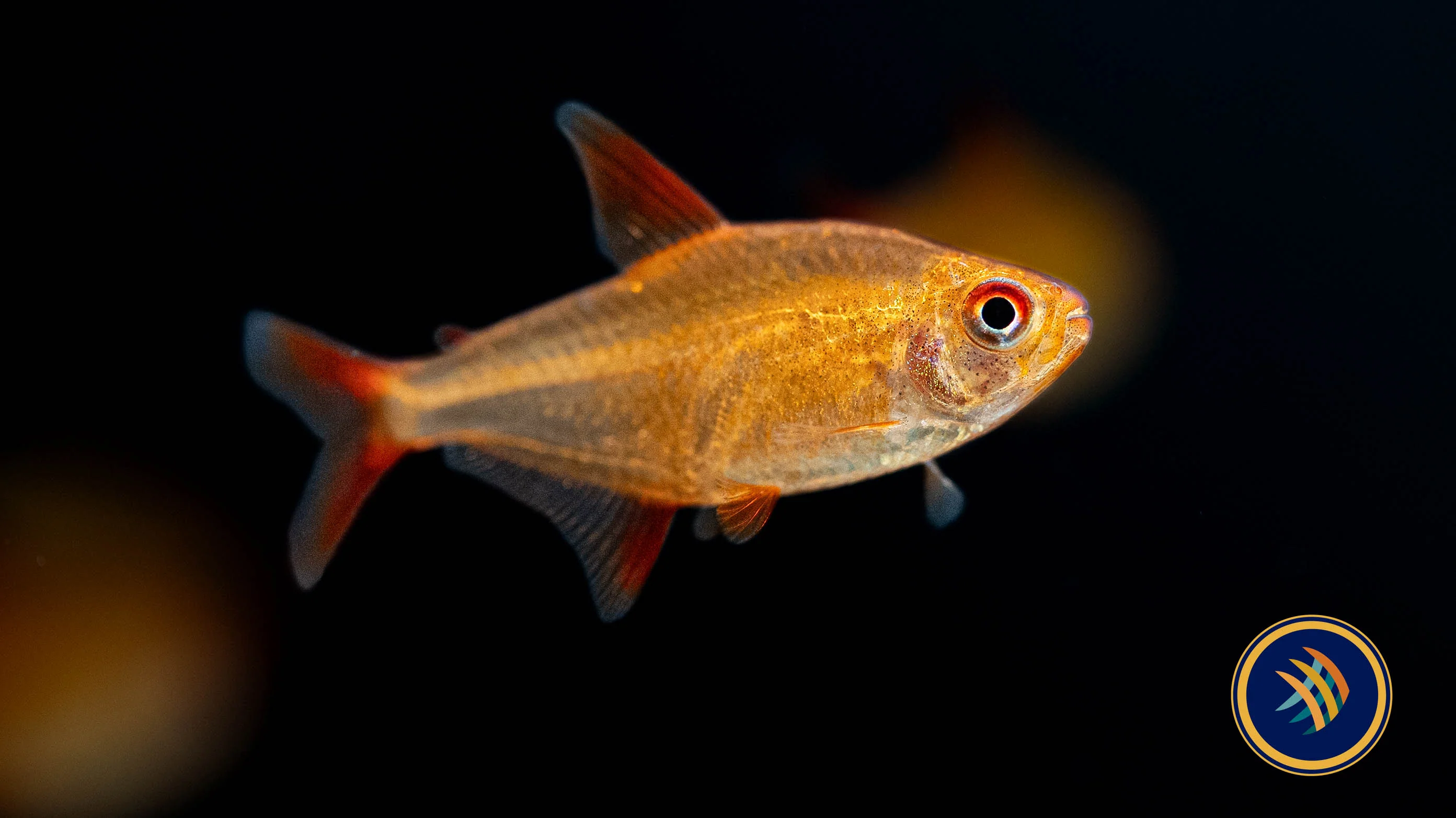
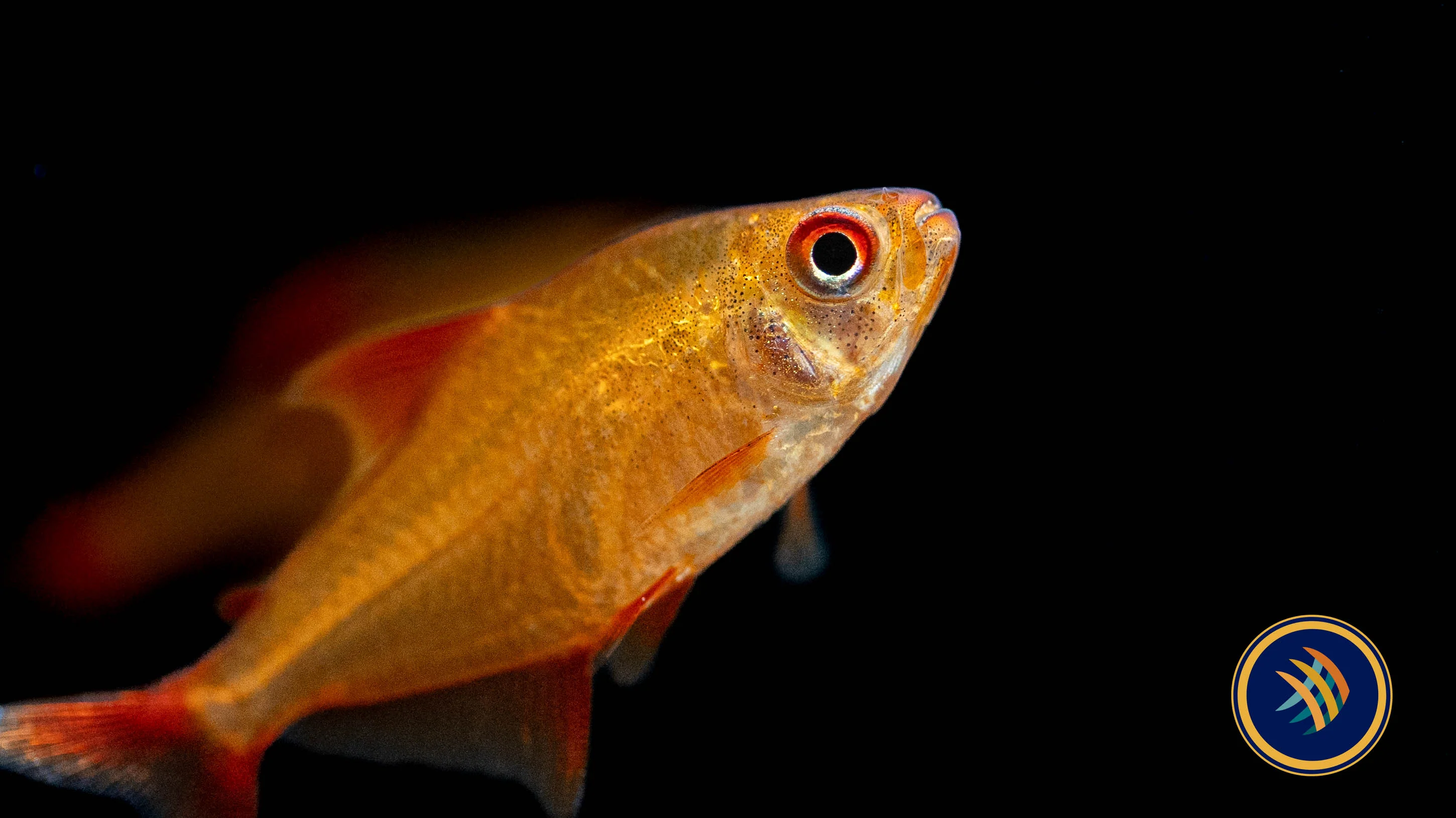
Rummy Nose Tetra (Hemigrammus rhodostomus)—a favorite among aquarists for its striking appearance and peaceful nature.
Origin:
Native to South America, primarily found in the Amazon River basin and Rio Negro.
Size:
Up to 5 cm (2 inches)
Lifespan:
5–6 years with optimal care
Temperament:
Peaceful and social; ideal for community tanks
Tank Requirements:
- Minimum tank size: 20 gallons
- Temperature: 24–28°C (75–82°F)
- pH: 6.0–7.0
- Hardness: Soft to moderately hard water
- Aquascape: Dim lighting, driftwood, leaf litter, and dense vegetation mimic their natural habitat
Diet:
Omnivorous – thrives on high-quality flakes, micro pellets, frozen or live foods like bloodworms, daphnia, and brine shrimp.
Behavior:
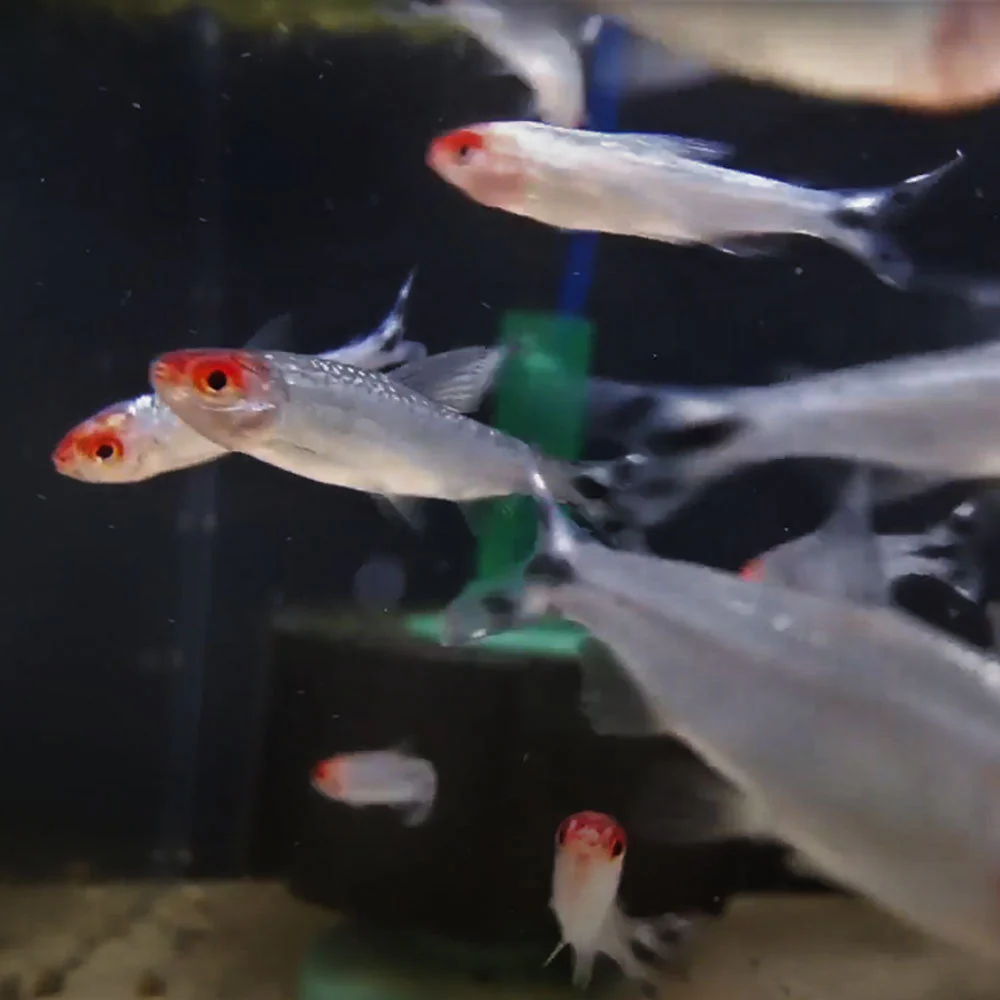
- Shoaling species – best kept in groups of 6 or more (preferably 10+)
- Known for synchronized swimming and tight schooling behavior
- Bright red nose intensifies with good health and water quality
Breeding:
- Egg scatterers; breeding is possible in species-only tanks
- Requires soft, acidic water and spawning mops or fine plants
- Adults should be removed post-spawning to protect eggs
Product Information
Product Information
Shipping & Returns
Shipping & Returns
Description
Rummy Nose Tetra (Hemigrammus rhodostomus)—a favorite among aquarists for its striking appearance and peaceful nature.
Origin:
Native to South America, primarily found in the Amazon River basin and Rio Negro.
Size:
Up to 5 cm (2 inches)
Lifespan:
5–6 years with optimal care
Temperament:
Peaceful and social; ideal for community tanks
Tank Requirements:
- Minimum tank size: 20 gallons
- Temperature: 24–28°C (75–82°F)
- pH: 6.0–7.0
- Hardness: Soft to moderately hard water
- Aquascape: Dim lighting, driftwood, leaf litter, and dense vegetation mimic their natural habitat
Diet:
Omnivorous – thrives on high-quality flakes, micro pellets, frozen or live foods like bloodworms, daphnia, and brine shrimp.
Behavior:
- Shoaling species – best kept in groups of 6 or more (preferably 10+)
- Known for synchronized swimming and tight schooling behavior
- Bright red nose intensifies with good health and water quality
Breeding:
- Egg scatterers; breeding is possible in species-only tanks
- Requires soft, acidic water and spawning mops or fine plants
- Adults should be removed post-spawning to protect eggs