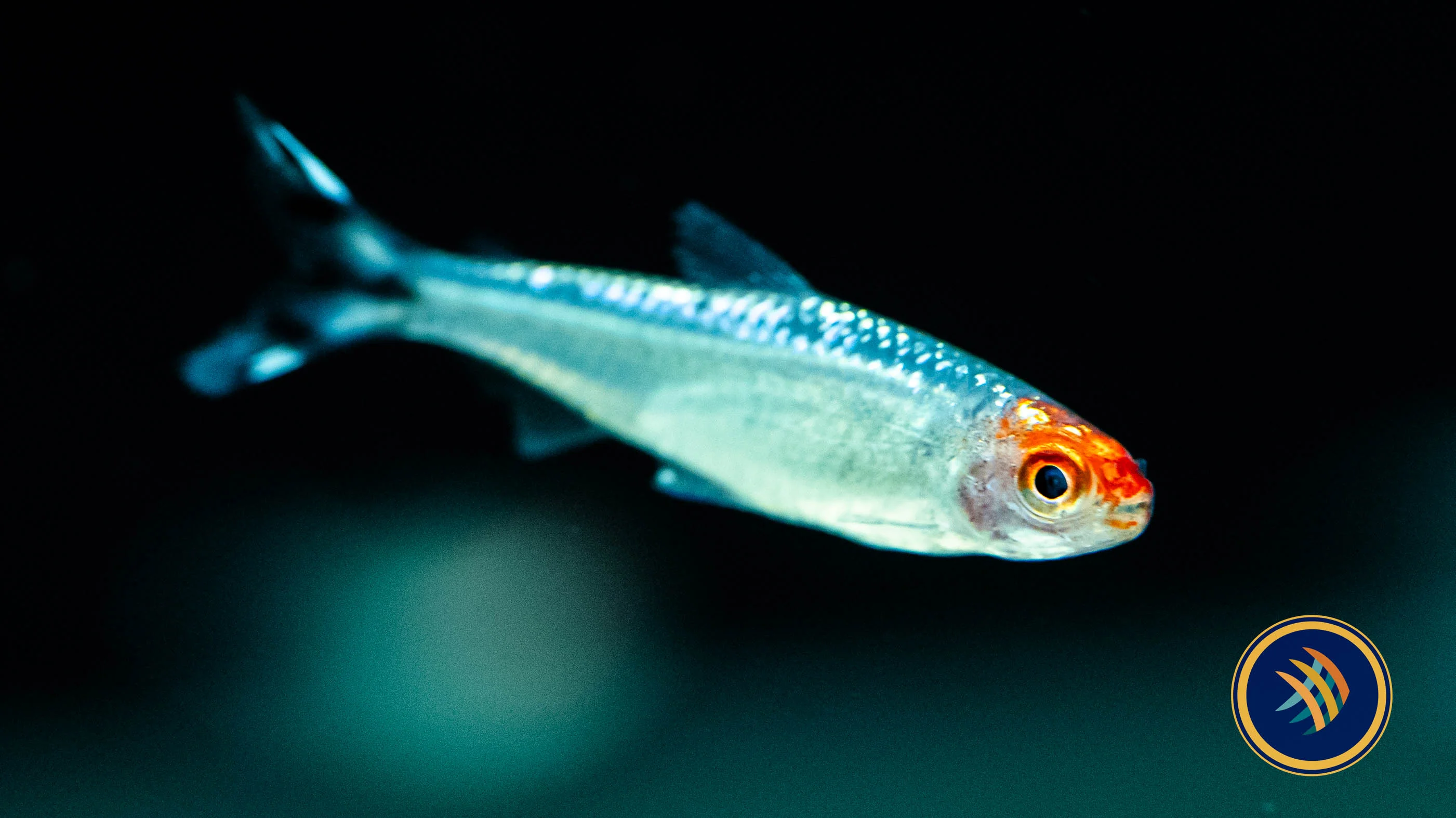
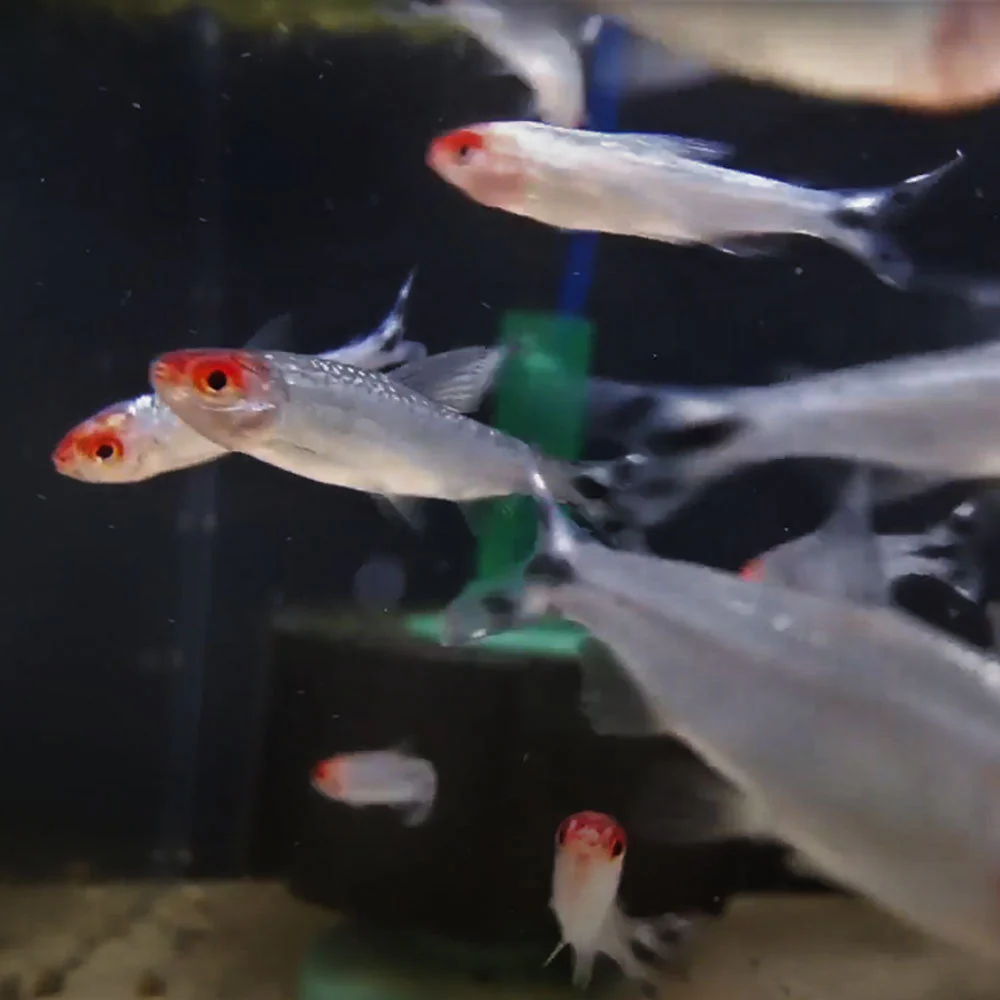
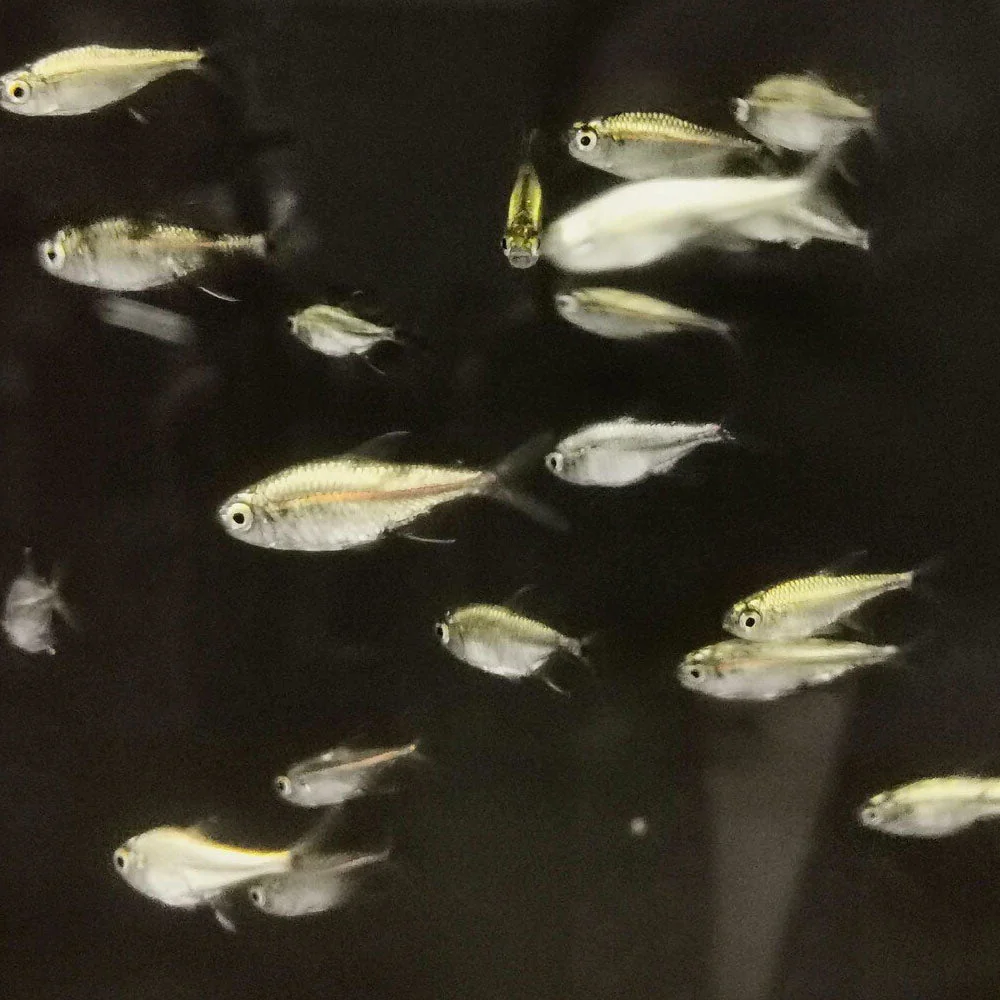
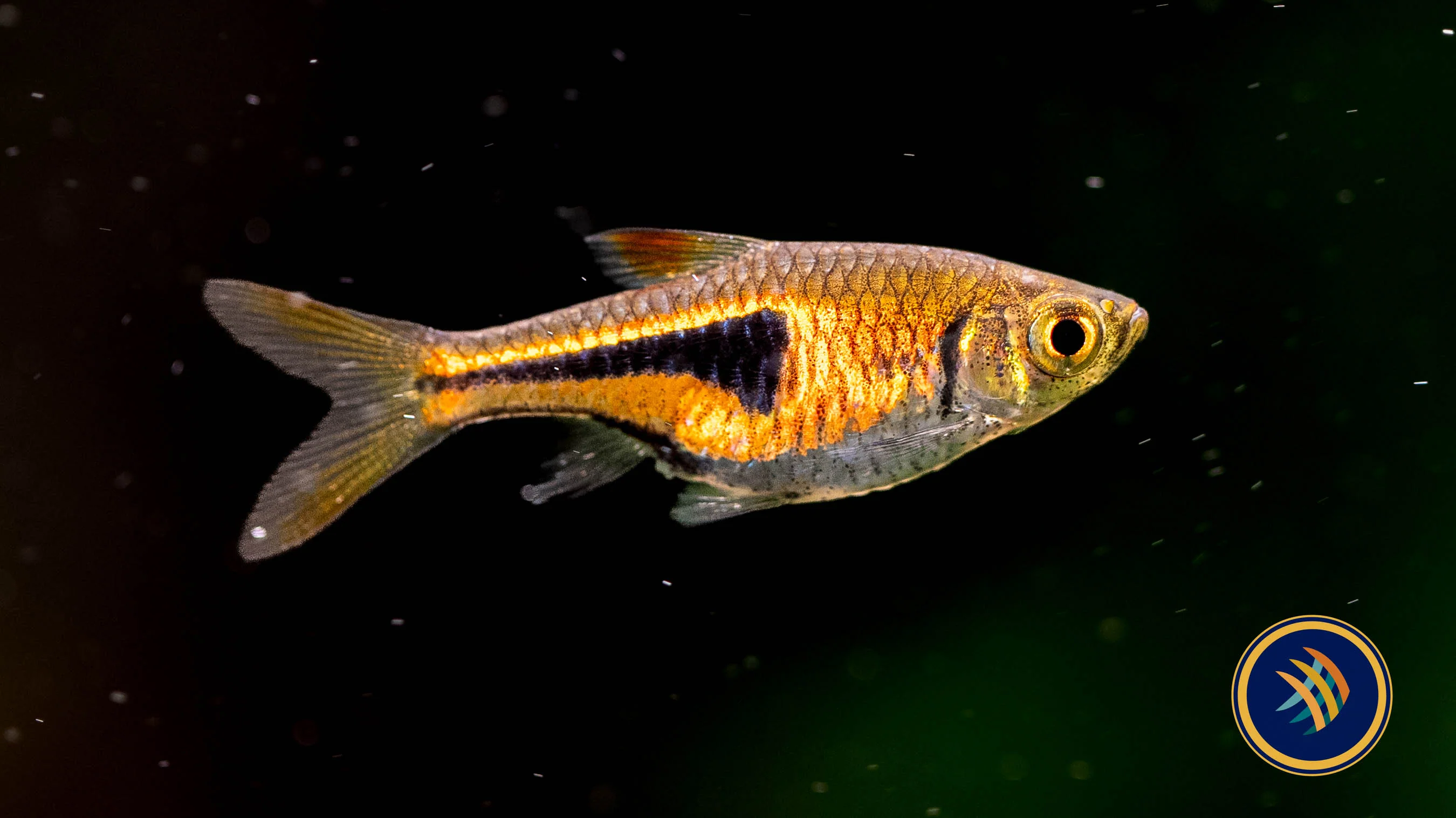
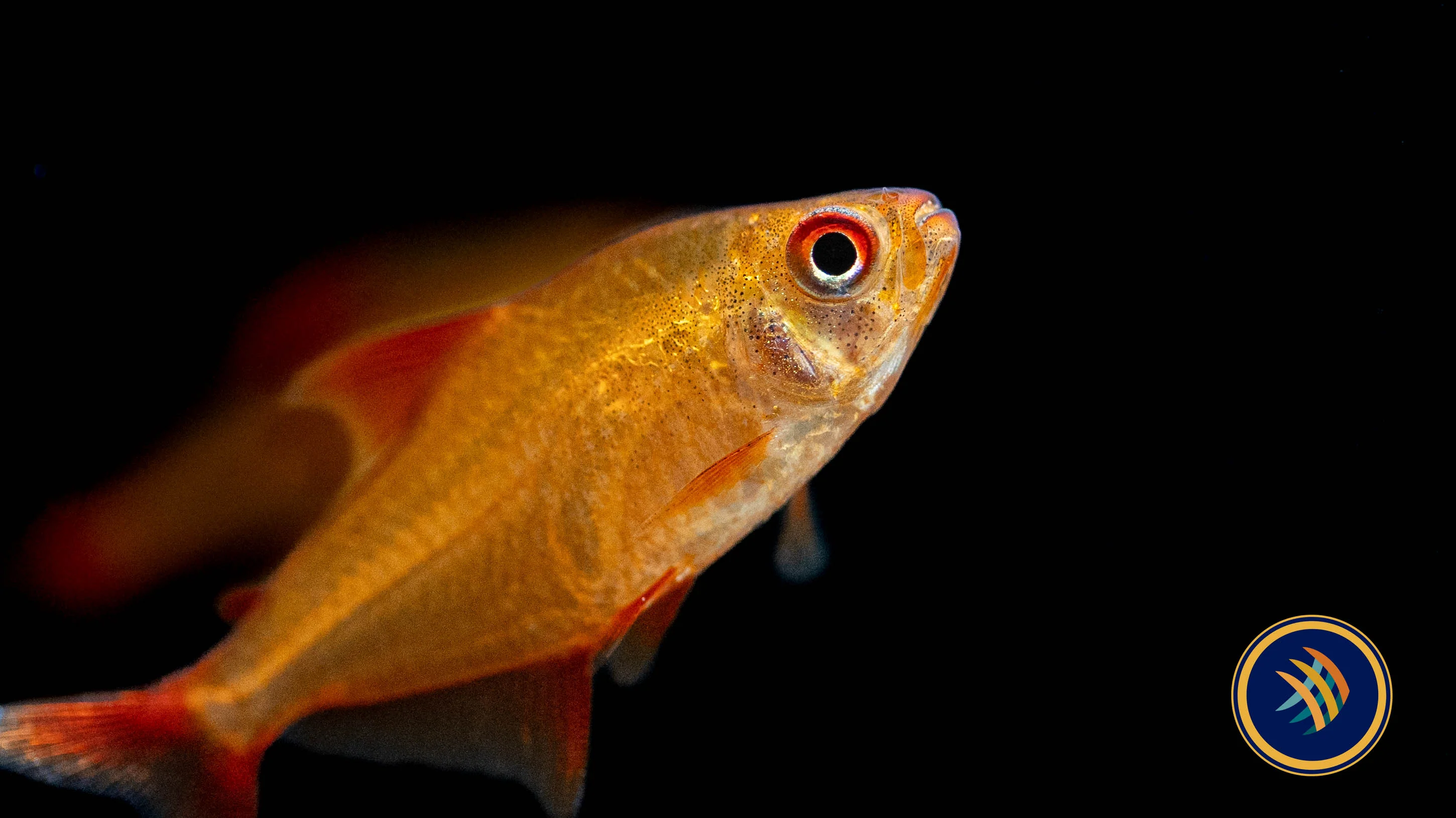
Scissortail Rasbora (Rasbora trilineata) 2.5-3cm
Common name: Scissortail Rasbora
Scientific name: Rasbora trilineata
Quick Overview
- Family: Cyprinidae
- Adult size: 12–15 cm (5–6 in)
- Lifespan: 5–8 years
- Temperament: Peaceful, active schooling fish
- Difficulty: Easy (hardy and adaptable)
Identification & Appearance
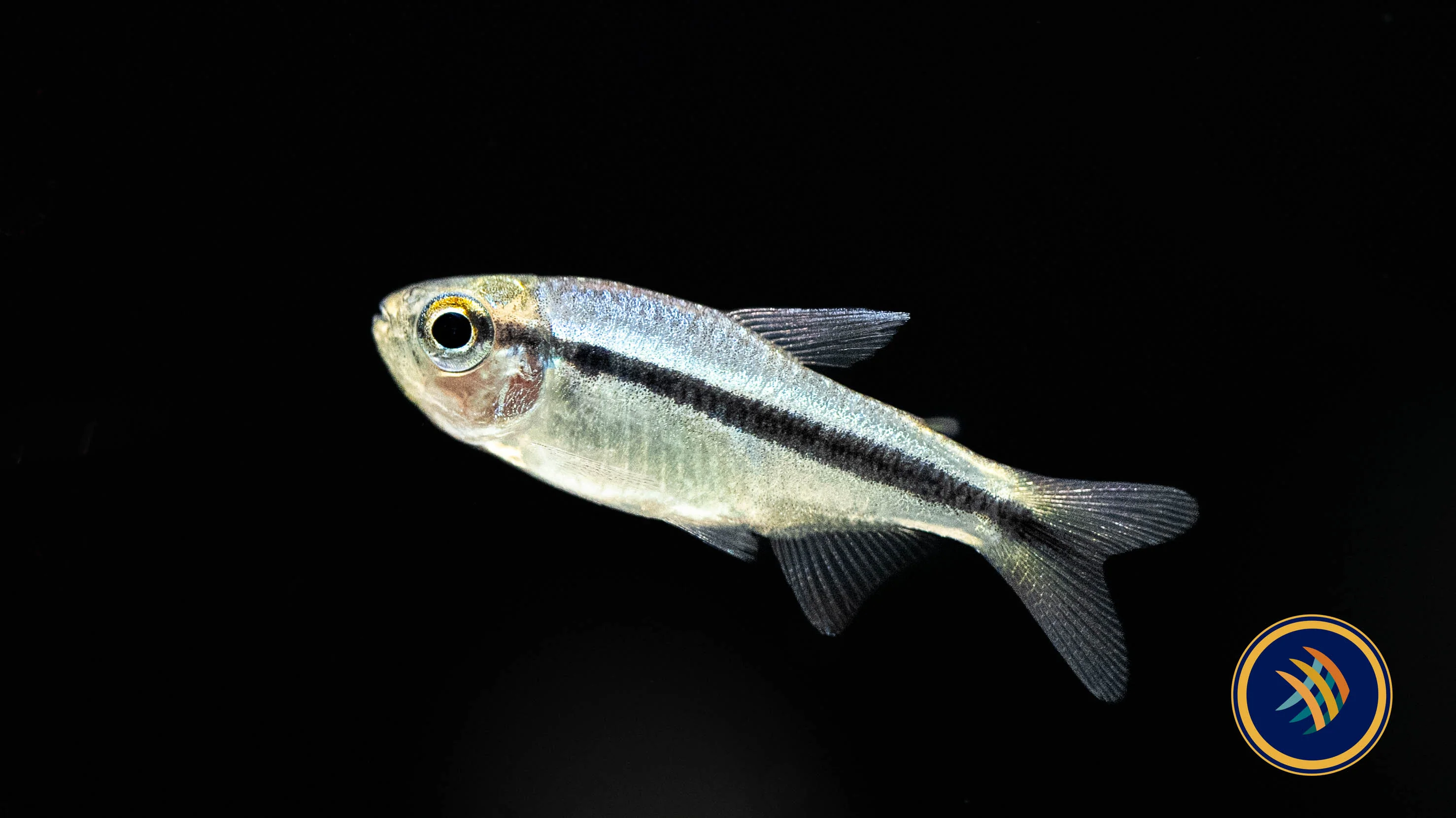
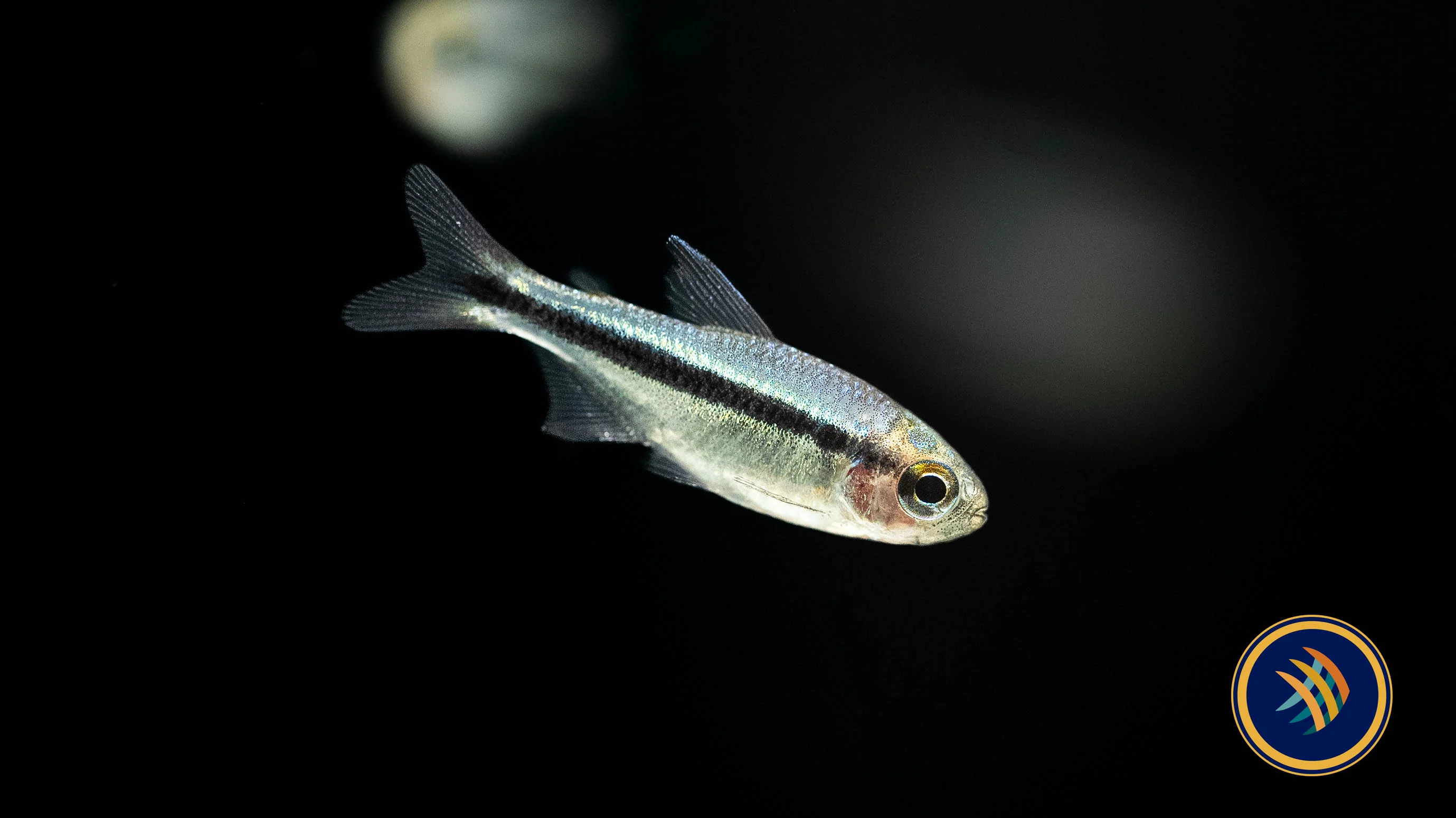
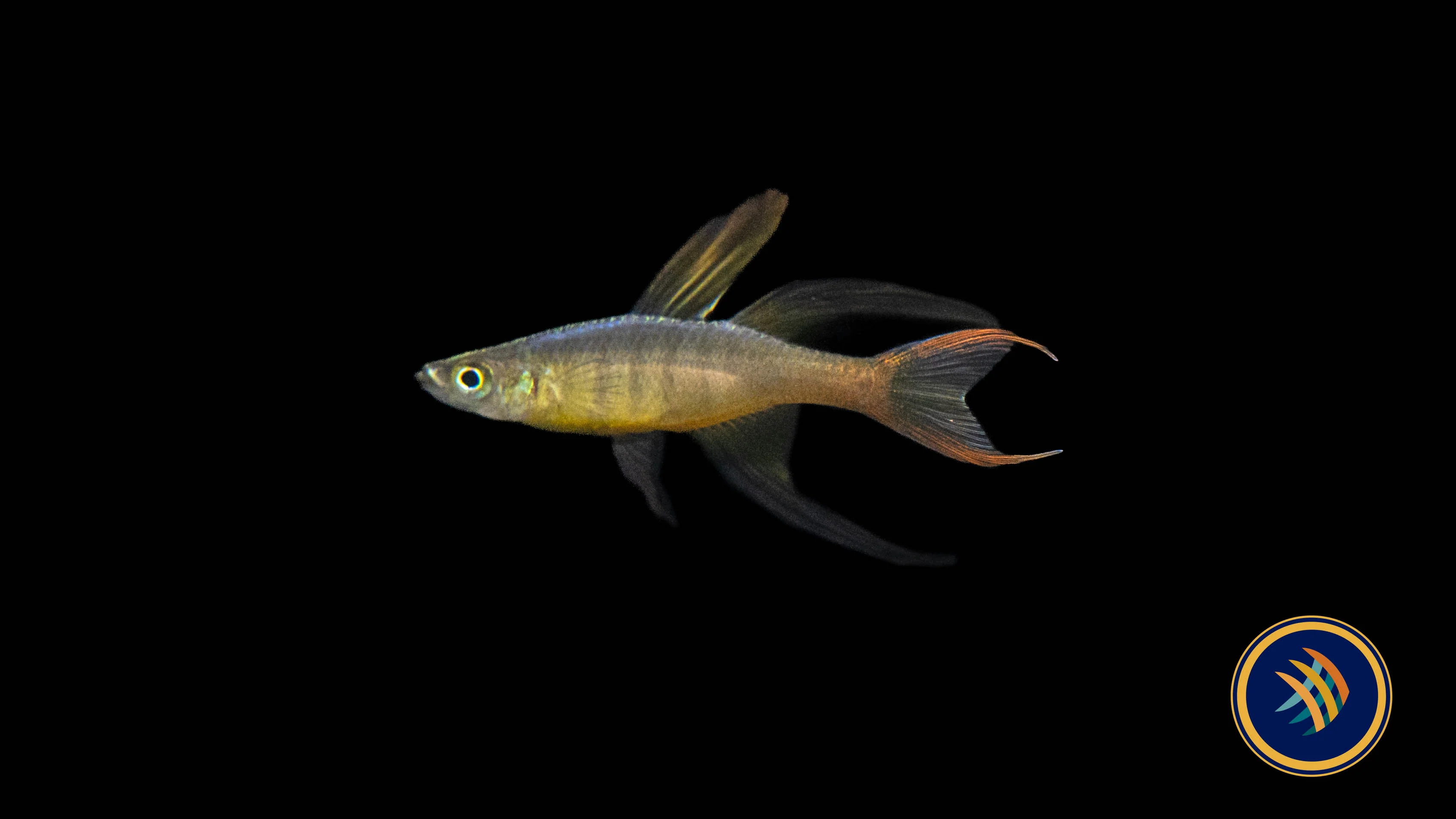
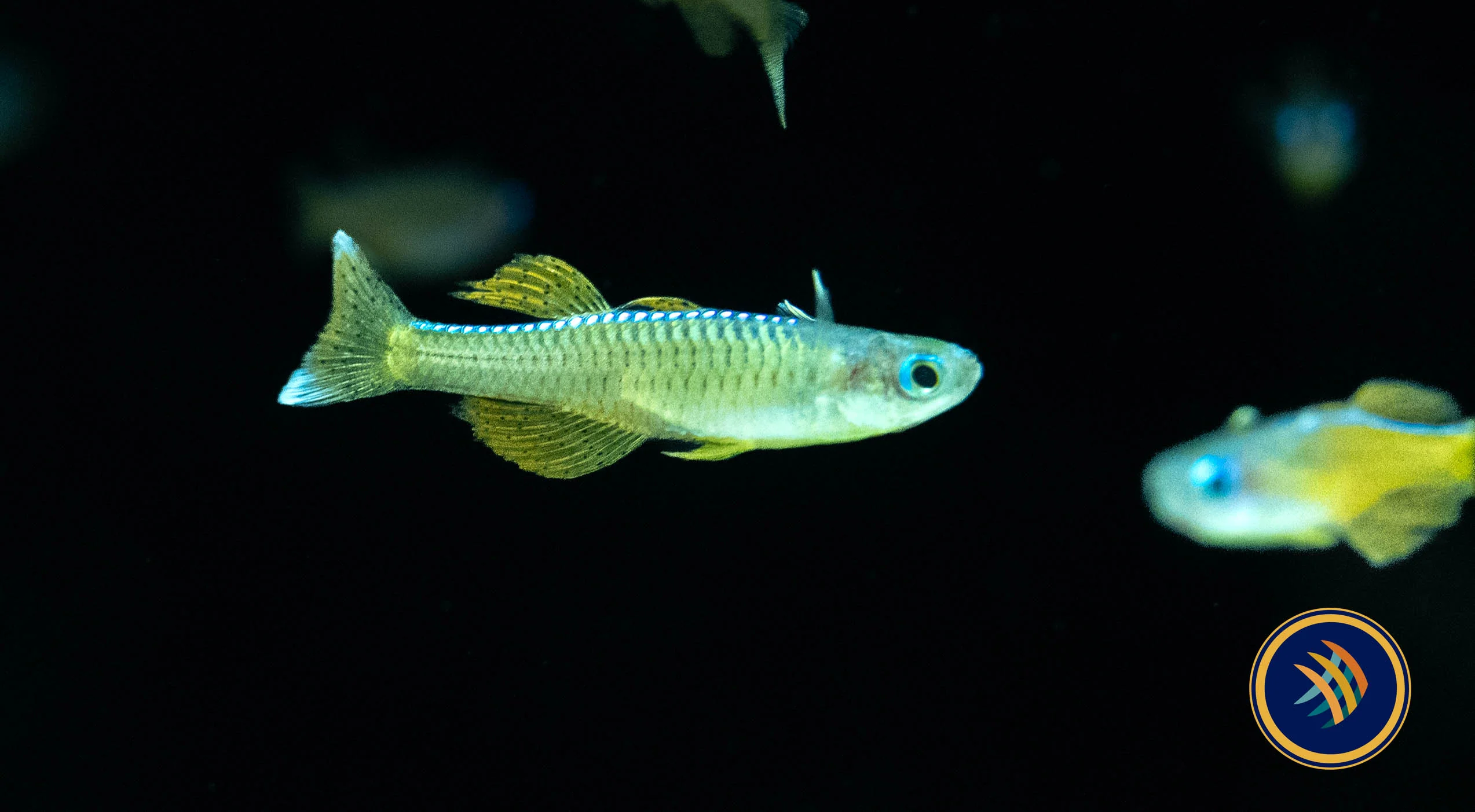
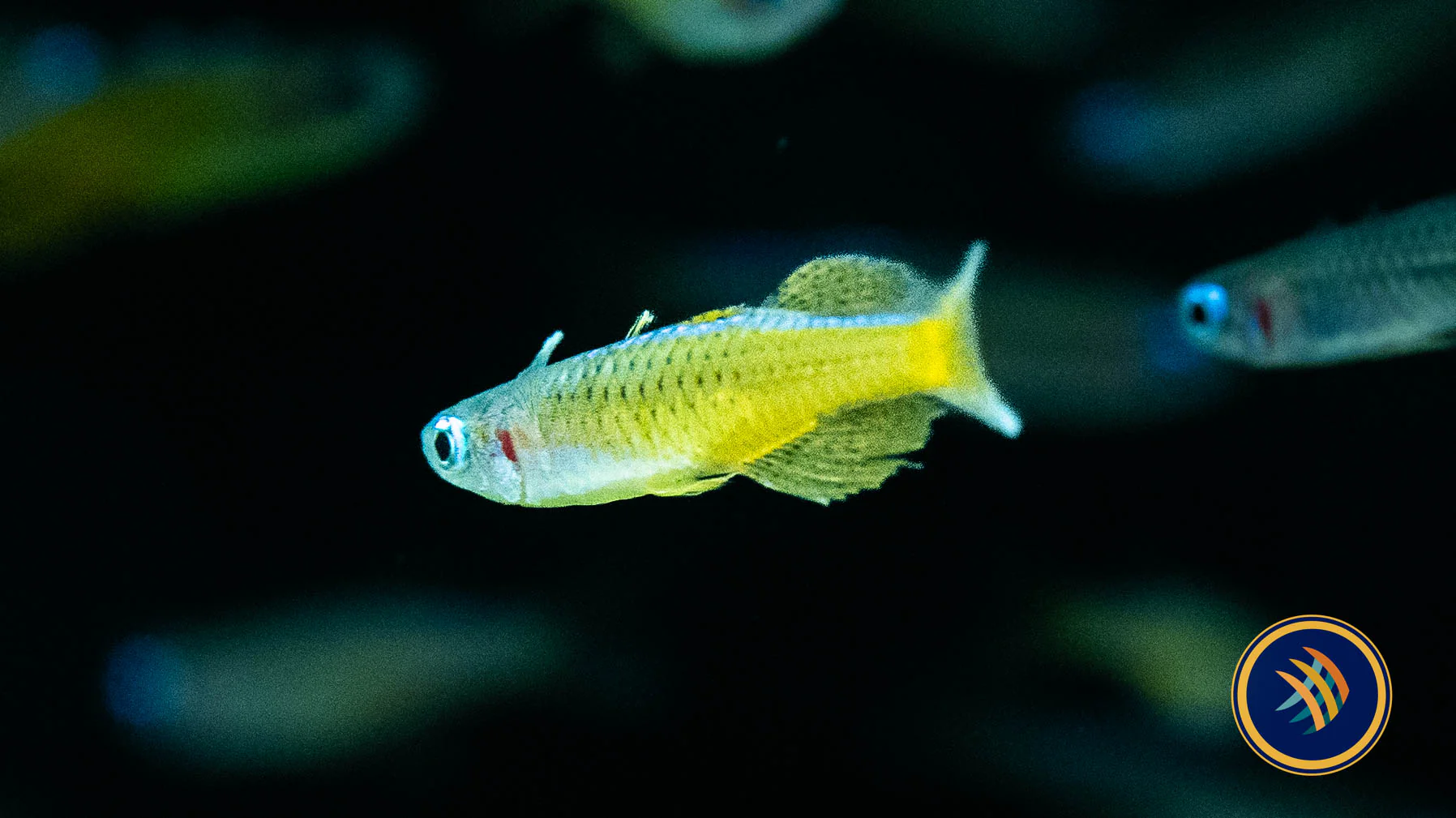
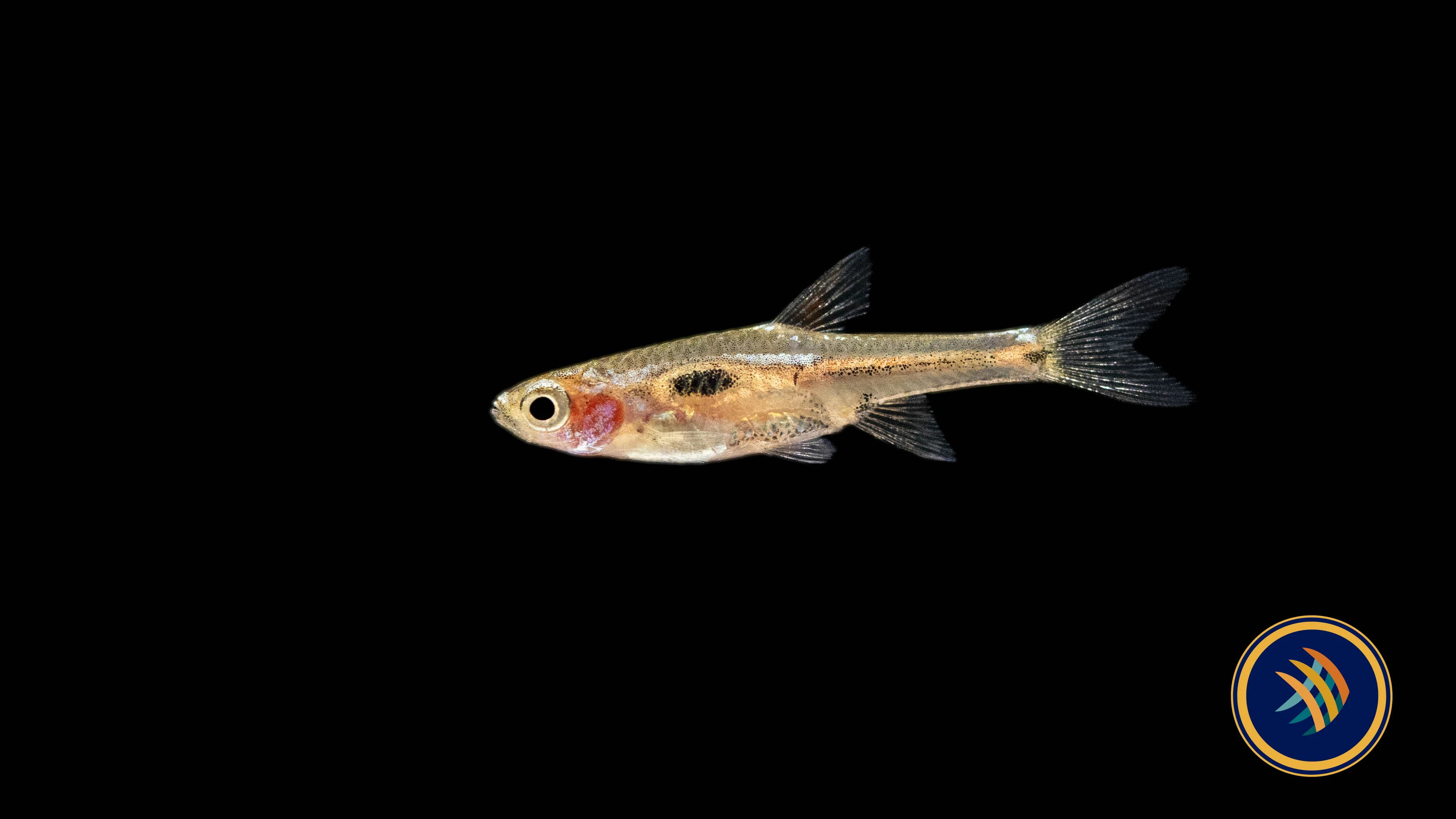
- Sleek silver body with three thin horizontal lines running nose to tail
- Long, deeply forked tail often edged in black—when schooling, tails cross like scissors (hence the name)
- Mature adults develop a graceful, streamlined look; juveniles are slimmer and less defined
Natural Origin & Habitat
- Native to Thailand, Malaysia, Sumatra, and Borneo
- Inhabits:
- Rivers and large streams
- Flooded forest margins
- Areas with moderate current and open swimming space
- Water is usually soft to moderately hard, slightly acidic to neutral
Aquarium Care
Tank Size & Setup
- Minimum tank: 40 gallons (long tanks preferred)
- Ideal: 55–75 gallons for a proper school
- Aquascape tips:
- Open swimming space in the middle
- Plants along edges and back
- Driftwood or smooth stones optional
- Moderate water flow appreciated
Water Parameters
- Temperature: 23–28 °C (73–82 °F)
- pH: 6.0–7.5
- Hardness: 5–15 dGH
- Very tolerant as long as water quality is stable
Social Behavior & Stocking
- Must be kept in groups of at least 6, ideally 8–12+
- In small groups they:
- Become nervous
- Show fin-nipping behavior
- In proper numbers they are:
- Calm
- Spectacular schooling fish
- Completely community-safe
Good tankmates:
- Larger tetras
- Other rasboras
- Rainbowfish
- Corydoras
- Peaceful loaches
- Gouramis
Avoid:
- Very small nano fish (may intimidate them)
- Aggressive or highly territorial species
Diet
- Omnivorous and unfussy
- Accepts:
- High-quality flakes and pellets
- Frozen foods (brine shrimp, bloodworms)
- Live foods for conditioning
- Feed 1–2 times daily; they are active eaters
Breeding Notes (Rare in Home Aquaria)
- Egg scatterers
- No parental care
- Spawning is uncommon without very large, planted systems
- Eggs and fry are typically eaten in community tanks
$5.84
Scissortail Rasbora (Rasbora trilineata) 2.5-3cm—
$5.84
Product Information
Product Information
Shipping & Returns
Shipping & Returns
Description
Common name: Scissortail Rasbora
Scientific name: Rasbora trilineata
Quick Overview
- Family: Cyprinidae
- Adult size: 12–15 cm (5–6 in)
- Lifespan: 5–8 years
- Temperament: Peaceful, active schooling fish
- Difficulty: Easy (hardy and adaptable)
Identification & Appearance
- Sleek silver body with three thin horizontal lines running nose to tail
- Long, deeply forked tail often edged in black—when schooling, tails cross like scissors (hence the name)
- Mature adults develop a graceful, streamlined look; juveniles are slimmer and less defined
Natural Origin & Habitat
- Native to Thailand, Malaysia, Sumatra, and Borneo
- Inhabits:
- Rivers and large streams
- Flooded forest margins
- Areas with moderate current and open swimming space
- Water is usually soft to moderately hard, slightly acidic to neutral
Aquarium Care
Tank Size & Setup
- Minimum tank: 40 gallons (long tanks preferred)
- Ideal: 55–75 gallons for a proper school
- Aquascape tips:
- Open swimming space in the middle
- Plants along edges and back
- Driftwood or smooth stones optional
- Moderate water flow appreciated
Water Parameters
- Temperature: 23–28 °C (73–82 °F)
- pH: 6.0–7.5
- Hardness: 5–15 dGH
- Very tolerant as long as water quality is stable
Social Behavior & Stocking
- Must be kept in groups of at least 6, ideally 8–12+
- In small groups they:
- Become nervous
- Show fin-nipping behavior
- In proper numbers they are:
- Calm
- Spectacular schooling fish
- Completely community-safe
Good tankmates:
- Larger tetras
- Other rasboras
- Rainbowfish
- Corydoras
- Peaceful loaches
- Gouramis
Avoid:
- Very small nano fish (may intimidate them)
- Aggressive or highly territorial species
Diet
- Omnivorous and unfussy
- Accepts:
- High-quality flakes and pellets
- Frozen foods (brine shrimp, bloodworms)
- Live foods for conditioning
- Feed 1–2 times daily; they are active eaters
Breeding Notes (Rare in Home Aquaria)
- Egg scatterers
- No parental care
- Spawning is uncommon without very large, planted systems
- Eggs and fry are typically eaten in community tanks