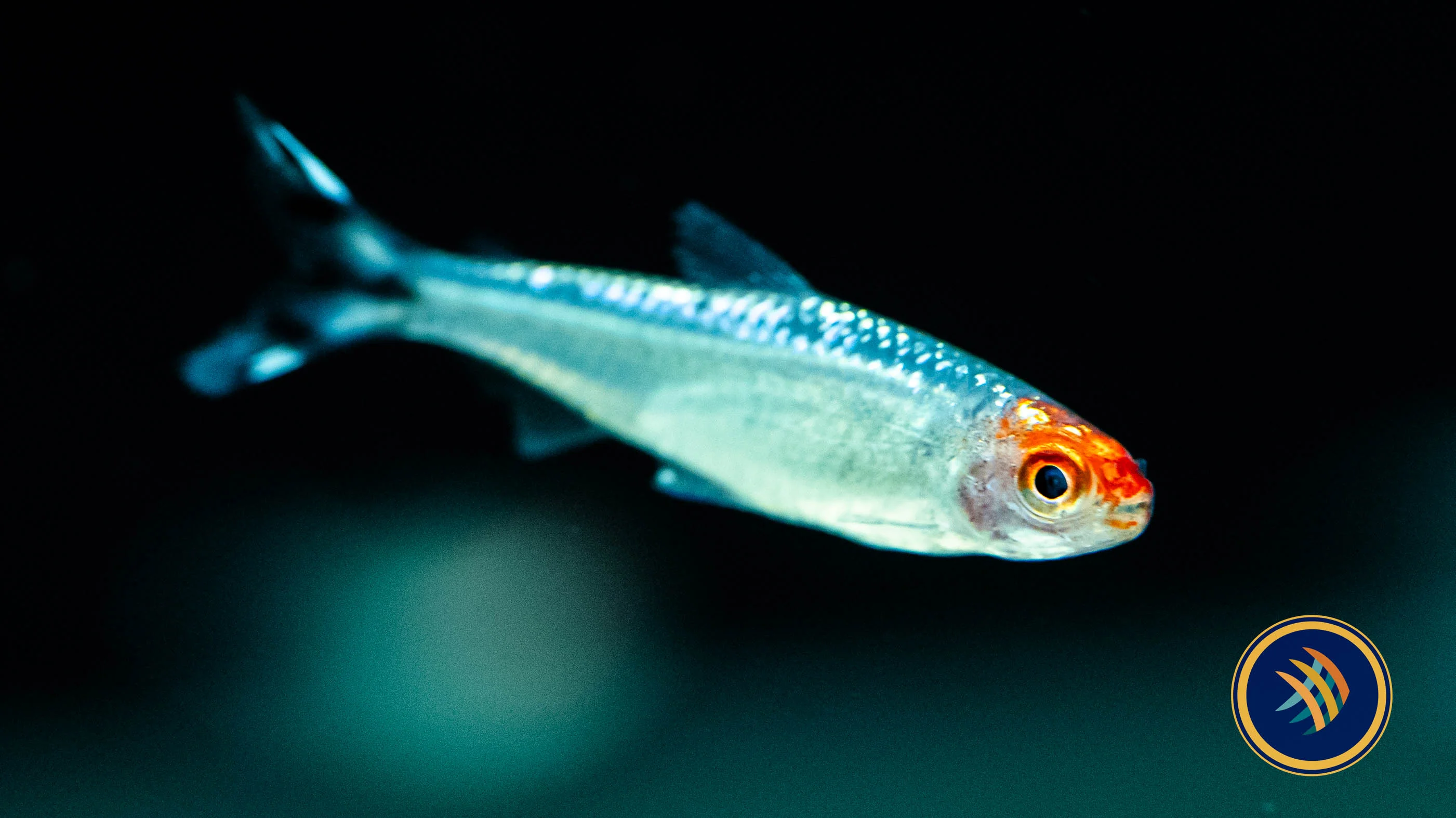
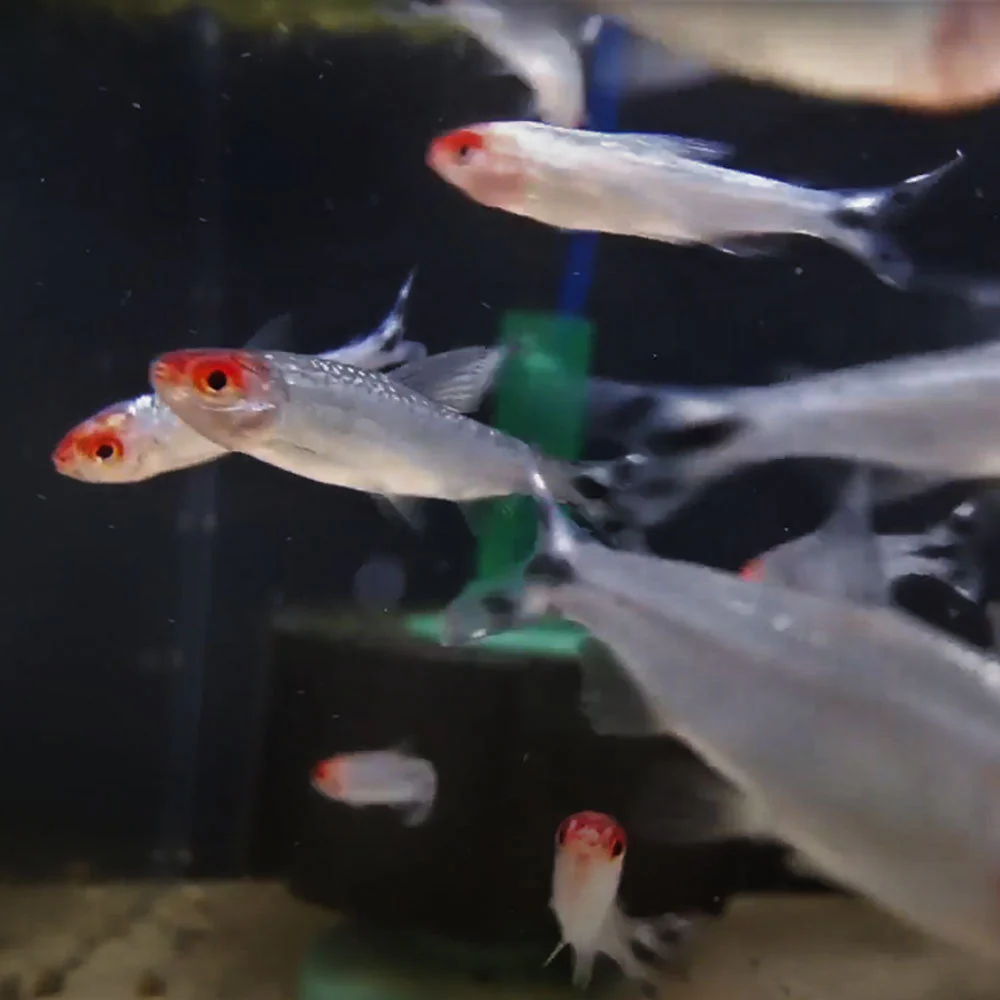
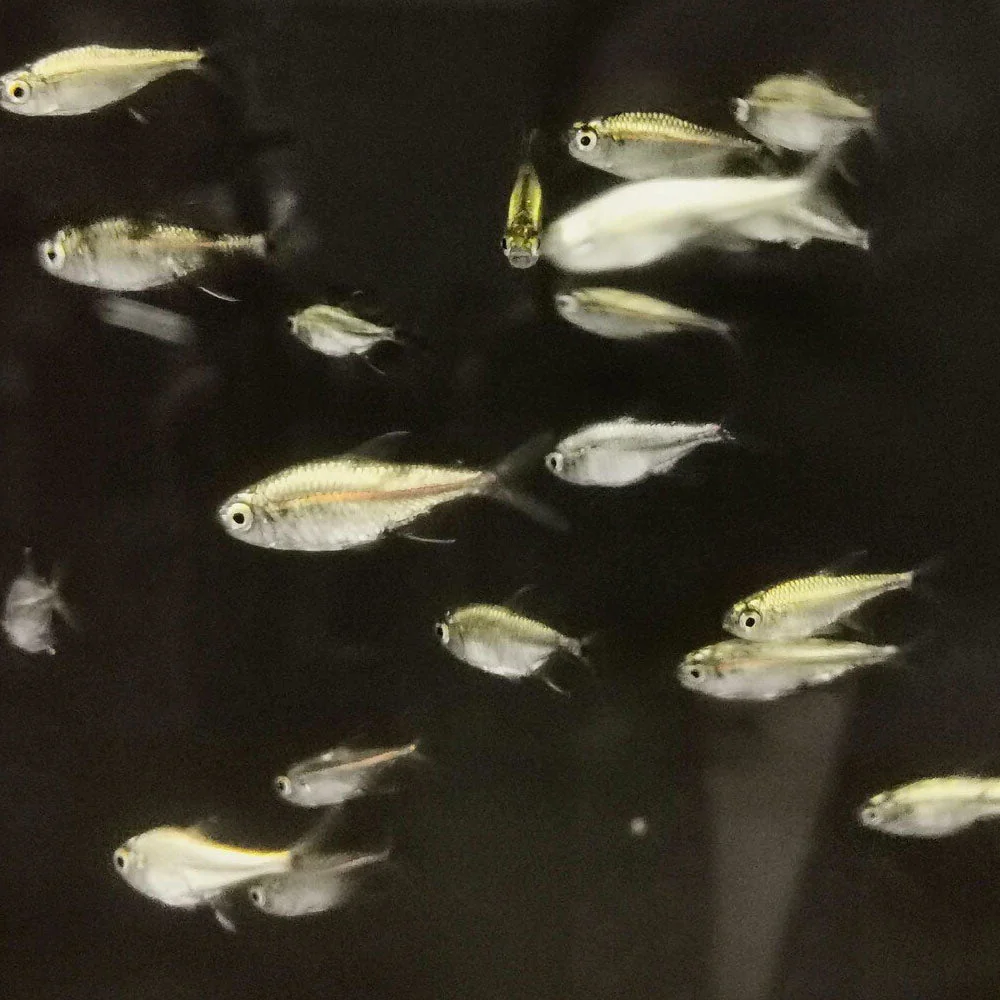
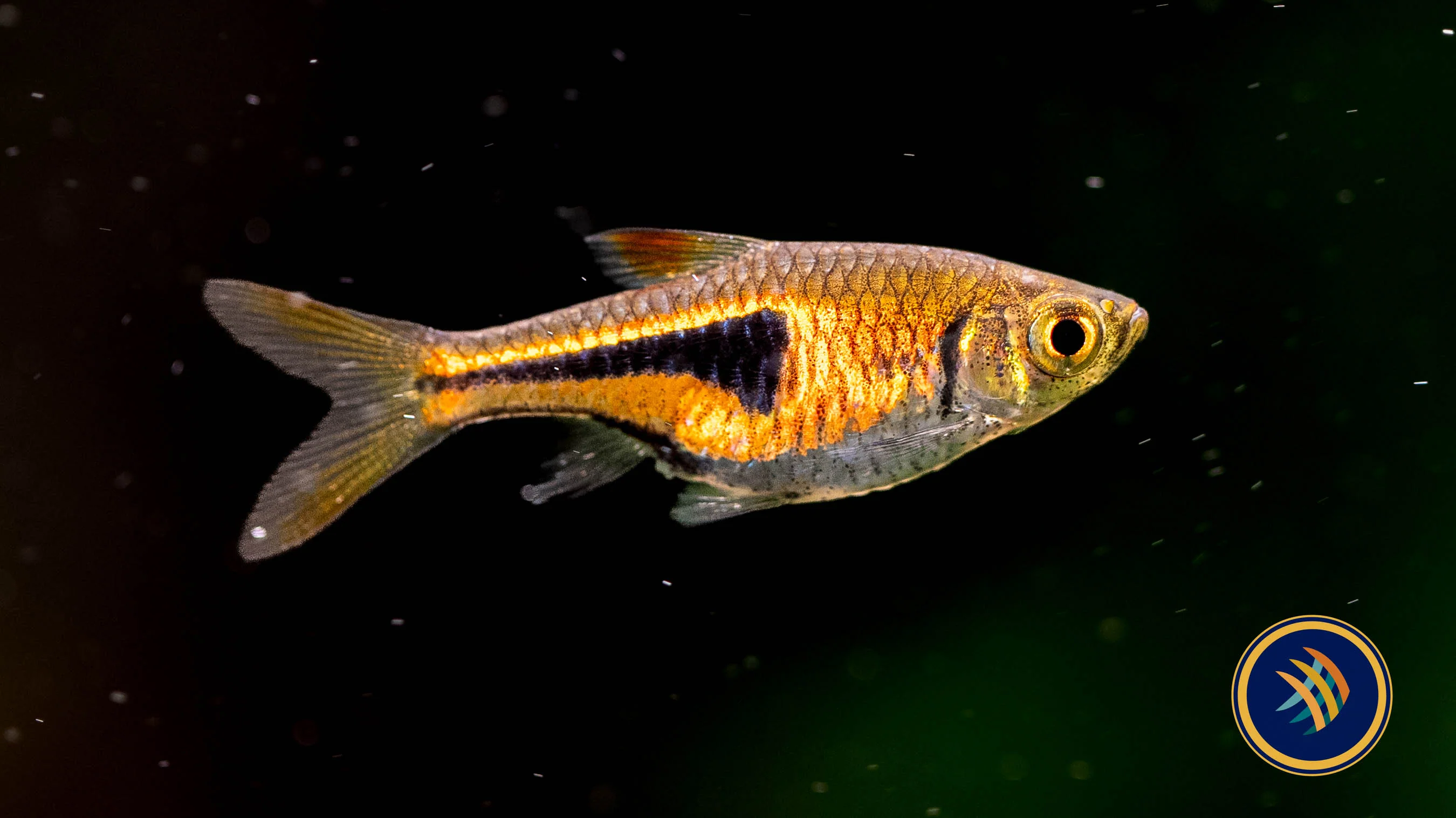
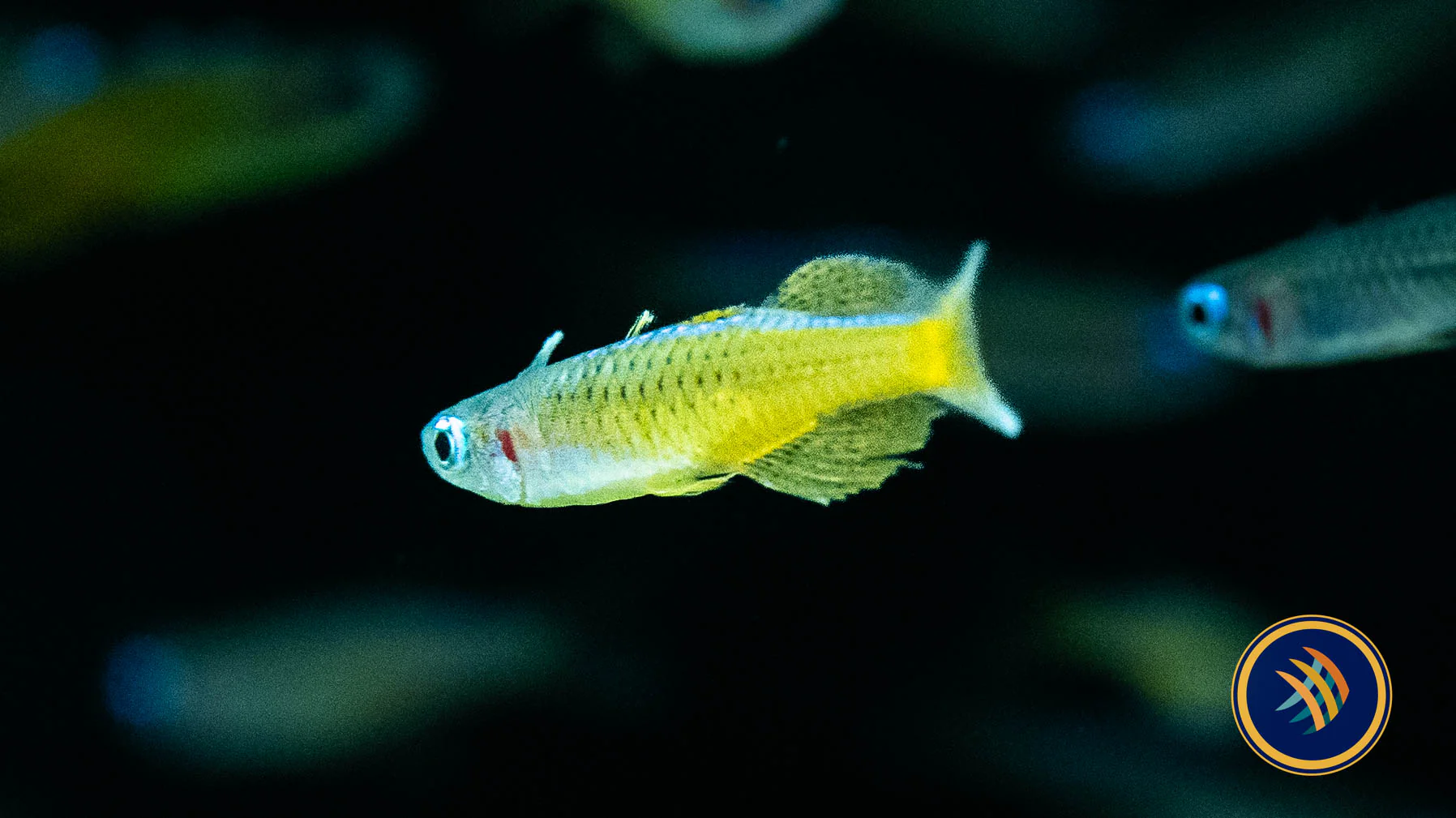
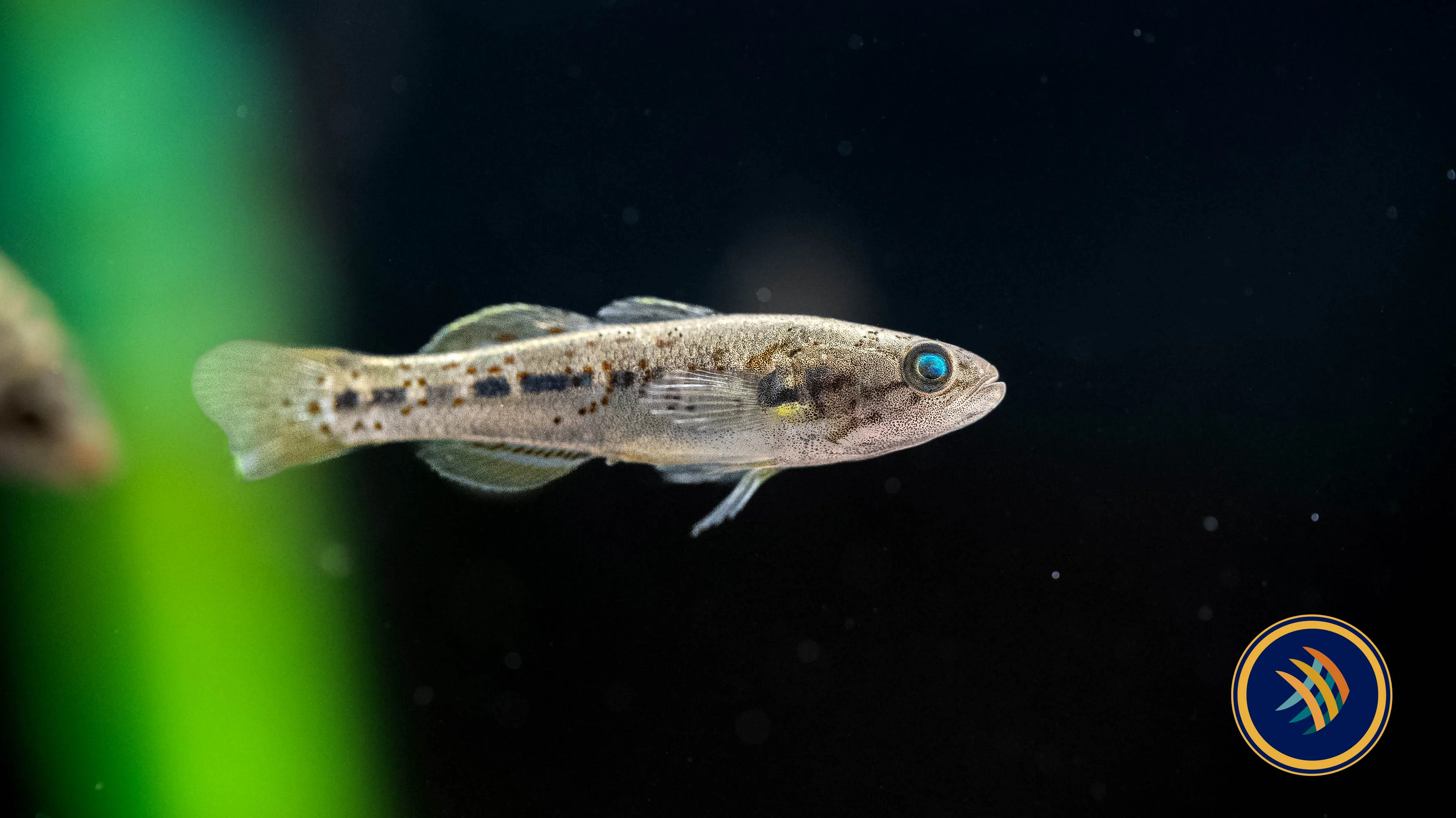
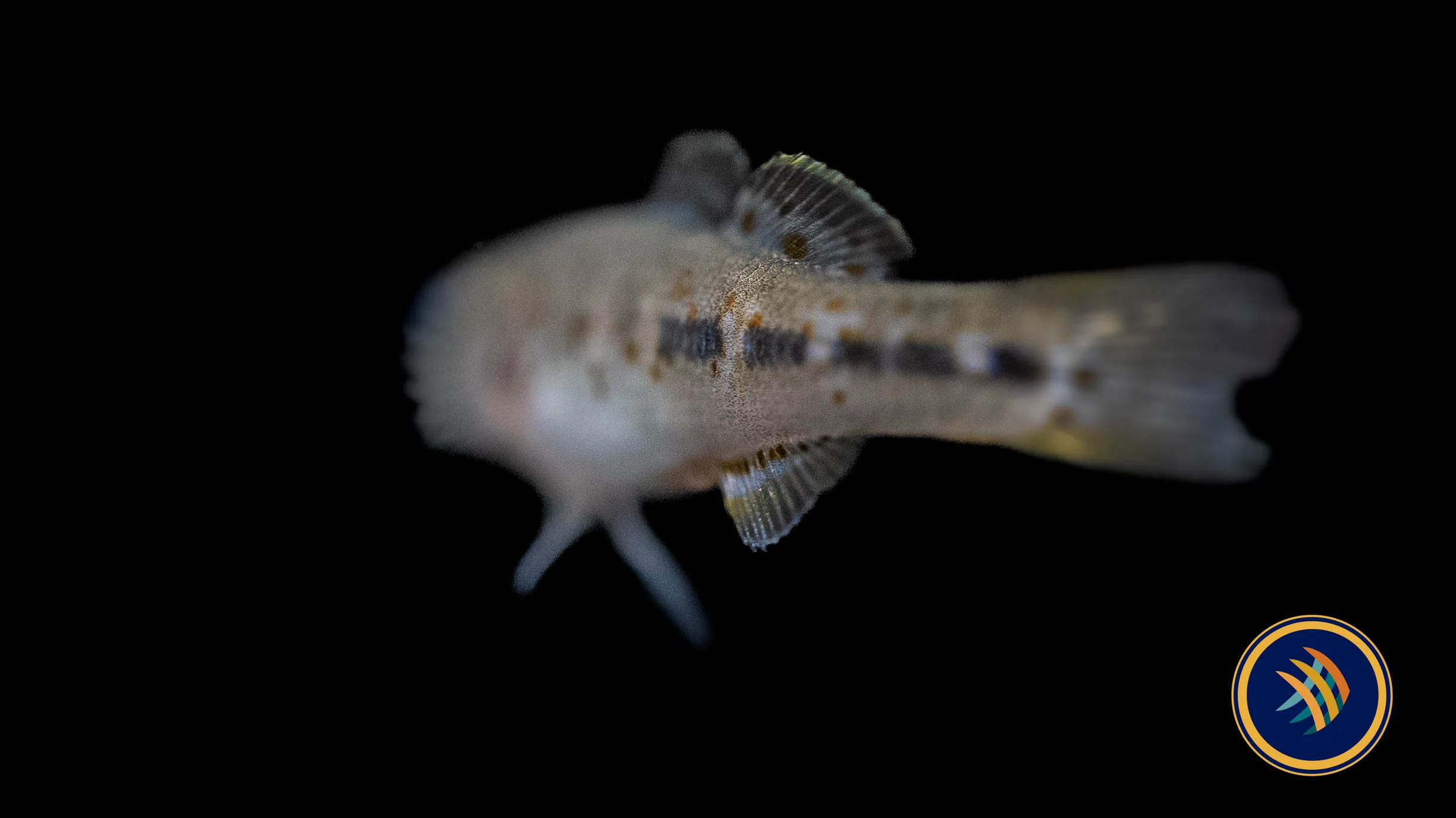
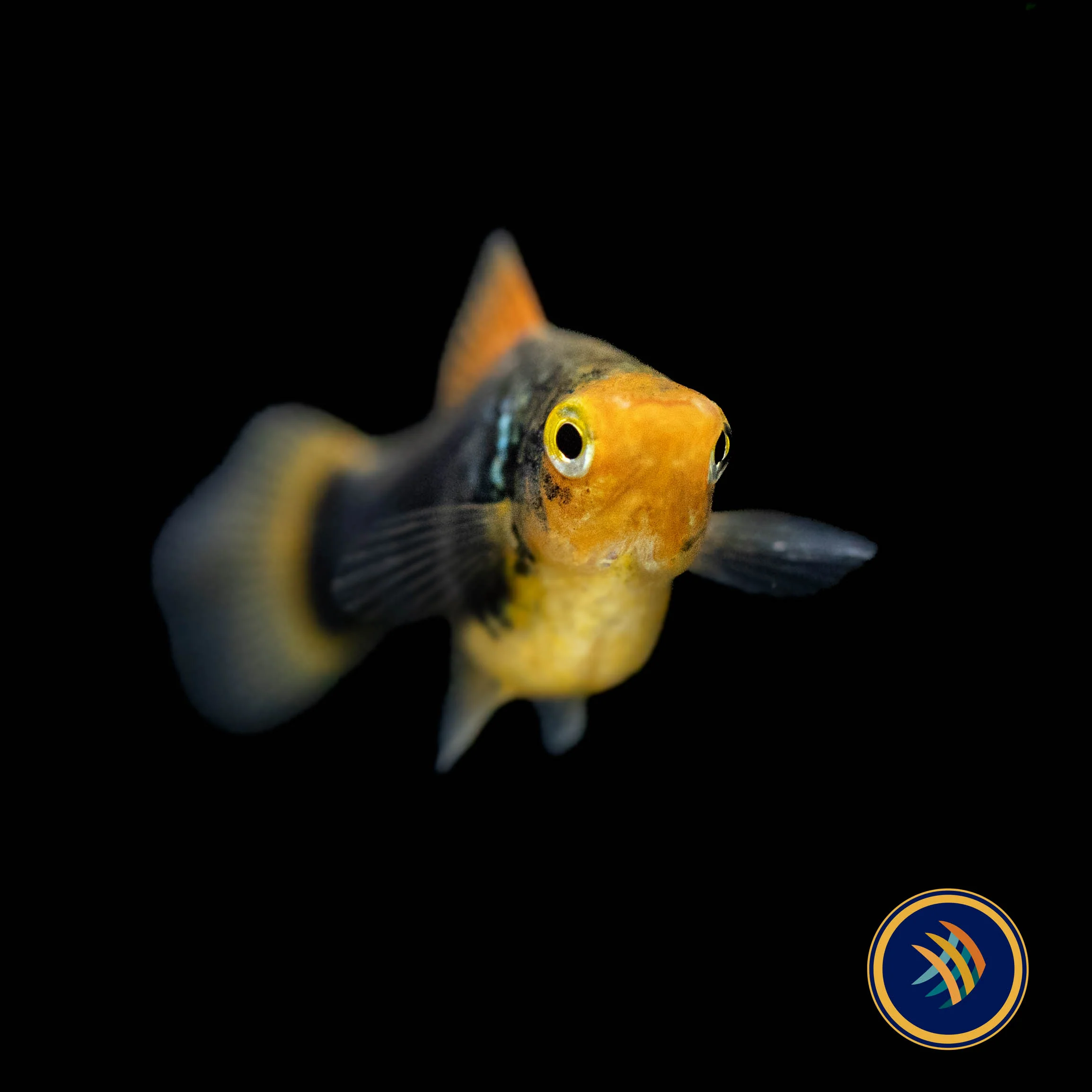
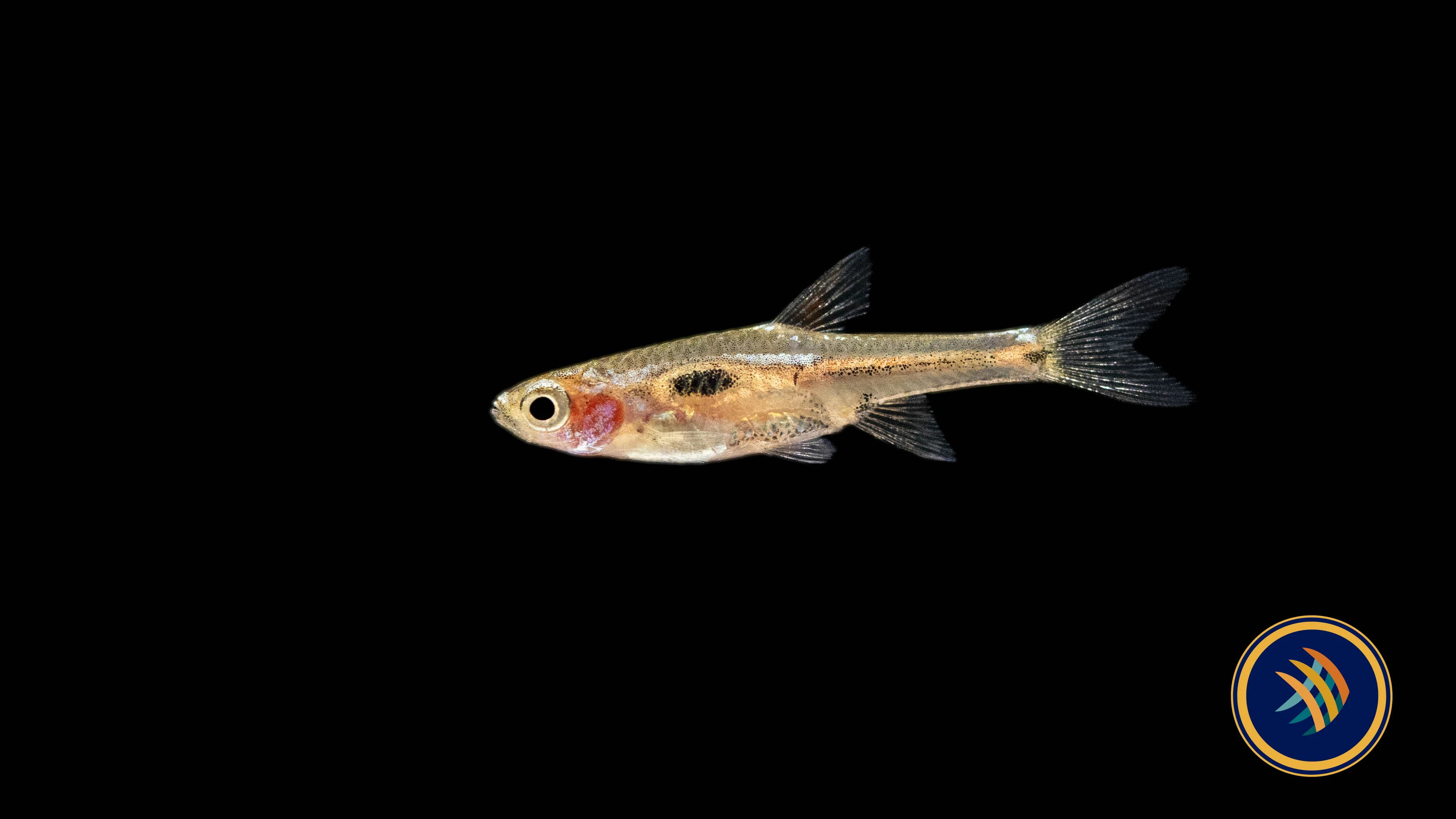
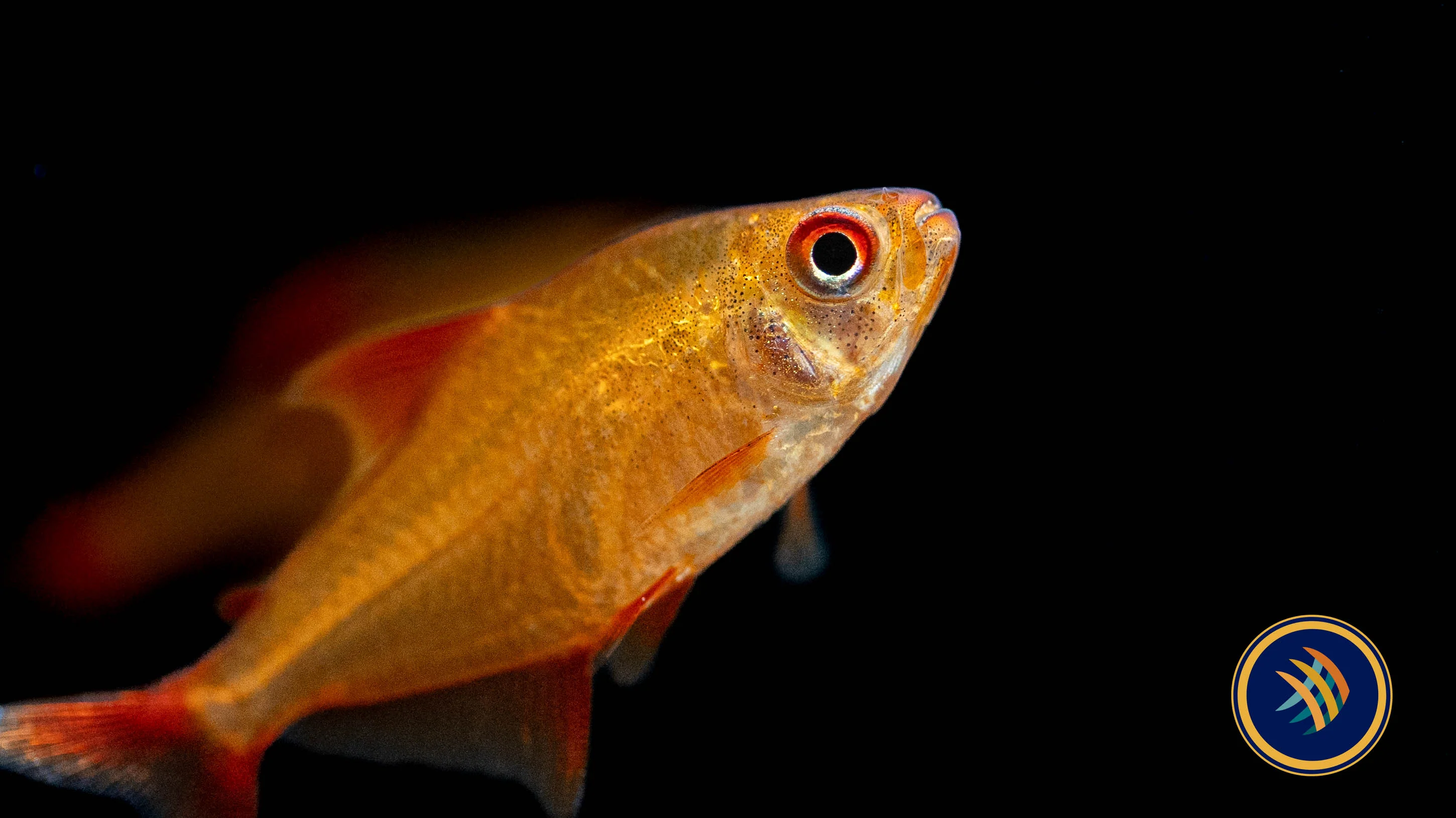
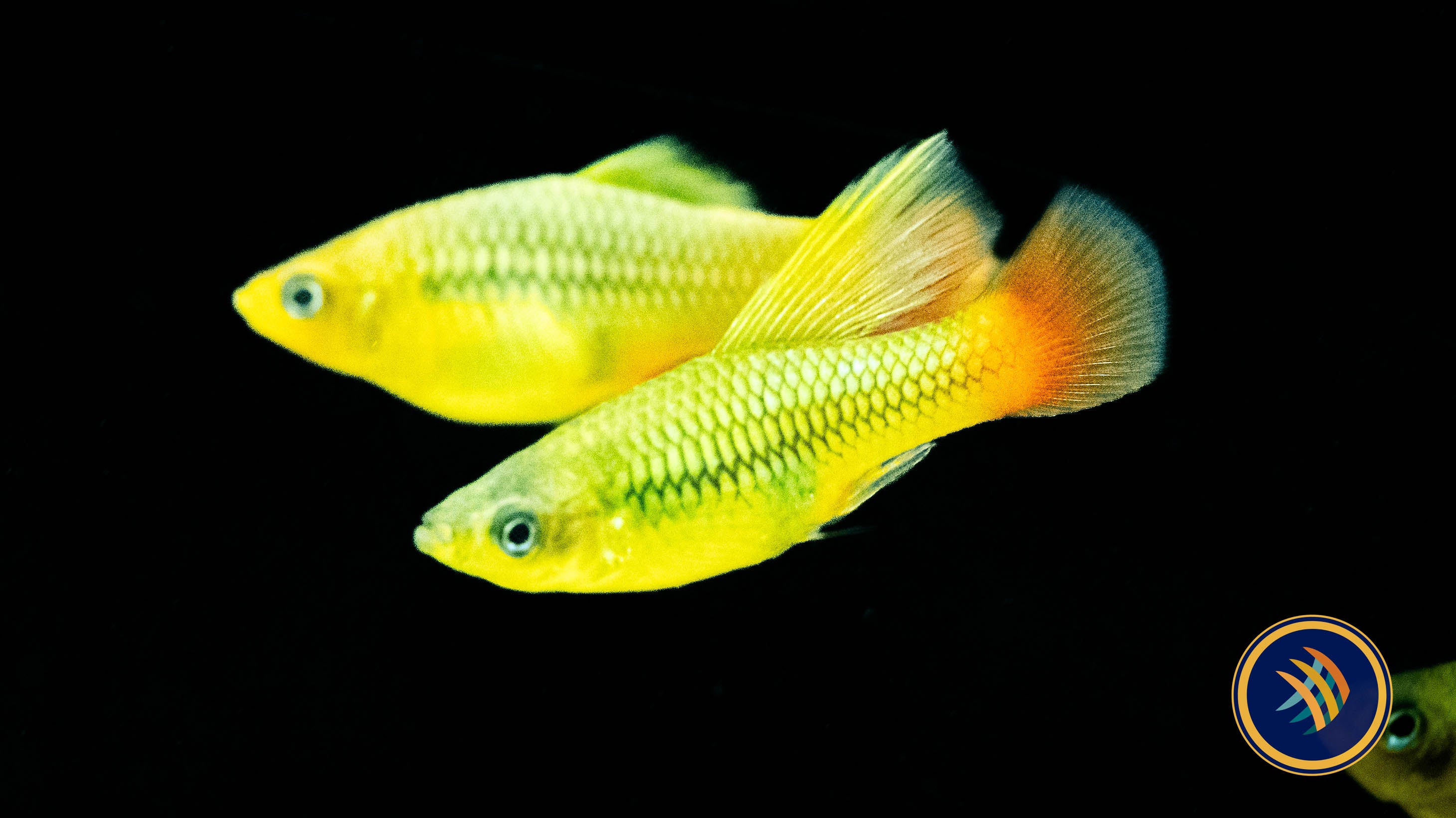
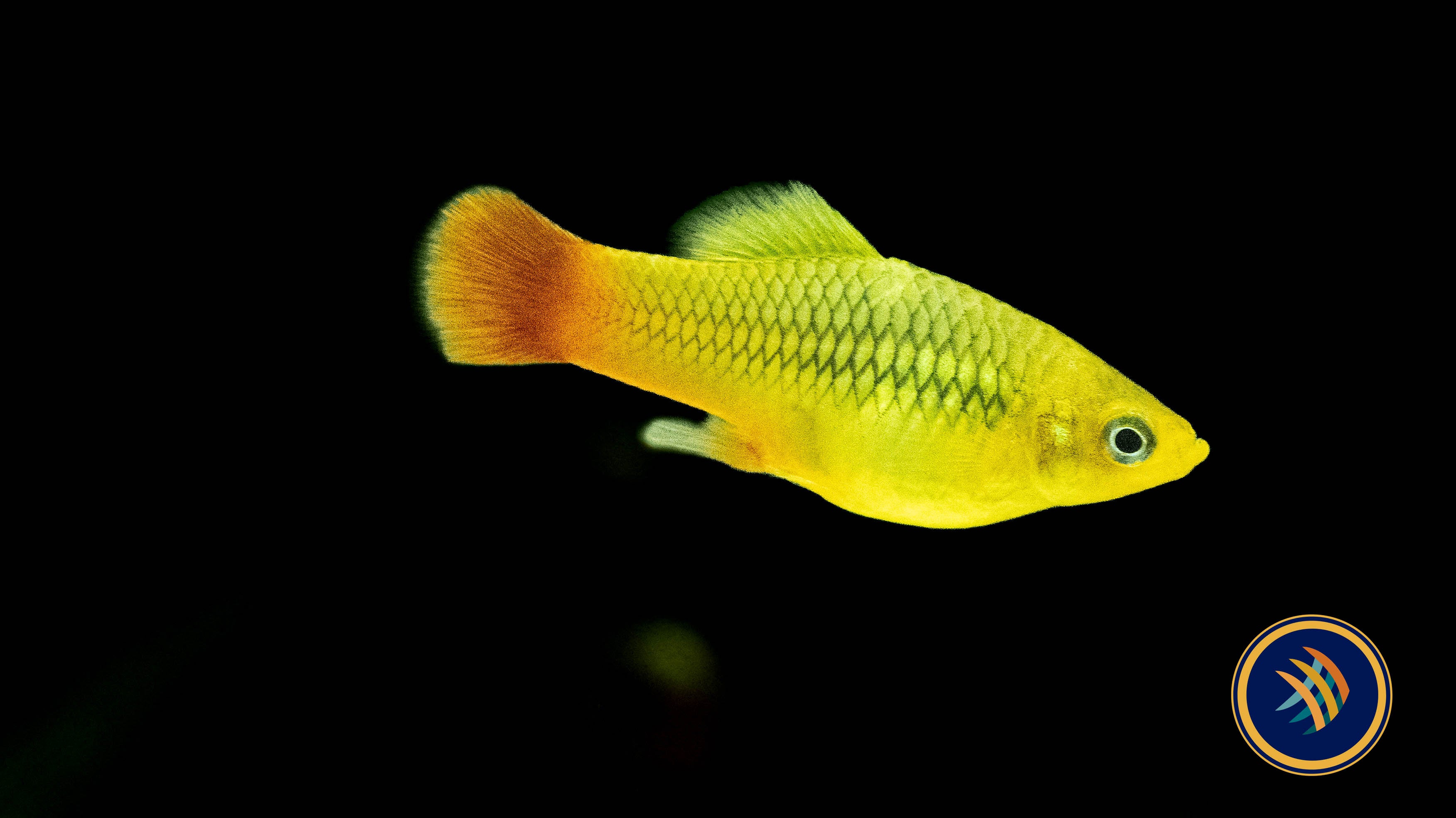
White Panda Borneo Loach (Hypergastromyzon humilis) 2-3cm
White Panda Borneo Loach - Hypergastromyzon humilis is a small, freshwater hillstream loach species belonging to the family Gastromyzontidae.
-
Etymology:
- Hypergastromyzon: From Greek hyper (over/above) + gaster (stomach) + myzon (to suckle)
- humilis: Latin for "low" or "on the ground", referencing its flattened body shape
Distribution & Habitat
- Native to: Sungai Melawi river basin, part of the Kapuas system in West Kalimantan, Indonesian Borneo
- Habitat: Fast-flowing, shallow forest streams with clear, oxygen-rich water
- Substrate: Gravel, rocks, and boulders often covered in biofilm (algae and microorganisms)
- Behavior: Clings to rocks using a suction-cup-like body structure to resist strong currents
Size
- Maximum Length: Around 3.0–3.8 cm standard length
- Morphology & Adaptations
- Flattened body ideal for streambed dwelling
- Modified pelvic fins form a suction disc for clinging to surfaces
- Specialized mouthparts for grazing on algae and biofilm
Aquarium Care
- Tank Size: Minimum 45 × 30 cm base for a group
- Water Conditions: Clean, well-oxygenated water with strong flow
- Substrate: Mix of sand, gravel, and smooth rocks
- Tankmates: Best kept with other peaceful, stream-dwelling species
$14.61
White Panda Borneo Loach (Hypergastromyzon humilis) 2-3cm—
$14.61
Product Information
Product Information
Shipping & Returns
Shipping & Returns
Description
White Panda Borneo Loach - Hypergastromyzon humilis is a small, freshwater hillstream loach species belonging to the family Gastromyzontidae.
-
Etymology:
- Hypergastromyzon: From Greek hyper (over/above) + gaster (stomach) + myzon (to suckle)
- humilis: Latin for "low" or "on the ground", referencing its flattened body shape
Distribution & Habitat
- Native to: Sungai Melawi river basin, part of the Kapuas system in West Kalimantan, Indonesian Borneo
- Habitat: Fast-flowing, shallow forest streams with clear, oxygen-rich water
- Substrate: Gravel, rocks, and boulders often covered in biofilm (algae and microorganisms)
- Behavior: Clings to rocks using a suction-cup-like body structure to resist strong currents
Size
- Maximum Length: Around 3.0–3.8 cm standard length
- Morphology & Adaptations
- Flattened body ideal for streambed dwelling
- Modified pelvic fins form a suction disc for clinging to surfaces
- Specialized mouthparts for grazing on algae and biofilm
Aquarium Care
- Tank Size: Minimum 45 × 30 cm base for a group
- Water Conditions: Clean, well-oxygenated water with strong flow
- Substrate: Mix of sand, gravel, and smooth rocks
- Tankmates: Best kept with other peaceful, stream-dwelling species