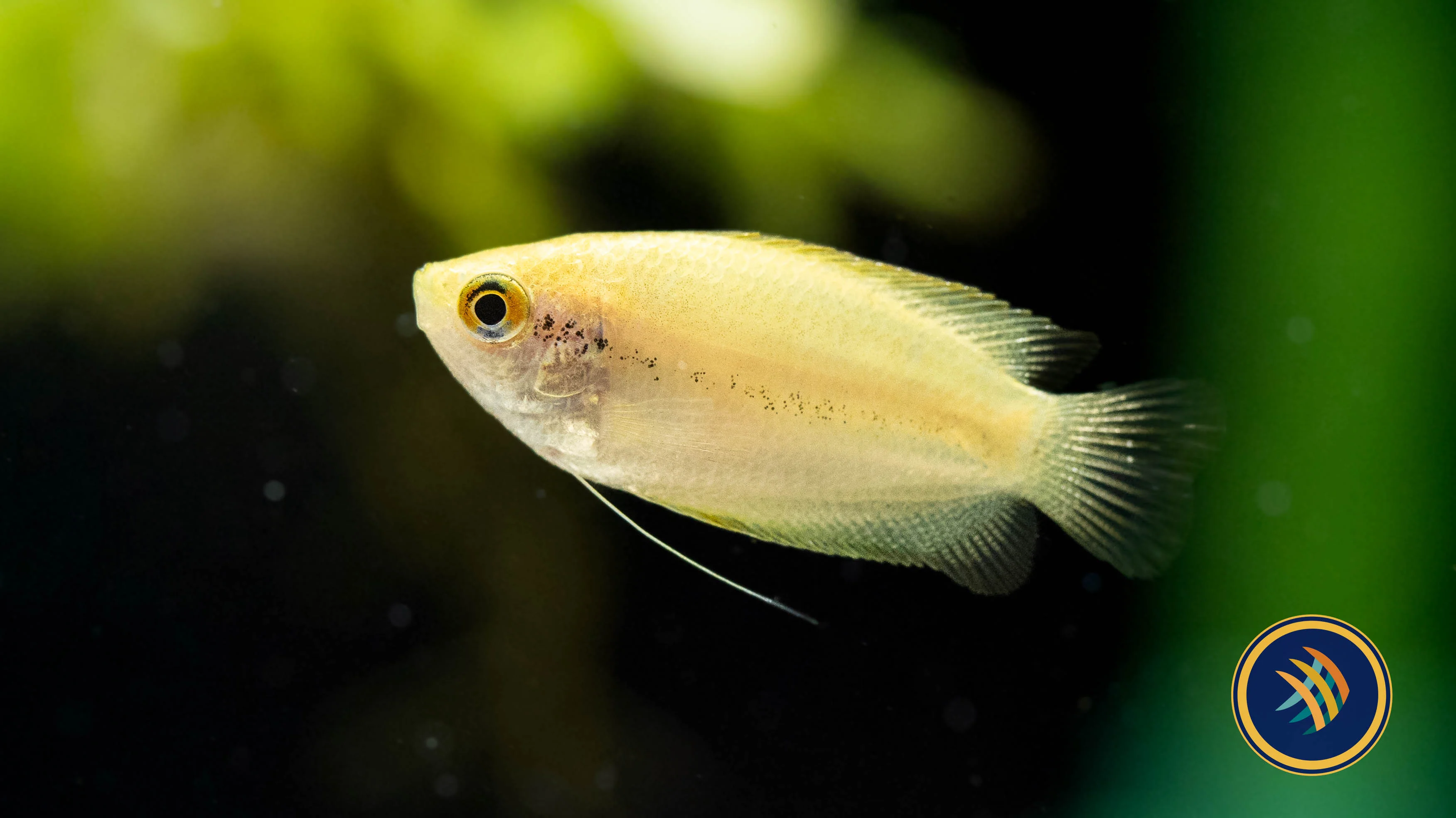
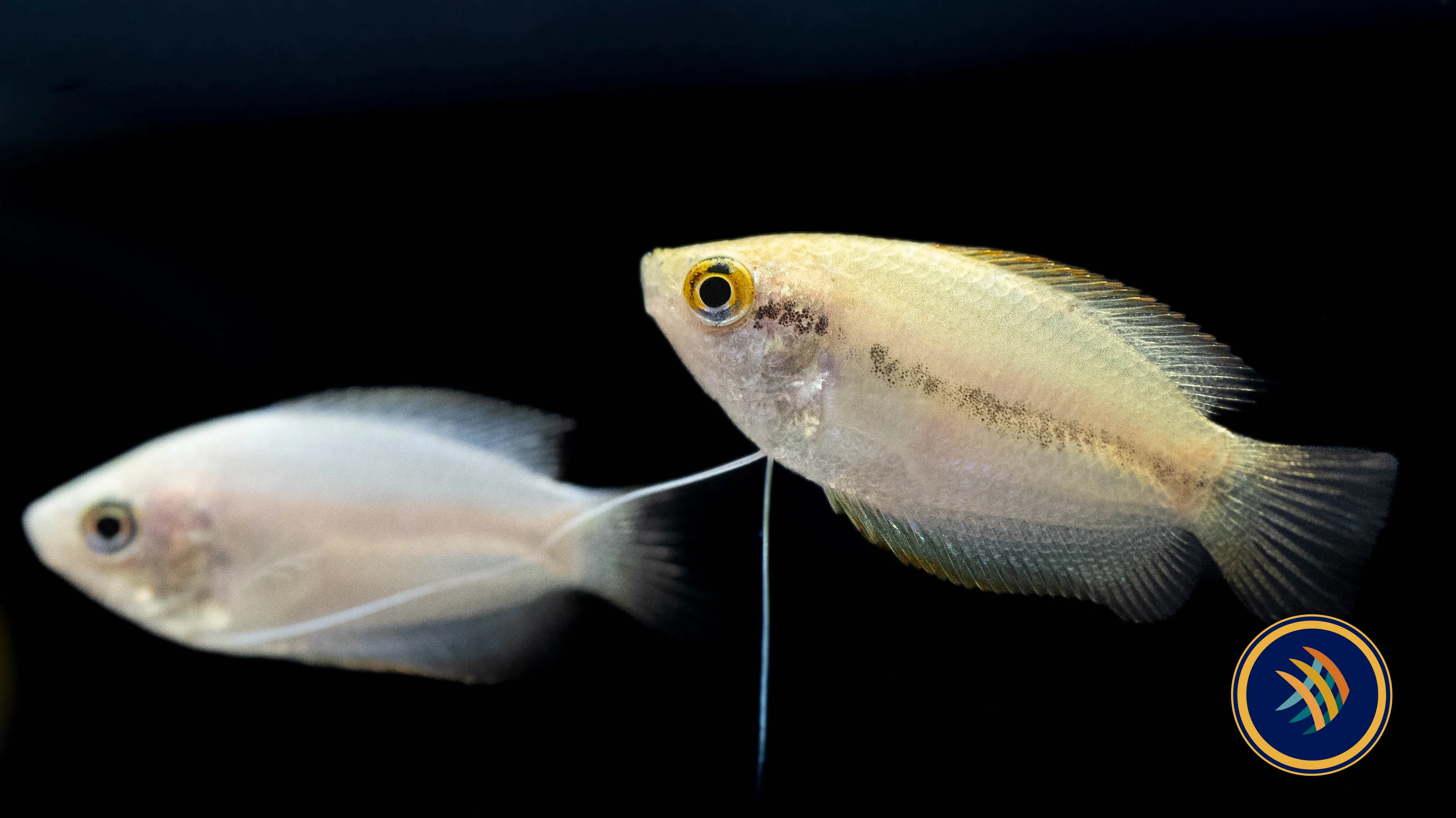
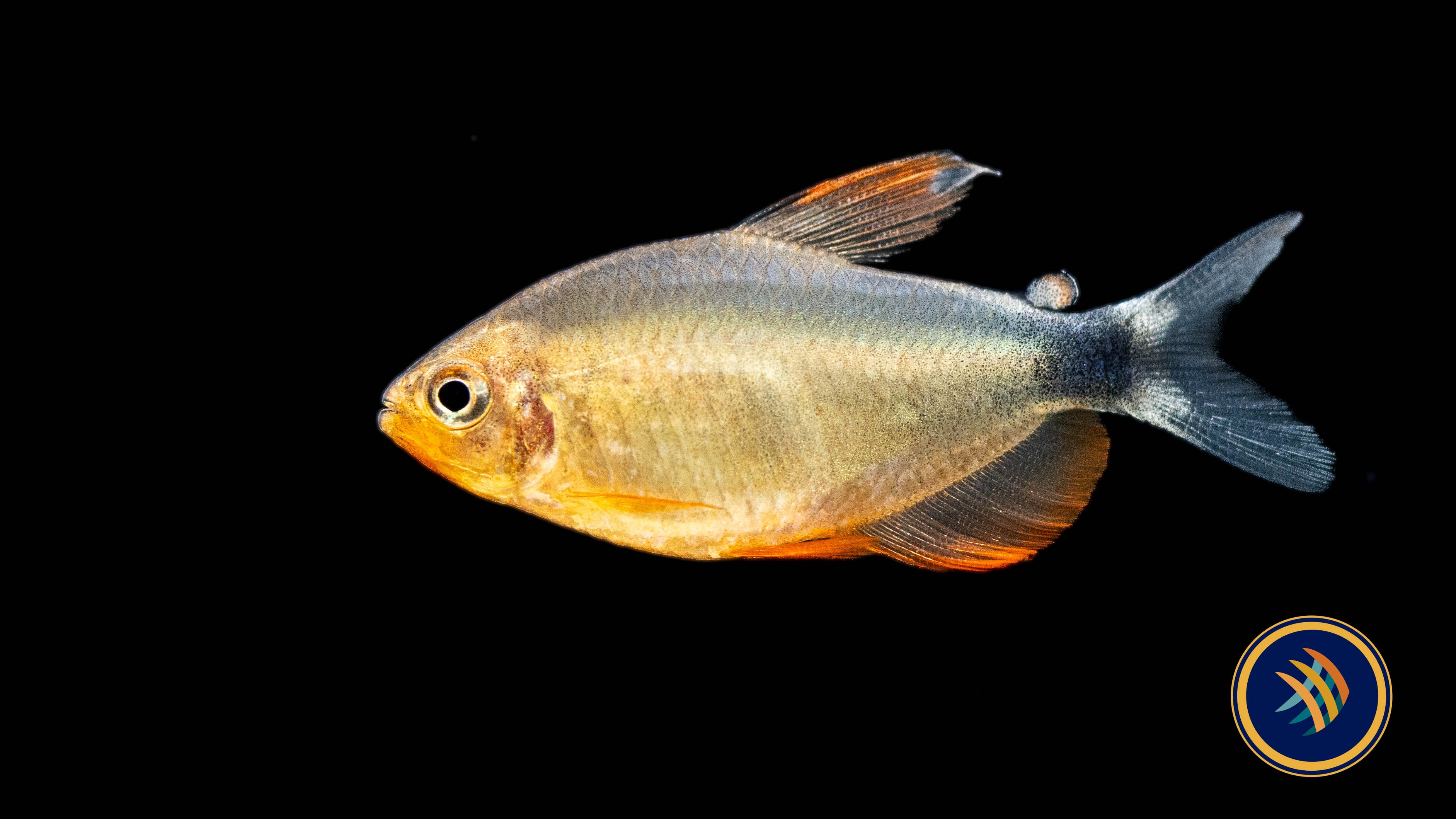
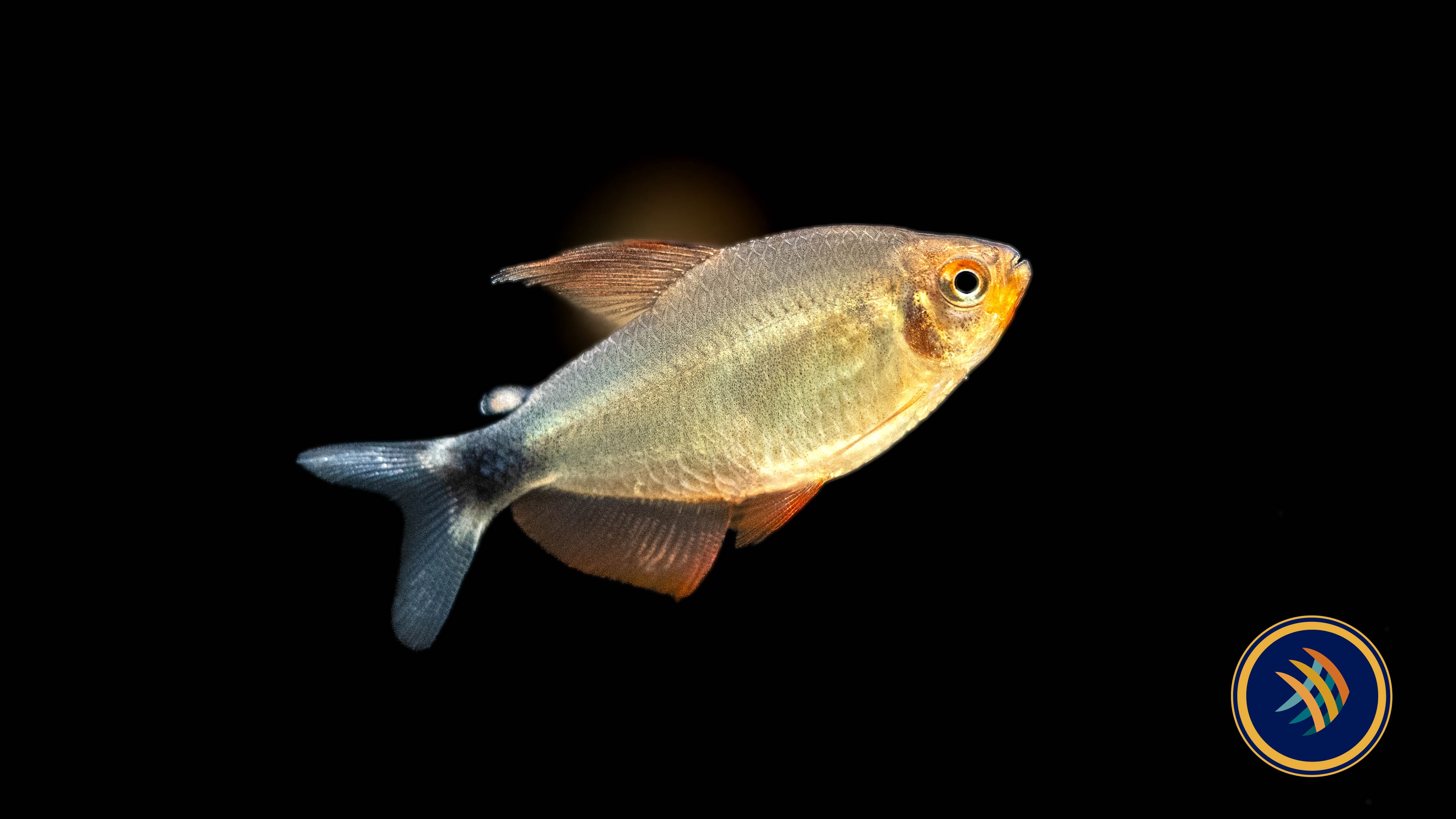
Cuban Limia (Limia vittata) Medium Aquarium Glaser
Cuban Limia (Limia vittata), also known as the Banded Limia or Cuban Molly, is a fascinating livebearing fish native to Cuba. Here are some key details about this species:
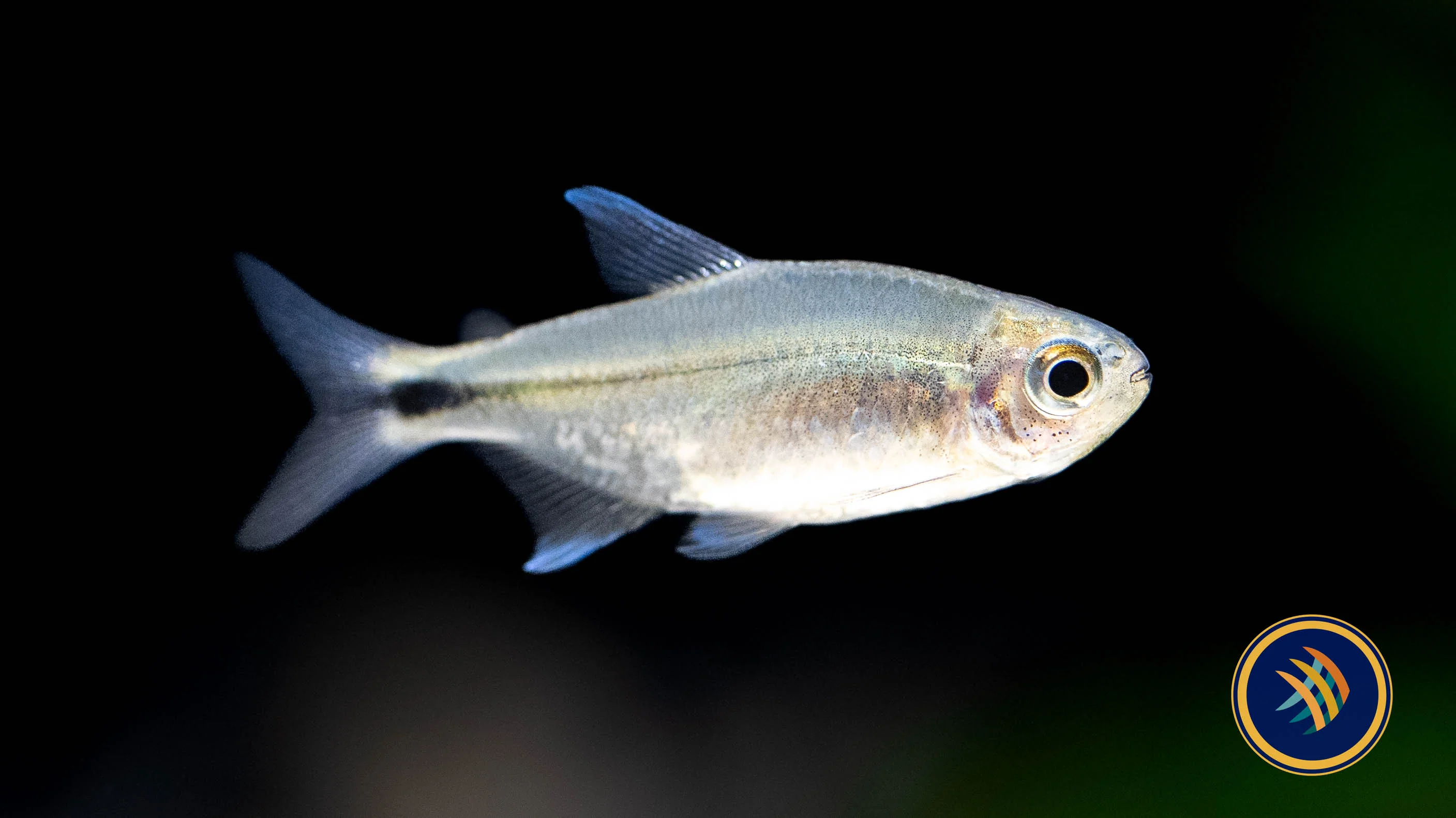
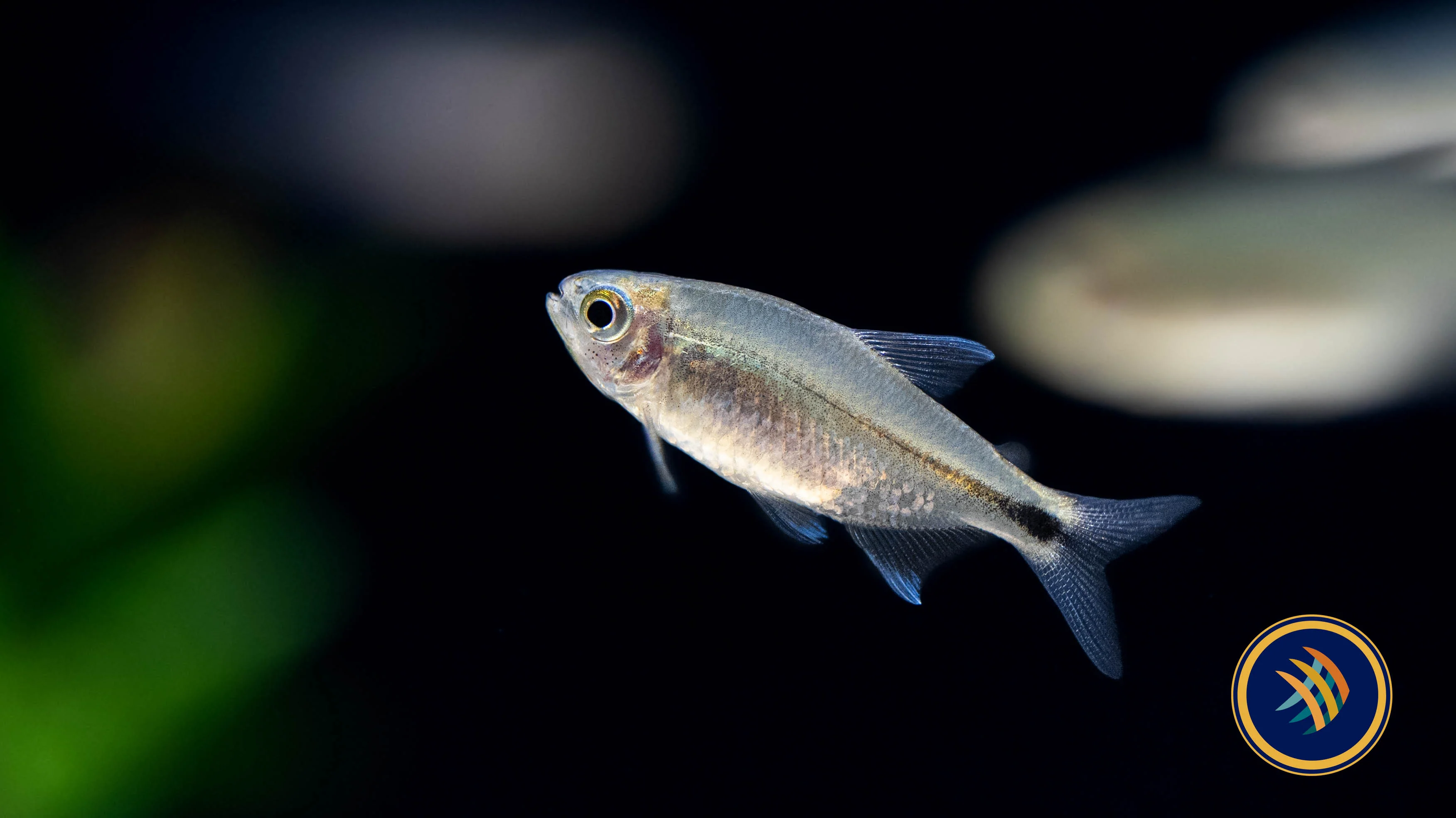
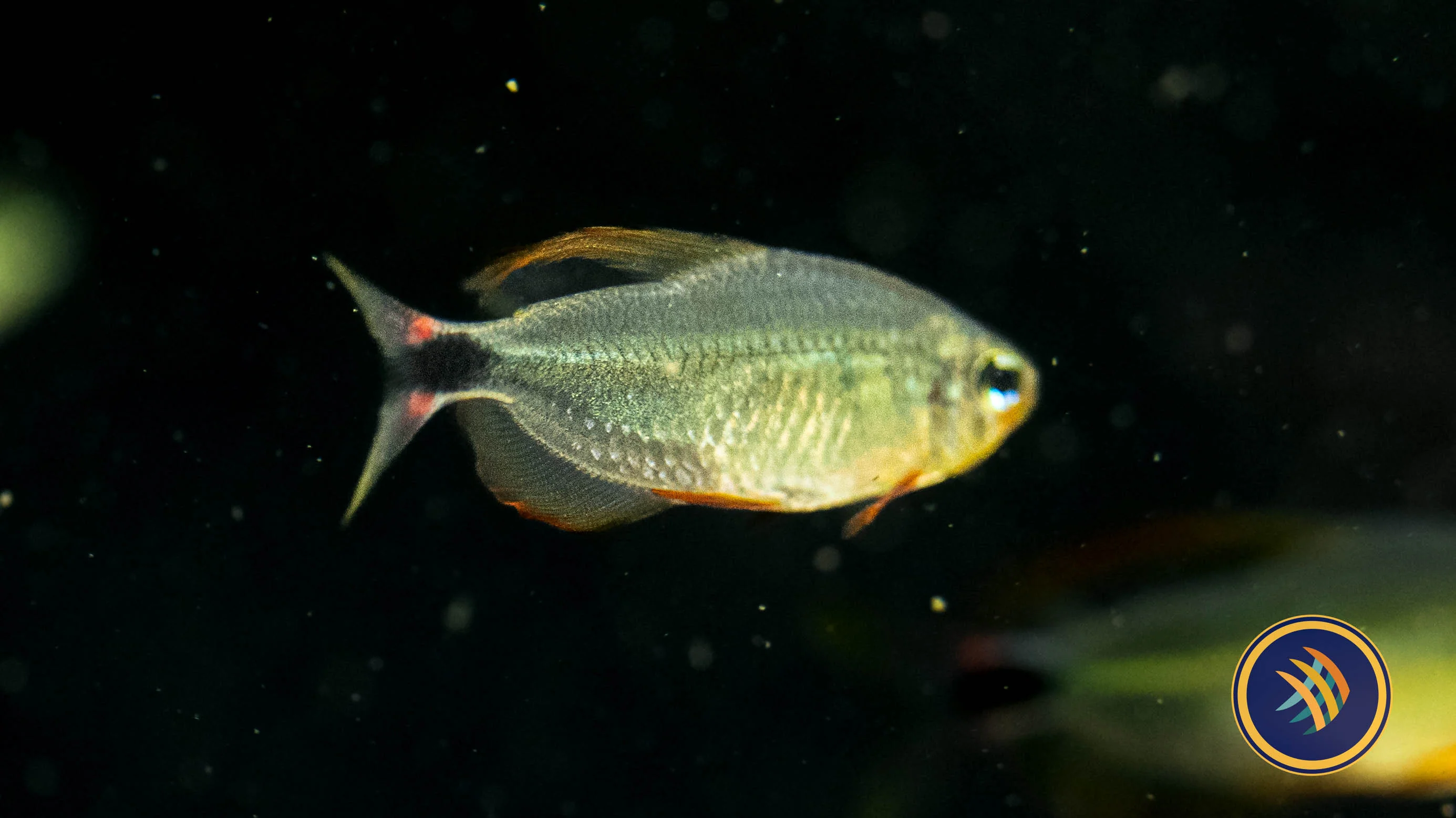
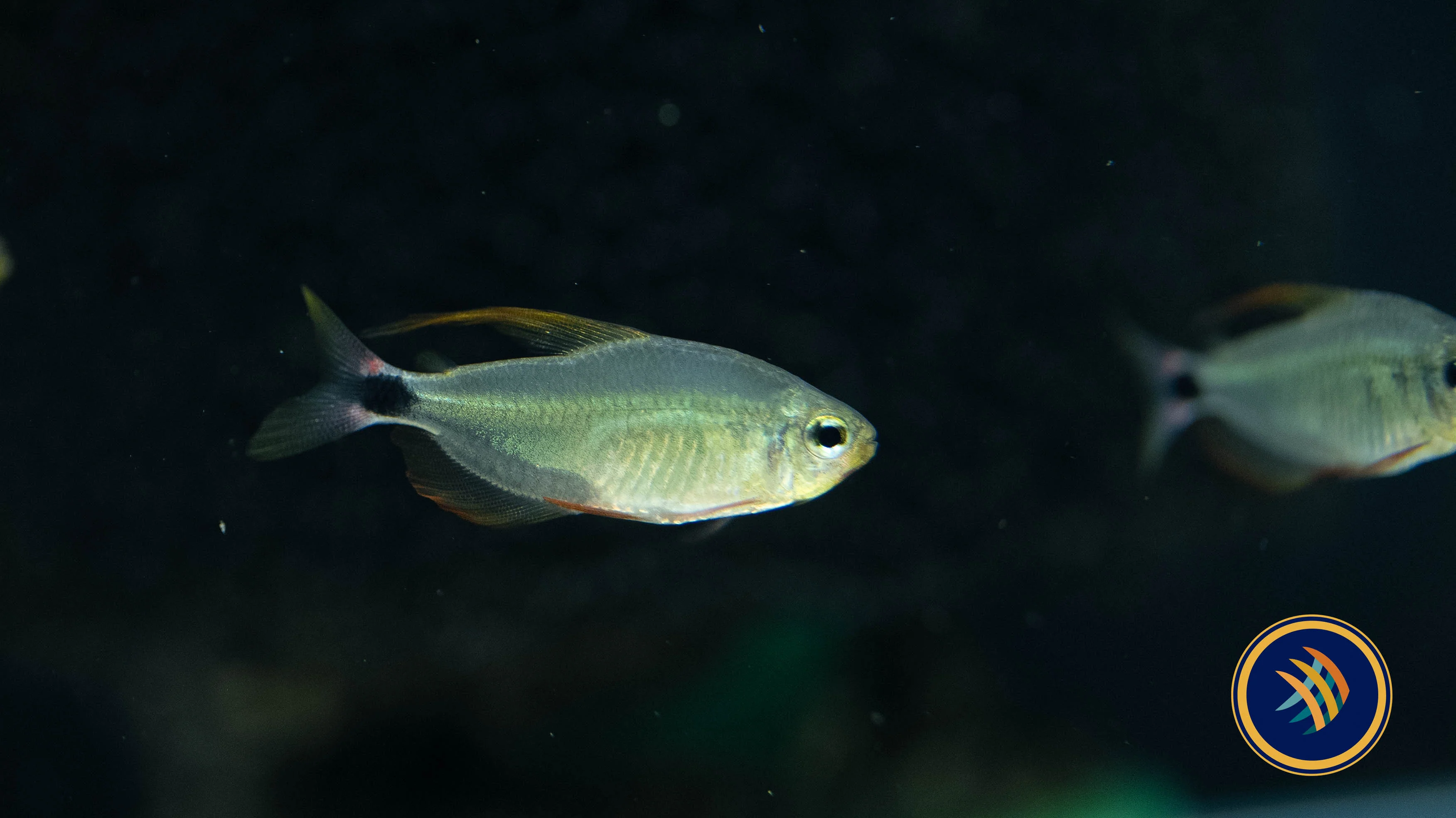
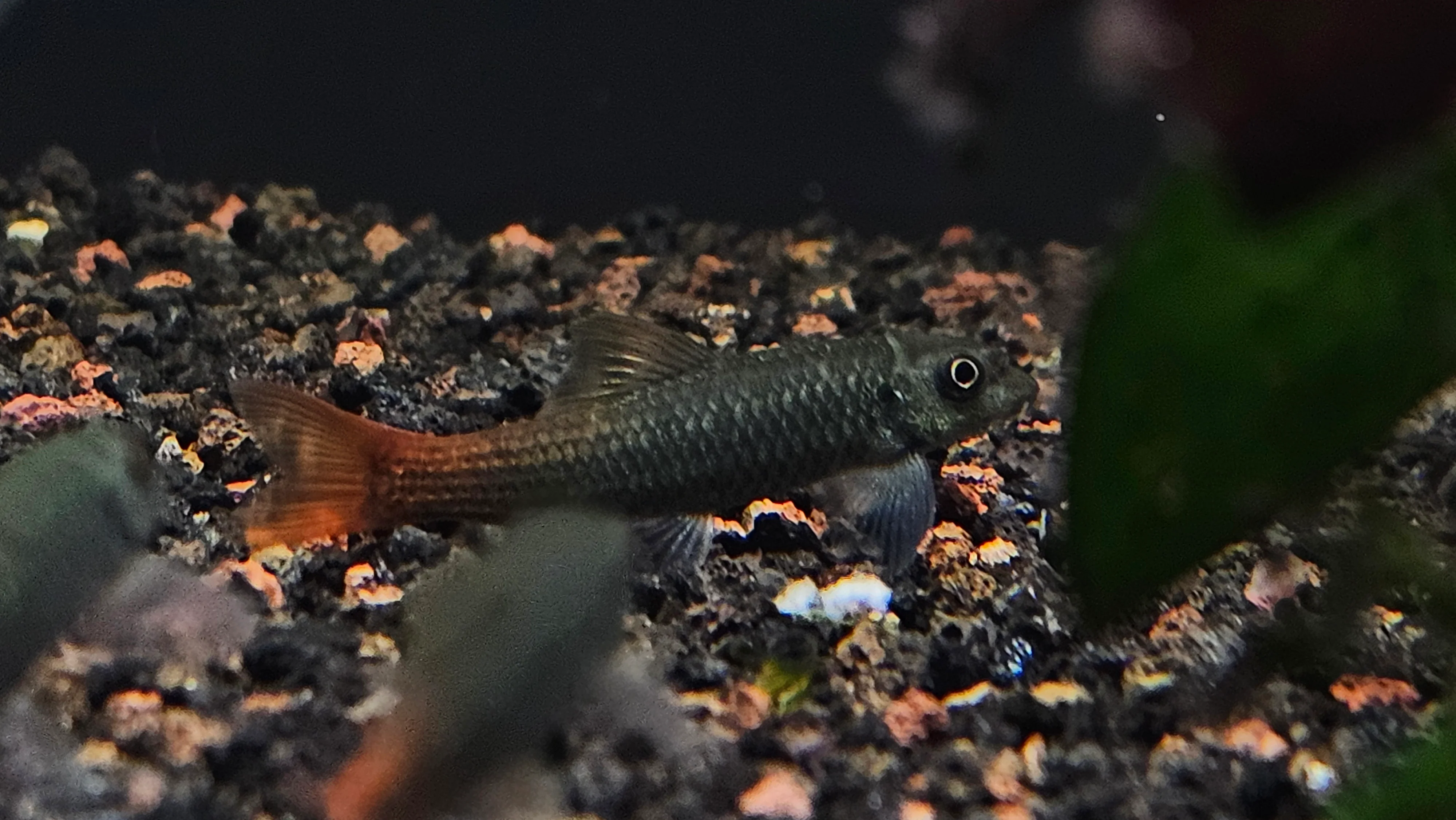
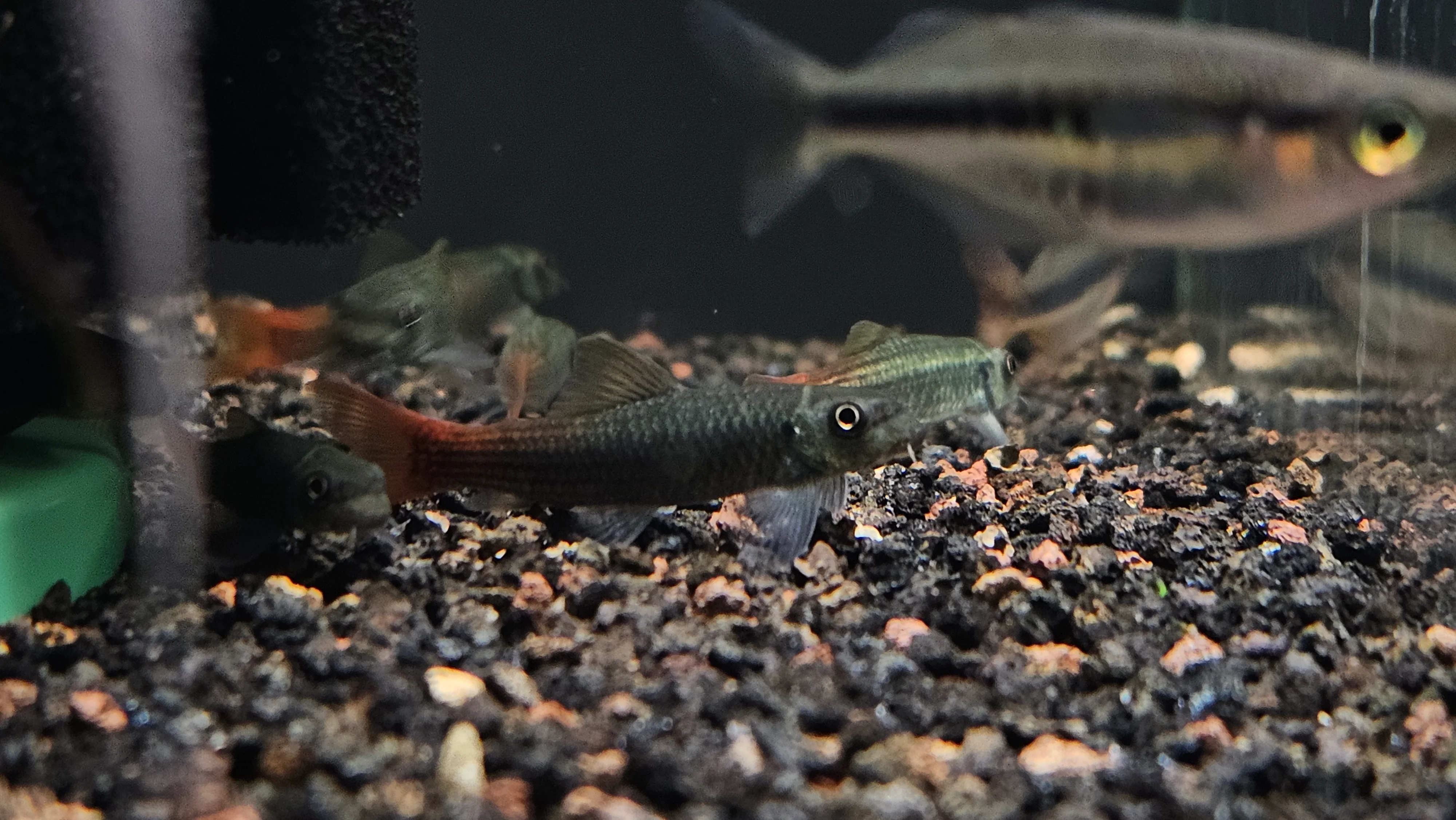
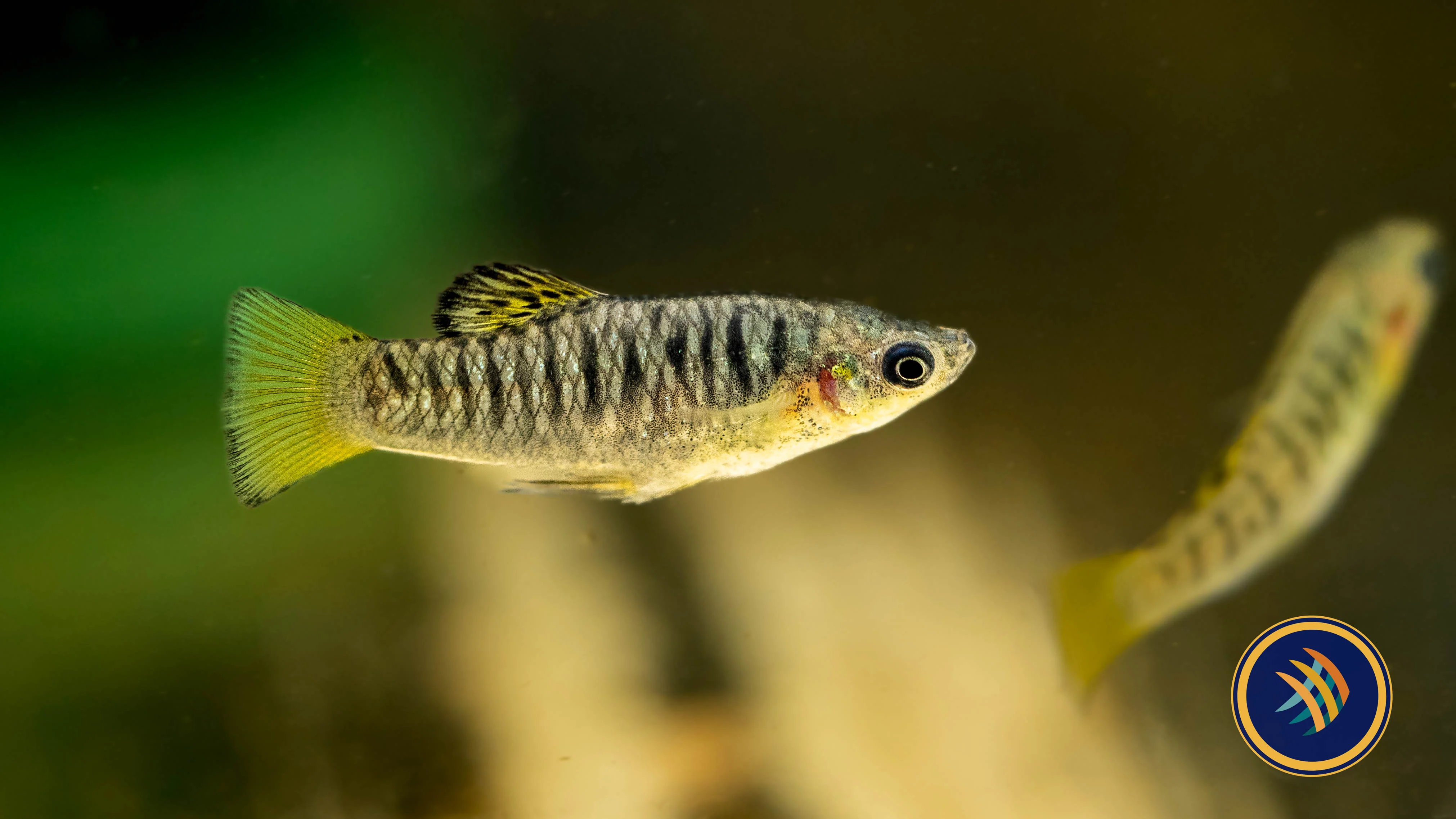
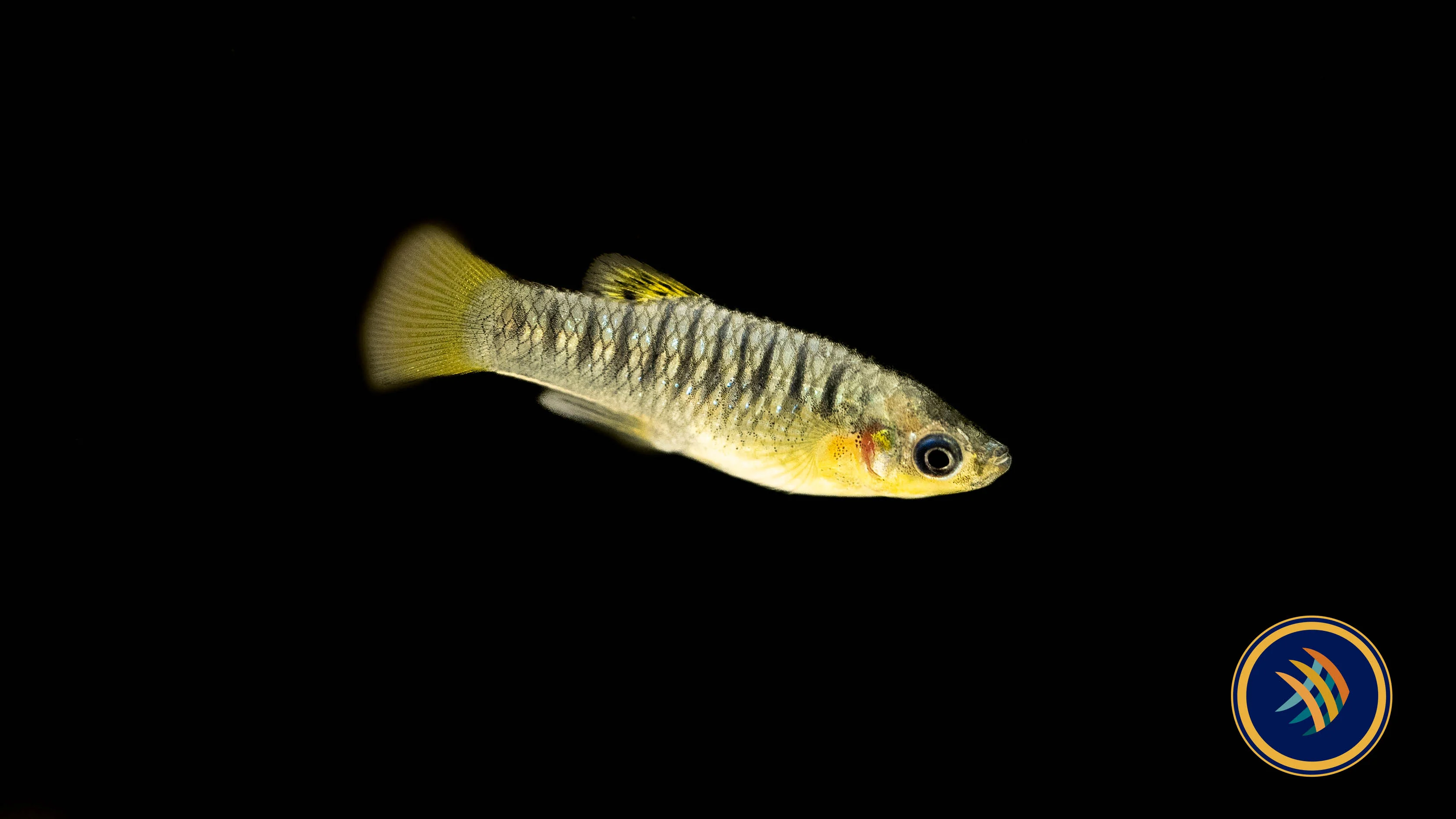
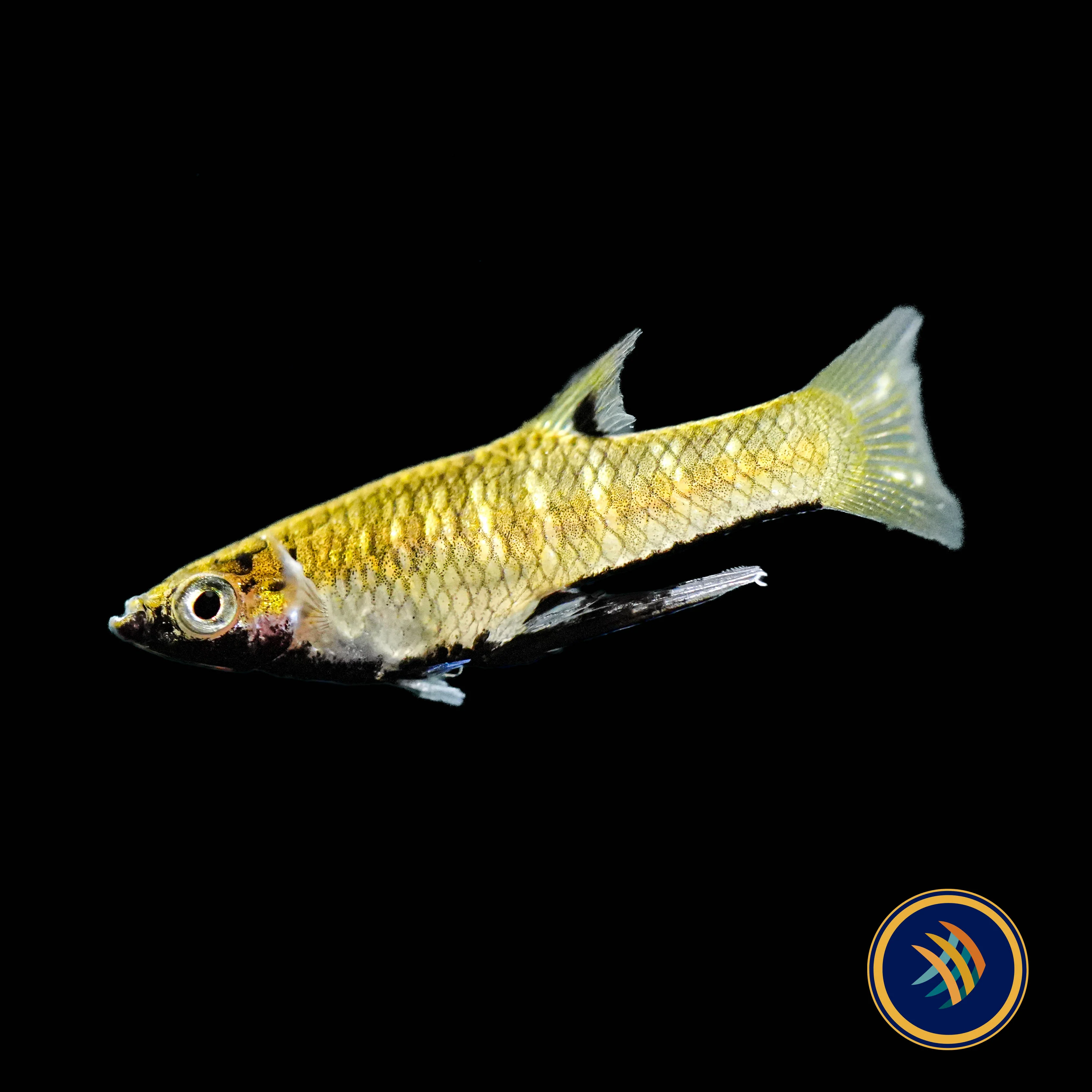
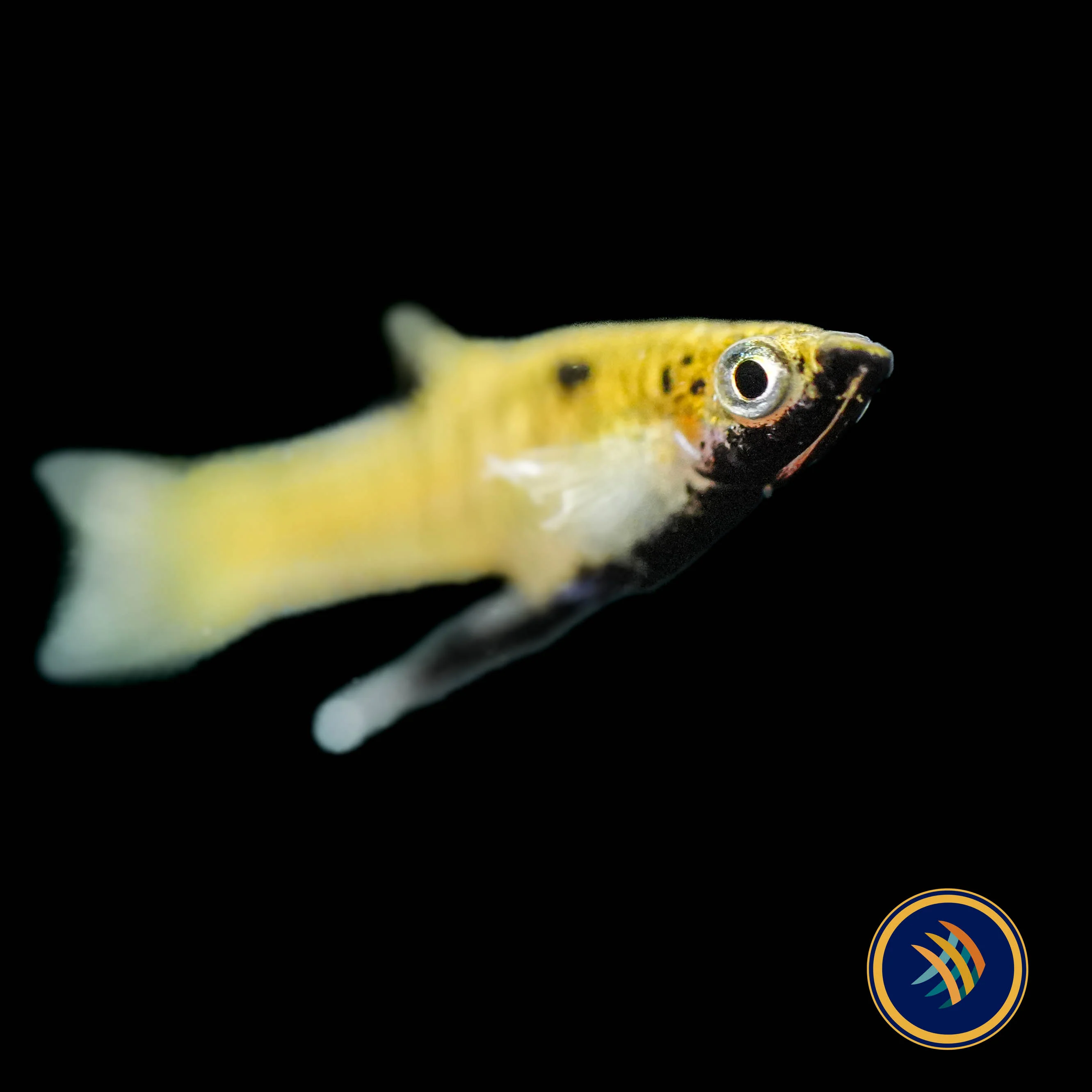
Appearance: The Cuban Limia has an olive-green background color with a bluish-grey back, silvery flanks marked with black-edged scales, and a white belly. Males have-orange dorsal and anal fins with blue-black spots, while females have colorless fins with a few black freckles
Size: Males can grow up to 5 cm (2 inches), while females can reach up to 10 cm (4 inches).
Habitat: They inhabit a variety of calm waters, including small streams, lakes, estuaries, coastal lagoons, and mangrove swamps. They can be found in both freshwater and brackish water.
Diet: Their diet consists of worms, crustaceans, insects, and plant material.
Behavior: These fish are social and often form mixed shoals with other species like sailfin mollies and mosquitofish.
Reproduction: Females give birth to live young, with larger females capable of producing up to 50 fry at a time.
These fish are relatively easy to care for and make a great addition to a well-maintained aquarium.
Original: $14.61
-65%$14.61
$5.11Product Information
Product Information
Shipping & Returns
Shipping & Returns
Description
Cuban Limia (Limia vittata), also known as the Banded Limia or Cuban Molly, is a fascinating livebearing fish native to Cuba. Here are some key details about this species:
Appearance: The Cuban Limia has an olive-green background color with a bluish-grey back, silvery flanks marked with black-edged scales, and a white belly. Males have-orange dorsal and anal fins with blue-black spots, while females have colorless fins with a few black freckles
Size: Males can grow up to 5 cm (2 inches), while females can reach up to 10 cm (4 inches).
Habitat: They inhabit a variety of calm waters, including small streams, lakes, estuaries, coastal lagoons, and mangrove swamps. They can be found in both freshwater and brackish water.
Diet: Their diet consists of worms, crustaceans, insects, and plant material.
Behavior: These fish are social and often form mixed shoals with other species like sailfin mollies and mosquitofish.
Reproduction: Females give birth to live young, with larger females capable of producing up to 50 fry at a time.
These fish are relatively easy to care for and make a great addition to a well-maintained aquarium.