Fire Ant Tetra (Hyphessobrycon myrmex) Small - Aquarium Glaser
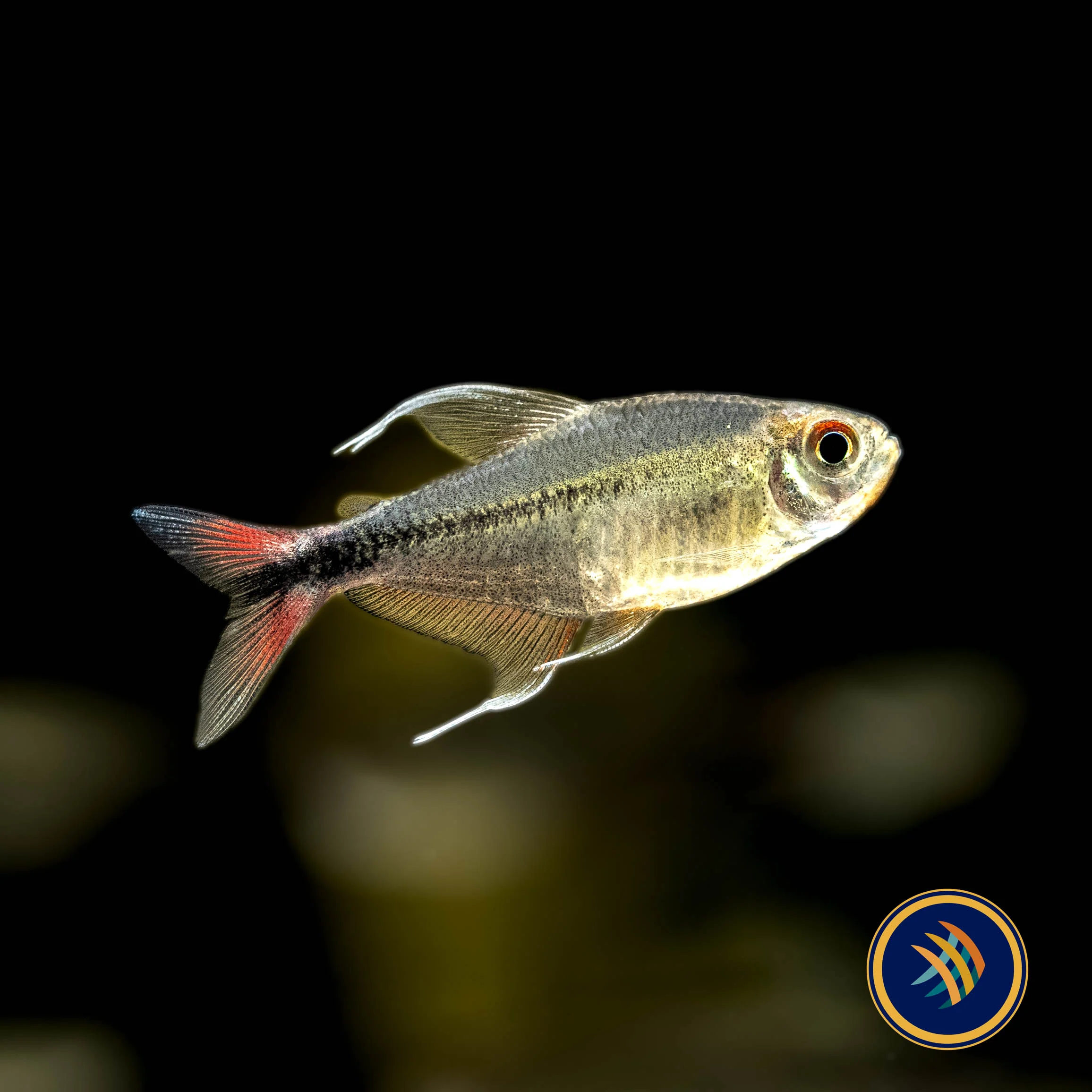
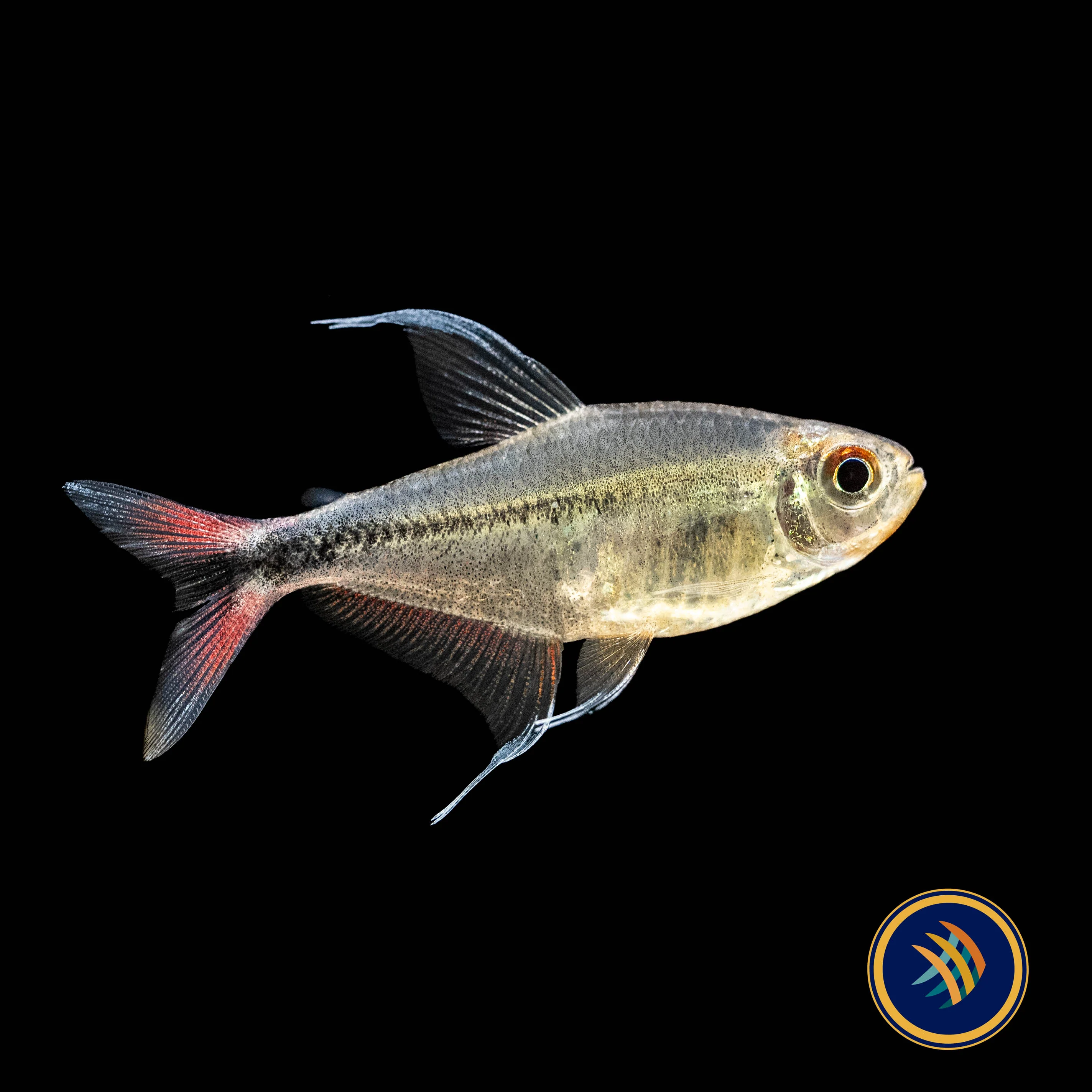
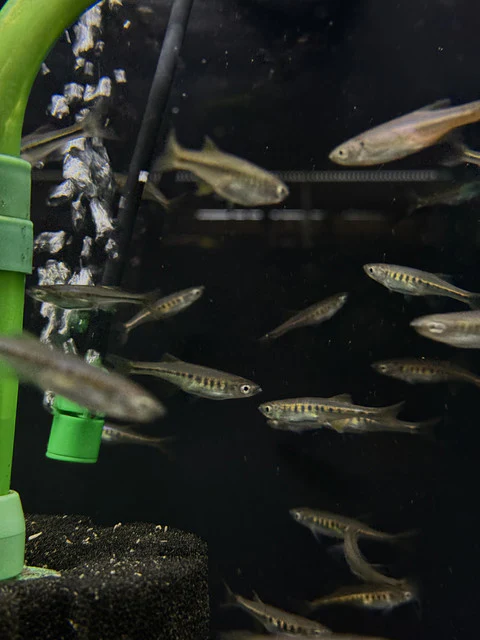
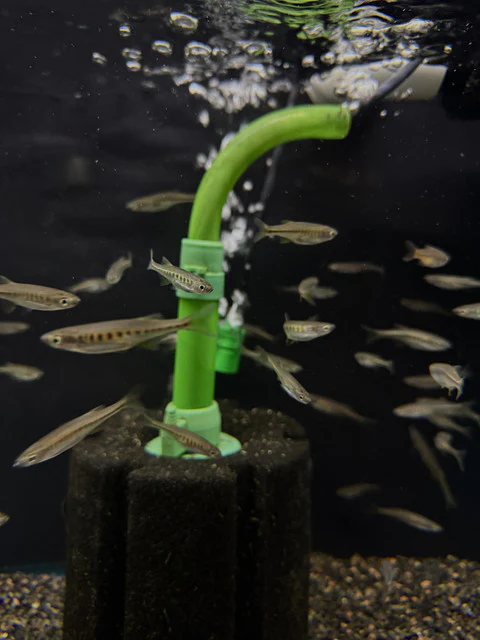
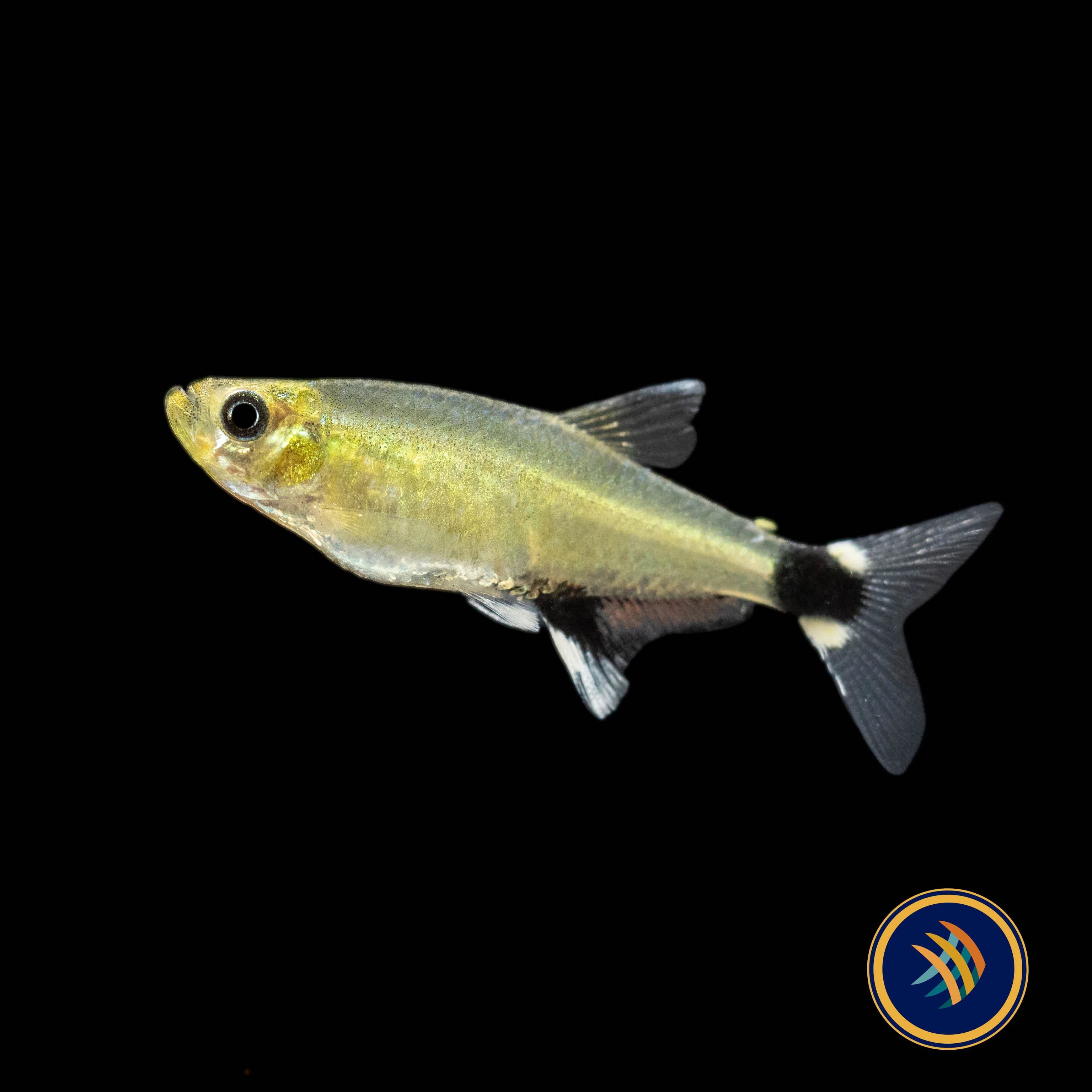
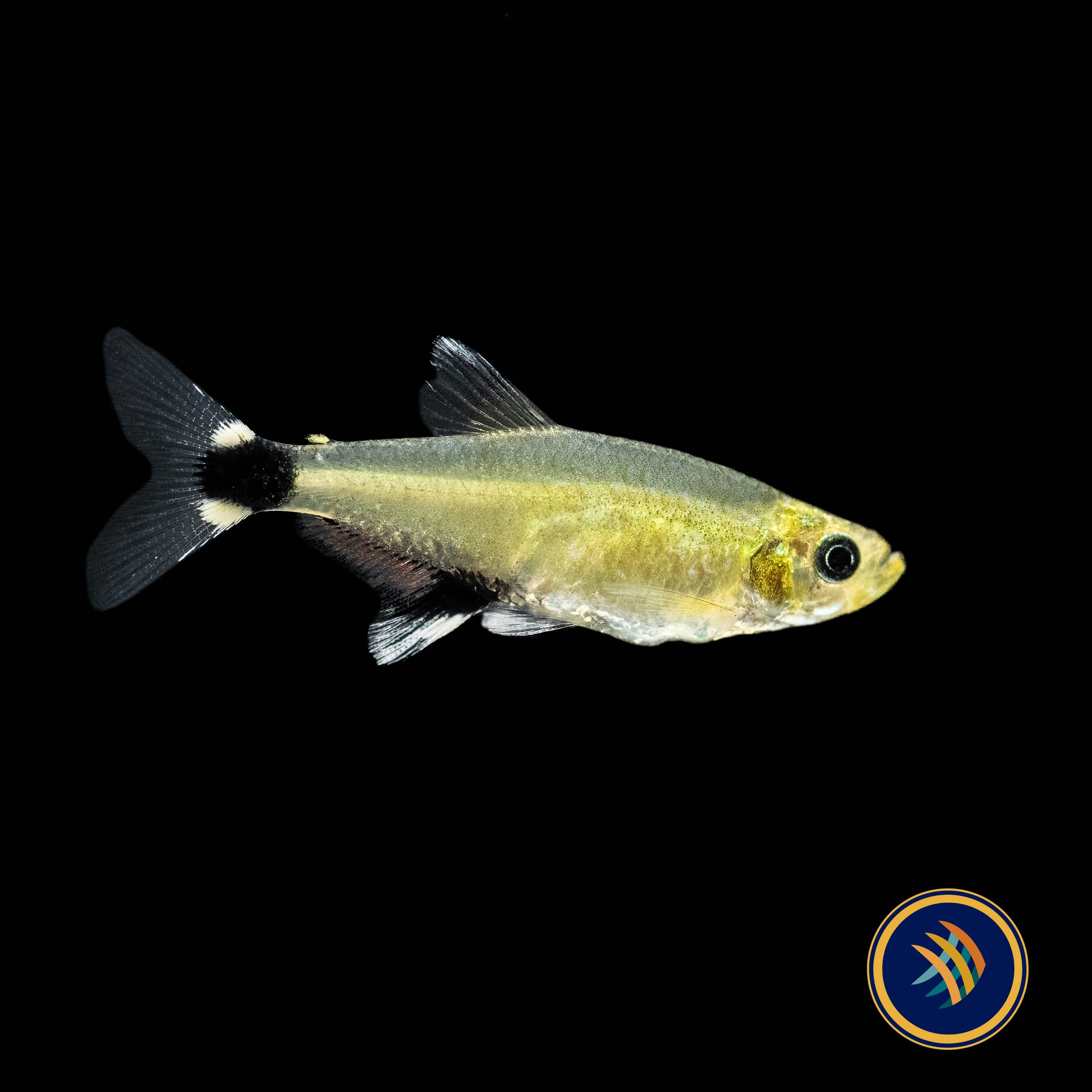
Fire Ant Tetra is a striking, nano-sized South American tetra that has rapidly become popular in the hobby due to its intense red–orange coloration, small adult size, and peaceful schooling behavior. Originally a rare import, it is now reliably available thanks to successful captive breeding, including lines distributed by Aquarium Glaser.
Species Overview
- Scientific name: Hyphessobrycon myrmex
- Common name: Fire Ant Tetra
- Maximum size: ~2.5–3 cm (about 1–1.2")
- Origin: Brazil – Rio Formiga, a tributary of the Rio Juruena (upper Rio Tapajós basin, Mato Grosso)
- Discovery: Scientifically described in 2017, making it a very recent addition to aquariums
The species name myrmex means “ant” in Greek, referencing both its tiny size and the Rio Formiga (“Ant River”) where it was discovered.
Appearance & Sexual Dimorphism
- Males: Brilliant red to fiery orange body, most intense in dominant (alpha) males
- Females & juveniles: Pale yellow to greenish, lacking red coloration
- Markings: Dark lateral stripe along the body; clear dorsal fin; red accents on belly and anal fin
- Body form: Slender, laterally compressed “classic tetra” shape
This dramatic color contrast between sexes (sexual dichromatism) makes the species especially attractive in groups.
Behavior & Temperament
- Temperament: Peaceful, shy, and schooling
- Activity level: Active mid–lower water swimmer
- Social needs: Best kept in groups of 8–10+ to reduce stress and enhance coloration
They are ideal for community and nano aquariums, provided tankmates are equally small and non-aggressive.
Aquarium Care Requirements
Tank size
- Minimum 10–15 gallons for a proper school; larger tanks improve confidence and color
Water parameters
- Temperature: 22–28 °C (72–82 °F)
- pH: 6.0–7.5 (slightly acidic to neutral)
- Hardness: Soft to moderately hard water
Aquascaping
- Sandy or fine gravel substrate
- Dense planting, driftwood, leaf litter
- Floating plants to diffuse light and mimic natural conditions
Diet
- Omnivorous micropredator
- Accepts:
- High-quality micro pellets or flakes
- Frozen foods (daphnia, cyclops, baby brine shrimp)
- Occasional live foods for conditioning
A varied diet significantly improves male coloration.
Breeding Notes
- Captive breeding: Now well established (including Aquarium Glaser-bred stock)
- Breeding difficulty: Moderate to easy
- Soft, slightly acidic water and fine-leaved plants or spawning mops are recommended
- Remove adults after spawning, as eggs are not guarded
Ideal Tankmates
- Other small tetras
- Rasboras
- Corydoras (dwarf species)
- Otocinclus
Avoid large or aggressive fish that may intimidate or prey on them.
Original: $32.89
-65%$32.89
$11.51Product Information
Product Information
Shipping & Returns
Shipping & Returns
Description
Fire Ant Tetra is a striking, nano-sized South American tetra that has rapidly become popular in the hobby due to its intense red–orange coloration, small adult size, and peaceful schooling behavior. Originally a rare import, it is now reliably available thanks to successful captive breeding, including lines distributed by Aquarium Glaser.
Species Overview
- Scientific name: Hyphessobrycon myrmex
- Common name: Fire Ant Tetra
- Maximum size: ~2.5–3 cm (about 1–1.2")
- Origin: Brazil – Rio Formiga, a tributary of the Rio Juruena (upper Rio Tapajós basin, Mato Grosso)
- Discovery: Scientifically described in 2017, making it a very recent addition to aquariums
The species name myrmex means “ant” in Greek, referencing both its tiny size and the Rio Formiga (“Ant River”) where it was discovered.
Appearance & Sexual Dimorphism
- Males: Brilliant red to fiery orange body, most intense in dominant (alpha) males
- Females & juveniles: Pale yellow to greenish, lacking red coloration
- Markings: Dark lateral stripe along the body; clear dorsal fin; red accents on belly and anal fin
- Body form: Slender, laterally compressed “classic tetra” shape
This dramatic color contrast between sexes (sexual dichromatism) makes the species especially attractive in groups.
Behavior & Temperament
- Temperament: Peaceful, shy, and schooling
- Activity level: Active mid–lower water swimmer
- Social needs: Best kept in groups of 8–10+ to reduce stress and enhance coloration
They are ideal for community and nano aquariums, provided tankmates are equally small and non-aggressive.
Aquarium Care Requirements
Tank size
- Minimum 10–15 gallons for a proper school; larger tanks improve confidence and color
Water parameters
- Temperature: 22–28 °C (72–82 °F)
- pH: 6.0–7.5 (slightly acidic to neutral)
- Hardness: Soft to moderately hard water
Aquascaping
- Sandy or fine gravel substrate
- Dense planting, driftwood, leaf litter
- Floating plants to diffuse light and mimic natural conditions
Diet
- Omnivorous micropredator
- Accepts:
- High-quality micro pellets or flakes
- Frozen foods (daphnia, cyclops, baby brine shrimp)
- Occasional live foods for conditioning
A varied diet significantly improves male coloration.
Breeding Notes
- Captive breeding: Now well established (including Aquarium Glaser-bred stock)
- Breeding difficulty: Moderate to easy
- Soft, slightly acidic water and fine-leaved plants or spawning mops are recommended
- Remove adults after spawning, as eggs are not guarded
Ideal Tankmates
- Other small tetras
- Rasboras
- Corydoras (dwarf species)
- Otocinclus
Avoid large or aggressive fish that may intimidate or prey on them.