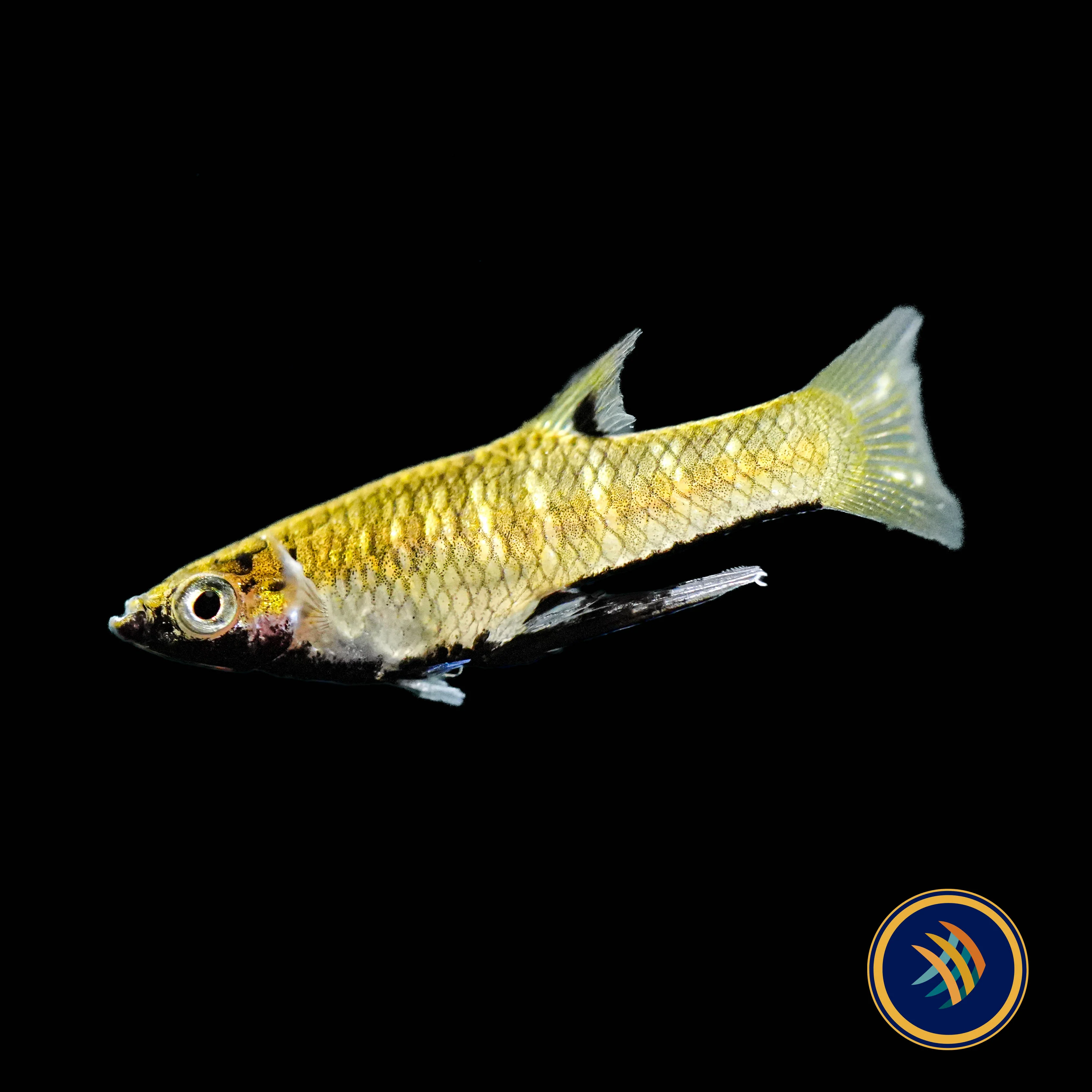
Patella Hillstream Loach (Sewellia patella) Large Aquarium Glaser
Sewellia patella
Common name: Patella Hillstream Loach / Splendid Hillstream Loach
Family: Gastromyzontidae
Described by: Freyhof & Serov, 2000
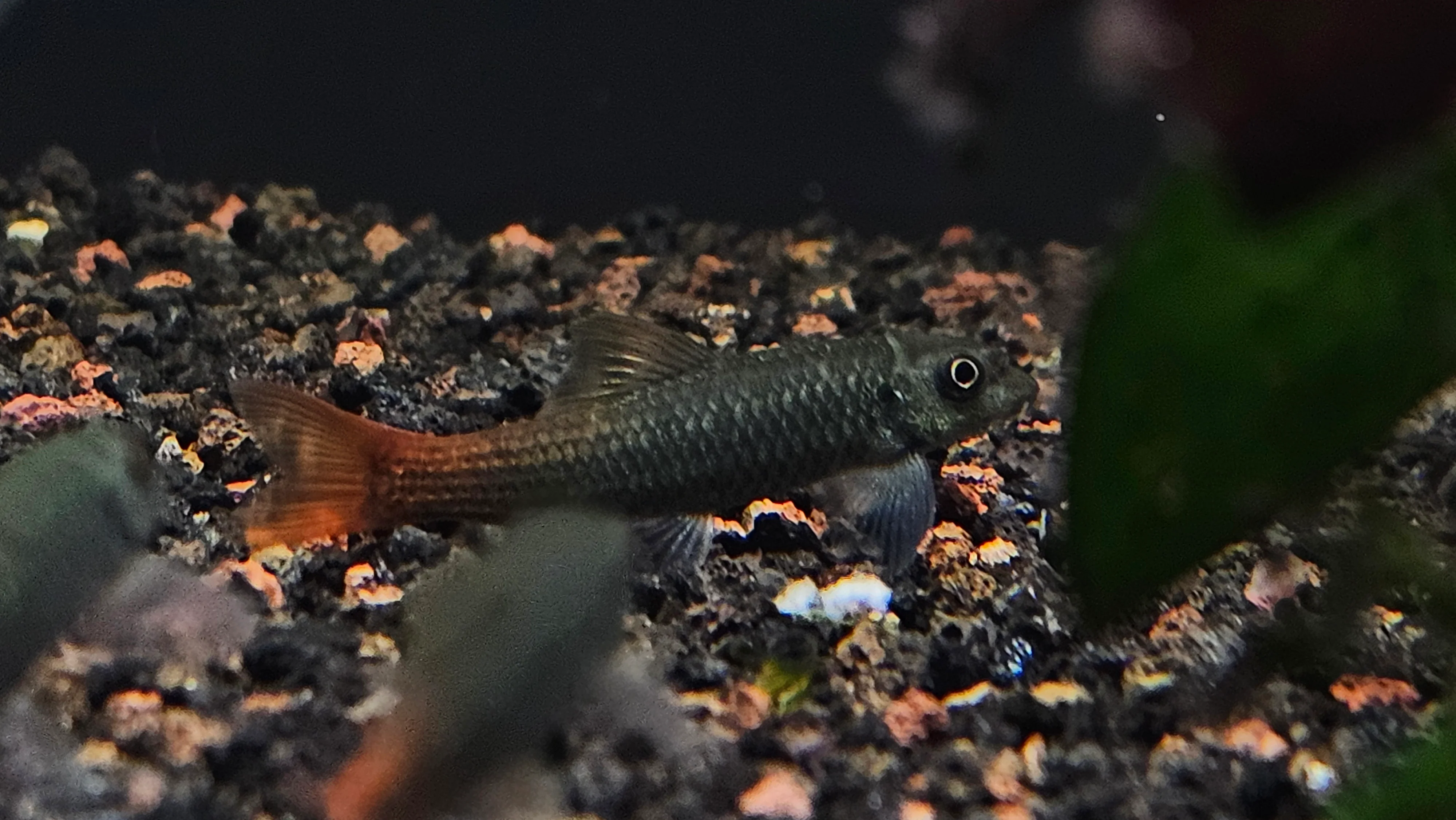
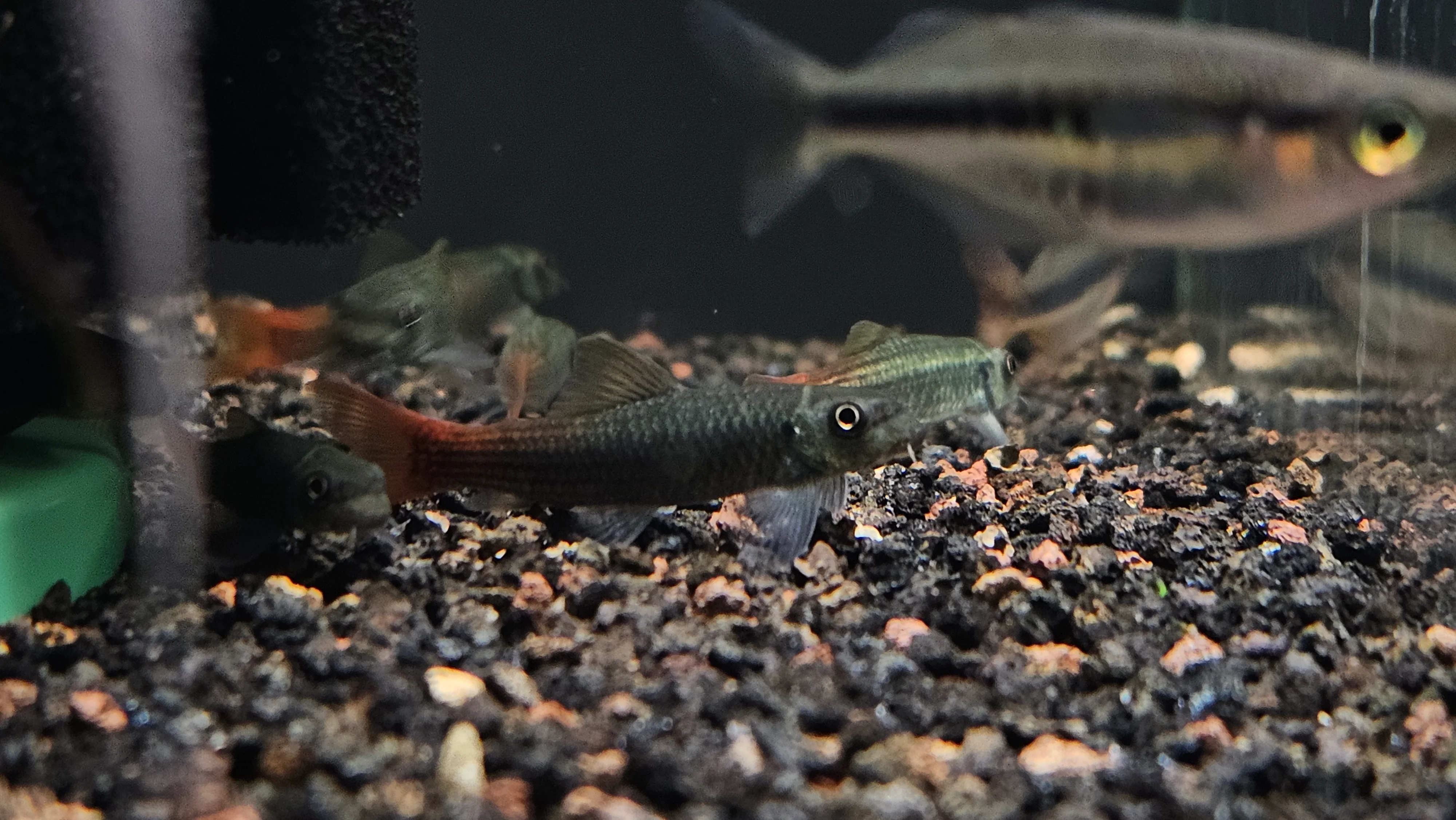
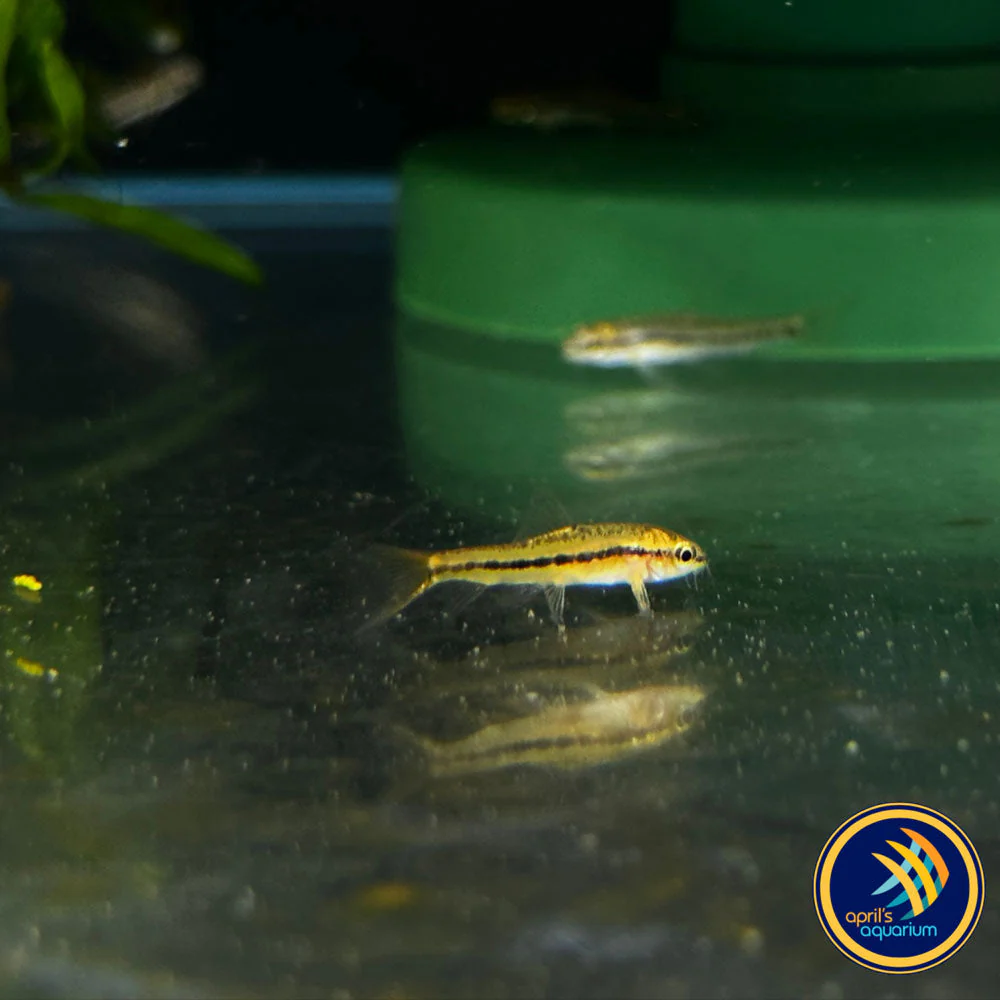
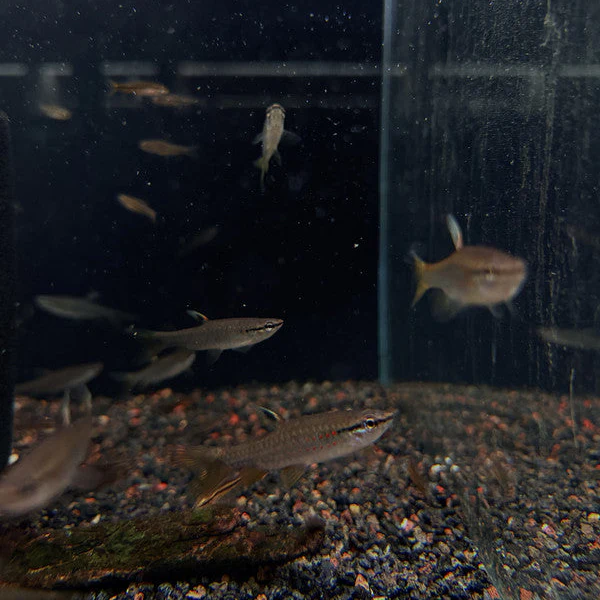
Sewellia patella is a rare, highly specialized rheophilic (current‑loving) hillstream loach from central Vietnam. It’s built to live in extreme flow, clinging tightly to rocks in rapids and riffles. Among Sewellia species, patella stands out for its subtler patterning and unique fin structures.
Identification & Key Features
- Adult size: up to ~4.8–4.9 cm SL (≈2 in)
- Body: flattened, disc‑like underside adapted for rock‑clinging
- Coloration: mottled brown, beige, darker saddling; no black band on the outer edge of the pectoral fins (helps distinguish it from S. lineolata, S. marmorata, S. pterolineata)
- Unique trait: two semicircular lobes on the anal fin, a feature essentially unique within confirmed Sewellia species
- Sexual dimorphism: males show enlarged lobe‑like appendages on pelvic fins and more developed anal‑fin lobes
The anal‑fin lobes are thought to be linked to courtship or reproductive behavior.
Distribution & Natural Habitat
- Endemic to: Central Vietnam
-
River systems:
- Ba (Da Rang) River basin
- Sesan River basin (Gia Lai & Kon Tum provinces)
-
Habitat:
- Shallow rapids and fast riffles
- Coarse gravel, smoothed stone, bare rock
- Crystal‑clear, oxygen‑saturated water
Measured natural flow velocities range from 0.6 to >1.0 m/s, which is extreme even by hillstream loach standards.
Aquarium Requirements (Critical)
This is not a beginner hillstream loach.
Tank
- Minimum tank size: 75–90 cm (30–36″) long footprint
-
Layout:
- Smooth cobbles, river stones, slate
- Minimal fine substrate
- Open rock surfaces for grazing
-
Flow:
- Very strong laminar flow (powerheads, river‑manifold style setups)
-
Oxygenation:
- High—spray bars, surface agitation, venturi if possible
Water Parameters
| Parameter | Target |
|---|---|
| Temperature | 20–24 °C (68–75 °F) |
| pH | ~6.8–7.6 |
| Hardness | Soft to moderately hard |
| Nitrates | As close to 0 as possible |
Stable, pristine water quality is non‑negotiable.
Diet
In nature, S. patella feeds primarily on benthic aquatic invertebrates, not algae alone.
Best foods in captivity:
- Live or frozen:
- Daphnia
- Cyclops
- Baby brine shrimp
- Blackworms
- High‑quality sinking micro‑foods
- Occasional biofilm/algae grazing from rocks
They are poor competitors and must never be housed with aggressive or fast‑feeding species.
Behavior & Compatibility
- Temperament: peaceful but territorial over rock “stations”
- Social structure: best kept in small groups (5–8+) if tank space and flow allow
-
Tankmates:
- Other hillstream specialists (Sewellia, Gastromyzon, Pseudogastromyzon)
- Small rheophilic loaches (Schistura spp.)
Avoid warm‑water community fish.
Breeding (Rare but Possible)
- Likely cave/crevice spawners in high‑flow zones
- Sexual differences in fin lobes suggest structured courtship
- Eggs probably laid under stones; adults may guard briefly
Successful breeding requires:
- Mature biofilm
- Seasonal flow + temperature changes
- High oxygen and ultra‑clean water
Captive breeding remains uncommon but is a major conservation goal.
Original: $26.31
-65%$26.31
$9.21Product Information
Product Information
Shipping & Returns
Shipping & Returns
Description
Sewellia patella
Common name: Patella Hillstream Loach / Splendid Hillstream Loach
Family: Gastromyzontidae
Described by: Freyhof & Serov, 2000
Sewellia patella is a rare, highly specialized rheophilic (current‑loving) hillstream loach from central Vietnam. It’s built to live in extreme flow, clinging tightly to rocks in rapids and riffles. Among Sewellia species, patella stands out for its subtler patterning and unique fin structures.
Identification & Key Features
- Adult size: up to ~4.8–4.9 cm SL (≈2 in)
- Body: flattened, disc‑like underside adapted for rock‑clinging
- Coloration: mottled brown, beige, darker saddling; no black band on the outer edge of the pectoral fins (helps distinguish it from S. lineolata, S. marmorata, S. pterolineata)
- Unique trait: two semicircular lobes on the anal fin, a feature essentially unique within confirmed Sewellia species
- Sexual dimorphism: males show enlarged lobe‑like appendages on pelvic fins and more developed anal‑fin lobes
The anal‑fin lobes are thought to be linked to courtship or reproductive behavior.
Distribution & Natural Habitat
- Endemic to: Central Vietnam
-
River systems:
- Ba (Da Rang) River basin
- Sesan River basin (Gia Lai & Kon Tum provinces)
-
Habitat:
- Shallow rapids and fast riffles
- Coarse gravel, smoothed stone, bare rock
- Crystal‑clear, oxygen‑saturated water
Measured natural flow velocities range from 0.6 to >1.0 m/s, which is extreme even by hillstream loach standards.
Aquarium Requirements (Critical)
This is not a beginner hillstream loach.
Tank
- Minimum tank size: 75–90 cm (30–36″) long footprint
-
Layout:
- Smooth cobbles, river stones, slate
- Minimal fine substrate
- Open rock surfaces for grazing
-
Flow:
- Very strong laminar flow (powerheads, river‑manifold style setups)
-
Oxygenation:
- High—spray bars, surface agitation, venturi if possible
Water Parameters
| Parameter | Target |
|---|---|
| Temperature | 20–24 °C (68–75 °F) |
| pH | ~6.8–7.6 |
| Hardness | Soft to moderately hard |
| Nitrates | As close to 0 as possible |
Stable, pristine water quality is non‑negotiable.
Diet
In nature, S. patella feeds primarily on benthic aquatic invertebrates, not algae alone.
Best foods in captivity:
- Live or frozen:
- Daphnia
- Cyclops
- Baby brine shrimp
- Blackworms
- High‑quality sinking micro‑foods
- Occasional biofilm/algae grazing from rocks
They are poor competitors and must never be housed with aggressive or fast‑feeding species.
Behavior & Compatibility
- Temperament: peaceful but territorial over rock “stations”
- Social structure: best kept in small groups (5–8+) if tank space and flow allow
-
Tankmates:
- Other hillstream specialists (Sewellia, Gastromyzon, Pseudogastromyzon)
- Small rheophilic loaches (Schistura spp.)
Avoid warm‑water community fish.
Breeding (Rare but Possible)
- Likely cave/crevice spawners in high‑flow zones
- Sexual differences in fin lobes suggest structured courtship
- Eggs probably laid under stones; adults may guard briefly
Successful breeding requires:
- Mature biofilm
- Seasonal flow + temperature changes
- High oxygen and ultra‑clean water
Captive breeding remains uncommon but is a major conservation goal.