Otocinclus Negros (Otothyropsis piribebuy) Med-Large - Aquarium Glaser
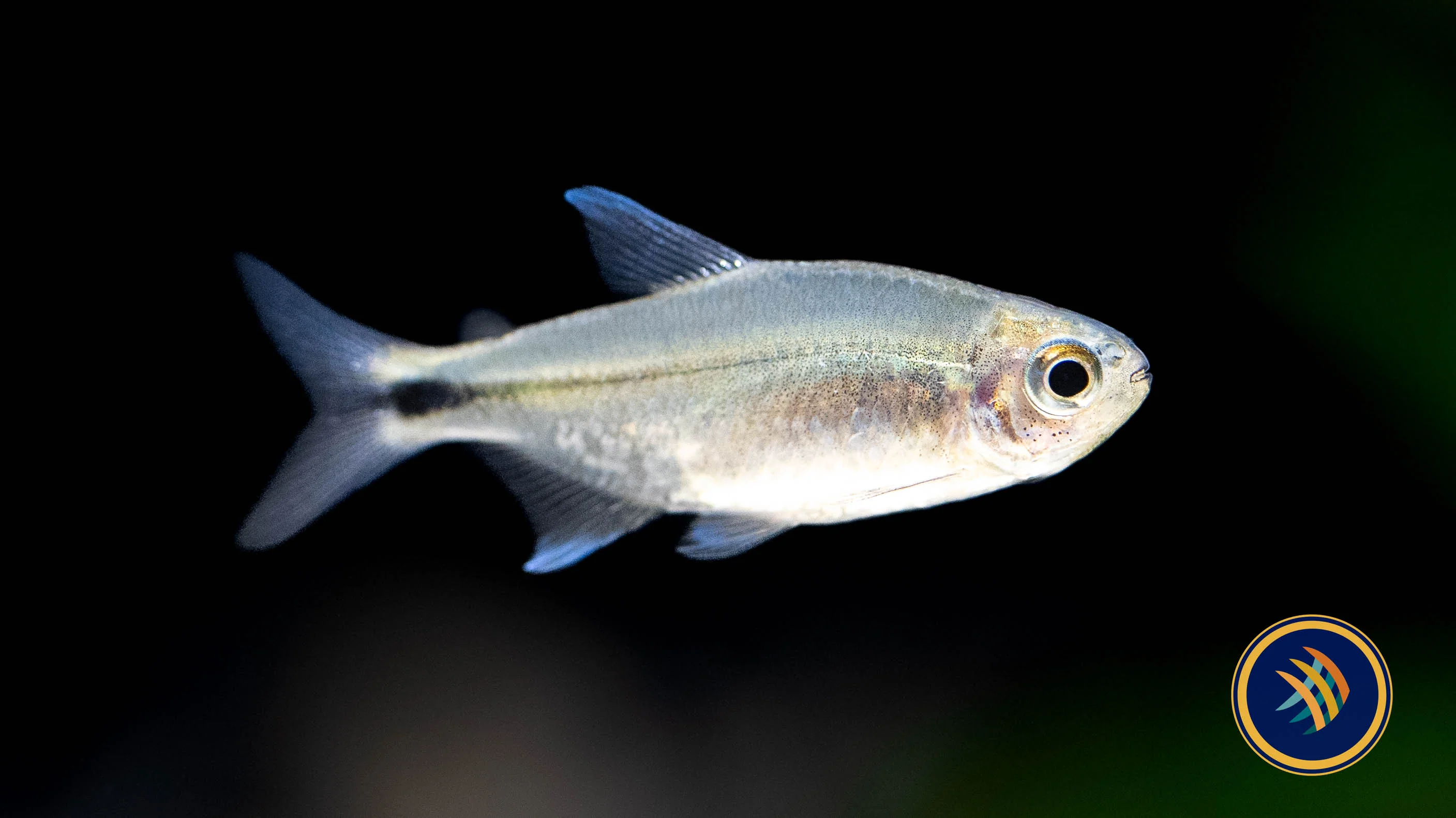
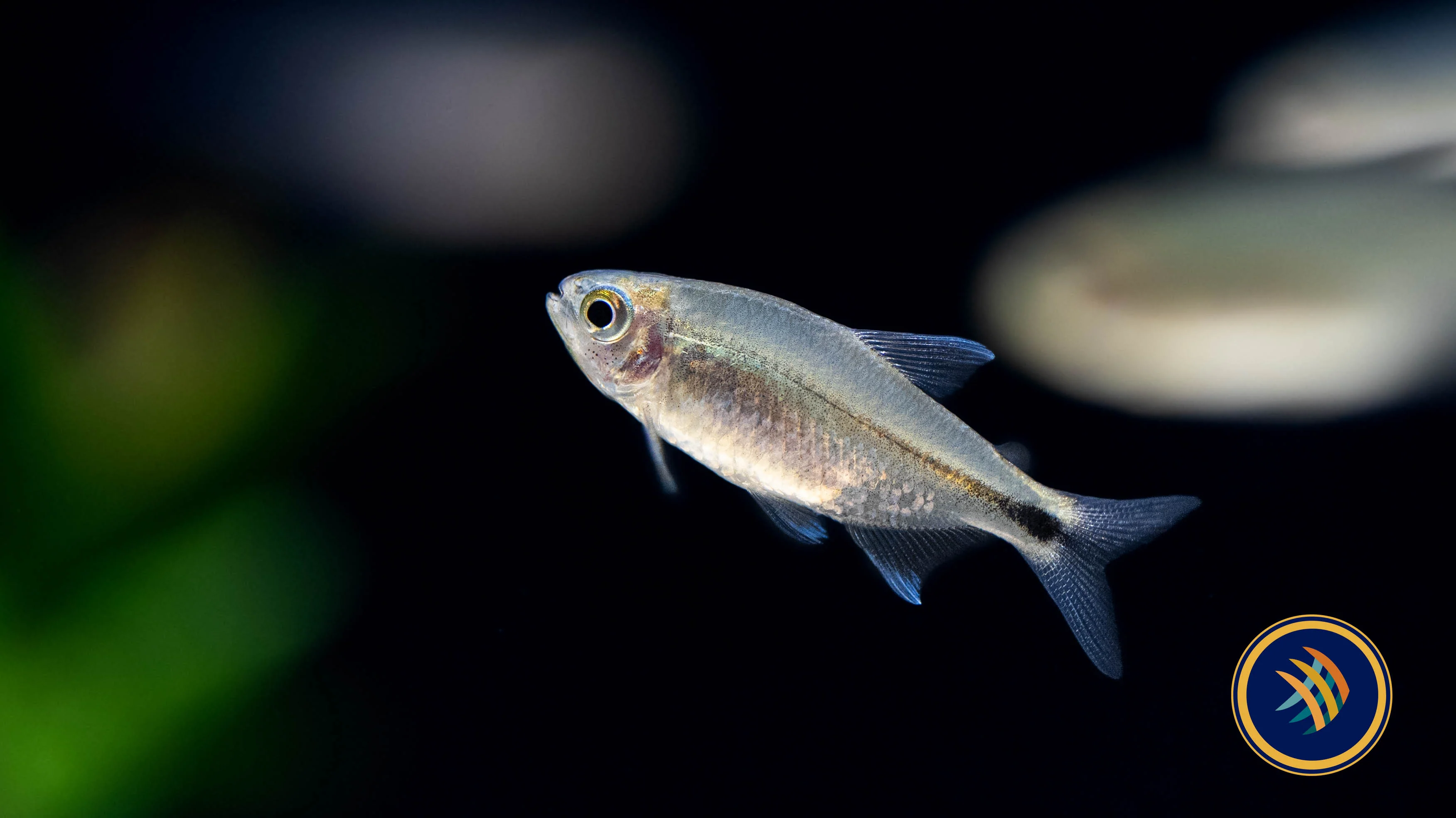
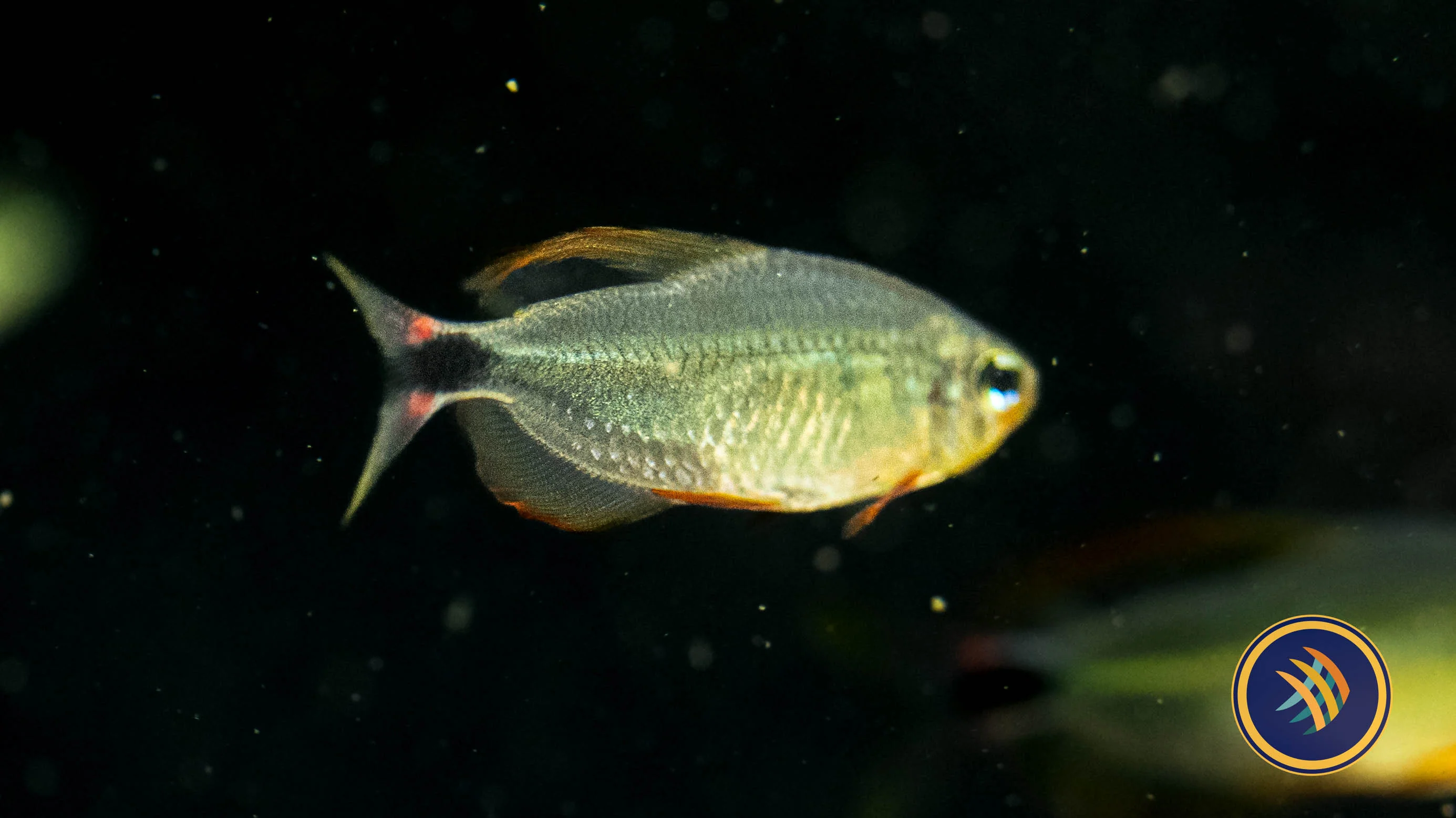
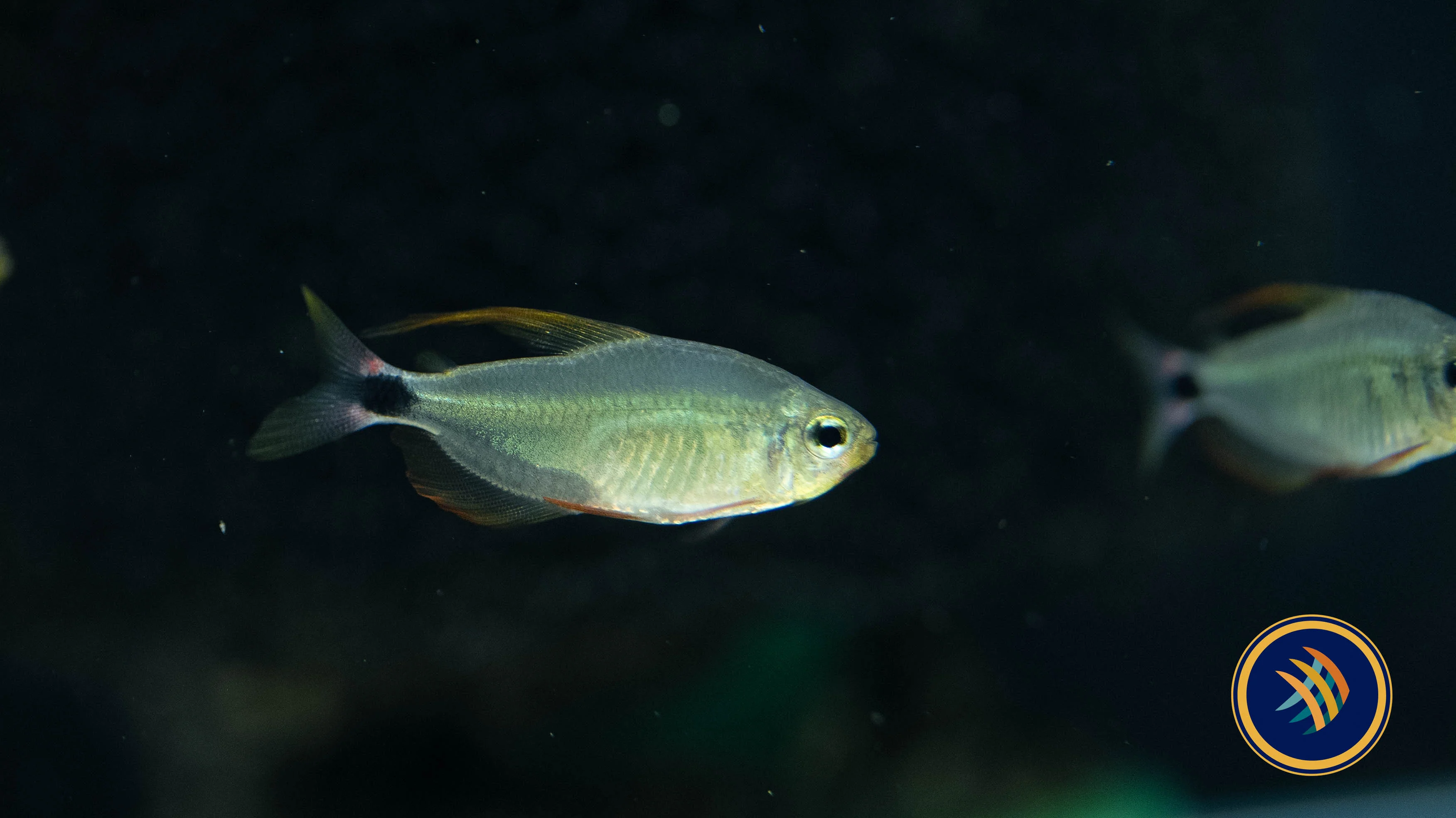
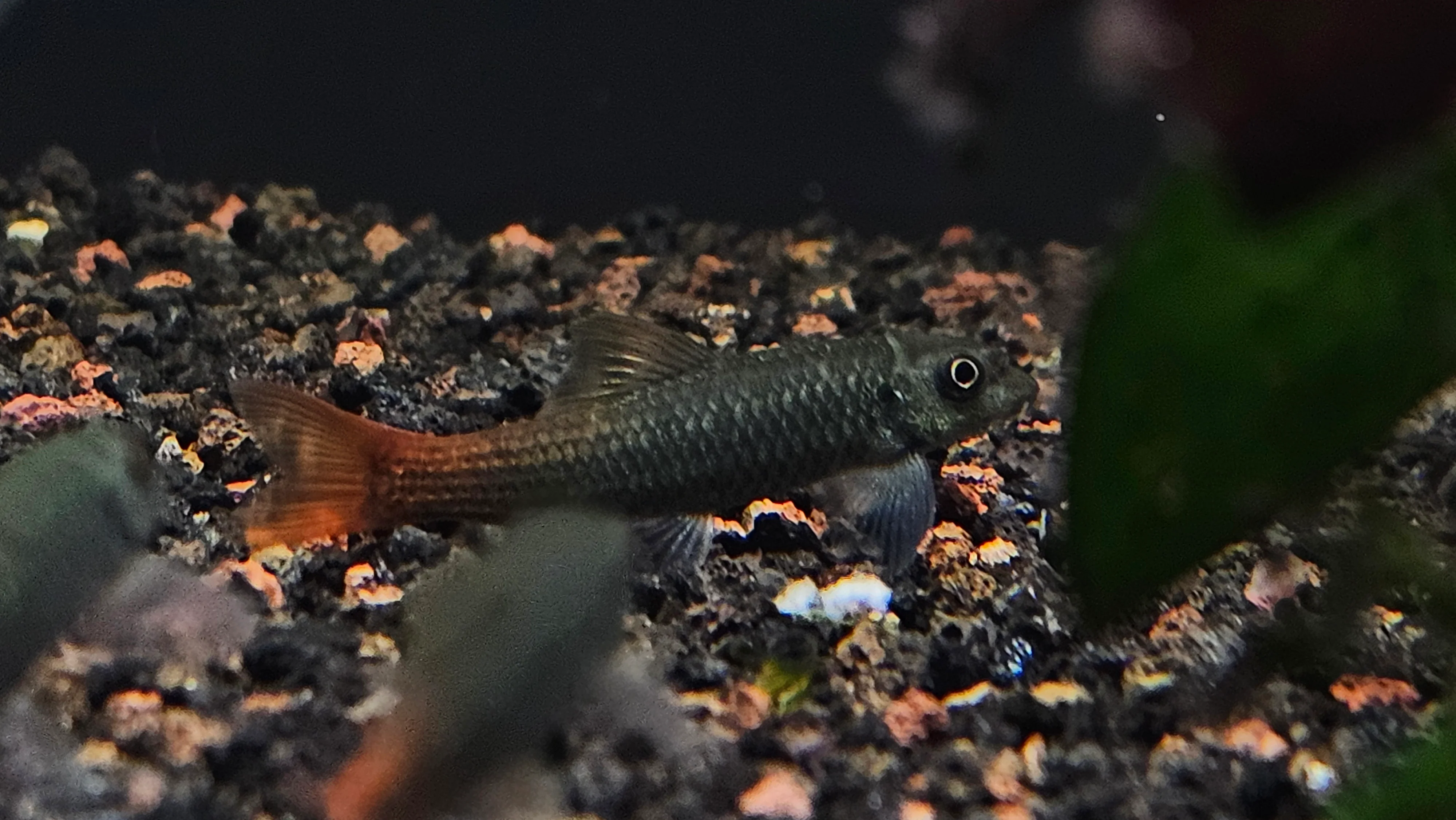
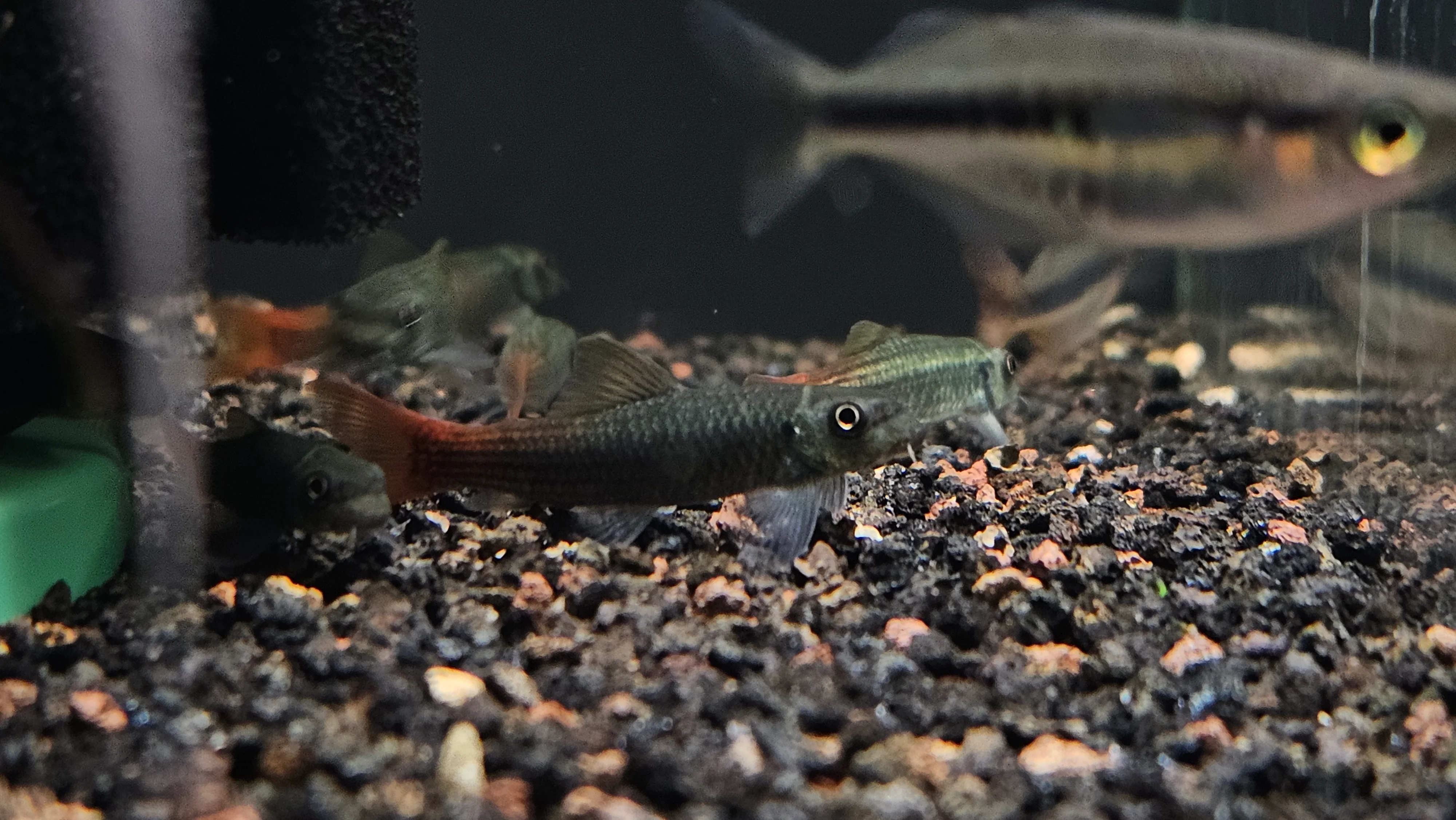
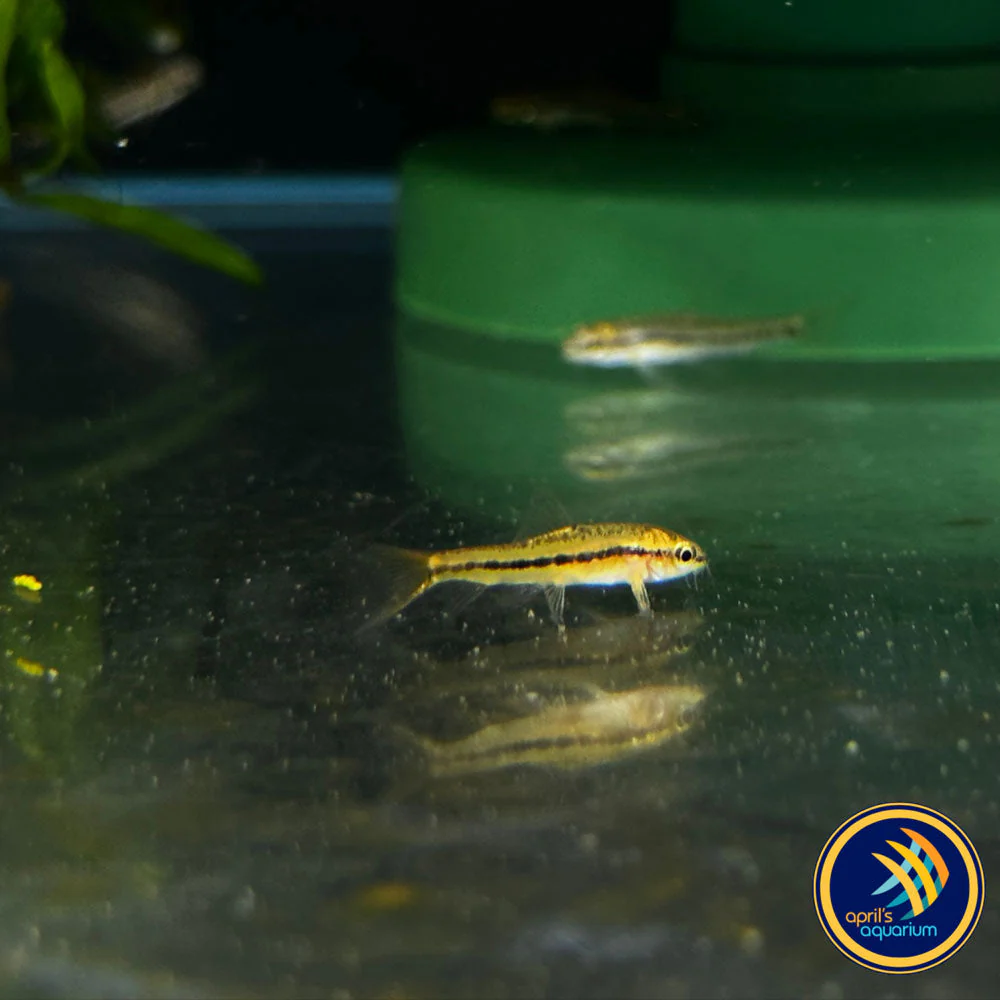
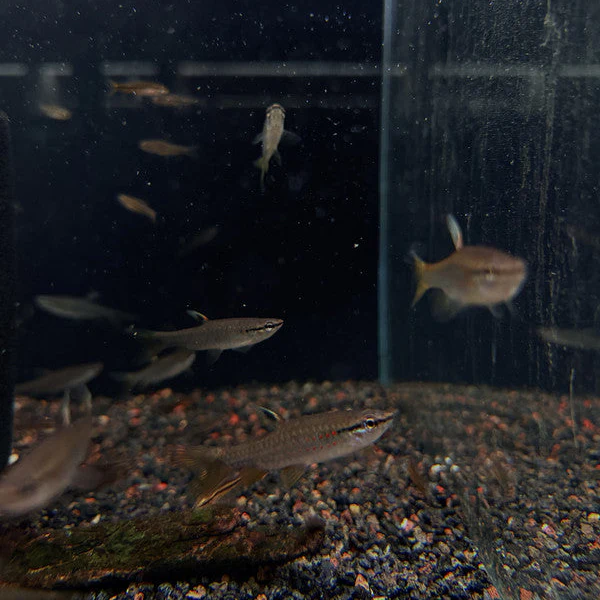
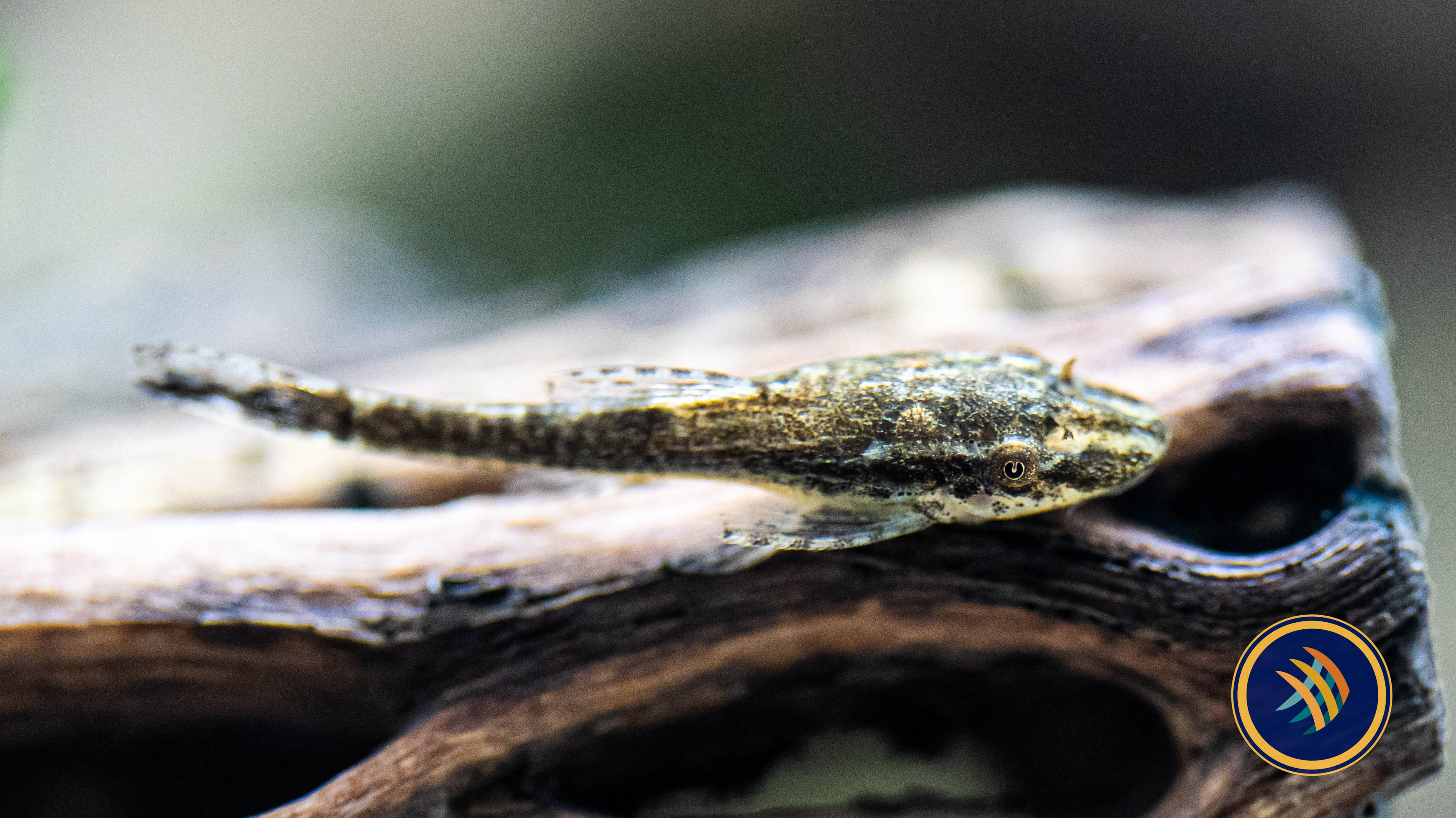
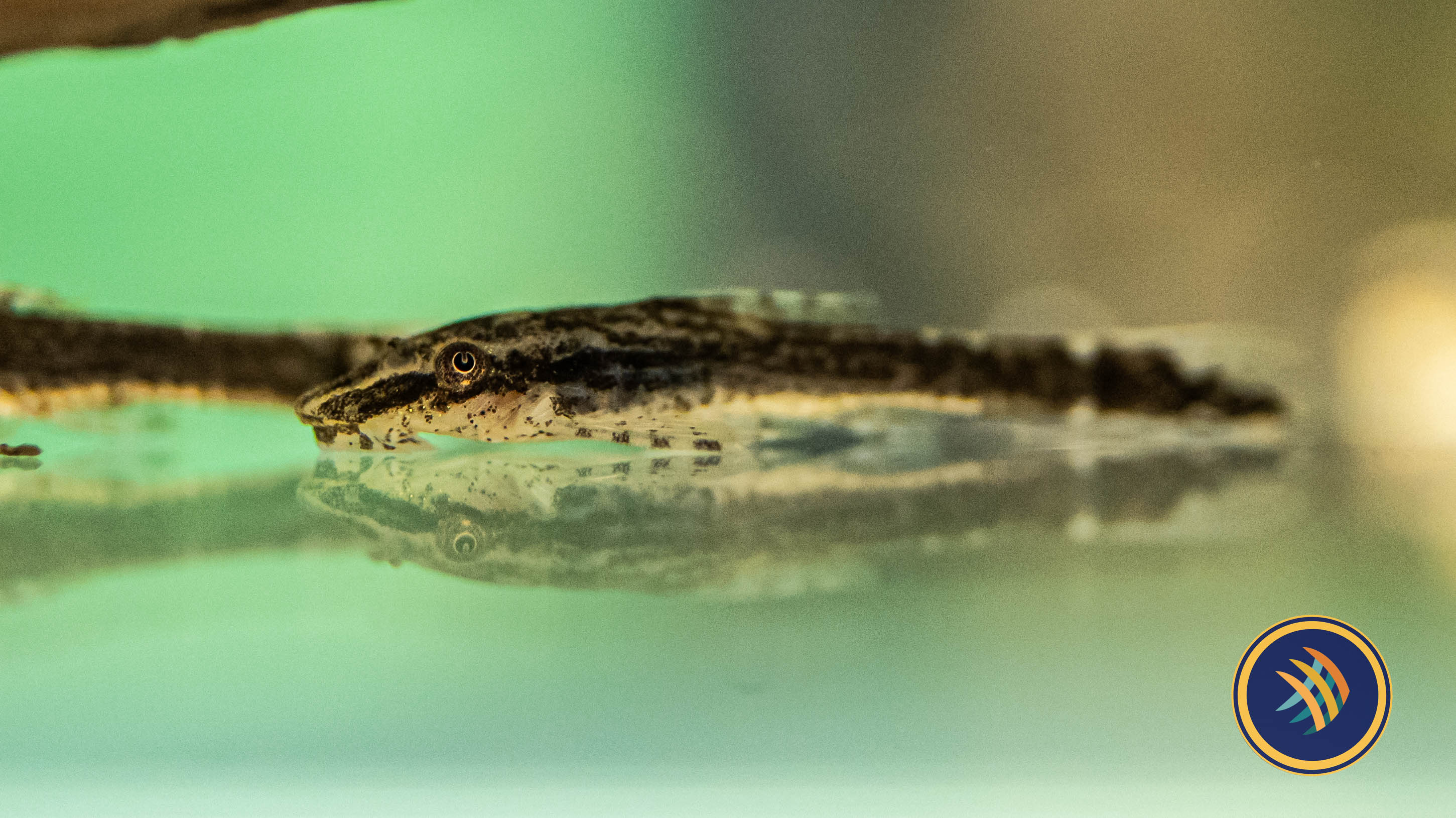
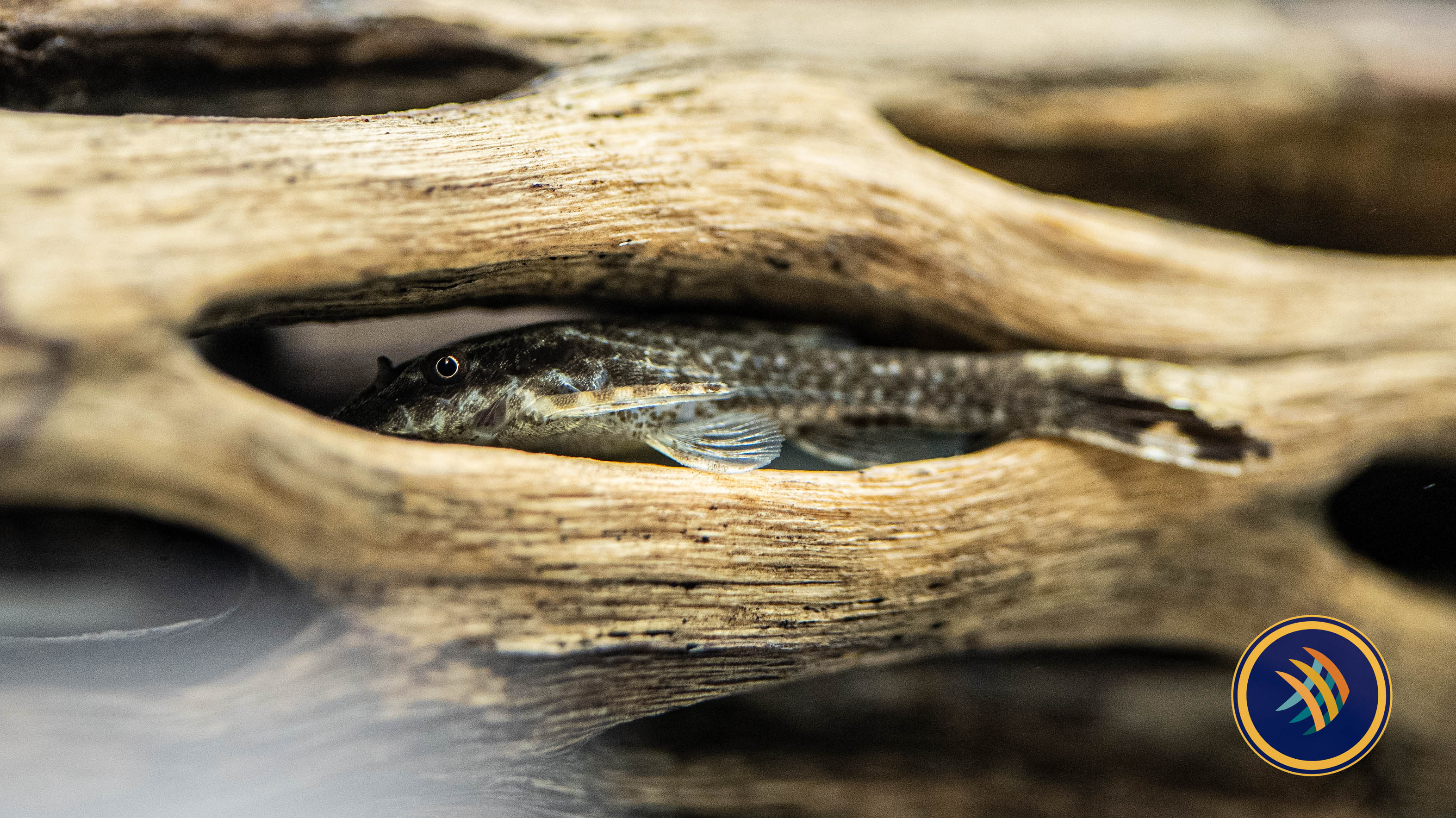
Otocinclus Negros is a small, brown/black-bodied algae-eating catfish from South America, highly valued in planted aquariums for its peaceful nature and effectiveness at grazing soft algae and biofilm.
Scientific & Trade Background
- Trade name: Otocinclus Negros
- Current scientific name: Otothyropsis piribebuy (formerly Otocinclus sp. “Negros”)
- Family: Loricariidae (armoured catfish)
- Common names: Brown Otocinclus, Black Otocinclus, Brauner Ohrgitterharnischwels
This species was long imported under the Otocinclus name but was formally separated taxonomically after scientific description.
Origin & Natural Habitat
- Distribution: Paraguay River basin (Paraguay, northern Argentina, southern Brazil)
-
Habitat:
- Shallow, plant-rich rivers and streams
- Moderate current and high oxygen levels
- Abundant submerged wood and biofilm
Size & Appearance
- Adult size: ~3–4 cm (1.25–1.6")
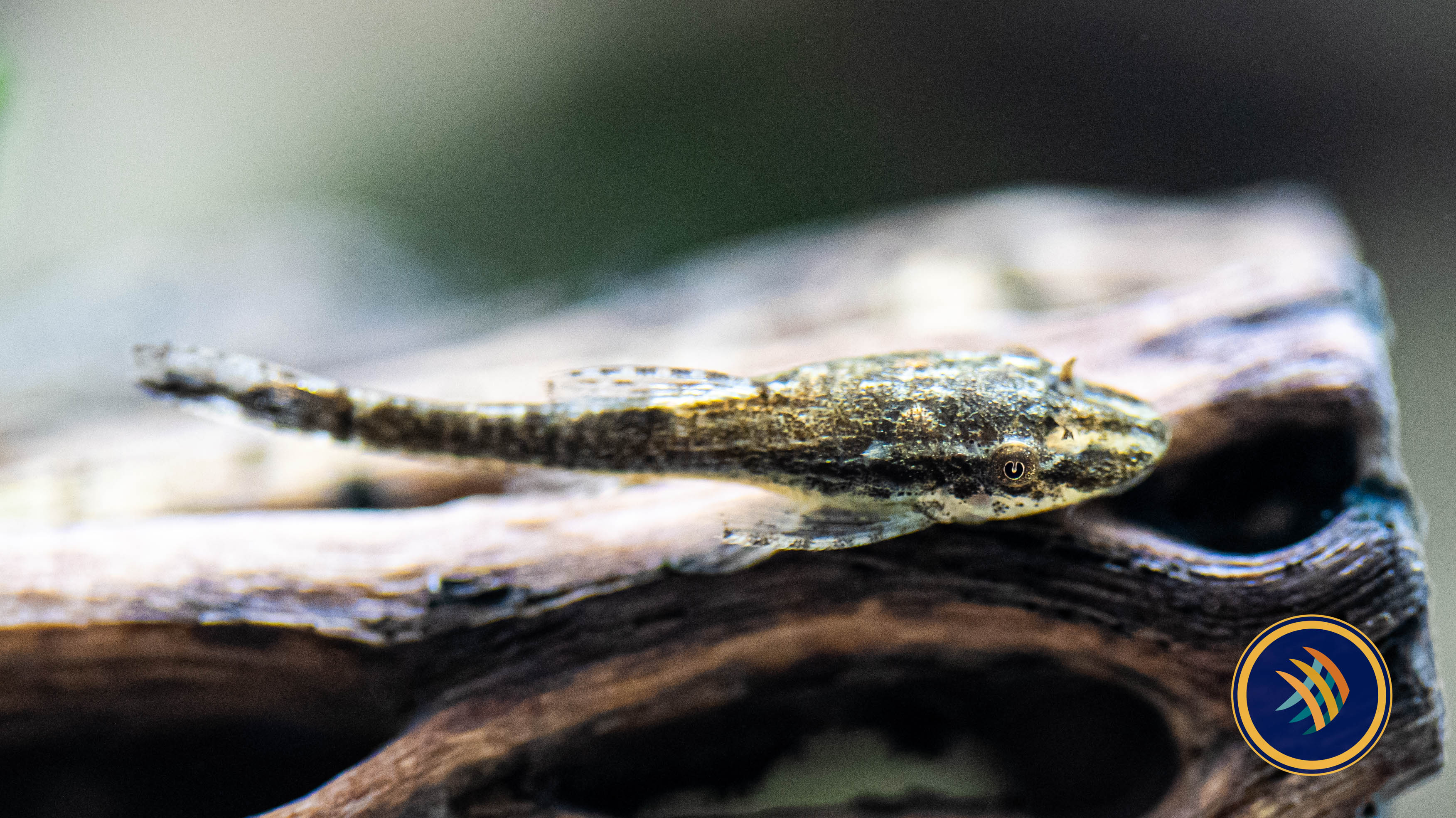
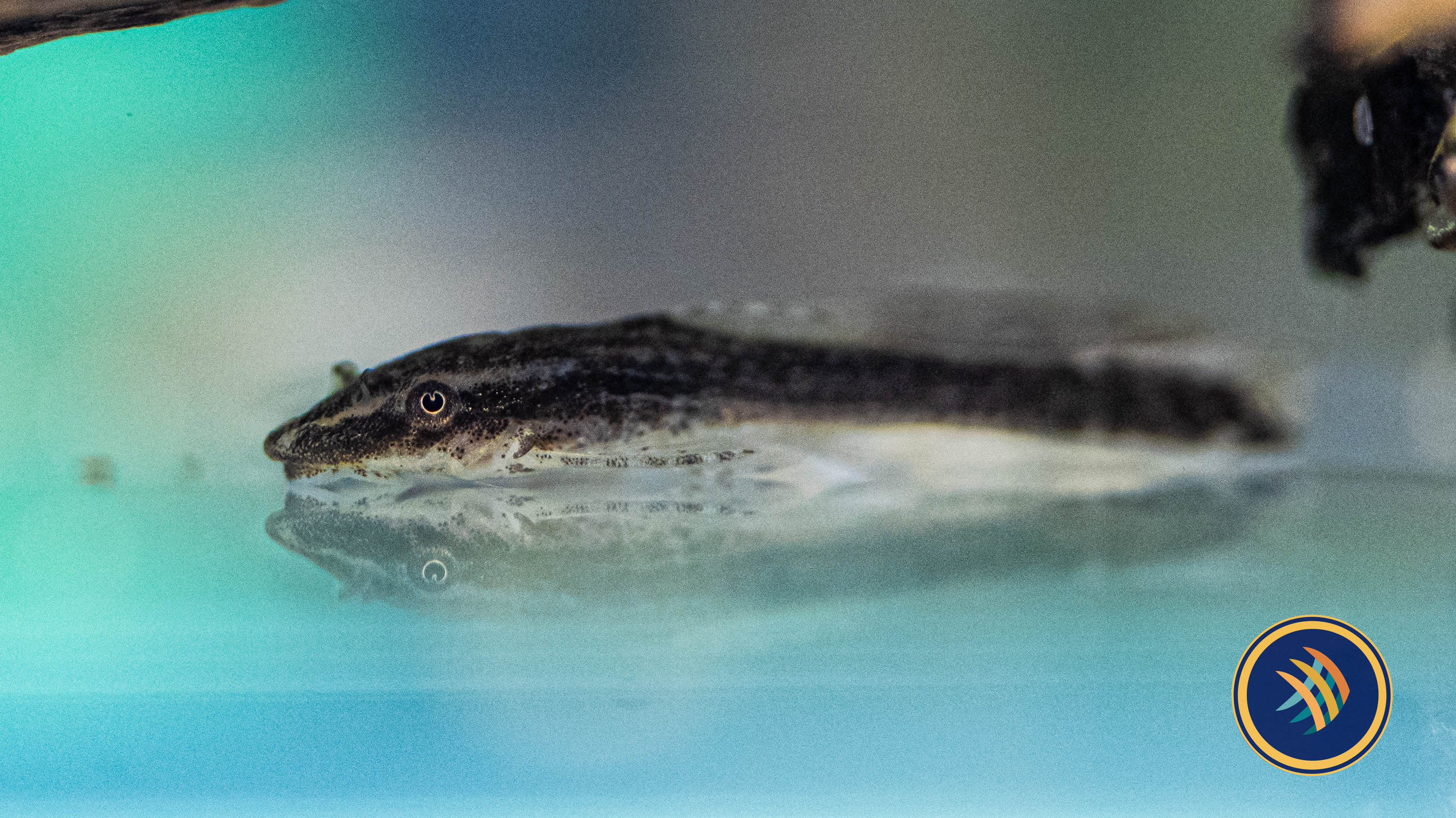
- Body color: Dark brown to grey-black, lighter underside
- Body type: Slender, armored with bony plates
- Mouth: Downturned suction mouth for grazing algae and biofilm
Compared to common Otocinclus vittatus, Negros appear darker, more cryptic, and slightly more elongated.
Temperament & Behavior
- Temperament: Very peaceful
- Activity: Diurnal (active during the day)
- Social needs: Strict schooling species — minimum 5–6, ideally 8–10+ individuals
When kept singly or in pairs, they become shy and stressed and may fail to feed properly.
Aquarium Care Requirements
Tank Size
- Minimum: ~40–55 L (10–15 gallons) for a group
- Best suited to mature, planted aquariums with visible algae growth
Water Parameters
- Temperature: 18–24 °C (64–75 °F) – prefers cooler water than many tropical fish
- pH: 5.5–7.5
- Hardness: 2–15 dGH
- Flow: Gentle to moderate
- Water quality: Extremely sensitive to ammonia, nitrite, and nitrate buildup
Not suitable for brand-new aquariums — these fish rely heavily on established biofilm.
Diet & Feeding
- Primary grazers of:
- Soft green algae
- Brown diatoms
- Biofilm on plants, glass, and wood
Must be supplemented once algae is depleted:
- Algae wafers (high spirulina content)
- Blanched vegetables (zucchini, cucumber, spinach)
- Occasional frozen foods (daphnia, cyclops)
Poor feeding is the #1 cause of early mortality in Otocinclus species.
Compatibility
Excellent tankmates:
- Small tetras
- Rasboras
- Pygmy Corydoras
- Dwarf shrimp (Amano, Neocaridina)
Avoid:
- Large or aggressive fish
- Boisterous feeders that outcompete them
- Copper-based medications (highly sensitive)
Breeding
- Rare but possible in well-established aquariums
- Eggs are deposited on leaves, glass, or hard surfaces
- No parental care
- Fry are extremely small and require biofilm-rich environments
Original: $14.61
-65%$14.61
$5.11Product Information
Product Information
Shipping & Returns
Shipping & Returns
Description
Otocinclus Negros is a small, brown/black-bodied algae-eating catfish from South America, highly valued in planted aquariums for its peaceful nature and effectiveness at grazing soft algae and biofilm.
Scientific & Trade Background
- Trade name: Otocinclus Negros
- Current scientific name: Otothyropsis piribebuy (formerly Otocinclus sp. “Negros”)
- Family: Loricariidae (armoured catfish)
- Common names: Brown Otocinclus, Black Otocinclus, Brauner Ohrgitterharnischwels
This species was long imported under the Otocinclus name but was formally separated taxonomically after scientific description.
Origin & Natural Habitat
- Distribution: Paraguay River basin (Paraguay, northern Argentina, southern Brazil)
-
Habitat:
- Shallow, plant-rich rivers and streams
- Moderate current and high oxygen levels
- Abundant submerged wood and biofilm
Size & Appearance
- Adult size: ~3–4 cm (1.25–1.6")
- Body color: Dark brown to grey-black, lighter underside
- Body type: Slender, armored with bony plates
- Mouth: Downturned suction mouth for grazing algae and biofilm
Compared to common Otocinclus vittatus, Negros appear darker, more cryptic, and slightly more elongated.
Temperament & Behavior
- Temperament: Very peaceful
- Activity: Diurnal (active during the day)
- Social needs: Strict schooling species — minimum 5–6, ideally 8–10+ individuals
When kept singly or in pairs, they become shy and stressed and may fail to feed properly.
Aquarium Care Requirements
Tank Size
- Minimum: ~40–55 L (10–15 gallons) for a group
- Best suited to mature, planted aquariums with visible algae growth
Water Parameters
- Temperature: 18–24 °C (64–75 °F) – prefers cooler water than many tropical fish
- pH: 5.5–7.5
- Hardness: 2–15 dGH
- Flow: Gentle to moderate
- Water quality: Extremely sensitive to ammonia, nitrite, and nitrate buildup
Not suitable for brand-new aquariums — these fish rely heavily on established biofilm.
Diet & Feeding
- Primary grazers of:
- Soft green algae
- Brown diatoms
- Biofilm on plants, glass, and wood
Must be supplemented once algae is depleted:
- Algae wafers (high spirulina content)
- Blanched vegetables (zucchini, cucumber, spinach)
- Occasional frozen foods (daphnia, cyclops)
Poor feeding is the #1 cause of early mortality in Otocinclus species.
Compatibility
Excellent tankmates:
- Small tetras
- Rasboras
- Pygmy Corydoras
- Dwarf shrimp (Amano, Neocaridina)
Avoid:
- Large or aggressive fish
- Boisterous feeders that outcompete them
- Copper-based medications (highly sensitive)
Breeding
- Rare but possible in well-established aquariums
- Eggs are deposited on leaves, glass, or hard surfaces
- No parental care
- Fry are extremely small and require biofilm-rich environments