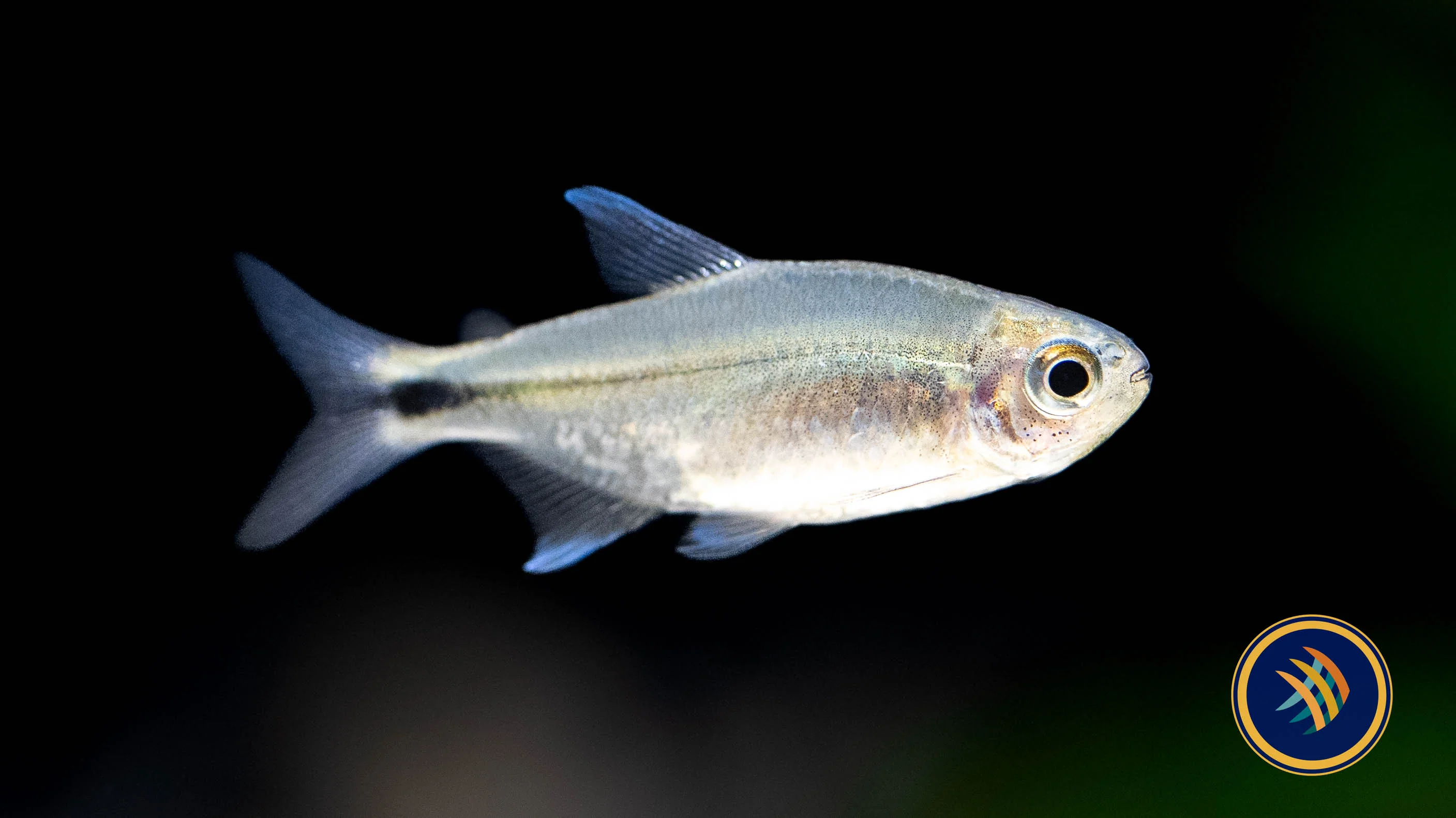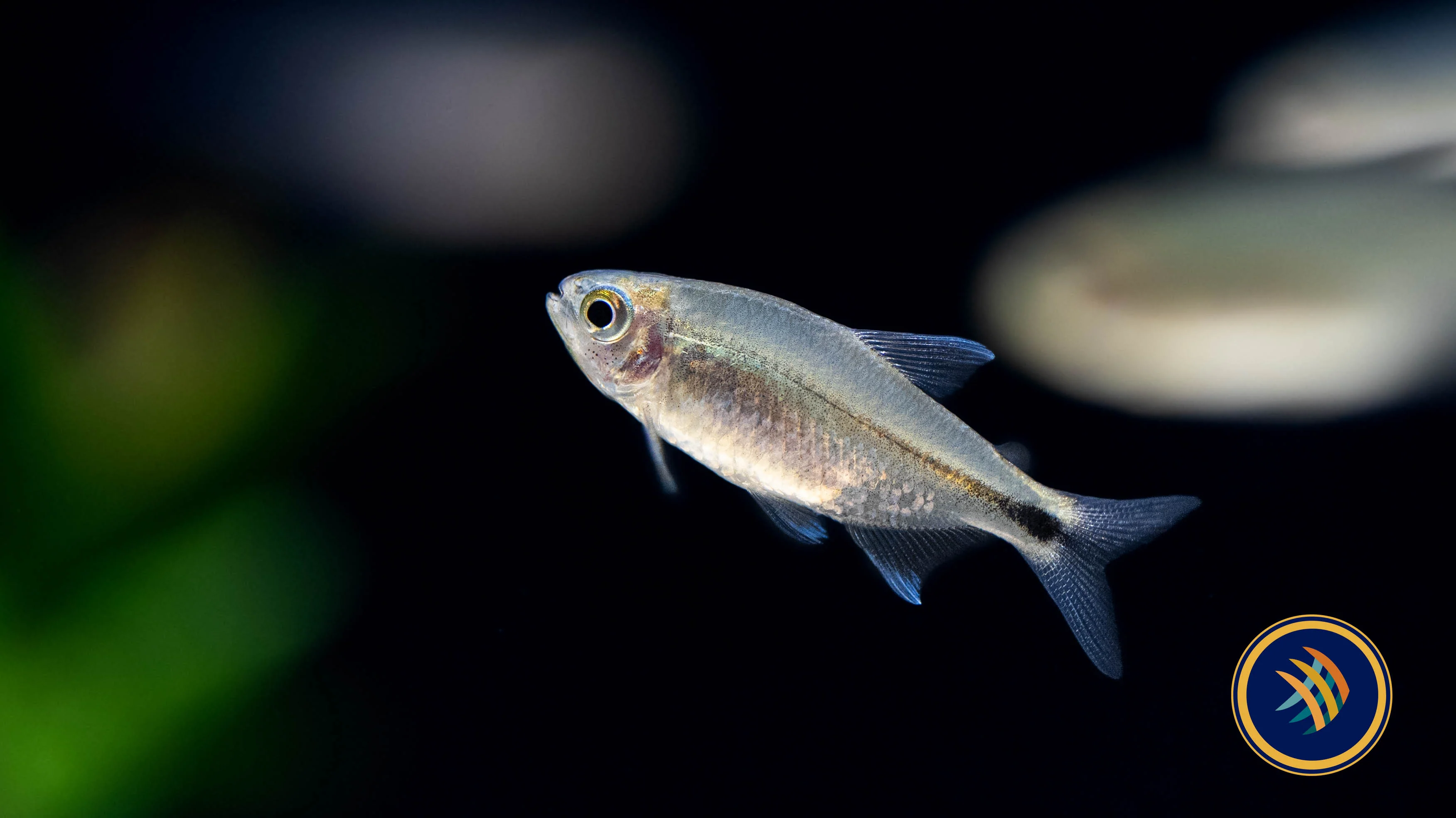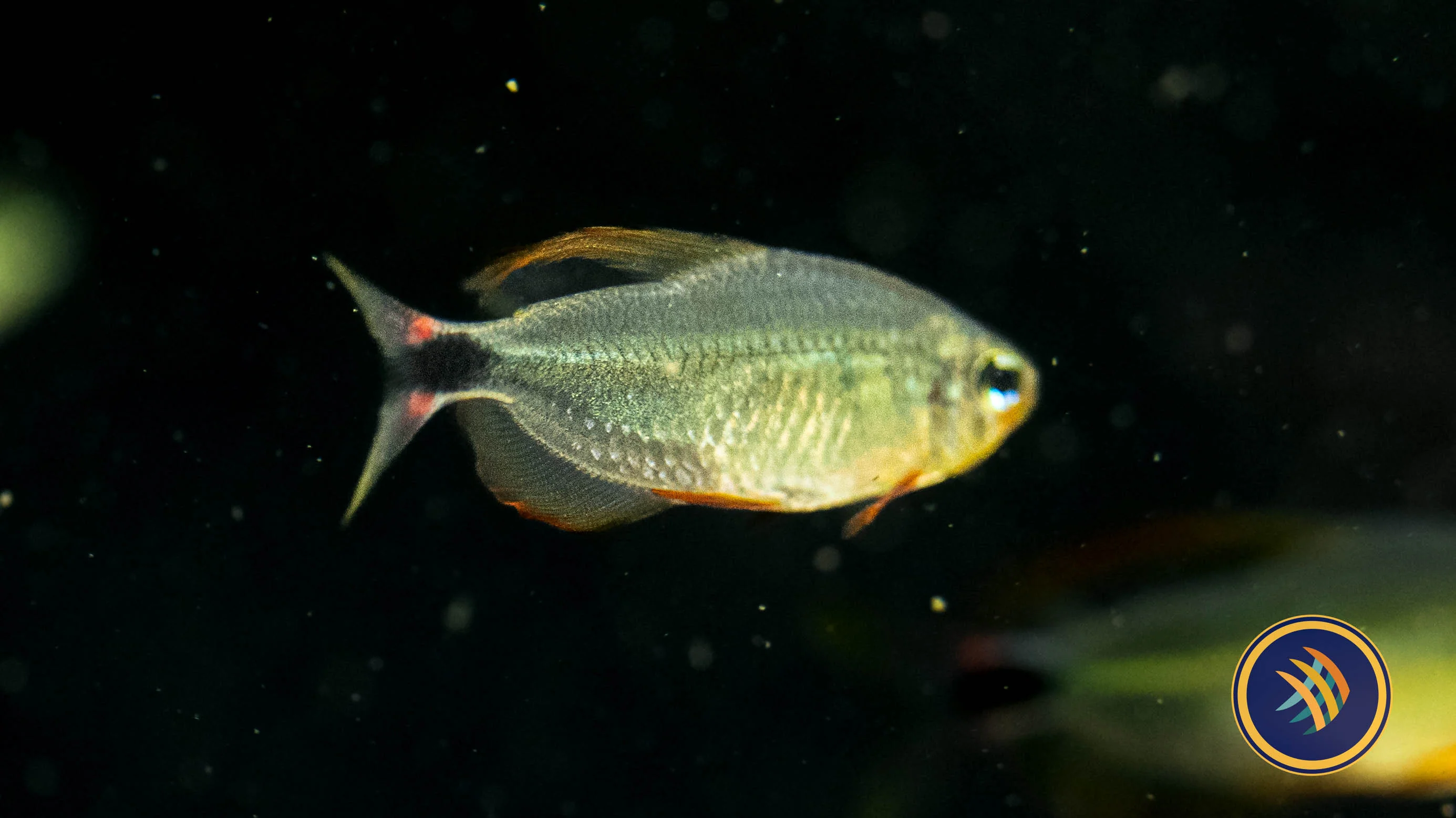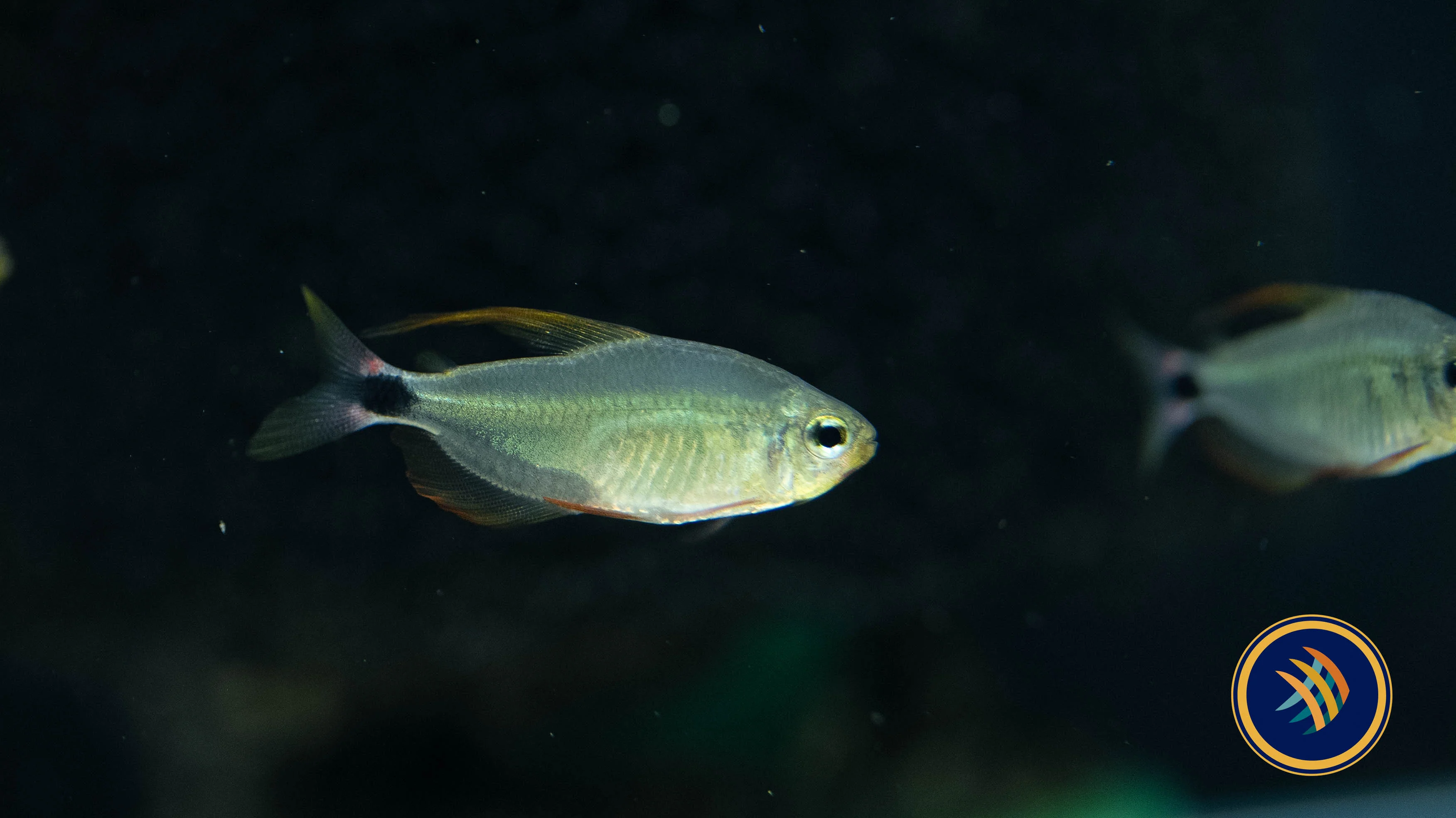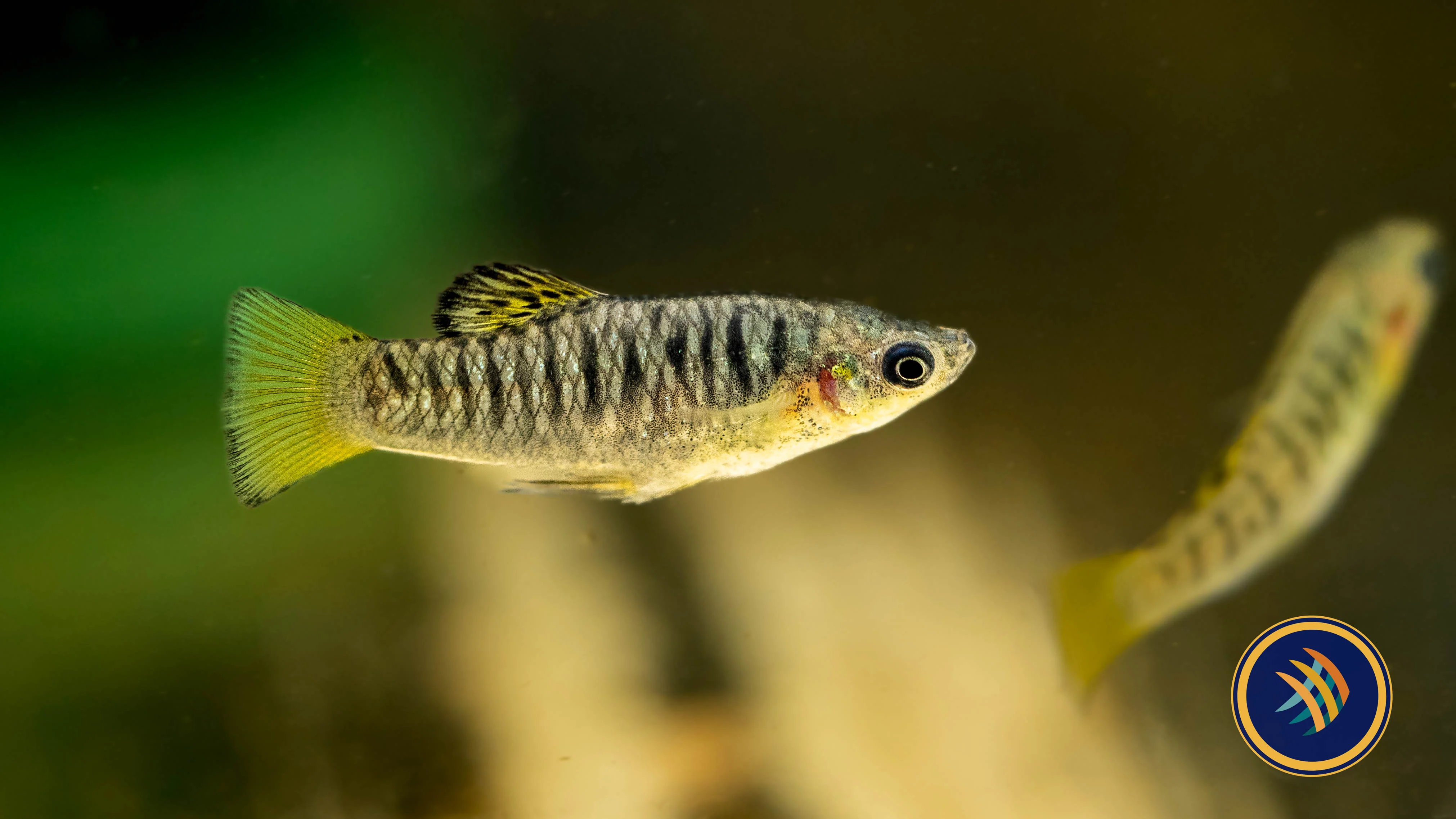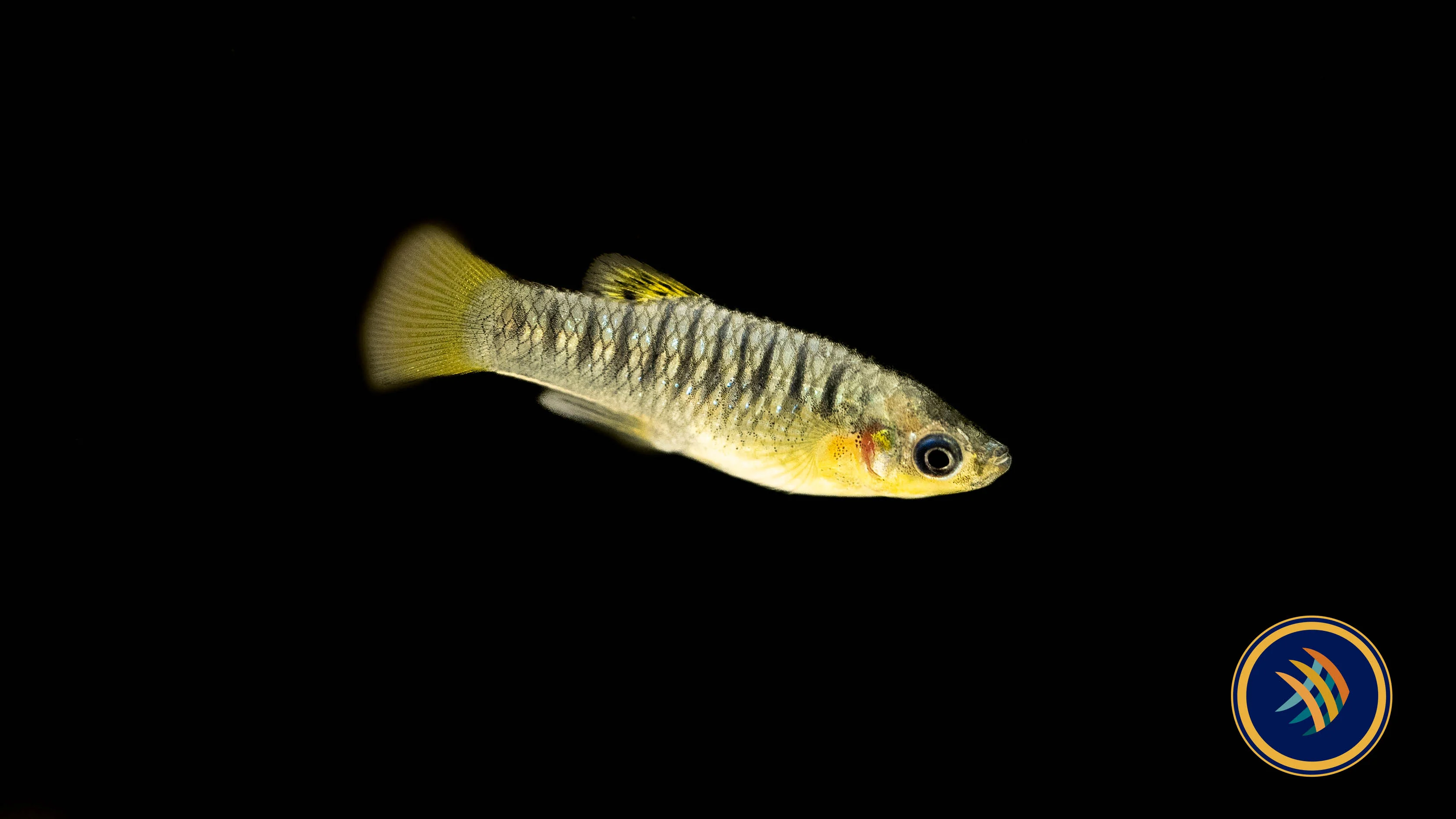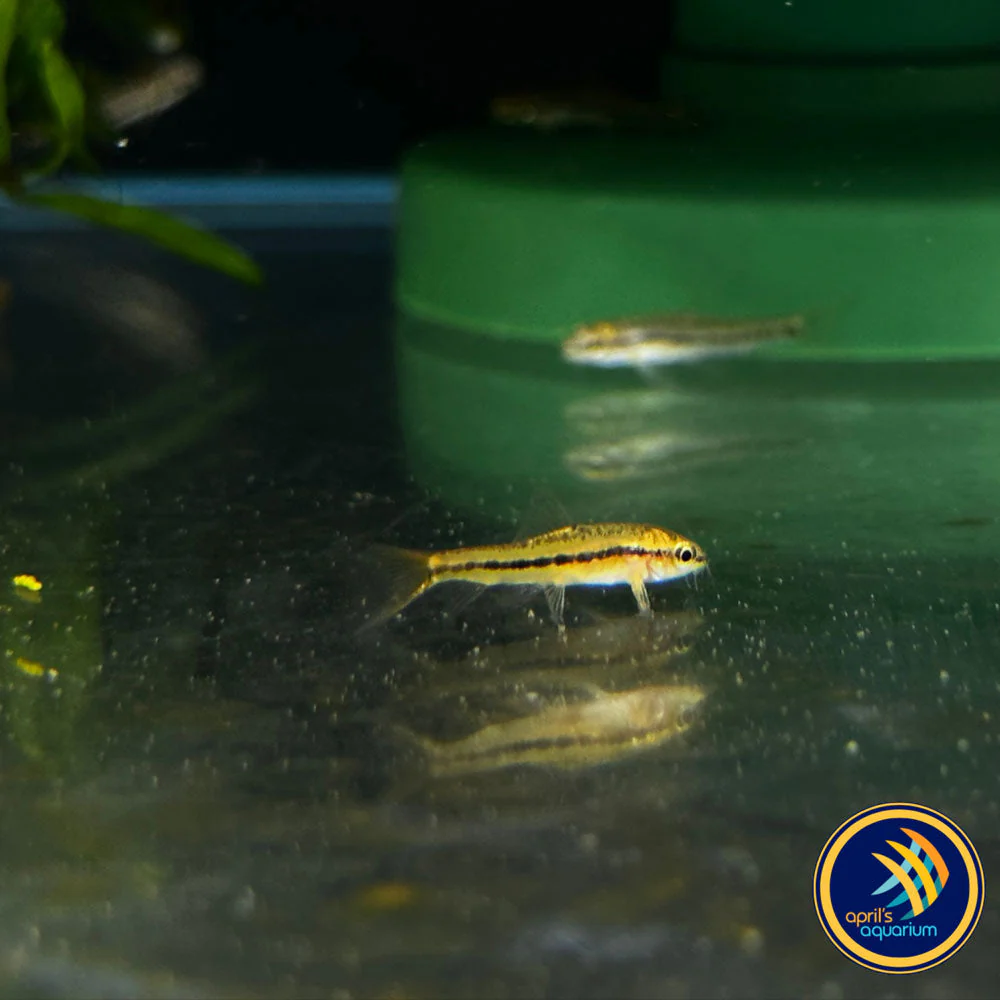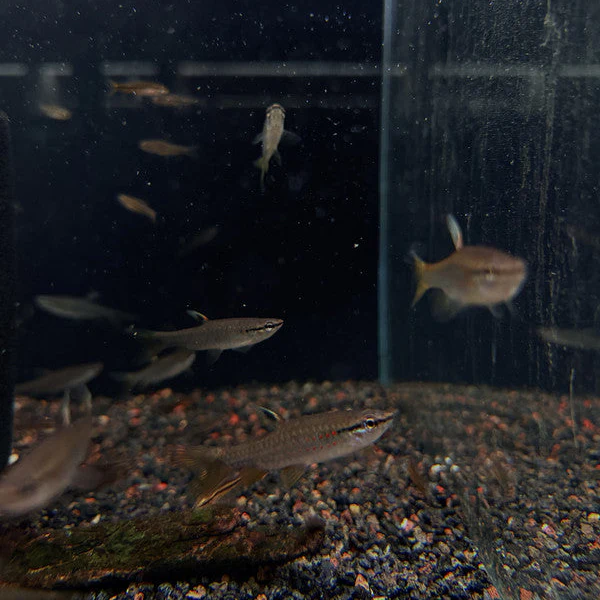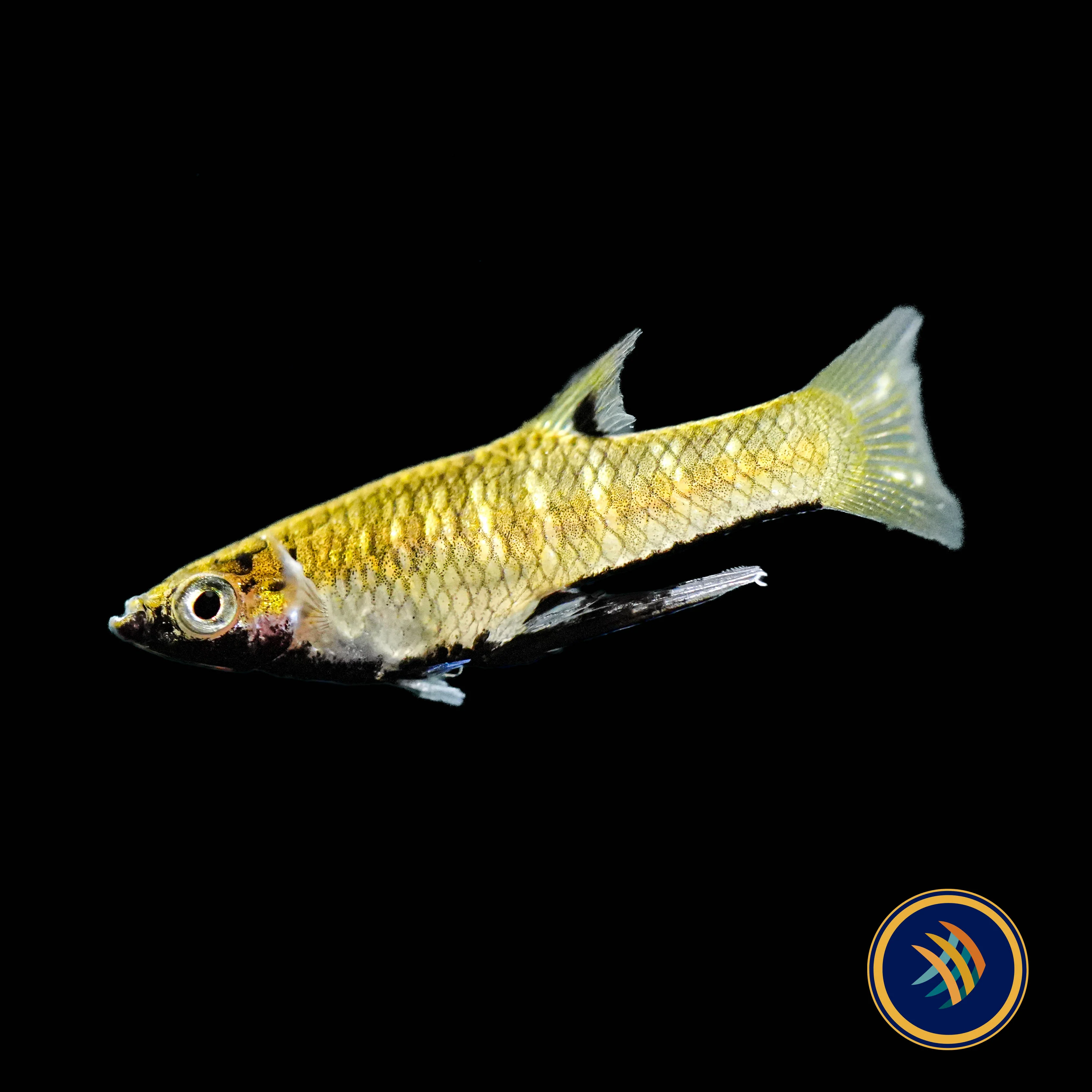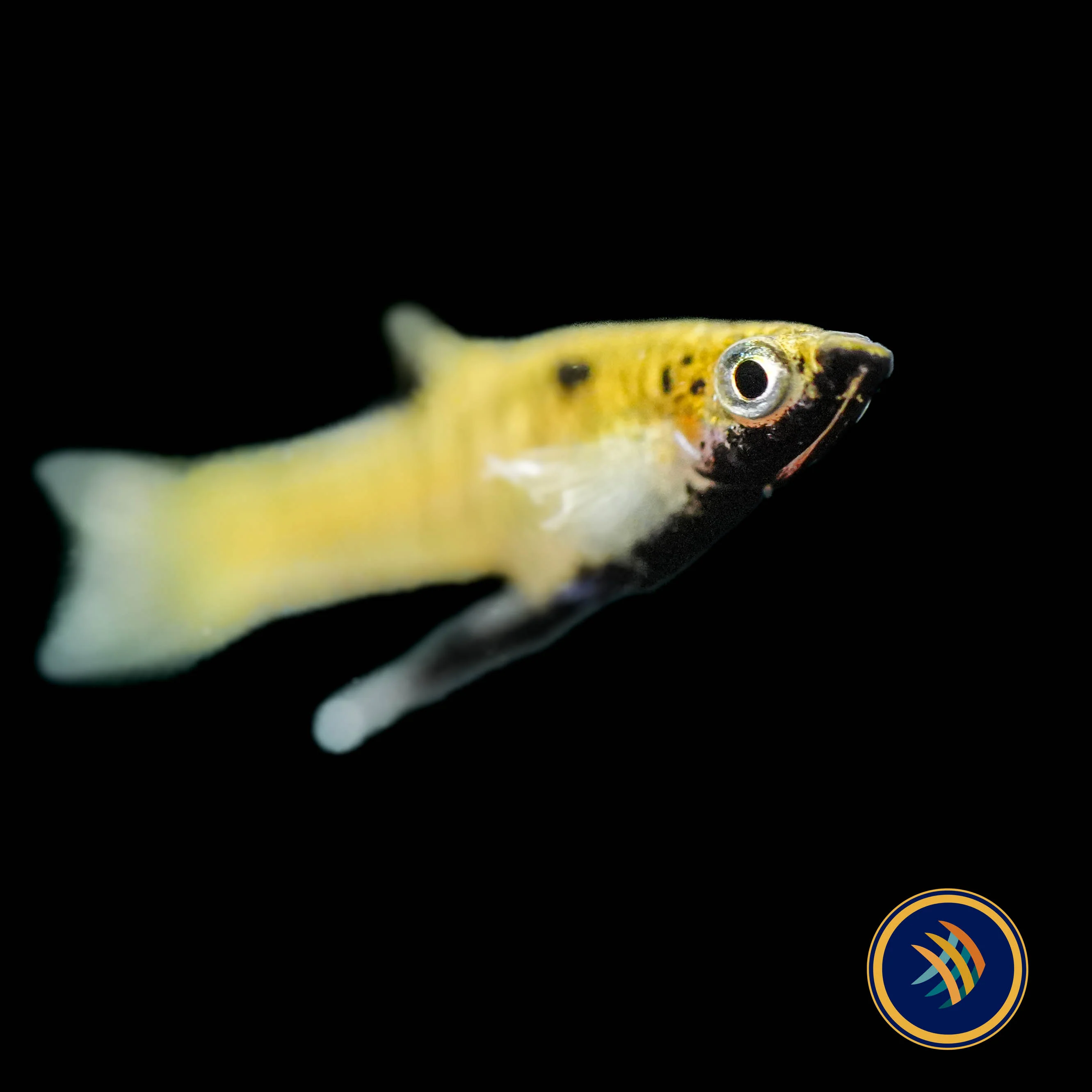
Wasp Stream Catfish (Akysis vespa) 3cm Aquarium Glaser
Akysis vespa
Common names: Wasp Stream Catfish, Orange‑Banded Hillstream Catfish, Mini Bee Catfish
Family: Akysidae
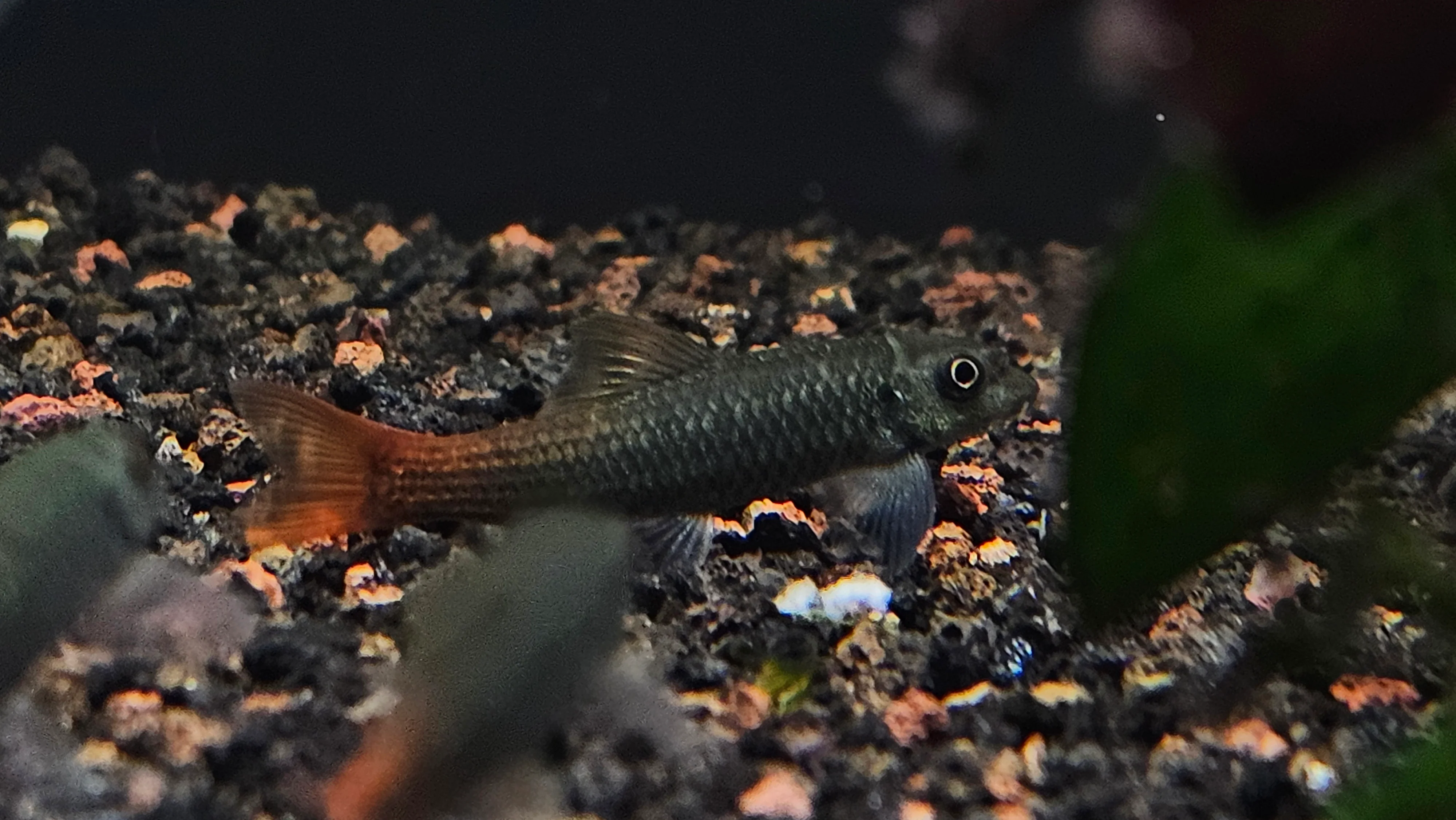
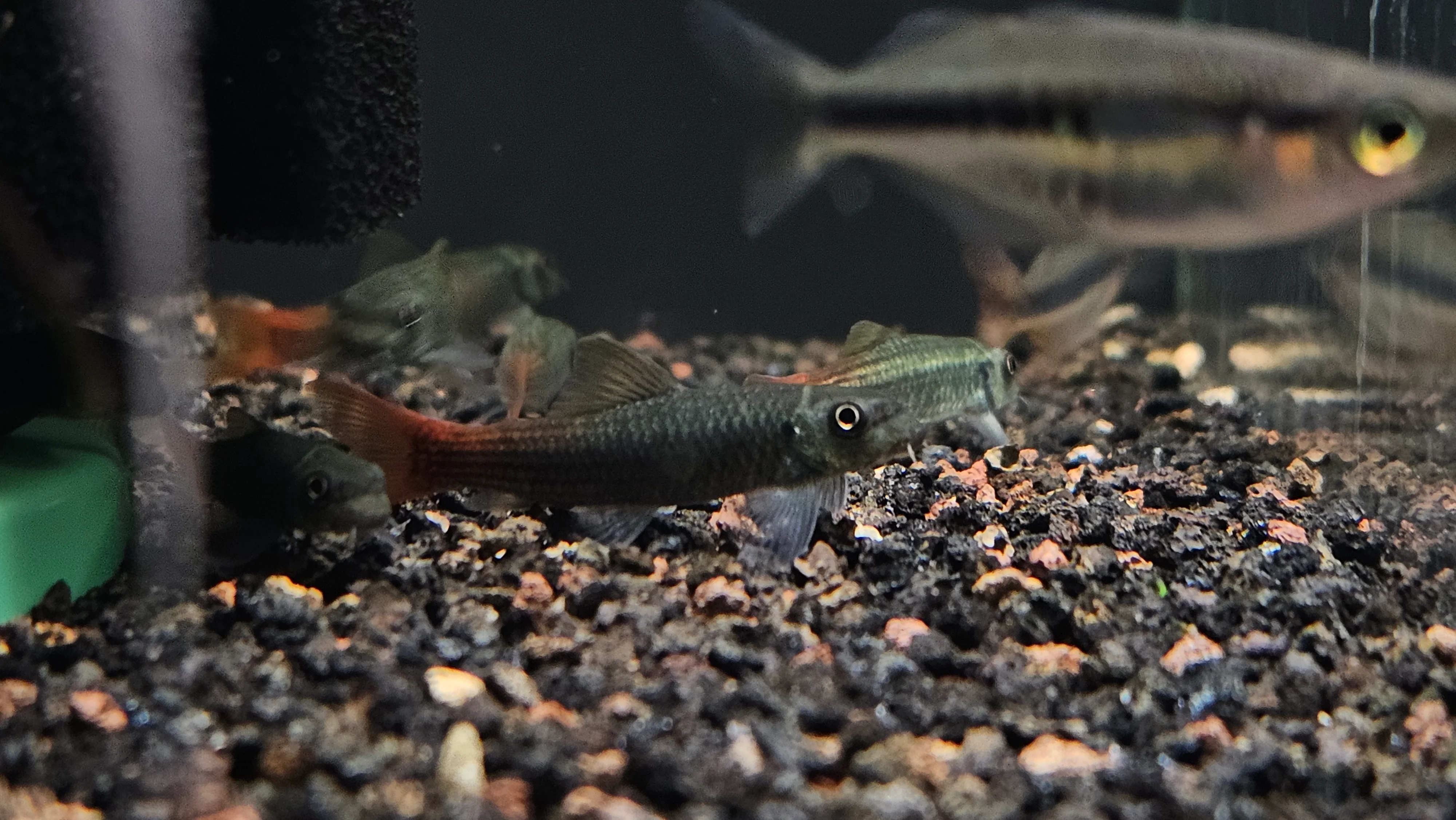
Akysis vespa is a tiny, beautifully patterned Asian hill‑stream catfish known for its yellow‑orange and brown “wasp‑like” banding and cryptic behavior. It’s a specialist species best suited to cool, oxygen‑rich, fast‑flowing setups rather than typical tropical community tanks.
Identification
- Size: ~3–4 cm (1.2–1.6 in) standard length (one of the smallest Akysis species) Pattern: Bold yellow/orange bands on a brown body (wasp‑like camouflage)
- Body: Tuberculate (rough‑textured) skin; no swim bladder (typical of Akysis)
- Spines: Pectoral spines can inflict a painful sting if handled improperly
Look‑alikes: A. longifilis (longer nasal barbels) and A. prashadi (brown rather than yellow abdomen).
Natural Range & Habitat
- Endemic to: Southern Myanmar (Burma)
- Drainage: Ataran (Salween/Thanlwin system)
- Habitat: Clear, fast‑flowing streams with gravelly substrates and high oxygen levels
They spend daylight hours concealed under stones or within the substrate, emerging more at dusk/night.
Water Parameters (Aquarium)
- Temperature: Ideal 20–24 °C (68–76 °F); tolerated a bit warmer short‑term
- pH: ~6.0–7.5 (slightly acidic to neutral)
- Hardness: Soft to moderately hard
- Flow & oxygen: Moderate to strong current; high dissolved oxygen is essential
Tank Setup
- Minimum tank: ~40–60 cm footprint (10–20 gal); longer is better for current runs
- Substrate: Fine sand with rounded gravel/river stones (allows burrowing)
- Décor: Smooth rocks, slate, driftwood to break flow; few plants that tolerate current
- Lighting: Subdued; provide shaded refuges
- Water quality: Immaculate—this species is sensitive to waste buildup
Diet
- Primary foods: Small live or frozen items—bloodworms, daphnia, brine shrimp, whiteworms
- Dry foods: Some accept finely sized sinking pellets/crumbs once settled
- Feeding tips: Target feed at dusk; shy feeders can be outcompeted in community tanks
Temperament & Compatibility
- Temperament: Peaceful but very shy
- Best with: Asian hill‑stream species (small danios, peaceful loaches) that enjoy cooler, fast‑flowing water
- Avoid: Warm‑water fish, boisterous feeders, or species needing still water
- Social: Can be kept singly or in small groups if ample hiding places are provided
Breeding
- Status: Has been bred in aquaria
- Trigger: Large water changes causing abrupt condition shifts (cooler, fresher water)
- Eggs: Laid on hard substrates; greenish eggs reported
- Difficulty: Moderate; specialized conditions required
Why Keep Akysis vespa
- Striking, “micro‑predator” aesthetics in a nano hill‑stream setup
- Excellent candidate for Asian river biotope aquaria
- Fascinating behavior and camouflage
Caution: Handle carefully—pectoral spines can sting.
Original: $24.12
-65%$24.12
$8.44Product Information
Product Information
Shipping & Returns
Shipping & Returns
Description
Akysis vespa
Common names: Wasp Stream Catfish, Orange‑Banded Hillstream Catfish, Mini Bee Catfish
Family: Akysidae
Akysis vespa is a tiny, beautifully patterned Asian hill‑stream catfish known for its yellow‑orange and brown “wasp‑like” banding and cryptic behavior. It’s a specialist species best suited to cool, oxygen‑rich, fast‑flowing setups rather than typical tropical community tanks.
Identification
- Size: ~3–4 cm (1.2–1.6 in) standard length (one of the smallest Akysis species) Pattern: Bold yellow/orange bands on a brown body (wasp‑like camouflage)
- Body: Tuberculate (rough‑textured) skin; no swim bladder (typical of Akysis)
- Spines: Pectoral spines can inflict a painful sting if handled improperly
Look‑alikes: A. longifilis (longer nasal barbels) and A. prashadi (brown rather than yellow abdomen).
Natural Range & Habitat
- Endemic to: Southern Myanmar (Burma)
- Drainage: Ataran (Salween/Thanlwin system)
- Habitat: Clear, fast‑flowing streams with gravelly substrates and high oxygen levels
They spend daylight hours concealed under stones or within the substrate, emerging more at dusk/night.
Water Parameters (Aquarium)
- Temperature: Ideal 20–24 °C (68–76 °F); tolerated a bit warmer short‑term
- pH: ~6.0–7.5 (slightly acidic to neutral)
- Hardness: Soft to moderately hard
- Flow & oxygen: Moderate to strong current; high dissolved oxygen is essential
Tank Setup
- Minimum tank: ~40–60 cm footprint (10–20 gal); longer is better for current runs
- Substrate: Fine sand with rounded gravel/river stones (allows burrowing)
- Décor: Smooth rocks, slate, driftwood to break flow; few plants that tolerate current
- Lighting: Subdued; provide shaded refuges
- Water quality: Immaculate—this species is sensitive to waste buildup
Diet
- Primary foods: Small live or frozen items—bloodworms, daphnia, brine shrimp, whiteworms
- Dry foods: Some accept finely sized sinking pellets/crumbs once settled
- Feeding tips: Target feed at dusk; shy feeders can be outcompeted in community tanks
Temperament & Compatibility
- Temperament: Peaceful but very shy
- Best with: Asian hill‑stream species (small danios, peaceful loaches) that enjoy cooler, fast‑flowing water
- Avoid: Warm‑water fish, boisterous feeders, or species needing still water
- Social: Can be kept singly or in small groups if ample hiding places are provided
Breeding
- Status: Has been bred in aquaria
- Trigger: Large water changes causing abrupt condition shifts (cooler, fresher water)
- Eggs: Laid on hard substrates; greenish eggs reported
- Difficulty: Moderate; specialized conditions required
Why Keep Akysis vespa
- Striking, “micro‑predator” aesthetics in a nano hill‑stream setup
- Excellent candidate for Asian river biotope aquaria
- Fascinating behavior and camouflage
Caution: Handle carefully—pectoral spines can sting.